


21, Aug 2026
Udaan network, Sense International India’s network of adults with deafblindness brings girls and women with deafblindness to the forefront of Advocacy
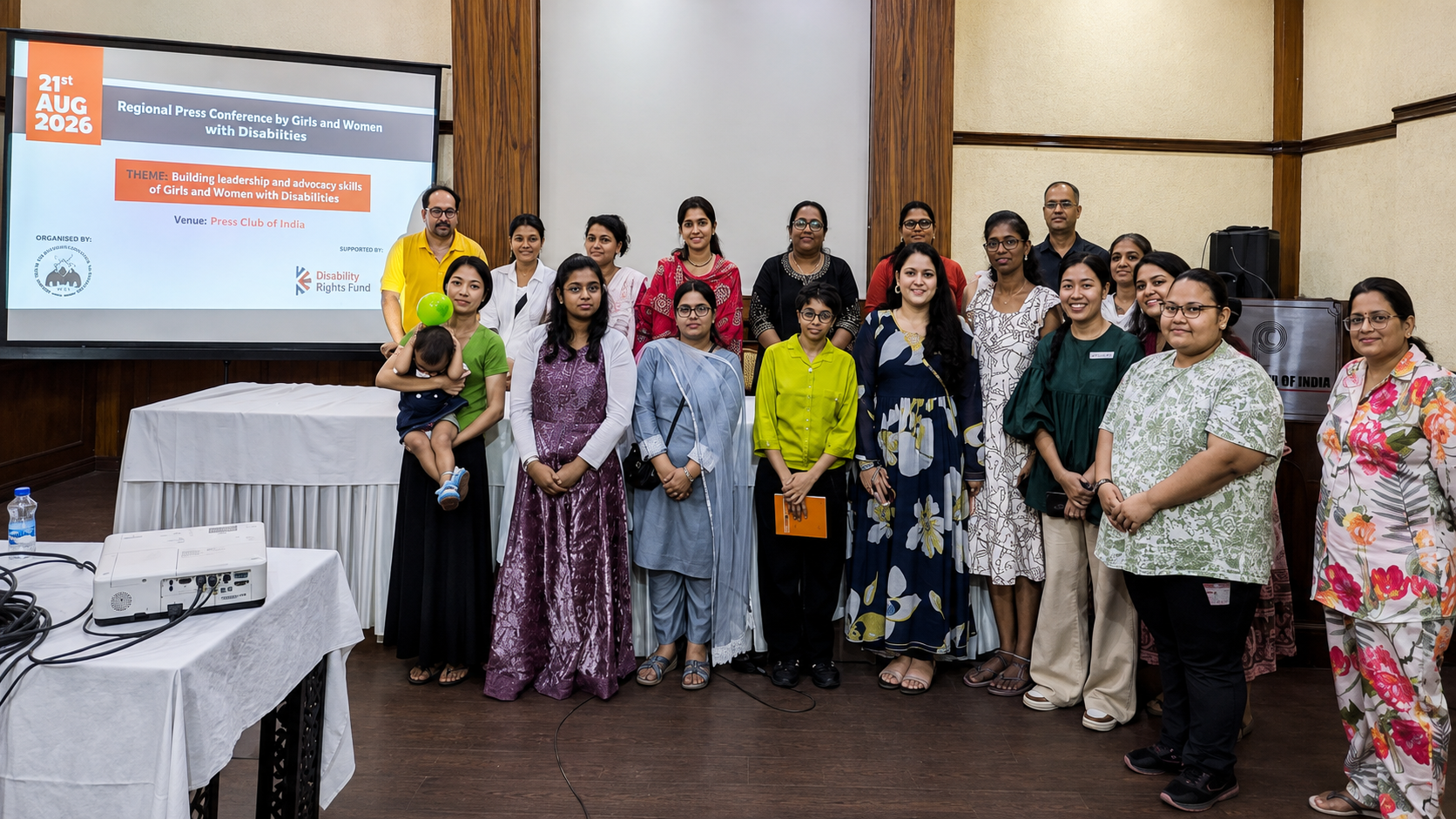
New Delhi, August 21, 2026: Sense International India (Sense India), the country’s only national organisation exclusively supporting persons with deafblindness and multiple disabilities, today hosted a press conference on ‘Building Leadership and Advocacy Skills of Girls and Women with Deafblindness’ at the Press Club, Delhi today.
Udaan Network, Sense India’s network of adults with deafblindness brought together girls and women with deafblindness to highlight the barriers faced by them and the urgent need for greater visibility, recognition and participation.
Speaking for themselves and their communities were Asha Patwal from Uttarakhand, an artist and aspiring teacher; Maiden Soben Lyngkhoi from Shillong, an aspiring baker; Alice from Kolkata, a dancer and entrepreneur; Dodiyar Maheshwari from Ahmedabad, a café professional and performer; and Ganga from Wayanad, an independent professional and advocate.
The event highlighted three urgent priorities: ensuring girls and women with deafblindness have meaningful opportunities to speak for themselves and take leadership roles; ensuring deafblindness is accurately identified and included in the Census 2027 and other data systems; and making essential information accessible in formats that persons with deafblindness can access and use.
Girls and women with deafblindness face multiple and intersecting barriers related to gender, disability, communication and accessibility, limiting their access to education, employment, public life and decision-making. The press conference emphasised that inclusion cannot simply mean being present—it must mean having the voice, agency and opportunity to lead.
The event also stressed that without accurate data through Census 2027, persons with deafblindness, particularly girls and women, risk remaining invisible in policies, programmes and services. Being counted is fundamental to being recognised. Equally, information on government schemes, education, employment, healthcare, elections, rights and public services must be made available according to individual communication needs, including through Braille, large print, tactile communication, tactile sign language and accessible digital formats.
Speaking on the occasion, Uttam Kumar, CEO, Sense International India, said, “For nearly three decades, our work has shown us that girls and women with deafblindness know what needs to change. What they are too often denied is the opportunity to say it publicly and to be heard. Today, that space belonged to them. We hope every journalist here leaves not just with a story, but with a responsibility: to help ensure that this community is counted, recognised and heard long after today. As we move towards Census 2027, it is critical that deafblindness and all 21 specified disabilities under the RPwD Act are accurately captured, so that no one is left invisible in India’s official data. What is not counted cannot be adequately planned for or addressed — and deafblind people must not be missing from the nation’s count.”
The press conference was organised in collaboration with the Deafblind Regional Centres (DbRCs), members of the Udaan Network and Sense India’s state partner organisations, which provided mentoring, preparation, accessibility and logistical support to enable the women to take the lead in the media engagement and was supported by the Disability Rights Fund (DRF).
The initiative seeks to challenge the perception of girls and women with deafblindness as merely recipients of care and support, and reinforce their identity as rights-holders, advocates, contributors and leaders. By creating direct dialogue between women with deafblindness and media professionals, it also aims to promote more accurate, respectful and rights-based representation of deafblindness.
The message from the women at the press conference was clear: they want to speak for themselves and address their concerns, and they should not be brought into conversations only after decisions affecting their lives have already been made.
Girls and women with deafblindness should not simply be included in conversations about their lives and rights, they should be enabled and empowered to lead those conversations.
- 0
- By Neel Achary