


6, Apr 2026
Celebrating National Maritime Day: Honouring India’s Maritime Heritage and Sectoral Contribution
New Delhi: On National Maritime Day, India reflects on its rich maritime heritage and the vital role played by the country’s maritime sector in driving economic growth, trade, and connectivity. From ports and shipping to logistics and marine industries, the dedication of countless professionals has been instrumental in strengthening India’s position on the global maritime map.
On National Maritime Day, we recall India’s maritime heritage and the invaluable contribution of all those associated with this sector. Their dedication strengthens our economy, trade and connectivity.
We will continue to harness the immense potential of our maritime sector for… pic.twitter.com/b9Uae4alCs
— Narendra Modi (@narendramodi) April 5, 2026
Officials emphasized that the maritime sector is not only central to trade and commerce but also crucial for strategic and infrastructural development. By leveraging India’s extensive coastline, modern ports, and shipping capabilities, the nation continues to unlock opportunities for sustainable growth and enhanced connectivity.
As India celebrates this day, authorities reaffirm their commitment to further developing the maritime ecosystem, promoting innovation, and harnessing the sector’s immense potential to secure a prosperous future for the country.

- 0
- By Neel Achary

6, Apr 2026
AWE Funds appoints Steve Taub as Venture Partner, Bringing Global Deep Tech Investing Expertise
April 6: AWE Funds, an early-growth venture equity platform focused on building scalable innovations across Climate Tech, HealthTech, FinTech, announced the appointment of Steve Taub as Venture Partner, Deep Tech and Innovation. With 17 years of experience investing in breakthrough technologies across corporate and strategic venture platforms, Steve will support AWE Funds in strengthening its deep tech strategy, enhancing technical diligence, and scaling high-impact innovations globally.
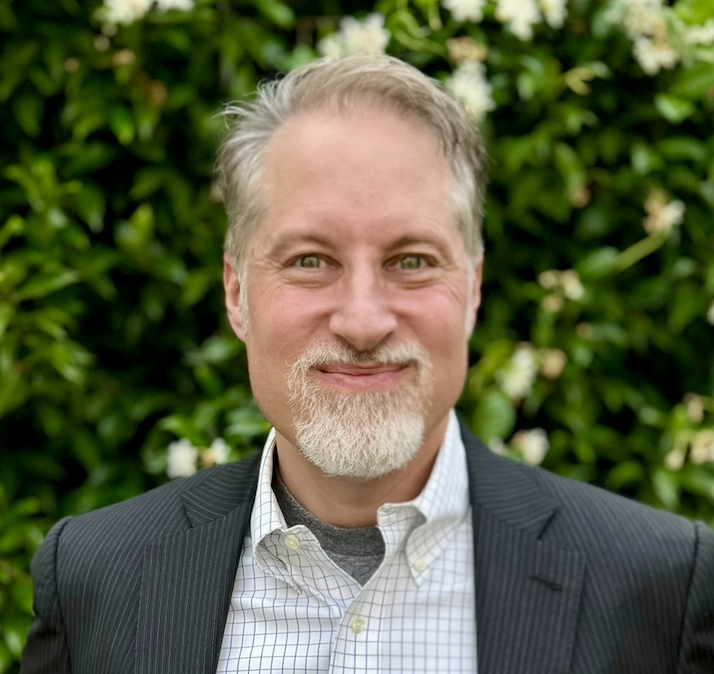
Steve brings a distinguished track record in venture capital and technology investing. He previously held senior roles at GE Ventures, where he played a key role in building and scaling the firm’s corporate venture investing capabilities across energy, advanced manufacturing, robotics, and industrial technologies. He later served as a Partner at In-Q-Tel (IQT), the strategic investment arm supporting emerging technologies for national security applications.
Most recently, Steve was Managing Director of Investments at JetBlue Technology Ventures, where he led sourcing, evaluation, and execution of investments in climate tech, aerospace, transportation, and other frontier technologies. His investment approach combines technical depth with commercial insight, enabling early-stage innovations to translate into scalable, market-ready solutions.
Steve holds master’s degrees in Technology and Policy and Mechanical Engineering from the Massachusetts Institute of Technology (MIT), and a bachelor’s degree in Mechanical Engineering from Columbia University.
“AWE Funds is building a disciplined, forward-looking deep tech platform at a critical moment in global industrial transformation. I’m excited to partner with the team to strengthen technical diligence and support founders developing scalable, globally relevant technologies.” says Steve Taub, Venture Partner at AWE Funds.
In his role as Venture Partner, Steve will work closely with AWE Funds’ leadership and portfolio companies to refine investment theses, strengthen technical evaluation frameworks, and mentor founders building next-generation technologies.
“At AWE Funds, we believe deep tech requires both conviction and expertise,” said Seema Chaturvedi, Founder and Managing Partner, AWE Funds. “Steve’s experience across breakthrough technologies and his disciplined investment lens will help us further strengthen our deep tech strategy and back companies shaping the future of industry and society.”
Steve’s appointment reinforces AWE Funds’ commitment to backing scalable, technology-driven ventures that generate both financial returns and meaningful social impact.
6, Apr 2026
realme Buds T500 Pro set to launch on 16th April with flagship Hi-Res sound and advanced ANC
New Delhi, Apr 06: realme, the most popular smartphone brand among Indian youth, is set to expand its portfolio with the realme Buds T500 Pro on 16th April. Built for young users who value performance and design, the realme Buds T500 Pro offers flagship Hi-Res sound coupled with advanced ANC. Its real-time AI noise cancellation algorithm and 6-mic system ensures clear calls whether you’re in one place or on the go. With the upcoming launch realme continues its commitment to offering power-packed technology that is practical, aesthetic and catering to the evolving needs of today’s youth.
The realme Buds T500 Pro is geared up to set a new standard for truly wireless earbuds introducing a candy box inspired design that is a culmination of playful aesthetics with exceptional portability. This power-packed compact device comes with 12.4mm Hi-Res Audio Drivers and LHDC 5.0 protocol, alongside 50dB flagship-grade noise cancellation and an exceptional 56-hours total battery life. The latest realme Buds T500 Pro comes with Bluetooth 6.1 connectivity as well as 45ms Ultra-Low Latency for a seamless experience. With multiple EQ modes it matches a wide array of listening styles while also offering 14 days of playback on a single charge. Additionally, the realme Buds T500 Pro offers a smooth two-way and face to face translation, reducing language barriers and ensuring smooth flowing conversations. A culmination of superior audio quality, advanced noise cancellation, and intelligent features within this uniquely designed package, it delivers unmatched value for the youth.
With its thoughtful combination of performance and a unique design, the realme Buds T500 Pro is crafted to support modern lifestyles without compromise. The TWS will officially launch on 16th April, 2026 in three exciting colours – Lemon Cola, Orange Mint and Chocolate. Further details on pricing and availability will be announced on the launch day. tuned, and for more information visit: realme.com, Flipkart and Amazon.
6, Apr 2026
Bharat Tribes Fest 2026 Wraps Up in Delhi, Boosts Tribal Art Sales
New Delhi: The Bharat Tribes Fest 2026 concluded successfully in Delhi, attracting large crowds and generating sales exceeding ₹4.5 crore. The festival celebrated India’s vibrant tribal culture, showcasing a wide variety of traditional crafts, textiles, artwork, and organic products.
The event provided tribal artisans with a unique platform to reach wider audiences, share their heritage, and boost their livelihoods. Visitors had the opportunity to engage directly with craftsmen, learn about their art forms, and purchase authentic products, supporting both cultural preservation and sustainable entrepreneurship.
Organizers highlighted that the strong turnout and robust sales reflect growing interest in India’s indigenous arts and crafts, and underline the festival’s role in promoting tribal innovation and economic empowerment.
6, Apr 2026
LTM to Offer MIT Open Learning’s Universal AI to its Workforce in Cooperation with upGrad Enterprise
Mumbai, India Apr 06: LTM, the Business Creativity partner to the world’s largest enterprises, announced that Universal AI, a dynamic online learning experience by Massachusetts Institute of Technology (MIT) Open Learning will be made available to its workforce. The program is being delivered in cooperation with upGrad Enterprise as part of LTM’s commitment to institutionalizing foundational AI reasoning across its talent pool.
LTM is focused on empowering its employees, across both tech and non-tech functions, to make informed, logic-driven decisions that drive client growth by preparing its workforce with scientific thinking and first-principles reasoning skills essential for success in an AI-driven economy and long-term career development. MIT Open Learning’s Universal AI program focuses on how AI systems work, the technologies that power them, and the ethical considerations surrounding their deployment. It is a self-paced learning experience designed by MIT Open Learning faculty, covering 16 foundational modules and vertical-specific modules, suitable for all skill levels, with no coding required.
“With AI advancing rapidly, the importance of human intervention in AI solutions is crucial for effective functioning and optimised outcomes. Strategic workforce upskilling is essential to building impactful AI-led solutions. Deploying this cutting-edge MIT Open Learning program through our upGrad partnership will strengthen our AI expertise that will define the next era of innovation,” said Gururaj Deshpande, Chief Delivery Officer, LTM.
“Providing upskilling opportunities in AI to employees in turn bridges capability gaps with the speed, scale, and precision. It builds a future-ready workforce that can develop innovative AI-led solutions for diverse industries, with social and economic impact in mind. At upGrad Enterprise, we bring our deep expertise in outcome-driven workforce development to build a powerful global skilled workforce, and we are very excited to partner with LTM to implement this,” said Ronnie Screwvala, Chairperson & Co-Founder, upGrad.
Delivered in cooperation with upGrad Enterprise, the program serves as the gateway for LTM employees to access MIT-tier expertise. upGrad Enterprise facilitates the deployment of these modules, enabling LTM to institutionalize AI fluency and build its organizational AI muscle at scale.
Upon completion, LTM employees will receive credentials from MIT Open Learning, certifying their recognised level of AI readiness and understanding of its first principles.
6, Apr 2026
New Programme to Train Scientists in Public Governance
New Delhi: In a move aimed at bridging the gap between science and policymaking, the Government of India has introduced a new programme to train scientists in governance under its flagship Mission Karmayogi initiative.
The programme is designed to equip scientists and technical experts with a better understanding of how government systems function, enabling them to contribute more effectively to policy design and implementation. By bringing scientific expertise closer to the decision-making process, the government hopes to strengthen evidence-based policymaking.
Mission Karmayogi, which focuses on capacity building among civil servants, is now being expanded to include professionals from scientific fields. The initiative will provide structured training on governance practices, public administration, and policy frameworks.
Officials say the programme will help scientists align their research and innovations with national priorities while also improving coordination between technical institutions and government departments.
The move is expected to enhance the role of science in governance, ensuring that policies are more informed, practical, and responsive to emerging challenges.
6, Apr 2026
India Boosts Diabetes Care Supply with Focus on Global South Needs
New Delhi: India is stepping up efforts to expand the production of biosimilar insulin and continuous glucose monitoring (CGM) devices, aiming to improve access to affordable diabetes care across developing nations.
With the burden of diabetes rising sharply in many low- and middle-income countries, often referred to as the Global South, there is growing demand for cost-effective treatment options. India, known for its strong pharmaceutical manufacturing base, is positioning itself to meet this need.
Government-backed initiatives and industry participation are expected to drive the scale-up of biosimilar insulin production, making life-saving treatment more accessible and affordable. At the same time, efforts are underway to boost domestic manufacturing of CGM devices, which help patients track blood sugar levels in real time and manage their condition more effectively.
Experts believe that strengthening local manufacturing will not only reduce dependency on imports but also enable India to emerge as a key supplier of diabetes care solutions to other developing countries.
The move aligns with India’s broader push to enhance healthcare accessibility and support partner nations facing similar public health challenges. As global demand continues to grow, India’s role in supplying affordable insulin and advanced monitoring technologies is likely to become increasingly important.
6, Apr 2026
Major Ports in India Beat Cargo Targets, Post Steady Growth in FY26
New Delhi: India’s major ports have outperformed expectations in the financial year 2025–26, reflecting strong growth in cargo movement and improved operational efficiency.
Data released by the Ministry of Ports, Shipping and Waterways shows that the country’s 12 major ports handled a total of 915.17 million tonnes of cargo during the year—surpassing the target of 904 million tonnes. This marks a growth of 7.06% compared to 2024–25, signaling a positive trend in maritime trade.
Deendayal Port led the chart with the highest cargo handling of 160.11 million tonnes. Paradip Port followed closely with 156.45 million tonnes, while Jawaharlal Nehru Port handled 102.01 million tonnes, maintaining its position as a key hub for container traffic.
Among other major ports, Visakhapatnam handled 91.16 million tonnes and Kolkata recorded 70.87 million tonnes. Ports such as Chennai, Kamarajar (Ennore), New Mangalore, Cochin, V.O. Chidambaranar, and Mormugao also contributed significantly to the overall cargo volume.
In terms of growth, Mormugao Port emerged as the fastest-growing, registering an impressive 15.91% increase in cargo handling. Kolkata Dock System followed with 14.28% growth, while Jawaharlal Nehru Port recorded a rise of 10.74%. Paradip Port also posted a steady growth of 4.02%.
The strong performance highlights the increasing capacity and efficiency of India’s port sector. With continued focus on infrastructure upgrades and streamlined logistics, the country’s ports are set to play an even bigger role in driving trade and economic growth.
6, Apr 2026
India Fast Tracks Lakhanpur Coal Gasification Project to Strengthen Energy Security
Apr 6: With ongoing geopolitical tensions in the Middle East raising concerns over global fuel supplies, India is taking decisive steps to safeguard its energy needs. One of the biggest challenges currently facing the country is ensuring a stable supply of oil and natural gas.
In a significant move, the Government of India is pushing ahead with a major coal gasification project in Lakhanpur, located in Odisha’s Jharsuguda district. The project recently crossed an important milestone with the signing of a land lease agreement between Mahanadi Coalfields Limited (MCL) and Bharat Coal Gasification and Chemicals Limited (BCGCL).
The project, which involves an investment of around ₹25,000 crore, is expected to be completed within the next two years. Once operational, it will produce ammonium nitrate, a key chemical used in various industries.
Coal gasification is emerging as a critical strategy for India to reduce its dependence on imported fuels and make better use of its abundant coal resources. The initiative also aligns with the government’s broader push for energy self-reliance.
Back in 2020, the Centre had launched the National Coal Gasification Mission to promote cleaner and more efficient utilization of coal. The Lakhanpur project is expected to play an important role in advancing this vision.
As global uncertainties continue, such initiatives could help India build a more resilient and self-sufficient energy ecosystem.
6, Apr 2026
Clarks Exotica Convention Resort & Spa Rebrands to ALDOVIA Resort & Convention
Bengaluru, Apr 6: Clarks Exotica Convention Resort & Spa has rebranded as ALDOVIA Resort & Convention, marking a strategic shift towards building an independent, owner-led hospitality brand. The move comes in the wake of Indian Hotels Company Limited (IHCL) acquiring a majority stake in Clarks Hotels & Resorts, prompting a transition from brand affiliation to full brand ownership and creative control.
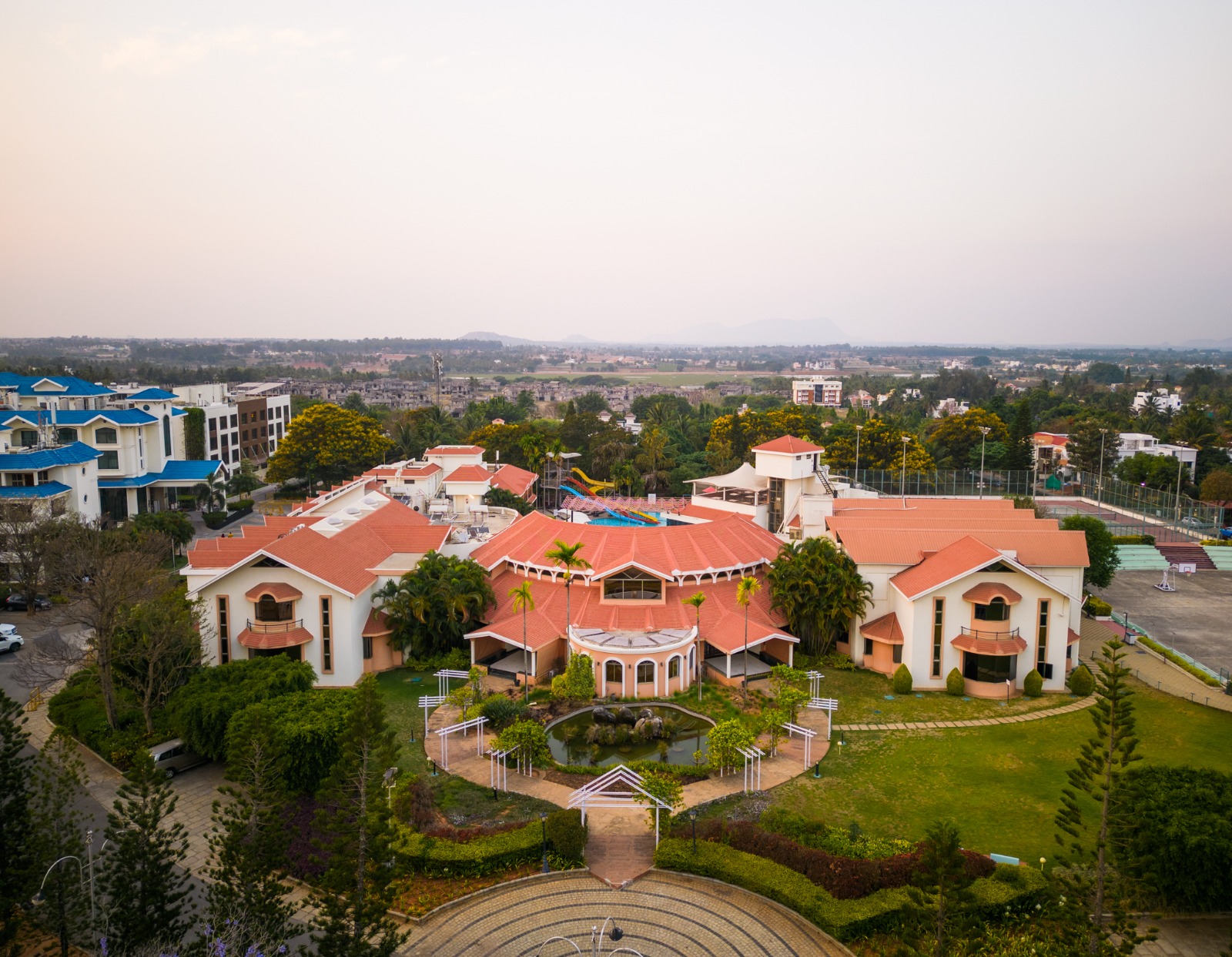
The transition comes in the wake of Indian Hotels Company Limited (IHCL) acquiring a majority stake in Clarks Hotels & Resorts, prompting a natural pivot for the property from brand affiliation to full ownership and creative control. While the brand association evolves, the ownership of the property remains unchanged and continues under the stewardship of the Colaco family, led by Dr. Ronald Colaco, along with Executive Directors Mr. Nigel Colaco and Mr. Randal Colaco.
For nearly two decades, Clarks Exotica Convention Resort & Spa has built a strong reputation for service excellence, scale, and trust. That foundation remains firmly intact. Strategic direction continues under Mr. Vivek Kumar, with business development led by Mr. Balaji, whose 19-year association with the property has played a pivotal role in shaping its identity and market presence.
The transition to ALDOVIA is not merely a rebranding, but a strategic transformation. It marks a shift from affiliation-led growth to full brand ownership, allowing the leadership to shape a more personal, values-driven, and future-focused hospitality experience.
Derived from “Aldo,” meaning wisdom, and “Via,” meaning journey, ALDOVIA represents a journey guided by experience, strengthened by legacy, and driven by purpose. The swan, its chosen emblem, reflects the brand’s philosophy—the “Spirit of Tranquillity”—symbolising grace, calm, and quiet confidence.
Speaking on the occasion, Mr. Balaji M, CEO, Aldovia, said,
“Clarks Exotica Convention Resort & Spa has been more than a workplace: it has been a journey of passion, people, and purpose. ALDOVIA is a natural evolution of that journey. While the name changes, the heart of what we have built remains the same. This transition gives us the opportunity to craft a brand that is truly our own, one that reflects our values, our learnings, and our long-term vision for hospitality.”
The rebranding marks a broader transformation and repositioning strategy. With full ownership of the brand, the leadership now has the flexibility to shape product, experience, and growth on its own terms, laying the foundation for a long-term, values-driven hospitality brand.
Adding to this, Ms. Nilisha Ghuliani, Vice President, Aldovia, With ALDOVIA, we are gently refining the experience to feel more intuitive, more personal, and truly meaningful, always keeping people at the heart of everything we do. It’s about how every guest is welcomed, understood, and remembered; how every interaction carries warmth, care, and a sense of belonging.
Our approach is rooted in grace in the way we shape our spaces, in the sincerity of our service and most importantly, in how people feel when they are with us. Because beyond the place, it is the people who create the experience, turning moments into memories. ALDOVIA is a place where Grace find you and our people embody the philosophy “Be the Grace”
This journey is not about changing what we are, but about elevating what already exists together.
Guests can expect the same warmth, team, and commitment to service that defined Clarks Exotica Convention Resort & Spa. Under the continued guidance of Vivek Kumar and Balaji, the resort’s core strengths remain unchanged. What evolves is the experience, becoming more refined, personalised, and aligned with a clear philosophy.
Under the leadership of Vice President, Nilisha Ghuliani and General Manager Varun Sharma, ALDOVIA will introduce a more cohesive and experience-led approach to hospitality. Enhancements will be thoughtful and phased, designed to elevate rather than disrupt.
As part of this evolution, select areas of the property will undergo curated upgrades. The poolside will be reimagined into a vibrant Swiss Town Square, envisioned as a dynamic social hub. The resort will also introduce distinctive culinary destinations, including Mirage (Pool Café), Shogun (Pan Asian Restaurant), and Ember (Grills Restaurant), each designed to offer immersive and concept-driven dining experiences.
Culinary direction will continue to be led by Executive Chef Suresh Babu and Associate Director F&B Senthil Kumar, with a focus on making dining at ALDOVIA not just a service, but a memorable experience.
Positioned near Bengaluru’s airport, ALDOVIA differentiates itself through a philosophy that goes beyond conventional luxury. Anchored in the belief, “Where Grace Finds You,” the brand is built on emotional intelligence, authenticity, and a deeply personalised approach to hospitality.
With this transformation, ALDOVIA Resort & Convention sets out on a long-term journey, to build a brand that stands independently, carries forward a proud legacy, and aspires to be recognised among the finest in global hospitality.


