


3, Apr 2026
Georgia Tech Pioneers First Space Sustainability Course in the U.S.
When Polina Verkhovodova began her aerospace engineering Ph.D. at Georgia Tech in 2022, she never imagined developing an interest in space sustainability policy. But a pair of courses showed her how her technical engineering background could merge with policy.
Verkhovodova enrolled in courses on space policy and space sustainability taught by Thomas González Roberts, an assistant professor in the Sam Nunn School of International Affairs and the Daniel Guggenheim School of Aerospace Engineering (AE). Although Roberts is new to Georgia Tech, he is deeply connected within the international space community and regularly brings outside experts into his classroom. Guest speakers introduce students to the breadth of careers in the field, from technical analysis to national and multinational policymaking.
One lecture in the policy class, delivered by a representative from the Matthew Isakowitz Commercial Space Scholarship program, opened a door for Verkhovodova. She later won the scholarship while in Roberts’ sustainability course and spent a summer in Washington, D.C., on the government affairs team for Voyager Technologies Inc., the space technology company.
“These courses gave me a new perspective on how we use and consider the space environment,” Verkhovodova said. “They revealed the interdisciplinary nature of the field of space sustainability to me. Now, I see myself working at that intersection of policy and engineering.”
Georgia Tech’s space sustainability course is the first of its kind in the United States, and each year, it focuses on a different theme. In 2025, it was space congestion in low Earth orbit; this year, it’s lunar surface coordination among nation-states.
Building a New Kind of Class
Roberts designed the course around three components: foundations of space sustainability, an introduction to the principal sustainability challenges in the space domain and how space actors try to solve them; a signature guest lecture series he calls “Space Sustainability According To…” to show students how these solutions work in practice; and a project workshop, where students break into small groups to answer research questions under the mentorship of Roberts and an external partner organization.
The guest lecture series brings in professionals from a wide range of organizations — economists, astronomers, diplomats, and industry leaders — to discuss what sustainability means within their part of the space ecosystem. Past speakers have represented institutions including NASA, the United Nations, and Northrop Grumman.
“They all have different perspectives on what it means to be a sustainable steward of the space domain,” Roberts said. “A company needs to be profitable, while NASA’s mission focuses on expanding human knowledge. I want students to see the full spectrum of career paths that will let them work on space sustainability for the rest of their careers, if they choose to.”
These conversations expose students to the tools, ideas, and people shaping the emerging discipline — connections that often extend well beyond the classroom.
Modeling the Future of Space Some guest speakers are part of the course’s external partnerships with leading space sustainability organizations, like last year’s collaboration with The Aerospace Corporation and this year’s with the Open Lunar Foundation.
In 2025, The Aerospace Corporation showed students how to use important research tools and also mentored student research teams as they developed their final projects. One of these tools was the MIT Orbital Capacity Assessment Tool (MOCAT), an influential model used to study the effects of space debris on the long-term usability of the most popular portion of the space domain. Space debris and the resulting congestion for satellites and spacecraft navigating around this debris are some of the most pressing challenges in space sustainability.
“One of the most unique experiences was that our professor used his connections to bring the original architects of MOCAT into the class,” said aerospace engineering Ph.D. student Neel Puri.
Among those architects was Miles Lifson. A graduate school colleague of Roberts’ at MIT, Lifson is now a project leader in flight mechanics at The Aerospace Corporation. While Aerospace Corporation already collaborates with Georgia Tech through internships and lab partnerships, Lifson saw the class as a rare chance to work directly with students.
“When I heard about this class, I was really excited,” he said. “Space situational awareness, space debris, spacecraft coordination — these issues are becoming increasingly important as we put more spacecraft into orbit. It’s immensely rewarding to work with students because they’re passionate about solving problems and full of ideas. These are skills the space industry really needs.”
From Classroom to Conference Stage Lifson also supported students in their final projects, helping them use the MOCAT model to analyze real-world problems and craft policy recommendations. One project, led by Puri, grew into a published conference paper, “Space Sustainability Implications of Combining Space Environment Pathways With Shared Socioeconomic Pathways,” which he presented at the American Institute of Aeronautics and Astronautics SciTech Conference in January.
Their research builds on recent findings that climate change is thinning the upper atmosphere, reducing drag and causing debris to remain in orbit longer. Their work shows that, depending on future climate scenarios, predicted debris in low Earth orbit could vary by 15% to 100%, underscoring the significance of climate factors in long-term analysis and planning for space traffic management.
Even though sustainability is already part of Puri’s research focus, he credits Roberts and the course with opening another door in the field and providing valuable context to his doctoral dissertation.
A New Model for Tech-Driven Policymaking Roberts sees the course as part of a larger mission.
“Georgia Tech can be a factory for producing tech‑driven policymakers,” he said. “When I was choosing where to go in my career as a faculty member, I wanted to be part of that factory. I get to help shape it, both in my lab and new course offerings like this one.”
With its blend of policy, engineering, real-world tools, and direct access to leading practitioners, Georgia Tech’s space sustainability course is not just pioneering a new curriculum. It’s preparing the next generation of space leaders to navigate and protect an increasingly crowded frontier.

- 0
- By Neel Achary

3, Apr 2026
The Easter Refresh: Ditch the Sugar Rush and Embrace the Wellness Sip
As Easter celebrations embrace themes of renewal and togetherness, a growing shift toward healthier lifestyle choices is influencing what people serve at the festive table especially when it comes to beverages. Moving beyond traditional sugary cordials and fizzy sodas, hosts are increasingly opting for refreshing, wellness-focused drink alternatives that complement both the occasion and well-being.
This Easter, nutrition-conscious choices are redefining festive indulgence, with options that are not only flavourful but also functional.
Hydration Meets Elegance
Infused water and herbal coolers are emerging as popular zero-sugar options. Flavoured naturally with ingredients like cucumber, mint, citrus, watermelon, and basil, these beverages offer a light, refreshing experience while doubling as visually appealing centrepieces when served with edible flowers and herbs.
Natural Energy Boosters
Coconut water continues to be a preferred choice for its natural electrolyte content and hydrating properties. Whether served on its own or enhanced with lime and mint, it offers a subtle sweetness without added sugars, making it ideal for long festive gatherings.
Antioxidant-Rich Alternatives
Chilled Green tea coolers, lightly sweetened with honey and infused with ingredients like ginger or cinnamon, provide a gentle antioxidant boost. Easy to prepare in advance, they serve as a refreshing and health-conscious option post-meal.
The Rise of Functional Fizz
Among the standout trends this season is Kombucha, a lightly sparkling, fermented tea known for its gut-friendly benefits. Once a niche product, kombucha has entered the mainstream in 2026, offering a balanced alternative to sugary sodas. Its natural tang and carbonation make it a versatile addition to festive spreads—ideal as a welcome drink, palate cleanser, or post-dessert refresher.
Brands like Tetley Kombucha, available in flavours such as Ginger Lemon and Peach, are gaining popularity for their consistent quality and inclusion of prebiotic fibre, further enhancing their appeal among health-conscious consumers.
A New Kind of Celebration
As Easter traditions evolve, the focus is shifting toward mindful indulgence—where taste, presentation, and wellness go hand in hand. By incorporating healthier beverage choices, hosts can elevate their celebrations while supporting better hydration, digestion, and overall well-being.
This Easter, let your drinks reflect the spirit of renewal—refreshing, nourishing, and thoughtfully crafted for every guest at the table.
3, Apr 2026
SAIL Records 20.14 MT Steel Sales in FY26
Steel Authority of India Limited (SAIL) achieved a record 20.14 million tonnes of steel sales in FY26, marking its strongest performance to date.
The growth was driven by robust demand from construction, automotive, and infrastructure sectors. SAIL’s focus on high-quality products, efficient production, and expanding distribution networks helped meet nationwide industrial needs.
Beyond volume, the company emphasized sustainable production practices, aligning with environmental goals while supporting India’s economic growth.
With plans for modernization and capacity expansion, SAIL is well-positioned to maintain momentum and continue contributing to India’s industrial development.
3, Apr 2026
Odisha Excels in Urban Water Infrastructure Under AMRUT 2.0
Odisha has distinguished itself in India under the AMRUT 2.0 program, showcasing excellence in urban water management and infrastructure development. The recognition reflects the state’s dedication to improving water supply, sanitation, and sustainable urban living across its cities.
Reliable and Accessible Water Supply
The state’s achievements under AMRUT 2.0 are driven by effective project execution, timely delivery, and expanded tap water services for households in urban areas. Cities have experienced a significant improvement in both the coverage and reliability of piped water, ensuring residents have consistent access to safe drinking water.
Modern Treatment Facilities and Enhanced Systems
Odisha has focused on upgrading water treatment plants and distribution systems. The operationalization of advanced treatment facilities, combined with better monitoring and maintenance practices, has improved water quality and reduced losses. These measures ensure urban residents benefit from efficient and high-quality water services.
A Model for Sustainable Urban Growth
The state’s success reflects a broader commitment to sustainable urban development and citizen-focused governance. By combining technology, operational efficiency, and strategic planning, Odisha is creating a framework that other regions can emulate.
Through continued efforts under AMRUT 2.0, Odisha demonstrates how focused infrastructure development and effective implementation can enhance urban living standards, promote sustainability, and ensure access to clean water for all.
3, Apr 2026
Two-Wheeler Makers Close FY26 Strong Amid Rural Recovery and Premium Demand
India’s two-wheeler industry wrapped up the fiscal year 2025-26 on a high note, buoyed by a revival in rural markets and a growing appetite for premium models. Manufacturers reported robust sales across motorcycles, scooters, and high-end bikes, signaling renewed consumer confidence and shifting preferences.
Rural Markets Drive Growth
A key factor in the industry’s strong performance has been the resurgence in rural demand. After a period of muted consumption, improved monsoon patterns, higher farm incomes, and targeted financing schemes have encouraged rural consumers to invest in personal mobility. Entry-level motorcycles, especially those priced below ₹80,000, saw healthy uptake, supporting sales volumes for brands catering to tier-2 and tier-3 towns.
Premium Segment Sees Surge
While rural recovery drove volume growth, urban markets contributed through heightened demand for premium two-wheelers. Scooters and motorcycles with advanced features, stylish designs, and superior fuel efficiency gained traction among young professionals and aspirational buyers. Electric two-wheelers are also slowly finding a foothold, with government incentives and rising environmental awareness nudging consumers toward sustainable options.
Strategic Moves by Manufacturers
Two-wheeler companies leveraged the favorable market environment with aggressive product launches, extended dealer networks, and targeted financing offers. OEMs invested in marketing campaigns highlighting safety, style, and efficiency, while expanding digital sales platforms to tap into tech-savvy buyers. Collaborations with fintech companies for easy loan approvals also played a crucial role in boosting rural demand.
Industry Outlook
Industry analysts expect the momentum to continue into FY27. Rural income growth, urban aspirational demand, and rising adoption of premium and electric models are likely to drive further expansion. Manufacturers are also focusing on after-sales service improvements, localized supply chains, and innovation in design and technology to sustain growth in a competitive landscape.
The combination of robust rural recovery and premium demand not only reinforces India’s position as one of the largest two-wheeler markets in the world but also highlights the evolving dynamics of consumer behavior. The sector’s ability to adapt and innovate will determine how it capitalizes on these trends in the years ahead.
3, Apr 2026
India’s Defence Exports Hit Record Rs 38,424 Crore in 2025-26
India’s defence exports surged to an all-time high of Rs 38,424 crore in 2025-26, marking an impressive 62.7% increase compared to the previous fiscal, according to the latest data from the Ministry of Defence.
This record growth reflects India’s expanding footprint in the global defence market, driven by a combination of indigenous manufacturing, strategic international partnerships, and a strong push for self-reliance under the “Make in India” initiative. Advanced fighter jets, naval vessels, missile systems, and defence electronics were among the key exports contributing to this surge.
Officials highlight that the rise in exports not only strengthens India’s defence industry but also enhances strategic ties with partner nations. Several deals signed over the past year, including long-term agreements with Southeast Asia, the Middle East, and Africa, have played a crucial role in this growth.
The increase in defence exports also has significant economic implications. By promoting domestic manufacturing and boosting foreign revenue, the sector is creating high-value jobs, fostering technological innovation, and reinforcing India’s position as a reliable supplier in the global defence market.
As India continues to focus on advanced indigenous capabilities and global collaborations, defence exports are expected to remain a key driver of both economic growth and strategic influence in the coming years.
3, Apr 2026
Sweet Surge: India’s Sugar Output Grows 9% This Season
India’s sugar production has seen a significant boost this season, rising 9% to reach 272.31 lakh tons as of March 31, 2026, according to data from the Indian Sugar Mills Association (ISMA). This increase reflects favorable crop conditions and higher yields across key sugar-producing states.
The latest figures indicate a steady recovery in output compared to the previous year, driven by improved cane availability, timely harvesting, and supportive weather conditions. Maharashtra, Uttar Pradesh, Karnataka, and Tamil Nadu remain the largest contributors to India’s sugar production, collectively accounting for a major portion of the total output.
Higher production is expected to ease pressure on domestic supply and could support steady prices in the coming months. The industry has also been focusing on enhancing efficiency and adopting modern milling techniques to maximize sugar recovery from sugarcane.
With India being one of the world’s largest sugar producers, the rise in production this season strengthens its position in global markets while also meeting domestic demand. The government and industry bodies continue to monitor output and market trends to ensure balanced supply and pricing stability.
3, Apr 2026
ISM 2.0: India’s Ambitious Leap to Become a Global Semiconductor Powerhouse
India is accelerating its push to become a key player in the global semiconductor industry with the launch of India Semiconductor Mission (ISM) 2.0, an upgraded plan to expand the country’s chip ecosystem.
While the initial ISM 1.0 focused on attracting investments and building foundational infrastructure for chip fabrication, assembly, and testing, the new phase lays out a broader roadmap. It aims to strengthen domestic capabilities across the entire semiconductor value chain — from research and design to manufacturing and supply chain resilience.
Key Focus Areas of ISM 2.0
- Research and Development: Supporting innovation in chip technologies and materials.
- Design and Intellectual Property: Promoting indigenous chip design and reducing reliance on foreign IP.
- Supply Chain Resilience: Boosting production of essential inputs, equipment, and chemicals for semiconductor manufacturing.
- Domestic Manufacturing: Expanding high-value production beyond assembly and packaging.
- Skill Development: Training engineers and technicians to support a growing semiconductor ecosystem.
The government has approved a substantial budget allocation for this next phase, signaling strong commitment to building a robust and self-reliant semiconductor sector.
Strategic Importance
Semiconductors underpin modern technology, powering everything from smartphones and data centers to electric vehicles and AI systems. By broadening the focus from ISM 1.0, India aims not just to participate in global supply chains but to become a contributor to high-value segments, strengthening technological sovereignty and creating job opportunities.
Looking Ahead
ISM 2.0 represents a transformative step in India’s semiconductor journey. With its expanded scope and strategic focus, the country is positioning itself as a competitive, innovation-driven hub that can play a significant role in the global chip industry in the years to come.
3, Apr 2026
UPI Records 22.64 Billion Transactions in March, Shows Robust Growth
India’s digital payments ecosystem reached a new milestone in March 2026, with the Unified Payments Interface (UPI) processing 22.64 billion transactions. This represents a significant increase from February and highlights the growing adoption of real-time digital payments across the country.
The surge in transactions reflects steady growth in both consumer and merchant usage. Compared to February, which saw around 20.39 billion transactions, March recorded an 11% month-on-month rise. On a year-on-year basis, UPI transactions grew approximately 24%, indicating strong long-term momentum.
In terms of transaction value, UPI also posted impressive numbers. Total transactions in March amounted to ₹29.53 lakh crore, up from ₹26.84 lakh crore in February, marking a 10% month-on-month increase and nearly 19% growth year-on-year. On average, the platform handled around 730 million transactions per day, with an average daily transaction value of about ₹95,243 crore.
The strong performance in March coincided with festive periods and increased economic activity as the financial year ended, contributing to higher spending and digital payments. UPI’s reach is expanding beyond India, with services now live in several international markets, reflecting its growing influence in global digital payments.
As India continues its transition toward a cashless economy, UPI remains central to this shift, offering speed, convenience, and financial inclusion for millions of users and businesses nationwide.
3, Apr 2026
Chelvies Coffee Company Opens Its Doors at Spectrum Metro, Bringing a New-Age Café Experience to Noida
Noida, Apr 03: Strengthening its vibrant retail and F&B mix, Spectrum@Metro has welcomed the launch of Chelvies Coffee Company, a contemporary café concept that promises to redefine the coffee and dining experience for visitors.
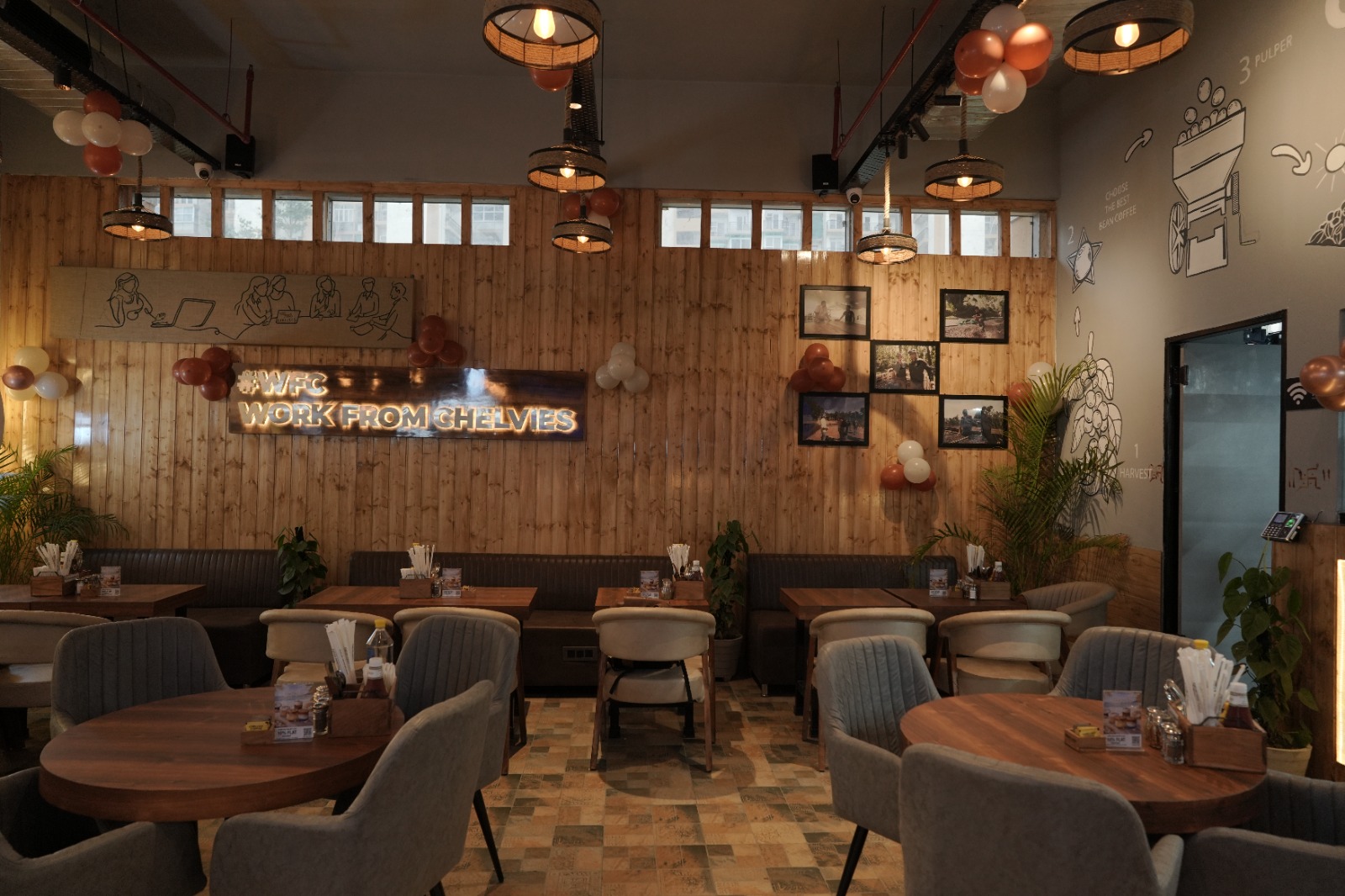
Located at Tower C, First Floor, Spectrum Metro Phase 1, Sector 75, the newly opened café offers a unique blend of a live kitchen, French bakery, in-house coffee roastery, and Italian woodfire pizzeria, making it a one-stop destination for food and coffee enthusiasts. With its thoughtfully designed interiors and artisanal approach, Chelvies Coffee Company aims to create a space “where every cup tells a story.”
The café brings together freshly brewed specialty coffee, handcrafted baked goods, and a curated menu of global flavors, catering to the evolving tastes of urban consumers seeking experiential dining.
Speaking on the launch, Ajendra Singh, Vice-President – Sales & Marketing, Spectrum@Metro, said,
“We are delighted to welcome Chelvies Coffee Company to Spectrum@Metro. The brand’s unique concept of combining a coffee roastery with a live kitchen and bakery aligns perfectly with our vision of offering a dynamic and experience-driven retail environment. We are confident that this addition will further enhance the overall lifestyle quotient for our visitors.”
With this addition, Spectrum@Metro continues to strengthen its positioning as a preferred destination for premium retail and culinary experiences in Noida, attracting leading brands and offering visitors a vibrant, all-encompassing lifestyle hub.