


31, Mar 2026
Lifestyle also influences the severity of endometriosis symptoms
|
According to a recent review by researchers at Semmelweis University, published in the journal Nutrients, lifestyle and dietary changes may help people living with endometriosis. The study analyzed more than 100 international papers and found that factors such as a healthy diet, regular physical activity, stress management, good sleep and adequate micronutrient intake can help reduce pain and improve quality of life. The Semmelweis University research team reviewed international studies to better understand the role of lifestyle factors in managing endometriosis. Endometriosis is a chronic, estrogen-dependent inflammatory disease affecting around 10% of women of reproductive age. It is characterized by tissue similar to the uterine lining growing outside the uterus. These lesions respond to the menstrual cycle and can cause pain, inflammation and bleeding, often leading to severe menstrual pain, chronic pelvic symptoms, fatigue and infertility. Diagnosis is often delayed, and symptoms can significantly affect quality of life over time. One of the key findings is that regular physical activity – at least 150 minutes per week, according to general recommendations, three times a week – can have several benefits. Exercise can influence hormone balance and the way the body processes pain. Clinical studies show that activities such as yoga, stretching and strengthening exercises, cardio workouts and resistance training, as well as relaxation techniques like progressive muscle relaxation, can help reduce endometriosis-related pain and improve quality of life. “Physical activity and other lifestyle factors do not replace medical treatment, but they can support it,” said Dóra Boroncsok, PhD candidate at Semmelweis University and first author of the study. The researchers also highlight the benefits of a Mediterranean-style diet, which is high in vegetables, fruits, whole grains, fish and olive oil, while limiting red and processed meat. This type of diet has been linked to reduced pain and improvements in some digestive symptoms. By contrast, pro-inflammatory diets, particularly those high in red meat, may increase the risk of the disease. The review also looks at the possible role of several micronutrients and dietary supplements – including vitamins C, D and E, omega-3 fatty acids, magnesium, zinc and certain antioxidant compounds – while noting that further clinical research is needed to confirm their benefits. “A key message is that patients can actively contribute to improving their condition. Everyday choices – from physical activity to diet and stress management – can reduce symptoms. Lifestyle change is not a cure, but it offers a real opportunity for women to take an active role in their own health,” added Dr Gábor Sobel, associate professor at the Department of Obstetrics and Gynecology at Semmelweis University and senior author of the study. The publication also introduces a new dietary approach currently under investigation, known as the fasting-mimicking diet (FMD). This is a short, typically five-day, plant-based, low-calorie program designed to trigger effects similar to fasting without requiring complete food restriction. In clinical studies of other chronic inflammatory and metabolic conditions – such as type 2 diabetes and cardiovascular risk – FMD has been shown to reduce inflammation, support hormonal and metabolic balance, and activate cellular repair processes. Based on its biological effects, FMD appears promising, but it has not yet been studied in gynecological diseases. The Semmelweis University research team has therefore developed a clinical trial protocol, which will be the first study worldwide to investigate FMD in gynecological conditions, including endometriosis. |

- 0
- By Neel Achary

31, Mar 2026
Airtel, Alpha Wave, and Carlyle Lead 1B Investment in Nxtra
New Delhi, Mar 31: Bharti Airtel today announced an investment of US$ 1 Billion by Alpha Wave Global, Carlyle and Anchorage Capital, through their affiliates, in Nxtra Data Limited a subsidiary of Bharti Airtel engaged in the data center business, to expand its network across India and accelerate growth. Airtel will also participate in this round.
As part of the pact, Alpha Wave Global will invest US$435 million, Carlyle US$240 million, Anchorage Capital US$35 million, with the rest being infused by Airtel. The investors’ final shareholding will be subject to finalized post-closing adjustments. Airtel will continue to retain a controlling stake in Nxtra. The deal is subject to regulatory approvals in India.
Nxtra – the first data center company in India to deploy AI at scale for predictive maintenance, energy efficiency, and automated operations – intends to deploy proceeds from the fund infusion to accelerate its growth plans. It plans to extensively scale its infrastructure and broaden its portfolio of services, catering to the evolving needs of enterprises, hyperscalers, and government organisations across the country.
India’s data center sector is currently witnessing rapid growth, driven by accelerating digital transformation across enterprises, rising adoption of cloud services, and expanding demand from hyperscalers. According to a Savills India report, India’s data center market is expected to grow at a CAGR of around 21% between 2024 and 2030 to reach nearly 3,400 MW of IT capacity.
“At Nxtra, we have built one of India’s most advanced and sustainable data center networks, designed to meet the evolving needs of enterprises, hyperscalers, and government. With ~300 MW capacity today, we aim to scale to 1 GW in the next few years, targeting ~25% market share,” Gopal Vittal, Executive Vice Chairman, Airtel, said.
Strategic partnerships with global investors and technology leaders are central to our growth roadmap, enabling us to accelerate expansion, harness world-class expertise, and deliver next-generation digital infrastructure solutions at scale. With strong market demand, we are committed to stepping up investments and strengthening India’s position as a leading data center hub.”
“We have built a strong partnership with Airtel and continue to believe Nxtra is well-positioned to benefit from India’s long-term digital infrastructure tailwinds. The company has made significant progress in expanding its capabilities, strengthening customer relationships and building a scalable platform, and we look forward to further working with Airtel and Nxtra’s management team to build the company into one of the largest datacenter players in India,” said Kapil Modi, Partner at Carlyle India Advisors.
Rick Gerson, Co-Founder & CIO, Alpha Wave Global, said,
“Alpha Wave has a particular focus on identifying and backing AI-first businesses including Anthropic, OpenAI, Cerebras, SpaceX, X.ai, Ramp, Cognition and Long Lake Management. We are excited to partner with Mr. Sunil Mittal and the Bharti Group a franchise defined by outstanding leadership and a remarkable track record of executing at scale alongside institutional investors – as Nxtra scales to become India’s leading data center business.”
Navroz D. Udwadia, Co-Founder, Alpha Wave Global, added,
“India has an immense AI opportunity ahead of it Indians already meaningfully interact with and on Chat GPT, Claude and other AI platforms. As such India is set to see its data center capacity grow meaningfully to keep up with hyperscaler and LLM demand.”
Headquartered in New Delhi, Nxtra operates 14 large core data centers and 120+ edge facilities across India, offering co-location, cloud infrastructure, managed hosting, data backup, disaster recovery, and edge computing services. It has a state-of-the-art facility in Pune and is developing additional AI-ready campuses in Chennai, Mumbai, and Kolkata. Nxtra has recently partnered with Google to build a gigawatt-scale AI data center campus, backed by a $15-billion investment.
31, Mar 2026
Girikon.AI’s GirikVoice Boosts Customer Engagement by Up to 40 Percent
New Delhi, Mar 31 : Girikon.AI, a technology company building AI-powered SaaS solutions for customer engagement and business operations, has observed early performance gains from enterprises adopting its AI-driven voice platform, GirikVoice. Based on initial deployments, businesses are seeing up to 40% improvement in response times, along with noticeable gains in customer engagement efficiency and a reduction in missed or unattended customer interactions.
These early indicators reflect a broader shift in how enterprises are managing customer communication. As organisations handle increasing volumes of interactions, there is a growing need to move beyond manual and reactive systems toward more intelligent, scalable, and responsive engagement models. AI-powered voice is emerging as a key enabler in this transition.
GirikVoice is an AI-first, multilingual voice platform designed to integrate seamlessly with enterprise CRM and service ecosystems. Powered by generative AI and machine learning, the platform enables organisations to automate voice interactions, deliver real-time responses, and capture actionable insights within their existing workflows. By reducing dependency on manual call handling, enterprises are able to improve responsiveness while maintaining consistency in customer communication.
A key strength of the platform lies in its multilingual and vernacular capabilities, particularly relevant for diverse markets like India. By enabling businesses to interact with customers in their preferred language, GirikVoice helps enhance accessibility, improve engagement quality, and support more effective communication outcomes. This has shown strong relevance in sectors such as real estate, healthcare, and other service-led industries, where timely and clear communication plays a critical role.
Commenting on these early trends, Alok Anibha, Founder, Girikon.AI, said:
“What we are seeing across early deployments is a clear shift in expectations. Customers want faster, more natural conversations, and enterprises are looking for ways to deliver that at scale. AI-powered voice is helping bridge that gap not by replacing human interaction, but by making it more efficient, responsive, and accessible. These early observations reflect how voice is evolving into a more intelligent and reliable engagement layer for businesses.”
As enterprises continue to adopt AI-driven communication technologies, the role of voice is expected to expand beyond traditional support functions into a more strategic interface. With increasing emphasis on speed, personalization, and accessibility, AI-powered voice solutions are set to play a central role in shaping the future of customer engagement.
31, Mar 2026
Bitget Partners with IIT Delhi to Advance Web3 Education in India
New Delhi, Mar 31: Bitget, the world’s largest Universal Exchange (UEX), partnered with the Indian Institute of Technology Delhi (IIT Delhi) to host a blockchain seminar and workshop under its Blockchain4Youth programme. The campus session brought together more than 280 students for a workshop focused on blockchain fundamentals, decentralized systems, and emerging opportunities in Web3.
Held on March 27, the event drew participants from leading institutions including the Indian Institute of Information Technology Delhi (IIIT Delhi), Netaji Subhas University of Technology (NSUT), University of Delhi (DU) and other institutions across the capital. More than 650 registrations were recorded for approximately 300 seats, highlighting strong demand for structured blockchain education among Indian students.
Blockchain4Youth is Bitget’s global initiative dedicated to expanding blockchain literacy through campus engagements, workshops, and long-term support for young builders entering the digital asset ecosystem. India remains one of the most active regions for technical talent and early-stage blockchain participation, making university engagement an important part of long-term ecosystem development.
“India continues to stand out for the depth of technical talent entering blockchain,” said Gracy Chen, CEO of Bitget.
“What stood out at IIT Delhi was the curiosity students approached the discussions with. Blockchain4Youth is designed to create early access to knowledge and help young builders understand where decentralized technologies are moving beyond theory into practical infrastructure.”
Speakers at the event underlined the long-term importance of sustained ecosystem investment in Indian talent. Vinayak Kalra, founder of KaiFoundry, noted that the level of curiosity and ambition among students reflected how quickly India’s next generation of blockchain talent is emerging, adding that initiatives of this kind are important if leading Web3 organizations want to invest meaningfully in the country’s talent pool. The event also drew strong attention from ecosystem contributors present at the session. Sahil Thakur, founder of BlockseBlock, pointed to the turnout as evidence that blockchain interest on campuses is increasingly driven by long-term curiosity rather than short-term market cycles.
Bitget’s Blockchain4Youth programme continues to expand through partnerships with universities and educational communities worldwide, with a focus on expanding blockchain access and supporting the next generation of developers and entrepreneurs.
31, Mar 2026
Government Keeps Small Savings Scheme Interest Rates Steady for April-June 2026
New Delhi, March 30: The government on Monday announced that interest rates for various small savings schemes will remain unchanged for the eighth consecutive quarter, starting April 1, 2026. The decision covers popular schemes such as the Public Provident Fund (PPF), National Savings Certificate (NSC), and Sukanya Samriddhi Yojana (SSY).
A notification from the Finance Ministry stated that the interest rates for the first quarter of FY 2026-27 (April 1 to June 30, 2026) will stay the same as those applicable in the previous quarter (January-March 2026).
Key interest rates include:
- Sukanya Samriddhi Yojana (SSY): 8.2%
- Three-year term deposit: 7.1%
- Public Provident Fund (PPF): 7.1%
- Post Office Savings Deposit: 4%
- Kisan Vikas Patra (KVP): 7.5% with maturity in 115 months
- National Savings Certificate (NSC): 7.7%
- Monthly Income Scheme (MIS): 7.4%
The decision reflects the government’s focus on stability and predictability for small savers, providing a reliable avenue for long-term investment. These schemes continue to play a key role in encouraging financial discipline and savings among individuals, while offering safe returns amid broader economic fluctuations.
Experts note that keeping the rates unchanged benefits retirees, households, and risk-averse investors, who rely on these instruments for regular income and wealth accumulation.
With these measures, the government aims to maintain public confidence in small savings schemes and promote their continued use as a foundation of personal financial planning.
31, Mar 2026
India’s Semiconductor Drive: Pioneering a Self-Reliant Tech Future
India is no longer just a spectator in the global technology race—it is actively shaping the future. With a bold vision for the 21st century, the country is making strategic moves to establish itself as a leader in semiconductor manufacturing and innovation, a sector that forms the backbone of modern technology.
The journey gained momentum in 2021 with the launch of the India Semiconductor Mission (ISM). More than an industrial policy, the ISM was a statement of confidence, signaling India’s readiness to compete globally and become a reliable supplier of semiconductors. These tiny but critical components power everything from smartphones and laptops to automobiles, medical devices, and advanced defense technologies, making them indispensable in today’s digital world.
A major milestone in this effort is the inauguration of the Kaynes Semicon facility, a state-of-the-art manufacturing hub. This facility strengthens India’s push for self-reliance in chip production, reducing dependence on imports while creating a strong domestic ecosystem for design, fabrication, and testing. Experts say it marks a transformational step toward building a sustainable semiconductor industry in India.
The implications of this initiative extend far beyond manufacturing. By fostering domestic expertise, encouraging research, and attracting global investment, India is laying the foundation for a high-tech economy that can compete on the world stage. From supply chain resilience to job creation, the benefits of a robust semiconductor ecosystem are manifold, making India an active participant in shaping the future of global technology.
As the Prime Minister’s Office recently remarked, it is now “time to shape the future tech landscape.” With initiatives like the India Semiconductor Mission and facilities such as Kaynes Semicon, India is demonstrating a clear commitment to innovation, self-reliance, and technological leadership—a strategy that promises to define the nation’s role in the global tech ecosystem for decades to come.
31, Mar 2026
ZEISS India Strengthens R&D Focus by Appointing Sharath Sirivolu to Lead CARIn
Bengaluru, Mar 31: ZEISS India, a pioneer of science in optics today announced the appointment of Sharath Sirivolu as the Head of Center for Applied Research in India (CARIn). This strategic appointment highlights the company’s commitment to strengthen its leadership to accelerate transformation through its dedicated research and development center in Bengaluru.
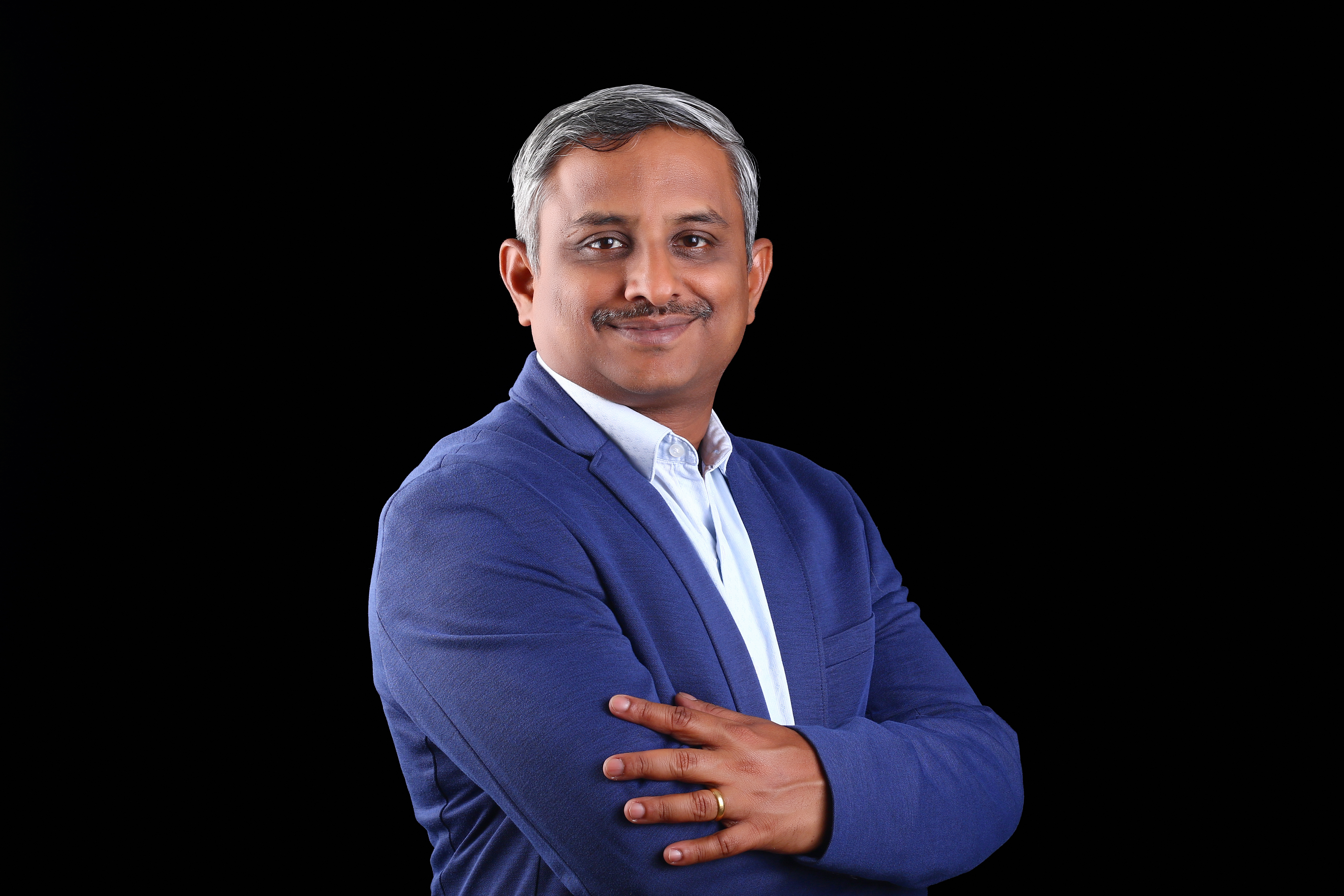
In this role, Sharath will report to Miguel Gonzalez Diaz, Managing Director, in India, and to Robin Schmidt, Head of Digital Health – MED segment, globally. He will also be a member of the India Leadership Team and a key partner in driving our culture and transformation agenda.
Santana Ramakrishnan, CHRO, ZEISS India shared,
“Innovation is at the core of ZEISS India’s DNA by shaping how we continuously evolve to meet the needs of a rapidly advancing ecosystem. We are delighted to welcome Sharath to the team at a time when we are strengthening our focus on building a future-ready research ecosystem. His extensive experience in leading global R&D initiatives will be instrumental in advancing ZEISS India CARIn’s journey. We are confident that his leadership will further accelerate our vision while contributing meaningfully to ZEISS’ global growth ambitions.”
Sharath will be responsible for the building-blocks of the MED digital ecosystem, made in India. Supporting the MED segment across devices, platforms and applications, he will lead CARIn’s transformation into a world-class R&D organization, building on its strong foundations and further strengthening CARIn’s value proposition for the ZEISS MED segment globally and in India.
With over 25 years of experience, Sharath brings deep expertise in leading R&D across global organizations such as GE Healthcare and Schneider Electric. He has delivered innovative solutions across healthcare, energy, and industrial automation sectors, as well as driving large-scale technology initiatives and incubating early-stage ventures that enable strategic growth and organizational impact.
ZEISS India remains committed to building a culture rooted in strong values, nurturing future-ready skills, and creating meaningful pathways for growth, while fostering a workplace driven by purpose.
31, Mar 2026
Harnessing AI to Revolutionize Organ Transplants in India
Bhubaneswar, March 31: Emphasizing the transformative potential of artificial intelligence (AI) in healthcare, Subhasish Panda, Additional Secretary to the Prime Minister’s Office, highlighted how AI could significantly enhance organ transplantation in India. Speaking at a workshop-cum-regional Continuing Medical Education (CME) programme on “Organ Transplantation and Artificial Intelligence in Healthcare,” he said AI can integrate large datasets to support smarter, faster, and more informed clinical decisions.
“AI has the ability to revolutionize the organ transplantation ecosystem,” Panda noted. “It can streamline donor-recipient matching using genetic, clinical, and laboratory data, track organ availability in real time, optimize transport logistics for timely delivery, and assist clinicians through predictive analytics and intelligent dashboards.”
India currently ranks third globally in organ transplantation, with approximately 20,000 procedures performed in the past year. However, Panda expressed concern that 82 percent of donations come from living donors, with women representing the majority. He also highlighted that most transplants are conducted in the private sector, which affects affordability, and stressed the need for greater public awareness and increased participation from government healthcare institutions.
The programme was organized by AIIMS-Bhubaneswar, in collaboration with the National Academy of Medical Sciences (NAMS). It brought together more than 300 doctors from Odisha, West Bengal, Bihar, and Jharkhand to discuss innovations in transplantation and the role of AI in improving patient outcomes.
Panda’s remarks underscored the importance of combining technology, awareness, and policy support to make organ transplantation more efficient, accessible, and equitable across India.
31, Mar 2026
Odisha Governor Urges Stronger Awareness and Early Detection to Fight Cancer
On Monday, Odisha Governor Hari Babu Kambhampati urged everyone to come together to fight the rising number of cancer cases in the state. Speaking at the “Cancer-Free Odisha” Awareness Conclave and the Mahanayak–2026 Awards, he said cancer is not just a medical problem—it affects families and communities across Odisha.
The Governor pointed out that lifestyle changes, tobacco use, environmental factors, and late diagnosis are contributing to the steady rise in cancer cases. He stressed that prevention is better than cure. By spreading awareness about healthy diets, physical activity, and avoiding tobacco, many cancer cases could be prevented.
He also emphasized the importance of early detection. Strong primary healthcare and wider screening, especially in rural areas, can help identify cancer early, improve survival rates, and reduce the emotional and financial burden on families.
Governor Kambhampati called for collaboration between the government, private sector, and civil society to ensure cancer care reaches every corner of the state. He also congratulated the Mahanayak–2026 awardees for their contributions and encouraged continued efforts to create a cancer-aware Odisha.
The event was attended by dignitaries including Korei MLA Akash Dasnayak and former Balasore MP Rabindra Kumar Jena, while the welcome address was delivered by Asim Odisha Foundation Trust Chairperson Asima Das.
The conclave made it clear that tackling cancer in Odisha will require awareness, early detection, and the support of the entire community.
31, Mar 2026
Oil India Limited Partners with CSIR-IMMT to Boost Critical Minerals Research
Bhubaneswar, March 30: In a significant move to strengthen India’s strategic mineral ecosystem, Oil India Limited (OIL) on Monday signed a Memorandum of Understanding (MoU) with the CSIR–Institute of Minerals and Materials Technology (IMMT) to establish a Centre of Excellence for critical minerals.
The collaboration, formalized in Bhubaneswar, is aligned with the National Critical Mineral Mission under the Ministry of Mines and aims to enhance research, exploration, and processing of critical minerals, supporting the country’s self-reliance objectives.
Under this agreement, OIL will become the first “Industry Spoke” of CSIR-IMMT under the Ministry of Petroleum and Natural Gas, creating a new model of partnership between India’s energy and mining sectors.
The MoU was signed by Saloma Yomdo, Director (Exploration & Development), Oil India Limited, and Ramanuj Narayan, Director of CSIR-IMMT, in the presence of OIL CMD Ranjit Rath. Senior officials from OIL and CSIR-IMMT scientists, including Kali Sanjay and Satyajit Rath, also attended the ceremony.
Speaking at the event, CMD Ranjit Rath emphasized that the partnership would expand OIL’s role beyond hydrocarbons, boosting its contribution to the National Critical Mineral Mission. He also highlighted the potential of artificial intelligence and machine learning in identifying mineral resources, noting that OIL has already pinpointed ten focus areas for technology-driven initiatives in consultation with the CSIR Director General.
Director Ramanuj Narayan underlined CSIR-IMMT’s expertise in research and technology solutions for the mining, minerals, and metals sectors, with a particular focus on critical minerals. He expressed optimism that the Centre of Excellence would drive innovation and support India’s long-term goals in mineral self-reliance.
This collaboration represents a strategic convergence of energy and mining expertise, aimed at strengthening India’s capabilities in critical mineral exploration and processing, while leveraging advanced technologies for sustainable resource development.


