


6, Oct 2026
IIM Lucknow Faculty Research Examines Gendered Expectations in Senior PR and Corporate Communications Roles
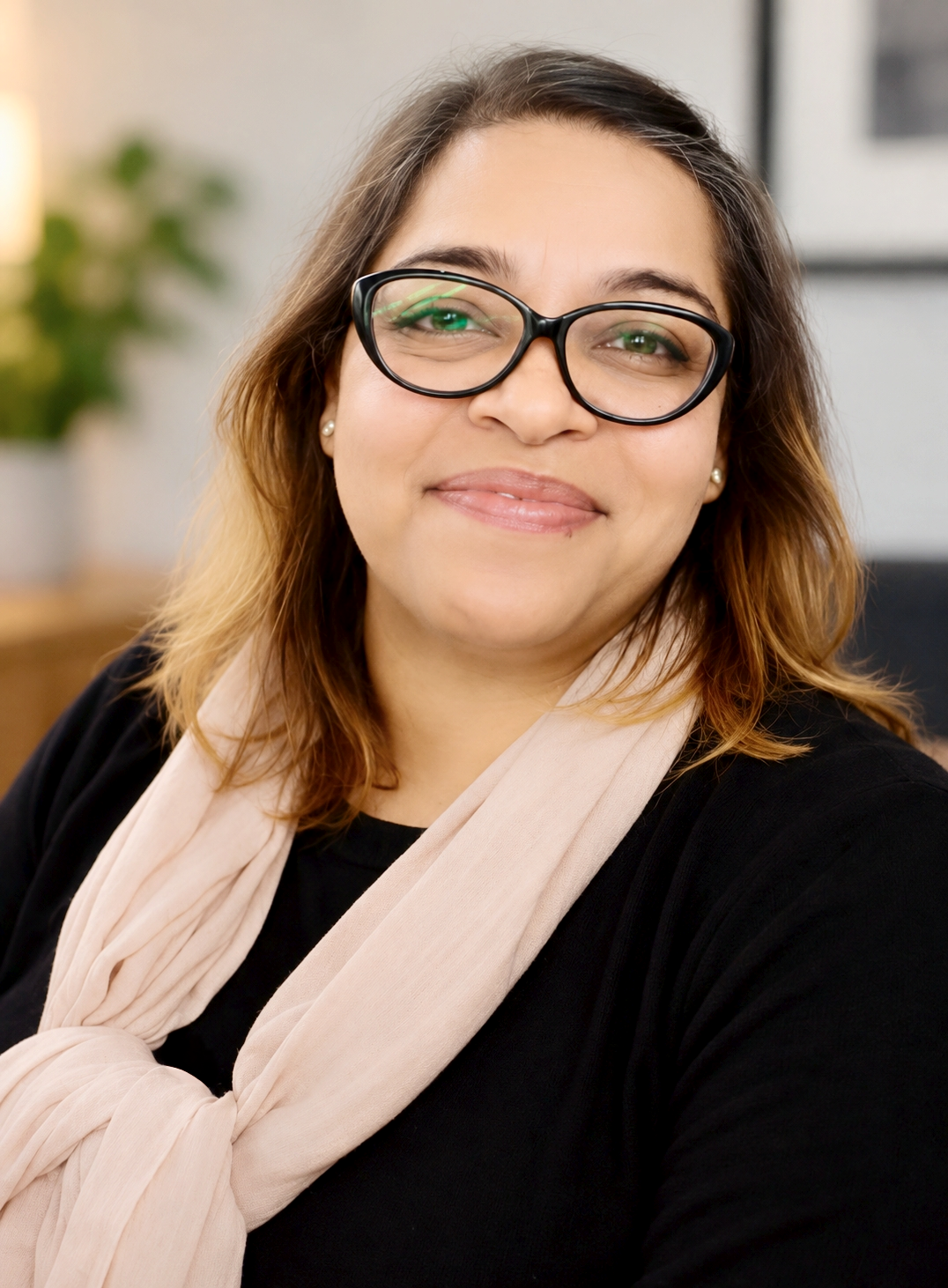
Lucknow, 6th October 2026: Indian Institute of Management Lucknow (IIM Lucknow) faculty , in collaboration with a faculty from NMIMS School of Business Management, Mumbai, finds that women in senior Public Relations (PR) and corporate communications roles often have to establish not only their professional competence, but also their legitimacy as leaders.
While women constitute a substantial share of the PR profession, the study finds that authority within the sector can still be associated with masculine norms.
Drawing on in-depth interviews with 24 women in senior PR and corporate communications roles, the research examines what it takes for women to reach senior positions and how they navigate expectations once they get there.
The findings of this research have been published in the prestigious Public Relations Review, an Elsevier journal, in a paper co-authored by Prof. Medha Bakhshi, Assistant Professor, Communication, IIM Lucknow and Prof. Papiya De, Assistant Professor, NMIMS, Mumbai.
The findings indicate that women in senior PR roles often face competing expectations about how they should behave and present themselves. Participants described having to be ambitious without appearing selfish, assertive without being perceived as aggressive, visible without inviting judgement, and successful while continuing to meet expectations around “respectable” behaviour for women.
The researchers also examine how perceptions of PR itself can shape these expectations. The profession emerged in liberalising India with an image associated with glamour, sociability and appearance. The study suggests that this association can lead to women in PR being judged not only on their professional capabilities, but also on their appearance, manner, sexuality and choices outside the workplace.
The study identified four recurring patterns in the accounts of the women interviewed:
Ø Participants described being perceived as either inadequate mothers or inadequate employees when professional and family responsibilities came into conflict.
Ø Participants reported being treated as objects in a profession often perceived as glamorous and appearance-oriented.
Ø Women were sometimes expected to overcome workplace obstacles through individual effort, rather than having those barriers addressed institutionally.
Ø Participants described being excluded from important opportunities, including instances where larger or more significant clients were more frequently assigned to male colleagues.
However, the participants in the study were not passive in responding to these challenges. They described developing new skills, working through self-doubt and deliberately adapting their professional identities. Some challenged sexist assumptions and spoke up against them. Others used their positions to improve workplace conditions for colleagues, including by advocating for changes to maternity policies, protecting employees’ time and creating opportunities for other women.
Elaborating on the findings, Prof. Medha Bakhshi, Assistant Professor, Communication, IIM Lucknow, said, “The research reveals that women’s agency within organisations is far more ambivalent than either a story of constraint or empowerment would suggest. Women fashion themselves within structures that continually ask them to accommodate, recalibrate and prove themselves, but in doing so they also acquire the capacity to unsettle those structures, to contest inherited orthodoxies, to recast what leadership might look like, and, sometimes, to alter the conditions under which the next woman will be permitted to lead.”
The researchers argue that organisations need to examine the criteria used to identify talent, assess leadership potential and make promotion decisions, rather than placing the burden on women to adapt to existing norms.
The study also calls for workplace cultures that challenge stereotypes linking professional competence with appearance or sociability, alongside clearer and more objective standards for assessing expertise, leadership and strategic contribution.
The researchers highlight that understanding women’s leadership in PR requires attention to individual career trajectories, and to the wider professional and organisational contexts in which those careers unfold. They suggest that further research should examine how these experiences differ across career stages and social and regional contexts, offering a broader understanding of leadership and career progression in the profession.
- 0
- By Neel Achary



