


31, Mar 2026
Oil India Limited Partners with CSIR-IMMT to Boost Critical Minerals Research
Bhubaneswar, March 30: In a significant move to strengthen India’s strategic mineral ecosystem, Oil India Limited (OIL) on Monday signed a Memorandum of Understanding (MoU) with the CSIR–Institute of Minerals and Materials Technology (IMMT) to establish a Centre of Excellence for critical minerals.
The collaboration, formalized in Bhubaneswar, is aligned with the National Critical Mineral Mission under the Ministry of Mines and aims to enhance research, exploration, and processing of critical minerals, supporting the country’s self-reliance objectives.
Under this agreement, OIL will become the first “Industry Spoke” of CSIR-IMMT under the Ministry of Petroleum and Natural Gas, creating a new model of partnership between India’s energy and mining sectors.
The MoU was signed by Saloma Yomdo, Director (Exploration & Development), Oil India Limited, and Ramanuj Narayan, Director of CSIR-IMMT, in the presence of OIL CMD Ranjit Rath. Senior officials from OIL and CSIR-IMMT scientists, including Kali Sanjay and Satyajit Rath, also attended the ceremony.
Speaking at the event, CMD Ranjit Rath emphasized that the partnership would expand OIL’s role beyond hydrocarbons, boosting its contribution to the National Critical Mineral Mission. He also highlighted the potential of artificial intelligence and machine learning in identifying mineral resources, noting that OIL has already pinpointed ten focus areas for technology-driven initiatives in consultation with the CSIR Director General.
Director Ramanuj Narayan underlined CSIR-IMMT’s expertise in research and technology solutions for the mining, minerals, and metals sectors, with a particular focus on critical minerals. He expressed optimism that the Centre of Excellence would drive innovation and support India’s long-term goals in mineral self-reliance.
This collaboration represents a strategic convergence of energy and mining expertise, aimed at strengthening India’s capabilities in critical mineral exploration and processing, while leveraging advanced technologies for sustainable resource development.

- 0
- By Neel Achary

31, Mar 2026
ZF Commercial Vehicle Control Systems India Limited Secures Another ADAS Business Nomination from an Indian CV OEM
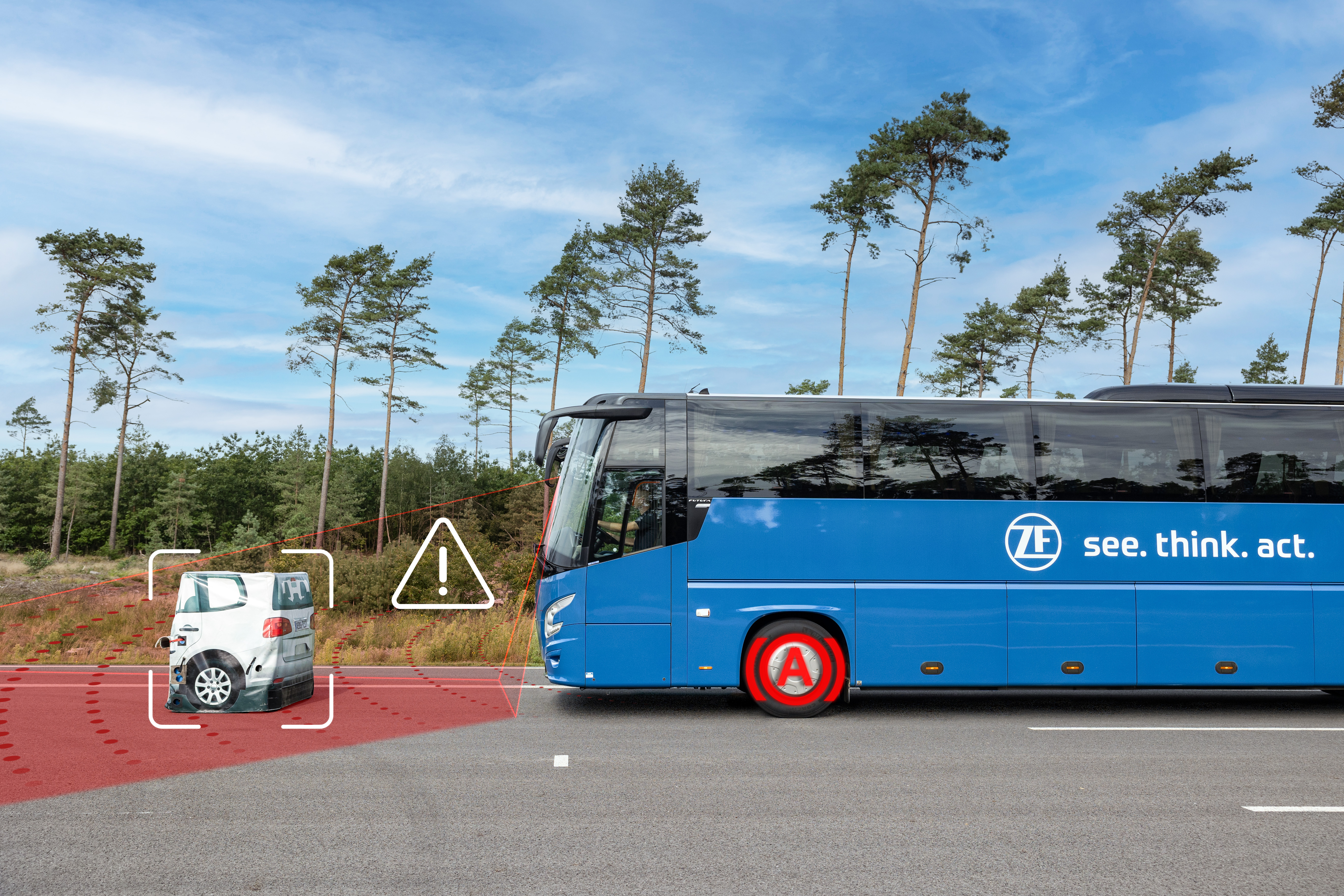
Chennai, Mar 31: ZF continues to work on its ADAS roadmap for commercial vehicles. Driven by increasing demand from India’s leading OEMs and evolving regulatory requirements, ZF Commercial Vehicles is steadily investing in and delivering ADAS innovations tailored to the needs of the commercial transport industry.
In India, ZF Commercial Vehicle Control Systems India Limited (CVCS) has recently secured a business nomination from a new-age mobility OEM to develop and supply an Advanced Driver Assistance System (ADAS) suite for its upcoming bus platforms.
At the core of the awarded solution is ZF’s OnGuardMAX, the company’s most advanced driver assistance platform for commercial vehicles. It integrates a front camera, mid-range radar and an image processing module to enable Autonomous Emergency Braking (AEB) along with a broad suite of advanced driver assistance functions.
Complementing OnGuardMAX, ZF’s Short‑Range Radar (SRR) provides near‑field coverage on the sides and front of the vehicle, addressing critical blind spots to protect vulnerable road users (VRU). The latest SRR generation is engineered to support compliance with MOIS and BSIS requirements. SRRs can also interface with OnGuardMAX to deliver extended coverage – an especially valuable capability for large bus platforms.
“ADAS was and remains a strategic priority for ZF Commercial Vehicles in India. With a legacy of deep customer understanding and proven technological competence that make commercial transportation safer, smarter and more efficient, we also offer ADAS solutions that fit the specific driving conditions in India and at the same time have the backing of our global expertise.” said Paramjit Singh Chadha, Managing Director, ZF Commercial Vehicle Control Systems India Limited.
“We see a rapid acceleration in India in the adoption of advanced driver assistance technologies that enhance road safety and operational efficiency. ZF Commercial Vehicles Division offers made-to-fit market solutions that address the specific needs of leading and new-age e-mobility OEMs with the strength of ZF’s global engineering expertise and combining it with deep regional insights. This enables Indian OEMs in meeting rising safety expectations and preparing the industry for the next level of automation.” Akash Passey, Non-Executive Chairman, ZF Commercial Vehicle Control Systems India Limited & President – ZF Group India.
Integrated Technology Highlights & Safety Benefits for India’s EV Buses
- OnGuardMAX multi-sensor fusion (camera + mid-range radar + image processing) enabling AEBS, LDWS and DDAW.
- Short-Range Radar (SRR) supports BSIS and MOIS requirements while enhancing VRUs protection. Up to three SRRs can be integrated to provide front and side blind spot coverage.
- EBS + ESC integration for precise, faster braking and improved vehicle stability, resulting in shorter stopping distances, controlled deceleration and better rollover resistance for EV platforms.
- Unified ADAS-braking-stability architecture delivers stronger collision avoidance performance, enhanced VRUs safety and improved stability across diverse operating conditions.
- Operational advantages include reduced accident exposure, optimized brake wear, lower downtime and more consistent route performance.
- India‑ready and regulation‑aligned fully compliant with GSR 184(E) requirements for AEBS, LDWS, DDAW, BSIS and MOIS, validated over 4,50,000 km and ARAI‑certified.
- Future‑ready and scalable, with platform architecture capable of supporting a comprehensive set of 16 advanced features which include key features AEBS, LDWS, DDAW, MOIS and BSIS.
Program Scope & Roadmap
The business nomination covers system supply, vehicle integration, calibration and validation for bus platforms, with SOP targeted for Q1 2027. The architecture is scalable to SAE Level 2 and engineered to support future automation requirements.
ZF Commercial Vehicles continues to advance the development of Advanced Driver Assistance Systems (ADAS) in India. ZF clarifies that the earlier press note referred specifically to the divestment of ADAS activities within ZF’s passenger car division. This divestment has no impact on ZF’s commitment to developing and supporting ADAS technologies for commercial vehicles.
ZF will continue its driver assistance and autonomous driving initiatives in the commercial vehicle sector with dedicated teams and governance fully retained within the Commercial Vehicle Solutions (CVS) division. These efforts span trucks, tippers, trailers, coaches and bus applications, bringing together global expertise with strong local validation capabilities to meet India-specific operating conditions.
ZF delivers ADAS solutions engineered to meet stringent current and future regulatory requirements. With globally proven reliability, inclusive system design and a strong commitment to road safety, ZF is helping drive India toward smarter, safer and more sustainable transportation – Redefining India’s Mobility
31, Mar 2026
IESA Hails Kaynes Semicon Inauguration as a Landmark in India’s Semiconductor Execution Journey
The inauguration, along with the commercial launch of the Multi-Chip Intelligent Module (MCM), underscores India’s growing strength in advanced packaging, system integration, and scalable semiconductor manufacturing. It reflects tangible progress on the ground as India builds a resilient and globally competitive semiconductor ecosystem.
The Kaynes semiconductor facility in Sanand, with an investment of approximately ₹3,300 crore, represents a decisive step beyond design into advanced assembly, testing, and packaging (ATMP). With an expected capacity of nearly 60 lakh chips per day, the facility will significantly boost domestic manufacturing capability while driving local economic development and strengthening ancillary industries.
As a valued member of IESA, Kaynes Semicon’s achievement highlights the increasing depth and maturity of India’s semiconductor ecosystem—from design and engineering to packaging and product commercialisation. The successful launch of the Multi-Chip Module is a strong indicator that India is now not only designing but also manufacturing sophisticated semiconductor products at scale.
Notably, the inauguration of two semiconductor facilities within a single month, with several more projects slated for rollout this year, reinforces India’s unwavering commitment to building a robust semiconductor ecosystem. This rapid pace of execution reflects strong policy alignment and effective coordination led by the Ministry of Electronics and Information Technology (MeitY), the India Semiconductor Mission (ISM), and proactive support from state governments such as Government of Gujarat. It sends a clear signal to global investors and industry stakeholders that India is accelerating from intent to sustained, large-scale execution in the semiconductor sector.
This milestone assumes even greater significance as India targets a $400 billion electronics market and a $103 billion semiconductor market by 2030. Achieving these ambitions will require sustained execution across the value chain, and developments such as Kaynes’ facility demonstrate that India is firmly on that path.
Strengthening domestic semiconductor capabilities will be critical for supply chain resilience, technological leadership, and the creation of high-quality skilled jobs. Importantly, India is now converting global supply chain shifts into a strategic advantage by building a comprehensive, end-to-end semiconductor ecosystem.
The transformation of Sanand from an automobile hub into a fast-emerging semiconductor cluster further reinforces the momentum of the Make in India vision and positions India as a credible and competitive player in the global semiconductor landscape.
31, Mar 2026
‘Odia Pakhya’ to Be Celebrated from April 1 to Showcase Odisha’s Culture and Heritage
The Government of Odisha will celebrate ‘Odia Pakhya’ from April 1 to April 14 with the aim of promoting the state’s rich cultural heritage, traditions, lifestyle, food, and attire on a wider platform.
Announcing the initiative at a press conference held at Sanskruti Bhawan, Culture Minister Suryabanshi Suraj said that a series of events will be organized across all districts of the state, including the capital city Bhubaneswar, with active participation from various government departments.
The celebration will begin on April 1 with Utkal Divas, observed by the Information and Public Relations Department. On April 2, the School and Mass Education Department will mark ‘Khadi Chuan Day’, welcoming young children enrolling in early education.
On April 3, the Handlooms, Textiles, and Handicrafts Department will promote traditional attire through ‘Ama Poshak Ama Parichaya’ (Our Dress, Our Identity) Day. This will be followed by a campaign on April 4 encouraging the use of Odia language in signboards.
To highlight heritage and fitness, a heritage run will be organized near historical sites on April 5, along with a cleanliness drive on April 6.
Further events include Children’s Storytelling Day on April 7, a blood donation drive on April 8, and a book-buying campaign on April 9 to encourage reading habits. April 10 will be dedicated to folk arts, celebrating Odisha’s traditional art forms.
The programme will continue with cultural events such as ‘Amrutapidhi Samaroha’ on April 11 and ‘Bandaniya Baraputra’ on April 12, honoring notable personalities.
On April 13, ‘Ama Ruchi Ama Khadya Day’ will focus on promoting traditional and local cuisine, highlighting Odisha’s diverse food culture.
The ‘Odia Pakhya’ initiative reflects the state government’s efforts to preserve and promote Odia identity, while engaging people across all sections of society in celebrating their cultural roots.
31, Mar 2026
Viceroy Properties Launches ‘Brew on Wheels’ for Community-First Marketing
Mumbai, Mar 31: In a category where engagement is often limited to site visits and sales galleries, Viceroy Properties is reimagining how real estate brands enter new micro-markets. With the launch of “Brew on Wheels” on March 28th & 29th in Versova, the developer has introduced a refreshing, on-ground initiative that blends hospitality with hyperlocal brand-building.
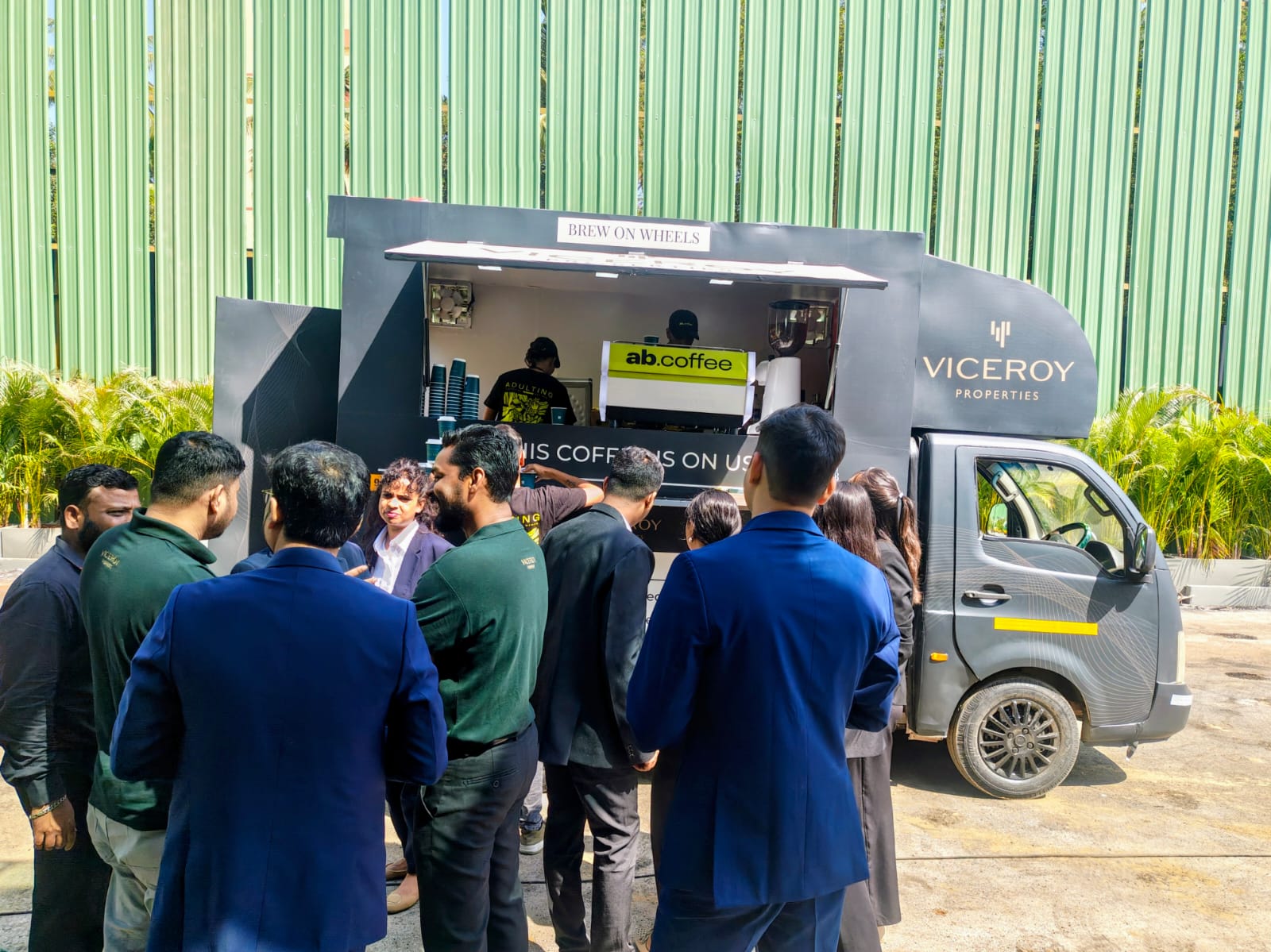
Conceptualized as a moving coffee experience, the Viceroy Coffee Truck travelled through key pockets of Versova, offering residents complimentary cups of coffee – simply as a gesture of appreciation for welcoming the brand into the neighbourhood. More than just a giveaway, the initiative was designed to spark organic conversations, create recall, and build familiarity within the community.
At a time when real estate marketing is increasingly digital-first, “Brew on Wheels” stands out for bringing back the power of physical, human interaction meeting residents where they are, in their everyday environments.
“At Viceroy Properties, we believe that entering a new neighbourhood goes beyond development—it’s about earning a place within the community,” said Cyrus Mody, Founder & CEO, Viceroy Properties. “Brew on Wheels is a simple yet meaningful way for us to say thank you to Versova, while beginning to build relationships that go far beyond real estate.”
The initiative also serves as a strategic extension of the brand’s presence in Versova, driving awareness and footfalls to its newly launched Experience Centre, while positioning Viceroy Properties as approachable, thoughtful, and community-first.
“Our approach to marketing is deeply human,” said Serena Paes, Head of Marketing, Viceroy Properties. “In a market cluttered with transactional messaging, we wanted to create something that feels personal and memorable. Brew on Wheels is about showing up in a way that’s warm, unexpected, and genuinely engaging because the strongest brands are built not just through visibility, but through how they make people feel.”
By merging experiential marketing with a neighbourhood-first mindset, Viceroy Properties continues to demonstrate how real estate brands can move beyond conventional outreach to create meaningful, lasting impressions one cup at a time.
31, Mar 2026
SaveIN expands beyond healthcare, aims to hit Rs 2000 cr loan run rate in FY 27
Mar 31: SaveIN, a fintech platform that helps people pay for services through easy EMIs, has announced its expansion beyond healthcare into new categories such as travel, furniture, lifestyle, home improvement, insurance premium financing, and consumer durables. The move aims to make premium products and services more affordable for aspirational Indians.
Since its launch in 2022, SaveIN has focused on making private healthcare accessible by offering simple financing options. Over the last four years, the company has built a strong network of over 7,500 healthcare locations and has served more than 8 lakh customers across India. The platform currently operates at an annual loan run rate of ₹600 crore and is expected to grow three times over the next 12–18 months.
SaveIN works closely with leading banks, including HDFC Bank, ICICI Bank, and IDFC First Bank, multiple NBFCs, and also accepts over 15 credit cards on its platform, to provide 3-in-1, fast, paperless and transparent financing options at the point of purchase.
Jitin Bhasin, Founder & CEO, SaveIN, said, “We started in the year 2022 and have developed an ecosystem to make private healthcare accessible and affordable. While building and interacting with over 8 lakh customers and merchants, we realised that there is a tremendous need for a solution like SaveIN in other segments like travel, furniture, lifestyle, home improvement, insurance premium financing, and consumer durables as well. Together, these domains present over $50 bn in market size; we aim to simplify how Indians can avail premium products and services, without large down payments, while paying in easy EMIs, driven by our unique 3-in-1 financing model.”
Having raised over $12 million so far, SaveIN has launched an online checkout module, aimed at integrating with major brands and payment gateways and is also developing a consumer-facing mobile app and marketplace to help customers easily discover and finance premium services across categories.
At the heart of SaveIN’s model is its unique 3-in-1 financing architecture, which connects three distinct customer segments: crores of pre-approved bank customers, existing credit card holders, and those seeking fresh credit limits from SaveIN’s bouquet of lending partners. SaveIN is anchoring itself in the premium segment, where the average ticket size ranges from ₹40,000 to ₹50,000 and the maximum transaction amount goes up to ₹10 lakh. This delivers a much higher conversion rate for merchants as against existing BNPL options.
“Unlike other ‘buy now-pay later’ players, we are focusing on the premium ‘pay later’ space with an average transaction size of ₹50,000. We believe that as India grows, the average middle-class person would want to move upward, while upper-class customers thoroughly enjoy no-cost/low-cost EMIs. SaveIN wants to be the platform of choice, driving responsible consumption across quality customers, making informed purchase decisions, simplified with EMIs,” added Bhasin.
With this expansion, SaveIN aims to simplify how Indians pay for important life purchases while continuing to grow its presence in healthcare. The company has already onboarded leading brands like SOTC, Cashify, Royal Oak, EMotorad, and Duroflex among others in new categories and is aiming to triple its topline in the coming year.
31, Mar 2026
ECMS Scheme Crosses Investment Target as Government Approves 75 Proposals
New Delhi: The Government of India has approved 75 applications under the Electronics Components Manufacturing Scheme (ECMS), marking a major boost to the country’s electronics manufacturing sector.
Originally, the scheme aimed to attract investments worth ₹59,350 crore. However, approvals have already surpassed this target, reaching ₹61,671 crore, reflecting strong interest from both domestic and international companies.
The ECMS is designed to strengthen India’s capabilities in manufacturing key electronic components and reduce dependence on imports. It also seeks to position the country as a global hub for electronics production by encouraging large-scale investments and building a robust supply chain.
In terms of output, the scheme had set a production target of ₹4.56 lakh crore. Current approvals are expected to generate production close to ₹4.51 lakh crore, indicating that the initiative is on track to meet its goals.
Several leading companies have committed significant investments under the scheme. Dixon Display plans to invest ₹1,100 crore in display module sub-assemblies, while Syrma Strategic Electronics will invest ₹588 crore in laminates and flexible PCBs. Munoth Lithium Battery Pvt. Ltd. is set to invest ₹500 crore in Andhra Pradesh.
Other firms such as Vikas Components India, Wangda, O/E/N India Ltd., BG Electricals and Electronics, and Terminal Technologies have also announced investments across various electronic components. Additionally, companies like Lohum Cleantech, ASM Technologies, Indo-MIM Ltd., and Bharat FIH are contributing substantial capital to expand manufacturing capacity.
According to the Ministry of Electronics and IT, these investments are expected to enhance domestic production, create employment opportunities, and strengthen India’s position in the global electronics value chain.
The ECMS initiative highlights the government’s continued focus on building a self-reliant and globally competitive electronics industry.
31, Mar 2026
Rupee Hits Record Low Beyond 95 Against Dollar; Sensex Plunges 1,635 Points
New Delhi: The final trading day of the financial year 2025–26 turned out to be highly unfavorable for both the currency and stock markets in India. The Indian rupee weakened sharply, crossing the 95 mark against the US dollar for the first time in history.
This means that more than ₹95 was required to purchase one US dollar during the day’s trading. The sharp depreciation reflects growing pressure on the domestic currency amid global and domestic uncertainties.
One of the key factors behind the decline is the ongoing geopolitical tension in the Middle East, which has now entered its fifth week. The conflict has pushed up global crude oil prices, increasing India’s import bill. At the same time, foreign investors have been pulling money out of Indian markets, adding further strain on both the rupee and equity markets.
As a result, concerns are rising over higher inflation and weakening financial stability in the country.
The rupee had already closed at a record low of 94.81 against the dollar last Friday. On the latest trading day, it opened stronger at 93.59 but quickly lost ground, slipping to as low as 95.20 during intra-day trade. However, possible intervention by the Reserve Bank of India helped the currency recover slightly, allowing it to settle at 94.83 by the end of the session.
To curb volatility, the central bank had recently tightened rules for banks dealing in foreign exchange. It capped their daily net open foreign exchange positions at $100 million and instructed compliance by April 10. While the move initially supported the rupee, the relief proved short-lived.
Meanwhile, the stock market also faced heavy selling pressure, with the Sensex tumbling 1,635 points, reflecting investor anxiety and capital outflows.
Overall, during the financial year 2025–26, the rupee has depreciated by around 11.4% against the US dollar—marking one of its steepest declines in over a decade.
31, Mar 2026
Ultraviolette Adds to its Growing Network with Second Experience Centre in Kolkata
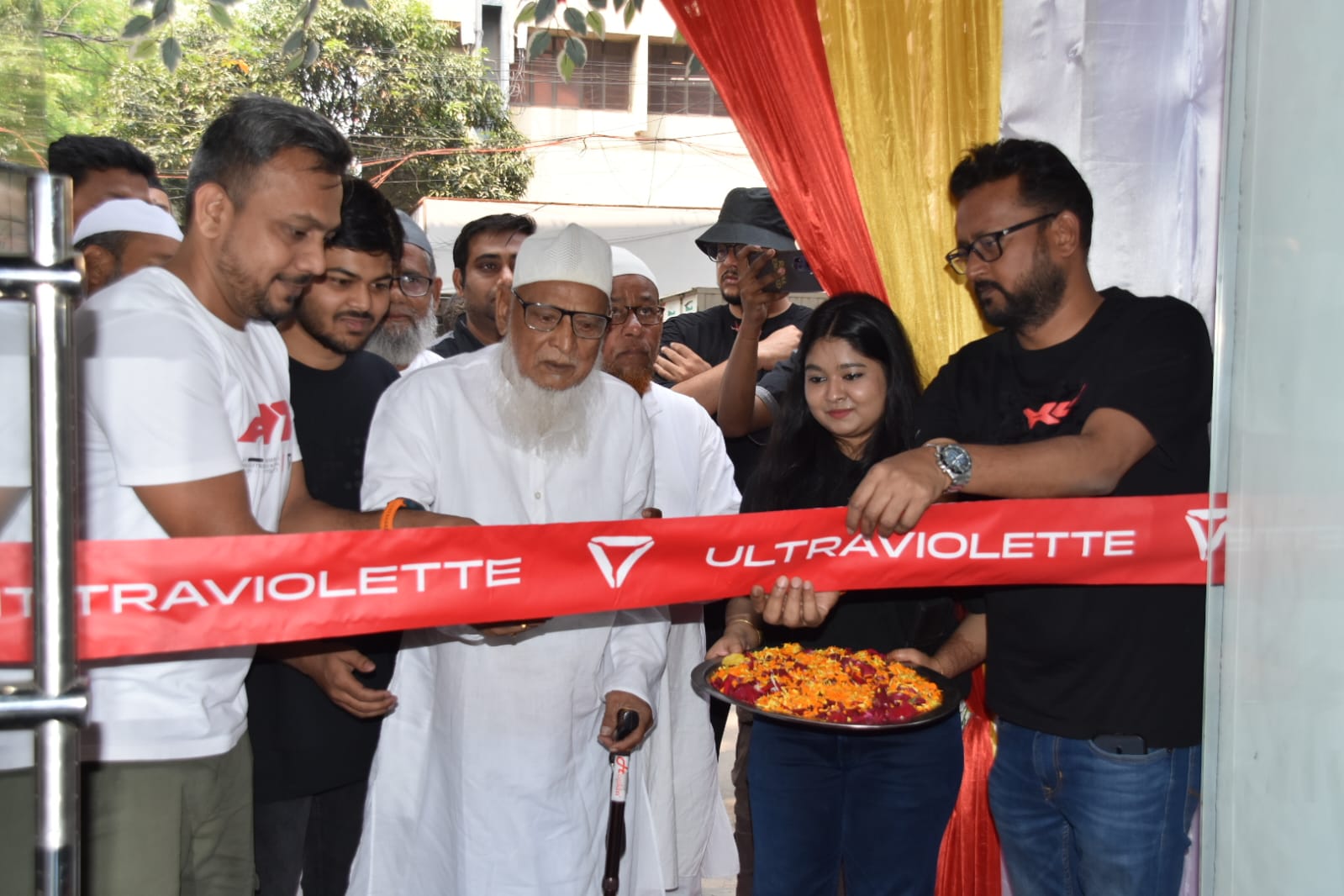
Kolkata, Mar 31: Ultraviolette Automotive recenty announced the launch of a new UV Space Station in Kolkata, a significant step in expanding its retail footprint across emerging mobility markets in India. The expansion follows a series of recent product and technology milestones, including the launch of the X-47 Crossover, UV Crossfade carbon-fibre helmet, and the company’s recently announced, ‘Battery Flex’ (BaaS) platform. This further emphasises Ultraviolette’s focus on building a comprehensive performance-driven electric mobility ecosystem. With this addition, the company further strengthens customer access to its performance electric motorcycles in Kolkata and reinforces its growing national presence.
The newly established UV Space Station, in partnership with dealer M/s. KGN Automobiles EV, will provide customers a comprehensive experience to explore Ultraviolette‘s performance motorcycles – the X-47 Crossover and F77s. The UV Space Station is designed to offer an immersive experience, including test ride opportunities, sales consultation, and access to a range of motorcycle accessories – all under one roof. The Experience Centre will display the company’s performance motorcycles, the X-47 and F77s. The products redefine electric performance with a powertrain boasting 40.2 hp and 100 Nm of torque, accelerating from 0 to 60 kph in just 2.8 seconds. Equipped with a 10.3 kWh battery, it boasts an IDC range of 323 kms on a single charge.
Commenting on the launch, Narayan Subramaniam, CEO & Co-founder at Ultraviolette, said, “Kolkata is a strategic market for us as we expand our national footprint. The launch of the UV Space Station in Kolkata, our second in the city, marks an important milestone as we strengthen our presence in Eastern India. It reflects a growing, aspirational audience that is increasingly aligned with performance, technology, and design in mobility. This expansion enables us to deepen our engagement with customers while making our products and brand experience more accessible. As Ultraviolette continues to scale across India, our focus remains on building a future-ready, high-quality network that supports the next generation of performance mobility while delivering a truly world-class ownership experience.”
Built on Ultraviolette’s deep engineering and platform-led innovation, the X-47 Crossover is the world’s first electric motorcycle in its segment that offers radar as a standard, marking a decisive shift in how performance electric motorcycles are designed and experienced. The motorcycle features a rider-focused interface with a 5-inch TFT display, three distinct ride modes, long-travel suspension, and industry-first radial all-terrain tyres, delivering confidence, stability and control across varied riding conditions.
Advanced safety and intelligence are delivered through Ultraviolette’s UV Radar Intelligence, powered by a 77 GHz rear radar and the UV HyperSense Advanced Rider Assistance System, enabling functions such as blind-spot monitoring, lane change assist, overtake alerts, and rear collision warnings. The X-47 also incorporates the world’s most power-dense air-cooled onboard charger, engineered, developed, and designed in-house by Ultraviolette, alongside an integrated dashcam system. This engineering-led approach has earned recognition across the automotive industry, including honours from leading automotive awards as EV Motorcycle of the Year, reinforcing Ultraviolette’s ambition to build globally competitive electric mobility solutions from India.
In line with Ultraviolette’s commitment to making advanced electric mobility more accessible, the company recently introduced its ‘Battery Flex’ (BaaS), a flexible ownership model designed to lower entry barriers for performance electric motorcycles while providing customers with greater flexibility in battery usage and ownership. With this new initiative, customers can now own an Ultraviolette X-47 starting at just ₹1,49,000, while subscribing to the battery beginning at just ₹2499 per month. This model allows customers to pay for the bike chassis while financing the battery separately under a steady monthly subscription fee. The initiative further strengthens Ultraviolette’s ecosystem-led approach to accelerating EV adoption in India.
Address of the UV Space Station in Kolkata: 225/2, AJC Bose Road, Minto Park, Kolkata – 700020
31, Mar 2026
Hexnode extends LAPS for macOS, Bringing Automated Password Workflows and Secure Access
Delhi, India, Mar 31: Hexnode today announced the expansion of its Local Administrator Password Solution (LAPS), Hexnode LAPS, to macOS. Managed centrally through the Hexnode Unified Endpoint Management (UEM) console, the solution now delivers enterprise-grade local administrator credential security and privileged access safeguards across both Windows and macOS.
By eliminating the reliance on static credentials, siloed account configurations, and directory-tied access models, this expansion allows IT teams to strengthen local administrator security at scale. Furthermore, it directly mitigates the risk of lateral movement across the network by ensuring every endpoint maintains a unique, securely vaulted secret.
Autonomous Local Password Governance
As device fleets grow, static administrator passwords become a critical vulnerability in endpoint security—especially when left unchanged for long periods or reused across devices.
Hexnode LAPS addresses this risk by automating password rotation and enabling IT teams to apply password standards fleet-wide through centralized policies. Unlike legacy LAPS tools that rely heavily on directory synchronization, Hexnode LAPS is completely directory-independent. This ensures authorized IT administrators can securely retrieve credentials directly from the UEM console, even when devices are off-domain, temporarily disconnected, or operating outside standard corporate setups.
To support compliance and audit efforts, Hexnode LAPS helps IT teams define the exact retention count for previous passwords, balancing the need for audit traceability with the principle of least exposure. By turning password security into policy-driven automation, Hexnode LAPS strengthens compliance readiness while significantly reducing the manual burden on IT.
Scalable Account Provisioning and Access Safeguards
Beyond merely vaulting credentials, IT admins face the operational challenge of governing the fragmented administrator accounts themselves. While traditional LAPS tools often rotate only the single, default admin account, Hexnode LAPS supports multiple local administrator accounts simultaneously—bringing every necessary contractor, or specialized role under automated governance.
To prevent onboarding delays on freshly provisioned or reset devices, Hexnode LAPS can automatically create missing admin accounts with secure configurations the moment a policy is deployed. Additionally, it maintains governance over built-in administrator accounts, even if they have been renamed or temporarily disabled as part of organizational hardening measures.
To further lock down this workflow, the solution enforces strict post-access controls. It can automatically disable administrator accounts after a specified period of inactivity and trigger an immediate password cycling right after a credential has been viewed, drastically limiting the window of credential exposure.
As organizations continue to strengthen endpoint security across diverse environments, Hexnode remains focused on delivering practical security capabilities that combine secure credential controls, operational simplicity, and cross-platform support.


