


22, Sep 2026
Submer and Intel collaborate to advance AI and HPC infrastructure across the Middle East, Africa and Turkey
Collaboration combines Intel compute platforms and reference architectures with Submer’s full-stack engineering, design and delivery capability in the region
Dubai, United Arab Emirates, September 22,2026 — Submer, a full-stack AI and HPC infrastructure provider, and Intel today announced a collaboration agreement covering artificial intelligence (AI) infrastructure, high-performance computing (HPC) and next-generation data centre solutions across the Middle East, Africa and Turkey.
Under the agreement, Intel contributes its compute platforms, validated reference architectures and technology roadmap, while Submer contributes full-stack engineering, design and delivery capability spanning Advisory, Design & Build, Power Solutions, Thermal Solutions and IT Integration. Together, the two companies intend to support customers end to end, pairing Intel platform technology with Submer’s regional engineering and delivery capability.

Demand for AI and HPC capacity across the region is placing new requirements on data centre design, particularly around compute density, thermal performance and power. The agreement is intended to help operators and enterprises move from architecture to deployment through a single engineering path, rather than assembling capability across multiple parties.
A central strand of the work is the joint development of reference architectures for AI, accelerated compute and high-density deployments, including liquid-cooled designs. These combine Intel platform architectures with Submer’s infrastructure design and integration expertise, and will be tested and validated as complete configurations, with Submer contributing analysis of thermal performance, power usage and infrastructure efficiency.
“Customers in this region are not short of ambition on AI and HPC. What they need is a route from design intent to operating infrastructure that holds together technically,” said Khalid Aljamed, General Manager, Middle East, Africa and Turkey, Submer. “Working alongside Intel lets us pair proven compute platforms with the engineering, integration and delivery capability we have built regionally, so that customers are dealing with one coherent architecture rather than a set of disconnected decisions.”
The companies will work together across sovereign, enterprise, hyperscale, telecom and public-sector customers, drawing on each side’s existing relationships. Submer will support deployment feasibility assessments in target markets, covering both new-build facilities and upgrades to existing sites — which continue to represent a significant share of regional capacity as operators retrofit for higher densities.
“Organizations across the region are rapidly transitioning from experimental AI pilots to production-scale deployments faster than traditional data centers were built to handle. Today, the strategic focus is fundamentally shifting toward real-world application use cases and continuous inferencing—workloads that demand unprecedented platform agility, thermal efficiency, and compute density,” said Ahmad Alabduljabbar, General Manager, Saudi Arabia, Intel. “Bringing Intel’s validated reference architectures together with Submer’s advanced immersion cooling and deployment expertise delivers a practical, sustainable pathway to high-density AI and HPC environments. Building infrastructure that flexes to meet both immediate enterprise demands and future technological shifts is critical to realizing the Kingdom’s Vision 2030 ambitions for digital leadership and AI sovereignty.”
Initial activity will focus on reference architecture development and proof-of-concept engagements with customers in priority markets, with Submer providing infrastructure access, integration and deployment support, and Intel providing reference architectures and technical guidance. Joint workshops, executive briefings and technical sessions are also planned for customers and ecosystem participants across the region.
- 0
- By Neel Achary

22, Sep 2026
The Ritz-Carlton, Pune Receives ONE MICHELIN KEY in the MICHELIN Guide 2026 Hotel Selection
Pune, Sep 22: Some milestones are measured by a moment. Others are built through a journey. The Ritz–Carlton, Pune, part of Ventive Hospitality’s luxury hospitality portfolio, has been awarded One MICHELIN Key in the MICHELIN Guide 2026 Hotel Selection, announced on 18 September 2026. The distinction marks a significant milestone for the hotel and recognizes its continued commitment to exceptional service, thoughtful hospitality and memorable guest experiences.

The recognition follows a period of deliberate evolution and sustained pursuit of excellence. In July 2026, The Ritz–Carlton, Pune was included in the MICHELIN Guide’s curated hotel selection, marking an important moment for the hotel. Proactive engagement and the introduction of The Ritz–Carlton, Pune to MICHELIN led to its recognition within the Guide’s global hotel ecosystem.
The recognition reflects the hotel’s distinctive character, attentive service and attention to detail. From the way guests are welcomed and cared for to the expression of the hotel’s sense of place, its Ladies and Gentlemen consistently bring the brand’s Gold Standards to life. The One MICHELIN Key is a meaningful affirmation of the hotel’s commitment to exceptional service, thoughtful design and gracious hospitality.
Ishwinder Gill, General Manager, The Ritz–Carlton, Pune, said:
“Receiving One MICHELIN Key is an incredibly proud moment for all of us at The Ritz–Carlton, Pune. The credit for this recognition truly belongs to our Ladies and Gentlemen, whose passion, dedication and commitment to excellence shape the guest experience every day.
What makes this recognition particularly special is the journey behind it, our constant pursuit of excellence, our willingness to evolve and, most importantly, the spirit of our people. At the heart of The Ritz–Carlton, Pune is a culture of empowerment, pride and genuine hospitality, where our Ladies and Gentlemen are encouraged to take ownership, anticipate our guests’ needs and create meaningful moments. It is this culture, lived consistently across every touchpoint, that transforms service into an experience and a stay into a lasting memory.”
For Ventive Hospitality, which owns and operates a portfolio of luxury hospitality assets, the recognition is also a reflection of its long-term approach to creating differentiated hospitality experiences.
Ranjit Batra, Chief Executive Officer, Ventive Hospitality, said:
“A MICHELIN Key is a significant recognition for The Ritz–Carlton, Pune and a proud milestone for Ventive Hospitality. It reflects the strength of the hotel, the commitment of our teams and partners, and the consistency with which exceptional hospitality is delivered. This recognition reinforces our focus on building distinctive hospitality assets that create enduring value and memorable guest experiences.”
The recognition reflects The Ritz–Carlton, Pune’s continued commitment to creating distinctive, deeply personal and memorable stays, while building on its presence within the MICHELIN Guide.
One Key. A milestone in luxury hospitality. A celebration of the experiences created together.
22, Sep 2026
State Budgets Shift Focus to Capex as States Push Fiscal Discipline
New Delhi, Sep 22: State governments are increasingly focusing on capital spending as they look to support economic growth while maintaining fiscal discipline. For FY27, capital expenditure is expected to grow significantly faster than routine revenue spending across 19 states, signalling a greater emphasis on infrastructure and long-term asset creation.
According to the report, capital outlay across the 19 states is projected to rise 16.4 per cent in FY27, compared with 9.2 per cent growth in revenue expenditure excluding interest payments. The difference reflects a shift in budget priorities, with states creating more room for spending on projects that can strengthen economic activity over the longer term.
Infrastructure gets greater budget focus
Capital expenditure typically goes towards projects such as roads, transport networks, irrigation, power, urban infrastructure and other public assets. Such investments can improve connectivity and create the foundation for businesses and communities to expand.
At the same time, states continue to manage regular expenses, including salaries, pensions, subsidies and essential public services. Slower growth in revenue expenditure suggests an effort to contain recurring costs and preserve fiscal space for development projects.
Wider impact on businesses and jobs
Higher public investment can create demand across several sectors, including construction, engineering, cement, steel, equipment and logistics. Infrastructure projects can also generate employment directly and indirectly through the businesses involved in their execution.
For local businesses and smaller enterprises, improved roads, transport, electricity and urban facilities can make it easier to move goods, reach customers and access wider markets. Over time, stronger infrastructure can also improve the environment for private investment.
Balancing development with fiscal prudence
The spending pattern also highlights the challenge facing state governments: supporting growth without allowing fiscal pressures to rise unchecked. States have to meet their regular commitments while ensuring that borrowing and expenditure are increasingly directed towards productive uses.
The focus on capital spending therefore forms part of a broader effort to improve the quality of public expenditure. Rather than simply increasing overall spending, states are seeking to direct a larger portion of their budgets towards projects that can create lasting economic value.
A shift in the quality of spending
The FY27 budget trend shows that states are trying to make development spending more investment-oriented. If these planned projects are executed efficiently and completed on time, the resulting infrastructure could support business activity, improve connectivity and strengthen economic opportunities across regions.
For the wider economy, the key will be how effectively states convert these higher capital allocations into completed projects and productive assets. The combination of stronger infrastructure spending and continued fiscal discipline could shape the pace and quality of state-led economic development in the coming years.
22, Sep 2026
NEC India Expands Strategic Partnership with WingArc1st to Bring Data Empowerment Solutions to India
India, Sep 22: NEC Corporation India Pvt. Ltd. and WingArc1st Inc. today announced the expansion of their strategic collaboration in India following the execution of a Master Distribution Agreement between NEC Corporation India Pvt. Ltd. and WingArc Singapore Pte. Ltd, a WingArc1st group company.
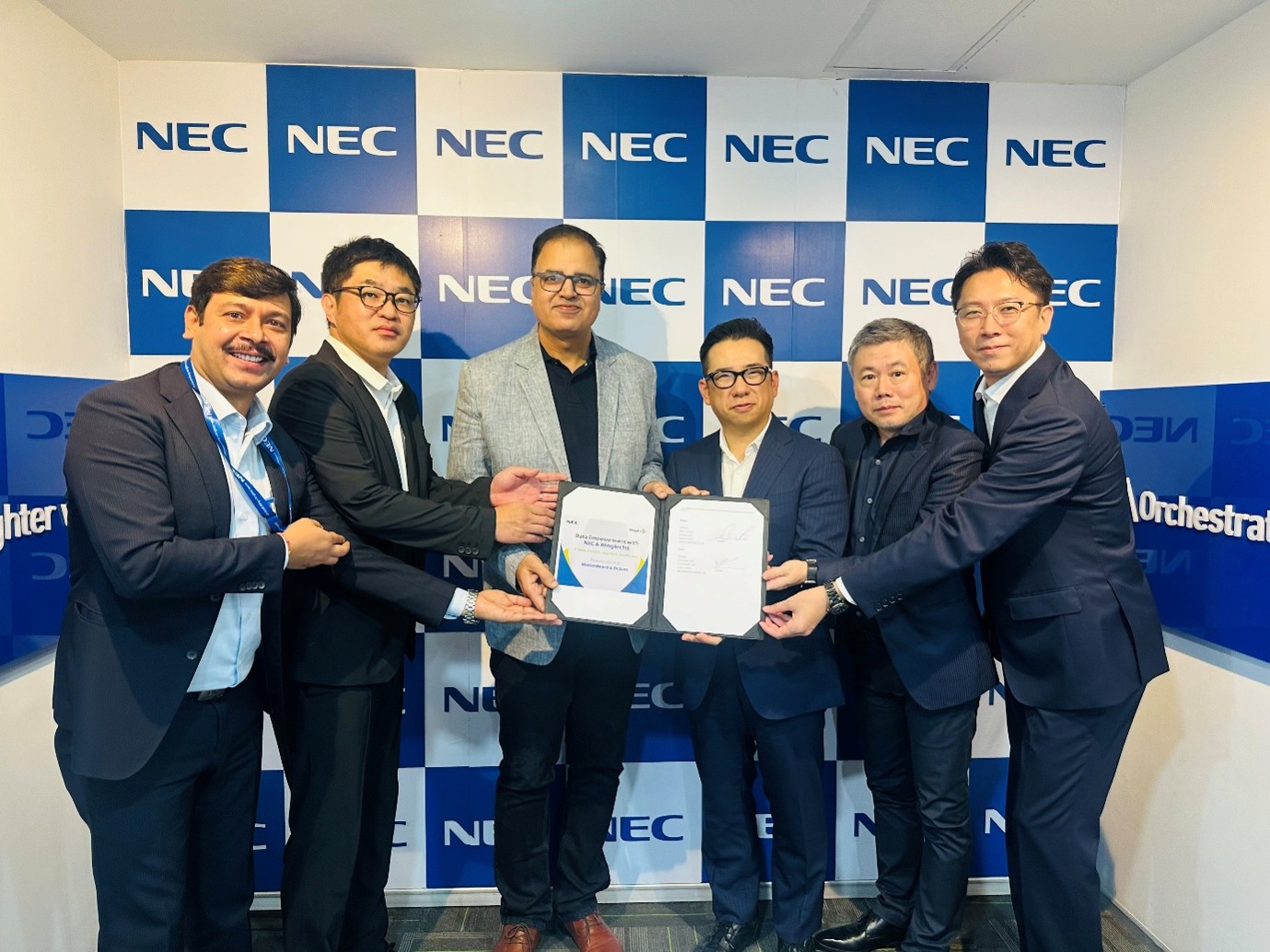
Under the agreement, NEC India will provide organizations in India access to WingArc1st’s data empowerment solutions, including Dr.Sum and MotionBoard. Dr.Sum enables enterprise data warehousing and analysis, while MotionBoard supports data visualization and analytics, helping organizations gain greater visibility into their operations and make informed business decisions.
The partnership will focus on opportunities across Enterprise, Financial Services, Manufacturing, and Public Sector/Government sectors, as organizations increasingly look to leverage data and analytics technologies to improve operational efficiency and business intelligence capabilities.
NEC and WingArc1st have collaborated in Japan for more than two decades, combining NEC’s Industrial IoT, consulting, and digital transformation expertise with WingArc1st’s data empowerment technologies. The expansion into India will leverage NEC India’s experience across enterprise, government, and public-sector organizations to further strengthen WingArc1st’s presence in the Indian market.
The partnership reflects NEC’s continued focus on enabling organizations with advanced technology solutions while supporting India’s evolving digital transformation landscape.
22, Sep 2026
India’s Rising Economic Scale Draws Bigger Global Business Interest, Says JPMorgan CEO
Mumbai, Sep 22: India’s rapidly expanding economy is attracting growing attention from global financial institutions, with JPMorgan Chase CEO Jamie Dimon saying the country’s economy could nearly triple in size over the next decade.
Dimon’s comments highlight the increasing importance of India in the global business and investment landscape, as international companies and financial institutions look to deepen their presence in the country.
JPMorgan is also preparing to significantly expand its India operations and research coverage. The bank plans to increase the number of Indian companies it tracks to around 2,000, with nearly 400 companies expected to have dedicated research coverage, according to reports. Its research operations currently cover close to 200 Indian companies.
JPMorgan expands its India footprint
The bank’s growing India presence reflects the country’s expanding corporate and financial markets.
Dimon pointed to the significant increase in JPMorgan’s India workforce since his first visit to the country in 2005. The bank now employs around 60,000 professionals in India, working across technology, investment banking and other specialised functions.
The expansion is also an indication of the increasing role India plays in the global operations of multinational financial institutions.
As Indian companies grow and increasingly look overseas, demand is expected to rise for investment banking, capital raising, financial research, advisory services and cross-border transactions.
More opportunities for Indian companies
A larger international financial presence could give Indian businesses greater access to global investors and financial expertise.
Companies seeking to raise capital, enter overseas markets, form international partnerships or expand their global operations could benefit from deeper links with international banks and investors.
The expansion of research coverage could also bring greater visibility to Indian companies among global investors, particularly as India’s corporate sector becomes more diversified.
Trade agreement remains a key focus
Dimon also called for India and the United States to complete their trade agreement, emphasising the importance of stable and predictable rules for trade and investment.
Greater certainty could help businesses plan long-term investments, strengthen supply chains and explore opportunities in both markets.
For Indian exporters and companies operating in globally integrated sectors, clearer trade arrangements could support decisions on manufacturing capacity, sourcing and overseas expansion.
Global economy faces pressure on capital
Alongside India’s growth prospects, Dimon highlighted several challenges facing the global economy.
Persistent inflation, high government borrowing, geopolitical tensions and rising investment requirements could increase competition for capital, he said.
He also indicated that interest rates and bond yields could remain higher for longer, as governments and businesses face increasing financing requirements.
AI investment could reshape global demand
The rapid expansion of artificial intelligence is emerging as another major source of investment demand.
Dimon said spending across the hyperscaler ecosystem could rise to around $1 trillion next year, compared with approximately $700 billion this year.
Such investment is expected to generate demand for data centres, semiconductors, computing infrastructure, electricity and other supporting technologies.
However, the longer-term impact of AI could extend beyond investment. Dimon said productivity gains from the technology could eventually reduce costs and create deflationary pressure in some parts of the economy.
India gains a larger role in the global economy
The outlook presented by Dimon comes as India continues to attract attention from global investors and multinational businesses.
The combination of a large domestic market, expanding corporate sector and growing international business links is creating opportunities across financial services, manufacturing, technology and other industries.
JPMorgan’s plans to expand its workforce and research coverage underline the bank’s long-term focus on India and its expectations of a significantly larger role for the country in the global economy over the coming decade.
22, Sep 2026
Beyond the Factory Gates: How Samsung Chennai Plant Is Creating Opportunities for Small Businesses in Sriperumbudur
Sep 22: The growth of Sriperumbudur as a major manufacturing hub is creating opportunities well beyond factory floors, with local small businesses benefiting from the expanding workforce, residential communities and demand for everyday goods and services around the industrial corridor.
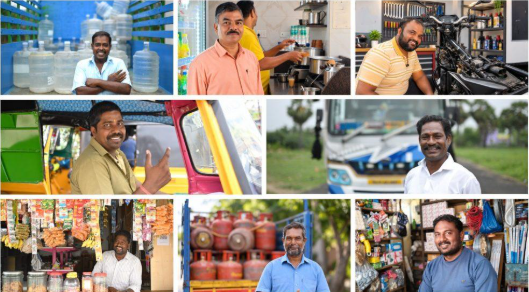
From tea shops, grocery and hardware stores to drinking-water suppliers, mechanics and local transport operators, entrepreneurs across Sriperumbudur say their businesses have grown as the town has expanded. The presence of major manufacturers, including Samsung’s Chennai plant, has been part of a broader industrial ecosystem that has brought more jobs, people and economic activity to the area.
Samsung established its Chennai manufacturing facility in Sriperumbudur in 2007. In the years since, the area has seen the growth of factories, housing and supporting services, creating a larger customer base for businesses serving the everyday needs of workers and families.
For long-time local entrepreneurs, the transformation is visible in the businesses they run.
Rajan, who has operated a tea shop in Sriperumbudur for nearly three decades, remembers a very different town.
“When I started, the customer base was small and the surrounding area was far less developed. Today, small houses have given way to flats, more companies and agencies have emerged, and a much larger population now lives and works in the area,” Rajan said.
His shop has grown alongside the neighbourhood, with the steady flow of customers reflecting the wider transformation taking place around him.
A Growing Industrial Hub, a Growing Local Economy
The same evolution can be seen in businesses catering to everyday household needs.
Sathish Kumar, who runs an electrical and hardware store, has seen demand increase as more families and workers have settled in the area.
“As more people settled here, the need for everyday products grew,” he said.
For Santhosh, the transformation has changed the scale of his grocery business. What began as a neighbourhood store now serves a much larger community, including employees working at companies nearby. As demand increased, he expanded his inventory and introduced deliveries.
“What began as a small neighbourhood store has become part of the daily rhythm of a much larger community,” he said.
New Needs, New Opportunities
The economic activity surrounding an industrial hub extends well beyond retail.
More people mean greater demand for housing, drinking water, cooking gas, transportation, vehicle repairs and other essential services. Across Sriperumbudur, local entrepreneurs have stepped in to meet these everyday needs.
Mastaan, who operates a drinking-water supply business, has seen demand rise as residential settlements have grown.
“With companies and industrial establishments bringing more housing settlements into the area, supplying water in larger quantities has become an increasingly important part of my business,” he said.
Local LPG distribution companies such as Prem Kumar’s and delivery services have similarly grown with the increasing number of households. Automobile repair stations, including Babu’s workshop, are serving more vehicles as economic and commuting activity increases across the area.
Transportation has also become an important part of Sriperumbudur’s expanding local ecosystem.
Govindaraj, a longtime resident who operates a bus service, has witnessed the town’s changing mobility needs first-hand.
“Today, my bus carries children going to school and people travelling to work. The growth in the area has increased the need for transportation, connecting homes, workplaces and communities,” he said.
Autorickshaw driver Manikandan has experienced a similar shift, with greater industrial and commercial activity bringing more passengers and more movement across Sriperumbudur.
Beyond the Factory Gates
The experiences of these entrepreneurs illustrate how the impact of manufacturing can extend beyond the workplace. A large industrial facility creates employment within its operations, while the people and economic activity around it can also generate demand for a wider network of local businesses.
In Sriperumbudur, that network can be seen every day.
It is the tea shop serving workers in the morning. The grocery store delivering essentials to nearby homes. The mechanic repairing vehicles. The autorickshaw and bus drivers connecting people with workplaces and schools. And the entrepreneurs supplying water, LPG, electrical goods and household products.
Together, they are part of the wider community that has grown around Sriperumbudur’s industrial development.
For entrepreneurs who have lived and worked here for decades, the transformation is visible not just in factories, buildings or infrastructure. It can be seen in the customers walking through their doors, the communities they serve and the businesses they have built over the years.
Nearly two decades after Samsung began manufacturing in Sriperumbudur, its Chennai plant is part of a much larger industrial and community ecosystem.
Beyond the factory gates, local entrepreneurs are building livelihoods around the everyday needs of a growing Sriperumbudur—showing how the expansion of manufacturing can create opportunities that ripple through the communities around it.
22, Sep 2026
MENA Fintech Association Releases Bi-Annual Regulatory Update on ADGM’s Evolving Digital Asset Framework
Abu Dhabi, UAE – 22nd September, 2026 – The MENA Fintech Association has released its latest Bi-Annual Regulatory Update Session report, providing members and the wider financial services industry with insights into the Abu Dhabi Global Market (ADGM) Financial Services Regulatory Authority’s (FSRA) latest regulatory priorities, market developments, and forthcoming initiatives across digital assets and financial services.
The report follows MFTA’s Policy & Regulations Working Group participation in the FSRA Bi-Annual Regulatory Update Session held on 19 May 2026, led by members of the FSRA Policy & Legal team, Lawrence Paramasivam and Margaret Devaney. The session was moderated by Christine Assali, Co-Chair of the MFTA Policy & Regulations Working Group, and brought together approximately 20 representatives from MFTA member firms across the fintech and digital assets ecosystem.
The report provides an overview of how ADGM’s digital asset ecosystem has evolved from a predominantly institutional market focused on custody and price exposure into a broader and increasingly sophisticated financial ecosystem. It highlights developments across tokenised assets, structured products, staking, lending and borrowing, and the growing infrastructure supporting regulated digital asset businesses.
A key area highlighted in the report is the expansion of the virtual asset ecosystem within ADGM. Regulated entities are now engaging with a broader universe of virtual assets, while the development of independent custodians, brokerage venues, staking providers, security assessors, compliance providers, and transaction monitoring solutions is helping reduce barriers to entry and supporting more sophisticated operating models.
The report also examines the FSRA’s evolving regulatory frameworks around fiat-referenced tokens (FRTs), including the accepted FRT framework and the distinction between virtual assets and payment instruments. It further covers developments relating to staking activities, custody, financial crime controls, technology risk, market integrity, and the FSRA’s supervisory approach.
Beyond digital assets, the update provides insights into a number of emerging regulatory themes, including AI in regulated entities, tokenisation and TradFi convergence, cross-border regulatory coordination and harmonisation, and the potential implications of quantum computing for financial services.
The report reflects MFTA’s continued focus on creating practical channels for regulatory dialogue between policymakers, regulators, financial institutions, fintechs, and digital asset businesses. By translating regulatory discussions into accessible industry intelligence, the Association aims to help its network better understand evolving requirements and prepare for developments shaping the financial services landscape.
Nameer Khan, Chairman of the MENA Fintech Association and Founder of Fils, added:
“Regulatory clarity is fundamental to the sustainable development of financial innovation. Our ongoing engagement with regulators such as the FSRA provides the industry with an important opportunity to understand how regulatory frameworks are evolving alongside new technologies, business models, and market infrastructure. Through initiatives such as these regulatory update sessions, MFTA continues to strengthen the dialogue between regulators and the private sector and support a more informed, responsible, and forward-looking fintech ecosystem across MENA.”
The report also reflects MFTA’s appreciation for the FSRA’s continued engagement and openness to substantive dialogue with industry participants. MFTA thanked Lawrence Paramasivam, Margaret Devaney, Brian Byagaba, Monique Elgin, and John Hermann for their participation and contribution to the session.
As digital assets, tokenisation, AI, and emerging financial technologies continue to develop, MFTA will continue to convene regulatory and industry stakeholders to support greater clarity, knowledge exchange, and policy-aligned innovation across the region.
22, Sep 2026
Meghalaya Strengthens Maternal & Child Healthcare; CM Shri Conrad K. Sangma Inaugurates 50-Bed Annex at DMCH, Tura
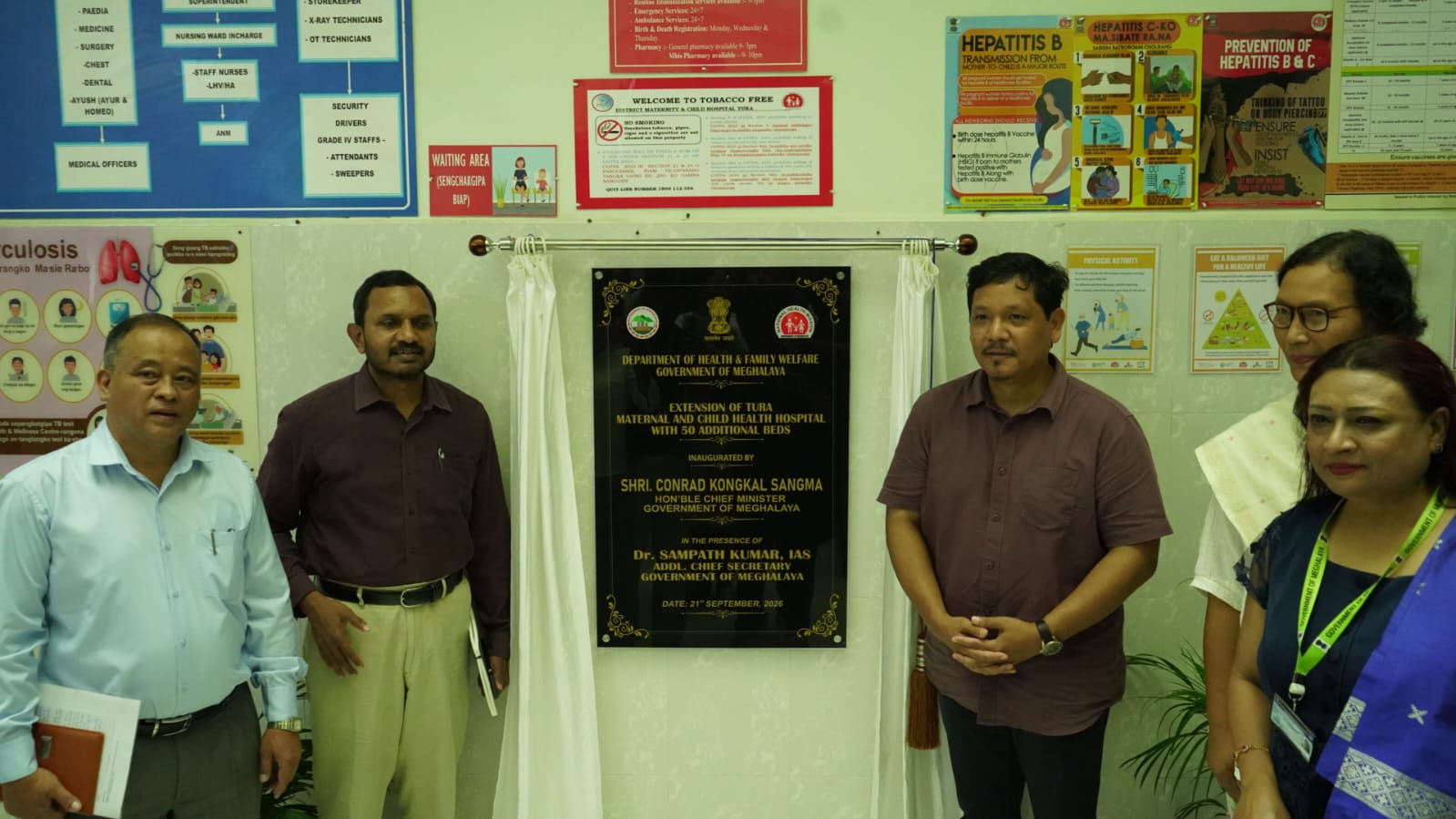
Tura, September 22, 2026: In a major step towards strengthening maternal and child healthcare in the Garo Hills, Shri Conrad K. Sangma, Honourable Chief Minister of Meghalaya, today inaugurated the expanded 150-bed District Maternity & Child Hospital (DMCH) at Tura, as part of the expansion of the Maternal and Child Health (MCH) facility.
Hosted under the theme “A Solemn Celebration of Maternal & Child Health,” the event highlighted Meghalaya’s continuing efforts to strengthen healthcare infrastructure, improve access to quality maternal and child care and reduce preventable deaths among mothers and children.
The expansion builds on a broader healthcare strategy that includes the MOTHER (Measurable Outcomes in Transforming Health Sector through a Holistic Approach with a Focus on Women Empowerment) programme, Rescue Mission and the Chief Minister’s Safe Motherhood Scheme, along with initiatives focused on high-risk pregnancies, institutional deliveries, maternal and child nutrition and improved referral systems.
Speaking on the occasion, Shri Conrad K. Sangma, Honourable Chief Minister of Meghalaya, said the expansion addresses an important infrastructure need and reflects the importance accorded by the State to maternal and child health. “It’s a very important step, especially keeping in mind the importance that we give to the health of mother and child. But more importantly, we are on expansion mode,” he said.
Emphasising the goal that healthcare systems must ultimately protect every mother and child, Hon’ble Chief Minister said, “We don’t want even a single mother to lose her life. We don’t want a single child to lose his or her life.” He said the State is working on further expansion of civil hospitals, district hospitals and mother and child hospitals. Under PM-DevINE, he said Meghalaya expects approximately ₹750–800 crore in project funding over the next five years and has consciously decided to direct most of these projects towards health. Tura, Shillong and Jowai are among the locations identified for major hospital infrastructure investments.
Shri Sampath Kumar, IAS, Additional Chief Secretary, Government of Meghalaya, said the inauguration marks a critical milestone in strengthening tertiary healthcare infrastructure in the region. He highlighted the State Government’s sustained commitment to healthcare over the past six to seven years and noted that Meghalaya is currently allocating more than 8% of its total budget to healthcare.
He highlighted key health outcomes achieved through sustained interventions, including a reduction of more than 55% in maternal mortality, over 40% in infant mortality and nearly 10 percentage points in stunting reduction over the past five years. Reaffirming the State’s vision of achieving single-digit maternal and infant mortality rates, on par with Kerala, he outlined interventions including the Chief Minister’s Safe Motherhood Scheme, transit homes for high-risk pregnant mothers, community childcare support through self-help groups, Mother-Baby Kits to encourage institutional deliveries and Mission 1000 Days focused on maternal and child nutrition.
From the clinical perspective, Dr. Dylan G. Momin, Specialist Obstetrician-Gynaecologist, Tura Maternity & Child Hospital, said the facility has been facing considerable pressure, catering to more than 100 pregnant women, in addition to gynaecological and paediatric cases. He said the expanded capacity will ease the burden and strengthen the hospital’s role as the referral centre for difficult and high-risk cases from across the Garo Hills. He also appreciated the financial support provided through government schemes such as CMHIS and the availability of advanced equipment, including laparoscopy facilities. “Lots of patients have benefited a lot because now we are working as a team,” he said.
At the frontline, Anna Merry Ch. Marak, Staff Nurse, Tura Maternity & Child Hospital, said the increased capacity has significantly improved the management of ante-natal, post-natal and high-risk patients, who earlier had to be accommodated together because of limited beds. She noted that regular training, updated protocols, advanced technology and team-based care have strengthened their ability to manage patients, while counselling has helped mothers with newborn care and breastfeeding. She also highlighted the impact of the Safe Motherhood Scheme kits and Chief Minister Mother & Child Care Kits, which provide essential items for both mothers and babies, as well as ambulance and other government-supported services that have reduced the burden on families.
Chief Minister also formally unveiled the plaque at the New OPD building, officially opening the enhanced facility to the public.
A major highlight of the programme was the Distribution Ceremony of the Chief Minister Mother & Child Care Kits, with the Chief Minister personally distributing the kits to post-natal mothers in the hospital wards. The kits are intended to provide practical support during the immediate postnatal period and contribute to safer, healthier beginnings for newborns.
21, Sep 2026
Research Reveals Where the Internet Really Slows Down
Sep 21: Most people associate network performance with bandwidth, that is, the amount of data that can be transferred per second. However, for many of today’s digital services, latency is just as important.
“If you are downloading a large film, bandwidth is usually the main factor determining how long it takes. But for interactive services such as video calls, online gaming and virtual reality, latency has a much greater impact on the user experience,” says Simon Sundberg.
In his thesis, What’s the Delay? Understanding Latency Across the Network, he examines latency across several parts of the internet infrastructure, including internet service provider networks, web servers and the satellite-based Starlink network.
THE LARGEST DELAYS OCCUR CLOSEST TO USERS
One of the main findings is that the largest delays often occur closest to the user, in the so-called “last mile” between the internet service provider and the connected device.
“We found that the greatest delays did not necessarily occur out on the wider internet. In many cases, the problems were located in the final stretch to the user, where traffic is often carried over Wi-Fi,” says Simon Sundberg.
The research shows that access networks remain a significant source of latency and that delays can sometimes reach one second or more. Such delays are clearly noticeable in applications such as video conferencing and online gaming.
UNCOVERING HIDDEN DELAYS
Improving the internet first requires the ability to identify and measure the underlying problems. For this reason, the thesis focuses on developing new tools capable of monitoring network latency in real time without disrupting traffic. These tools make use of technologies such as eBPF, which enables network traffic analysis directly within the operating system kernel with minimal overhead.
The measurements revealed that major latency spikes can occur within web server software itself, long before information is transmitted to the user. The research also identified how various mechanisms within Starlink’s satellite network influence network delays.
“Most of the time, the internet works extremely well, but occasional sudden delays can cause a video call to break up or an online game to freeze. Our research shows that these problems can have many different causes and may arise in several different parts of the network,” says Simon Sundberg.
TOOLS ALREADY BEING USED IN PRACTICE
The results of the thesis have not remained confined to academia. Several of the tools developed as part of the research are already being used by internet service providers and global Content Delivery Networks. These tools make it possible to continuously monitor latency and identify user-affecting problems more quickly.
“By making latency visible, network operators and service providers gain a better understanding of where problems occur and how they can be addressed. Ultimately, the hope is that this will contribute to a better internet experience for everyone,” says Simon Sundberg.
21, Sep 2026
Aster DM Quality Care commissions 10 MW solar power project for Aster Medcity in Kerala
Kochi, Sep 21: Aster DM Quality Care, one of India’s healthcare providers, in partnership with Oyster Renewable Energy Pvt Ltd, has commissioned a 10 MW solar power project for Aster Medcity in Kerala. The milestone project marks another significant step in Aster’s journey towards building a more sustainable and energy-efficient healthcare infrastructure.
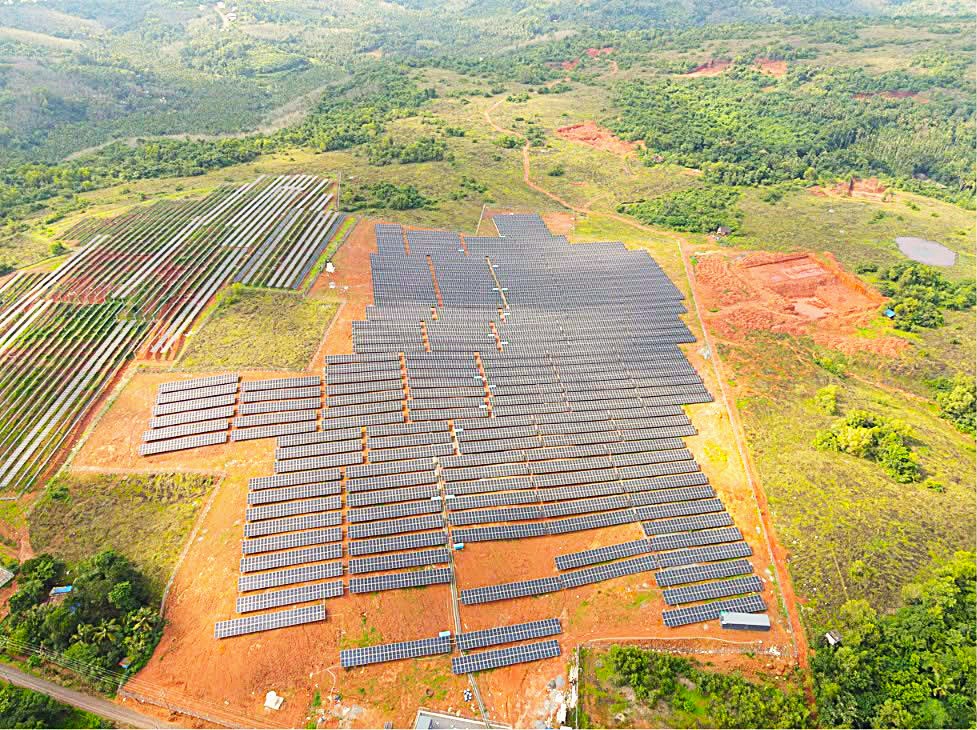
Developed by Oyster Renewable, the ground-mounted solar project is located at Ambalathara and adjoining villages in Hosdurg Taluka, Kasargod District. The project integrates high-efficiency bifacial solar modules optimised for Kerala’s tropical climate and is designed to deliver reliable and cost-efficient clean power to support the round-the-clock energy requirements of Aster Medcity.
The project is expected to generate approximately 16-17.5-million units of renewable energy annually, meeting over 90% of the total energy requirement of Aster Medcity on a captive basis. The power is supplied through Oyster Green Hybrid Two Private Ltd, in which the Aster Group holds a 26% equity stake. The project, once fully operational, is expected to abate approximately 23,138 metric tonnes of CO₂ emissions annually, significantly reducing the carbon footprint of Aster’s operations. Aster DM Quality Care has invested Rs. 3.87 crore in this project. The commissioning marks the first operational phase of the project, with full commissioning to follow in subsequent phases.
Commenting on the development, Mr. Ramesh Kumar, CEO, Aster DM Quality Care, said,
“As a healthcare organisation, we recognise that our responsibility towards healthier communities extends beyond the care we provide within our hospitals. Integrating renewable energy into our operations is an important part of our commitment to building a more sustainable healthcare ecosystem. This 10 MW solar project for Aster Medcity will not only help meet a significant proportion of the hospital’s energy requirements through clean power but also strengthen our efforts towards reducing the environmental footprint of our operations. We will continue to explore and invest in solutions that make our healthcare infrastructure more resilient, efficient and sustainable for the future.”
Siddharth Bhatia, Managing Director & CEO, Oyster Renewable Energy Pvt Ltd, said,
“The Aster Medcity project marks Oyster’s second-largest solar installation for a healthcare institution to date and sets a new benchmark for what clean energy infrastructure in this sector can look like. Healthcare facilities demand uninterrupted, reliable power, and this project has been engineered to meet exactly that standard. Beyond energy security, the project will abate approximately 23,138 metric tonnes of carbon emissions annually, a meaningful contribution to Kerala’s sustainability goals and India’s broader clean energy transition. We are proud to partner with Aster in their sustainability journey and demonstrate that responsible clean energy can support India’s critical infrastructure.”
The project reinforces the growing importance of renewable energy solutions in meeting the requirements of energy-intensive sectors such as healthcare. Through initiatives such as this, Aster DM Quality Care continues to integrate sustainability into its infrastructure and operations while reducing its dependence on grid-based fossil fuel power.