


17, Sep 2026
PM Modi Calls on Young Engineers to Drive India’s Next Semiconductor Push
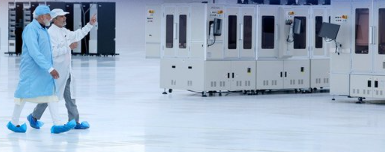
India’s semiconductor ambitions are entering a new phase, with the country increasingly focusing not only on setting up chip manufacturing facilities but also on building the talent, research capabilities and supporting industries needed to sustain a complete technology ecosystem.
Addressing the SEMICON India 2026 event in New Delhi on Thursday, Prime Minister Narendra Modi called on young engineers, researchers and technology professionals to take a more active role in developing advanced technologies in India. He highlighted the country’s large engineering workforce as an important strength at a time when semiconductor companies are looking to expand manufacturing and diversify global supply chains.
The Prime Minister said the government is working towards training one lakh engineering students in semiconductor-related skills, with more than 70,000 already trained. He also encouraged Indian researchers and technology professionals working both within the country and abroad to contribute to the development of advanced technologies.
The emphasis on skilled manpower comes at a time when semiconductor manufacturing is becoming increasingly important for sectors ranging from smartphones and automobiles to telecommunications, artificial intelligence, electronics and defence technologies. For India, developing a strong talent base is therefore closely linked with the ability to attract investment and build higher-value capabilities.
From Policy Plans to Commercial Production
India’s semiconductor programme has gradually moved beyond policy announcements and project proposals towards actual manufacturing activity. During SEMICON India 2026, commercial production at two semiconductor facilities in Mohali and Surat was highlighted as part of this transition.
The development signals a broader shift in the country’s approach to electronics manufacturing. Instead of concentrating only on chip fabrication, India is seeking to develop capabilities across design, manufacturing, assembly, testing, equipment, materials and other specialised areas.
A stronger domestic ecosystem could also help companies reduce their dependence on long and concentrated global supply chains while creating opportunities for Indian businesses to participate in different stages of semiconductor production.
Building More Than Chip Factories
The semiconductor industry requires a wide network of supporting businesses. Chip manufacturing depends on specialised equipment, chemicals, gases, materials, testing systems and advanced packaging technologies.
Recognising this, the Prime Minister urged companies operating in these areas to explore the opportunities emerging from India’s semiconductor programme. Growth in supporting industries could create additional investment opportunities and allow domestic suppliers to become part of the wider global chip value chain.
The government has also been pushing for greater participation by startups and design companies. The focus on fabless semiconductor companies is particularly significant because chip design and intellectual property can generate high-value technology businesses without requiring companies to own fabrication plants.
Talent and Research Become Critical
India’s large pool of engineers is emerging as an important component of its semiconductor strategy. However, the industry requires specialised expertise in areas such as chip architecture, semiconductor design, fabrication, advanced packaging, testing, artificial intelligence hardware and related technologies.
The call for greater industry participation in research and development reflects the need to connect academic institutions, startups and established technology companies more closely.
Such collaboration can help turn research into commercial products while giving young engineers practical exposure to advanced technologies. It can also create opportunities for Indian companies to develop intellectual property that can compete in international markets.
New Technologies Could Expand the Opportunity
The next stage of semiconductor development is expected to extend beyond conventional chips. Technologies such as silicon photonics and compound semiconductors are gaining importance as demand grows for faster computing, artificial intelligence infrastructure and high-performance data systems.
Silicon photonics, in particular, can support high-speed data movement and has potential applications in AI-focused infrastructure and advanced computing systems.
Building expertise in these emerging areas could help India participate in newer segments of the semiconductor industry rather than limiting its role to conventional manufacturing and assembly.
Global Supply Chains Create a Larger Opportunity
The global semiconductor industry has been undergoing significant changes as companies and governments seek more resilient and diversified supply chains. India is attempting to position itself as one of the locations capable of supporting this transition.
At SEMICON India 2026, the government highlighted the importance of building a reliable ecosystem that connects international companies with Indian manufacturers, startups, researchers and suppliers.
For global companies, the availability of engineering talent, a large domestic electronics market and growing policy support could make India an increasingly relevant location for technology investment. For Indian businesses, the expansion of the semiconductor ecosystem could open opportunities in manufacturing, design, logistics, materials, equipment and specialised services.
Semiconductor Growth Could Support Wider Industry
The impact of semiconductor investment is likely to extend beyond chip factories themselves. A stronger electronics ecosystem can support demand for suppliers, technical services, industrial infrastructure, logistics and skilled manpower.
It could also encourage more companies to invest in research and product development in India. Over time, this may help strengthen links between semiconductor manufacturing and industries such as automobiles, consumer electronics, telecommunications, renewable energy and artificial intelligence.
For young engineers, the expansion of the sector could create opportunities across chip design, research, manufacturing, testing and other specialised technology functions.
India’s Semiconductor Story Moves Forward
SEMICON India 2026 reflects the changing nature of India’s semiconductor ambitions. The focus is gradually moving from attracting individual projects to developing a connected ecosystem in which talent, research, manufacturing, design and supporting industries grow together.
The Prime Minister’s message placed young technical talent at the heart of that effort, while also calling on industry to invest more deeply in research and development.
As semiconductor demand continues to grow globally, India’s ability to build specialised skills, develop intellectual property and establish reliable manufacturing and supply networks will be central to determining how deeply Indian companies can participate in the global chip economy.
- 0
- By Neel Achary

17, Sep 2026
Factrika Raises INR 8.9 Cr Seed Round Led by Info Edge to Scale On-Demand Industrial Workforce Platform
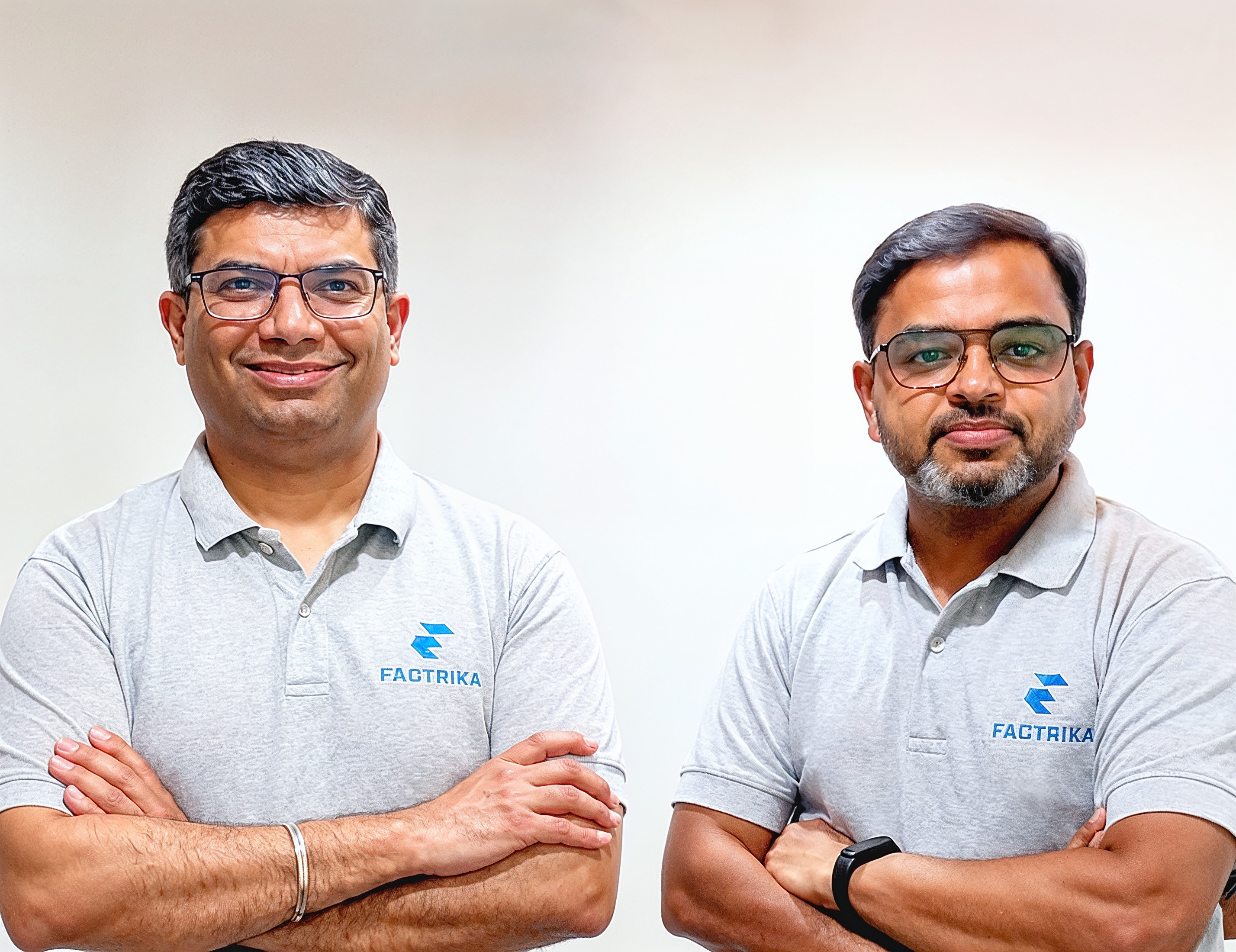
September 17, 2026: Factrika, an on demand industrial workforce platform, today announced it has raised ₹8.9 Cr in seed funding led by Info Edge. Founded in July 2024, the company will use the capital to strengthen its team, deepen its technology, and expand into more industrial clusters across India.
Indian factories face a 20 to 25% daily worker shortage, driven by fragmented, low tech contractor staffing models, resulting in lost output, higher costs, and operational disruption. Factrika matches manufacturers with verified workers by skill and availability, enabling deployment within 2 hours. Workers accept shifts digitally, with the platform managing attendance and payments while building a verified digital work record that enables skill based career progression.
Factrika has 10,000+ registered workers across 20+ skill categories, a 90%+ show rate, and deployment hours growing 50 to 70% month on month. Clients include Lenskart, Munjal Kiriu, Asahi India Glass, Jubilant Foods, Epack Durables, PG Technoplast, Hanon Climate, Bidso, and Talbros Auto Components. Workers gain 20 to 30% higher earnings through skill progression. The funding will support team growth, technology development, and cluster led expansion, starting with Bhiwadi, Manesar, Bawal, Noida, and Bahadurgarh, as Factrika targets India’s $23 Bn manufacturing workforce opportunity.
Factrika was founded by Kshitij Puri and Gaurav Asthana. Kshitij is a second time founder, having previously built and scaled ZipLoan, a fintech NBFC; he is an alumnus of UCLA Anderson and ICAI. Gaurav is an alumnus of BITS Pilani and IIM Ahmedabad, bringing more than two decades of experience across technology, operations, and product roles spanning recruitment, fintech, agritech, and marketplaces.
“India’s manufacturing workforce has a fundamental availability and reliability problem. We’re building Factrika to make industrial workforce supply more real time, skill led and transparent,” said Kshitij Puri and Gaurav Asthana, Founders, Factrika.
“Factrika is solving deep use cases in Indian manufacturing recruitment with an innovative, platform based approach. We’re excited to back them,” said Hitesh Oberoi, MD & CEO, Info Edge (India) Ltd.
17, Sep 2026
Venn Launches Blue Border for AI Governance & Security, Putting Native Claude Apps Under IT Control on Any Laptop
Regulated companies can now let remote employees and contractors run Claude, Claude Cowork and Claude Code on laptops the company doesn’t own: locked to company accounts, reachable only from trusted networks, and with no VDI or endpoint management required.
New York, New York, Sept 17. Venn, the secure remote work company, announced Blue Border™ for AI Governance & Security. The release lets organizations with remote and distributed workforces govern and securely use AI on any laptop, whether or not the company owns or manages it.
Blue Border installs on a Mac or PC and creates a company-controlled secure enclave on that laptop, isolating business activity from everything else on the same machine. Until now, its AI controls centered on data loss prevention for browser-based AI. Available today, the release adds three capabilities.
First, Anthropic’s Claude desktop apps, Claude, Claude Cowork and Claude Code, run natively inside Blue Border, on a personal machine, under the same controls that apply to browser-based AI. Second, tenant restrictions keep approved AI services to company-provided accounts, so a personal sign-in inside Blue Border is restricted. Third, IP-based access controls let organizations restrict sign-ins to those services to their dedicated Blue Border IP addresses, using the access policies they already run for Microsoft 365 and Salesforce.
The result is a secure way to adopt AI across all of a company’s workflows, in the browser and on the desktop, on every device its people use, without VDI. Unapproved AI tools stay blocked from company data, and DLP controls cover copy/paste, upload, download, screenshot, print and AI on any laptop.
Organizations in regulated industries cannot afford to fall behind on AI productivity, and cannot tolerate the data exposure that comes with open adoption. Venn found that 62 percent of all connections to browser-based AI tools inside Blue Border were made through personal, non-corporate accounts. When customers configured their tenant restriction settings, the number dropped to 5 percent.

“AI is the most important shift our customers have navigated since the cloud,” said David Matalon, CEO and Founder of Venn. “Blue Border was built for exactly this moment: a world where sensitive work happens on any device, and where what needs to be protected is the data itself, not the machine. Blue Border for AI Governance & Security extends that protection to every AI tool, native app or browser, and gives IT and security teams control back.”
For regulated organizations enabling BYOD and contractor programs, this changes the ceiling on AI productivity. Financial services firm StoneX uses Blue Border to meet its compliance requirements while securing its workers. Remote employees and contractors can use the most capable AI tools in their full native form, with no hardware to ship and no virtual desktop in between. Support for additional applications, including ChatGPT and Microsoft Copilot, is on the roadmap for later this year.
17, Sep 2026
Study Finds Bile Acid May Help Reduce Liver Fat
Hyodeoxycholic acid reduces excess liver fat in mice through two distinct pathways, demonstrating multi-target therapeutic potential
Sept 17: Excess fat accumulation in the liver can contribute to the development and progression of metabolic dysfunction-associated steatotic liver disease (MASLD), highlighting the need for new approaches to manage the condition. Now, researchers have found that hyodeoxycholic acid (HDCA), a bile acid, can reduce liver fat in mice while also identifying the biological pathways involved. The findings suggest that HDCA could help inform the development of new approaches to managing MASLD.
Non-alcoholic fatty liver disease (NAFLD), now known as metabolic dysfunction-associated steatotic liver disease (MASLD), is a common condition that causes excess fat to build up in the liver, affecting about one-quarter of adults worldwide. In some people, this can lead to inflammation and liver cell or hepatocyte injury, triggering the formation of thick, fibrous connective tissue known as fibrosis. Over time, advanced fibrosis can progress to cirrhosis, in which permanent scarring impairs the liver’s normal function. MASLD is often described as a “silent” disease because symptoms may be absent or mild until the disease becomes more advanced.
Hepatic steatosis refers to the initial stage of MASLD, where excess fat gets accumulated in the hepatocytes. Though it is a common metabolic disorder, the mechanistic understanding of the biological pathways involved as well as effective therapeutic strategies remain incompletely understood.
Against this backdrop, a study from Chiba University found that a bile acid, hyodeoxycholic acid (HDCA), helps reduce excess fat accumulation in the liver.
The study was led by Professor Takashi Miki, Dean of the Graduate School of Medicine at Chiba University, Japan, with Dr. Eunyoung Lee as the first author, along with Professor Antonio Vidal-Puig of the MRC Institute of Metabolic Science, University of Cambridge, UK, and other researchers. The paper was made available online on August 7, 2026, and was published in Volume 45, Issue 8 of the journal Cell Reports on August 25, 2026.
“We unexpectedly found that adipose tissue transplantation increased circulating HDCA levels in our diabetic mouse model. This intriguing finding prompted us to investigate HDCA’s potential metabolic effects. We found that HDCA treatment prevented high-fat diet-induced hepatic steatosis,” says Prof. Miki.
To investigate the effects of HDCA, the researchers fed mice a high-fat diet and treated them with HDCA. At a 0.25% dose, HDCA reduced blood glucose levels, lowered the amount of triglycerides (fat) stored in the liver, and improved liver function without affecting the mice’s body weight, suggesting that its effects on liver fat were not due to weight loss.
The researchers then investigated how HDCA produced these effects. They found that HDCA increased the activity of PPARα, a protein that controls genes involved in breaking down fatty acids. In mice that lacked this protein, HDCA could no longer prevent fat from building up in the liver.
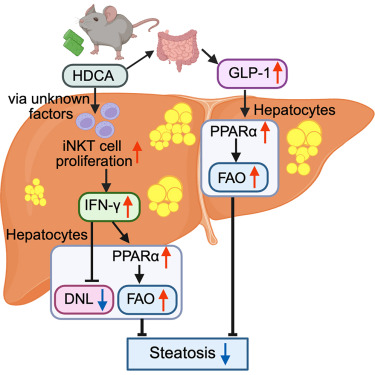
The researchers then identified two pathways through which HDCA activated PPARα. First, HDCA increased the number of invariant natural killer T (iNKT) cells, a type of immune cell, in the liver. These cells produced more interferon-γ (IFN-γ), a signaling molecule that activated PPARα in liver cells. PPARα then switched on the genes that help liver cells break down fatty acids.
As another pathway, HDCA also increased the levels of glucagon-like peptide-1 (GLP-1), a gut hormone that helps regulate metabolism. The researchers found that GLP-1 signaling was necessary for HDCA to reduce liver fat. When they tested mice that lacked the GLP-1 receptor, HDCA could no longer prevent fat from accumulating in the liver.
To further examine the role of GLP-1 and its relationship with iNKT cells and PPARα, the researchers injected liraglutide, a drug that activates the GLP-1 receptor and is used to treat type 2 diabetes, into normal mice and mice lacking iNKT cells, PPARα, or the GLP-1 receptor. Liraglutide reduced liver fat in both normal mice and mice lacking iNKT cells, but not in mice lacking PPARα. These findings indicated that GLP-1 reduces liver fat through PPARα and does not require iNKT cells.
Together, the researchers showed that HDCA may combat MASLD through two distinct pathways: an immune pathway involving iNKT cells and IFN-γ, and a metabolic pathway involving GLP-1. Both pathways ultimately activate PPARα, which helps the liver increase fatty-acid breakdown and reduce fat accumulation.
“Both HDCA and the GLP-1 receptor agonist liraglutide exhibited potent anti-steatotic effects in mice in a PPARα-dependent manner,” says Prof. Miki, highlighting PPARα as a potential target for developing strategies to combat MASLD.
Overall, these findings emphasize the potential of HDCA as an effective multi-target therapeutic strategy for the treatment of hepatic steatosis.
17, Sep 2026
The Ultimate Guide To Festive Jewellery From Candere By Kalyan Jewellers

The festive season begins to take centre stage in September, bringing with it celebrations, family gatherings and cherished traditions. From festive pujas and intimate get-togethers to family lunches and celebratory evenings, the month is filled with occasions to dress up and add a touch of sparkle to every look. As festive dressing continues to evolve, lightweight and versatile jewellery offers an effortless way to elevate traditional ensembles while keeping the overall look comfortable, contemporary and easy to wear.
This season, look beyond elaborate jewellery and embrace pieces that blend elegance, colour and contemporary design. From vibrant gemstones and intricate motifs to delicate diamonds and timeless pearls, Candere by Kalyan presents a curated selection of jewellery designed to complement every festive occasion and transition effortlessly from one celebration to the next.
Here’s a curated edit-
Superior Diamond And Gemstone V Ring
The Superior Diamond and Gemstone V Ring brings together the brilliance of diamonds and the vibrancy of colourful gemstones in an elegant V-shaped silhouette. Its refined design strikes the perfect balance between classic detailing and contemporary appeal, making it an effortless choice for the festive season.
Style it with a saree, kurta set or anarkali for a festive puja, family gathering or celebratory lunch.
Wear it solo for a touch of understated elegance, or stack it with delicate rings to create a refined, layered look.
Mayuri Mehndi Peacock Diamond And Gemstone Oval Bracelet
The Mayuri Mehndi Peacock Diamond and Gemstone Oval Bracelet beautifully brings together intricate mehndi-inspired detailing, a graceful peacock motif, sparkling diamonds and vibrant gemstones. Rich in colour and craftsmanship, its distinctive design adds an elegant touch of festive charm to traditional ensembles.
Style it with a saree or kurta set for a festive gathering, family celebration or special occasion. Wear it on its own to let the intricate detailing take centre stage, or pair it with delicate bracelets for a refined, layered look.
Spoked Chariot Pearl Diamond And Gemstone Collar Necklace
The Spoked Chariot Pearl Diamond and Gemstone Collar Necklace brings together elegant pearls, sparkling diamonds and vibrant gemstones in a distinctive collar silhouette. Its contemporary design adds a sophisticated touch to festive dressing while retaining the timeless appeal of pearls.
Let the necklace take centre stage by styling it with an elegant ethnic ensemble. Its distinctive collar silhouette pairs beautifully with understated festive looks, adding a refined touch of sparkle and colour. Complete the look with minimal earrings and accessories for a sophisticated finish.
Demi Diamond Dangle Earrings
Elegant and contemporary, the Demi Diamond Dangle Earrings feature a graceful silhouette accented with sparkling diamonds. Their delicate design adds movement and brilliance, making them a versatile choice for festive occasions without overpowering the overall look.
Style them as a subtle statement with an elegant festive look, allowing the delicate dangles and diamond sparkle to frame the face beautifully
Waverly Diamond And Gemstone Oval Bracelet
The Waverly Diamond and Gemstone Oval Bracelet beautifully combines sparkling diamonds and colourful gemstones in a classic oval silhouette. Its elegant design offers a refined balance of colour and brilliance, making it an effortless choice for festive occasions.
Its versatile design effortlessly complements both traditional ensembles and contemporary festive looks, making it an elegant addition to any occasion wardrobe.
17, Sep 2026
Samsung India Makes Galaxy Z Fold8 Ultra and Galaxy Z Fold8 More Accessible with Lower Monthly EMIs Through Galaxy Forever
Gurugram, Sep 17: Samsung India has introduced a new, flexible payment plan for its latest flagship foldable smartphones – the Galaxy Z Fold8 Ultra and Galaxy Z Fold8 – under its Galaxy Forever programme. This innovative plan makes owning a Galaxy foldable more accessible and affordable than ever before.

Under the two-year programme, customers can own the Galaxy Z Fold8 Ultra and Galaxy Z Fold8 by paying only 60% of the device price along with the Galaxy Forever programme fee, spread over 24 EMIs. This reduces the EMI by 25% over 24 months, making payments more manageable. Through this programme, the EMI for the Galaxy Z Fold8 Ultra decreases from INR 9417 to INR 6997, while the Galaxy Z Fold8 EMI drops from INR 8584 to INR 6416.
The remaining 40% of the device price is deferred as a bullet payment once the 24-month tenure is complete. At the end of the 24-month period, customers have the flexibility to:
·Upgrade: Avail the latest Galaxy device and return the old device
·Retain: Pay the 40% bullet payment amount and keep the device
·Return: Simply return the device and exit the programme
Customers also have the option to return or upgrade earlier than 24 months, as per the following buyback values applicable with No Questions asked returns:
·10–11 months: Assured buyback of up to 55%
·12–13 months: Assured buyback of up to 50%
·14–18 months: Assured buyback of up to 45%
·19–25 months: Assured buyback of up to 40%
The Galaxy Forever programme also includes Samsung Care+, which offers protection against accidental and liquid damage with no claim processing fees. This means customers do not need to purchase Samsung Care+ separately; it is part of the package.
By combining lower monthly EMIs, an assured buyback option, and included device protection, Galaxy Forever provides customers with unmatched flexibility and peace of mind. Whether you choose to keep your current Galaxy foldable or upgrade to a newer model, this programme ensures you are always future-ready.
Galaxy Z Fold8 Ultra: The Most Advanced Foldable for Productivity
The Galaxy Z Fold8 Ultra brings Samsung’s highest level of performance to the foldable category, combining a large 8-inch main display, advanced camera system and hardware built for demanding workflows. It is just 4.1mm thin and weighs 215g, making it Samsung’s slimmest Fold design yet. The 200MP main camera with HDR, and a new 50MP ultra-wide lens with improved Nightography deliver greater detail in any light, while 8K video recording with the new APV codec and Cine LUT tools give creators more control. Powered by the Snapdragon 8 Elite Gen 5 for Galaxy platform and a 5000mAh battery with 45W fast charging, it supports a full day of work and content creation.
Galaxy Z Fold8: New Foldable Experience Focused on Immersive Viewing
The Galaxy Z Fold8 is designed for smooth transitions from quick cover-screen interactions to immersive viewing, reading and gaming when unfolded. Weighing just 201g with a 4800mAh battery, it is Samsung’s lightest Galaxy Z Fold yet. The new Flex Titanium display structure reduces crease visibility and improves durability, while the main display reaches up to 3000 nits of peak brightness. Its dual 50MP camera system, Dual Recording and My FanCam features make capturing and editing content easier across different scenes.
For more details on the Galaxy Forever programme and to experience the Galaxy Z Fold8 and Galaxy Z Fold8 Ultra, visit your nearest Samsung exclusive store.
Terms and conditions apply. Bullet payment, EMI, eligibility, and device protection details are subject to financing terms.
17, Sep 2026
World-Renowned Texas Plastic Surgeon Dr. Ozan Sozer Named ISAPS President-Elect

The longtime ISAPS leader will assume the presidency of the global aesthetic surgery organization in 2028
El Paso, TX, Sept 17 – The International Society of Aesthetic Plastic Surgery (ISAPS), a global professional organization dedicated to advancing aesthetic plastic surgery education and patient safety, has elected internationally recognized, board-certified plastic surgeon Dr. Ozan Sozer as President-Elect. He will assume the role of President in 2028.
His election marks the latest chapter in Dr. Sozer’s longstanding leadership within ISAPS. Currently serving as Treasurer, Dr. Sozer has also spent many years leading the organization’s education efforts as Chair of Education, helping advance global knowledge-sharing and education among plastic surgeons.
“It is an incredible honor to be elected President-Elect of ISAPS by colleagues from around the world,” said Dr. Sozer, Board-Certified Plastic Surgeon and ISAPS
President-Elect. “I have always believed that aesthetic surgery advances when physicians share knowledge, challenge one another and continue learning. I look forward to helping further ISAPS’ commitment to global education, innovation and patient safety.”
Founded in 1970, ISAPS brings together aesthetic and reconstructive plastic surgeons from more than 117 countries, providing an international forum for scientific exchange, continuing education and the advancement of patient safety.
With 25+ years of experience, Dr. Sozer is the founder of El Paso Cosmetic Surgery and is known for his work in facial aesthetics, body contouring and surgical innovation, including the development of techniques such as the Glidelift™ and Extended Gliding Brow Lift.
17, Sep 2026
West Bengal Records Strong Growth in Mineral Revenue Collection
Kolkata, Sep 17: West Bengal has recorded a significant rise in revenue generated from its mineral resources during the opening months of the 2026-27 financial year, with collections increasing by 32.60 per cent compared with the same period last year.
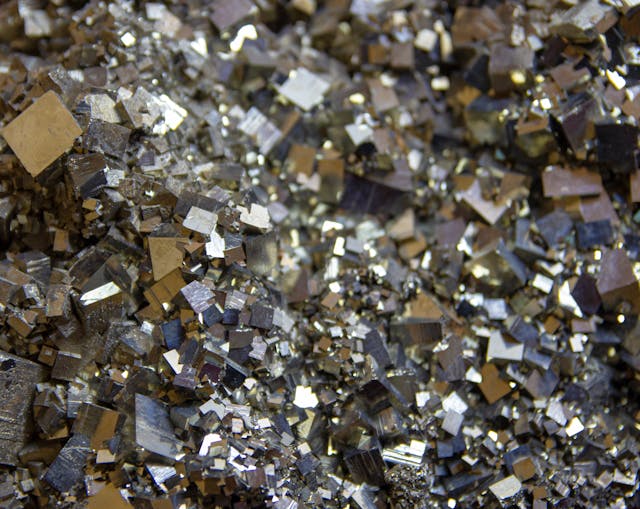
According to figures released by the State Finance Department, mineral-related tax revenue stood at Rs 567.82 crore between April 16 and August 15, 2026, compared with Rs 428.20 crore during the corresponding period in 2025.
The increase has brought greater attention to the contribution of the state’s mineral-rich districts to public revenue. Birbhum recorded the highest collection at Rs 235 crore, followed by Jhargram at Rs 70.29 crore. East Burdwan contributed Rs 56.12 crore, while West Burdwan accounted for Rs 48.59 crore during the period.
The latest figures indicate that mineral resources continue to play an important role in West Bengal’s economic activity. The sector supports a wider network of businesses linked to mining, transportation, processing and industrial operations, particularly in mineral-producing regions.
The improvement in collections has also been attributed by the State Finance Department to efforts to strengthen revenue monitoring and address leakages in mineral-related collections. This has the potential to improve the state’s ability to mobilise revenue from its natural resources without placing additional pressure on ordinary taxpayers.
For the state economy, stronger mineral revenue provides an additional source of own-tax receipts and can support broader fiscal planning. West Bengal has projected its own tax revenue at Rs 1,30,669.68 crore for 2026-27, compared with Rs 1,11,737.13 crore in the revised estimate for 2025-26.
The mineral sector also has an important business impact at the district level. Mining and related activities generate demand for transport, logistics, equipment, services and other supporting businesses, creating an economic chain that extends beyond the extraction activity itself.
The latest revenue numbers therefore highlight the importance of effective resource management, transparent collection systems and stronger monitoring of mineral-related economic activity.
With mineral-rich districts continuing to contribute significantly to state revenues, sustained improvement in collection mechanisms could strengthen West Bengal’s revenue base while supporting economic activity across mining and allied sectors.
17, Sep 2026
SEMICON India 2026 Puts India’s Semiconductor Ambitions in the Global Spotlight
New Delhi, Sep 17: India is stepping up its efforts to build a stronger presence in the global semiconductor industry as Prime Minister Narendra Modi inaugurates the fifth edition of SEMICON India 2026 at Yashobhoomi in New Delhi on Thursday.

The three-day event, being held from September 17 to 19, brings together companies, investors, technology experts, policymakers, researchers, start-ups and students from India and overseas. More than 600 companies and representatives from 52 countries are taking part, highlighting the growing international interest in India’s semiconductor ambitions.
Organised by the India Semiconductor Mission (ISM), the Ministry of Electronics and Information Technology (MeitY) and SEMI, the event is being held under the theme “Silicon to Systems: Building the Ecosystem.”
The theme reflects a broader shift in India’s approach to semiconductors. The focus is no longer limited to producing chips. The country is looking to develop capabilities across the wider ecosystem, including chip design, manufacturing, advanced packaging, materials, equipment, electronics and complete technology systems.
The exhibition will provide a platform for global companies and Indian businesses to showcase technologies, explore partnerships and discuss opportunities emerging in the semiconductor sector. Six country pavilions and 12 state booths will also be part of the event.
A special focus has been placed on young businesses and skilled talent. Start-ups will get an opportunity to present their technologies, while programmes for students and workforce development will connect emerging talent with an industry that is creating new career opportunities in engineering, design, manufacturing and advanced electronics.
One of the key attractions is the ‘Sand to Silicon to Systems’ Value Chain Experience, which will give visitors a clearer picture of how different stages of the semiconductor industry are connected — from raw materials and manufacturing to chip design, packaging, electronics and final systems.
The event will also feature discussions on some of the biggest issues shaping the industry, including artificial intelligence, semiconductor manufacturing, advanced packaging, supply-chain resilience, research and development, materials and equipment, chip design and talent development.
The importance of the event was also underlined by Prime Minister Modi during a meeting with semiconductor industry leaders ahead of the inauguration. He called for stronger cooperation between the government and industry to accelerate India’s semiconductor journey and encouraged companies to contribute to skill development, innovation and emerging technologies.
The Prime Minister highlighted India’s large talent pool, expanding infrastructure and rapid adoption of technology as key strengths that can support the development of a competitive semiconductor ecosystem.
Senior representatives from several leading global and Indian companies participated in the discussions, including Micron, Infineon, Applied Materials, ASML, AMD, Intel, Tata Electronics, Lam Research, NXP, Foxconn, CG Power and IBM Research, among others.
For India, the semiconductor push has significance well beyond the chip industry. A stronger domestic ecosystem can generate investment, create specialised jobs, encourage technology partnerships and open new opportunities for electronics manufacturers and smaller businesses supplying components and services.
It can also help India become a more important part of global technology supply chains at a time when companies are looking to diversify manufacturing and build more resilient sources of critical components.
With semiconductors becoming increasingly important to automobiles, smartphones, telecommunications, artificial intelligence, consumer electronics and advanced computing, SEMICON India 2026 provides a platform for India to showcase its capabilities while connecting its growing semiconductor ecosystem with the global industry.
17, Sep 2026
Puresta Launches EVERQ To Change How India Approaches Skincare – Diagnose First, Then Treat

New Delhi, 17 September 2026: Puresta Lifestyle Private Limited today announced the launch of EVERQ, an AI-powered skin-health platform designed to bring skin assessment, dermatologist consultations, personalised treatment and ongoing skincare together in one connected journey.
For millions of Indian consumers, skincare still begins with a product, a Google search, an influencer recommendation or trial and error. EVERQ takes a different approach, starting with understanding the consumer’s skin before recommending what comes next. Built around the philosophy “Diagnose First. Then Treat.”, the platform connects AI-led skin assessment with dermatologist-led care and ongoing skincare, creating a continuous path from diagnosis to treatment and maintenance.
Hitaysh Dhingraa, Co-Founder & CEO, Puresta, said:“India doesn’t have a skincare discovery problem. It has a diagnosis problem. Consumers have thousands of products and millions of recommendations, but very little clarity on what their skin actually needs. We built EVERQ around a simple philosophy — Diagnose First. Then Treat. AI helps us understand consumers and their skin at scale, dermatologists bring clinical judgement, and our ecosystem helps take that care from assessment through treatment and ongoing skincare. We don’t want to sell consumers more skincare. We want to help them use the right skincare.”
From skin assessment to dermatologist-led care
Consumers can begin their EVERQ experience with an AI-led skin assessment designed to identify visible skin concerns and create an initial skin profile. Where required, they can then consult a dermatologist who evaluates their concerns and recommends a personalised course of treatment. The process can continue through treatment, product delivery, follow-ups and maintenance skincare, allowing consumers to access different stages of care without having to start over each time.
At the centre of the experience is AI Care Expert, a persistent digital care companion designed to support consumers throughout their skincare journey rather than function as a conventional chatbot. It helps consumers understand and follow their regimen, stay on track, monitor progress and maintain continuity across interactions.
One ecosystem for diagnosis, treatment and ongoing skincare
EVERQ is part of Puresta’s integrated skin-health ecosystem, which also includes SKINQ Rx and SKINQ.
EVERQ serves as the consumer-facing platform connecting AI-led skin assessment with dermatologist-led care.
SKINQ Rx provides targeted, dermatologist-led treatment solutions based on the consultation, while SKINQ extends the experience into clinically validated everyday and maintenance skincare.
Together, the ecosystem connects three stages of skin health: understand the concern, treat it and maintain the outcome.
The platform is being developed with a focus on Indian and melanin-rich skin, recognising that concerns such as pigmentation, acne, sensitivity and post-inflammatory marks can present differently across skin types. Puresta combines technology, dermatological expertise and data-led formulation as part of its approach to personalised skin health, with a focus on moving consumers away from generic product recommendations and towards solutions based on their individual skin needs.
Moving from product-led skincare to outcome-led care
With EVERQ, Puresta aims to move skincare from a primarily product-led experience towards a more personalised and outcome-led model.
Rather than treating a consultation, prescription and skincare purchase as separate transactions, the platform is designed to retain context across the consumer’s care journey. As a consumer’s skin changes, the care journey can evolve with it.
The digital-first model also aims to make dermatologist-led skincare more accessible beyond India’s largest cities, reducing geography as a barrier to professional skin care.


