


18, Sep 2026
India Rice Production 2026: Output May Fall 10 Million Tonnes, but Record Stocks Could Support Exports
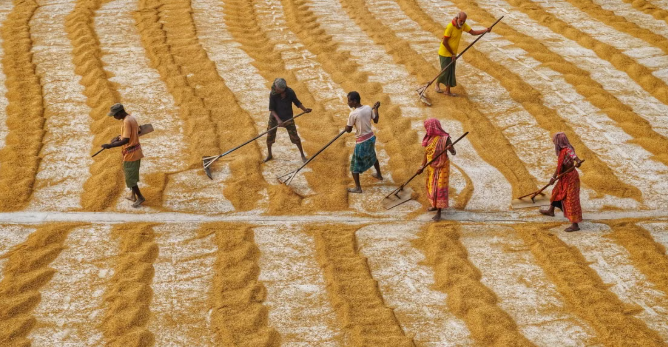
Pic Credit: Pexel
India’s rice sector is heading towards a significant production decline this year as below-normal rainfall during the crucial crop development period threatens yields, even as large government-held stocks are expected to provide a cushion for domestic supplies and exports.
Industry estimates suggest that rice production could fall by around 10 million metric tonnes from last year’s record output of about 154 million tonnes. If realised, the decline would be close to 6.5 per cent and mark the sharpest fall in nearly two decades.
The weaker production outlook is largely linked to rainfall conditions during the monsoon season. India has received around 15 per cent less rainfall than normal since June 1, while some major rice-producing states have recorded significantly larger deficits.
The impact is already becoming visible in cultivation trends. The area under summer-sown rice stood at around 42.68 million hectares as of September 11, nearly 4 per cent lower than the corresponding period last year.
Summer-sown rice accounts for more than 80 per cent of India’s total rice production, making the performance of this crop particularly important for the country’s overall food supply and export position.
Production pressure could lift rice prices
A weaker harvest could put upward pressure on domestic rice prices, particularly for premium varieties. Farmers growing higher-value varieties may receive stronger prices in open markets as supply tightens.
For exporters, however, higher domestic prices could make Indian rice more expensive in international markets. This comes at a time when prices in other major exporting countries, including Thailand and Vietnam, are also showing upward movement.
The combination could make the global rice market more competitive and potentially affect the price-sensitive segments of India’s export business.
Strong stocks provide a cushion
Despite the production concerns, India enters the new crop season with substantial rice inventories.
Government-held stocks, including unmilled paddy, stood at a record 59.6 million tonnes as of September 1, significantly above the government’s target of around 10.3 million tonnes for October 1.
These large reserves provide an important buffer against a weaker harvest. They could allow the government to maintain adequate domestic availability while supporting continued exports without immediately resorting to restrictive measures.
India has emerged as the world’s largest rice exporter, making its production and stock position important not only for domestic food security but also for global rice markets.
Water availability adds another concern
The pressure on production could extend beyond the current summer crop. Industry experts have warned that the area under winter-sown rice could also come under pressure if reservoirs do not receive sufficient water.
Lower reservoir levels could affect irrigation availability and influence planting decisions in the coming months, adding another layer of uncertainty to the overall production outlook.
The situation highlights the growing importance of water management and weather resilience for India’s rice economy. With a large portion of rice cultivation dependent on monsoon conditions, irregular rainfall can have a direct impact on yields, farm incomes, prices and export competitiveness.
Balancing farmer incomes and food security
For farmers, higher market prices could provide some relief from the impact of lower yields, particularly for those cultivating premium varieties. However, a sustained increase in prices could also affect consumers and food-processing businesses.
For the government, the challenge will be to maintain a balance between protecting domestic food supplies, supporting farmer returns and preserving India’s position in the international rice market.
The country’s substantial stockpile gives policymakers greater room to manage this balance in the short term. However, the production decline underlines the need for continued investment in irrigation, climate-resilient farming practices, improved water management and higher-yielding crop varieties.
India’s rice market therefore enters the new season with two contrasting forces at play: a weaker harvest outlook on one side and historically strong inventories on the other. How these factors interact will determine domestic prices, farmer earnings and India’s export competitiveness in the months ahead.
- 0
- By Neel Achary



