


6, Jun 2026
Renault Duster Turbo TCe 100 Achieves ARAI- Certified Fuel Efficiency of 19.41 Km/l

Chandigarh, June 06: Renault India, the wholly owned subsidiary of the French automaker Renault Group, announced the ARAI-certified fuel efficiency for the new Duster Turbo TCe 100. Duster Turbo TCe 100 achieves an impressive 19.41 km/l, offering an ideal balance of performance and efficiency for everyday driving.
Speaking on the development, Dr. V. Vikraman, Chief of Renault Engineering, Renault Group India, said, “The ARAI-certified fuel efficiency reflects Renault’s focus on practical engineering and customer value. The Turbo TCe 100 engine uses turbocharging and efficient combustion to deliver responsive performance with strong fuel economy. With the 6‑speed manual transmission, the powertrain provides a balanced and efficient driving experience.”
The New Renault Duster TCe 100 is built on all‑new RGMP platform, with its engine and powertrain comprehensively engineered and tuned to perfectly align with this advanced architecture. The unit is exclusive to the Duster, calibrated specifically to complement the platform’s dynamics. The Duster Turbo TCe 100 is equipped with six speed transmission which makes it efficient and responsive. The petrol engine produces 100 PS of power and 160 Nm of torque. The turbocharged powertrain is engineered to ensure responsive performance, smooth drivability and enhanced fuel economy across diverse driving conditions.
- 0
- By Neel Achary

6, Jun 2026
World Skill Centre and World Trade Centre Bhubaneswar Sign Strategic MoU to Strengthen Global Skill-Trade Linkages
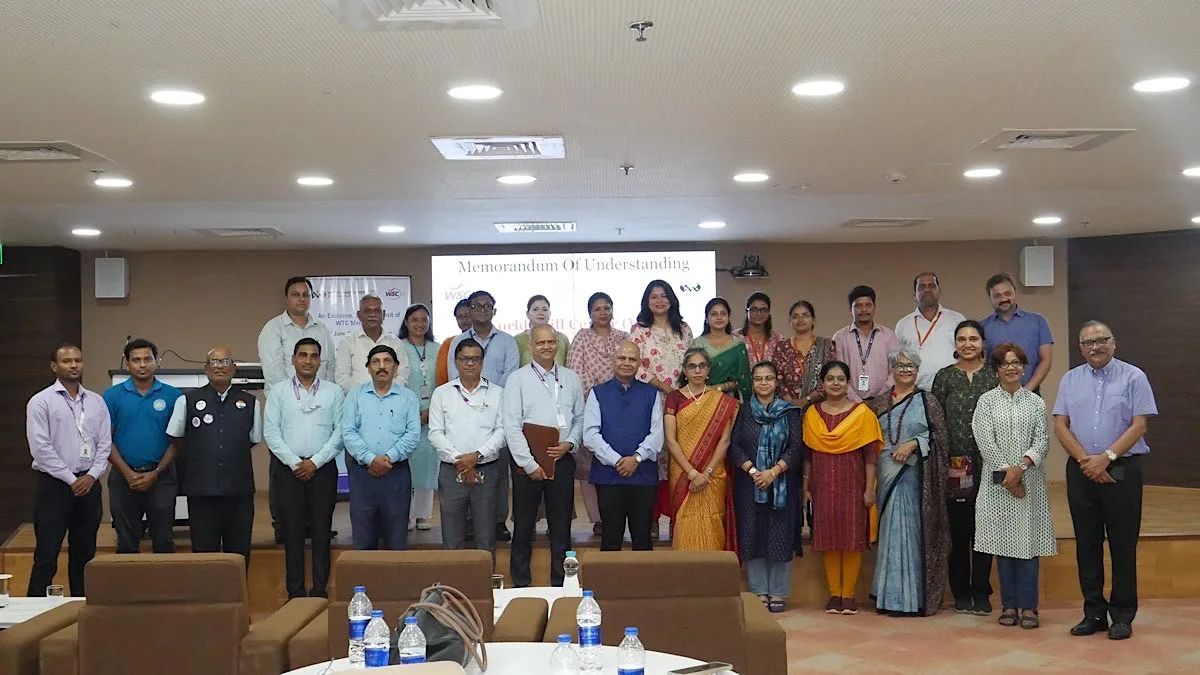
Bhubaneswar, June 6: In a significant step towards aligning skill development with global trade opportunities, the World Skill Centre (WSC), Bhubaneswar and the World Trade Centre (WTC), Bhubaneswar today signed a Memorandum of Understanding (MoU) at the World Skill Centre campus.
The MoU was formalised during a ceremonial event held at the 15th Floor Lecture Hall of the World Skill Centre, in the presence of senior leadership, dignitaries, and industry representatives. The programme included addresses by institutional leaders followed by the formal exchange and signing of the MoU, marking the beginning of a strategic partnership between the two institutions.
The collaboration aims to create a strong convergence between skill development and global trade ecosystems by integrating international industry linkages into training programmes and enhancing global employability of skilled youth. This partnership is expected to play a pivotal role in positioning Odisha as a hub for globally competitive talent.
Speaking on the occasion, Ms. A. Rajyalaxmi, Regional Director, World Trade Centre Bhubaneswar, highlighted the importance of skilled human capital in today’s interconnected global economy. She emphasised that the collaboration would facilitate international exposure, industry engagement, and access to global markets for emerging talent.
The World Trade Centre Bhubaneswar, an accredited member of the World Trade Centers Association (WTCA), is committed to promoting international trade, investment, and business linkages. Through its global network, it enables enterprises and institutions to connect with international markets and opportunities.
The World Skill Centre, established under the Government of Odisha, is recognised as one of India’s leading institutions in advanced skill development. With state-of-the-art infrastructure and a strong focus on industry-aligned training, WSC continues to bridge the gap between industry requirements and workforce capabilities.
Under the scope of this MoU, both institutions will collaborate on initiatives such as facilitating international internships and apprenticeships, developing export-oriented skill modules, enabling joint certification programmes, and promoting global placement opportunities. The partnership will also support knowledge-sharing platforms, industry interactions, and exposure to international trade ecosystems.
6, Jun 2026
World Environment Day 2026: Building cities that breathe
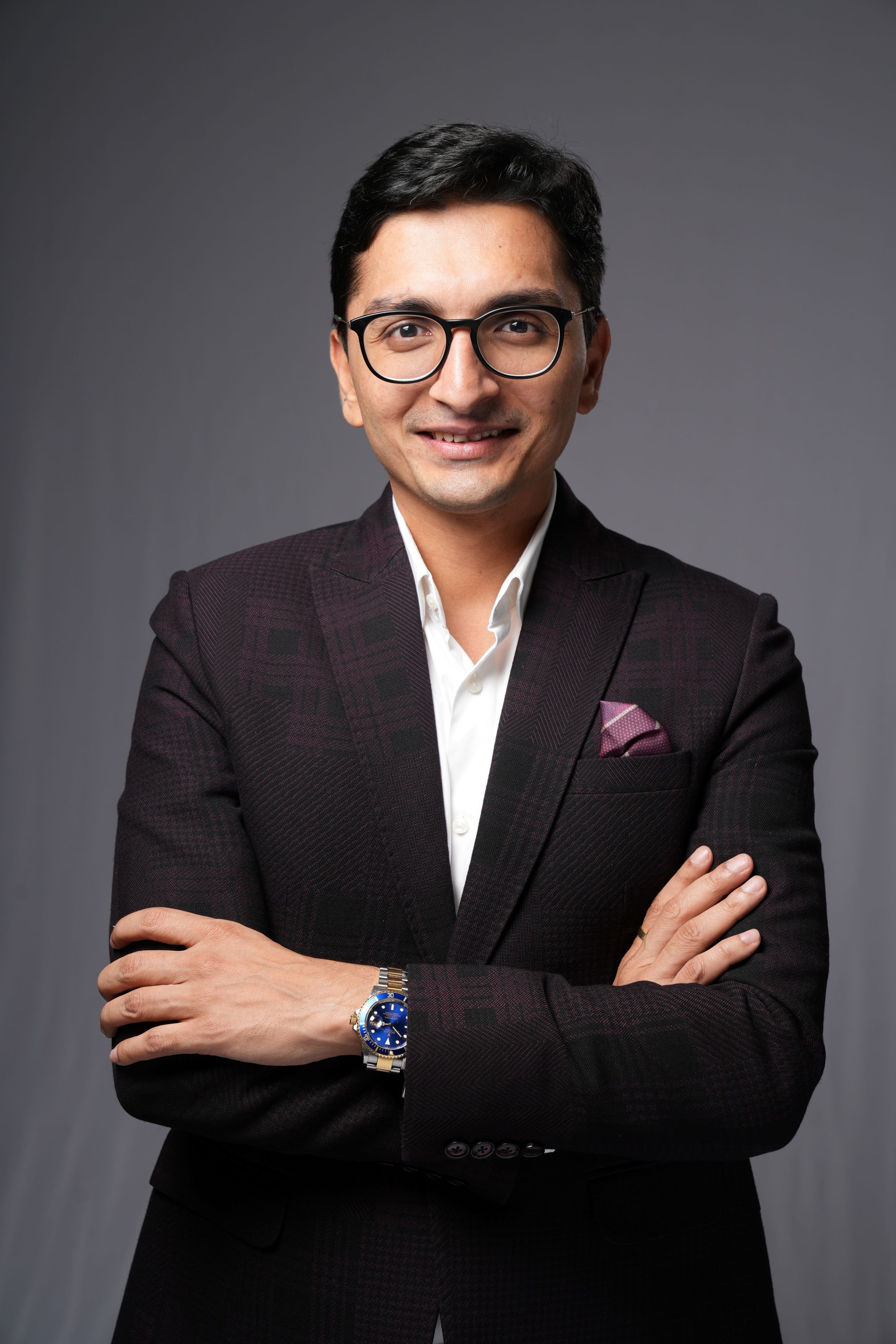
By:- Shilpin Tater, Founder & Managing Director, Superb Realty
Every year, World Environment Day reminds us of a simple truth: the future of our planet will be shaped not by grand declarations alone, but by the everyday choices we make as businesses, communities, and individuals.
For decades, urban development across the world has been driven by the pursuit of growth. Cities expanded, skylines rose higher and infrastructure transformed the way we live and work. Yet, alongside this growth emerged new environmental challenges such as rising temperatures, deteriorating air quality, increasing pressure on natural resources and the growing disconnect between people and nature.
Today, the question before us is no longer whether cities will grow. The question is how they will grow.
As real estate development remains always at the core of development of cities, the philosophy of developers towards construction, designing and execution, impact the environment footprint.
The developers’ fraternity needs to believe that development and sustainability are not opposing forces. In fact, the future belongs to projects that successfully balance economic progress with environmental responsibility. The built environment must become part of the solution to climate and urban challenges rather than contribute to them.
For instance, one of the most pressing concerns facing metropolitan cities like Mumbai is air quality. For millions of urban residents, clean air is no longer something taken for granted. Air pollution has evolved from a seasonal concern into a year-round challenge that impacts productivity, health and overall quality of life. As developers, we cannot treat this issue as someone else’s responsibility. Buildings of the future must actively contribute to healthier environments.
This philosophy-driven approach to designing commercial or residential spaces will definitely make them sustainable. Not only for residential spaces, but environment conscious designs are at the core of modern workplaces too. They are no longer just locations where people work, but they are ecosystems that influence physical well-being, mental health, collaboration and creativity. Architecture must therefore go beyond aesthetics and functionality. It must create environments that breathe, adapt and support human wellness.
There is a need to embrace a design philosophy built around four interconnected pillars: design, sustainability, technology, and wellness. We believe the most successful buildings of the future will be those that integrate these elements seamlessly rather than treating sustainability as an add-on feature.
Thoughtful architecture begins with understanding natural light, airflow and the relationship between people and spaces. Buildings that maximize daylight penetration encourage natural interaction and provide access to open areas can significantly improve the quality of urban life. Green spaces, terrace lounges, landscaped zones and biophilic design elements are not luxuries; they are essential ingredients for healthier cities.
Technology, too, has a vital role to play. Intelligent building systems now enable us to monitor and optimize energy consumption, indoor environmental conditions and operational efficiency in real time. Through advancements in environmental monitoring and AI-driven air quality solutions, buildings can become active participants in creating healthier indoor environments. Such innovations demonstrate how technology can support sustainability while enhancing user experience.
However, sustainability is about much more than energy efficiency. It involves responsible resource management at every stage of development. Rainwater harvesting, wastewater recycling, renewable energy integration, efficient construction, construction waste recycling, efficient lighting systems and overall sustainable construction practices are no longer optional considerations. They are fundamental responsibilities.
As developers, we must also think beyond individual projects and consider our broader impact on the urban ecosystem. The real estate sector occupies a unique position because every building we create shapes communities for decades. The decisions we make today will influence environmental outcomes for future generations.
On this World Environment Day, I believe the industry has an opportunity to redefine success. Success should not be measured solely by square footage delivered or financial returns generated. It should also be measured by the quality of life created, the environmental footprint reduced and the positive legacy left behind.
The cities of tomorrow must be intelligent, resilient and sustainable. They must offer spaces where innovation co-exists with nature, where productivity is balanced with wellness and where progress strengthens rather than compromises environmental stewardship.
As developers, we should be committed to creating developments that are future-ready, environmentally conscious and deeply human-centric. Because the most valuable spaces are not simply those that stand tall. They are the ones that help people and the planet thrive together.
6, Jun 2026
The initiative included a nukkad natak and a used PET bottle collection drive at Dadar Beach, aimed at promoting awareness on responsible PET waste disposal
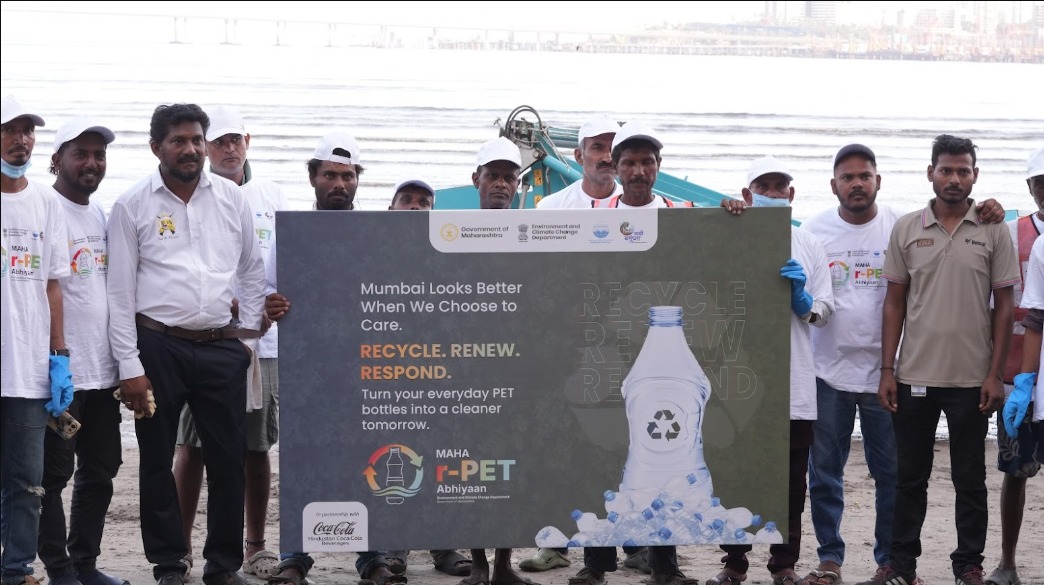
Maharashtra, June 06: On the occasion of World Environment Day, the Government of Maharashtra led a large-scale environmental action at Dadar Chaityabhoomi Beach, Mumbai, bringing together citizens, institutions, and industry partners in a collective effort towards sustainable waste management.
The initiative was undertaken as part of the Maha r–PET Abhiyaan, spearheaded by the Environment and Climate Change Department, Government of Maharashtra, as a structured and policy-driven approach to tackling PET plastic pollution through community participation and multi-stakeholder collaboration. The initiative was implemented on-ground with the support of Sangam Pratishthan Foundation.
Hindustan Coca-Cola Beverages (HCCB), a leading beverage manufacturer and among the early FMCG companies to partner with the state under the Maha r–PET Abhiyaan, conducted a used PET bottle collection drive along with public awareness initiatives. This marks an important step in encouraging industry participation and contributing to scalable, responsible PET waste management practices.
The drive featured a volunteer-led beach clean-up with participation from 30+ individuals, along with the systematic collection and segregation of used PET bottles. An engaging Hindi nukkad natak (street play) was also performed on-ground to drive behavioural change and encourage responsible waste disposal practices among the public.
The effort forms part of the state’s broader Majhi Vasundhara initiative, reinforcing Maharashtra’s continued commitment to environmental sustainability and citizen-led action.
5, Jun 2026
Former GEF CEO Carlos Manuel Rodríguez to Chair new forest finance facility launched by Everland
HALO Facility launched to address one of the most significant barriers facing community-led forest conservation projects: access to early-stage and continuity capital
New York, 5 June 2026 – On World Environment Day, conservation organization Everland announced the launch of the HALO (Holistic Alignment for Lasting Outcomes) Facility: a new financing initiative designed to provide community-led forest conservation projects with the early-stage and continuity capital needed to establish strong foundations and advance toward investment readiness.
Carlos Manuel Rodríguez, former CEO and Chair of the Global Environment Facility (GEF) and former Minister of Environment and Energy of Costa Rica, will serve as HALO’s inaugural Chair. A recognized global authority on conservation finance, Rodríguez will oversee the Facility’s fundraising, governance, and strategic development.
HALO emerged from the Indigenous Amazon Outcome Bond initiative, which aims to mobilize institutional capital for community-led forest conservation projects under Equitable Earth: a next-generation carbon standard designed specifically to meet the priorities of Indigenous and traditional forest communities, and the integrity requirements of carbon credit buyers.
23 projects representing almost 90,000 community members across 17 million hectares of the Amazon rainforest in Brazil, Bolivia, Colombia and Peru have stepped forward to participate. But many months of engagement with communities and investors revealed a consistent challenge: while institutional capital is increasingly interested in projects like these, many projects need money to complete fundamental development activities before they become ready for institutional investment.
HALO was created to address this gap.
As HALO raises capital, it will provide catalytic and bridge financing to high-potential projects, so they have the resources to establish the foundations upon which durable conservation depends. It is these foundations that mitigate risk and can unlock access to larger financing for projects and long-term revenue for communities.
“Durable conservation is most likely to be achieved when communities are at the center,” said Carlos Manuel Rodríguez,“ and REDD+ projects have proven to be one of the most effective ways to channel private finance to forest communities and biodiversity protection. Yet too often, promising projects fail because they lack access to the right capital at the right time. HALO was created to overcome this challenge, and I’m proud to serve as its Chair. Our aim is to help create the conditions for communities to build sovereign wealth while safeguarding millions of hectares of threatened rainforest.”
HALO is currently seeking philanthropic, public-sector, and private-sector partners to support its initial capitalization and help bring high-potential Indigenous-and-traditional-
Puyr Tembé, community leader from the Tembé people and former Indigenous Secretary of the State of Pará, added: “Across the Amazon, Indigenous Peoples and traditional communities remain on the frontlines of forest protection, confronting daily invasions, deforestation, illegal mining, and other pressures that threaten our lives, our territories, and our ways of being. We are not merely witnesses to the climate crisis, we are part of the solutions the world is searching for. The challenge is not a lack of knowledge, wisdom, or capacity within our territories. The challenge is that those who profit from the destruction of the forest continue to have greater access to financial resources than those who dedicate their lives to protecting it. That is why we advocate for direct funding to Indigenous Peoples and traditional communities, without barriers that prevent resources from reaching those who are safeguarding the forest on the ground. When Indigenous territories are strengthened, the forest remains standing, biodiversity is protected, and climate stability benefits not only the Amazon, but all of humanity. Reforesting minds and investing in Indigenous Peoples means investing in real solutions for the future of our planet.”
5, Jun 2026
Shaalin Tandon Launches Worthless Superpowers: The Fallacy of Moksh at Mumbai’s Title Waves

Mumbai, June 05: Author and corporate leader Shaalin Tandon launched his debut book, Worthless Superpowers: The Fallacy of Moksh, published by Verses Kindler Publications, at Title Waves, Bandra West, on Friday, 5th June 2026. The event brought together readers, professionals, thought leaders, and literary enthusiasts for an afternoon of engaging conversations around storytelling, reflection, and the creative process.
For someone whose career has largely revolved around leading complex projects, building institutions, and navigating diverse perspectives, writing a book may seem like an unexpected turn. Yet, for Tandon, Worthless Superpowers represents a deeply personal creative journey shaped by years of observation, introspection, and curiosity about the human experience.
The book emerged from a period of reflection during the pandemic, when Tandon found himself engaging more deeply with questions around purpose, identity, and the choices that shape our lives. Rather than approaching these themes through a conventional lens, he turned to storytelling as a way to explore them in a relatable and engaging manner.
Speaking at the launch, Tandon shared the inspiration behind the book and what he hopes readers will take away from it.”Worthless Superpowers invites readers into a world where questions matter as much as answers. If the book sparks reflection, conversation, or a fresh perspective, I would consider that its greatest success,” said Shaalin Tandon.
The book explores thought-provoking ideas through a fictional narrative, encouraging readers to engage with perspectives and experiences that resonate in different ways with different readers.
The event featured a lively discussion on the creative journey behind the book, followed by an interactive audience session and book signing. Attendees had the opportunity to engage directly with the author and learn more about the experiences that inspired his transition from corporate leadership to authorship.
Tandon’s professional career spans leadership roles across corporate strategy, infrastructure development, diplomacy, and international affairs. An engineering graduate with advanced business management education from INSEAD, he has been associated with several landmark initiatives throughout his career.
Reflecting on the influence of his professional journey on his writing, Tandon noted that while people come from diverse backgrounds, they are often united by common questions around ambition, relationships, identity, and purpose. These observations, gathered over years of working across sectors and geographies, helped shape the perspectives reflected in the book.
With Worthless Superpowers: The Fallacy of Moksh, Tandon begins a new chapter as an author, inviting readers to embark on a compelling literary journey that encourages introspection while leaving room for personal interpretation.
The book is now available across leading online and offline platforms, including Amazon, Flipkart, Crossword, Starmark, Landmark, Kinokuniya, and other major bookstores nationwide.
5, Jun 2026
Textile Commissioner Vrunda Desai Launched Mumbai’s Mega Post-Consumer Textile Waste Collection & Upcycling Initiative with ReFiber & OterRi
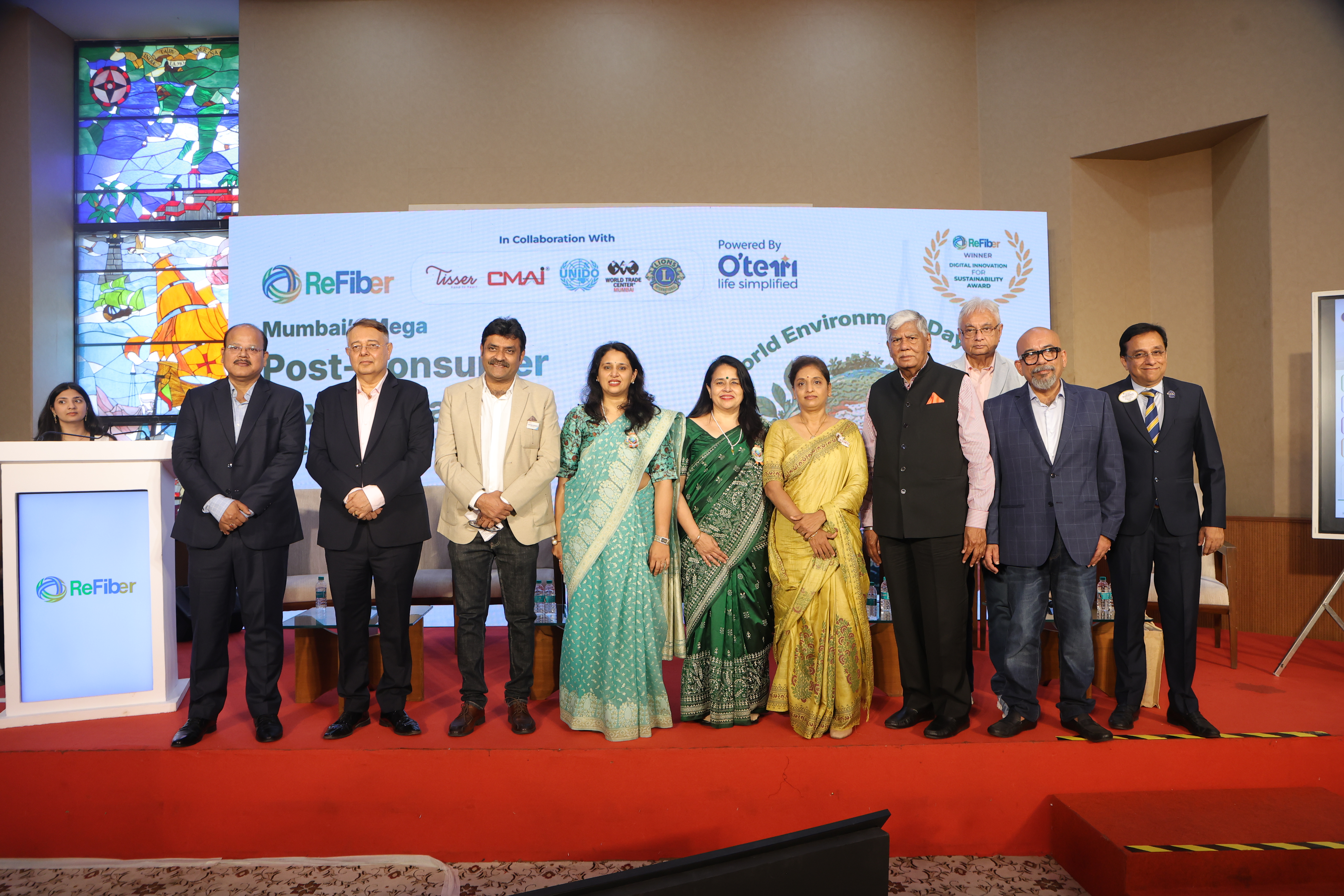
Mumbai, June 05: On the occasion of World Environment Day 2026, ReFiber, powered by OterRi, took a significant step towards building a sustainable future by launching Mumbai’s Mega Post–Consumer Textile Waste Collection & Upcycling Initiative. The landmark initiative aims to create a robust circular textile ecosystem by collecting, recovering and upcycling post–consumer textile waste while generating meaningful environmental and social impact.
As part of the initiative, ReFiber will conduct a city-wide textile collection drive from June 5–12, inviting citizens, institutions and communities across Mumbai to donate used garments through its collection centres and digital platform.
The unveiling of the ReFiber Upcycled Products Marketplace showcasing handcrafted products created by women artisans associated with Tisser. The platform is designed to convert textile waste into products of value while enabling sustainable livelihoods and empowering self-help groups across the country.
The event also featured insightful discussions on technology-driven solutions for textile waste management, accelerating circularity in India’s textile sector and building partnerships for a zero-waste future.
On the occasion, Ms. Vrunda Desai, Textile Commissioner, Maharashtra Government, said, “India has made significant progress in textile recycling and circularity, but there is still immense potential to recover and repurpose post–consumer textile waste from our households. Initiatives like ReFiber’s collection and upcycling drive demonstrate how collaboration between government, industry and citizens can transform textile waste into a valuable resource while creating sustainable livelihoods. Through greater awareness, innovation and participation, we can accelerate the transition towards a more circular and sustainable textile ecosystem.”
Dr. Megha Phansalkar, Founder, Tisser, said, “At Tisser, we believe that waste is simply a resource waiting to be reimagined. Through textile upcycling, we are transforming discarded fabrics into products of value while creating livelihood opportunities and empowering women. Initiatives like ReFiber make it easier for citizens to participate in the circular economy and contribute meaningfully towards reducing textile waste. Building a sustainable future requires collective action, and every garment diverted from landfill is a step towards a more responsible and circular world.”
Mr. Manoj Wanvari, COO, ReFiber and OterRi, said, “The launch of ReFiber marks the beginning of a collective movement towards a more circular and responsible textile ecosystem. Through our technology platform, collection network and partnerships across the value chain, we aim to make textile waste recovery simple, accessible and impactful for every citizen. What is often perceived as waste is, in reality, a valuable resource that can be recovered, upcycled and brought back into the economy. With ReFiber, we are enabling consumers to play an active role in reducing textile waste while supporting sustainable livelihoods and accelerating circularity in the textile sector.”
Sanjay Kataria, President, Clothing Manufacturers Association of India (CMAI), said, “This initiative is not just about collecting used garments, it is about creating a movement that transforms waste into opportunity. By bringing together industry, government, civil society and citizens, we are taking a meaningful step towards building a circular textile ecosystem that reduces landfill waste, conserves resources and empowers women through upcycling. At CMAI, we believe sustainability and growth must go hand in hand, and we are proud to support an initiative that creates both environmental and social impact.”
The event also brought together a distinguished group of leaders and experts from across government, industry, sustainability and development sectors, including Guest of Honour; Dr. Vijay Kalantri, Chairman, World Trade Centre Mumbai; Santosh Kataria, Chairman, Sustainability Committee, CMAI; Dr. Pankaj Kumar, National Project Coordinator, UNIDO; Dr. Megha Phansalkar, Founder, Tisser; Lion Manoj Babur, District Governor, Lions International; Surya Valluri, Chief Sustainability Officer, Grasim Industries (Aditya Birla Group); Naveen Sainani, Honorary General Secretary and Chairman – ESG, CMAI; Devanshu Ralhan, Executive Director, Grant Thornton Bharat; Saurabh Dey, Principal, Intellecap; Ayushi Pande, Founder, Ethiek & Laundromania; Neha Gupta, Founder – IFBEC; Jignesh P. Jain , CEO/ Founder – Myth.ai; Dr. Suranjana Gangopadhyay, Chairperson – ICC, VJTI; and Prasanna H.R., E-Waste, Sustainability Consultant; who shared insights on advancing circularity, innovation and sustainable growth in India’s textile ecosystem.
As Mumbai embarks on this city-wide movement, the initiative serves as a powerful example of how collaboration between government, industry, development organizations and citizens can drive meaningful environmental and social change. By transforming discarded textiles into opportunities for circularity, innovation and livelihood creation, ReFiber and its partners are laying the foundation for a more sustainable future where waste is not discarded, but reimagined as a valuable resource.
5, Jun 2026
RBI Holds Rates Steady, Unveils Measures to Boost Dollar Inflows and Support Bond Markets
By:- Mr. Vikas Garg, Head – Fixed Income, Invesco Mutual Fund.
Unlike many other Asian central banks, the MPC has maintained its pragmatic approach of using policy rates for inflation management while relying on other measures for currency support. The policy rate and neutral stance have been maintained despite elevated global uncertainty and energy prices.
Nonetheless, the 50-bps increase in FY27 inflation projections to 5.1% and core inflation to 4.7% highlights forward-looking risks stemming from the prolonged West Asia conflict and monsoon-related uncertainties. The FY27 growth projection has also been moderated to 6.6%.
The reaffirmation of the RBI’s commitment to providing sufficient liquidity is a welcome relief. However, what clearly stole the show was the series of measures announced to boost dollar inflows, including an expanded FAR security universe, a fully hedged facility for ECBs, and 3–5 year FCNR(B) deposits.
Separately, the government has relaxed taxation rules for FPIs investing in G-Secs, which could also enhance the likelihood of their inclusion in the Bloomberg Global Bond Index.
Overall, while the overhang of potential policy rate hikes remains in forthcoming policies, immediate concerns have been adequately addressed and are likely to trigger a market rally across the yield curve.
5, Jun 2026
RBI Holds Repo Rate at 5.25 percent: Policy Pause Signals Stability for Growth and MSME Credit Confidence Amid Inflation and Global Uncertainty
By Lakshmi Venkataraman Venkatesan, Founding and Managing Trustee, Bharatiya Yuva Shakti Trust.
“The RBI’s decision to keep the repo rate unchanged at 5.25% reflects a calibrated and balanced approach amid resilient growth and continued inflation risks from crude oil prices, food inflation, rupee movement, supply chain disruptions, and global uncertainty. For micro and small entrepreneurs, a pause provides much-needed predictability. Stable borrowing costs help entrepreneurs plan cash flows, manage inventory, honour repayment commitments, price their products more confidently and take informed decisions on expansion, hiring, and technology investments. When lending conditions remain predictable, MSMEs are better placed to manage long-term contracts, avoid sudden debt-service pressure and plan working capital requirements with greater confidence. Given the MSME sector’s contribution to manufacturing, exports and GDP, predictable credit conditions are critical to sustaining enterprise confidence and growth. This pause should be used to strengthen credit transmission, last-mile access, working capital support, repayment flexibility, and mentoring-led guidance. India’s growth story will be stronger when micro-entrepreneurs are not only included in formal credit systems but actively supported to grow within them.”
5, Jun 2026
RBI Holds Rates Steady, Unveils Measures to Strengthen Capital Flows and External Stability
By:-Mr. Anil Bamboli, Head, Fixed Income of HDFC Asset Management Company Limited (HDFC AMC).
“The Monetary Policy kept the policy repo rate unchanged and maintained a neutral stance. It also revised its FY27 projections, lowering the growth outlook while increasing the inflation estimate.
In view of prevailing elevated global uncertainty, we believe, policy reflects a prudent, calibrated and constructive approach. Going into the policy, external sector and INR challenges were more imperative to address. RBI announced a comprehensive set of forex and capital flow measures aimed at bolstering the balance of payments and mitigating volatility. Initiatives such as expanding the Fully Accessible Route (FAR) for G-secs, restoring export realisation timelines, easing FPI limits, relaxing equity investments for non-resident individuals, incentivizing ECB inflows through concessional forex swaps, and supporting FCNR(B) deposits by covering hedging cost – are geared towards attracting stable foreign capital and should aid in reinforcing external stability. This was also complimented by government removing tax on FPI interest and capital gain on sovereign bonds.
We believe that these measures should address multiple concerns in one go – improve capital flows, stabilise currency, shore up forex reserves, improve system liquidity, moderate credit to deposit ratio for banks, and result in money market and corporate bond yields drifting lower. In view of the above, Indian fixed income outlook appears favourably placed from a medium to long term perspective. “


