


19, Sep 2026
Swedish Survey Highlights India’s Growing Appeal for Global Businesses
New Delhi, Sep 19: India’s expanding economy, large domestic market and improving business environment are strengthening its appeal among international companies, with the country receiving the highest business-climate ranking among 41 markets surveyed in the 2026 Global Business Climate Survey.
Commerce and Industry Minister Piyush Goyal shared the findings, highlighting India’s growing position as an important destination for global businesses at a time when companies are reassessing investment strategies amid economic and geopolitical uncertainties.
The survey provides insights into how Swedish companies view business conditions across international markets. The 2026 edition covers 41 markets and examines companies’ assessment of economic conditions, business opportunities, investment prospects and operating challenges.
India’s ranking reflects the positive outlook among Swedish businesses operating in the country. Around 73 per cent of surveyed Swedish companies rated India’s current business climate as good or very good, indicating a broadly positive assessment of the market.
The country’s growth prospects and investment opportunities have also contributed to this positive sentiment. Swedish companies are increasingly exploring opportunities across sectors such as manufacturing, information technology, engineering, automotive, aerospace, business services and other technology-driven industries.
India’s large consumer base, expanding infrastructure, digital economy, skilled workforce and growing manufacturing capabilities are creating opportunities for companies looking to establish or expand their presence in the country. The development of domestic supply chains and increasing integration with global production networks are also supporting new areas of business cooperation.
For Swedish companies, India is emerging as more than a large consumer market. Its expanding industrial base and growing capabilities in technology, engineering, research and innovation are creating opportunities for long-term partnerships, investment and local production.
The survey also provides a view of the challenges that international companies encounter while operating in different markets. Regulatory requirements, administrative procedures, customs processes and other market-entry issues remain areas where businesses seek greater efficiency and predictability.
Against this backdrop, India’s strong position in the survey highlights the growing confidence of foreign businesses in the country’s economic potential and investment opportunities.
The findings also underline the strengthening economic relationship between India and Sweden. Cooperation between companies from the two countries is expanding across manufacturing, technology, clean energy, telecommunications, mobility, life sciences and sustainable infrastructure.
At a time when global companies are looking to diversify supply chains and identify markets with long-term growth potential, India’s combination of market scale, talent, manufacturing capacity and technological capabilities is creating a broader platform for international business.
The survey therefore offers a snapshot of how Swedish businesses assess markets globally while also highlighting India’s increasing role in international investment, manufacturing and business expansion.
- 0
- By Neel Achary

19, Sep 2026
Odisha Plans 870-Acre ‘Silicon Valley’ Near Cuttack, Gets Rs 23,600 Crore Investment Proposals
Bhubaneswar, Sept. 19 (UDN): Odisha is set to develop an 870-acre technology hub at Naraj near Cuttack, with the state government proposing to brand the project as ‘Odisha Silicon Valley’ and position it as a base for semiconductor, electronics and information technology industries.
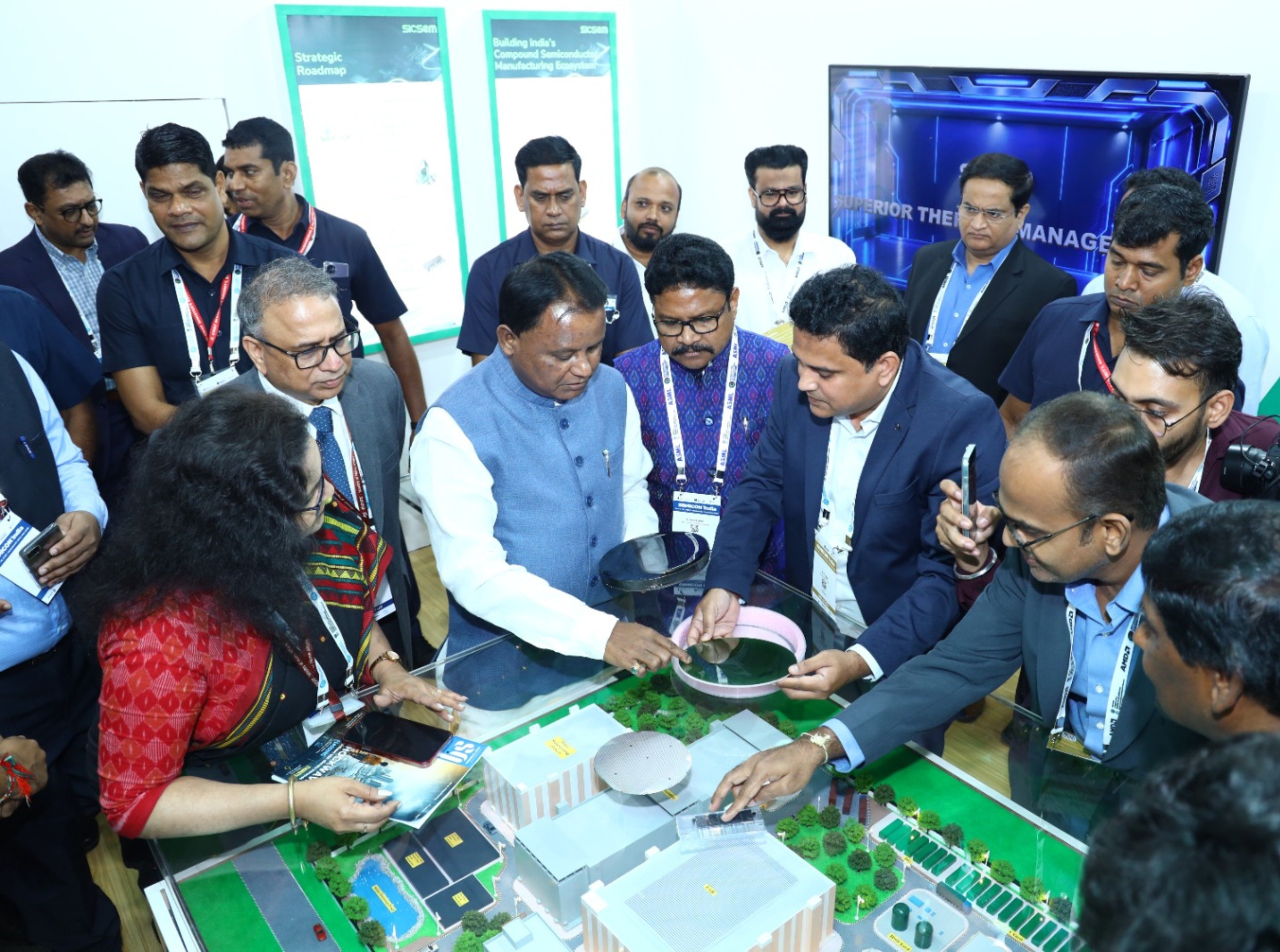
Pic Credit: x.com/CMO_Odisha
Chief Minister Mohan Charan Majhi announced the plan during Semicon India 2026 in New Delhi, where Odisha also received investment proposals worth around Rs 23,600 crore, which the government said could create approximately 6,100 jobs.
Naraj Identified as Technology Hub
The proposed technology hub will be located along the Cuttack-Bhubaneswar urban corridor, offering connectivity to major highways as well as the Paradip and Dhamra ports.
The government said the location could support semiconductor manufacturing and related activities, including logistics and supply-chain operations.
The project is part of Odisha’s broader effort to attract investments in high-technology and advanced manufacturing sectors.
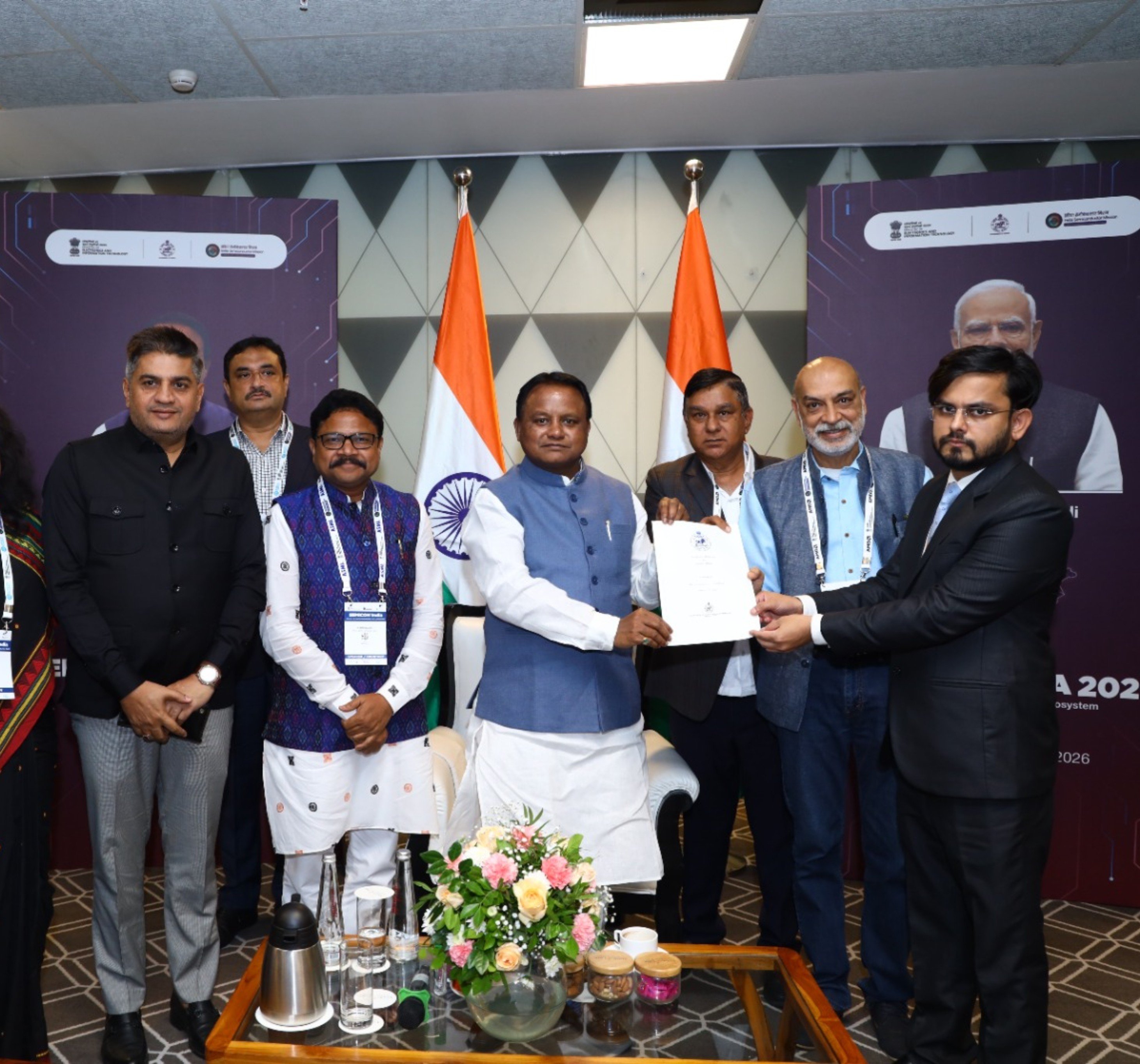
Investment Proposals Worth Rs 23,600 Crore
During his visit to Semicon India, Majhi held discussions with representatives of global and domestic technology companies, industry organisations and delegations from Japan, Sweden and Taiwan.
Companies involved in discussions included Lam Research, Applied Materials, SiCSem, 3D Glass Solutions, Cyient, Linde and HORIBA India.
The state also signed a Letter of Intent with QuadQuantum for establishing a manufacturing facility for silicon carbide (SiC) substrate wafers.
According to the government, the investment proposals announced during the event have the potential to generate around 6,100 employment opportunities in Odisha.

Semiconductor Policy Gets Additional Support
Odisha has also amended its semiconductor policy to provide an additional 25% fiscal support for projects approved under the India Semiconductor Mission.
The enhanced support will cover segments including semiconductor equipment, specialised gases, raw materials and components of the semiconductor supply chain.
The move is aimed at strengthening the ecosystem around semiconductor manufacturing and attracting companies involved in both production and ancillary activities.
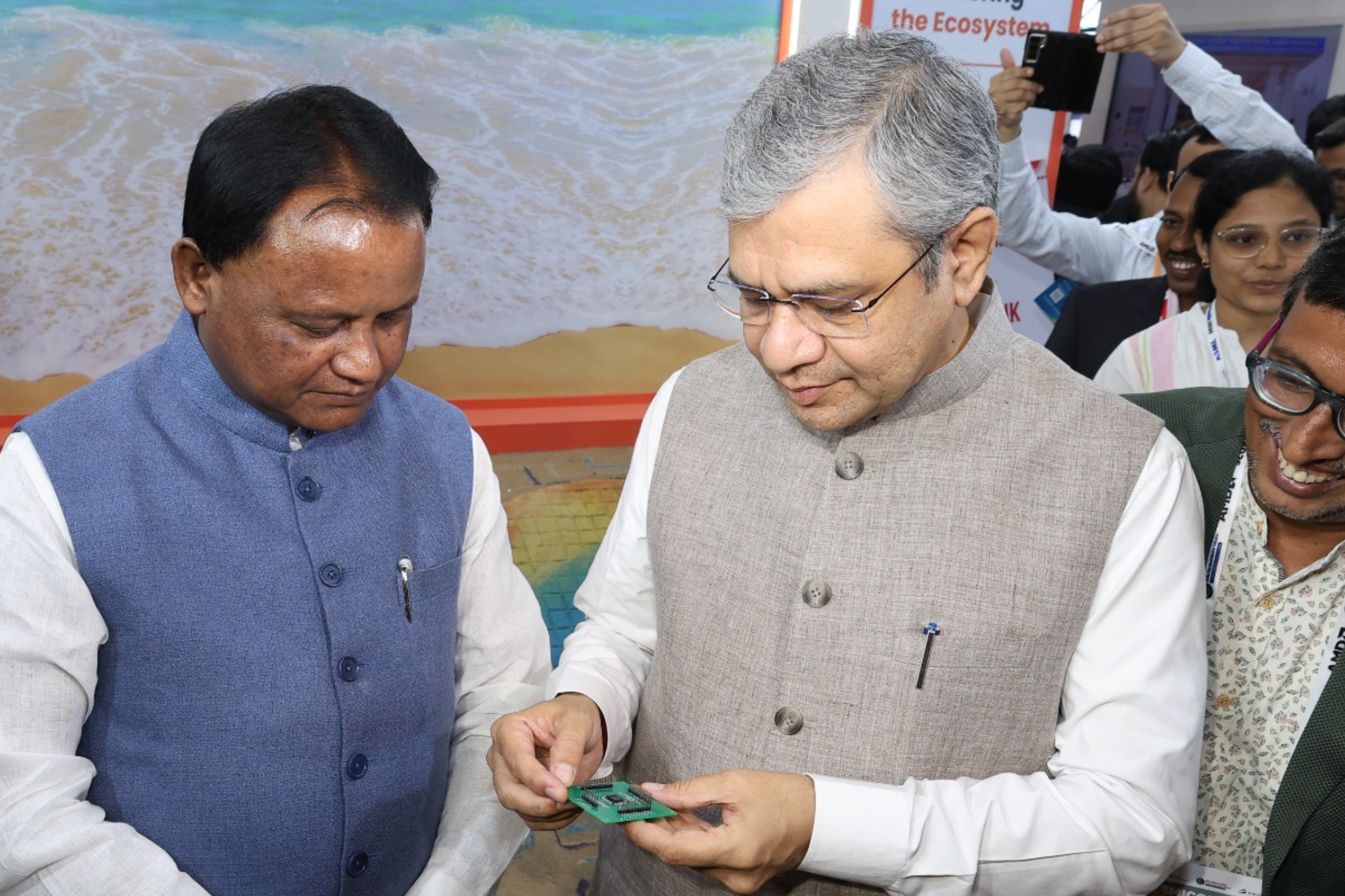
Odisha Pavilion Showcases Chip Initiatives
Majhi also inaugurated the Odisha Pavilion at Semicon India 2026, where the state showcased semiconductor-related projects and chip-design initiatives involving companies and educational institutions.
With the proposed Naraj hub, policy incentives and fresh investment proposals, the state government is seeking to expand Odisha’s presence in India’s growing semiconductor and electronics manufacturing ecosystem.
18, Sep 2026
RBI Absorbs Rs 2.23 Lakh Crore Through VRRR as Banking System Remains Flush With Funds
MUMBAI, September 18, 2026: The Reserve Bank of India stepped up its liquidity management operations on Friday, absorbing Rs 2.23 lakh crore from the banking system through a three-day Variable Rate Reverse Repo (VRRR) auction, as surplus funds continued to remain elevated across banks.
The central bank received bids worth Rs 2,22,629 crore against a notified amount of Rs 2.25 lakh crore and accepted the entire amount offered by participating banks. The funds were absorbed at a cut-off and weighted average rate of 5.24 per cent.
The operation is part of the RBI’s ongoing efforts to manage excess liquidity and keep overnight money-market rates aligned with its policy stance. The three-day funds parked with the central bank are scheduled to reverse on September 21, making the operation a temporary liquidity-management measure rather than a permanent withdrawal of money from the financial system.
The latest auction comes against the backdrop of a sizeable liquidity surplus in the banking system. RBI data showed that surplus liquidity stood at approximately Rs 6.94 lakh crore as of September 17.
The figure, however, represents a moderation from the estimated surplus of around Rs 10.73 lakh crore on September 11, indicating that recent RBI operations have already absorbed a significant amount of excess funds.
For the central bank, the challenge is to ensure that abundant liquidity does not push short-term market rates materially away from the policy repo rate. VRRR operations provide the RBI with a flexible mechanism to temporarily take excess funds out of circulation while allowing banks to earn a return on the money parked with the central bank.
Under a Variable Rate Reverse Repo operation, banks bid to place surplus funds with the RBI for a specified period. Unlike a fixed-rate reverse repo, the interest rate is determined through the auction process.
The mechanism allows the RBI to calibrate liquidity conditions according to prevailing market requirements. When surplus cash is high, banks have less incentive to borrow from one another, which can place downward pressure on overnight money-market rates.
By absorbing excess funds, the RBI can help maintain closer alignment between short-term market rates and the policy repo rate, thereby supporting the transmission of monetary policy.
The latest VRRR auction is not an isolated liquidity operation. The RBI has also been using open market operations to absorb surplus funds from the banking system.
On Thursday, the central bank sold government securities worth Rs 50,000 crore through an OMO auction. Two additional government-security sales of Rs 25,000 crore each have been scheduled for September 21 and September 28.
The combination of VRRR operations and OMO sales gives the RBI different tools to address liquidity conditions over varying time horizons. While a VRRR operation temporarily absorbs funds, an OMO sale involves the outright sale of government securities.
One of the factors contributing to the current liquidity surplus has been strong mobilisation of Foreign Currency Non-Resident (Bank), or FCNR(B), deposits.
Subsequent currency swaps with the RBI have released additional rupee liquidity into the banking system. Month-end government spending, including payments related to salaries and pensions, has also contributed to the availability of funds with banks.
The resulting liquidity conditions have given banks a substantial pool of funds that can either be deployed for lending and investment or parked with the central bank.
Friday’s operation follows another sizeable VRRR auction conducted earlier in the week.
In that auction, the RBI received bids worth Rs 3,93,352 crore against a notified amount of Rs 5 lakh crore and accepted the entire amount offered. The funds were also absorbed at a 5.24 per cent cut-off and weighted average rate.
The sequence of auctions highlights the central bank’s continuing focus on calibrating liquidity rather than allowing excess funds to accumulate unchecked in the financial system.
The RBI’s liquidity operations are closely watched by banks, money-market participants and fixed-income investors because the availability of surplus cash influences overnight rates and short-term funding conditions.
A large liquidity surplus can make funds readily available in the banking system, potentially putting downward pressure on short-term market rates. RBI absorption operations can help moderate that excess and keep money-market conditions consistent with the central bank’s broader monetary policy framework.
For banks, however, the impact is also linked to the relative attractiveness of deploying funds in loans, securities or central-bank facilities. The VRRR rate of 5.24 per cent provides a benchmark for banks deciding how to deploy short-term surplus funds.
The current situation illustrates the balancing act faced by the RBI. Excess liquidity can support financial-market stability and provide banks with ample resources, but very large surpluses can also affect the transmission of monetary policy by keeping short-term market rates below the desired level.
The central bank therefore has to calibrate its interventions carefully—absorbing funds when necessary while ensuring that the banking system retains sufficient liquidity to meet credit and settlement requirements.
The reduction in surplus liquidity from around Rs 10.73 lakh crore on September 11 to Rs 6.94 lakh crore on September 17 suggests that the recent measures are already changing the liquidity profile of the banking system.
With additional OMO sales scheduled for September 21 and September 28, liquidity management is likely to remain an important feature of India’s money markets in the near term.
The September 18 VRRR auction demonstrates that the RBI is using multiple instruments to manage the volume and cost of money in the banking system. As banks navigate changing deposit flows, government spending and foreign-currency-related liquidity, the central bank’s operations will remain important for keeping short-term market conditions orderly.
For the banking sector, the immediate message is clear: surplus liquidity remains substantial, but the RBI is actively recalibrating it rather than allowing excess funds to freely influence overnight market rates.
18, Sep 2026
ADHD Diagnosis Gap for Girls From Immigrant Backgrounds
Girls from multilingual and immigrant families could be missing out on ADHD support – according to new research from the University of East Anglia.
ADHD is already known to be under-recognised in girls, whose symptoms are often less externally visible than those seen in boys.
But a major new study suggests that language and cultural factors could further delay diagnosis, causing girls to miss out on vital support during some of the most important years of their education.
The study involved more than 70,000 children in Norway from a large population-based cohort study.
But the team say their findings raise important questions for the UK – where around 5.1 million people in England and Wales speak a main language other than English.
A growing issue for the UK
Dr Maria Garraffa, from UEA’s School of Health Sciences, said: “ADHD represents a substantial demand on UK health services, with an estimated 741,000 children and young people aged between five and 24 living with ADHD in England alone.
“But many children still go undiagnosed which can lead to struggles at school, poor mental health and problems with relationships.
“When children don’t receive a timely diagnosis, they miss out on targeted support, guidance, and treatment that can help them manage their symptoms.
“We wanted to better understand which children might be slipping through the net, particularly focusing on children from multi-lingual and immigrant families.
“We studied children in Norway and found that girls whose mothers spoke a language other than Norwegian were diagnosed with ADHD significantly later than other girls.
“This raises concerns that language, cultural and immigration-related factors may be creating barriers to timely diagnosis.
“Our work highlights the need to investigate whether similar inequalities exist in Britain, particularly among girls from culturally and linguistically diverse families.”
How the research happened
The study was led by Dr Köder at the University of Oslo in collaboration with UEA. The team analysed data from 70,102 children and linked parental reports of attention difficulties with official ADHD diagnoses recorded in Norway’s healthcare system.
Dr Garraffa said: “We found that multilingual children were more likely to be rated by parents as having more attention difficulties than monolingual children. However, they were no more likely to receive an ADHD diagnosis.
“We then went on to look at the timing of diagnoses and found that girls whose mothers spoke a language other than Norwegian were diagnosed almost two-and-a-half years later than girls with Norwegian-speaking parents.
“Among families where the mother had a non-Norwegian language background, the gap between boys and girls stretched to almost five years,” she added.
Multiple barriers for ADHD girls
The findings suggest that some girls may face multiple barriers to having their symptoms recognised and assessed, potentially delaying access to treatment and support.
The team also found that some children from immigrant backgrounds were potentially being underdiagnosed – with ADHD diagnosis rates significantly lower among children whose mothers came from parts of North Africa, the Middle East, Southeast Asia, East Asia and Oceania than among children with Norwegian-born mothers.
“Our work doesn’t explain exactly why these disparities exist,” said Dr Garraffa. “But we believe that a combination of cultural, linguistic and healthcare-system factors may be involved.
“Some parents may be less familiar with ADHD or less likely to seek help because of concerns about stigma. Others may encounter difficulties navigating healthcare services or communicating concerns through language barriers.”
The researchers also suggest that commonly used assessment questionnaires may not work equally well across different cultural and linguistic groups. And they say that the implications are likely to extend beyond Norway.
Devastating consequences
Dr Garraffa said: “Although healthcare systems differ between countries, our work highlights a potential inequality that deserves closer examination in nations with increasingly diverse populations, including the UK.
“I would like to see more culturally sensitive assessment approaches to ensure that children from multilingual and immigrant families are not disadvantaged when seeking support for ADHD.
“Delayed diagnosis can have lasting consequences, affecting children’s education, wellbeing and future opportunities long after symptoms first appear.”
This study was funded by the Research Council of Norway, as part of the AttCom project (the role of attention in communication) for which Dr Köder at the University of Oslo is the Principal Investigator.
‘The Impact of Multilingualism and Immigration Background on Attention Difficulties and ADHD Diagnoses: Findings from a Large Cohort Study in Norway’ is published in the Journal of Attention Disorders.
18, Sep 2026
87 percent Policyholders Show Stable or Improved Health Through Regular Monitoring, Reveals Aditya Birla Health Insurance Study
Mumbai, Sept 18, 2026: Aditya Birla Health Insurance Co. Limited (ABHICL), the health insurance arm of Aditya Birla Capital, today released its latest research paper, Unlocking Health Trajectories: Real-World Biometric Trends from Insured Indian Populations, revealing that 87% of policyholders either maintained or improved their health status through regular monitoring and preventive engagement. Based on internal study of anonymised data from 2.1 million adult ABHICL customers between December 2023 and December 2025, the study is among the largest analyses of longitudinal biometric trends conducted in the Indian health insurance sector.
Out of the 2.1 million adult customers analyzed, 5.2 lakh individuals had at least two biomarker datapoints enabling longitudinal health trend analysis. The study tracked changes in blood pressure, blood sugar (HbA1c), BMI and cholesterol levels. The findings show that nearly 62% recorded measurable improvement in key health indicators within 12 months, while 37% of individuals classified as high risk moved to medium or low-risk categories during the same period. This clearly highlights the potential of regular monitoring and sustained engagement in improving health outcomes.
The analysis also found meaningful improvements across major chronic health indicators. Blood pressure improved in 32% of cases, diabetes control improved in 33%, BMI and obesity indicators improved in 34%, and cholesterol levels improved in 17% of policyholders.
Commenting on the findings, Mayank Bathwal, CEO, Aditya Birla Health Insurance, said: “As healthcare needs become more complex, the focus must move toward improving outcomes across the care journey, not just at the point of hospitalisation. The insights from this research paper that consistent monitoring and preventive engagement can help manage chronic risks more effectively over time. At ABHI, we see this as an opportunity to support better health outcomes while also improving efficiency across the healthcare system.”
Powered by ABHICL’s proprietary Wellbeing Score, which combines biometric, lifestyle, wearable and mental health data, the study examined how sustained health monitoring and engagement influence long-term outcomes. The findings point to the growing role of preventive health management in helping individuals better manage chronic health risks.
Our analysis also highlighted clear demographic trends. Women above 35 years showed stronger improvement in biometric control, while men above 45 years recorded the highest burden of uncontrolled hypertension. Compared with NFHS-5 benchmarks, the insured cohort demonstrated higher rates of hypertension control (32% vs 24%), obesity control (34% vs 24%) and Diabetes control (33% vs 15%), underscoring the value of regular monitoring and early intervention in improving health outcomes.
The variations observed across demographic cohorts reinforce the value of a hyper-personalised approach to health management. By combining continuous data signals with contextual, individualised engagement, insurers can play a more meaningful role in supporting better long-term health outcomes. Importantly, the analysis demonstrates how longitudinal health data can move beyond passive reporting to actively strengthen preventive health performance, offering early signals and behaviour-linked insights that complement broader public health efforts under Ayushman Bharat Digital Mission.
18, Sep 2026
Sugar Prices in Focus as Centre Tightens Stock Norms and Pushes for Consumer Relief
New Delhi, Sep 18: The Centre has stepped up efforts to bring greater stability to the domestic sugar market, tightening stockholding rules for dealers and asking traders to ensure that falling wholesale prices translate into relief for consumers.

Under the revised arrangement, dealers in most parts of the country can hold up to 2,000 quintals of sugar at a time, compared with the earlier ceiling of 4,000 quintals. The revised limit came into effect from September 15 and will remain applicable until November 30, 2026.
Dealers are also required to ensure that sugar stocks are not retained for more than 30 days from the date of receipt. The measure is intended to encourage faster movement of stocks through the supply chain and prevent excessive accumulation at the trading level.
Kolkata and its extended metropolitan areas have been kept under a separate 4,000-quintal limit. The arrangement takes into account the region’s role in sourcing sugar from major producing states such as Uttar Pradesh and Maharashtra and supplying markets across eastern and northeastern India.
The government’s latest action comes amid increased attention on sugar prices, particularly after rates climbed during July and August. Seasonal demand, concerns over production and changing market conditions have contributed to price pressures in recent months.
By bringing down the quantity that dealers can hold, the government aims to encourage more active inventory management and ensure that available supplies continue to reach wholesale and retail markets.
For consumers, the focus is now on whether the measures lead to more stable and affordable sugar prices. Sugar is a regular household purchase, while it is also an important input for bakeries, sweet shops, restaurants, beverage makers and food-processing companies.
A sustained decline in sugar prices could therefore provide some relief not only to households but also to businesses that use sugar as a key production ingredient.
The revised rules will require traders to keep a closer watch on their inventory cycles. Faster turnover could become increasingly important for businesses operating within the new stockholding ceiling, particularly during periods of fluctuating demand.
The government’s approach also extends beyond stock limits. It has been monitoring sugar stocks held by mills, dealers and traders and taking steps to improve domestic availability. These efforts are aimed at ensuring that adequate quantities remain available in the market, particularly during periods of higher consumption.
The Centre has also taken measures to strengthen supplies, including permitting duty-free imports of one million tonnes of raw sugar and encouraging sugar mills to begin crushing operations earlier in the season. The intention is to improve availability ahead of the festive period and ease pressure on domestic prices.
For the sugar industry, maintaining a balance will be important. While consumers need reasonable prices, farmers and mills also require a stable market that supports sustainable operations and timely payments for sugarcane.
The government has said that sugarcane payments remain largely on track, with 97 per cent of dues for the 2025-26 season paid as of August 20. A stable sugar market can therefore benefit different parts of the value chain, from farmers and mills to traders and food businesses.
The coming weeks will show how effectively lower wholesale prices are passed through to retail markets. With the festive season approaching, the government’s focus remains on keeping supplies moving, limiting unnecessary stock accumulation and ensuring that consumers are able to access sugar at more stable prices.
18, Sep 2026
India Rice Production 2026: Output May Fall 10 Million Tonnes, but Record Stocks Could Support Exports
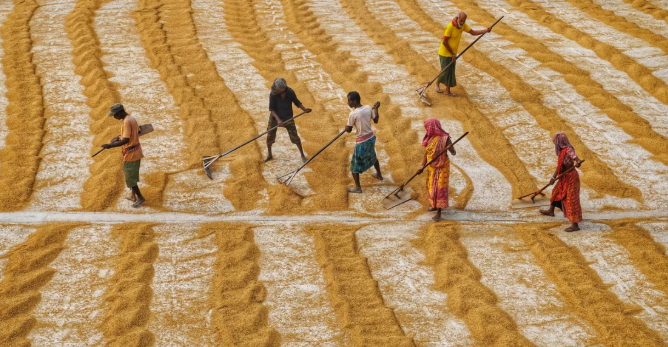
Pic Credit: Pexel
India’s rice sector is heading towards a significant production decline this year as below-normal rainfall during the crucial crop development period threatens yields, even as large government-held stocks are expected to provide a cushion for domestic supplies and exports.
Industry estimates suggest that rice production could fall by around 10 million metric tonnes from last year’s record output of about 154 million tonnes. If realised, the decline would be close to 6.5 per cent and mark the sharpest fall in nearly two decades.
The weaker production outlook is largely linked to rainfall conditions during the monsoon season. India has received around 15 per cent less rainfall than normal since June 1, while some major rice-producing states have recorded significantly larger deficits.
The impact is already becoming visible in cultivation trends. The area under summer-sown rice stood at around 42.68 million hectares as of September 11, nearly 4 per cent lower than the corresponding period last year.
Summer-sown rice accounts for more than 80 per cent of India’s total rice production, making the performance of this crop particularly important for the country’s overall food supply and export position.
Production pressure could lift rice prices
A weaker harvest could put upward pressure on domestic rice prices, particularly for premium varieties. Farmers growing higher-value varieties may receive stronger prices in open markets as supply tightens.
For exporters, however, higher domestic prices could make Indian rice more expensive in international markets. This comes at a time when prices in other major exporting countries, including Thailand and Vietnam, are also showing upward movement.
The combination could make the global rice market more competitive and potentially affect the price-sensitive segments of India’s export business.
Strong stocks provide a cushion
Despite the production concerns, India enters the new crop season with substantial rice inventories.
Government-held stocks, including unmilled paddy, stood at a record 59.6 million tonnes as of September 1, significantly above the government’s target of around 10.3 million tonnes for October 1.
These large reserves provide an important buffer against a weaker harvest. They could allow the government to maintain adequate domestic availability while supporting continued exports without immediately resorting to restrictive measures.
India has emerged as the world’s largest rice exporter, making its production and stock position important not only for domestic food security but also for global rice markets.
Water availability adds another concern
The pressure on production could extend beyond the current summer crop. Industry experts have warned that the area under winter-sown rice could also come under pressure if reservoirs do not receive sufficient water.
Lower reservoir levels could affect irrigation availability and influence planting decisions in the coming months, adding another layer of uncertainty to the overall production outlook.
The situation highlights the growing importance of water management and weather resilience for India’s rice economy. With a large portion of rice cultivation dependent on monsoon conditions, irregular rainfall can have a direct impact on yields, farm incomes, prices and export competitiveness.
Balancing farmer incomes and food security
For farmers, higher market prices could provide some relief from the impact of lower yields, particularly for those cultivating premium varieties. However, a sustained increase in prices could also affect consumers and food-processing businesses.
For the government, the challenge will be to maintain a balance between protecting domestic food supplies, supporting farmer returns and preserving India’s position in the international rice market.
The country’s substantial stockpile gives policymakers greater room to manage this balance in the short term. However, the production decline underlines the need for continued investment in irrigation, climate-resilient farming practices, improved water management and higher-yielding crop varieties.
India’s rice market therefore enters the new season with two contrasting forces at play: a weaker harvest outlook on one side and historically strong inventories on the other. How these factors interact will determine domestic prices, farmer earnings and India’s export competitiveness in the months ahead.
18, Sep 2026
Bollywood Meets Business Legacy: Ranbir Kapoor Praises PNG Jewellers Chairman’s Raw New Memoir, Choosing Gold

Mumbai, Sep 18: Stories of resilience from business leaders often inspire individuals across all walks of life, and this time, it was Bollywood superstar Ranbir Kapoor who shared his appreciation for the profound insights in Choosing Gold, the debut memoir of Dr. Saurabh Gadgil, Chairman and Managing Director of PNG Jewellers, when presented with a copy by the author recently.
Released nationally by Penguin Random House India, Choosing Gold traces the mindset that built the 194-year-old legacy of PNG Jewellers and that of its Chairman and Managing Director, Dr. Saurabh Gadgil. During their interaction, Ranbir Kapoor revealed he was excited to dive deep into the book after being drawn to its premise, praising its raw reflection on legacy, choices, tough decisions, learnings from failures and overcoming setbacks. Ranbir is an avid reader and appreciates real life stories and autobiographies.
Dr. Saurabh Gadgil, CMD of PNG Jewellers, said, “Writing Choosing Gold meant resisting the temptation to rewrite my past with the clarity I only have now. I wanted the honesty of what I actually knew and felt in each moment, not the polished version hindsight gives you. Sharing this book with Ranbir led me to have one of the more meaningful conversations I’ve had about the book. We come from very different worlds, but the weight of legacy, and the discomfort of choosing the harder path, turned out to be something we both recognized in each other’s lives. If even one reader finishes this book and makes their next difficult decision with a little more courage, I’ll consider it to have done its job.”
Sharing his thoughts about the book, Ranbir Kapoor said, “I love reading autobiographies and real-life stories, because the best ones don’t just tell you what someone achieved, they show you what it cost them and what they were willing to risk. Choosing Gold caught my attention immediately, and the title says it all: this isn’t a story about one big break, it’s about a series of hard, deliberate choices made again and again, often against the safer option. What struck me most is how Saurabh writes about failure, not as a footnote before the success, but as something that actually shaped his instincts. That’s rare in this genre. Building a legacy like his isn’t about a single moment of vision; it’s about the discipline to keep choosing the harder path when an easier one is right there. That mindset is what makes this book worth reading, whether or not you’re in business at all.”
Choosing Gold offers a candid look into leadership and resilience beyond balance sheets. Formally celebrated at an exclusive Mumbai event featuring actor Madhuri Dixit, the memoir is available across PNG Jewellers stores, pngjewellers.com, Amazon, and leading bookstores nationwide. Ranbir Kapoor and Madhuri Dixit, both are brand ambassadors for PNG Jewellers.
18, Sep 2026
EcoGuard Global and CONFED Go-Live with Carbon Office Platform in Philippines Serving 3 million Coconut Farmers

September 18, 2026: EcoGuard Global (“EcoGuard”), the Swiss-based climate-tech company and spin-off from the Web3 & AI technology engineering firm, The Hashgraph Group (“THG”), and the Confederation of Coconut Farmers Organizations (“CONFED”) of the Philippines, have today announced the official platform go-live of the “CONFED Carbon Office”. This ground-breaking deployment in the global carbon market signals the transition from the collaboration agreement announced at the World Economic Forum in Davos earlier this year to operating the first digital carbon market infrastructure in the Philippines to serve over 3 million coconut farmers nationwide.
The EcoGuard platform delivers cutting-edge digital carbon market infrastructure for the assurance of high-integrity carbon credits through the secure and tamper-proof issuance, transfer, and retirement of carbon units, including the ability to register, verify, finance, and manage carbon projects across coconut-growing regions spanning approximately 3.6 million hectares of farmland in Philippines. By combining project registration, digital monitoring, reporting and verification (dMRV), documentation, traceability, carbon credit management, and transaction capabilities into a single local environment, the CONFED Carbon Office will enable the financial inclusion of coconut farmers as well as project developers to access climate finance with greater transparency, efficiency, and trust.
Speaking about the go-live of the Carbon Office platform, Charles Avila, President of CONFED, said, “The Philippines has significant potential to participate in global carbon markets through its extensive coconut-growing regions, agroforestry landscapes and agricultural communities. We are very pleased with the launch of the CONFED Carbon Office platform with EcoGuard as an important step towards converting potential into measurable climate impact and practical financial opportunity for farmers.”
CONFED and EcoGuard announced their intention to build the Philippines’ first digital Carbon Office on Hedera during the launch event of EcoGuard Global at WEF Davos in January 2026. Today’s launch demonstrates that commitment has moved from memorandum to implementation. EcoGuard has led the platform deployment, bringing its proprietary carbon bank architecture, workflow automation, and 60+ digitized carbon methodologies, to support compliant registry-grade traceability, auditable data provenance, and reduced risk of double-counting across the carbon asset lifecycle, leveraging the Hedera network as the underlying distributed ledger technology (DLT) and trust infrastructure.
Yashodhan Ramteke, CEO of EcoGuard Global, said, “The go-live of the CONFED Carbon Office is more than a technology deployment; it is the delivery of the promise we made in Davos. EcoGuard has built and brought live the digital carbon market infrastructure needed by CONFED to connect coconut farmers, project developers, buyers and investors through a trusted carbon ecosystem in Philippines This important milestone achievement and platform deployment by EcoGuard Global demonstrates how high-integrity, digitally verifiable, national carbon markets can move from ambition to execution. We aim build on our work with CONFED in the Philippines and develop a scalable model that can be replicated in key markets like India through local partnerships, with a focus on nature-based sectors and farmers.”
As a further demonstration of EcoGuard’s commitment to the Philippine’s carbon market, EcoGuard Global has made the first investment in the initial tranche of credits expected to be generated from the Samar project. The Samar COCAL Agroforestry Project, located on Samar, the Philippines’ third-largest island, is the first major project onboarded onto the platform. The project has the potential to generate 200,000 carbon credits annually, creating a new pathway to channel global climate finance towards sustainable agriculture, agroforestry, and rural communities. The transaction, executed on the live CONFED Carbon Office platform, provides an early proof-point for how digital carbon market infrastructure can help connect nature-based climate projects with institutional buyers and investors.
Stefan Deiss, Co-Founder & CEO of The Hashgraph Group, said, “We are very excited to go-live with the CONFED Carbon Office that turns carbon market participation into a commercial opportunity for millions of Filipino coconut farmers. Financial inclusion begins with digital inclusion. With this go-live, CONFED and the Philippines now have Hedera-powered carbon market infrastructure for issuance, tracking, trading, and retirement of high-integrity carbon credits under Article 6 of the Paris Agreement.”
The operational go-live of the CONFED Carbon Office will support end-to-end functions including:
- Project origination and onboarding
- Digital MRV and data management
- Carbon digital asset management
- Portfolio-level tracking of climate projects
- Carbon credit transactions and monetization
- Carbon project documentation and traceability
- Investor and buyer transactions and engagement
- Transparent digital records across the carbon value chain
By consolidating these capabilities into a single secure digital carbon market environment, EcoGuard and CONFED aim to reduce the fragmentations in carbon project development, strengthen investor confidence, and simplify the agricultural and nature-based projects to actively participate in domestic and international carbon markets.
EcoGuard Global works closely with Telenym as an on-ground tech partner to connect individual farmers to the CONFED Carbon Office platform, while digital data collection is supported by national satellite-enabled initiatives. EcoGuard Global is also engaging with various other governmental departments in the Philippines, including the Department of Environment and Natural Resources (DENR), the Department of Agriculture (DoA), the Department of Energy (DoE), and the Department of Science and Technology (DOST), with the focus on providing digital carbon market infrastructure to enable the carbon economy in the Philippines. The platform launch aligns with the Philippines’ newly adopted 2026–2030 roadmap for the voluntary forest carbon market, which identifies 1.2 million hectares of classified forest land and agricultural areas as key investment zones for carbon projects.
Looking ahead, EcoGuard and CONFED will continue to expand the Carbon Office platform by strengthening farmer-level connectivity, supporting the further development of scalable carbon market infrastructure aligned with international climate finance frameworks, and building out a pipeline of high-integrity carbon projects. The deployment in the Philippines also reinforces EcoGuard’s broader vision to deliver trusted digital carbon banks and marketplaces for governments, enterprises, and project developers across Europe, Asia-Pacific, Africa, and other high-impact regional markets.
18, Sep 2026
RAKEZ positions Ras Al Khaimah as a growth platform for Irish businesses at IBN Dubai seminar

|