


25, Sep 2026
1,741 Corrections Flagged in Odisha SCERT Textbooks, Minister Tells Assembly
Bhubaneswar, Sept. 25 (UDN): A total of 1,741 errors and suggested corrections have been identified in Class I to VIII SCERT textbooks introduced during the current academic session, Odisha’s School and Mass Education Minister Nityananda Gond informed the Assembly on Friday.
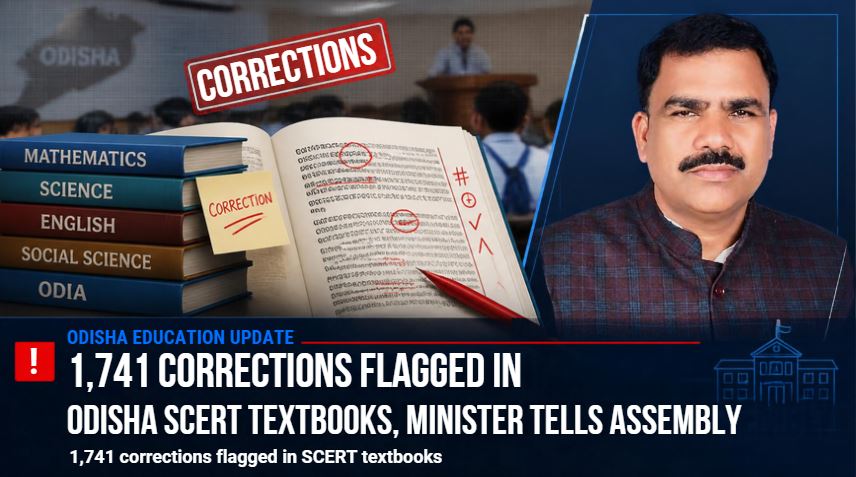
Representational Image
Responding to a question from MLA Kalikesh Narayan Singh Deo, the minister said the issues have been documented through an official corrigendum that has already been circulated to schools.
Majority Were Language and Printing Errors
According to the minister, the identified issues include:
5 factual or conceptual errors
1,075 grammatical, typographical and spelling errors
661 suggestions for improvement
He said the textbooks had undergone preparation through workshop-based drafting, followed by proofreading and a one-day review by subject experts before receiving final approval from the Core Committee.
Corrections Issued to Schools
Among the significant mistakes detected were errors related to a photograph of the Odisha Legislative Assembly, the location of the Niyamgiri Hills, and the identification of the Konark Sun Temple.
The minister said a corrigendum containing the corrected information has been distributed to schools to help teachers and students refer to the revised content.
Officials Face Action
The government has taken disciplinary action over the lapses. The former Director of DTE & SCERT and three Assistant Directors have been suspended, while disciplinary proceedings have also been initiated against six other Assistant Directors of DTE & SCERT.
Measures to Improve Future Editions
Gond told the House that the department has initiated measures to strengthen the textbook review process and improve quality control before publication. He said future revised editions would place greater emphasis on ensuring the accuracy of Odisha’s history, geography, language and cultural heritage.
- 0
- By Neel Achary

23, Sep 2026
Odisha Teacher Turns Moss-Covered School Walls Into Lifelike Portraits
Balasore, Sept. 23 (UDN): What appears to be ordinary moss growing on the walls of a government primary school in Odisha’s Balasore district has become an unconventional medium for art, thanks to the creativity of a teacher.
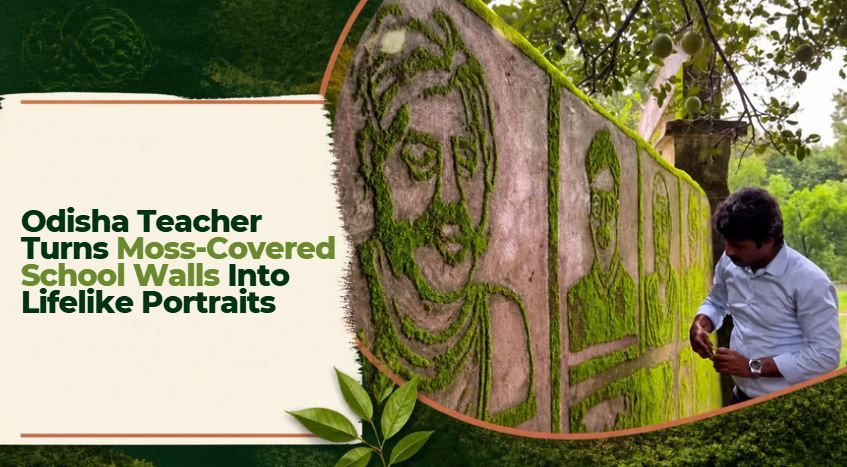
Ajay Kumar Ghosh, a primary school teacher at Sri Krishnapur Primary School in Remuna block, has been using naturally grown moss on the school walls to create lifelike portraits of freedom fighters and other eminent personalities—without paint, brushes or chemical colours.
Moss Becomes An Unusual Art Medium
Instead of removing the moss, Ghosh uses it to shape portraits on the walls. The green layer provides the basic outline, while carefully scraping portions of the moss exposes the white surface underneath, helping him bring out facial features, hair and other details.
The approach has given the school walls a distinctive appearance while turning them into an informal learning aid for students.
Ghosh said the initiative also reflects a lesson he wants children to understand—that even seemingly insignificant things can have value when used creatively.
The idea gained momentum after a lack of funds made it difficult to construct a boundary wall around the school. Rather than allowing the existing walls to remain plain, the teacher used them as a canvas to create portraits of personalities familiar to students from their textbooks.
From Textbooks To The School Walls
The artwork has transformed the school surroundings into a more visually engaging space for children. Figures such as Gopabandhu Das, Subhas Chandra Bose and Jawaharlal Nehru, whom students read about in their lessons, have been represented through Ghosh’s wall art.
For the children, the portraits offer a different way of connecting classroom lessons with their everyday surroundings.
A student, Dinesh Kumar, said Ghosh had also introduced them to several forms of art, including techniques involving sand and clay, apart from drawing portraits using moss.
Encouraging Children To Explore Art
Ghosh’s efforts extend beyond decorating the school walls. He regularly encourages students to practise drawing and develops their interest in different forms of creative expression.
The teacher also uses art-based activities to make classroom learning more engaging, helping students become familiar with notable personalities while developing their own artistic abilities.
What began as an innovative response to limited resources has consequently given Sri Krishnapur Primary School a distinctive visual identity. The moss-covered walls, instead of being treated simply as part of the school structure, have become an unconventional canvas showcasing both art and lessons from history.
22, Sep 2026
University of Houston Continues to Rise Among Nation’s Top Public Universities in U.S. News Rankings
HOUSTON, Sept. 22 – The University of Houston ranked No. 67 among public universities nationwide and No. 4 among Texas public universities in the 2027 U.S. News & World Report Best Colleges rankings, continuing UH’s rise toward its goal of becoming a Top 50 public university.
The rise comes as UH posted gains in several measures of student success. The university’s first-year retention rate increased to 87%, its six-year graduation rate climbed to 66%, and the graduation rate for students receiving federal Pell Grants rose to 64%.
“I’m incredibly grateful for our faculty and staff who keep moving the needle to elevate our students’ success,” said UH President Renu Khator. “Together, we’ve risen in the rankings, and each move reflects our steady trajectory as a nationally recognized, Tier One university. Most significantly, it demonstrates our dedication to academic excellence and the communities we serve.”
Gains in Student Success, Strength Across Key Rankings
Once again, UH ranked among the nation’s Top 50 universities for social mobility at No. 40, highlighting the University’s success in expanding opportunity and helping students earn their degrees. The University earned Top 100 rankings in several other key categories, including Most Innovative Schools (No. 65), Best Value Schools (No. 78) and Best Colleges for Veterans (No. 96).
UH also ranked among the nation’s Top 100 universities — No. 96 nationally — for the reach and impact of its research publications and citations.
Research impact and student outcomes, including graduation and retention rates, account for more than half of the U.S. News ranking methodology.
Building National and Global Recognition
As UH approaches its centennial next year, the rankings add to the momentum and growing recognition for the University nationally and around the world.
Earlier this year, UH ranked No. 52 among public research universities nationwide in the U.S. News Best Global Universities rankings. UH also placed 19 programs in the Top 50 of U.S. News’ Best Graduate Schools rankings, including four in the Top 10.
9, Sep 2026
NMIMS Bengaluru Celebrates Graduating Students at UG Degree Distribution Ceremony
Bengaluru, Sept 09: SVKM’s Narsee Monjee Institute of Management Studies, Bengaluru campus, hosted its UG Degree Distribution Ceremony, celebrating the academic achievements of its graduating students across diverse undergraduate programmes.
The ceremony brought together graduating students, faculty members, academic leaders, parents and distinguished guests to mark an important milestone in the students’ academic journey and recognize their accomplishments.
The UG Degree Distribution Ceremony celebrated graduates from the School of Commerce, School of Economics, School of Mathematics, Applied Statistics and Analytics, and School of Law, covering programmes including BBA, B.Sc. Finance, B.Com, B.Sc. Economics, B.Sc. Data Science, B.A., LL.B. Hons. and B.B.A., LL.B.
The ceremony was graced by Mr. Suresh Narayanan, Former Chairman and Managing Director, Nestlé India Limited, as the Chief Guest for the School of Commerce and C. K. Nandakumar, Senior Advocate and Practice Head, Law Chambers, who served as the Chief Guest for the School of Law. Ms. Sharda Balaji, Founder, NovoJuris Legal, was the Guest of Honour for the School of Law.
Mr. Suresh Narayanan, Former Chairman and Managing Director, Nestlé India Limited, said,
“Success and long-term integrity are guided by a strong internal compass. In an era of rapid technological change, power lies in simplicity, credibility, and compassion. Be the generation that leads not just with intellect and competence, but with character, empathy, and courage under fire.”
C. K. Nandakumar, Senior Advocate and Practice Head, Law Chambers Chief Guest, School of Law, said,
”Balance what you think is your entitlement with an expectation. It is important for you to assert a right, but equally important to fulfil your duty. ”
Ms. Sharda Balaji, Founder and Managing Partner, NovoJuris Legal, Founder, LexCapital Ventures & PaperKlips Business Solutions said
“You are entering a profession which is changing faster than you predict. Your job is not to predict the future; your job is to become the kind of person who can thrive in whatever future that arrives”
A key highlight of the ceremony was the recognition of Harjas Gulati, a graduate of the B.A., LL.B. programme, who secured the 3rd Rank across NMIMS campuses, reflecting academic excellence and commitment throughout the programme.
The UG Degree Distribution Ceremony celebrated the students’ academic accomplishments while marking their transition into the next phase of their professional and personal journeys. The occasion reflected NMIMS Bengaluru’s continued commitment to academic excellence, holistic development and preparing future-ready graduates equipped to navigate an evolving world with knowledge, integrity and purpose.
6, Sep 2026
Board Of Practical Training, Eastern Region, Ministry Of Education, Government Of India Commemorates Regional Apprenticeship Day 2026
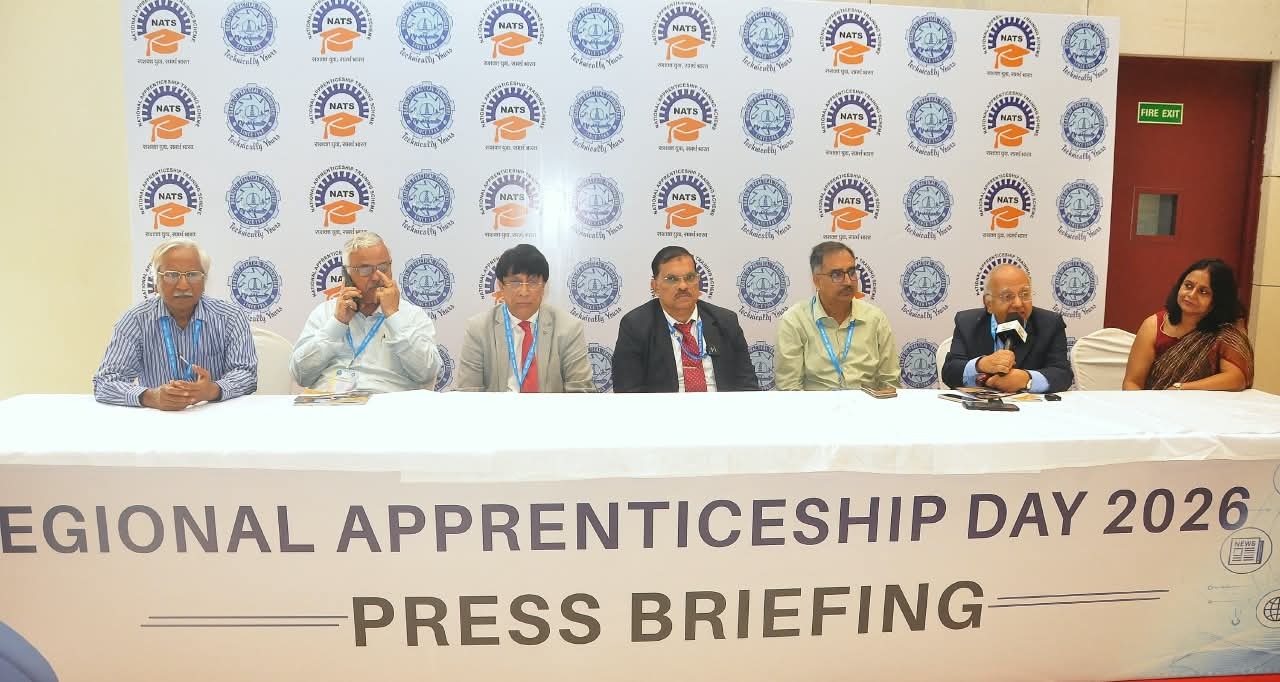
Photo Caption: Image 1: (L-R) Prof. Dr. Sadhan Chandra Ray, FIE, Kolkata; Shri R. N. Lahiri, Hon’ble BoG Member, BOPT (ER); Shri Dibakar Chandra Deka, Vice Chancellor, Mizoram University ; Dr S.M. Ejaz Ahmad, Director, Board of Practical Training (Eastern Region), Ministry of Education, Government of India; Prof. Dr N K Agarwal, Director, Department of Higher Education, Government of Bihar; Shri Sandipan Chakraborty, Ex-chairman BOPT(ER) & Tata Motors Logistics Ltd.; Dr. Ratna Sinha, HR Advisor, Kolkata were present on the occasion of Regional Apprenticeship Day 2026 in Kolkata.
Kolkata, Sept 06: The Board of Practical Training, Eastern Region, BOPT(ER), Kolkata, an organisation under the Ministry of Education, Government of India, commemorated Regional Apprenticeship Day 2026 in Kolkata today. The event was organised around the theme “Empowering MSMEs through NATS: Catalyzing Regional Growth via Structured Apprenticeships” and focused on highlighting the importance of apprenticeship training and the role of the National Apprenticeship Training Scheme (NATS) in creating job opportunities, building skills and empowering youth for a future-ready workforce. The programme also highlighted the role of structured apprenticeships in supporting Micro, Small and Medium Enterprises (MSMEs) and contributing to regional growth, in line with the objectives of the National Education Policy (NEP) 2020.
Prof. Dr. Sadhan Chandra Ray, FIE, Kolkata; Shri R. N. Lahiri, Hon’ble BoG Member, BOPT (ER); Shri Dibakar Chandra Deka, Vice Chancellor, Mizoram University; Prof. Dr N K Agarwal, Director, Department of Higher Education, Government of Bihar; Shri Sandipan Chakraborty, Ex-chairman BOPT(ER) & Tata Motors Logistics Ltd.; Dr. Ratna Sinha, HR Advisor, Kolkata & Dr S.M. Ejaz Ahmad, Director, Board of Practical Training (Eastern Region), Ministry of Education, Government of India were present on the occasion and addressed the media.
BOPT(ER) has been working towards strengthening apprenticeship opportunities for graduates and diploma engineers through NATS, enabling them to gain practical industry exposure and improve their employability. During FY 2025-26, BOPT(ER) trained 1,45,449 apprentices under the NATS programme, of these, 1,15,193 apprentices secured employment after completing their apprenticeship, accounting for around 79% of the total apprentices trained.
“Regional Apprenticeship Day celebration intends to mobilize graduates and diploma engineers to come forward and get their skill honed to meet the current industry demand and improve their employability. It is observed that 1,15,193 apprentices are either absorbed in the same industries or secured employment in other establishments post completion of their training”, added by Dr S.M. Ejaz Ahmad, Director, Board of Practical Training (Eastern Region), Ministry of Education, Government of India.
For FY 2026-27, BOPT(ER) has set a target of training around 1.5 lakh apprentices under the NATS programme. This is part of the overall target of training around 6 lakh apprentices across all BOATs/BOPTs during the financial year. The initiative is aligned with the theme “Empowering MSMEs through NATS: Catalyzing Regional Growth via Structured Apprenticeships”, with a focus on strengthening apprenticeship opportunities and supporting MSMEs through a skilled and industry-ready workforce.
As per the NILERD report, around 79% of apprentices secure permanent employment after completing their apprenticeship under NATS each year. The findings highlight the role of apprenticeship training in providing practical workplace exposure and improving employment opportunities for graduates and diploma engineers.
The National Apprenticeship Training Scheme (NATS) provides practical training opportunities to graduates and diploma engineers across industries and establishments. The programme enables apprentices to gain hands-on experience and develop industry-relevant skills, helping bridge the gap between academic learning and workplace requirements.
BOPT(ER) has also been conducting Apprenticeship-cum-Job Melas throughout the year to connect students and graduates with industries and establishments offering apprenticeship and employment opportunities. These initiatives are aimed at creating a direct link between skilled youth and industry requirements.
The Regional Apprenticeship Day 2026 also emphasised the alignment of apprenticeship training with the vision of NEP 2020, particularly its focus on skill development, vocational education, practical learning and improving the employability of young people. The initiative seeks to encourage more students, graduates and diploma engineers to take up apprenticeship opportunities and develop skills that are relevant to the evolving employment landscape.
3, Sep 2026
NMIMS SoBA Celebrates Academic Achievements at 2026 Degree Ceremony
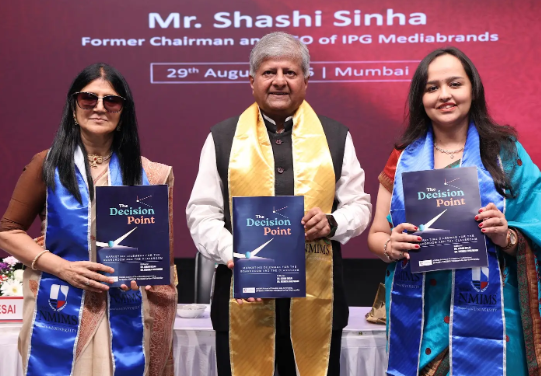
Mumbai, Sep 3: The School of Branding & Advertising (SoBA), SVKM’s NMIMS (Deemed-to-be University) celebrated the graduating BBA (Branding & Advertising) cohort at its Degree Distribution Ceremony 2026, bringing together students, faculty, parents and industry leaders to mark an important milestone in the students’ journey from the classroom to the professional world.
The ceremony was graced by Shashi Sinha, veteran advertising and media leader and former Chairman & CEO of IPG Mediabrands, who brings nearly four decades of experience in shaping India’s advertising and media ecosystem. A recipient of the AAAI Lifetime Achievement Award 2023, Sinha has held key leadership positions across the industry and continues to engage with the evolving marketing landscape.
Speaking about the growing influence of AI and technology in advertising, Sinha highlighted the need to balance technological capabilities with human emotion, referring to the idea of “Heart and Science.” He encouraged the students to stay connected to life and culture, noting that advertising ultimately draws from the world around us. He also emphasised collaboration, pointing out that bringing together different people, experiences and perspectives can lead to stronger ideas and solutions.
The ceremony witnessed the presentation of degrees and scrolls to the graduating students, with Dr. Kiran Desai, Director, NMIMS School of Branding & Advertising, in attendance. The Dean’s List, SoBA Excellence Awards and Faculty Awards were also presented, recognising students and faculty members for their academic and overall excellence.
Dr. Kiran Desai, Director, NMIMS School of Branding & Advertising, said, “Our learning design aims to inspire all young dreamers who want to follow their dreams. We go beyond traditional knowledge delivery by integrating practical and experiential learning into every course. This approach cultivates the development of strategically sound, innovative and relevant media elements that are instrumental in crafting successful brand campaigns.”
The ceremony also featured the unveiling of “The Decision Point – Marketing Dilemmas for the Boardroom and the Classroom”, a book that explores contemporary marketing challenges and decision-making. Shashi Sinha unveiled the book alongside its editors, Dr. Kiran Desai, Director, NMIMS School of Branding & Advertising, and Dr. Rishika Bhojwani, Assistant Professor, NMIMS SoBA.
The event reflected SoBA’s commitment to bridging academic learning with industry perspectives, providing students with the knowledge, skills and exposure to navigate the evolving landscape of advertising, branding and communications.
2, Sep 2026
Ariel University Celebrates First Graduates of English-Language International Medical Sciences Program
Inaugural International Medical Sciences class graduates alongside students from Ariel University’s established Hebrew-language program, as the Adelson School of Medicine later celebrates its third M.D. graduating class
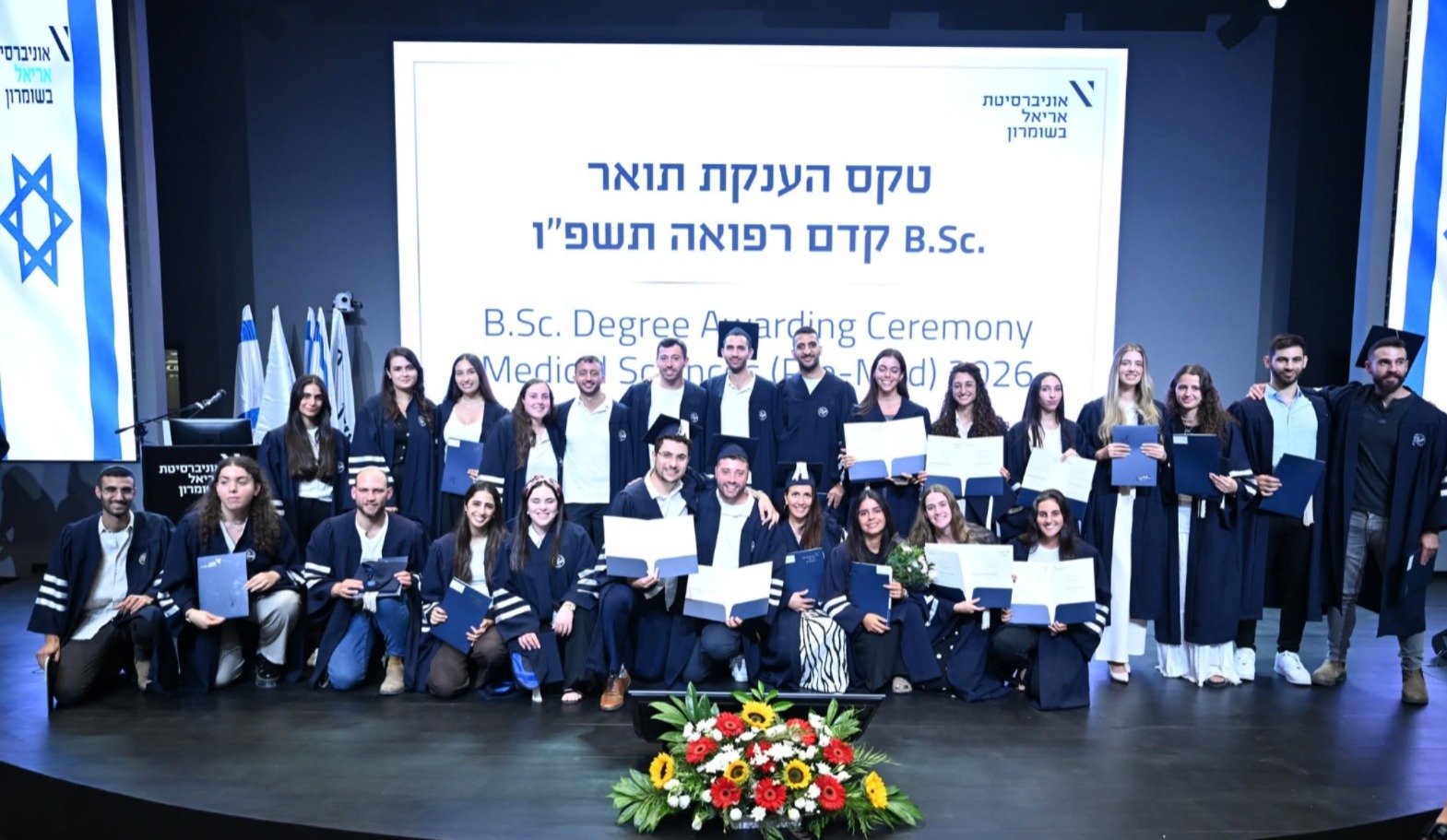
Ariel University has celebrated the first graduating class of its English-language International Medical Sciences (Pre-Med) B.Sc. program, as part of a day of graduation ceremonies highlighting the University’s growing strength in medical sciences and physician education.
The first ceremony brought together graduates of Ariel University’s established Hebrew-language Medical Sciences (Pre-Med) B.Sc. program and the inaugural graduating class of its English-language International Medical Sciences program.
Launched in 2022, the three-year English-language program was developed from Ariel University’s established Hebrew-language program. Introduced as Israel’s first three-year English-language International Pre-Med B.Sc. program, it was created to provide English-speaking students from Israel and around the world with a rigorous medical-sciences education in Israel.
For the International Medical Sciences students, this year’s graduation carries a particular significance: they are the first cohort to complete the English-language program.
The program provides students with a broad scientific foundation spanning the basic sciences, biological sciences and pre-clinical medical disciplines, while also incorporating research, behavioural and social sciences.
Graduates receive a Bachelor of Science (B.Sc.) degree and can pursue a range of pathways, including further medical studies, advanced degrees and careers in medical research, biotechnology and clinical research.
Prof. Izhak Michaelevski, Academic Director of the International Pre-Med Academic Program at Ariel University:
“There is something particularly meaningful about seeing the first graduates of a program that began as a vision only a few years ago. These students chose to be pioneers. They placed their trust in a new English-language academic pathway and, today, they leave Ariel University with the scientific foundation to take their next steps in medicine, research and the life sciences.”
“Our ambition was never simply to translate an existing degree into English. We wanted to create an international academic environment that combines rigorous medical science, research, critical thinking and preparation for the rapidly changing world of modern medicine. Our first graduating class demonstrates what that vision can achieve.”
Later that day, in a separate graduation ceremony, the Dr. Miriam and Sheldon G. Adelson School of Medicine celebrated the third graduating class of its M.D. program, as another cohort of Ariel University-trained physicians completed their medical studies.
The Dr. Miriam and Sheldon G. Adelson School of Medicine offers a four-year M.D. program for bachelor’s-degree graduates, combining basic and clinical medicine with an emphasis on areas including personalised medicine, digital medicine, molecular biology, human genetics and evidence-based decision-making.
Together, Ariel University’s established Hebrew-language Medical Sciences (Pre-Med) B.Sc. program, its English-language International Medical Sciences (Pre-Med) B.Sc., and the Adelson School of Medicine’s four-year M.D. program reflect the University’s growing strength across medical sciences, medical research and physician education.
For the pioneering graduates of the English-language program, however, this year’s ceremony will always carry a special distinction: They were the first
25, Aug 2026
Over 30 CFOs and Big Four Leaders Join Simandhar Education–LPU Initiative to Shape the Future of Finance and AI
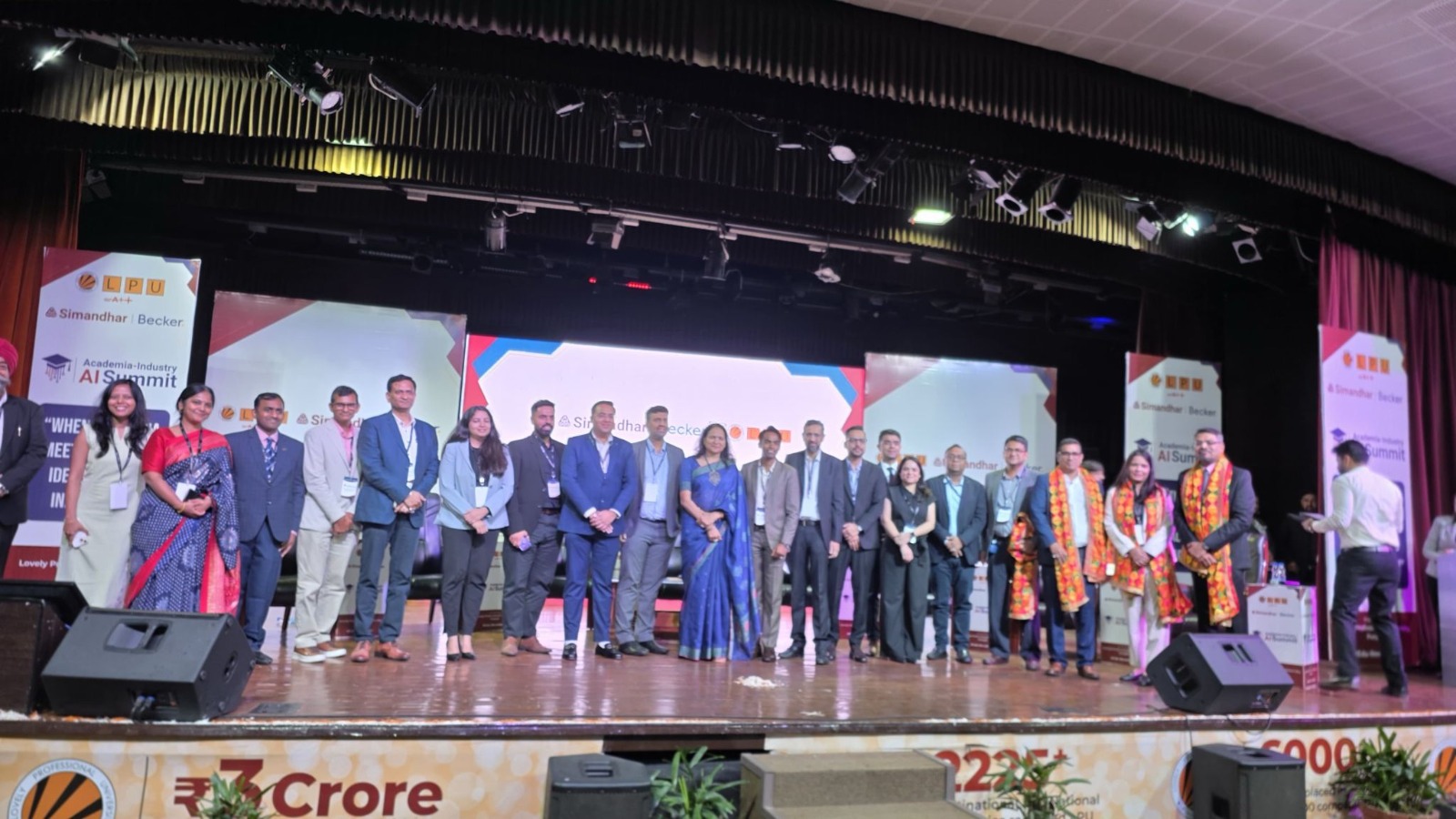
The engagement focused on the changing nature of the finance and accounting profession, with discussions around the impact of AI, evolving industry requirements and the importance of developing globally relevant skills. The initiative also provided students with greater exposure to professional pathways and career opportunities across the global finance and accounting ecosystem.
“The convergence of technology, academia and industry is increasingly important in preparing students for the future of work. At LPU, we are committed to creating opportunities that allow students to engage with industry leaders, understand emerging technologies and gain exposure to evolving career pathways.”
“At Simandhar Education, we believe that the future of finance will be shaped by professionals who can combine strong technical knowledge with an understanding of technology and global business practices.“Our engagement with LPU provides an opportunity to bring these conversations closer to students and help them understand how professional qualifications, industry exposure and emerging technologies are influencing finance careers. We are pleased to work alongside LPU in creating greater awareness of the opportunities available to students in the evolving global finance ecosystem.”
“As artificial intelligence continues to reshape finance and accounting, professionals need to look beyond traditional technical knowledge and develop a broader understanding of technology, analytics and business. Professional certifications can play an important role in helping students build specialised capabilities and align their knowledge with global industry expectations. We are pleased to support initiatives that give students greater awareness of these evolving opportunities and the skills needed to succeed in a technology-driven finance ecosystem.”
20, Aug 2026
16,000 Scholarships in Focus at Shiksharatan India Foundation Training Programme
New Delhi, August 20, 2026
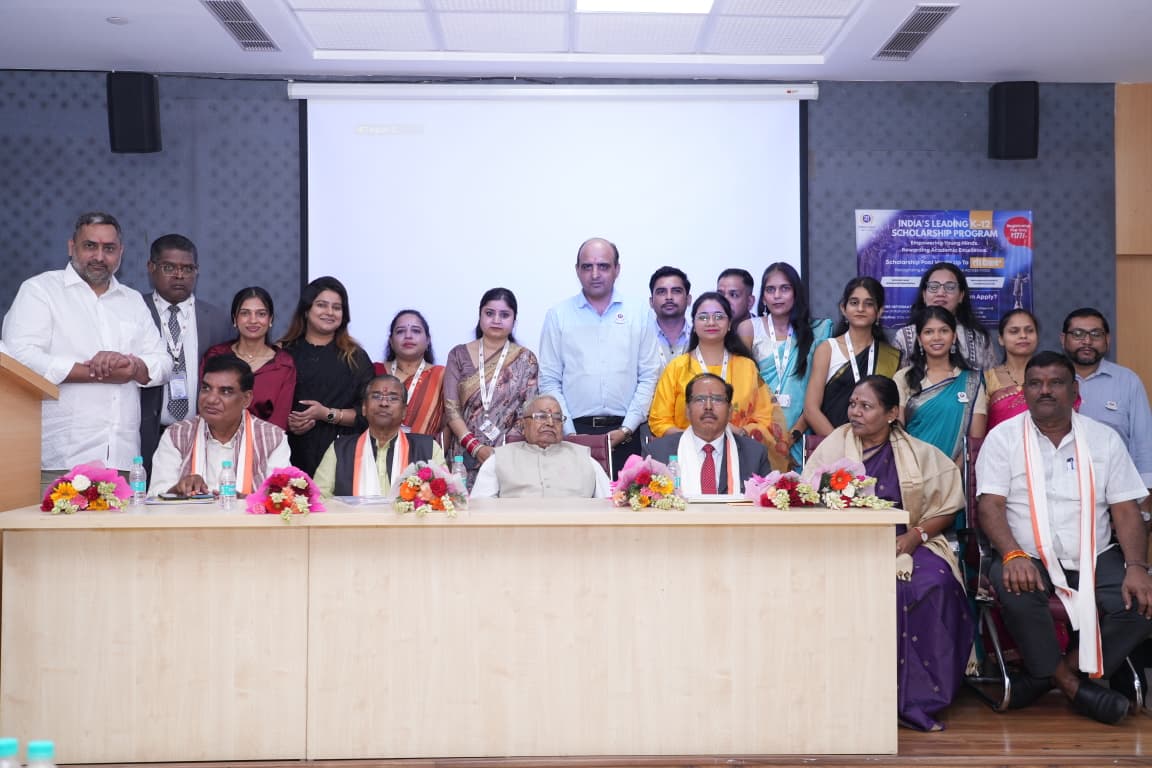
Shiksharatan India Foundation, Gurugram, organised a one-day training programme on education and scholarships at the H.K.S. Auditorium, Inderjit Gupta Marg, Delhi. Trainees from around 20 states participated in the programme.
The programme was inaugurated by Dr. Faggan Singh Kulaste, Chairman, Parliamentary Committee on Welfare of SC/ST. Addressing the trainees, Dr. Kulaste said quality education is essential for securing a better future for children. He said scholarships can provide important support to students from economically weaker families and help them continue their higher education.
Dr. Kulaste appreciated Shiksharatan India Foundation’s initiative to provide 16,000 scholarships. He said scholarships give students an opportunity to continue their studies and develop their potential. He also said that greater participation from the government, industry, donors and social organisations can help connect more students with educational opportunities through scholarships.
During the programme, Mr. Satish Kumar, Founding Member of the Foundation, briefed participants about the organisation’s work and its scholarship campaign. He said the Foundation is conducting a national-level examination for meritorious students from economically weaker sections and is working towards providing 16,000 scholarships to top-ranking students.
He said the Foundation is also focusing on skill development and mentorship along with scholarships. It is also undertaking an initiative to recognise schools, educational institutions, principals and teachers for their contribution to education at the national level. The Foundation said the participation of parents, teachers and educational institutions is essential for the success of the campaign.
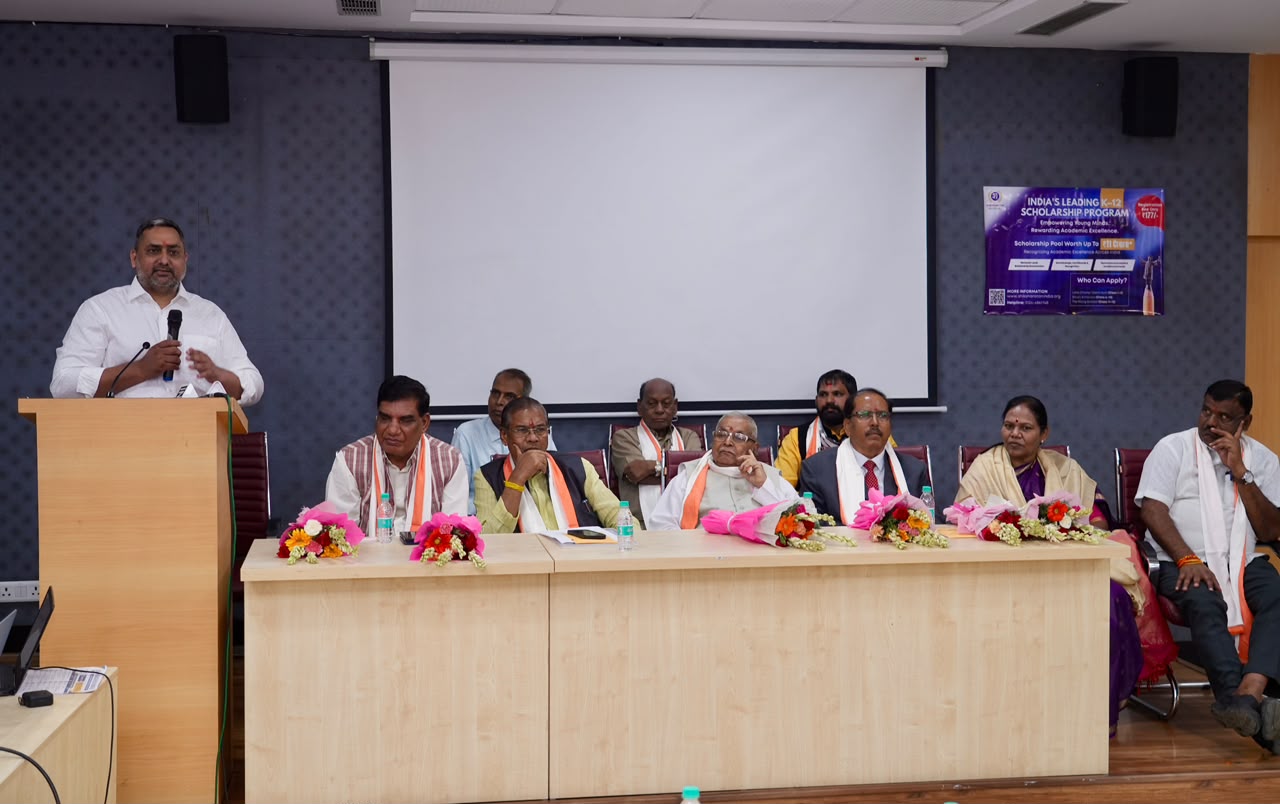
Mr. Somjibhai Damor, former Member of Parliament and National President, Akhil Bharatiya Adivasi Vikas Parishad, and Ms. Mayatai Ewnate, Member of Parliament, Rajya Sabha, also addressed the trainees.
During the programme, Mr. Shankar Lal Bodat, National Vice-President of the Parishad, shared details of the organisation’s activities. He said the organisation runs four colleges and 38 secondary and higher secondary schools. He added that it has organised 16 national-level conferences so far, covering issues related to the constitutional rights of tribal communities as well as water, forests, land, education, healthcare, agriculture and employment.
Mr. K.C. Ghumaria, State President, Rajasthan Branch, and Mr. Lukkibhau Jadhav, National President, Youth Wing, also addressed the trainees. Both appreciated Shiksharatan India Foundation’s scholarship initiative and emphasised the need to take the campaign to more students.
During the programme, speakers suggested creating separate groups of urban and rural students for the scholarship initiative. They said this approach could help ensure that more students from both areas benefit from the campaign.
At the conclusion of the programme, Mr. Satish Kumar thanked Dr. Faggan Singh Kulaste and all the guests, trainees, students, teachers and other associates for their participation and support. He also thanked members of the media for their cooperation in making the programme a success.
20, Aug 2026
University of Houston Biologists Awarded Nearly $1M NSF Grant to Study How Mutation Rates Evolve
Multi-institutional Research Could Offer Insights into Cancer Progression, Antibiotic Resistance
HOUSTON, Aug. 20 — A nearly $1 million grant from the National Science Foundation will allow University of Houston researchers to investigate how mutation rates evolve across species — work that could offer critical insights into cancer progression and antibiotic resistance.
Over the next four years, UH professors and evolutionary biologists Ricardo Azevedo and Rebecca Zufall, alongside scientists Maurine Neiman from the University of Iowa and Stephen Wright from the University of Toronto, will examine how an organism’s reproductive mode — whether sexual, asexual or self-pollinating — alters the speed at which its DNA mutates. This mutation rate dictates how quickly species can adapt to changing environments.
Supported by a combined $2.08 million in total NSF funding across partner institutions, the multi-institutional project builds on previous research by Azevedo and Zufall that found Tetrahymena, microscopic single-celled freshwater organisms, has the lowest mutation rate ever recorded. The discovery provides a foundation for the researchers’ next question: what determines how quickly mutation rates evolve across different organisms and reproductive systems?
“This collaboration is really powerful because we have three empiricists who work on these three different systems, and then Ricardo is the theoretician and modeler,” Zufall said. “We won’t only focus on the outcome of our specific species. We want to find broad patterns that underlie how populations evolve across all of life.”
Researchers from the two other institutions will examine snails and mustard plants, respectively, with the UH team focusing on Tetrahymena. By comparing closely related organisms within each group that differ primarily in their mode of reproduction, the researchers can isolate the exact impact reproduction has on mutation rates without interference from other biological variables.
“If we understand how mutation rates evolve, potentially, we’re helping understand evolution more broadly in all kinds of systems — from cancer to the evolution of antibiotic resistance or drug resistance in active infections,” said Azevedo, the grant’s principal investigator. “That’s something that has a lot of practical, interesting applications.”
Azevedo noted that cancer cells inside growing tumors reproduce asexually and often elevate their mutation rates, enabling them to adapt quickly and resist treatment. And although the project is driven by basic science rather than immediate clinical applications, understanding mutation rate mechanics addresses fundamental questions in medical research and overall human adaptation and survival.


