


22, Jun 2026
International Yoga Day Celebrations Spotlight “Yoga for Healthy Ageing”
June 22: The global observance of International Yoga Day witnessed widespread participation this year, with the theme “Yoga for Healthy Ageing” gaining momentum across countries, communities, and wellness platforms.
Events, workshops, and mass yoga sessions were organised in multiple regions to promote physical wellbeing, mental balance, and holistic health through traditional yoga practices. The initiative highlighted the growing global recognition of yoga as a tool for improving quality of life, particularly among older populations.
The celebrations brought together practitioners, instructors, and wellness enthusiasts who demonstrated various yoga asanas and breathing techniques aimed at enhancing flexibility, strength, and mental clarity. Special sessions were also conducted focusing on preventive healthcare and age-friendly wellness routines.
Organisers emphasised the importance of incorporating yoga into daily lifestyles to support healthy ageing and improve overall wellbeing. The theme encouraged individuals across age groups to adopt sustainable health practices rooted in mindfulness and physical activity.
The observance reflected yoga’s expanding global footprint, with increasing participation from diverse cultures and communities. It also underscored the role of yoga in promoting harmony between physical health and mental wellness.
International Yoga Day continues to serve as a platform for spreading awareness about the benefits of yoga, with this year’s celebrations reinforcing its relevance in addressing modern health challenges and supporting lifelong wellbeing.
- 0
- By Neel Achary

22, Jun 2026
Bank of India celebrated 12th International Day of Yoga
Mumbai, June 22: 12th International Day of Yoga was celebrated by Bank of India with all zeal and enthusiasm on 21st June 2026. Mass Yoga Demonstrations based on Government’s Common Yoga Protocol (CYP)with theme of Yoga for healthy ageing was organized at all Zonal Offices across the Nation and overseas centres, where bank’s staff and customers participated in huge numbers. The programme organized at Bank’s Head Office at BKC, Mumbai was led by Shri Rajneesh Karnatak, Managing Director & CEO with active participation by Executive Directors, Chief Vigilance officer, Chief General Managers, General Managers and staff members. Yoga Demonstration at Head Office was conducted by Ms. Kanchan Bhosale, a renowned Yoga teacher of Mumbai.
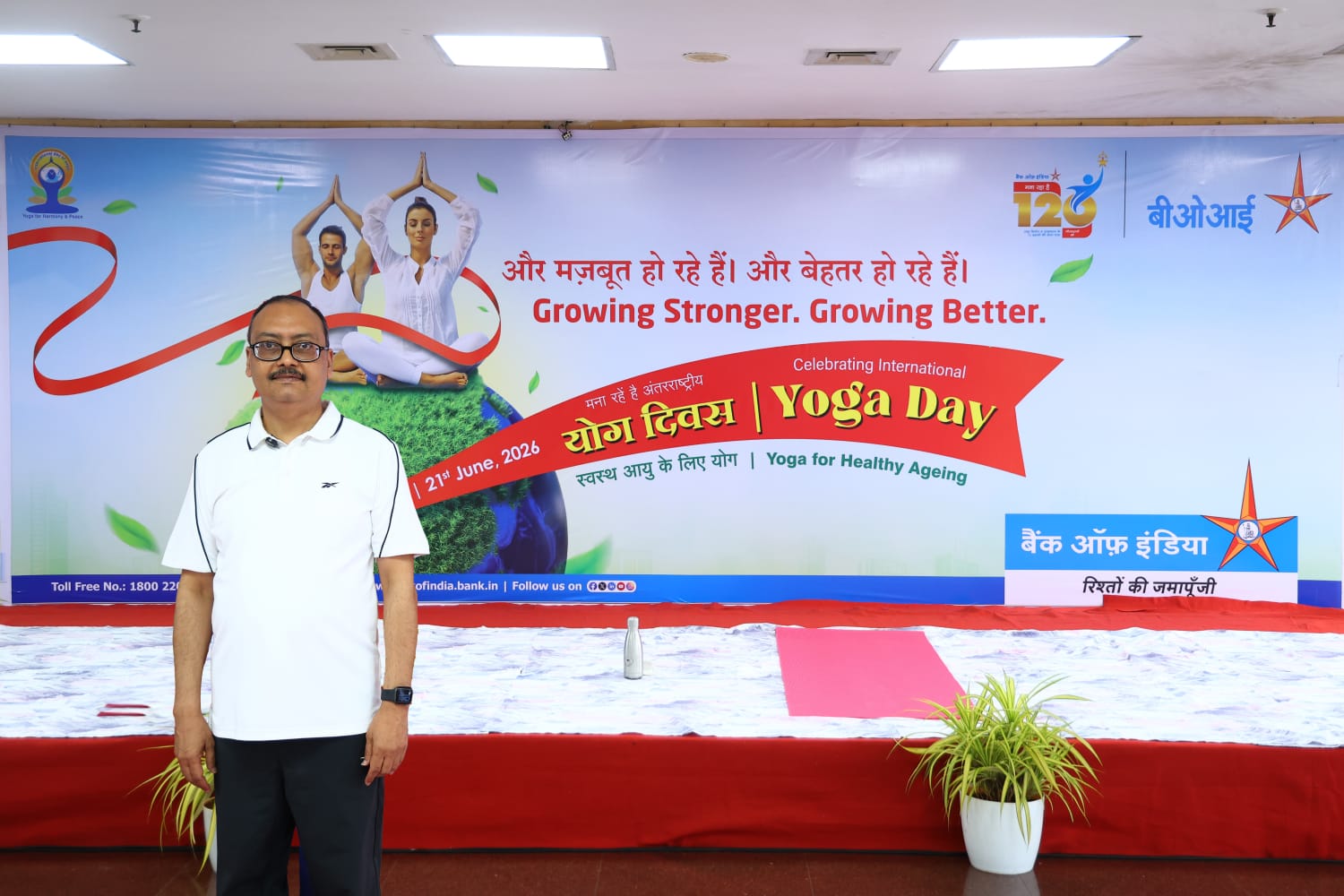
Shri Rajneesh Karnatak, the Managing Director and CEO in his address stated that “Yoga is not just a physical exercise but a holistic practice that promotes mental clarity, physical strength, and spiritual growth. This event is our way of encouraging everyone to experience the transformative power of yoga.” He further requested all the participants to make Yoga their life style and propagate the same among their family, friends, colleagues and customers. He opined that, Yoga, an ancient Indian tradition, has transcended borders and has become a global phenomenon. Its significance lies not only in the physical postures and exercises but also in the profound impact it has on our mental and spiritual well-being.
19, Jun 2026
World Sickle Cell Day 2026: From “Closing the Survival Gap” to a New Era of Cure, Care and Equity
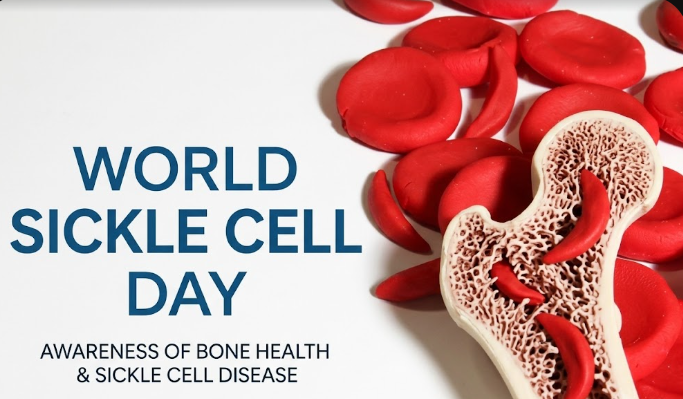
Every year on June 19, the world observes World Sickle Cell Day—but in 2026, the conversation feels different. It is no longer limited to awareness alone. It is now about urgency, equity, and a rapidly evolving medical future.
The official theme for World Sickle Cell Day 2026 is:
“Closing the Survival Gap: Equity in Sickle Cell Disease”
This theme captures a critical truth: survival should not depend on geography, income, or access to healthcare. It calls for a world where early diagnosis, advanced treatment, and continuous care are available to every patient—not just a privileged few.
A Disease at the Centre of Inequality and Innovation
Sickle cell disease (SCD) is a genetic blood disorder where red blood cells become rigid and sickle-shaped, blocking normal blood flow. This leads to severe pain episodes, anaemia, organ damage, and lifelong health complications.
Globally, over 300,000 babies are born with SCD every year, with the highest burden in low- and middle-income countries.
India carries one of the heaviest burdens worldwide, particularly affecting Scheduled Tribes and underserved communities, where delayed diagnosis and limited healthcare access continue to shape outcomes.
Yet, 2026 marks a turning point—where science, policy, and public health are beginning to converge.
From Hope to Reality: The Rise of Gene-Based Cures
For decades, sickle cell disease was managed, not cured. That is now changing.
Gene Therapy: Rewriting the Disease Itself
One of the most significant breakthroughs is CRISPR-based gene therapy, including treatments like Casgevy. This approach modifies a patient’s own stem cells so the body can produce healthy haemoglobin.
For the first time, medicine is not only treating symptoms—but addressing the genetic root cause.
Stem Cell Transplant: The Established Cure
Hematopoietic stem cell transplantation (bone marrow transplant) remains the only established curative option today. While limited by donor availability and eligibility, it has transformed outcomes for many children worldwide.
Targeted Medicines: Turning a Fatal Cycle into a Manageable Condition
Modern therapies are reshaping daily life for patients:
- Voxelotor – improves anaemia by preventing red blood cell sickling
- Crizanlizumab – reduces painful crisis frequency
- L-Glutamine – lowers oxidative stress in cells
- Hydroxyurea – long-standing therapy that increases fetal haemoglobin
Together, these treatments are reducing hospitalisation, improving quality of life, and extending life expectancy.
India’s National Mission: Screening at Scale, Saving Lives Early
India has launched the National Sickle Cell Anaemia Elimination Mission, targeting elimination of the disease as a public health problem by 2047.
Its core focus includes:
- Mass screening in high-burden districts
- Distribution of Sickle Cell Identity Cards
- Early diagnosis and treatment linkage
- Creation of digital patient tracking systems
Large-scale outreach programmes in tribal and rural regions are identifying cases earlier than ever before—often before symptoms become severe.
The Survival Gap: Why Theme 2026 Matters
The theme “Closing the Survival Gap” is not symbolic—it reflects real-world inequality.
Two children with the same disease may have entirely different futures depending on:
- How early they are diagnosed
- Whether treatment is accessible
- Whether their families are informed
This gap is what global health systems are now being challenged to eliminate.
Prevention Begins Before Birth: The Power of Genetic Awareness
One of the most important yet overlooked aspects of SCD is the sickle cell trait.
- Carriers usually have no symptoms
- But they can pass the gene to children
- If both parents are carriers, there is a 25% risk of disease in the child
This makes pre-marital and pre-pregnancy screening essential, especially in high-risk regions.
Awareness here is not optional—it is preventive medicine.
Everyday Management: Small Actions, Lifelong Impact
Even with advanced treatment, daily care remains essential:
Medical Support
- Vaccinations and infection prevention
- Daily antibiotics in young children (as prescribed)
- Folic acid supplementation
Lifestyle Protection
- Proper hydration
- Avoiding extreme temperatures
- Early response to pain episodes
These steps reduce complications and improve long-term stability.
A New Healthcare Ecosystem Emerging
Beyond treatment, India is building a structured ecosystem through:
- National Health Mission screening portals
- Community outreach camps
- Tribal health initiatives
- Genetic counselling expansion
The goal is not just treatment—but continuity of care from birth to adulthood.
Conclusion: From Awareness to Equity, From Equity to Cure
World Sickle Cell Day 2026 marks a rare moment in global health—where science is advancing rapidly, and policy is beginning to align with need.
The theme “Closing the Survival Gap: Equity in Sickle Cell Disease” is both a promise and a challenge.
Because today, the question is no longer whether sickle cell disease can be understood.
It is whether every child—regardless of where they are born—can access:
- Early screening
- Timely treatment
- And, one day, a cure
The tools are now available. The systems are being built. The responsibility is collective.
And the message is clear:
A survival gap that can be closed must not be allowed to remain open.
19, Jun 2026
World Blood Donor Day Celebrated at Jeypore; Kotpad’s Tulasi Das Nayak Honoured
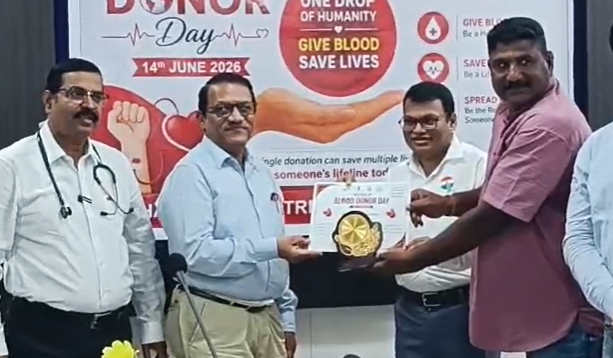
Kotpad/Jeypore: World Blood Donor Day was celebrated at the District Headquarters Hospital in Jeypore with great enthusiasm. The event was attended by the Sub-Collector, the Chief District Medical Officer (CDMO), and other dignitaries, who felicitated voluntary blood donors from different parts of the district for their invaluable contribution to saving lives.
Among those honoured was Tulasi Das Nayak, popularly known as Nini Babu, a prominent blood donor from Kotpad. Young blood donor Rabindra Sahu also participated in the programme and extended his support to the initiative.
Tulasi Das Nayak is widely respected in the Kotpad region for his dedication to voluntary blood donation and humanitarian service. Whenever there is an urgent need for blood, residents often reach out to him for assistance. Over the years, he has actively encouraged and motivated young people to come forward and donate blood, emphasizing that blood donation is one of the noblest acts of service to humanity.
His selfless commitment has inspired many youths in the region to participate in blood donation drives and social welfare activities. Community members praised his efforts, noting that his example has helped create greater awareness about the importance of voluntary blood donation.
The event concluded with a renewed appeal to citizens, especially the younger generation, to donate blood regularly and contribute towards saving lives in times of medical emergencies.
18, Jun 2026
The Importance of Pregnancy Pillows and Quality Sleep During Pregnancy
Pregnancy is a remarkable journey that brings significant physical and emotional changes to a woman’s body. As the baby grows, maintaining a comfortable sleeping position becomes increasingly challenging. Many expectant mothers experience sleep disturbances caused by back pain, hip discomfort, frequent urination, heartburn, and the growing weight of the baby bump. This is where pregnancy pillows play a vital role in promoting better sleep and overall well-being.
Why Sleep Matters During Pregnancy
Quality sleep is essential throughout pregnancy. During sleep, the body undergoes important restorative processes that support both maternal health and fetal development. Adequate rest helps regulate hormones, strengthen the immune system, improve mood, and reduce stress levels.
Research has shown that poor sleep during pregnancy may be linked to increased risks of gestational hypertension, prolonged labor, and postpartum fatigue. Sleep deprivation can also affect mental health, leading to increased anxiety and emotional stress.
Common Sleep Challenges During Pregnancy
As pregnancy progresses, women often face several sleep-related challenges, including:
-
Lower back and pelvic pain
-
Hip and joint discomfort
-
Frequent bathroom visits
-
Heartburn and indigestion
-
Leg cramps
-
Difficulty finding a comfortable sleeping position
-
Anxiety and stress about childbirth
These issues become more pronounced during the second and third trimesters, making supportive sleep solutions increasingly important.
What Is a Pregnancy Pillow?
A pregnancy pillow is specially designed to support the changing contours of a pregnant woman’s body. Unlike standard pillows, pregnancy pillows provide targeted support to the belly, back, hips, knees, and neck, helping maintain proper spinal alignment and reducing pressure points.
These pillows come in various shapes, including U-shaped, C-shaped, J-shaped, and wedge pillows, each offering different levels of support depending on individual needs.
Benefits of Using a Pregnancy Pillow
1. Improved Sleep Quality
Pregnancy pillows help women find a comfortable sleeping position more easily, reducing tossing and turning throughout the night. Better support often leads to deeper and more restful sleep.
2. Reduced Back and Hip Pain
By supporting the abdomen and aligning the spine, pregnancy pillows help alleviate strain on the lower back, hips, and pelvis. This can significantly reduce discomfort, especially during the later stages of pregnancy.
3. Enhanced Blood Circulation
Healthcare professionals often recommend sleeping on the left side during pregnancy. Pregnancy pillows make it easier to maintain this position, promoting optimal blood flow to the uterus, placenta, and baby.
4. Better Support for the Growing Belly
As the baby grows, the abdomen places additional strain on muscles and ligaments. Pregnancy pillows gently support the bump, reducing tension and improving comfort.
5. Reduced Pressure on Joints
Positioning the pillow between the knees and along the body helps distribute weight evenly, reducing pressure on the hips, knees, and joints.
6. Comfort Beyond Pregnancy
Many pregnancy pillows continue to be useful after childbirth. They can provide support during breastfeeding, postpartum recovery, and even general relaxation.
Why Side Sleeping Is Recommended
Medical experts generally recommend sleeping on the left side during pregnancy, particularly after the first trimester. This position helps improve blood circulation and reduces pressure on major blood vessels.
Benefits of left-side sleeping include:
-
Improved blood flow to the baby
-
Better kidney function
-
Reduced swelling in the feet and ankles
-
Improved oxygen and nutrient delivery to the fetus
Pregnancy pillows make maintaining this position easier and more comfortable throughout the night.
Types of Pregnancy Pillows
U-Shaped Pillow
Provides full-body support for the head, neck, back, belly, and legs. Ideal for women who frequently change positions during sleep.
C-Shaped Pillow
Offers support to the head, back, belly, and knees while taking up less bed space than U-shaped designs.
J-Shaped Pillow
Supports the head and body while offering targeted belly support. Suitable for side sleepers seeking a more compact option.
Wedge Pillow
A smaller pillow designed to support specific areas such as the belly or lower back. It is portable and travel-friendly.
Tips for Better Pregnancy Sleep
In addition to using a pregnancy pillow, expectant mothers can improve sleep quality by:
-
Maintaining a consistent sleep schedule
-
Sleeping on the left side whenever possible
-
Avoiding caffeine late in the day
-
Keeping the bedroom cool, dark, and quiet
-
Engaging in light physical activity with medical approval
-
Following a relaxing bedtime routine
-
Limiting screen time before bed
Conclusion
A good night’s sleep is one of the most valuable gifts an expectant mother can give herself and her growing baby. Pregnancy pillows are more than just comfort accessories—they are practical tools that help reduce pain, improve sleep quality, support healthy circulation, and promote overall maternal well-being.
As pregnancy advances and physical changes become more noticeable, investing in a quality pregnancy pillow can make a significant difference in comfort and rest. Better sleep contributes to a healthier pregnancy, improved energy levels, and a more positive experience for both mother and baby.
18, Jun 2026
42-year-old Man from London Travels 8,000 Kilometres to Bengaluru for Affordable, Advanced Dental Care
Bangalore, June 18: Happiest Pearls Dental Clinic has successfully treated 42-year-old John Miller from London, who travelled to Bengaluru seeking affordable, high-quality care for a complex dental condition involving cysts around his upper front teeth that had weakened the surrounding bone and affected his oral health. Under the care of Dr. Samuel Shadrack Surender, Deputy Director, Happiest Pearls he underwent a six-week treatment journey involving cyst removal, bone grafting, root canal treatment and dental restoration, helping him regain normal oral function and return home with renewed confidence.
For John, the decision to travel thousands of kilometres from the UK to India was driven by the need for specialised treatment that combined clinical expertise, advanced technology and affordability. After exploring various options, he chose Happiest Pearls for its reputation in handling complex dental and reconstructive cases.
When he arrived at the clinic, doctors diagnosed cysts around his upper front teeth that had weakened the surrounding jawbone. The treatment was carefully planned in stages and involved removal of the cysts, bone grafting using bovine bone material to strengthen the affected area, root canal treatment to eliminate infection, and restoration of the teeth with custom-made zirconia crowns. The treatment helped restore both function and aesthetics while preserving the natural teeth.
Over the course of approximately one-and-a-half months, the treatment progressed successfully with a focus on comfort, long-term stability and restoring his quality of life. Today, he is able to eat, speak and carry out everyday activities comfortably, something that had become increasingly challenging before treatment.
Dr. Samuel Shadrack Surender,Deputy Director, Happiest Pearls said
“This was a complex case that required careful planning and a multidisciplinary approach. Our objective was not only to treat the cyst but also to rebuild the jaw and restore normal function. Seeing a patient return to their daily life with confidence is always the most rewarding outcome.”
Sharing his experience, John Miller said,
“Travelling from London to Bengaluru for treatment was a big decision, but it proved to be the right one. The care and support I received at Happiest Pearls were exceptional throughout my treatment journey. Today, I can eat, speak and smile comfortably again, and I am incredibly grateful to Dr. Samuel for his expertise and care. I also thank Dr. Sarah Isaac for the cleaning and whitening procedures, and the nursing team for their constant support and compassion throughout the treatment.”
At Happiest Pearls Dental Clinic, the team remains committed to making advanced, patient-friendly dental care accessible across age groups, with a strong focus on comfort, dignity and quality of life. Through personalised treatment approaches and minimally invasive techniques, the clinic aims to help patients of all ages smile, eat and live with greater confidence.Top of Form
18, Jun 2026
Jan Aushadhi Kendras Cross 19,200 Mark Nationwide, Expanding Affordable Healthcare Access
New Delhi, June 18: The number of Pradhan Mantri Bhartiya Janaushadhi Kendras (PMBJKs) has increased to over 19,200 across the country, rising sharply from just 84 in 2014, the Government of India said on Wednesday.
The expansion reflects a significant scale-up of the affordable healthcare initiative aimed at improving access to quality generic medicines for citizens at lower costs.
Officials said the Jan Aushadhi scheme is designed to reduce out-of-pocket healthcare expenditure by providing medicines at prices significantly lower than branded alternatives while maintaining quality standards approved by regulatory authorities.
The scheme has expanded its reach across urban and rural areas, including remote and underserved regions, ensuring wider availability of essential medicines through dedicated retail outlets.
Health officials noted that the growth in Kendras has contributed to increasing awareness and acceptance of generic medicines among patients, helping to improve affordability in healthcare delivery.
The government reiterated its commitment to further strengthening the network of Jan Aushadhi Kendras to ensure that essential medicines remain accessible and affordable to all sections of society.
16, Jun 2026
Doctors at Manipal Hospital Kharadi Save 1.5-Month-Old Infant After Emergency Removal of Open Hairpin
Pune, June 16: Doctors at Manipal Hospital Kharadi successfully removed an open hairpin from the digestive tract of a 1.5–month–old baby boy through an emergency endoscopic procedure, preventing a potentially serious complication.
The infant was brought to the hospital nearly two hours after accidentally ingesting a hairpin while at home. An immediate X-ray of the abdomen revealed that the hairpin had reached the distal stomach or proximal small intestine. The case was considered a medical emergency as the hairpin was open, increasing the risk of perforation of the stomach or small intestine.
The hairpin was successfully retrieved using specialized tooth forceps without causing any injury to the digestive tract.
Speaking about the case, Dr Aditya Borawake, Consultant – Gastroenterologist, Manipal Hospital Kharadi, Pune, said, “Considering the critical nature of the case, we decided to perform an emergency endoscopy. During the procedure, the foreign body could not be located up to the second part of the duodenum (D2), which is the usual extent of a routine gastroscopy. We carefully advanced further into the small intestine and eventually located the open hairpin deep in the fourth part of the duodenum (D4).”
Further he added, “Foreign body ingestion in infants can become a medical emergency, especially when the object is sharp or pointed. In this case, the hairpin was open, which significantly increased the risk of intestinal perforation. The procedure was particularly challenging because the foreign body had migrated deep into the duodenum, beyond the usual reach of routine endoscopy. Timely intervention helped us remove the object safely before any complications could occur.”
Following the procedure, the baby remained stable and was started on oral feeds after four hours. He tolerated the feeds well and was discharged the following day in good condition.
Dr Amit Mane, Director, Manipal Hospitals, Pune, said, “This case highlights the importance of seeking immediate medical attention when a child accidentally ingests a foreign object. The successful removal of an open hairpin from such a young infant reflects the expertise of our clinical team and our readiness to handle complex emergencies with advanced minimally invasive procedures. At Manipal Hospitals, we remain committed to delivering timely and specialized care to patients of all age groups.”
The baby recovered well without any complications and continues to do well on follow-up.
12, Jun 2026
Antibody May Improve Treatment Response in Lung Cancer
DALLAS June 12: An experimental antibody treatment that binds to a protein known as PCDH7 shrank tumors in preclinical models of non-small cell lung cancer (NSCLC), even those resistant to a targeted therapy, a study led by UT Southwestern Medical Center researchers showed. The findings, published in Science Advances, could eventually lead to a new class of drugs to treat NSCLC and potentially other cancers.
“Overcoming resistance to molecularly targeted therapies is a critical unmet need for lung cancer patients. We are excited that these antibodies may open another therapeutic avenue for lung cancer, especially for patients whose cancers have become resistant to KRAS inhibitors,” said Kathryn O’Donnell, Ph.D., Associate Professor of Molecular Biology and a member of the Harold C. Simmons Comprehensive Cancer Center at UT Southwestern. Dr. O’Donnell co-led the study with first author Nicole Novaresi, Ph.D., a postdoctoral researcher in the O’Donnell Lab, and collaborators at the University of Texas Health Science Center at Houston.
NSCLC accounts for about 85% of lung cancer cases in the U.S. and is the leading cause of cancer-related deaths. The O’Donnell Lab focuses on identifying and characterizing proteins on the surface of NSCLC and other cancer cells due to their potential as therapeutic targets. In 2017, Dr. O’Donnell and her colleagues identified PCDH7 as a driver of NSCLC, especially in tumors with mutations in a gene called KRAS. Found in about 25% of NSCLC cases, these mutations cause uncontrolled cell proliferation that propels tumor growth.
In 2024, the Food and Drug Administration approved a drug called adagrasib, which targets NSCLC with KRAS mutations. However, patients inevitably developed resistance to this treatment over time, leaving them with few therapeutic options.
Searching for a new way to attack NSCLC, Dr. O’Donnell’s group collaborated with Zhiqiang An, Ph.D., and Ningyan Zhang, Ph.D., at the University of Texas Health Science Center to develop antibodies that target PCDH7. The teams then worked closely to characterize and functionally evaluate them. Starting with hundreds of antibody candidates, the researchers narrowed their focus to an antibody called mAb7 that bound strongly to PCDH7, reduced intracellular signaling and proliferation in NSCLC cells, and eventually caused the cancer cells to die.
When the scientists treated mice growing KRAS-mutant NSCLC tumors with mAb7, the tumors shrank significantly. This effect was enhanced when mAb7 was delivered with a drug called trametinib, which targets MAPK/ERK enzymes in the cancer-promoting RAS pathway. This treatment also sensitized the KRAS-mutant NSCLC tumors to adagrasib, causing an effect that reduced tumor size significantly more than mAb7 or adagrasib alone. The team also found that PCDH7 was upregulated in tumors that eventually developed resistance to adagrasib and that mAb7 reduced the growth of those drug-resistant tumors.
To get a sense of whether this strategy might work in patients, the researchers tested mAb7 on mice engineered to have human immune systems. A closer look showed that the antibodies brought immune cells to the human tumor cells and effectively eliminated the cancer cells.
These novel antibodies will require significant testing before use in patients, Dr. Novaresi said. But eventually, they may be used alone or in combination with adagrasib or other emerging targeted cancer therapies. Enhancing them by attaching chemotherapy drugs or by engaging immune cells could help the antibodies fight NSCLC even more effectively. She added that mAb7 may also have potential for treating additional cancers that produce PCDH7 on their cell surfaces, including pancreatic cancer, melanoma, and prostate cancer.
Other UTSW researchers who contributed to this study are John Minna, M.D., Director of the Hamon Center for Therapeutic Oncology Research, Professor of Internal Medicine and Pharmacology, and co-leader of the Experimental Therapeutics Research Program at Simmons Cancer Center; Chul Ahn, Ph.D., Professor of Health Data Science and Biostatistics and a member of the Population Science and Cancer Control Research Program at Simmons Cancer Center; and Shayna Thomas-Jardin, Ph.D., a postdoctoral researcher in the O’Donnell Lab.
Dr. O’Donnell is co-leader of the Development and Cancer Research Program in the Simmons Cancer Center.
This study was funded by grants from the National Cancer Institute (NCI) (R01 CA207763 and P50CA70907), the Cancer Prevention and Research Institute of Texas (RP250391, RP190610, RP200327, RP250572, RP260660, and RP210041), The Welch Foundation (I-1881), the V Foundation, the Department of Defense (LC190249), the American Lung Association (LCD 1421064), and the NCI Cancer Center Support Grant (P30CA142543).
Dr. O’Donnell is a scientific co-founder and adviser of ProtomAb Therapeutics Inc., a company created to continue this work. The University of Texas System has filed a provisional patent application on the PCDH7 antibodies for cancer care.
12, Jun 2026
Center for Vein Restoration fellowship program graduates seven physicians, expanding the next generation of venous and lymphatic medicine specialists
GREENBELT, Md. — Center for Vein Restoration (CVR) announced the graduation of seven physicians from its accredited Venous & Lymphatic Medicine Fellowship Program for the 2025–2026 academic year, marking another milestone in the organization’s effort to expand access to specialized vein care across the United States.
The graduating fellows are:
- Dr. Rohit Martha
- Dr. Rami Ali
- Dr. Caroly Guillen Aguirre
- Dr. Madeleine Pfleger
- Dr. Mohamed Riazuddin
- Dr. Darius Rutazaana
- Dr. Sun Yoo
“The need for highly trained venous and lymphatic medicine specialists continues to grow, and our fellowship program plays an important role in developing the next generation of leaders in the field,” said Dr. Peter J. Pappas, the program director of CVR’s Venous and Lymphatic Medicine Fellowship. “We are proud of this year’s graduating class and the commitment they have shown to advancing patient care.”
CVR’s 12-month fellowship provides advanced clinical and procedural training in the diagnosis and treatment of chronic venous and lymphatic disorders. Accredited by the American Board of Venous and Lymphatic Medicine (ABVLM), the program equips board-certified physicians from a variety of medical specialties with the expertise needed to address a growing patient population affected by vein disease.
Since welcoming its first fellow in 2017, CVR has steadily expanded the program in response to increasing demand for specialized vein treatment. What began as a single-fellow program has grown to nine fellowship positions, with an additional eight physicians scheduled to begin training in July 2026.
Throughout the fellowship, physicians complete intensive rotations focused on venous ultrasound, ultrasound-guided sclerotherapy, endovenous ablation procedures, ambulatory phlebectomy and other advanced treatment techniques. Fellows gain extensive hands-on experience while working alongside experienced vein specialists in clinical settings across the country.
The newly graduated physicians join a growing network of fellowship alumni who are helping increase patient access to specialized venous and lymphatic care at CVR and nationwide.
Applications are currently being accepted for future fellowship classes.
For more information about the Center for Vein Restoration Fellowship Program, visit centerforvein.com.


