



20, Jun 2025
Pristyn Care’s Triple Launch Catapults Network to Eight Hospitals, Marks Entry into South India
New Delhi, 20th June 2025 — With a vision to fix India’s fragmented patient journey, Pristyn Care is redefining what healthcare should feel like—personal, dignified, and seamless. Today, the company surges beyond its Delhi roots, unveiling three new hospitals in Gurgaon, Hyderabad, and Kochi simultaneously.

This expansion lifts Pristyn Care’s hospital network to eight facilities—just four months after the launch of its first own hospital. The combined clinical estate now spans 200,000 sq ft and houses 400 beds, 20+ modular operating theatres, and more than 50 ICU bays, backed by 550+ doctors, nurses, and allied professionals.
Pristyn Care has already engineered a unified digital backbone—electronic medical records, real-time protocol alerts, seamless insurance rails, one-tap cashless approvals, express-discharge tooling, and 45-minute automated labs. Integration teams are now mapping each new hospital’s existing systems to this platform so that, over the coming months, they will evolve into fully fledged smart facilities where clinicians spend less time on logistics and more time at the bedside.
Dr Vaibhav Kapoor, Co-founder at Pristyn Care, said, “We’re not starting from scratch; the technology is built and live. Our next task is to weave it into every new hospital so patients experience shorter waits, clearer communication, and truly joined-up care.”
Dr Garima Sawhney, Co-founder Co-founder at Pristyn Care, “Whether in a Tier-I metro or a Tier-II city, patients can count on the same promise—minimally invasive treatments and a digitally integrated journey that prioritises healing.”
City-Specific Highlights:
Gurgaon: Strengthens neonatal and women’s health capabilities across NCR. With this launch, Pristyn Care now operates six hospitals across the NCR region.
Hyderabad: Introduces computer-navigated joint replacements and 24×7 trauma care
Kochi: Offers advanced emergency medicine and a riverside rehab wing, eliminating the need for Kerala-based patients to travel to metro cities
These three new hospitals together add approximately 90,000 sq ft of space
The company’s first Delhi hospital reached double-digit profitability within eight weeks, a feat rare in an industry where breakeven typically takes 12–24 months. Net Promoter Scores have climbed by 10 points, underscoring patient appreciation for Pristyn Care’s tech-enabled approach.
These milestones fuel a broader mission: bringing high-quality secondary care deeper into Tier-II and Tier-III towns. On the strength of early results, Pristyn Care remains on track to operate 50 hospitals by FY 2028, with the next wave headed to Mumbai, Bengaluru, and Pune.
- 0
- By Neel Achary

20, Jun 2025
This International Yoga Day, Come Home to Yourself at Swastik’s Transformational Yoga Retreat
20th June 2025 – In a world of constant motion, this yoga day, Swastik Wellbeing Sanctuary echoes the call to pause, breathe, and reconnect. Nestled in the serene embrace of Pune’s Peacock Valley, Swastik announces a soul-nourishing 4-day yoga programme, From Asanas to Awareness – Yoga Comes Alive at Swastik. Honouring the International Yoga Day, this immersive experience from June 20 to 23, 2025, blends ancient yogic wisdom with modern practices to align body, mind, and spirit.
Led by expert yoga teachers and holistic therapists, the programme is thoughtfully designed to guide seekers through dedicated daily themes: Ground and Begin, Flow and Expand, Restore and Reflect. The four-day programme will include special sessions like Ariel Yoga, 108 Surya Namaskars, Yoga Nidra, and a talk on Yoga for Holistic Health. From Hatha Yoga, Aqua Yoga, and Breathwork to Resonance Therapy, Pranic Energisation, and Sonorium Meditations, each experience is designed to deepen seekers presence and elevate awareness.
At the core of the experience stands Dhyan Vihar-the calming dome and inner refuge of Swastik-where quiet meets purpose. Ringed by Nakshatra Van, a star-sign garden, it creates a vibrant, charged space for honest self-reflection and meshes body and mind with nature’s natural beat.
This one-of-a-kind yoga celebration is more than just a physical practice. It’s an invitation to soften, stretch, and surrender. To rise not just in posture but in presence. With a conscious blend of community, stillness, and connection, seekers will leave feeling balanced, replenished, and aligned with their inner rhythm.
20, Jun 2025
Understanding neurological disorders

Dr. Sreekanta Swamy, Lead Senior Consultant – Neurology, Aster RV Hospital
Neurological disorders are among the most disabling illnesses all over the world. Alzheimer’s disease and Parkinson’s disease are the two top disorders among them. Parkinson’s, disease is a brain disorder, seen in elderly population. For every thousand people over 60 years one may get Parkinson’s disease. It is grouped under the umbrella of neurological disorders called movement disorders, because it mainly affects the movements of the body due to impairment of nerve cells in the brain which produces hormone called dopamine that controls the movements of our body. It is important for the general public as well as the sufferers and their care givers to be aware of the symptoms and newer development in diagnosis and management of this disorder. Every year on April 11 world Parkinson’s day is observed to create awareness and educate people about this disorder.it is important to educate people because this is the second most rapidly increasing neurodegenerative, progressive brain disease all over the world. It results in progressive disability in the affected person and puts a huge economic burden on the family and society.
Nearly 11.5 million people are living with Parkinson’s disease in the world. It is expected to increase many folds by 2040 as the elderly population increases. It is seen commonly around the age of 60 yrs, even though small percentage of patients are diagnosed at a young age, as the age advances the number of affected people also increases till around 85 years of age. Age is the single most risk factor to develop Parkinson’s disease, many other factors like exposure to pesticides and other chemicals, environmental pollution are also implicated. Males are affected twice than females. A small percentage can be hereditary. The disease may go unnoticed for a few years before the actual diagnosis can be done, as it usually evolves and progresses slowly. The symptoms may start to appear when more than 50% of dopamine secretion is reduced. Sometimes few general symptoms may start many years before the actual symptoms of Parkinson’s disease starts, example-patient may have chronic constipation, disorder of smell and sleep abnormalities.
Most common symptoms of Parkinson’s disease are:
- Most commonly the initial symptoms are shaking (tremors) of the hands, which occurs when they are resting, less commonly, tremors of lip and toes may be observed
- Rigidity or tightness- people feel the body is stiff, and they must put efforts to move
- Bradykinesia or slowness- all movement of body may become gradually slow, rarely the thinking process and response also- most often this is dumped as due to old age
- Inability to maintain balance or postural instability-person tends to lose balance while walking or tends to fall.
All these symptoms slowly progress over months to years, many other symptoms may add on over time, like forgetfulness, low volume speech, difficulty speaking, behavioral changes, abnormal sleep pattern, change is the walking style, stooped posture etc. Diagnosis is mainly by clinical examination of patients, Sometimes DAT scan, MRI scan may help Most Parkinson’s disease is due to unknown cause (Idiopathic) where after extensive investigation, cause may not be identifiable. Many other disorders of the brain can mimic like Parkinson’s disease which needs to be identified. And these may not respond to treatment satisfactorily. It is very important to investigate and identify if there are any secondary causes. As far as the treatment is concerned, even though this disease was described more than 200 years ago, so far there is no permanent cure. It requires a multidisciplinary approach which includes Neurologist, neurosurgeons, psychiatrist, and good rehabilitation team. Whatever treatments are available will help to control the symptoms and try to give good quality life to the patient Both drug treatment and surgical treatments are available.
20, Jun 2025
Rural Healthcare Needs People, Not Just Infrastructure
Bridging the Human Gap in Rural Healthcare: Why India’s Next Health Investment Must Be in People, Not Just Infrastructure
New Delhi, 20 June, 2025 – Despite rapid infrastructure development across rural India, one critical gap continues to undermine progress in public health: the absence of a robust rural healthcare workforce. While nearly 65% of India’s population lives in rural areas, these regions have access to only a fraction of the country’s physicians—often just 3 per 10,000 people, compared to 13 in urban zones.
Real change begins not with more infrastructure, but with investing in people. Without trained doctors, nurses, and frontline health workers embedded within rural communities, even the best-equipped facilities cannot deliver meaningful health outcomes. It’s time to shift the focus from simply building hospitals to building a resilient, motivated, and well-supported rural healthcare workforce.
The problem starts early. Only 132 of India’s 480 rural districts have medical colleges, limiting access to education for rural youth. And even when rural students train in urban centres, few return—citing poor infrastructure, limited opportunities, and lack of support. This results in critical service gaps, from maternal health to emergency care.
There is an urgent need for a comprehensive roadmap to address the rural healthcare workforce crisis. Key solutions include expanding localised training and medical education, offering scholarships to students from rural areas, and creating meaningful career development incentives that make rural service both viable and rewarding. Equally critical is the need to strengthen public-private partnerships to scale these efforts effectively. The roadmap also underscores the importance of empowering community health workers—like ASHAs and ANMs—by providing them with better training, tools, and the respect they deserve, recognising their pivotal role as trusted health anchors within their communities.
“Healthcare in rural India can’t be fixed by infrastructure alone—it needs people. By investing in local talent and making rural service both meaningful and sustainable, we can create a healthcare system that truly reaches every corner of the country,” said Dr Sunil Khetrapal, Director- AHPI. “This is not just a healthcare challenge, it’s a nation-building opportunity.”
The message is clear: if India wants to build a healthier, more equitable Bharat, it must prioritise the people who care for it. That means rethinking how rural health professionals are trained, supported, and empowered—so no one is left behind because of where they live.
20, Jun 2025
Leading the Change: 4 Platforms Revolutionizing India’s Dental Industry
India’s dental industry is evolving rapidly, driven by growing demand, increased awareness of oral health, and the need for streamlined access to quality supplies. In this changing landscape, a new league of platforms is stepping up, transforming how dental professionals discover, purchase, and manage essential products and services. These platforms are bridging the gap between manufacturers and clinics, bringing affordability, convenience, and nationwide reach to a once fragmented supply chain. Whether you’re running a well established practice or just setting up your first chair, these companies are making daental procurement faster, easier, and more reliable than ever before.
Here’s a look at four key platforms that are leading the charge and revolutionizing India’s dental ecosystem.
Dentalkart
Dentalkart is India’s leading online destination for dental supplies and the most recognized name in the country’s dental e-commerce space. Founded in 2016 and now listed on the NSE, Dentalkart offers an extensive range of over 20,000 products across 700 categories, sourced directly from more than 500 manufacturers. Whether you’re looking for consumables, instruments, or equipment, Dentalkart provides competitive pricing, and a seamless ordering experience. Its user-friendly interface, fast delivery network that reaches even remote areas, and responsive customer support have made it the trusted choice for hundreds of thousands of dentists across India. Committed to creating the most dependable and accessible dental marketplace in the country, Dentalkart continues to set the benchmark for e-commerce in the dental industry.
PinkBlue
PinkBlue positions itself as more than just a marketplace; it is a tech-enabled ecosystem for dental practices. Known for features like inventory tracking, real-time stock visibility, and seamless integration with clinic management software, PinkBlue helps automate supply chain operations. Clinics can even subscribe for recurring deliveries, ensuring they never run out of essential items. It’s ideal for medium to large clinics looking to improve operational efficiency through digital tools.
Dental Avenue
Dental Avenue caters to dentists who focus on high-end, specialist procedures. As a distributor for international brands such as Septodont and Ivoclar Vivadent, Dental Avenue emphasizes quality over quantity. The platform is especially strong in categories like endodontics, implants, and prosthodontics. With dedicated B2B support and a more curated catalog, it’s well-suited for specialists and premium dental clinics that demand top-tier products and service.
ToothKart
ToothKart is gaining attention as a fast-growing online dental store with a strong presence in Tier 2 and Tier 3 cities. It focuses on delivering competitively priced dental supplies without compromising quality. Their platform is beginner-friendly and often features promotions targeted at dental students and newly established clinics. As they continue to expand their product range, ToothKart is becoming a popular choice for price-sensitive professionals and those just starting out.
19, Jun 2025
World Kidney Cancer Day: Early Detection Vital as Kidney Disease Rises Globally
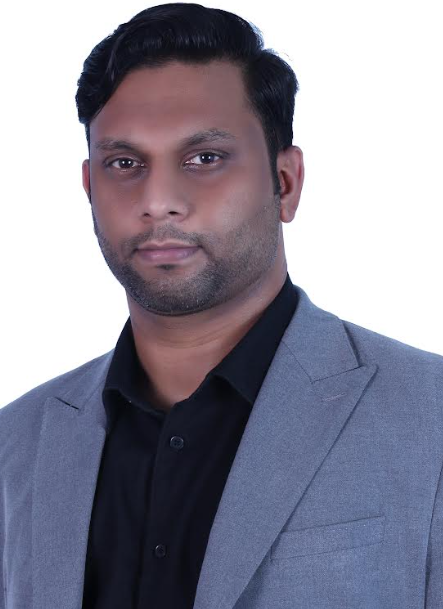
“On World Kidney Cancer Day, we recognize the growing challenge of kidney disease worldwide. Studies suggest that by 2040, chronic kidney disease could become the fifth leading cause of years of life lost. Too often, those at high risk—such as people with diabetes, hypertension, obesity, or a family history hesitate to get screened due to lack of access and awareness. Early warning signs like fatigue, swelling, muscle cramps, or changes in urination should never be ignored, as they can signal kidney cancer or chronic disease, which may progress to kidney failure.Treatments for advanced kidney disease, including surgeries and transplants, remain unaffordable for many. That’s why early detection is so vital. With advances in AI-powered diagnostics, we can now spot risks sooner and improve outcomes.”
19, Jun 2025
Three-Year Cancer Remissions Mark Milestone for CAR T-Cell Therapy at Narayana Health City
Bengaluru, India 19th June, 2025 – In a landmark development for cancer care in India, two patients treated with CAR T-cell therapy for relapsed follicular lymphoma at Narayana Health City, Bengaluru, have completed three years of successful follow-up—making this one of the longest documented survivals post-CAR T therapy in South India.

Chimeric Antigen Receptor T-cell (CAR T) therapy, a cutting-edge immunotherapy, has become a beacon of hope for patients with relapsed or treatment-resistant lymphoma. India now produces CAR T therapy domestically, with two CDSCO-approved products—NEXCAR19 and QARTEMI—making this life-saving treatment more accessible and affordable.
Ms. Perumala (name changed), a 66-year-old homemaker, relapsed with aggressive lymphoma in 2022 and underwent CAR T therapy in March 2023. She has since been in complete remission and is now enjoying quality time with her grandchildren.
Among the long-term survivors is Mr. Rehan (name changed), a 43-year-old from Bengaluru who was diagnosed during the COVID-19 pandemic. After exhausting all conventional therapies, he received CAR T therapy in November 2022. Despite multiple setbacks, including a severe COVID-19 infection and swine flu during his Hajj pilgrimage, he is now in remission and in his third year of follow-up.
India witnesses over 1.4 million new cancer cases annually, with lymphomas accounting for a significant burden among haematological malignancies. While conventional treatments help many patients, relapsed or treatment-resistant cases often have poor survival outcomes. The five-year survival rate for such patients can be as low as 20–30%.
The successful outcomes seen with CAR T-cell therapy, particularly with India’s CDSCO-approved versions like NEXCAR19 and QARTEMI which mark a pivotal opportunity to bridge the survival gap in advanced cancer care. If scaled effectively, this therapy could transform India’s cancer treatment landscape, reducing dependence on overseas options and significantly improving long-term survival rates.
“These cases reflect the transformative potential of CAR T therapy for patients who have exhausted all other options. With this therapy now approved by the Drug Controller General of India (DCGI) and commercially available, Indian patients no longer need to look abroad for advanced treatment,” said Dr. Sharat Damodar, Senior Consultant, Haematologist and Head of Adult BMT at Narayana Health City, Bengaluru and Chairman of the Oncology Collegium at Narayana Health.
The encouraging outcomes observed at Narayana Health City reaffirm the efficacy of CAR T therapy and represent a significant milestone in India’s journey toward advanced cancer care.
“At Narayana Health, we have always believed that the best of global innovation must be made accessible to every Indian. As one of the early pioneers in cancer care and CAR T-cell therapy in the country, we remain committed to staying ahead of the curve with cutting-edge treatments that offer new hope to patients. Our journey is driven by a single purpose — to make world-class care affordable and available to all,” said Dr Devi Prasad Shetty, Chairman and Founder of Narayana Health, Bengaluru.
19, Jun 2025
Habuild hits the 1 crore milestone as more Indians commit to daily healthy habits
Chennai: Habuild, India’s first habit building platform, has crossed a significant milestone by building a wellness-first community of over 1 crore members across the country. With this achievement, now 1 in every 140 Indians is now a part of Habuild, underscoring the platform’s growing influence in making holistic wellness accessible, inclusive, and routine.

What began as a simple yet powerful idea to make people fall in love with consistency has now evolved into one of India’s largest digital wellness communities. From 1000 users in 2022 to 1 crore in 2025, Habuild’s journey is rooted in creating daily discipline around yoga, mindfulness, and healthy habits, without preaching perfection or pushing unrealistic goals.
Commenting on the milestone, Saurabh Bothra, Co-founder of Habuild , said, “We are deeply humbled and inspired to see over 1 crore Indians committing to better health through daily habits. Our goal was never just numbers, it was to build a movement where wellness is accessible, inclusive, and rooted in discipline rather than motivation. I started Habuild for my mom but even after 1 Crore+ people joining us, this is just the beginning.”
Habuild’s approach offering live yoga sessions, habit challenges, and expert-led conversations continues to resonate with diverse age groups, professionals, homemakers, and first-time wellness seekers. With the platform reaching users in Tier 1 to Tier 4 cities, its philosophy of “doing over planning” is creating tangible shifts in how India engages with health. “We have seen everyone from a 3 year old to a 91 year old attend our session,” added Bothra.
As International Yoga Day approaches, Habuild aims to further amplify this momentum with community initiatives, social impact initiatives, and a call to adopt yoga not as a one-day event, but as a lifetime practice.
19, Jun 2025
MGM Healthcare Performs Rare Skull Base Surgery on 1-Year-Old
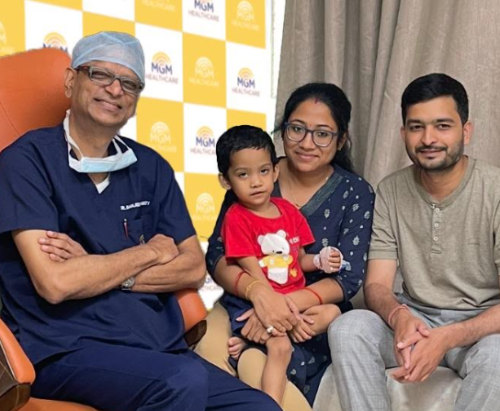
Chennai, 19th June, 2025: MGM Healthcare successfully performed a Transnasal Endoscopic Repair of Cerebrospinal Fluid (CSF) Leak from a herniated brain inside nose with Skull Base Defect Reconstruction on a one-year-old child from Odisha. , marking a rare and complex intervention in pediatric endoscopic skull base surgery. This surgery was done using duragen, a collagen-based biomaterial, instead of a traditional autograft. The surgery was uneventful, the patient was discharged 48 hours post-surgery.
Cerebrospinal fluid (CSF) leakage occurs when there is a defect or tear in the protective membranes surrounding the brain and spinal cord, allowing the clear, cushioning fluid to escape from its normal pathways. When such a leak occurs at the skull base, it can lead to nasal discharge, recurrent infections, and breathing difficulties.The presence of congenital meningomyocele inside the nasal cavity proved to be the biggest surgical challenge . The condition is extremely rare, occurring in approximately 1 in 10,000 cases.
In this case, the child had been experiencing multiple episodes of brain fever, persistent CSF leakage and complete nasal blockage for nearly six months, due to a congenital skull base defect. This is a rare condition where the base of the skull does not fully develop during the growth period. If left untreated may lead to life-threatening complications due to the exposure of prolapsed meninges herniating into the nasal cavities from above. It was left undiagnosed and untreated till the pertinent investigations clinched the diagnosis. In the earlier visits to the hospitals, the baby was treated conservatively in the hope that mouth breathing would abate as the age progresses.Finally , a proper evaluation led to the diagnosis of this clinical entity.
The intra operative innovation using collagen based artificial dura eliminated the requirement for a secondary surgical site, thereby reducing surgical invasiveness, an important consideration in pediatric surgical care. In such an underweight child, especially , during the growth phase , it’s important to preserve the existing anatomy to the extent possible.
Prof. Dr. Sanjeev Mohanty, Senior Consultant and Head of the Department, Institute of ENT, MGM Healthcare said, “Navigating through a narrow transnasal route in a one-year-old child with such a high-risk skull base defect is always a surgical challenge. This case reinforces the importance of early diagnosis and timely intervention. Open surgical approaches in such cases can be highly morbid. However, by employing the endoscopic technique along with advanced biomaterials, we were able to minimize scarring, ensure faster recovery, and reduce the overall surgical burden on the child.”
Using advanced high-definition endoscopic imaging technology, Dr. Mohanty and his team successfully navigated the infant’s extremely narrow nasal passage to locate and repair the skull base defect with high precision.
This case also underscores the value of cadaveric dissection-based training and continual upskilling in endoscopic skull base approaches, which enhance surgical precision and enable safer, more effective treatment of rare and complex cases like this one.
19, Jun 2025
Narayana Health Doctors Reattach Severed Foot in Rare Surgery
Bengaluru, 19th June, 2025: In a rare and complex surgical feat, doctors at Narayana Health City, Bengaluru, have successfully reattached the foot of a 23-year-old woman, Pavithra, following a devastating road traffic accident (RTA) that resulted in a traumatic foot-level amputation.
The incident occurred on May 14th, when Pavithra was riding pillion with a family member on a two-wheeler and was involved in a collision that led to the complete severing of her foot. Demonstrating remarkable presence of mind, her family quickly retrieved and preserved the amputated limb in a clean, cool condition and rushed her to Narayana Health City within the critical golden window of six hours.
What followed was an intricate, high-stakes surgical procedure led by Dr. Ravi D R, Consultant Plastic and Reconstructive Surgeon, supported by a specialised trauma and microsurgical team. The surgery, which lasted several hours, involved meticulous repair of crushed bone, arteries, veins, nerves, and tendons to restore the limb’s viability.
“Foot re-implantation surgeries are extremely rare, especially in cases involving severe crush injuries,” said Dr. Ravi. “Most such injuries are considered unfit for reattachment. However, quick-thinking action by the patient’s family, combined with our team’s preparedness, surgical precision, coordinated care, and overall medical excellence, made this extraordinary outcome possible.”
This case is medically significant not only due to the complexity and rarity of foot re-implantation but also because it demonstrates the level of coordinated trauma care that is available in select advanced centres. To the team’s knowledge, this is the first such successful foot re-implantation performed at their unit since 2018.
Pavithra is currently recovering well under close observation, with early signs of success and the initiation of physiotherapy for rehabilitation. Her case underscores the importance of public awareness in post-amputation first aid—prompt transport, proper preservation of the limb, and immediate medical intervention, which can make the difference between permanent disability and functional recovery.


