



15, Feb 2024
NTPC to set up patient-attendant waiting facility at AIIMS under CSR
The country’s largest power generation company, NTPC Ltd has signed an Agreement with All India Institute of Medical Sciences (AIIMS), New Delhi, on 13th February 2024 to set up a “Patient – Attendant Waiting facility/Shelter” in AIIMSThe proposed facility/shelter will facilitate and accommodate approx. 1,000 patients and their attendants every day 24×7. The facility/Shelter will have separate and specific need-based spaces for men, women, and the physically challenged and equipped with CCTVs, drinking water, a centralized pantry hall, etc. This basic facility will provide security, personal safety & protection from the weather and
also helps patients & their escorts to ease stress apart from providing privacy & safety.
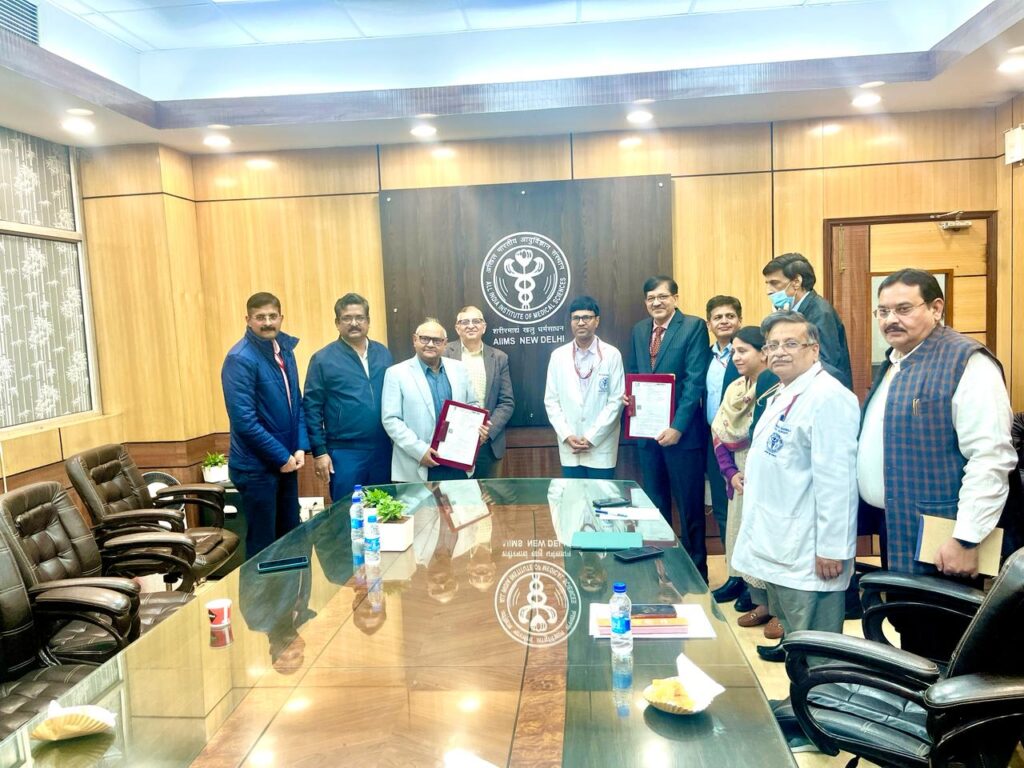
Dr. M Srinivas, Director, on behalf of AIIMS New Delhi, and Shri Upendra Mishra, DGM(CSR), CC on behalf of NTPC signed the agreement in the August presence of Shri Neeraj Kapoor, GM(CSR/R&R/LA), NTPC, Senior Doctors from AIIMS, New Delhi and other staff. This collaboration marks a significant milestone in NTPC‘s Corporate Social Responsibility (CSR)efforts, aiming to enhance healthcare infrastructure and support patient welfare.
- 0
- By Rabindra

15, Feb 2024
Wockhardt Hospitals, Mumbai Central organised Painting Competition on International Epilepsy Day to spread awareness on Epilepsy
Mumbai, February 15, 2024 – Wockhardt Hospital, Mumbai Central, in a commendable effort to raise awareness about epilepsy, organized a vibrant painting competition on the occasion of International Epilepsy Day. The event, held on February 13, 2024, witnessed enthusiastic participation from hospital nurses, doctors, and paramedical staff, who showcased their artistic talents while advocating for epilepsy awareness.
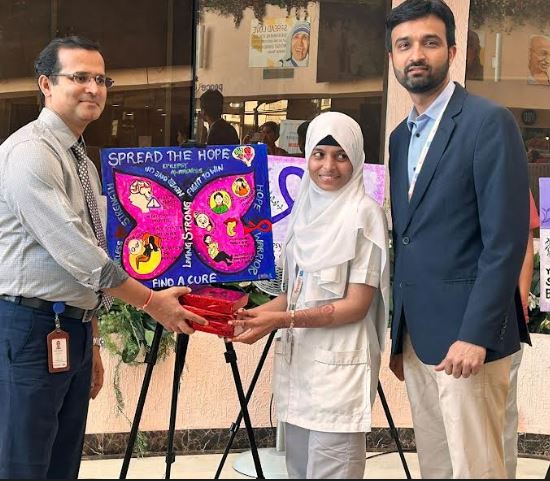
The theme of the competition, “Epilepsy: Breaking Barriers, Inspiring Hope,” aimed to foster understanding and compassion for individuals living with epilepsy, as well as to dispel myths and misconceptions surrounding the condition. Participants were encouraged to express their creativity and insights through their artwork, conveying messages of support, empowerment, and education.
As a neurologist deeply committed to enhancing epilepsy awareness, I am heartened by the remarkable creativity and dedication displayed by our hospital staff in today’s painting competition. Through their artwork, they not only express empathy and solidarity with individuals affected by epilepsy but also contribute significantly to breaking down barriers and fostering understanding. Events like these are essential in our collective effort to create a more inclusive and supportive community for those living with epilepsy.” Said Dr. Prashant Makhija, Consultant Neurologist at Wockhardt Hospitals, Mumbai Central
The competition saw a diverse array of artistic expressions, ranging from poignant portrayals of personal experiences with epilepsy to colorful representations of hope and resilience. Each artwork served as a powerful testament to the creativity and compassion of the hospital staff, as well as their dedication to raising awareness about epilepsy.
The event concluded with an exhibition of the artwork, providing an opportunity for hospital staff and visitors to admire the creativity and passion displayed by the participants. Wockhardt Hospital, Mumbai Central, reaffirmed its commitment to supporting initiatives that promote health education and community engagement, with plans for future events aimed at raising awareness about various health issues.
15, Feb 2024
Ruby Hall Clinic expands Critical Care Services with New ICU
Mumbai/Pune: Ruby Hall Clinic inaugurates its latest addition: a cutting-edge Intensive Care Unit (ICU), further strengthening its position as a leader in critical care medicine. This new facility, featuring 12 beds, including 2 private ones, marks a significant enhancement to the hospital’s existing critical care infrastructure.

The inauguration of the new ICU was made possible through the generous philanthropy of Maharookh and Farrokh N Cooper of Cooper Corporation. The Coopers, esteemed philanthropists, have consistently demonstrated their commitment to healthcare advancement at Ruby Hall Clinic, contributing significantly to various initiatives, from donating ambulances to upgrading the NTU to supporting pediatric cardiac surgeries in underserved populations. In the last four years alone close to 100 children have undergone life-changing cardiac surgeries.
Mr. Farrokh N. Cooper, Chairman and Managing Director, Cooper Corporation Pvt. Ltd said, “I am honored to contribute towards the enhancement of Critical Care Services at Ruby Hall Clinic, Pune. In times of need, it is crucial to strengthen our healthcare infrastructure. My heartfelt appreciation to Ruby Hall Clinic for their unwavering commitment to providing exceptional healthcare. Together, let us strive for a healthier and more resilient community.”
Dr. P.K. Grant, Chairman and Managing Trustee, of Ruby Hall Clinic said, “Ruby Hall Clinic is thankful to have individuals like the Coopers, whose unwavering commitment to philanthropy has left an indelible mark on our institution. Through their diverse and generous contributions, ranging from essential medical equipment to vital support for vulnerable populations, they have transformed the way we deliver care.”
14, Feb 2024
The Revolutionary Effect of Tele-Delivered Training on Reducing PCOS Symptoms
Dr.Jeslin.G.N (PT), Lecturer at Saveetha College of Physiotherapy, Chennai, MPT (Urology and Obstetrics), (PhD) Department of Urology and Obstetrics,
Saveetha College of Physiotherapy, SIMATS, Chennai
Telemedicine has revolutionized the healthcare industry, particularly in treating complex diseases like Polycystic Ovary Syndrome (PCOS). Despite the disease’s uncurable nature, effective management techniques can improve quality of life. Tele-delivered training offers a convenient method for people to control their symptoms from the comfort of their homes, enhancing their quality of life.
Convenience and Accessibility
Programs for tele-delivered training are exceptionally practical and readily available, bypassing both location as well as time limitations. There is no longer a requirement for participants to frequently make trips in person to healthcare institutions since they may get professional assistance and assets remotely. This ease of use guarantees that people receive regular assistance and education wherever they are, which is especially helpful for those with busy schedules or little availability of specialized care.
Individualized Method
The capacity of tele-delivered training to offer individualized support catered to each participant’s particular needs is one of its main advantages. Medical professionals can evaluate each patient’s symptoms, lifestyle, and needs via collaborative meetings and online discussions in order to create customized therapy regimens. Since they feel personally involved in handling their PCOS, participants are more engaged and stick to the treatment thanks to this customized approach.
Knowledge and Self-determination
Tele-delivered learning programs focus on independence and self-management, providing individuals with the necessary information and skills to manage PCOS symptoms. These classes cover stress management, medication management, nutrition, and exercise regimens, promoting informed decision-making and self- management, enhancing overall wellness and achieving better achievements.
Community Assistance
Remote instruction fosters camaraderie among individuals facing similar challenges, promoting interaction and support through social media networks, online forums, and virtual assistance circles. This empathy can reduce feelings of isolation and provide emotional support during PCOS management.
Conclusion
Tele-delivered training is a revolutionary approach to PCOS treatment, offering individualized assistance, community involvement, and availability. As technology advances, telemedicine will become increasingly important, enhancing healthcare delivery and improving PCOS patients’ lives.
14, Feb 2024
Mgm Healthcare Presents the 2nd Edition of Tamil Nadu Doctors Premier League
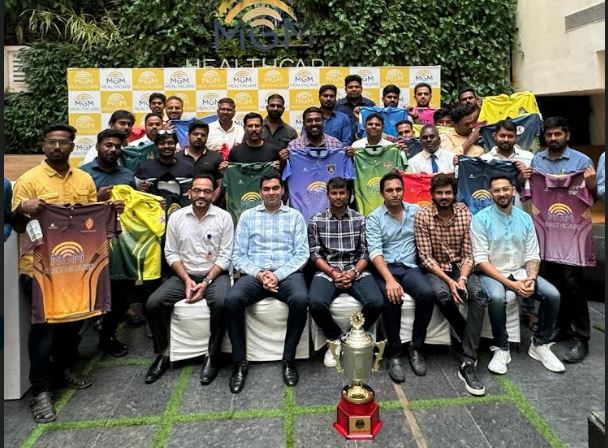
Chennai 14th February, 2024: MGM Healthcare presents the Second Edition of Tamil Nadu Doctors Premier League (TNDPL) an exclusive cricket league for doctors. Marking the beginning of the 2nd edition of the league Mr. T. Natarajan, Indian Cricketer along with Dr. Prashanth Rajagopalan, Director, MGM Group unveiled the Coveted Trophy and launched the vibrant team jerseys. The Tamil Nadu Doctors Premier League will commence from 14th February 2024 and end on 18th February 2024. The league will be conducted at four different grounds across Chennai.
The Tamil Nadu Doctors Premier League is organized in collaboration with MGM Healthcare and Tamil Nadu Doctors Cricket Association (TNDCA) this year. The TNDCA is a non-profit organization started by the doctors around the state with cricket as their passion. The second edition of the TNDCA’s goal is to bring doctors from in and around Tamil Nadu to participate and compete at the highest level. This is a recreational activity for doctors who are rather busy round-the-clock taking care of others. This league will be a venue for them to nurture their passion for cricket, the event brings-in all the doctors from various cities across Tamil Nadu together.
Match Details
Over the 5 days there will be 60 matches conducted at four different venues in city. The venues are Wahe Guru Cricket Ground, Pbel Cricket Ground and Tagore Medical College grounds. There will be 3 matches conducted at each venue consisting of 20 overs every day.
There are 22 teams from across Tamil Nadu that will participate in the Tamil Nadu Doctors Premier League
1. Invincible XI
2. Medical Miracles
3.Medi Hitterz
4.CBCC Thanjavur
5. Chemco Cruisers
6.Madras Medical College Cricket Club
7.Royal strikers Chennai
8.JIPMER Cricket Club
9.UCA Medicos
10.Marina Super Docs
11.Surgical strikers
12.Vellore super kings
13.ORCC
14.Dindigul Dons
15.(XV) Mighty Medicos
16.SRMC CC
17.Madras Medicos CC
18.Pondy Strikers club
19.Trichy Tyrants
20.KDCC
21.Thillai Thunders
22.Chennai Master Blasters
The Tamil Nadu Doctors Premier League (TNDCA) will award Rs.1 Lakh for the Winners and Rs.50,000 for the runner-up of the tournament.
The event will be hoisted by Dr. Roshan Santhosham, Secretary, Tamil Nadu Doctor Premier League and Dr.N.Vignesh Karthik, Joint Secretary, Tamil Nadu Doctor Premier League under the presence of Mr.T.Natarajan (Indian Cricketer), Mr. Anand Krishnan, Director, Namma Veedu Vasantha Bhavan Hotel, Dr. Ashok Sigamani (President, Tamil Nadu Cricket Association), Dr. Jayaraj (President, TNDCA)
14, Feb 2024
The Indian Academy of Pediatrics introduces IAP Ki Baat, Community Ke Saath Campaign
Mumbai: The Indian Academy of Pediatrics (IAP) has launched a pioneering program called “IAP Ki Baat, Community Ke Saath” to actively engage with communities and provide essential information on child health. The first topic to be covered is “Anemia Ki Baat, Community Ke Saath,” followed by other important topics like Obesity, Autism, Down Syndrome, and Thalassemia. The goal is to ensure that accurate and relevant information is accessible to everyone, which can have a significant impact on children’s well-being and contribute to overall societal health. Through this initiative, IAP aims to reach millions of individuals with reliable childcare information using various communication channels such as Facebook, Instagram, Twitter, television, radio, newspapers, influencers, and government partnerships.
The National Family Health Survey (NFHS-5, 2019-2020) revealed that more than half of women in the reproductive age group (15-49 years) and nearly 67.1% of children aged 6-59 months are affected by anemia in India. The causes of anemia are nutritional deficiencies (iron, folic acid, vitamin B12), chronic infections like malaria, genetic conditions, and unhealthy dietary habits. Iron deficiency anemia is the most prevalent type and is often associated with insufficient consumption of iron-rich foods, poor iron absorption, and excessive blood loss during menstruation or childbirth. In 2018, the Government came up with the Anemia Mukt Bharat (AMB) strategy, to decrease the incidence of anemia among women, children, and adolescents.
“In India, anemia poses a major public health issue. It is a condition marked by a shortage of red blood cells or insufficient hemoglobin in the bloodstream, leading to decreased oxygen-carrying ability. This can cause tiredness, feebleness, diminished cognitive performance, and a higher risk of infections and illness, leading to frequent absences from school and hindered social development. Addressing anemia in children requires a holistic approach that encompasses not only medical interventions but also nutritional support and education for parents about the importance of early detection and management. By raising awareness about the multifaceted consequences of childhood anemia, comprehensive solutions can address both the immediate symptoms and long-term implications of this condition,” said Dr GV Basavaraja, IAP President 2024.
On The Occasion Of World Anemia Awareness Day, to raise awareness and support the government’s Anaemia Elimination Mission, The Indian Academy of Pediatrics (IAP) launched an innovative program “IAP Ki Baat, Community Ke Saat” to proactively interact with communities and share vital information about child health. Massive screening programs will be rolled out by over 44,000 dedicated pediatricians from various clinics and hospitals spread across the country under the program “Anemia Ki Baat, Community Ke Saath,” to screen every child for anemia, ensuring early detection and intervention at no cost.
“We anticipate reaching over a million people through various media platforms and onsite activities through this program. The program will run for two years and will cover other topics including Screen Time, Obesity, Autism, Down Syndrome, Thalassemia, and many more every month. The increasing prevalence of time-related issues such as obesity, autism, Down syndrome, and thalassemia in children has become a pressing concern. The fast-paced nature of modern life often leads to unhealthy eating habits and sedentary lifestyles, contributing to the rise in childhood obesity. “The complex interplay between genetic and environmental factors is thought to play a significant role in the development of autism spectrum disorders, Down syndrome, and thalassemia,” said Dr Vasant Khalatkar IAP, President 2025.
IAP President Dr GV Basavaraja added, “By fostering open dialogue and promoting early intervention strategies through education and community engagement, it is possible to work towards creating a more inclusive society that supports all children irrespective of their health challenges. Different communication channels such as Facebook, Instagram, Twitter, TV, radio, newspapers, and influencers will be included in the mission and will work closely with the government. Our outreach efforts also include community-based programs which are crucial to our mission. IAP’s district and city branches will conduct school awareness campaigns to educate parents and children,”
The team of experts led by Dr. Rekha Harish, Dr. Deepak Pande, Dr. Nita Radhakrishnan, Dr. Bharat R Agarwal, and Dr. Divij Sachdeva, along with the scientific committee comprising Dr. Piyali Bhattacharya, Dr. Gayatri Bezboruah, Dr. Prashant V Kariya, Dr. Mubashir Hassan Shah, Dr. Cherukuri Nirmala, and Dr. Manmeet Kaur Sodhi, will meticulously ensure that accurate and credible information about anemia reaches the community.
Distinguished guests, including Dr Vinod K Paul- Member, NITI Aayog and Dr Pukhraj Bafna – Padmashree Awardee and Sr Consultant Pediatrician, will virtually unveil the awareness poster and video on Anemia, along with key IAP officials such as Dr. GV Basavaraja – IAP National President 2024, Dr. Vasant Khalatkar – IAP National President 2025, Dr. Yogesh Parikh – Hon. Secretary General IAP 2024-2025, Dr. Atanu Bhadra – National Treasurer IAP 2024-2025, and National Coordinators – Dr. Geeta Patil, Dr. Samir Dalwai, Dr. Kishore Baindur, Dr. Shantaraj, Dr. Amaresh Patil, and other esteemed members of IAP.
14, Feb 2024
Toyota Kirloskar Motor built Byramangala Primary Health Centre – gets Recognised
Bangalore, 14th February 2024: In line with its commitment to support the growing healthcare needs of the local communities, constructed Primary Health Centre (PHC), Byramangala in 2019, by Toyota Kirloskar Motor (TKM), under its CSR initiative has been
acknowledged as one of the public healthcare facilities in Karnataka, in terms of quality standards by the Ministry of Health & Family Welfare, Govt of India, New Delhi in January 2024.
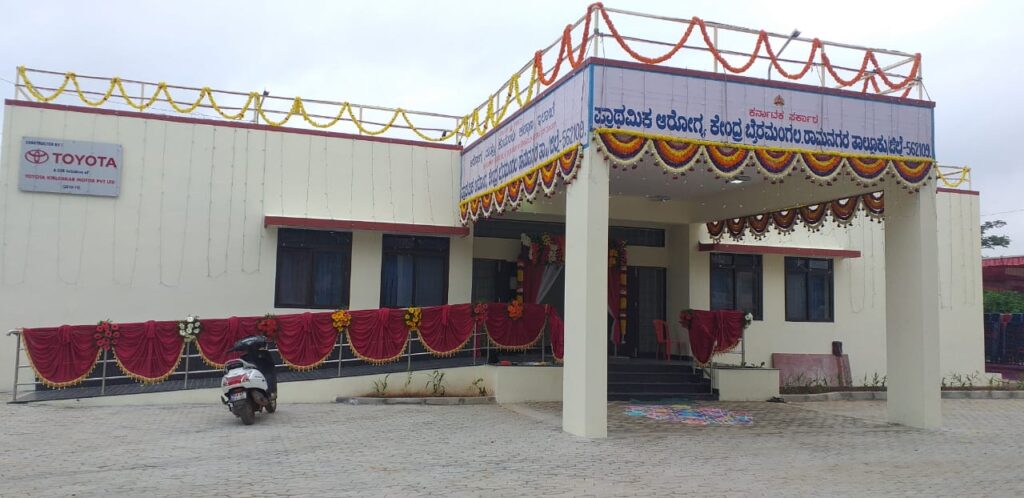
The PHC located in Byramangala in Ramanagara District, underwent a rigorous quality evaluation and certification process under the National Quality Assurance Standards (NQAS) Program, scoring an impressive 90.08% during the assessment held from 8-9
November 2023. Initiated by the Ministry of Health and Family Welfare, Government of India, the NQAS Program targets to improve services in India’s public health facilities, providing guidelines for district hospitals, community health centers, primary health centers, and urban primary health centers. This certification affirms that TKM’s initiative is aligned with the government’s focus in delivering excellent healthcare services to the local communities.
The six departments assessed under the NQAS framework include the Outpatient Department (OPD), Laboratory, Labour Room, Inpatient Department (IPD), National Health Program, and General Administration. The PHC in Byramangala, successfully met all criteria, showcasing its dedication to providing comprehensive and high-quality healthcare services.
The journey of this achievement dates to 2018 when TKM, as part of its Corporate Social Responsibility (CSR) initiative, undertook the task of building the Byramangala PHC. TKM constructed a modern 439 sq meter facility according to the Indian Public Health Standards (IPHS) guidelines. The newly built PHC was inaugurated on September 19, 2019, with state-of-the-art medical equipment and advanced healthcare facilities serving the surrounding rural population of over 20,000 people.
Mr. Vikram Gulati, Country Head and Executive Vice President for Corporate Affairs and Governance, at Toyota Kirloskar Motor said, “At Toyota, we are deeply committed to making a meaningful contribution to the communities where we are present. Our belief in
healthcare as a fundamental human right fuels our dedication to supporting initiatives that foster improved health outcomes. The certification earned by the Byramangala Primary Health Centre (PHC) serves as a testament to our overarching aim of positively impacting the surrounding communities thereby leading to societal development. We are immensely proud to witness the recognition of the PHC for its outstanding healthcare standards, and it encourages us to persist in our unwavering commitment to usher in transformative changes and support the people residing in rural areas and the society at large.”
Toyota Kirloskar Motor continues its commitment to holistic societal development and looks forward to continuing its positive contributions to the well-being of the local communities. Some of the recent initiatives include a Community Health Centre in Bidadi, Karnataka with an exclusive oxygen-generating plant, that delivers specialized care. Additionally, school-based health and hygiene programs like ABCD, the installation of water purification units, and the Toyota Shaale Arogya Program, have significantly enhanced the health outcomes within the community. In the fiscal year 2022-23 alone, TKM made a positive impact on over 64,000 individuals, contributing to a cumulative outreach of more than 11,16,365 individuals.
13, Feb 2024
Childhood Epilepsy: A Comprehensive Guide For Parents On Diagnosing And Treating Different Types
Mumbai – Childhood epilepsy can be a daunting and overwhelming diagnosis for parents, as it comes with a range of complexities and uncertainties. Understanding the different types of childhood epilepsy is crucial in providing the best possible care for your child. From absence seizures to focal onset seizures, each type presents unique challenges and requires tailored treatment approaches. Parents need to work closely with the experts to accurately diagnose the specific type of epilepsy their child is experiencing, as this will guide the most effective treatment plan.
Childhood epilepsy is a neurological disorder characterized by recurrent seizures. It can have a significant impact on a child’s development, cognitive function, and overall quality of life.
“While many children with epilepsy outgrow the condition as they age, some continue to experience seizures into adulthood. One of the most challenging aspects of childhood epilepsy is the unpredictability of seizures, which can disrupt daily activities and lead to social stigmatization. The management of childhood epilepsy often involves a complex regimen of medications and lifestyle modifications which can be burdensome for both the child and their family,” Said Dr Priyanka Tater, Neurologist, Zynova Shalby Hospital.
“When child has a seizure, parents can become overwhelmed. Two major reasons for this are difficulty in understanding seizures and concern about the child’s future. Normally, one part of our brain communicates with another using tiny electrical currents. Sometimes, there is a sudden storm during which these electrical currents become disorganized. This event is a Seizure. A seizure may produce varied symptoms. This depends on the part of the brain affected. Based on the symptoms, seizures have many different names. During an Absence seizure, the child stares off into blank space and becomes unresponsive. Sometimes the eyes may flicker during this episode. In Myoclonus, there are sudden jerks, usually of the upper part of the body. If the child is holding a toothbrush or a toy, it may fall from the child’s hand. Focal seizure means the electrical storm happens in a small part of the brain. In this case, the child has sensations or movements only in one body part. For example, only the right hand may twist or shake. Generalized convulsion is when an electrical storm takes over the entire brain. The whole body starts to shake violently. This kind of seizure is also known as a generalized tonic-clonic (GTC) seizure. Atonic Seizures are seen when there is a sudden loss of body power. This can cause a sudden fall called a “Drop Attack”. To categorize the seizures, doctoars may need MRI, EEG, and sometimes video-EEG monitoring. An MRI is a picture of the brain. An EEG measures electrical activity in the brain. If the EEG is done for 1 day or more with video-recording, it is called “Video-EEG monitoring,” Said Dr Siddharth Kharkar, Neurologist, at Lilavati Hospital.
“Upon receiving a diagnosis, the treatment plan for each child is customized to address their specific requirements. The management of seizures often involves the prescription of antiepileptic drugs. Determining the appropriate medication and dosage may require careful oversight by experts. In instances where medications are not effective, some children may undergo surgical interventions,” highlighted Dr Priyanka.
“There are more than 30 medications to treat seizures. Without knowing the seizure type, one cannot choose the right medication.80% of children become completely seizure-free with properly chosen medications. But, about 20% of children don’t stop having seizures, even with many medications. There are many life-changing options for such children as well. Just like medications, not all these treatments are effective for all children. The doctor has to choose the right treatment very carefully. Steroids may reduce EEG abnormalities, improve thinking, and stop seizures. Removal Epilepsy surgery means if the electrical storm comes from a small brain part, we remove that small part. Vagus Nerve Stimulation (VNS) is a small device, about the size of a matchbox. It is kept below the skin of the chest. It calms down abnormal brain activity. Precise diagnosis is essential in children to stop seizures,” said Dr Kharkar.
13, Feb 2024
Meghalaya Cancer Conclave 2024: Uniting Forces to Enhance Cancer Care
Mumbai, February 13, 2024: The Government of Meghalaya proudly convened the Meghalaya Cancer Conclave 2024. Spearheaded by Dr. Mazel Ampareen Lyngdoh, Hon’ble Minister of Health and Family Welfare, the two-day event commenced on February 12. Themed “Close the Care Gap,” the conclave aims to address critical issues surrounding cancer care and treatment within the region.
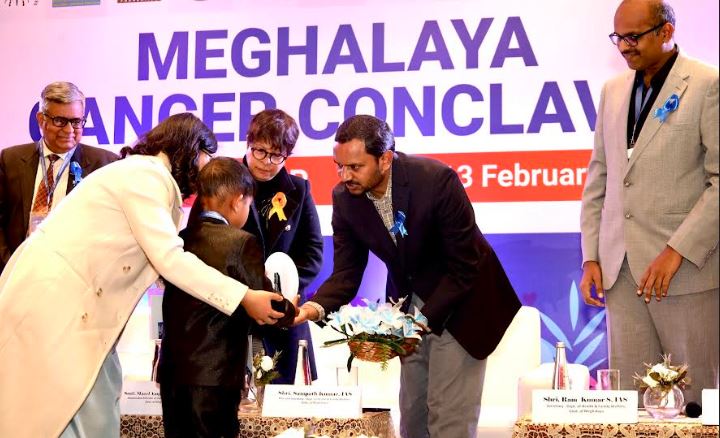
The Conclave has convened key stakeholders, including oncologists, cancer researchers, scholars, NGOs, industry leaders, top bureaucrats, and media representatives. Through diverse perspectives and expertise, participants engaged in meaningful discussions and collaborative efforts aimed at enhancing cancer care strategies in Meghalaya.
The conclave saw the participation of distinguished dignitaries, including Dr. Mazel Ampareen Lyngdoh, Hon’ble Minister of Health & Family Welfare, Shri. Sampath Kumar IAS, Principal Secretary, Department of Health & Family Welfare, Govt. of Meghalaya, Chairman – State Cancer Society of Meghalaya; Shri. Ram Kumar IAS, Secretary, Dept. of Health & Family Welfare, among others.
A highlight of the event is the spotlight on the Meghalaya Cancer Care initiative, also known as ‘Meg Can Care,’ launched on May 31, 2023. This initiative aims to tackle five specific cancers: Breast Cancer, Cervical Cancer, Esophageal Cancer, Lung Cancer, and Oral Cancer. To date, 46,713 beneficiaries have been screened, with 20,891 identified as at-risk beneficiaries. Additionally, the State Cancer Society has screened 1,392 beneficiaries, identifying 89 confirmed cases and 71 suspected cases within the state. This groundbreaking project underscores the government’s commitment to promoting early detection and screening measures to ensure the well-being of the people of Meghalaya.
Speaking at the conclave, Smt. Mazel Ampareen Lyngdoh, Hon’ble Health Minister, emphasized the need for unity among stakeholders to effectively address the challenge of cancer. She stressed the importance of action over mere discussions, advocating for the extension of the Meghalaya Health Insurance Scheme (MHIS) to provide financial assistance to affected families.
Hon’ble Minister said, “I appeal to all stakeholders that unless we unite, this challenge will persistently confront us. We must stop discussions; we have to act. The Meghalaya Health Insurance Scheme (MHIS) must extend its reach to every affected family and individual grappling with cancer. Ensuring adequate funding is essential to provide financial assistance for cancer patients. We must streamline procedures and eliminate unnecessary formalities for all cancer patients. Prevention is paramount, and early detection is key to combating this dreadful disease. Every citizen of the state should be relieved of the burden of cancer care, and patients must feel secure during their treatment.”
Shri Sampath Kumar IAS, Principal Secretary, Department of Health & Family Welfare, lauded the Meghalaya Health Insurance Scheme’s contribution to universal health coverage. He added, “Meghalaya Health Insurance Scheme is one of the first, you know, insurance schemes, which aims to provide universal health coverage, UHC. I am telling you, not even big countries, like developed countries have not done universal health coverage, UHC. But Meghalaya aimed to do it. The beauty is that we aimed to do it. Statistically speaking, through the MHIS premium, State Government paid about 165 crores to the insurance company. And the claims are 200 crores. And almost close to 2 lakh households have taken MHIS. And the government spent about, you know, almost like close to 200 crores. So, that means each family would have taken almost Rs 10,000 as benefit from the insurance program, etc. Maternal deaths have come down by 50 percent in the last 3 years; it is the sharpest decline in any part of the world.”
Secretary of Health & FW, Ram Kumar S, IAS, outlined the comprehensive anti-tobacco program implemented by the government and emphasized the importance of grassroots-level engagement in promoting tobacco cessation and early detection initiatives.
A cancer survivor, Smti Yasmine Lyngdoh, who was diagnosed with cancer during her childhood, reflected on the need of taking the campaign to the rural areas. She said with hope, “I hope everybody will get proper treatment, because we all deserve it.”
A Young survivor during Covid was diagnosed with medulo blastoma, a tumor in the brain with the involvement of the spinal cord. His mother stated, “For parents like us, who had lost hope, to even see a future with our son, we are very happy now that our son is undergoing treatment. We were able to surpass the hardships, and we are very thankful to the doctors and nurses and the staff.
We should not be afraid from getting ourselves screened and undertaking the necessary treatments.”
Another cancer survivor, Smti Warimeki Lyngwa, shared her story and reflected on the importance of awareness on removing taboo on cancer. She said, “I think having this conclave will help people discuss about the issues that a lot of cancer patients are facing at grassroots level. I hope that this conclave will be very constructive.”
The Meghalaya Cancer Conclave 2024 served as a pivotal platform for exchanging ideas, sharing knowledge, and fostering partnerships aimed at improving cancer care accessibility and outcomes for communities across Meghalaya.
13, Feb 2024
The emotive and sensory connection between the brain and art discussed
Gandhinagar: Have you ever thought how any form of art influences the human brain or how our cognition aids in the development and interpretation of art in its various forms? These may seem two separate entities of science and arts, but in fact, they enrich and shape one another and, in turn, enrich us intellectually and emotionally.
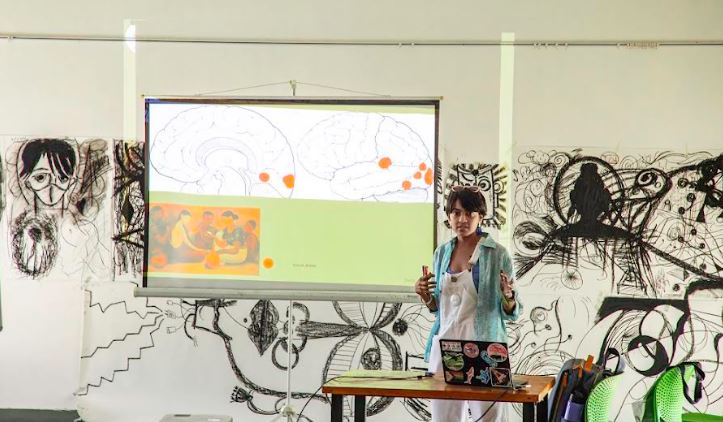
To explore and understand the intricacies of this intertwined relationship and its creative and cognitive processes, the Curiosity Lab at the Indian Institute of Technology Gandhinagar (IITGN), in collaboration with the Cognitive Science Society, Art@IITGN, and the departments of Cognitive and Brain Sciences and Humanities and Social Sciences at IITGN, organised the ‘Art and Cognition Confluence 2024’ on February 10 and 11, 2024.
The two-day residency brought together a unique blend of artists and neuroscientists/researchers from India and abroad for a series of immersive expert talks on the themes of: Art, Minds, and Brains; Music & Mental Health; Neuroaesthetics: The Science of Art; Dance & Emotion; Visual Thinking; What does Drawing Do?; Cajal’s Legacy: Art, Perception and Persona; Art & Cognition through Comics; and AI & Art.
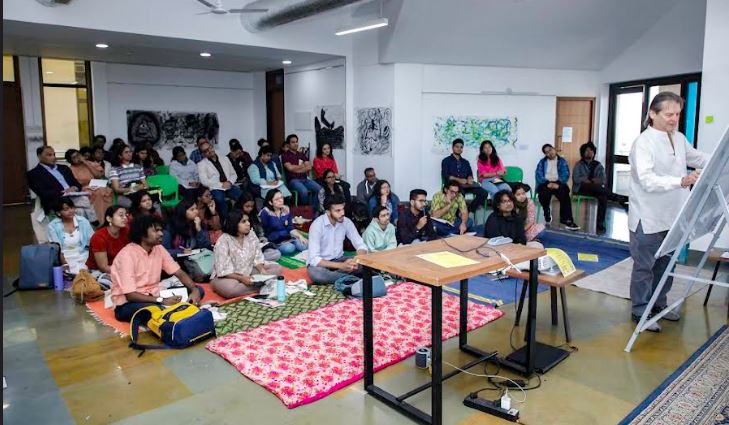
On the first day, Kohinoor Darda, a cognitive neuroscientist, professional Indian classical dancer, and founder and director of the Advancement and Research in the Sciences and Arts (ARISA) Foundation, delivered a talk on ‘Neuroaesthetics: Exploring the Science of Art’. She explained how neuroaesthetics involves applying the science of the brain to the study of art and discussed how important aspects like culture, context, and emotions influence people’s perception of art.
Prof Frederick Coolidge, adjunct faculty at IITGN and a professor of Psychology at the University of Colorado, USA, talked about ‘Cerebellum & Creativity’ and explained how the cerebellum, an important portion of the human brain, tweaks ideas, images, thoughts, and motor movements that influence our creativity. Cognitive scientist, photographer, filmmaker, and writer Dyutiman Mukhopadhyay conducted a workshop on ‘The Image in Context: Exploring Narrative, Color, and Context through Photography’ that focused on understanding, using, and creating photographs and how context affects meaning-making and emotions experienced by a person. The session on ‘What Does Drawing Do?’ by Andrea Kantrowitz, an artist, educator, and director of the Art Education Program at the State University of New York, discussed using drawing to extend and reflect on one’s thought processes. She said, “Some purposes of drawing include observing, visualising, remembering, and reflecting. It makes our thoughts visible. Using drawing to think and learn can be really valuable.”
Shantala Hegde, a neuropsychologist at the National Institute of Mental Health and Neuro Sciences and a musician, through her talk on ‘Music & Mental Health’, looked at music from a neuroscience perspective and said, “Music, one of the higher-order neurocognitive functions of the brain, can be used as a tool to understand the functioning of mind and behaviours. Actively engaging with music corresponds to positive mental health, including intellectual, emotional, social, environmental, physical, and spiritual health.”
The second day of the residency witnessed more fascinating talks and workshops. Roshan Sahi, a visual artist at Srishti Manipal Institute of Art, Design and Technology, spoke about ‘Visual Thinking: Rang – Rasa – Raga’ and through various sketching, drawing, colouring, and painting tasks given to the participants, he explained how the experience of an aesthetic form emerges through the interaction between colour (Rang), emotions (Rasa), and melodic expression (Raga). Prof Vinod Goel, a professor of cognitive neuroscience at York University in Toronto, Canada, delivered a talk on ‘Art, Minds and Brains’ and explained what art is in terms of the structure of symbol systems. According to Prof Goel, “The structure of symbol systems matters. What we imagine as a depiction based on a particular description would differ for different people.”
A cancer researcher turned comics artist, Prof Argha Manna, Artist-in-Resident at IITGN, conducted a session on ‘Drawing Thoughts in Sequence: Exploring the Relationship between Art and Cognition through Comics’. This workshop explored critical thinking, visualising scientific concepts, and cognition through comics. One of its tasks involved encouraging participants to think abstractly, view the world from new angles, and translate it into short comics. Prof Argha said, “The beauty of comics is that the process is abstract, but the output is often concrete. Comics are the shape of your thoughts as text and images in a rhizomatic relationship. Include comics as a part of your learning process. Apart from prose, if you can also draw the science behind why the sky is blue, you really know the process!”
Prof Dawn Hunter, a renowned visual artist, associate professor, and a distinguished faculty member at the University of South Carolina’s School of Visual Arts and Design, delivered a talk on ‘The Fusion of Artistry, Perception, and Persona in Cajal’s Legacy’, to discuss the work of Santiago Ramon y Cajal, a Spanish neuroscientist and Nobel Prize winner in 1900, who is also known as the father of modern neuroscience. Gayatri Nerpagar, a Sabarmati Bridge Research Fellow at IITGN’s Department of Cognitive and Brain Sciences and a trained Bharatnatyam dancer, talked about ‘Navarasa: Exploring the Embodiment and Perception of Emotions’. She used various activities during the session to explain how Navarasa fits into certain cognitive science theories.
Prof Jaison Manjaly, Coordinator of the Confluence and the Jasubhai Memorial Chair Professor of Philosophy and Cognitive Science at IITGN, conducted the final session on ‘AI & Art’ and explored the subject by discussing various questions such as: What is a machine?, What is the difference between humans and machines?, Are humans machines?, and so on.
All the sessions of the Art and Cognition Confluence 2024 involved lively Q&A and discussion segments among the participants and experts, which further offered critical insights into various facets of art and cognition, which enable us to make sense of the world around us and respond to it. The confluence of art and cognition is an intersection where creativity and aesthetics come together to shape our perceptions, emotions, and intellectual abilities.


