



27, Nov 2023
Essential Medical Ethics Every Student Should Grasp
Healthcare professionals’ beliefs and practices are greatly influenced by medical ethics. It is essential for students interested in pursuing a career in medicine to comprehend and uphold ethical principles. The following are essential components of medical ethics with which all students should be acquainted to:

1. Independence and Knowledgeable Assent:
Patients are entitled to make choices regarding their own medical treatment. Students need to understand how crucial it is to get patients’ informed consent and make sure they are fully aware of the advantages and disadvantages of any medical procedure.
2. Nondisclosure:
It is essential to respect patient confidentiality. Medical students need to know how to protect private information and recognize the rare circumstances in which it might be required to be disclosed.
3. Non-maleficence and Beneficence:
A fundamental ethical precept is balancing the pursuit of benefit from harm with the avoidance of it. Pupils should minimize hazards while placing a high priority on the health of their patients.
4. Fairness in Medical Care:
It’s critical to guarantee equitable access to healthcare resources and to prevent discrimination. The ethical ramifications of resource allocation and unequal access to healthcare must be understood by students.
5. Boundaries in the Workplace:
It’s critical to comprehend the boundaries that exist between patients and healthcare providers. Keeping a relationship that is morally and professionally appropriate benefits patients’ trust and well-being.
6. Honesty and Truthfulness:
Honest communication with patients promotes trust. Students ought to understand the value of honesty even in trying circumstances.
7. Care at the End of Life:
Making decisions regarding end-of-life care demands empathy. Pupils need to understand the moral implications of decisions like advance care planning and treatment withholding or withdrawal.
8. Cultural Competence:
It’s critical to acknowledge and honor the various cultural practices and beliefs that exist. The influence of cultural factors on healthcare decision-making should be understood by students.
9. Research Ethics:
Medical students participating in studies must have a thorough understanding of the ethical conduct of research. This entails getting consent with full knowledge of the risks involved, keeping research findings valid, and so forth.
10. Global Health Ethics:
Students should be aware of the moral dilemmas that arise when tackling infectious diseases, health inequalities, and humanitarian crises across the globe because healthcare is a global issue.
According to Dr. Ranjana Singh, MBBS, MD, Prof & HOD, NIIMS Hospital– “The moral compass that directs healthcare workers is medical ethics. It highlights the sacred trust that exists between patients and caregivers and demands confidentiality, compassion, and integrity. Students need to understand the concept of beneficence, which puts the health of the patients first. Respecting patients’ rights to make educated decisions about their health is emphasized by autonomy. Non-maleficence urges careful attention and caution against doing harm. Justice promotes equitable distribution of resources and medical care. When negotiating the complex terrain of medical ethics, compassion is essential. Recall that moral decisions shape the foundation of dignity, respect, and trust that characterizes healthcare professionals. Maintaining these principles guarantees a moral, patient-focused medical practice.”
- 0
- By Rabindra

27, Nov 2023
You Care Lifestyle announces the Launch of You Balance Powder: A Breakthrough in Immunity & Metabolic Health support
You Care Lifestyle proudly unveils its first in-house product. This remarkable product is the first gem in a series of health powders meticulously crafted through the fusion of science, ancient wisdom, and Team Luke’s years of expertise in addressing various health conditions, including diabetes, cancer, thyroid issues, and gut disorders.
Tackling Chronic Inflammation: The Root of Health Issues
As we continue to grapple with health-related diseases, due to unhealthy lifestyles – the importance of balance becomes increasingly clear. In 2019, terms like “Coronavirus,” “pandemic,” and “immunity” became integral to our lives. Strengthening immunity isn’t a one-day project; it’s a continuous effort that demands an in-depth examination of the underlying causes of low immunity, lifestyle choices, habits, and overall health. A pivotal element in this endeavor is addressing the root cause of many health issues: chronic inflammation.
You Balance and Chronic Inflammation:
Chronic inflammation, often called the silent epidemic, is an underlying culprit in many health issues. Unlike acute inflammation, which is the body’s natural response to infections or injuries, chronic inflammation persists over an extended period and can silently wreak havoc on your overall well-being. It’s been linked to a host of diseases, including cardiovascular conditions, diabetes, cancer, and neurodegenerative disorders. One of the silent impacts of chronic inflammation is on your immune system. Your immune system, responsible for safeguarding your body against pathogens, can become compromised due to persistent inflammation. It hinders the growth and functioning of immune cells, making them less effective in fending off infections and diseases.
Chronic inflammation is also a major contributor to metabolic disorders such as obesity and metabolic syndrome. The inflammatory molecules released during chronic inflammation can disrupt metabolic pathways, leading to insulin resistance and other metabolic abnormalities. Therefore, addressing inflammation is crucial for managing and preventing these diseases.
This is where You Balance steps in. With its blend of 11 scientifically proven ingredients, You Balance serves as your partner in managing chronic inflammation and preventing associated diseases. It supports your immune system, modulates inflammatory responses, and helps in reducing the production of pro-inflammatory molecules, ultimately promoting a healthier and more robust immune system and YOU. The Unique Approach of “You Balance”

Powered by Science & Tradition:
Team Luke’s approach to metabolic health and disease revolves around cellular nutrition, angiogenesis, DNA repair, stem cell regeneration, microbiome gut and immunity, and inflammation
This herbal spice blend is the result of years of research and expertise, carefully selecting 11 scientifically studied ingredients, including Turmeric Powder, Black Pepper, Cumin Seeds, Fennel Seeds, Coriander Seeds, Ginger Powder, Ceylon Cinnamon, Cardamom, Methi Seeds, Amla Powder, and Clove. Each ingredient is chosen for its anti-inflammatory properties, anti-diabetic, and antioxidant as well as its potential to support overall health.
Many of these ingredients support this solid approach towards prevention and recovery in conjunction with Team Luke’s medical treatments and lifestyle medicine .
“What sets ‘You Balance’ apart is the holistic approach. The real difference lies not only in the ingredients but in how they are incorporated into the formulation,” by Luke Coutinho – Holistic Nutrition – Integrative and Lifestyle Medicine and Co-founder, You Care Lifestyle.
The manufacturing process significantly influences the ingredient’s bioavailability. “You Balance” embodies this principle. Through slow roasting and precise spice grinding, it maximizes nutrient absorption, ensuring 100% bioavailability. With 11 premium, sustainably sourced ingredients, it’s a holistic metabolic health solution. Meticulous production enhances their healing potential, free from additives, offering unmatched efficacy.
Eco-Conscious Packaging:
You Balance not only benefits your health but also supports a healthier planet. We have embraced eco-conscious packaging, saying no to harmful plastics and ensuring that our product is packaged in food-grade pouches.
Pure and Natural:
We believe in the power of natural ingredients, and that’s why You Balance contains no preservatives, additives, binders, or fillers. It’s a pure, chemical-free, plant-based, and non-GMO blend that’s as good for your body as it is for your peace of mind.
For All Age Groups
One of the remarkable features of “You Balance” is its versatility. It’s suitable for everyone, from children to the elderly. Whether you’re managing diabetes, striving to improve your immunity, or simply aiming for optimal wellness, this herbal spice blend can make a significant difference in your health journey.
We are excited to introduce You Balance Powder, a product that symbolizes our unwavering commitment to enhancing the quality of life through holistic wellness.
“This launch reflects our dedication to providing our community with superior, science-backed solutions,” says Narendra Firodia, Social Entrepreneur and Co-founder of You Care Lifestyle.
You Balance Powder is now available for purchase on You Care Lifestyle and is set to revolutionize the way people approach their health and well-being.
24, Nov 2023
5 Ways to Stay True to Your Weight-Loss Journey
In today’s fast-paced world, where the demands of modern life take precedence over physical and mental health needs, it is crucial to emphasize the significance of prioritizing a healthy lifestyle. However, the journey towards a healthier life poses a challenge for millions of individuals worldwide, largely due to concerns related to weight and obesity. The issue of obesity is undoubtedly multifaceted, with genetic and lifestyle factors contributing to its complexity. The key to effectively addressing this challenge lies in adopting a positive, resolute approach and embracing a determined mindset. In the pursuit of a healthier life, it’s crucial to shift focus from short-term solutions and instead concentrate on achieving and sustaining long-term weight loss and improved fitness.
The World Health Organization (WHO) reports that obesity rates have been steadily increasing, leading to various health issues such as heart disease, diabetes, and certain types of cancer. With one of the world’s fastest-rising obesity rates, India is fighting a constant health crisis. Moreover, the COVID-19 pandemic has also highlighted the vulnerability of individuals with obesity to severe outcomes.
According to estimates, India has 135 million obese people. A report published by the World Obesity Federation earlier this year highlights that the obesity risk in Indian women will rise to 13 percent, and in men to 8 percent by 2035. These statistics underscore the importance of addressing obesity as a public health issue and the need for individuals to take control of their weight and health.

A few ways which can help you to stay fit and lose weight are as below:
Creating sustainable habits is the foundation for long-term success in weight management. Instead of chasing quick fixes, it is important that you prioritize health-conscious routines. Begin by adopting a balanced diet, incorporating regular physical activity, and mastering stress management. Keep in mind, that consistency is the secret to maintaining a healthy weight. Gradual lifestyle changes pave the way for lasting results.
Incorporating a healthy diet is crucial for managing weight effectively. Incorporating a well-balanced diet while avoiding processed foods and sugary drinks is vital for weight maintenance. Essential minerals such as Zinc and Iron are crucial for antibody production and a strong immune system. For those struggling to maintain a nutritious diet due to a busy lifestyle, convenient on-the-go supplements like Vestige Veslim Shake can be a practical solution. Veslim Shakes are designed to aid weight management by keeping individuals feeling full and reducing junk food cravings. They come in flavors like mango and vanilla, ensuring taste without compromising on nutrition.
Prioritizing adequate sleep is another crucial aspect of a successful weight-loss journey. Quality sleep plays a significant role in regulating hormones that control appetite and metabolism. Aim for 7-9 hours of restful sleep each night to support your weight management efforts. Poor sleep can lead to increased cravings for unhealthy foods and hinder your ability to make healthy choices during the day.
Maintaining an active lifestyle is essential for successful weight management. Incorporating enjoyable activities such as walking, cycling, swimming, or dancing to burn calories, where consistency in routine takes precedence over intensity is always helpful. To stay motivated, reach out to friends, family, or professionals. One might also want to explore joining a weight loss group or consulting with a nutritionist or personal trainer.
Keeping a journal can be a powerful tool for tracking progress and staying accountable. One can use a variety of health monitoring apps to track daily food intake, exercise habits, and physical and mental wellness. This can help identify patterns, triggers for overeating, and areas where adjustments are needed. Parallelly, it also serves as a source of motivation when you can see the positive changes you’ve made over time.
Attaining your weight loss goals is more akin to a marathon, not a sprint, marked by steady and gradual advancement. Patience, consistency, and maintaining a positive mindset are the essential factors to achieving sustained success on this journey towards enhanced health. Roadblocks, missteps, and setbacks form an inherent part of every weight-loss journey and should be embraced as opportunities for personal growth.
23, Nov 2023
Understanding Type 1 Diabetes Mellitus: A Comprehensive Guide for Parents
Diabetes in children known as Type 1 diabetes Mellitus, predominantly affects children and young adults aged between 4 and 14 years. It’s a chronic condition that can be challenging to manage. Still, with early detection and the correct lifestyle adjustments, it can be effectively controlled says Dr. Tejasvi Sheshadri, Consultant – Paediatric Endocrinology of SPARSH Hospital, Bangalore.

In today’s fast-paced world with screen time taking dominance, children often miss out on outdoor activities, leading to minimal physical activity. This lack of movement, in addition to the need for strict diet control and medication, can make life difficult for children with diabetes and their parents. However, with patience, care, and constant monitoring, these challenges can be overcome.
Here are some simple ways to manage Type 1 Diabetes Mellitus:
#Balanced Diet: The cornerstone of managing Type 1 Diabetes Mellitus is a balanced diet. Keeping a close eye on carbohydrate consumption and choosing complex carbohydrates like whole grains over simple sugars is vital. A diverse diet with plenty of fruits, vegetables, lean proteins, and healthy fats is essential. Regular meal timing and portion control can help stabilize blood sugar levels.
#Regular Exercise: Despite the busy schedules, it’s important for children to engage in regular physical activity. Activities like walking, swimming, or cycling can be both fun and beneficial. Regular exercise improves insulin sensitivity and aids in better blood sugar control. Consult a healthcare professional to determine the best exercise routine for your child.
#Blood Sugar Monitoring: Regular monitoring of blood sugar levels is a must. This data can guide insulin dosage and lifestyle choices, ensuring optimal control of the child’s condition.
#Stress Management: Dealing with Type 1 Diabetes Mellitus can be stressful for children due to the lifestyle restrictions involved. Learning to manage this stress through techniques like mindfulness, yoga, and meditation can be helpful. Spending quality time with friends and family can also contribute to their overall well-being.
#Routine check-ups: Regular visits to healthcare providers are crucial for tracking the progress of the condition, assessing potential complications, and adjusting treatment plans as needed. Adherence to prescribed medications and lifestyle changes is key for long-term health.
Managing Type 1 Diabetes Mellitus is a commitment, but with a balanced approach to diet, regular exercise, and stress management, it’s entirely possible for children to lead a fulfilling life. Knowledge is power, and armed with the right information, children with Type 1 diabetes can not only cope but thrive, says Dr. Tejasvi.
23, Nov 2023
Invitation to hope camp for motherhood by Gunasheela

Bengaluru 23 November 2023- With 47 years behind them Gunasheela has created miracles for birth. The torchbearers of IVF in Bengaluru have a track record of handling over 100,000 pregnancies with 74% success rate in IVF supported by over 20 fertility experts. Here is an invitation for “wanting mothers” to be part of the camp which is scheduled at their Basavana Gudi centre all day long on Saturday 25 th November 2023. Now those struggling to conceive and have lost hope can come & rediscover at Gunasheela. Just register & stand to gain comprehensive diagnostic package worth Rs 3000/ absolutely free along with 50% waiver on semen analysis. Call on 46462600 or 26673588 now.
Gunasheela boasts of:
1) Only Centre with End To End Solution For Fertility Treatment
2) Basic To Most Advanced Technologies In The World – All Under One Roof
3) Includes An In-House Exclusive Fertility Genetics Department
At Gunasheela IVF, we have been creating miracles of birth for the past 47 years. The journey so far:
1) 1982 – 1st to introduce Obstetric & Gynaecology Ultrasound in the state of Karnataka.
2) 1982 – 1st to introduce the skill of Hysteroscopy to the state of Karnataka.
3) 1988 – 1st ART baby in South India born on December 5th 1988.
4) 2003 – 1st to publish from India 3 international articles back to back on human blastocyst hatching and critical evaluation.
5) 2003 – 1st In-Vitro Maturation baby in India.
6) 2011 – 5th Baby in the world by Vitrication of IVM oocytes.
7) 2012 – 1st Embryo Scope babies (twins) in South India.
8) 2016 – 1st Pregnancy with in-house NGS based PGS tested on frozen thawed embryos in a 24 hour run.
Our Affordable IVF Treatments
– IUI (Intra Uterine Insemination)
– IVF Treatment
– FET (Frozen Embryo Transfer)
– Bariatric Surgery
– High Risk Pregnancy
22, Nov 2023
Mobilising Malaria Prevention: International SOS Launches Refreshed Malaria Digital Learning
Mumbai, 22 November – Malaria remains a global health challenge that is faced by organizations worldwide and its prevention is an essential aspect of workforce health and safety. As part of an ongoing mission to support the health and well-being of the global workforce, International SOS, the world’s leading health and security risk services company, has launched a refreshed malaria digital learning module. This e-learning course is designed to equip those living in malaria-affected areas or those traveling to such regions with the knowledge and preparedness necessary to safeguard their health while abroad.
Dr. Chris Van Straten, International SOS Global Health Advisor Clinical Governance, said “International SOS has been committed to the fight against malaria for over 20 years in endemic regions, from conducting health risk assessments to implementing vector control programs and supporting community outreach. Our refreshed malaria e-learning module is instrumental in assisting organizations in fulfilling their Duty of Care by educating and empowering their workforce in malaria prevention.”
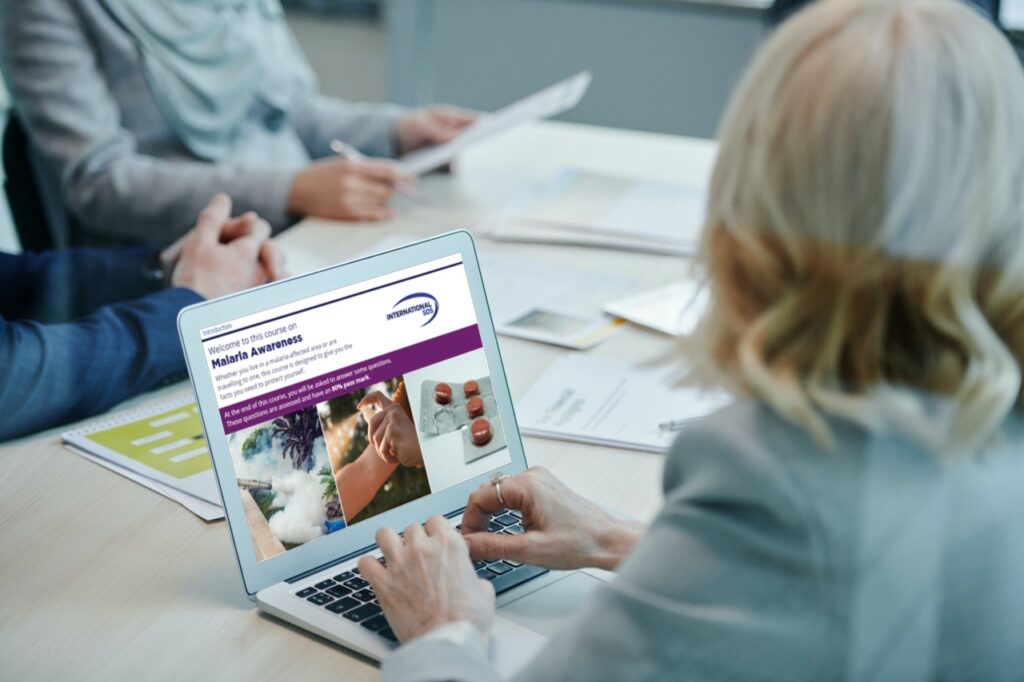
Dr. Chris added, “It is important to note that signs of malaria can often be overlooked, given their similarity to symptoms of other, less severe illnesses. This presents a significant concern, as malaria can be fatal if not promptly diagnosed and treated. Organizations with local or international workforces, especially in malaria-prone areas, need to double their efforts to protect their employees and the surrounding communities where they operate.”
Developed and written by International SOS medical experts, this course covers a comprehensive range of topics including:
· The ABCDE (Awareness, Bite prevention, Chemoprophylaxis, Diagnosis, and Emergency) prevention approach for malaria:
Providing a practical approach to promote healthy practices that reduce transmission of malaria and prevent severe illness from the disease.
· Guidelines on preparing for malaria before traveling: Equipping individuals with the necessary information to plan for a safe trip.
· Understanding malaria symptoms: Educating users to recognize the signs of malaria and the actions to take when experiencing symptoms.
· Case studies from the International SOS Assistance Centres: Offering real-world scenarios and best practices to assist those preparing to travel to remote areas.
The digital learning module is initially available in English, with French, German, Italian, Spanish, Korean, Japanese, and Simplified Chinese versions scheduled to follow in the coming months. The platform has also been designed to adhere to Web Content Accessibility Guidelines, ensuring that it is accessible to a wide range of users. The course takes approximately 15 minutes to complete and can be easily accessed via the International SOS Training Portal within the Digital Learning Portfolios.
22, Nov 2023
Lung Cancer Screening: Here is what you need to do!
DR K P RANGANATH, CONSULTANT – RADIATION ONCOLOGIST, HCG CANCER CENTRE, VIJAYAWADA
Vijayawada: Lung cancer is a type of cancer that starts in the cells of the lungs. It is one of the most common types of cancer worldwide and a leading cause of cancer-related deaths. Lung cancer occurs when normal lung cells undergo abnormal changes and begin to grow and divide uncontrollably, forming a mass or tumor. While smoking remains the leading cause, it’s important to note that non-smokers can also develop lung cancer. Fortunately, lung cancer screening has become a powerful tool in identifying this deadly disease at an earlier, more treatable stage.
Screening:
Screening is used to check if a person has any symptoms. This can help identify cancer at an early stage. Once the signs and symptoms of lung cancer manifest, it would have reached advanced stages making it difficult to treat. Lung cancer screening helps reduce the risk of succumbing to the disease. Lung cancer screening is not advised for everyone. The primary candidates for screening are individuals with a high risk of developing lung cancer due to certain key factors such as age and family history or any other potential health risk factors.
Age and Smoking history: The primary age group for lung cancer screening is individuals in the age group 50-80 with a significant smoking history. This means any individual who has smoked one packet of cigarette for the last twenty years or has quit in the last fifteen years fall under this high-risk category.
Other Risk Factors: Apart from smoking, other potential risk factors that contribute to the development of Lung cancer are family history, exposure to radon gas, and other carcinogens, and certain lung conditions can elevate the risk of escalating lung cancer.
Types of Screening Method:
The most common screening method for lung cancer is Low-Dose Computed Tomography (LDCT) scans. LDCT scans use low levels of radiation to create detailed images of the lungs, allowing healthcare practitioners to detect small abnormalities that might indicate cancer. These scans are fast, painless, and are highly effective at detecting early-stage lung cancer.
Chest X-ray is used to check for any signs of lung cancer in an individual. Sputum Cytology is a procedure in which a sample of sputum is viewed under a microscope to check for cancer cells.
Among these three, LDCT is fast and painless and can also reduce the risk of succumbing to the disease. Chest X-ray and Sputum Cytology are considered beneficial but not equivalent to LDCT.
Screening methods have their own share of potential risks and drawbacks. While getting screened does not help in living long, Chest X-rays and Sputum Cytology involve exposure of the chest to harmful radiation which in turn can lead to an increase in other medical vulnerabilities.
Significance of Early Detection:
Detecting lung cancer in its initial stages proves to be significant for a variety of reasons:
1. Enhanced survival rates: Since lung cancer is asymptomatic in its initial stages and detection becomes difficult, early screening proves to be significant as the disease can be detected paving the way for better survival rates.
2. Less Aggressive Treatment Methods: Advanced stages of lung cancer require aggressive treatment methods such as chemotherapy and radiation therapy. When detected at an early age, less invasive methods can be used to treat, resulting in a better quality of life for the patients.
3. Minimized Medical expenses: Treatment of advanced lung cancer is not only physically and emotionally draining but financially burdening as well. Early diagnosis paves the way for less extensive treatment and minimized medical expenses.
4. Better Emotional Well-Being: For individuals with high risk due to smoking or other factors, regular lung cancer screening can provide better emotional well-being. Knowing that one is cancer-free or in the initial stages of cancer can alleviate anxiety and promote overall well-being.
In conclusion, lung cancer screening is a powerful tool for early detection, but it’s not for everyone. If you fall into the high-risk category, schedule regular screenings, and take proactive steps to reduce your risk. Early detection saves lives, and by being informed and proactive, you can make a significant impact on your own health and well-being. Don’t wait – take the first step toward lung cancer prevention and early detection today.
21, Nov 2023
62-Year-Old Man Undergoes Successful Treatment for Stage IV Tongue Cancer at American Oncology Institute (AOI) in Gurgaon
Gurgaon, 21 November, 2023
In a rare case, a 62-year-old man was successfully treated for stage IV tongue cancer, at American Oncology Institute (AOI), Gurgaon. The patient first sought medical attention in March 2023, when he was received by Dr Sheh Rawat, a distinguished oncologist at AOI. Initially, the patient had complained of persistent throat and neck pain, which had been troubling him for the past three months, prompting a comprehensive clinical evaluation and thorough investigations.
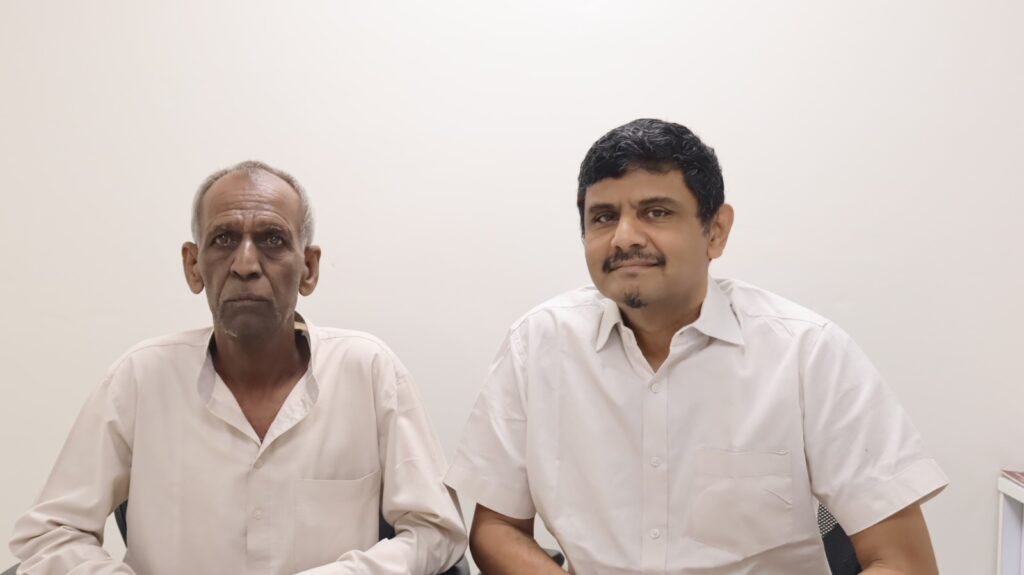
Upon examination, the patient was diagnosed with advanced Stage IV Tongue Cancer. This diagnosis understandably raised concerns and questions for both the patient and his family, including the type of treatment, treatment duration, potential side effects, and, most importantly, the expected outcomes. Dr Sheh Rawat and the compassionate healthcare team at AOI addressed these concerns by outlining a detailed treatment plan.
Speaking on the same, Dr Sheh Rawat, Radiation Oncologist, AOI Gurgaon said, “The prevalence of Head and Neck cancers in our country emphasizes the importance of early detection and intervention. The successful treatment of Tongue Cancer through Radiotherapy underscores the significance of this therapeutic modality in combating this challenging disease. The patient’s remarkable recovery from advanced Stage IV Tongue Cancer exemplifies the potential for healing and the importance of comprehensive care in the fight against cancer.”
The chosen course of action was Radiotherapy, which has proven to be highly effective in treating Tongue Cancer. Under the expert guidance of DrSheh Rawat, Radiotherapy was initiated, and the patient displayed incredible resilience and tolerance throughout the entire treatment process. Later, the patient successfully completed his Radiotherapy treatment within a month. The latest check-up revealed that the patient is now completely cancer-free. This recovery brings relief to the entire family, who now stand as a living testimony to the power of modern oncology and the dedication of healthcare professionals.
Dr Amit Dhawan, Regional COO, AOI, Gurgaon explained, “We believe that early detection is the linchpin of success in the battle against tongue cancer. At AOI, we’ve made it our mission to be at the forefront of cutting-edge technology, enabling us to diagnose and treat complex cancer cases with precision and care. Our commitment to superior technology empowers us to provide less invasive procedures, and better outcomes for our patients. We understand that every moment counts in the fight against cancer, and our advanced resources ensure that we can act swiftly and effectively. Together, we are redefining the standards of cancer care, one early detection, one successful treatment, and one hopeful outcome at a time.”
American Oncology Institute (AOI) at Aarvy Healthcare Super Speciality Hospital in Gurugram is one of the best cancer hospitals in Haryana, offering a wide range of cancer treatment services in the region. As a proud member of the elite global network of the International Tumor Board, AOI in Gurugram collaborates closely with leading medical professionals worldwide, ensuring that our patients receive the most advanced and informed treatment options available at the best hospital in Haryana.AOI Gurugram specializes in a range of dedicated services, making it the best hospital in Haryana. Committed to excellence, AOI combines clinical expertise, state-of-the-art technology, and compassionate care to deliver the highest standard of cancer treatment in the region.
18, Nov 2023
Best Ways to Manage Stress and Anxiety

Stress and anxiety are common experiences that everyone encounters at some point in their lives. While stress is a natural response to challenging situations, anxiety is a more prolonged and intense state of worry and fear.
Managing stress and anxiety is crucial for maintaining mental and emotional well-being. Here are some effective strategies that may help:
Deep Breathing and Mindfulness:
Practice deep breathing exercises to calm the nervous system.
Engage in mindfulness meditation to stay present and reduce anxiety about the future.
Regular Exercise:
Physical activity releases endorphins, which act as natural mood lifters.
Aim for at least 30 minutes of moderate exercise most days of the week.
Adequate Sleep:
Establish a consistent sleep routine to ensure you get enough rest.
Lack of sleep can contribute to increased stress and anxiety.
Healthy Lifestyle:
Maintain a balanced diet with plenty of fruits, vegetables, and whole grains.
Limit caffeine and sugar intake, as they can contribute to increased anxiety.
Social Support:
Share your feelings with friends, family, or a mental health professional.
Surround yourself with supportive and understanding people.
Time Management:
Prioritize tasks and break them into smaller, more manageable steps.
Avoid overcommitting yourself, and learn to say no when necessary.
Mind-Body Techniques:
Yoga, tai chi, and other mind-body practices can help reduce stress.
Progressive muscle relaxation can also be effective in relieving tension.
Limit Exposure to Stressors:
Identify sources of stress and try to limit your exposure when possible.
Learn to set boundaries to protect your time and well-being.
Positive Self-Talk:
Challenge negative thoughts and replace them with positive affirmations.
Practice self-compassion and avoid being too critical of yourself.
Hobbies and Relaxation Techniques:
Engage in activities you enjoy to distract yourself from stressors.
Try relaxation techniques such as reading, listening to music, or taking a bath.
Professional Help:
If stress and anxiety persist, consider seeking help from a mental health professional.
Therapy, counseling, or medication may be recommended depending on the severity.
It’s important to note that experiencing occasional stress or anxiety is normal, but if these feelings persist or interfere with daily functioning, seeking professional help is advisable. Mental health is a crucial aspect of overall well-being, and there are effective treatments available for managing stress and anxiety.
Remember that everyone is different, so it may take some trial and error to find the strategies that work best for you. It’s also important to be patient with yourself and seek professional help if needed.
18, Nov 2023
Unveiling the Vision Revolution: Artificial Intelligence Takes Center Stage in Combating Diabetic Retinopathy, A Global Health Imperative
. AI is revolutionizing disease detection through image-based screening for conditions like diabetic
retinopathy, age-related macular degeneration, glaucoma, and more
. 27.0% of diabetic patients suffer from diabetic retinopathy, resulting in around 0.4 million cases
of blindness worldwide
Mumbai, 18 November 2023: Diabetes Mellitus (DM) continues to be a pervasive health challenge worldwide, with countries grappling to address its staggering impact. Among the many complications arising from diabetes, Diabetic Retinopathy (DR) stands as a significant concern. This condition affects the blood vessels in the retina, often leading to vision loss and, in severe cases, blindness.
Recent statistics reveal the severity of this issue: globally, an estimated 27.0% of diabetic patients suffer from diabetic retinopathy, resulting in around 0.4 million cases of blindness worldwide. Alarmingly, diabetes is the primary cause of blindness among adults aged 20 to 74. Key risk factors contributing to DR include the duration of diabetes, uncontrolled blood sugar levels, hypertension, dyslipidemia, nephropathy, obesity, age, and gender.
“The awareness regarding diabetic retinopathy and associated visual complications varies significantly across different regions. Studies in India report a wide range of awareness levels, varying from 16.1% to 71.3%. This disparity emphasizes the critical need for standardized education and awareness programs targeting diverse communities.” Said Dr. T S Sujatha, General Ophthalmologist and Cataract Surgeon, at Dr. Agarwals Eye Hospital.
Early detection remains pivotal in managing diabetes-related complications. Timely identification of blood sugar irregularities allows for proactive steps to prevent irreversible damage to vital organs such as the heart, kidneys, nerves, blood vessels, and eyes.
The American Diabetes Association (ADA) underscores the importance of regular eye examinations for both type 1 and type 2 diabetes patients. For type 1 diabetes, an eye exam within five years of diagnosis is recommended, while individuals with type 2 diabetes should undergo their first eye exam at the time of diagnosis.
She further added, “Advancements in detecting diabetic retinopathy have been promising, including automated screening, optical coherence tomography, laser treatment, and pharmaceutical interventions like vascular endothelial growth factor inhibitors. Notably, the integration of artificial intelligence (AI) has opened new frontiers in medicine. AI-based technologies show promise in mass screening, early diagnosis, and accurate prognosis prediction. AI, a simulation of human intelligence by machines, involves the exposure of systems to databases for learning and subsequent improvement. Neural networks and complex algorithms enable AI systems to analyze vast amounts of data, resembling the cognitive abilities of humans.”
In ophthalmology, AI is revolutionizing disease detection through image-based screening for conditions like diabetic retinopathy, age-related macular degeneration, glaucoma, and more. Technologies like
Scikit-learn in Python programming and various commercially available software are being employed for diabetic retinopathy detection.
Furthermore, adopting a proactive approach to managing diabetes and preventing diabetic retinopathy is crucial. Strict glycemic control, hypertension management, lipid level regulation, regular exercise, and lifestyle modifications are recommended preventive measures. Regular eye exams and compliance with healthcare provider recommendations remain pivotal in averting vision loss.
Combating diabetic retinopathy requires a comprehensive approach, blending advanced technologies like AI with widespread awareness and proactive healthcare strategies. Through collective efforts, early detection and intervention can significantly reduce the burden of sight-threatening retinopathy, offering hope to millions affected by this global health crisis.


