



7, Jul 2023
Apex group of Hospitals celebrated Thank You Week on the occasion of National Doctors Day

Mumbai- Every year 1st July is celebrated as Doctor’s Day i.e. National Doctor’s Day. On this day all people, whose lives are connected with one or the other doctor, thank the doctor. Apex Group of Hospital, Borivali is celebrating the “Thank You Week” & “Gratitude Week” from July 1 to July 7 as a day to thank the doctors for their efforts in bringing him into this world and keeping him healthy.
Giving more information about this, Dr. Tanvi Shah, Director of Apex Group of Hospitals said, ” Practicing medicine is considered as one of the noblest professions in the world, so in this initiative, a large canvas was placed in five hospitals of the Apex Hospital Group to write messages of gratitude. More than 200 patients and their relatives have also expressed gratitude for it. This included the patients and their relatives who were treated during the Corona pandemic. We celebrate Doctor’s Day every year but this year we decided to celebrate this day for a whole week and this initiative got a great response from the patients and their relatives. It is only when a patient falls ill that he visits a doctor in a clinic or hospital. Once the patient recovers and goes home, his communication with the doctor ends. It is necessary to increase communication between doctors and patients to explain the health problems of your family. In the same spirit, we have implemented this different activity on the occasion of Doctor’s Day to increase the relationship between the patient and the doctor. We conducted a gratitude meeting between doctors and patients in this activity. On this occasion Homage was paid to the doctors who lost their lives in the fight against COVID during the pandemic in the country.”
National Doctor’s Day serves as a reminder of the immense dedication and selflessness that doctors bring to their noble profession is the key message of this event added by Dr. Tanvi Shah from Apex group of Hospitals. Apex Group of Hospitals is a chain of Hospitals managed and run by expert Medical Professionals with experience of 25 years. Currently Apex group of Hospitals manages more than 350+ beds and provides qualitative healthcare services to the people of Mumbai and surrounding areas. Apex Hospitals is located in Borivali, Kandivali & Mulund.
- 0
- By Rabindra

5, Jul 2023
One in million case at HOSMAT saves child

Bengaluru 5 July 2023– This small 4-year-old boy from West Bengal was born with a malformation in brain & spine (lipomyelomeningocele with chiari malformation). There was visible swelling in the lower spine region at birth, which was painful for the mother to see and the family to accept the child. Mother had not undergone proper antenatal checkups. The child had undergone three surgeries (one after the other) at the age of 2 in a charitable hospital but there was no reprieve for the family as the problem persisted. This child was refused treatment at many centres and the child was in severe agony with headache.
One midnight, HOSMAT Neurosurgeon Dr S R Patil got a call from a known person with a request to manage this case. The patient came in extreme pain at the stroke of midnight. After seeing the scans & reports Dr Patil re-evaluated the child with MRI and saw previous problems recurred and persisted. But he took it as a challenge to set right past mistakes by other doctors. As already three surgeries had been performed on the child & again operating on 4-year-old, was not that easy by any means. Child had a risk of losing power in both legs. (paralysis). The family was counselled in detail and help in financial aspects was sought from HOSMAT management.
After careful consideration & deliberations three operations were to be performed to address the headache & spine issues which were done with many challenges with advanced gadgets and intensive monitoring of the child.
Today at HOSMAT we are glad that the child is normal & doesn’t complain of headache & spine pain also. Child is walking, running and playing.
Moral & learnings:
1) Such issues can be avoided if Prenatal diagnosis is done right
2) postnatal correction of such issues is very challenging but can be done provided family understands complexity
3) managing such a complex case needs good team work and armamentarium support from the Institute.
3, Jul 2023
New York Breast Health Welcomes Board-Certified Breast Surgeon Dr. Kap-Jae Sung
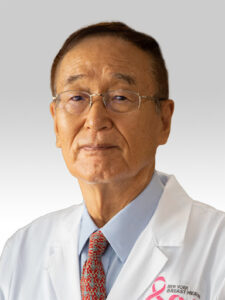 Elmhurst, NY, July 3, 2023- New York Breast Health (NY Breast Health) is pleased to announce the addition of board-certified breast surgeon Kap-Jae Sung, MD, FACS. Dr. Sung will practice at 88-06 55th Avenue, Elmhurst, NY 11373.
“We are very excited to enhance our breast cancer care at NY Breast Health with the expertise of Dr. Kap-Jae Sung,” said Jeff Vacirca, MD, CEO. “His addition to our team aligns with our mission to provide world-class breast care to our patients in the Queens community.”
Dr. Sung was inspired to pursue medicine after reading ” Arch of Triumph” by Erich Maria Remarque. “Dr. Ravic inspired me to help people with sickness,” Dr. Sung said. As a breast surgeon, Dr. Sung’s approach to patient care combines his extensive clinical expertise with a strong foundation in basic science knowledge. Dr. Sung has extensive experience performing breast surgery procedures, including core needle biopsy of the breast, ultrasound guidance, breast cyst aspiration, breast biopsy, excision of breast tumor, mammosite balloon placement for brachytherapy, and mastectomy.
Dr. Sung received his Doctor of Medicine and Master of Medicine degrees from Seoul National University in Korea. Dr. Sung completed his Residency at Seoul Red Cross Hospital and his Surgical Residency at Wyckoff Heights Medical Center. He has been consistently recognized as one of the Best Doctors in New York.
Dr. Sung is fluent in English and Korean. In his leisure time, he enjoys pursuing his passion for golf. Dr. Sung is excited about the opportunity to collaborate with his highly skilled colleagues at NY Breast Health, fostering a supportive and dynamic work environment dedicated to delivering exceptional care to patients. “I strongly believe that the road to recovery requires a team approach, “Dr. Sung said. “It is a commitment from both myself and my patient that helps get them back to work and play as quickly as possible.”
To make an appointment with Dr. Sung, call 718-881-1133. For more information, please visit nybreasthealth.com.
26, Jun 2023
40-Year-Old Woman Receives New Lease On Life After Hip Replacement Surgery
Delhi: A team headed by Dr Pankaj Walecha, Specialist Hip And Knee Surgeon, Apollo Spectra, Delhi successfully performed a hip replacement surgery on a 40-year-old teacher from Uttar Pradesh battling TB arthritis for the last 20 years. The patient, who experienced unbearable hip pain, was unable to maintain balance or take even 10 steps can walk without any difficulty now. She has resumed her daily routine with ease and leads a normal life after surgery.
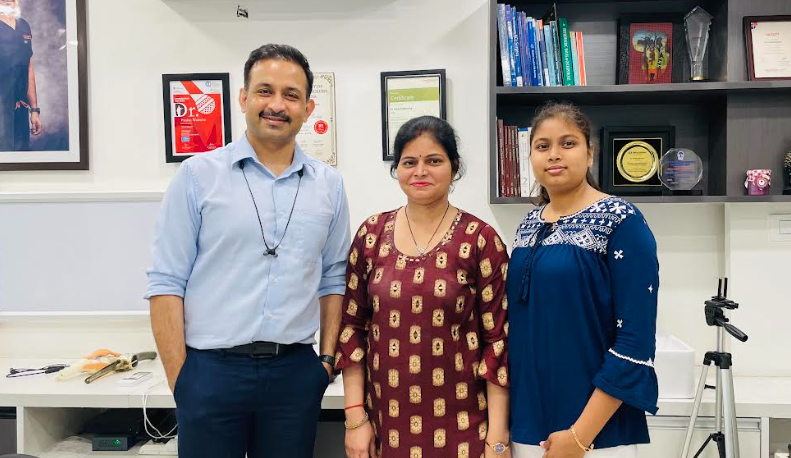
Neelu, Mishra, a teacher by profession from Jaunpur, UP. She had to struggle through her youth owing to tuberculosis arthritis at around 20 years ago. She had hip pain, was limping, and couldn’t walk properly. She took opinions of many doctors in UP but she was advised to take pain medications & manage her life like that. She kept on looking for solutions so that she can take care of her family & especially her two daughters. In her pursuit to live a pain free life, she came across Dr Pankaj Walecha at Apollo Spectra Hospital, New Delhi where after a successful hip surgery, she could walk freely again.
Dr Pankaj Walecha, Specialist Hip, And Knee Surgeon, Apollo Spectra, Delhi said, “On arrival, She could not walk even few steps. The patient had immense hip pain, used a walker while walking, and has great difficulty in getting up from bed or a chair. She couldn’t even lift her right leg without supporting it with her hand. There was pain as she tried to turn on her left side, was unable to get a good night sleep also. Her hip joint was jammed, and no rotational movement hence the pain on moving. With a clear history of tuberculosis (TB) of hip joint in her young age, & X-rays showing a damaged hip joint, she was a clear case of Tubercular hip arthritis?. Tuberculosis (TB) is seen in a large number of patients in India. People generally think that TB affects only the lungs but It has the potential to impact any joint of our body & it can cause severe damage to the joint leading to secondary arthritis. According to a study published in 2014, Tubercular arthritis accounts for approximately 1-3% of all cases of tuberculosis & it primarily involves large weight bearing joints of the body like Hips, knees & ankles. Dr Walecha, counselled the whole family before the surgery about the outcome of the surgery & the need of starting Anti tubercular treatment (ATT) again, at least for a period of 3 months after the surgery. Its very important to prevent the reactivation go the disease. After a complete check up, finally the day arrived & Neelu was taken up for surgery. She was successfully operated on 4th April, 2022 at Apollo Spectra Hospital, Karol Bagh, New Delhi.”*
Dr Pankaj Walecha added, “In Total Hip replacement (THR) surgery, damaged ball & socket of the hip joint are replaced with artificial ball & socket (fig ). Although hip replacement surgery can be cemented (special kind of bone cement is used to fix the parts in the body) or Uncemented (uncemented implants have a special kind fo surface finish so they snugly fit into the bone & within few weeks get integrated to the bone). Uncemented THR is performed more commonly. First of all the damaged hip joint is approached using smallest incision possible for that patient (Minimally Invasive Surgery or MIS). Minimum muscles are damaged in this process & this muscle preserving approach helps the patients in recovering faster. Then the damaged femoral head is removed to expose the acetabulum. THR has four components- Acetabula cup or socket, which is made up of titanium & is fixed to the acetabula after clearing the dead bone. This socket can be fixed to the bone with special screws if needed. Second part is Highly Cross Linked Polyethylene Liner, which is a special type of plastic which is fitted on to this socket. After this attention is shifted to the thigh bone or femur. Uncemented Femoral stem preparation is done & a well-fitting stem is implanted. Fourth part is the Ceramic ball head, which is mounted on the femoral stem. This completes the implantation part. When this surgery is performed using muscle preserving techniques or MIS then most of the patients do not complain of much pain after the surgery. In this surgery, its ensured that leg length of the both sides is equal after the surgery.
In case of Neelu also, both her legs were equal after the surgery & she was delighted to see that after the surgery. The uncemented cup got very good hold in the bone & did not require any screws for fixation, Uncemented stem was implanted in good position, using ceramic head on highly cross linked polyethylene liner. Surgery lasted for almost one hour & she was, Ade to stand & walk with in 24 hours of surgery. She could do stair climbing after 36 hours of surgery & was happily discharged from the hospital after 72 hours of operation. At 4 weeks after surgery she could walk long distances & at 6 weeks she could do light jogging also. Imagine how her life changed in matter of 4-6 weeks, from severe pain even in getting up from bed to jogging. Isn’t it amazing !!
Here is our message to patients who have been living with arthritis due to any reason- A pain free active life is possible for all of you irrespective of your age or disease. Even if you are young, after hip replacement surgery with the modern implants & modern surgical techniques patients can have normal life without any major lifestyle restrictions. These modern implants are designed to last for 20-25 years after the surgery & after that a revision hip replacement surgery can be performed with good success rates.
“I had a sharp pain in my hips and couldn’t even take 10 steps. As I grew, my health deteriorated. There was a time I felt hopeless as I couldn’t walk, sit or stand on my own. I required a walker and my family’s support. I am a teacher and couldn’t even climb the stairs of the school. My life had become miserable. I had never heard about TB arthritis before. I didn’t have any idea regarding how to go about it. But, I thank Dr Pankaj Walecha & the team of doctors for their prompt treatment. It is because of them that I could walk again. The hip pain has vanished after the surgery and I can walk, run, drive, and sit without any difficulty. I am happy as I can live an independent life now,” concluded the patient Neelu, Mishra.
22, Jun 2023
New Arctiva™ Steroid-free Skincare Revolutionizes Eczema and Psoriasis Market
SOLON, Ohio – A new skincare brand has made a breakthrough in eczema and psoriasis treatment for the almost 40 million Americans suffering from ineffective solutions. ARCTIVA™ is a new line of clean, steroid-free skincare products that is the first to combine clinically proven active ingredients with proprietary HYDROSURF™ glycolipid technology and other natural, cruelty-free ingredients.
ARCTIVA is science backedARCTIVA’s active ingredients—colloidal oatmeal in the eczema cream and salicylic acid in the psoriasis cream—target symptom conditions such as itching, redness, flaking, irritation or scaling. The products also include beneficial vitamins, botanicals and essential oils to help soothe and hydrate skin. It is the only product line that features proprietary HYDROSURF glycolipid technology, a powerful blend of fermented ingredients with origins in Antarctica’s glacial lakes.
“With ARCTIVA’s revolutionary formulas, consumers finally have highly effective, steroid-free treatment options for skin conditions such as eczema and psoriasis,” said Vic Peroni, chief operating officer of Arctiva Wellness. “The use of clinically proven active ingredients with our proprietary HYDROSURF glycolipid technology and other key ingredients is a uniquely synergistic combination that’s never been done before in formulations for these skin conditions.”
ARCTIVA’s clean formulations use the highest quality, vegan-friendly ingredients, along with no fragrances, parabens, phthalates or sulfates. The products are manufactured in the United States and available immediately. The initial launch includes an eczema cream and psoriasis cream which can be purchased on Amazon or arctivaskin.com.
Consumers interested in trying ARCTIVA can take advantage of an introductory 20% off and a 60-day money-back guarantee. For more information about ARCTIVA or to purchase products, visit arctivaskin.com.
16, Jun 2023
Can mouth breathing cause dark circles?
 Dr. Palak Dengla, Chief Physiotherapist
Do you like to sleep with a snoring person or dine with a noisy eater? Most of us would say a NO! It is commonly found that people who snore in their sleep and who make noise while eating, are mouth breathers.
Mouth breathing and nasal breathing are two different ways of inhaling and exhaling air. People with nasal congestion, deviated nasal septum, adenoids, enlarged tonsils, stress, sleep apnea, childhood faulty breathing habits, forward head posture (IT Professionals), chronic sinusitis, asthma, allergic rhinitis are generally found to be chronic mouth breathers.
Under the eyes can have multiple causes, including genetic factors, lifestyle habits, and underlying health conditions. However, there are some possible indirect correlations between mouth breathing and under-eye dark circles:
Nasal Congestion
Chronic nasal congestion can lead to mouth breathing as a compensatory mechanism. When the nasal passages are congested, the veins around the eyes may dilate, resulting in a bluish tint or dark appearance. This can contribute to the appearance of under-eye dark circles.
Poor Sleep Quality
Mouth breathing during sleep, such as in cases of sleep apnea or chronic snoring, can lead to disrupted sleep patterns and poor sleep quality. Inadequate sleep can cause blood vessels to dilate, leading to fluid accumulation and the appearance of dark circles under the eyes.
Fatigue and Stress
Chronic mouth breathing, and associated sleep disruptions can lead to fatigue and increased stress levels. Fatigue and stress can contribute to the appearance of under-eye dark circles and worsen their visibility.
Allergic Reactions
Mouth breathing may be more common in individuals with allergies or allergic rhinitis, which can cause nasal congestion and eye irritation. Allergic reactions can lead to inflammation, fluid retention, and increased visibility of under-eye dark circles.
Chronic mouth breathing – particularly during childhood, can lead to various issues related to facial development and oral health. Nasal breathing helps maintain proper tongue posture against the palate, which is essential for normal dental arch development, facial aesthetics, and the prevention of malocclusion.
Self-Check
Hold the mouth close together with your hands and breathe only from the nose for more than 30 sec. If you can hold, then there is no structural defect present. It is only a modifiable mouth breathing pattern which can be changed with continuous practice of nasal breathing.
Asthma symptoms, allergic rhinitis, sleep, mood imbalances, baggy under eyes, can be significantly improved if the sufferer learns how to breathe through their nose and not through their mouth. I have seen this to be true in my practice of more than 12 years especially for chronic sinusitis and asthmatics.
Treatment
- Humming, unilateral and both nostrils. (15min/day)
- Buteyko breathing technique
- Alternate nostril breathing
If you frequently experience difficulties breathing through your nose or suspect you have a chronic mouth breathing habit, it is recommended to consult with a healthcare professional, such as an otolaryngologist (ear, nose, and throat specialist) and a nasal breathing rehabilitation specialist who can provide appropriate evaluation and guidance.
To echo, the nose is for breathing and the mouth is for eating and talking – never the two should be confused. “If you don’t use your nose, you lose it!
15, Jun 2023
Understanding Bone Marrow Cancer
 Dr. Rayaz Ahmed, Director, Department of Haematology and BMT, Max Super Speciality Hospital, Saket, New Delhi
Overview
At the centre of the bones is a soft, spongy material called the bone marrow. It consists of stem cells that give rise to RBCs, WBCs and platelets.
When these stem cells start growing abnormally or at an accelerated rate, bone marrow cancer may happen. Different types of cancer can develop in the bone marrow, such as leukaemia, multiple myeloma, lymphoma, etc.
Types
Bone marrow cancer is of the following types based on the cells affected:
- Leukaemia
Leukaemia is the type of cancer in which uncontrolled proliferation of WBCs occurs. These WBCs may be immature or mature and interfere with the body’s regular functioning. The body’s defence mechanism gets disrupted, increasing susceptibility to infections. Leukaemia is further divided into:
Acute Leukaemia:
In acute leukaemia, immature WBCs, called blasts, proliferate rapidly.(more than or equal to 20% in blood or Bone marrow)
Chronic Leukaemia:
In chronic leukaemia cases, more mature cells rapidly multiply.
- Multiple myeloma
Multiple myeloma is the type of cancer that affects plasma cells. Normal Plasma cells are responsible for making antibodies.
- Lymphoma
Lymphoma is the type of cancer in which lymphocytes rapidly multiply, forming tumours that compromise the body’s immune system. Lymphoma is of two types:
- Hodgkin’s lymphoma – affecting B lymphocytes
- Non-Hodgkin’s lymphoma – involving B or T lymphocytes
Symptoms
Symptoms develop depending on the type of cancer, its location, severity, and how aggressive its progression is.
Leukaemia
Leukaemia is a cancer of the WBCs. Symptoms that patients with leukaemia would present are:
- Bone pain
- Swollen lymph nodes
- Unexplained weight loss of more than 10% body weight in a short period without specifically trying
- Petechiae on the skin (pinpoint red dots)
- Weakness and fatigue
- Frequent infections since the body’s defence mechanisms are affected
- Fever and chills
- Liver and spleen enlargement
- Bruising easily
- Night sweats
Multiple myeloma
Multiple myeloma is a common type of bone marrow cancer. Some of the symptoms are:
- Weakness and fatigue
- Increased susceptibility to infections
- Increased frequency of urination
- Confusion, increased thirst
- Pain in the bone and increased risk of fracture
- Unexplained weight loss of more than 10% body weight in a short period without specifically trying
- Nausea and vomiting
- Backache, Bony pain
- Fracture(Pathological fractures)
- Renal failure
Lymphoma
Lymphoma presents with the following symptoms:
- A persistent cough that doesn’t subside
- lymph nodes enlargement in neck,axillary, groin
- Itchy skin, the appearance of rashes or skin lumps
- Fever, weight loss, night sweats
- Loss of appetite
- Pain in the abdomen
- An enlarged spleen gives rise to a feeling of bloated all the time.
Causes
Causes of bone marrow cancer or non-specific. However, some contributing factors may be:
- Immunocompromised individuals (post-transplant or those taking immunosuppressant drugs, HIV patients)
- Exposure to harmful radiation, chemicals, fumes, pesticides
- Genetic predisposition
- Smoking and drinking
- Obesity
Diagnosis
The doctor first assesses the medical history familial history and performs a physical examination. Following tests are advised to diagnose bone marrow cancer:
- Blood and urine tests: These are done to assess kidney function, electrolyte levels, and blood cell count. A CBC (complete blood count), tumour markers, and a complete metabolic profile may help diagnose bone marrow cancer.
- A biopsy of the bone marrow may help check for the presence of cancer cells.
- Specific scans such as x-rays, PET scans, CT scans, and MRI may help detect changes in the bone structure.
The confirmatory test for bone marrow aspiration & biopsy since it provides information about the specific type of cancer. Imaging techniques help assess how much the disease has progressed. In case of suspected lymphoma, lymph node biopsy is mandatory
Treatment
The treatment of bone marrow cancer depends on multiple factors such as age, the extent of spread of cancer and the overall health of the affected individual. Considering the above factors, the doctor may advise the following treatment options:
- Chemotherapy: Specific drugs are injected into the body to find and destroy cancer cells.
- Radiation therapy: This treatment aims to reduce the size of tumour cells, lower pain, and kill cancer cells by delivering high-energy beams to a targeted organ.
- Transplant: The cancerous bone marrow can be transplanted with a healthy one. This procedure is also known as stem cell transplant. It is combined with chemotherapy and radiation therapy to prevent the risk of cancer relapse in the new and healthy bone marrow.
- Targeted drug therapy (Immunotherapy): These drugs specifically target cancer cells, unlike chemotherapy.
- Biological therapy: Immune system of the affected individual can help destroy cancer cells.(CART-T cell therapy)
Complications
If cancer is untreated, it can prove fatal owing to reduced immunity, weakness and increased susceptibility to infections.
Risk Factors
Risk factors contributing to bone marrow cancer are non-specific, and the factors given below may have a role to play:
- Compromised immune system
- Excessive exposure to harmful radiation, chemicals, fumes, pesticides
- Familial history of cancer
- Smoking and drinking
- Obesity
Prognosis
The prognosis of patients having bone marrow cancer is highly individual specific. It depends on how an individual responds to therapy and has a lot to do with their willpower, mental health, the extent of spread of cancer and underlying conditions.
Adult Acute Leukaemia are curable in 40-70% cases (childhood acute leukaemia – 80-90%)
-Lymphoma are curable 50-60% cases
-Low grade lymphoma, life can be prolonged from 10-20 yrs
– Multiple Myeloma life can be prolonged 5-8 yrs
15, Jun 2023
Powassan Virus – Everything you need to Know
Authored by Dr. Swati Rajagopal, Consultant – Infectious Disease & Travel Medicine, Aster CMI Hospital, Bangalore
As the world started normalizing and people overcame the havoc wreaked by the Covid-19 pandemic the fear of another pandemic is beginning to spread slowly. Known as the Powassan virus, the deadly infection is slowly spreading across America and has recently claimed the life of a person in the United States. Although rare, Powassan is an untreatable disease and medical experts are yet to find a cure for it. Learning from the Covid-19 pandemic, the Maine Centre for Disease Control and Prevention (CDC) and other doctors and health officials are now alerting the masses about this non-treatable virus and are educating them about its symptoms and preventive measures.
What is the Powassan virus and how can you contract it?
According to the CDC, the Powassan virus spreads to people by the bite of an infected tick. These ticks get infected by sucking the virus from the blood of groundhogs, squirrels, mice, or other rodents and spread the Powassan virus to people and other animals by feeding on them.
Currently, three types of ticks that can spread the Powassan virus to humans have been identified in the eastern half of the United States. These include –
- Ixodes cookei (groundhog tick)
- Ixodes marxi (squirrel tick), and
- Ixodes scapularis (blacklegged or deer tick)
Can ticks get infected by biting humans and is Powassan Virus a communicable disease?
As per recent research, it has been found that the Powassan virus cannot be transmitted from person to person. Furthermore, humans are also considered as the dead-end host for the Powassan virus as people do not develop high enough virus levels in their blood and thus, they cannot infect biting ticks.
The transmission of the Powassan virus from person to person can only occur in rare instances of blood transfusion or through the bite of an infected tick. Therefore, it is recommended that people who have been diagnosed with the Powassan virus must avoid donating blood or bone marrow for at least 120 days after contracting the infection as their blood can infect another person and may lead to the development of a viral chain reaction.
What are the symptoms of the Powassan virus?
While many people infected with the Powassan virus do not show any symptoms, however, the ones with symptoms the time duration from tick bite to feeling sick usually ranges from 1 week to 1 month. The signs and symptoms of the Powassan include –
- Fever
- Headache
- Vomiting
- Weakness
- Severe Brain and Spine diseases like Encephalitis and Meningitis
- Confusion
- Loss of Coordination
- Difficulty in speaking
- Seizures
To date, it has been found that approximately 1 out of 10 people with severe disease die and roughly half of the people who survive severe Brain and Spine disease have long-term health problems such as recurring headaches, loss of muscle mass and strength, and memory problems.
How can you prevent yourself from the Powassan virus?
Currently, there are no vaccines or medications to stop or restrict the spread of the Powassan virus. However, you can prevent yourself from getting sick with the Powassan virus by following the below-mentioned tips –
- Avoiding the areas such as grassy, brushy, or wooded places where ticks can be easily found
- Check your clothes for ticks and remove them by washing them with hot water or by applying a dryer
- Examine your pets for ticks
- Shower as soon as you are indoors
- Conduct a full body check for ticks
In case you are experiencing any of the above symptoms or have a tick bite then you must consult your nearest healthcare provider.
14, Jun 2023
Granules India Limited Receives ANDA Approval for Levetiracetam Tablets in record 9 months
Hyderabad, 14 June 2023: Granules India Limited today announced that the US Food & Drug Administration (US FDA) has approved its Abbreviated New Drug Application (ANDA) for Levetiracetam Tablets USP, 250 mg, 500 mg, 750 mg, and 1,000 mg. bioequivalent and therapeutically equivalent to the reference listed drug (RLD), Keppra Tablets of UCB, Inc. (UCB).
Levetiracetam Tablets are indicated as adjunctive therapy in the treatment of:
Partial onset seizures in adults and infants of age 1 month and older children with epilepsy;
Myoclonic seizures in adults and adolescents 12 years of age and older with juvenile myoclonic epilepsy
Primary generalized tonic-clonic seizures in adults and children 6 years of age and older with idiopathic generalized epilepsy.
Granules now has a total of 58 ANDA approvals from US FDA (56 Final approvals and 2 tentative approvals).
The current annual U.S. market for Levetiracetam Tablets is approximately $247 Million, according to MAT Mar 2023, IQVIA/IMS Health.
14, Jun 2023
My child has an Autoimmune Disease – What are the dos and don’ts?
 Dr. Sagar Bhattad, Consultant – Paediatric Immunology & Rheumatology, Aster RV Hospital
Children fall sick regularly. As they grow up, start going to school and have exposure to other kids and new environments, sickness becomes a regular feature. The child falls sick, you take them to the doctor, follow the instructions and they get better. Sadly, it is not this simple for autoimmune diseases. Has your child been recently diagnosed with an autoimmune disease? Don’t know what to do or not do? Don’t worry, we’ve got you covered.
Everyone falls sick. There is nothing new or alarming about that. It is concerning when the condition gets severe or has no cure. And when a child is diagnosed with something serious, the parents’ world comes crashing down. They don’t know what to do, what not to do, how to take care of the child, which doctor to see next and the list is never-ending, just like the disease itself.
What are Autoimmune Diseases?
An autoimmune disease is where the immune system malfunctions and attacks the body instead of protecting it. The immune system mistakes the healthy cells to be infections or foreign invaders and attacks them., So, the immune system keeps fighting the body and destroying the healthy cells, instead of protecting them.
The exact reason or cause for autoimmune diseases are still unknown. A lot of research is going into finding the cause behind the various autoimmune diseases. These diseases can either be genetic or due to environmental exposure. Sometimes, an environmental factor can trigger the underlying autoimmune disease if the child has inherited a defective gene.
As a parent, it is important to remember that autoimmune diseases are not communicable, meaning you cannot get them because someone you stay with or someone in contact with you has a disease.
What happens when a child has an autoimmune disease?
When a child is diagnosed with an autoimmune disease, the best possible treatment is started immediately. Autoimmune diseases can cause severe damage to the organs in the body, so treating them or controlling them at the earliest is very important. With proper treatment and constant monitoring, the child can live a regular life with minimal restrictions.
Who is at risk of Autoimmune Disease?
The autoimmune disease generally runs in families. There are cases where someone with absolutely no family history of the disease can be diagnosed with an autoimmune disease. Here are some risk factors which can increase the chances of an individual developing an autoimmune disease:
- Genes – Every human receives 2 sets of genes. When one of the parents or their parents has an autoimmune disease, there are high chances for them to pass down this defective gene. While one might have a defective gene, it is not necessary for them to have the disease. It only increases their risk.
- Weight – Your weight can sometimes play havoc with your system. It can add pressure to your joints, leading to chronic joint pains or arthritis, and can also cause some organs to malfunction.
- Age – Autoimmune diseases are prone to affect younger people than older people. It can affect children too.
- Race – Certain races and ethnicities are more prone to some autoimmune diseases than others. The reason is not very clear but it is connected to genetics.
- Gender – Many autoimmune diseases affect girls more than boys
- Medicines – Certain medications can trigger the underlying defective gene in the body. As a result, one might develop an autoimmune disease that has otherwise been dormant until the medicine interfered.
- Other Diseases – an existing autoimmune disease increases the risk of developing another related autoimmune disease.
Can Autoimmune Disease Be Prevented?
Sadly, no. An autoimmune disease is one where the cause is unknown. When you are not sure about the cause of a disease or when it can affect the child, you cannot prevent it effectively. It is not advisable to treat something that has not occurred yet.
Even in the case of genetic health issues where the chances of a child contracting an autoimmune disease are high, you cannot prevent it completely. Doctors might prescribe certain medicines or treatments for the mother-to-be, but this can only reduce the chances of the disease passing on to the child.
An autoimmune disease can be very difficult to live with. However, with the right diagnosis and timely treatment, you can work on reducing the impact of the disease and help the child lead a close to normal life. The advancement of science and technology has enabled children with autoimmune diseases to enjoy their childhood, without much of a compromise.


