


2, Aug 2023
Milann & Rotary Club Collaborate to Highlight the Importance of Breastfeeding This World Breastfeeding Week 2023

Bangalore, 2nd August 2023 – Milann Fertility Specialist and the Rotary Club joined forces to celebrate World Breastfeeding Week 2023, organizing an insightful event that highlighted the significance of breastfeeding in maternal and child health. The event featured Dr. Payal, Senior Consultant in Reproductive Medicine and Fertility Specialist at Milann, who delivered a compelling talk on the importance of breastfeeding and its numerous benefits for both mothers and children.
As part of the global initiative coordinated by the World Health Organization (WHO), this year’s theme, “Enabling Breastfeeding: Making a Difference for Working Parents,” emphasized the need for breastfeeding-friendly workplaces and policies that support working parents, particularly mothers, in their breastfeeding journey.
Dr. Payal’s talk captivated the audience, offering valuable insights into the crucial role breastfeeding plays in nurturing infants and promoting their overall well-being. Her expertise underscored the physical and emotional advantages of breastfeeding, encouraging mothers to embrace this natural and fundamental aspect of parenthood.
“We are delighted with the success of our collaboration with the Rotary Club for World Breastfeeding Week 2023,” said Lakshman TL, CEO of Milann Fertility Specialist “Dr. Payal’s talk was truly inspiring, shedding light on the immense benefits of breastfeeding for both mothers and children. We are committed to promoting maternal and child health, and through this event, we aimed to raise awareness about the importance of supporting working parents in their breastfeeding journey. By creating a supportive environment for families, we can make a positive impact on the health and well-being of our community.”
World Breastfeeding Week, celebrated annually from 1st to 7th August, is a global initiative that advocates for breastfeeding as a critical element in improving the health of babies worldwide. Milann Fertility Specialist and the Rotary Club’s joint effort demonstrates their dedication to empowering parents and fostering a breastfeeding-friendly environment.
The event took place at Milann Fertility and Birthing Hospital, KumaraPark, Bangalore welcoming healthcare professionals, and the general public to participate in this essential discussion about the significance of breastfeeding support.
- 0
- By Rabindra

29, Jul 2023
Apollo Hospitals in Bengaluru successfully removed a 7.0+ cm kidney stone from a patient with “Moses technology” (Moses2.0)
Bengaluru, July 29, 2023: Doctors at Apollo Hospitals in Seshadripuram, Bengaluru, successfully removed a 7.2 cm kidney stone using an innovative new minimally invasive Holmium laser with ‘Moses Technology (Moses2.0). According to doctors at Apollo Hospitals, it is the most unusual case in which a large kidney stone has been removed using RIRS and Moses technology.
The patient, a 65 + year-old lady, used to have recurrent flank pain for 1 year, and on evaluation, she was found to have large kidney stones measuring 7.0 + cm, producing a staghorn pattern calculus. Her case was a challenging one, as she had four other co-morbid conditions like Parkinson’s disease, diabetes, hypertension, and a cardiac condition with a post TAVI procedure (cardiac procedure) and was on blood thinners (Antiplatelet agents: ecosprin and clopilet). Her condition was challenging in that the stone was large (occupying 2/3 of the kidney and upper ureter) and associated with comorbidity as mentioned above, and moreover, the patient was taking blood thinners (which makes the invasive surgery next to impossible).
Dr. T. Manohar, Chief Urologist & Transplant surgeon, Apollo Hospitals, Seshadripuram said, “We took up this challenging case at our hospital and promised her a ray of hope. With our team and technical experts, we have decided to go ahead with the procedure using the new Moses 2.0 technology. The huge kidney stone was cleared with only minimal incisions and minimal blood loss. The patient is doing well after the operation and is on the path to recovery.”
The currently available treatment for such large stones is PCNL (where the kidney is punctured and stones are removed through 2-3 holes), which might lead to severe bleeding and incomplete clearance. She was advised to undergo conservative management by several other specialists. Also, it requires multiple staged procedures if done via conventional methods. On seeing the success rates and benefits of “Moses technology” (Moses 2.0), Dr. T. Manohar added, “The new stone age era has arrived for Uro Sciences.”
Speaking on the success of this urology case, Mr. Uday Davda, COO, Apollo Hospitals, Seshadripuram, said, “The doctors at Apollo Hospitals, Seshadripuram, Bengaluru, have been at the forefront in using advanced technologies in medical science. Till date, we have successfully removed more than 1200 kidney stones, and among them, more than 500 were large kidney stones, varying in size from 2.5 cm to 6.2 cm. This large stone (7.0 + cm) is treated by RIRS and Moses technology.”
28, Jul 2023
The Impact of Technology on Sports Mat Safety and Injury Prevention
 By Paras Maheshwari, Director, Gravolite
In recent years, technology has revolutionized various aspects of our lives, and the world of sports is no exception. One crucial area where technology has made a significant impact is sports mat safety and injury prevention. No doubt, technology has improved the safety of sports mats, reduced the risk of injuries, and enhanced athlete performance. By examining advancements such as sensor technology, impact-absorbing materials, and real-time feedback systems, we can gain a deeper understanding of how technology has transformed the landscape of sports mat safety.
Understanding Sensor Technology and Data Analysis:
One of the most significant advancements in sports mat safety is the integration of sensor technology. Sensors embedded within the mats can detect impact forces, athlete movements, and landing mechanics. This data can be analyzed in real-time, providing valuable insights into an athlete’s performance and injury risk. By tracking metrics like force distribution, angle of impact, and joint alignment, coaches and sports scientists can identify potential hazards and correct technique flaws before they lead to injuries.
Furthermore, the collected data allows for personalized injury prevention strategies. Athletes can receive detailed feedback on their landings, ensuring proper technique and reducing the risk of trauma. Additionally, by analyzing the data across multiple athletes, trends and patterns can be identified, leading to the development of new training protocols and injury prevention strategies.
Impact-Absorbing Materials:
Another critical aspect of sports mat safety is using advanced impact-absorbing materials. Traditional mats often lacked the ability to adequately absorb and distribute impact forces, resulting in an increased risk of injuries. However, with the advent of new materials, such as high-density foam and innovative gel-based substances, sports mats can now provide superior shock absorption capabilities, which is especially helpful in combat sports like Wrestling, Judo, etc.
These materials possess unique properties that dissipate impact forces, reducing stress on an athlete’s joints and muscles during landings. Additionally, they offer enhanced stability, reducing the likelihood of slips and falls. By minimizing the impact forces exerted on athletes’ bodies, these innovative materials play a vital role in preventing acute injuries, such as fractures and sprains.
Real-Time Feedback Systems:
Real-time feedback systems have become increasingly prevalent in sports mat safety and injury prevention. These systems utilize advanced technologies, such as video analysis software and motion tracking sensors, to provide instant feedback to athletes and coaches during training sessions.
By capturing an athlete’s movements and analyzing them in real time, coaches can identify potential injury risks, incorrect techniques, or imbalances. This immediate feedback allows for prompt corrections and adjustments, minimizing the chances of repetitive stress injuries and promoting safer movement patterns.
Furthermore, real-time feedback systems enable athletes to visualize their performance metrics and track their progress over time. By seeing their improvement firsthand, athletes are motivated to refine their techniques and reduce the risk of injuries, ultimately enhancing their overall performance.
There are many talented athletes in the world, but talent is not enough. The ability to constantly push your boundaries and break new benchmarks makes a good athlete. And in this case technology can help to understand one’s progress and create better infrastructure facilities to be on that path of continuous improvement. By providing valuable data insights, advanced materials, and instant feedback, technology has transformed the way athletes train, ensuring safer and more efficient performance on the sports mat. As technology continues to evolve, we can expect further advancements that will push the boundaries of sports mat safety, making sports participation safer and more enjoyable for athletes of all levels.
26, Jul 2023
Reversal of kidney fail, liver, cancer and heart problems possible: Dr Biswaroop Roy Chowdhury
New Delhi, July 26, 2023 –
The much-anticipated event titled “Evidence of cure for incurable” was held at the LTG Auditorium, located at Copernicus Marg, opposite Doordarshan Bhawan, Mandi House. Organized by prominent figure Dr. Biswaroop Roy Chowdhury, the event witnessed the presentation of astonishing medical recoveries from patients previously deemed to have incurable diseases.
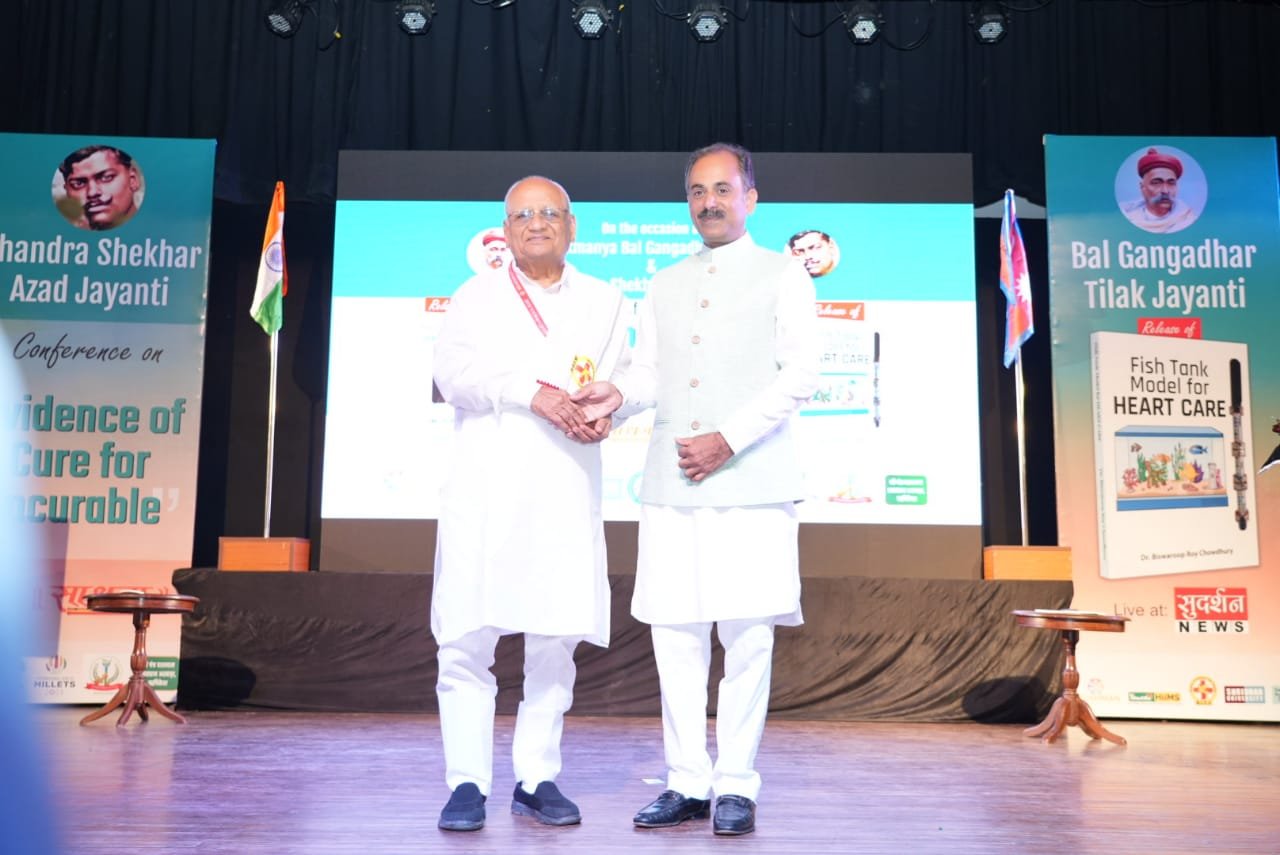
The gathering of medical professionals, researchers, and patients was also live telecasted on www.coronakaal.tv, Sudarshan News, and Saadhna TV, reaching millions worldwide.
The event was centered around the success stories of patients who had experienced remarkable recoveries from seemingly incurable ailments. A couple of patients shared their journeys to health and presented their medical reports and evidence supporting their extraordinary transformations.
Pathan Abdul Gaffur, who received treatment at Parul Hospital in Baroda, recounted his experience of enduring 2-3 dialysis sessions due to his condition. However, through the innovative approach adopted by Dr. Biswaroop Roy Chowdhury, Gaffur’s health took an unexpected turn for the better, defying the odds of his initial prognosis.
Laxmi’s story echoed similar sentiments, as she had undergone 2-3 dialysis sessions at Maharana Bhupal Hospital in Udaipur before embracing the groundbreaking treatment that led to her incredible recovery.
Vikas Gupta, a patient at BL Kapoor Hospital in New Delhi, expressed his gratitude while sharing his experience. Gupta underwent ten cycles of immunotherapy as part of the innovative treatment approach introduced by Acharya Manish Ji. Remarkably, Vikas Gupta’s journey was devoid of any discomforts, a testament to the effectiveness and patient-centric nature of the groundbreaking therapy.
Bebi Manik Deshmukh, who had ovarian cancer, connected via a Zoom call to narrate her inspiring story. Deshmukh received treatment at Lodha Multispeciality Hospital in Raigarh, where she underwent the transformative medical approach. Throughout her treatment journey, she experienced no discomfort, further highlighting the potential of Acharya Manish Ji’s groundbreaking method in tackling challenging cancer cases.
Shabana’s testimonial from Bapuji Hospital in Karnataka revealed the success of her treatment, which involved 2 dialysis sessions, and how the groundbreaking methodology changed her life for the better.
During the event, Dr. Biswaroop Roy Chowdhury launched the much-awaited book titled “Fish Tank Model for Heart Care.” The book extensively documented the evidence and methodology behind the breakthrough approach that has been transforming the lives of countless patients worldwide.
Dr. Biswaroop Roy Chowdhury, renowned for his academic accomplishments with a Bachelor’s degree in Production Engineering, a Post Graduate degree in Diabetes, and a PhD in Diabetes & CKD, is also the inventor of the groundbreaking GRAD* system. He said, “Today marks a momentous occasion where we challenge the notion of incurability and showcase the power of innovative medical approaches. The recoveries of these remarkable patients stand as evidence that with the right knowledge and methodologies, we can conquer diseases once deemed insurmountable. Our Fish Tank Model for Heart Care, along with the GRAD* system, has opened new horizons in the realm of medical treatments. Let this day be a beacon of hope for those seeking healing from seemingly incurable ailments.”
Everyone must get health insurance as Ayush cover does not work in all Ayurvedic hospitals, which government must address at the earliest. Asia’s biggest Ayurvedic Hospital, HIIMS, is in Meerut with a bed capacity of 1000 beds. The Chandigarh, Lucknow, and Mumbai facilities have 100 and 150 beds respectively.
The event culminated with a sense of hope and optimism as the remarkable recoveries and groundbreaking approach offered promising prospects for countless patients worldwide. The research presented during the event is expected to shape the future of medical treatments, providing new avenues of hope for those in need.
25, Jul 2023
Queer Stylist Vineet Anand’s Inspiring Hair Transplant Journey: Restoring Confidence and Challenging Beauty Standards

Vineet Anand, a talented makeup and fashion stylist known for challenging online beauty standards, has embarked on a remarkable journey of self-discovery and empowerment. As someone who constantly strives to redefine beauty norms, Vineet’s hair has always played a vital role in their self-esteem and self-expression. However, struggling with hair loss for an extended period took a toll on how they perceived their own beauty. But Vineet refused to let that define them.
Over a year ago, Vineet made a life-changing decision—to undergo a hair transplant that would help them reclaim their confidence and challenge the very beauty standards they sought to redefine. They found an incredible ally in Dr. Kavish, a renowned hair transplant specialist, and the exceptional team at DermaClinix. Vineet is filled with gratitude for their expertise and unwavering support throughout this transformative journey.
“We are dedicated to helping individuals like Vineet Anand reclaim their confidence and embrace their authentic selves. Our goal is not just to restore hair, but to empower our patients to challenge societal beauty standards and celebrate their uniqueness. It has been an honor to be a part of Vineet’s transformative journey, and we are thrilled to see the incredible results they have achieved.” – Dr. Kavish, renowned hair transplant specialist at DermaClinix.
As a queer individual pushing the boundaries of conventional beauty, Vineet feels incredibly fortunate to have had the unwavering support of their loving parents. Their parents’ understanding, encouragement, and belief in their journey have been immeasurable. Acting as pillars of strength, they have empowered Vineet to embrace their true self and challenge societal expectations.

Today, Vineet proudly showcases the extraordinary results of their hair transplant journey—a testament to their resilience and the skill of Dr. Kavish and his team. Not only has their hair been restored, but their confidence has been reignited, enabling them to continue breaking barriers in the world of beauty and fashion.
Vineet’s story serves as a powerful reminder of the importance of embracing authenticity and celebrating uniqueness. As a makeup and fashion stylist who constantly challenges online beauty standards, they encourage others to recognize their inherent worth and express themselves fully. Vineet believes that by uplifting and supporting one another, individuals can overcome any obstacle and foster self-confidence and empowerment.
In an era where social media often imposes narrow beauty ideals, Vineet Anand’s hair transplant journey serves as an inspiration to their followers and the wider community. By sharing their story, Vineet hopes to inspire individuals facing similar struggles, urging them to embrace their authenticity and challenge societal norms.
As a queer stylist who dares to redefine beauty standards, Vineet Anand continues to make waves in the industry. Their hair transplant journey is not just a personal triumph but also a powerful statement—a reminder that self-acceptance and self-expression can lead to true liberation.
18, Jul 2023
Fully integrated community ophthalmology program in Urban slums
First of-its-kind screening for Glaucoma at grass root level over 10k screened already.

Hyderabad, 18th July 2023: City Health Care NGO, Helping Hand Foundation, has launched a first of its kind screening for Glaucoma at one of its Primary Health Care centers it runs in association with SEED-USA from a Mosque situated in Wadi e Mahmood, Rajendranagar.
The Glaucoma screening will be an additional feature added to the existing Integrated & Upgraded Community Ophthalmology set up under one roof, which comprises of screening for refractive errors, fundus examination for retinopathy, cataract surgeries and now screening for glaucoma all done free of cost under a highly experience Ophthalmologist and Staff.
HHF-SEED, clinics are the only ones doing such free comprehensive and integrated eye care under one roof. Such integrated eye care facilities which are brought so near to most vulnerable sections without any cost will go a long way in prevention of blindness and other eye issues, said Mr. Mazharuddin Hussaini, Executive Director, SEED-USA a partner in this venture.
With poor awareness levels and lack of affordable and easily accessible eye care at the Community level in the Urban slums – eye health is neglected and is the single largest cause of blindness in many vulnerable groups like this said Mr. Mujtaba Hasan Askari of Helping Hand Foundation.
The NGO has so far screened over 10062 patients in the last one year, across all its primary health care centers in 50 different Urban Slums of the city. Patients with Non-Communicable diseases are the first to get screened for refractive errors, cataracts, retinopathies and now glaucoma.
58% of the patients screened were found to be having refractive errors, in which 45% had Uni Focal vision, 35% had bi focal vision & 20% had reading glasses hitherto undiagnosed and perhaps the single largest cause of blindness in India. Free spectacles were provided to 5000 plus vulnerable sections mainly children in the slums who hitherto had no access to eye care.
7% of screened were found with cataract and 60% of them were operated free of cost. 3% were diagnosed with diabetic & hypertensive retinopathy.
Another 6% with other eye issues like VKC, AED, stye, chalazion, blepharitis, episcleritis, conjunctivitis, pterygium, foreign body sensation, corneal foreign bodies, conjunctival foreign bodies, dry eye, NLD, and DCR, requiring specialized treatment and care & the rest 27% did not have any eye issues.
It is estimated that the Community health eye care program of HHF-SEED has helped save approx. Rs 75 lacs worth of Out-of-pocket expenses for poor patients through the eye screening program in the last one year.
Early detection and management of glaucoma is essential for preserving vision and preventing further damage. Glaucoma is a progressive disease, meaning that it will continue to worsen over time if left untreated. Early detection and treatment can slow the progression of the disease and help preserve vision, said Dr. Arshiya Akbar, Ophthalmologist and Ocular surgeon associated with this program at the Clinic.
The Tonometer for Glaucoma screening costing Rs 5 lacs was donated by Mrs. Habiba Akhil, a donor of HHF-SEED from USA in memory of her parents.
18, Jul 2023
Baird Medical Obtains NMPA Approval of Class III Registered Microwave Ablation Needle for Thyroid Nodules
Guangzhou, China, July 18, 2023 – Baird Medical Investment Holdings Limited (“Baird Medical” or the “Company”), a leading microwave ablation (“MWA”) medical device developer and provider in China, announced today that the Company’s independently developed and produced disposable MWA needle for the treatment of benign thyroid nodules received approval from China’s National Medical Products Administration (the “NMPA”) on July 13, 2023. The approval follows the registration of the first Class III thyroid MWA device and its accessories in China on November 18, 2021, by Nanjing Changcheng Medical Equipment Company Limited, a subsidiary of Baird Medical. This accomplishment marks the first independently registered product of its kind in China.
The Company expects the acquisition of the Class III certificate for the MWA needle will simplify sales processes and streamline the admission procedure for Baird Medical’s MWA needles. It will also expand the range of available specifications and models, allowing the company to customize its sales strategy for different disease types.
Baird Medical has actively complied with the policy and regulatory requirements set by the NMPA, conducting a comprehensive series of activities related to the Class III registration of MWA products. These included design enhancements and extensive efficacy and safety experiments, including animal and clinical trials, to help ensure the product’s safety and quality prior to launch. By offering safe, advanced MWA products for the treatment of thyroid diseases, Baird Medical aims to provide minimally invasive treatment options and solutions for patients. These solutions are particularly valuable to those with large thyroid cysts, nodular goiters, and individuals who are unable to undergo surgery.
Minimally invasive ablation technology for thyroid nodules has gained significant recognition over the past two decades due to its many potential applications. Thyroid nodule ablation technology has continuously advanced during that time, and its safety and effectiveness are well-established. Compared to surgical procedures, thyroid ablation technology offers advantages such as precise local anesthesia and real-time ultrasound-guided tumor ablation. Potential benefits for patients include reduced operation times, lower costs compared to open surgery, fewer complications, reduced damage to surrounding tissues, avoiding surgical scars, and effectively preserving thyroid function post-surgery. Thermal ablation is currently endorsed as one of the treatment options for benign thyroid nodules by multiple international and domestic guidelines.
Ms. Haimei Wu, Founder and CEO of Baird Medical, commented, “our recent approval from China’s National Medical Products Administration for our Class III disposable MWA needle is a testament to our unwavering commitment to scientific rigor, quality, and safety. We are proud of the strides we have made as a leading force in the development and provision of MWA devices. At Baird Medical, we remain steadfast in our pursuit of transformative solutions that offer minimally invasive, efficient, and more affordable treatment options for patients. Our success in developing this solution is another step in our continued journey to provide the highest standard of care to patients worldwide.”
18, Jul 2023
Innovative Wearable Sensor for Measuring Sweat Lactate Levels During Exercise

Scientists solve the long-standing problem of air bubbles in sweat affecting the performance of microfluidic wearable sensors
Wearable microfluidic sensors can be used to monitor lactate concentration in sweat, a good indicator of exercise intensity. However, air bubbles present in the sweat can get into the microfluidic channels, hindering the measurement. In a recent study, researchers from Japan have developed a wearable sensor for continuously monitoring sweat lactate during exercise, which incorporates a bubble-trapping region in its microfluidic system. The proposed technology can facilitate athlete training management and health monitoring.
Human sweat is a rich source of health information, offering insights into a person’s hydration level, electrolyte balance, and overall physiological state. For instance, lactate level in sweat is a useful biomarker of exercise intensity. Its measurement can help estimate the amount of lactic acid in the blood and, in turn, predict muscle fatigue.
Today, wearable sensors make it possible to continuously monitor biomarkers such as sweat lactate. Using the latest microfluidics technology, scientists have developed devices that convey minuscule amounts of sweat to tiny chemical sensors, which can transmit their measurements in real time wirelessly. However, one common problem in such devices is that their microfluidic channels tend to trap air bubbles present in the sweat. If these bubbles cover the sensor’s electrodes, the measurements get interrupted, interfering with the continuous monitoring of the target biomarker.
To address this issue, a research team, led by Associate Professor Isao Shitanda from Tokyo University of Science (TUS) in Japan, has come up with a novel microfluidic sweat lactate sensor whose measurements remain unaffected by the air bubbles. Their study, made available online on 22 May 2023 and published in ACS Sensors on 23 June 2023, was co-authored by Dr. Masahiro Motosuke, Dr. Tatsunori Suzuki, Dr. Shinya Yanagita, and Dr. Takahiro Mukaimoto from TUS.
The proposed wearable device consists of a relatively simple layered structure—a conventional lactate oxidase sensor attached via double-sided tape to a microfluidic system made of a silicone polymer. When the person wearing the device begins to perspire, the sweat enters the microfluidic channels via four inlets and flows toward a reservoir near which the electrodes are located. Old sweat exits the system through an outlet as new sweat enters, and a small wireless transmitter reports the measured lactate levels.
The key innovation in the proposed design was the use of a larger-than-usual sweat reservoir. “By increasing the length of the reservoir in the microfluidic channel, a space of approximately four microliters was created for trapping any air bubbles that infiltrate the device, thereby preventing them from contacting the electrodes of the sensor,” explains Dr. Shitanda.
The researchers tested their sensor in a series of laboratory experiments. They verified that the bubble-trapping region worked as intended by injecting bubbles into the device while measuring lactate levels in artificial sweat. In addition, the measurements were not affected by the sweat flow rate, and the response of the sensor remained stable for approximately two hours. Lastly, the researchers tested the device on a male volunteer who exercised on a stationary bike for almost an hour. The sensor showed a lactate concentration correlation ranging from 1 to 50 mM as well as a correlation between sweat and blood lactate levels.
Overall, the results of this study hint at the potential of wearable microfluidic sensors for monitoring sweat biomarkers during exercise. “Since the microfluidic system of the proposed lactate sensor is fabricated from a soft, flexible, and non-irritating material, it could be used to continuously monitor lactate levels in sweat, especially in sports and medicine,” remarks Dr. Shitanda. “Wearable lactate sensors may become useful condition management tools in sports such as soccer and basketball, allowing team managers to know when it’s best to replace a player.”
Only time will tell what training management and healthcare monitoring will look like in the future as wearable sensors become more capable and reliable.
18, Jul 2023
What to Eat Before and After a Surgery? Guidelines for Pre and Post-Surgery Meals
 Dr. Soumita Biswas, Chief Nutritionist, Aster RV Hospital
A medical procedure such as surgery, can be a traumatic experience for the body. The low movement period along with a predominant shift towards healing can lead to muscle loss, inflammation, and other conditions in the body. Adopting certain dietary habits before and after your surgery can help you recover faster and lessen the chance of unwanted complications. The general surgeon in Bangalore will be able to help guide you on what to expect from your surgery.
Note that every medical procedure may have its own set of guidelines for pre and post-operative meals. Talk to your team to know the best diet to aid your recovery.
Before Surgery Dietary Guidelines
Before your surgery, your general surgeon in Bangalore will explain the procedure and what you can expect. You may also receive certain nutritional guidelines at this time. Certain foods may offer you better benefits in terms of recovery and nutritional composition. The night before your surgery you may be advised to fast for 10 to 12 hours before surgery to reduce the risk of nausea and vomiting after surgery.
Some of the best food options before surgery include:
- Protein such as eggs, chicken, legumes, tofu, and cottage cheese
- Healthy carbohydrates such as buckwheat, quinoa, and rice
- Fruits and vegetables that are rich in vitamin C and other nutrients that aid healing such as bell peppers, citrus fruits, green leafy vegetables etc.
- Healthy fats such as avocado oil, olive oils, cold-pressed oil
- Eating a healthy diet prevents fat accumulation which can lead to weight gain during low-mobility days after surgery. Additionally, these nutrients aid healing and reduce the risk of infections. You may also be advised to avoid alcohol and tobacco to avoid complications during surgery.
After Surgery Dietary Guidelines
The type of surgery you have had will likely impact your post-operative diet. Cataract surgery or Lasik surgery may have different requirements as compared to bypass surgery. Additionally, laparoscopic surgery may require you to include more fluids for the first couple of days and stick to lighter food groups such as lean meat and dry toast to help your body recover while Lasik surgery may not have such strict requirements.
In either case, always follow your doctor’s recommendations to aid recovery and reduce the risk of complications. Here, we bring you some general nutrition guidelines following surgery.
You may be required to eat a liquid or soft diet for the first couple of days after surgery. This helps avoid constipation and reduces the stress on the digestive system.
Eat smaller portions of meals more frequently throughout the day. Instead of three big meals, you may be advised to have six or seven smaller meals.
Avoid extra hot or extra cold meals. Stick to a balanced temperature for all dishes.
After a few days, your diet may become more diverse. Some tips to keep in mind include:
- Eat whole foods such as millets, legumes, whole-wheat bread, brown rice, and oatmeal that offer a steady glucose release. Avoid processed and packaged foods which may lead to inflammation in the body.
- Eat plenty of fruits and vegetables. These offer adequate fiber to help your bowel movement without increasing the risk of constipation. Additionally, the nutritional composition of fruits and vegetables works wonders in balancing your energy, sugar levels, promoting wound healing and reducing the risk of infections.
- Consume lean protein which is easy to digest and essential for wound healing and post-surgery recovery. Healthy protein options after surgery are chicken, fish, tempeh, cottage cheese, unsweetened yogurt, and plant-based protein powders.
- Keep your body well hydrated. Fluids are an important requirement to aid healing after surgery. Lack of fluid intake can increase the chances of constipation. To ensure you have enough water through the day, place a jug of water at your bedside table and keep sipping small amounts of water at regular intervals. In case of nausea and lack of appetite, having ginger-infused water can help. Avoid sugary drinks available in the market as they can impede recovery and increase inflammation in the body.
- Following a healthy diet after surgery can help your body heal, reduce the risk of fat or weight gain, and allow for a healthy digestive system.
18, Jul 2023
Dr. Pradeep Moonot performs India’s first minimally invasive cheilectomy surgery
 Dr. Pradeep Moonot, a leading orthopaedic surgeon in Mumbai, has successfully performed the first minimally invasive cheilectomy surgery in India using a 1.9 mm nanoscope. This marks a significant milestone in the field of orthopaedic surgery in India, as it represents a major breakthrough in the treatment of such foot disorders.
59-year-old (ABC), a patient suffering from mild arthritis of the great toe, and subsequently developed extra bone growth (osteophytes) at the top part of the great toe joint, which was severely painful and he had complete restrictions in his foot movement (range of motion).
Cheilectomy is a surgical procedure used to treat hallux rigidus, a condition that affects the big toe joint and causes pain, stiffness, and limited mobility. Traditionally, cheilectomy has been performed as an open surgery, which involves making a large incision and removing the affected bone. This can lead to significant scarring, pain, and a long recovery period.
But for the first time in India, Dr Pradeep Moonot has introduced a minimally invasive cheilectomy procedure. Elaborating about the procedure Dr Moonot said “We made use of a disposable 1.9mm nanoscope which has been used for the first time in India. The extra bumps of bone were removed by using special tools under X-ray guidance. We made two incisions on the skin which were less than 1 cm each, resulting in minimal scarring, less pain, no risk of infection and a faster recovery. Post operatively the joint cartilage looks good with no severe arthritis and thus the decision to perform the Cheilectomy procedure was a great success. The patient revived a complete range of motion where the surgery became a huge success. This is a significant milestone in the field of orthopaedic surgery, and I believe that this technique has the potential to revolutionize the way we treat foot disorders.
Dr. Moonot, who has extensive experience in minimally invasive surgery, recently performed over 6 back-to-back Total Ankle replacement surgeries, which is also the first in India.
Dr Moonot further added” Minimally invasive techniques have revolutionized the field of orthopaedic surgery, and I am thrilled to be at the forefront of introducing this technology in India. Patients have significant improvement with quicker recovery, as compared to several weeks of downtime required with traditional open surgeries.”
Dr. Moonot is a leading orthopaedic surgeon and has performed numerous successful surgeries over the course of his career. He is dedicated to staying at the forefront of the latest surgical techniques and technologies to provide his patients with the best possible outcomes.


