



18, Dec 2025
Breaking E-Commerce Monopolies: Divya Devarajan Urges MSMEs to Join ONDC
Hyderabad, Dec 18: The National Small Industries Corporation Ltd. (NSIC), a Government of India Enterprise under the Ministry of Micro, Small and Medium Enterprises, organised an MSME Marketing Conclave at KLN Prasad Auditorium, FTCCI, Hyderabad, under the TEAM (Trade Enablement & Marketing) Initiative, a key component of the RAMP Programme on Wednesday.
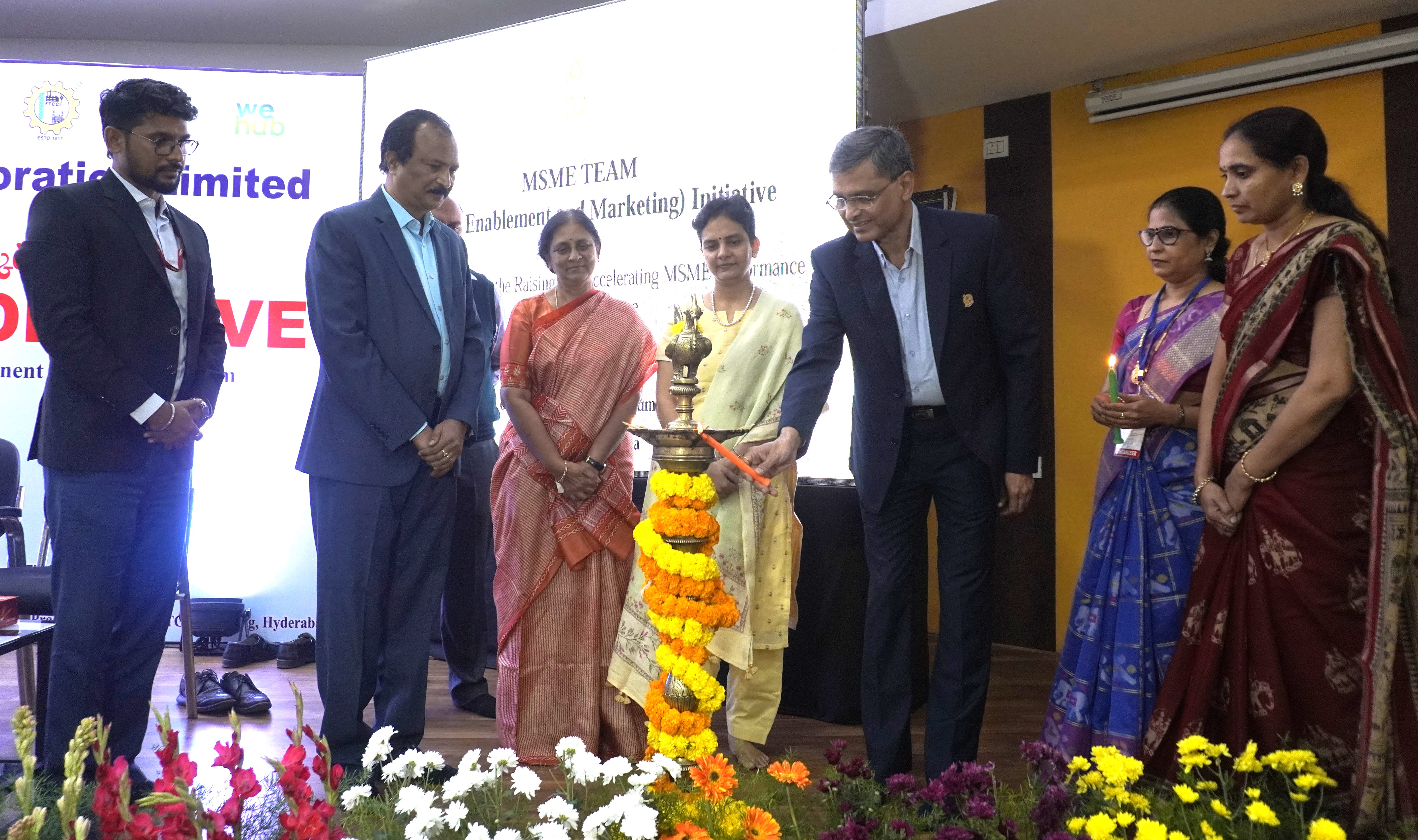
The conclave was organised with the objective of onboarding 5 lakh Micro and Small MSMEs onto the ONDC (Open Network for Digital Commerce) platform, a Government of India–backed initiative aimed at creating an open, interoperable digital commerce ecosystem.
Addressing the gathering, Smt. Divya Devarajan, IAS, CEO, SERP, Hyderabad, Chief Gest, stated that “monopoly is not good for democracy” and appealed to micro and small MSMEs to onboard their businesses onto the ONDC platform. She emphasised that traditional e-commerce platforms such as Amazon and Flipkart operate as closed systems where a single company controls buyers, sellers, data, algorithms, pricing visibility, and logistics. Sellers are forced to operate under high commissions, advertising pressure, and restrictive platform policies, creating strong gatekeeping power.
She explained that ONDC changes this model by moving from a platform-centric approach to an open network, where no single entity owns or controls the market. Buyers and sellers can transact seamlessly using different applications, thereby breaking dependency on dominant platforms. “ONDC helps micro and small MSMEs by making digital commerce open, affordable, and inclusive. For women MSMEs, it offers freedom, flexibility, visibility, and economic empowerment without traditional barriers,” she added.
The conclave aimed to onboard 5 lakh MSMEs from across India, of which 50 percent will be women-led enterprises. Speaking on the occasion, Sri V. Suresh Babu, Zonal General Manager (Telangana & Andhra Pradesh), NSIC, said that similar conclaves are being organised simultaneously across the country to accelerate MSME participation in the ONDC ecosystem.
Over 200 MSME entrepreneurs participated in the conclave. Mr. R. Ravi Kumar, President, FTCCI, urged entrepreneurs to embrace digital platforms, stating, “Go digital or you will miss the bus. If you don’t go online, you are dead offline.”
Mr. Srinivas Nayak, Ms. Swaroopa Rani, Vice President, ALEAP, and other dignitaries also addressed the gathering. Mr. Pradeep of Local Cart gave a presentation on the technical aspects of onboarding to ONDC.
The conclave reinforced the Government of India’s commitment to building a competitive, inclusive, and monopoly-free digital commerce environment for MSMEs, with special focus on women-led enterprises.
- 0
- By Neel Achary

17, Dec 2025
C-DEP Warns of Energy Security Risks as India’s Baryte Reserves Decline
New Delhi, Dec 17: The Centre for Domestic Economy Policy Research released a landmark report today warning that India is on the verge of exhausting its only major baryte reserve, placing the country’s long-term energy security at risk. With domestic extraction continuing at high levels, India is now the only major economy in the world with less than 10 years of accessible baryte reserves left.
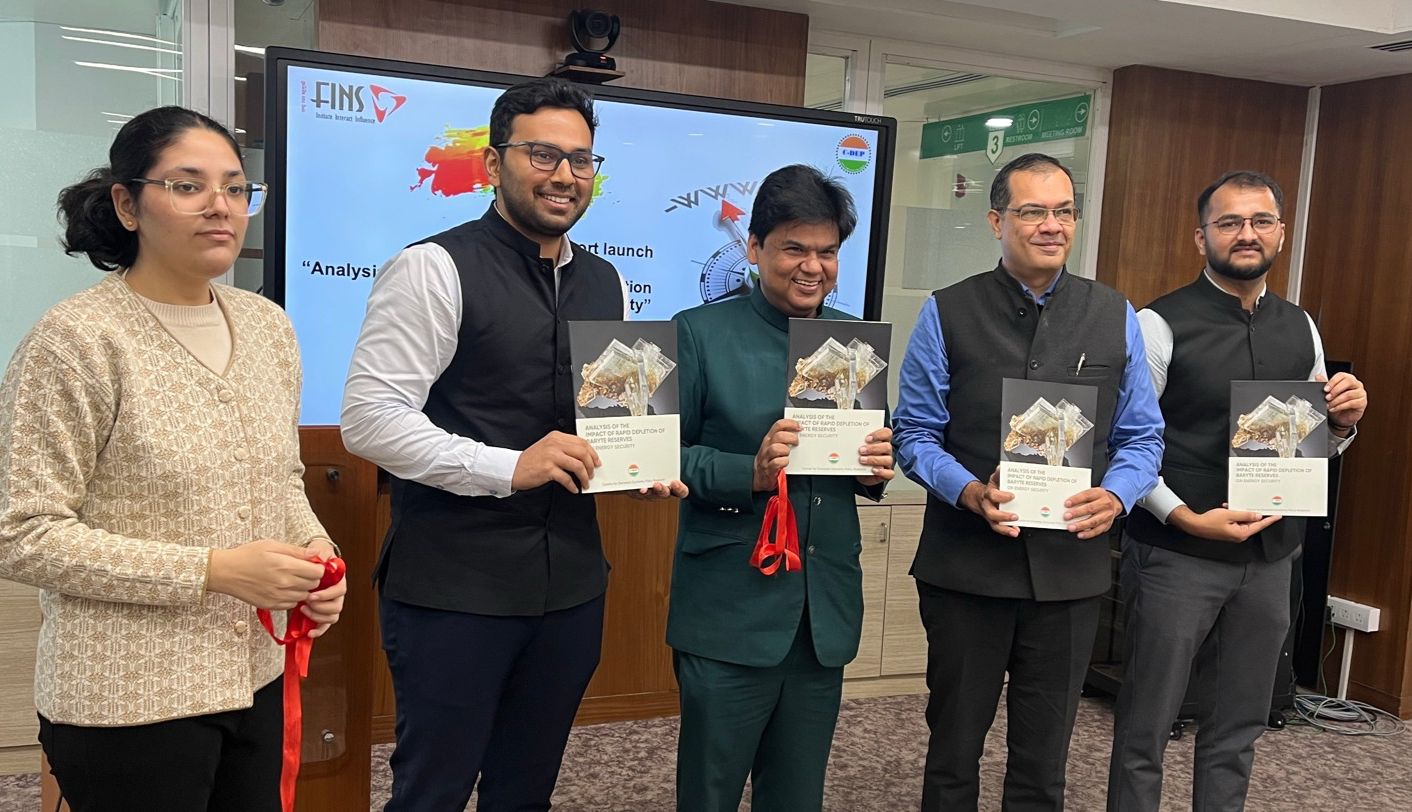
Baryte is an essential mineral for oil and gas drilling, with no viable substitutes for stabilising high-pressure wells during exploration. Without an assured domestic supply, India’s exploration programmes in the Andaman Basin and the Krishna Godavari Basin will face immediate operational disruptions.
The report highlights that 95% of India’s baryte wealth is concentrated in the Mangampet mine in Andhra Pradesh, where proven reserves have declined from 49 million tonnes in 2015 to under 23 million tonnes in 2024, a 53% fall within a decade. This decline has been driven by unsustainable exports without parallel efforts to build a strategic reserve for India’s long-term energy and domestic requirements.
The report, titled “Analysis of the Impact of Rapid Depletion of Baryte Reserves on Energy Security,” was released at IIT Delhi by Shri Praveen Prakash IAS (retd.), former Managing Director of the Andhra Pradesh Mineral Development Corporation the state-owned PSU responsible for managing the Mangampet reserve.
“The depletion of the baryte reserve is not just a mineral issue; it is a national energy-security concern,” said Mr. Prakash. “With 90% of India’s crude oil demand met through imports, the ability to explore and extract domestic reserves is essential. Baryte determines whether India can drill safely and efficiently in the future. Conserving this resource must become a strategic priority.”
The report notes that the rapid fall in reserves is driven primarily by exports, mainly to the United States, which now accounts for a major share of APMDC’s output. APMDC has also raised nearly INR 10,000 crore in bonds backed by baryte revenues, creating fiscal dependence on continued extraction rather than conservation.
C-DEP analysis shows that India became the world’s largest exporter of baryte because China restricted exports in 2016 to conserve its own reserves. India now supplies nearly 44% of U.S. baryte imports despite holding far smaller reserves than major producers such as the United States, Iran, Kazakhstan and Turkey. “Oil-producing nations such as Russia, Iran and the United States are either restricting baryte exports or calibrating production to ensure several decades of reserves left,” said Dr. Jaijit Bhattacharya, President, C-DEP. “India must adopt a similar long-term approach to safeguard domestic exploration and avoid future strategic dependence.”
India has an estimated 22 billion barrels of oil equivalent yet to be explored across the Andaman, Krishna Godavari and Mahanadi basins, C-DEP estimates that unlocking this potential would require over 600 million tonnes of baryte, far exceeding the reserves left at Mangampet.
Given these developments, the report calls for calibrated export restrictions, a fiscal transition plan for APMDC’s bond obligations, revision of export allocation policies and inclusion of baryte in the National Critical Minerals Mission The study contributes to India’s ongoing discussions on mineral security, strategic reserves and strengthening domestic capacity for future oil and gas exploration.
17, Dec 2025
Origin Fresh Unveils ‘RQ – Ripeness Quotient’ for Smarter Produce Planning
Bengaluru, Dec 17: Origin Fresh, a Bengaluru based fresh produce company, has launched a new brand film to introduce the RQ Ripeness Quotient a feature on its app that lets customers choose the ripeness level of their fruits before delivery. With this launch, the brand takes a decisive step towards solving one of the most common consumer pain points in fresh produce buying, getting the timing right.
The brand film explains how the feature works and highlights a simple idea produce should arrive in a condition that matches a customer’s plans. By giving users the ability to pick ripeness levels, the Ripeness Quotient feature supports better meal planning, smarter storage, and reduced household food waste. The film also doubles as a walkthrough, showing customers how to use the ripeness quotient while adding items to their cart. Developed entirely by Origin Fresh’s in-house creative team, the campaign builds on the brand’s philosophy, The Cult of Fresh, by turning freshness from an abstract promise into a usable, everyday feature in the app.
Speaking on the launch, Prashanth Vasan, Co-Founder and CEO of Origin Fresh, said;
“We built the Ripeness Quotient because ripeness decides everything when a fruit tastes best, how long it lasts, and how it fits into a customer’s day. The idea came from a simple, persistent problem I experienced myself for years ordering fruits online and receiving them either overripe or underripe, with no control over the timing. The film highlights that connection. It shows that ripeness isn’t a matter of luck anymore; it’s a choice. By selecting their preferred ripeness on the app, customers can plan better, and our supply chain can respond with far more accuracy. Our goal is to continue reducing food waste while ensuring peak quality at delivery.”
The feature strengthens Origin Fresh’s integrated supply chain. The company partners with over 10,000 farms globally, including micro farmers who follow careful, intentional growing practices. Exotic Produce is delivered within 48 hours, whereas the local produce is made available within 12-18 hours of harvest and undergoes a five-step quality check, helping retain up to 50% more nutrients than conventional supply chains. With 19 Sun Stores, AI-driven inventory systems, and a robust supply chain, the company has reduced wastage to under 5%, well below the industry’s 30–40% average.
The launch of this film sets the stage for a broader introduction of the RQ Ripeness Quotient as Origin Fresh rolls it out to more cities. It helps familiarise customers with how the selector works and why timing is central to the experience. As adoption grows, the film will anchor the communication around this new way of choosing fresh produce.
17, Dec 2025
Teamwork Communications Group Marks 16 Years, Pioneering a Savvy, Future-Ready Communication Paradigm
New Delhi, Dec 17: Teamwork Communications Group, one of India’s foremost integrated and healthcare-first communications agencies, marks its 16th anniversary, celebrating over a decade and a half of transformative storytelling, impactful campaigns, and purpose-oriented communication.Founded in 2009, the agency has evolved from a sector-focused PR firm into a multi-domain powerhouse known for clarity, agility, and strategic intelligence, driving conversations that matter.
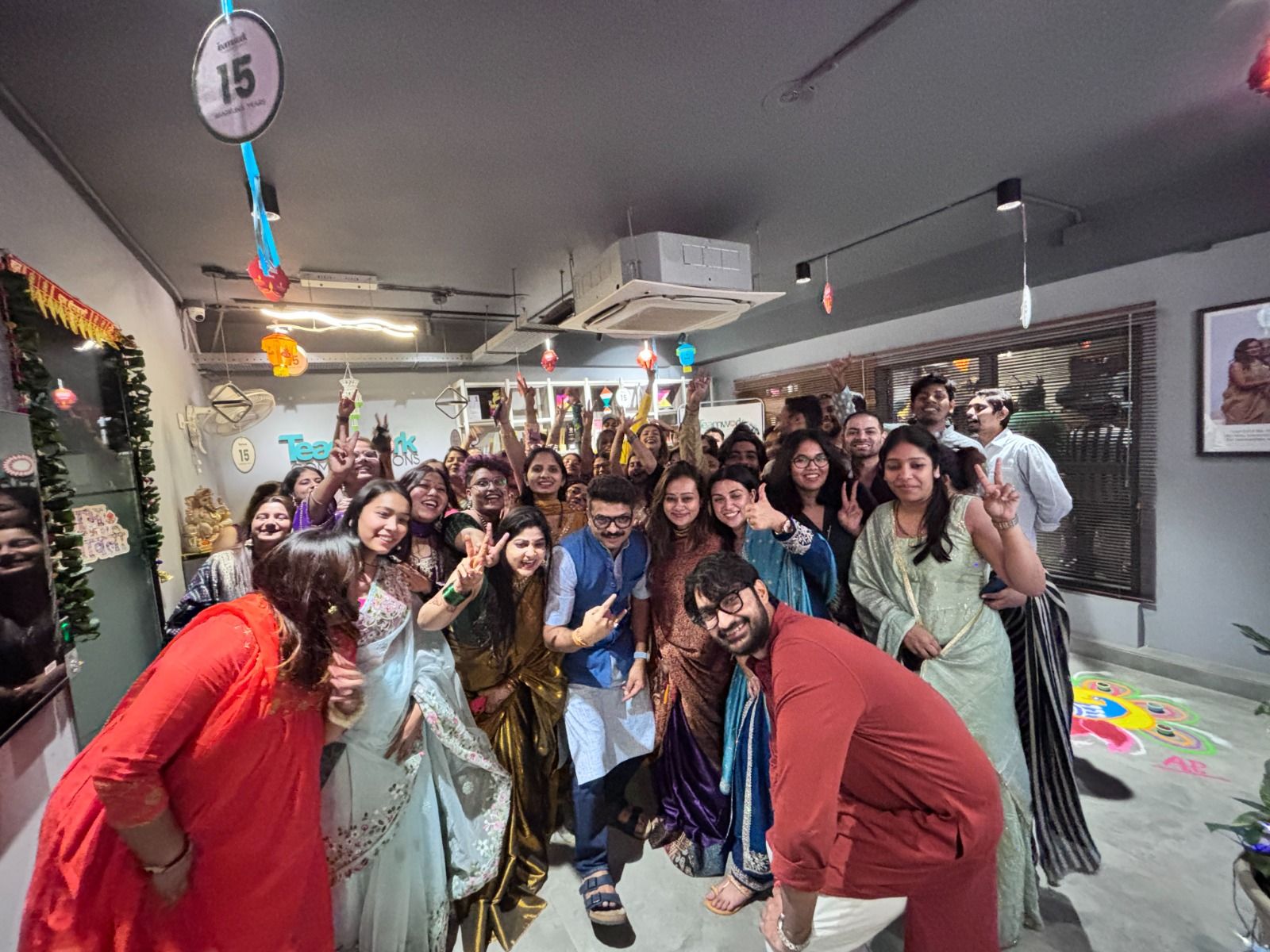
Teamwork’s journey reflects a consistent pursuit of excellence from laying a robust foundation in healthcare communication to becoming a trusted partner for brands spanning healthcare, education, development, consumer goods, and technology, as well as international engagements across geographies. The agency’s signature Savvy approach blends insight-driven strategy, creative prowess, and measurable impact to deliver resonant narratives that inspire action and trust.
Built on a culture of innovation and collaboration, Teamwork has earned its place among India’s most respected PR agencies, consistently winning industry recognition including Best Healthcare PR Agency, Specialized Agency of the Year, and multiple category awards. Its success across diverse communication verticals including media and influencer engagement, digital strategy, policy communication, and content-driven storytelling reflects its ability to adapt and lead in a rapidly changing communication ecosystem.
An official member of the Public Relations Consultants Association of India (PRCAI), Teamwork underlines its unwavering commitment to ethical practices, professional excellence, and industry leadership. With 16 years of impact behind it, the agency now looks ahead with renewed focus on crafting integrated, purpose-led campaigns that shape narratives, influence behavior, and build lasting value for clients and communities alike.
Reflecting on the milestone and the organisation’s evolution, Ms. Nikky Gupta, Co-Founder and CEO, Teamwork Communications Group, said,
“Reaching 16 years is not just a numerical milestone; it is a reflection of sustained curiosity, strategic foresight, and relentless pursuit of excellence. Over the years, the agency has evolved from executing sector-focused campaigns to architecting narratives that resonate across diverse industries and geographies. Each challenge has reinforced the importance of purposeful storytelling, precision, and agility. As we enter this next chapter, the focus is to pioneer communication that not only elevates brands but also leaves a measurable impact in an increasingly evolving media landscape.”
Speaking about the agency’s growth and long-term direction, Kamal Narayan Omer, Founder, Teamwork Communications Group, said,
“This 16-year journey underscores a philosophy that combines disciplined strategy with creative ingenuity. What sets Teamwork apart is the ability to interpret sector intricacies, anticipate market shifts, and craft campaigns that are both innovative and outcome-driven. Our evolution into global markets and digital ecosystems demonstrates a commitment to staying ahead of change, while delivering consistent, value-led communication. Looking forward, the priority is to expand these capabilities, fortify our integrated model, and continue shaping narratives that define industries and influence audiences worldwide.”
Over 16 years, the agency’s approach has been anchored in understanding sector nuances and building narratives that shape brands across industries. Teamwork’s integrated model now brings together media intelligence, creative content, digital strategy, influencer engagement, and research-backed insights to deliver campaigns that are meaningful, measurable, and aligned with business outcomes.
As Teamwork enters its seventeenth year, the organisation is set to scale its integrated capabilities with a stronger digital backbone, deeper domain specialisation, and a sharper framework that blends foresight, creativity, and strategic clarity. The anniversary theme, Savvy 16; Shaping Brands That Lead, reflects its commitment to building communication that stays relevant, forward looking and impact-driven in an evolving media ecosystem, with the ability to serve clients across borders.
17, Dec 2025
PAC Cosmetics Marks Its Presence as the Official Beauty Partner at the Global Youth Festival 2025
PAC Cosmetics participated as the Official Beauty Partner at the Global Youth Festival 2025, held recently at Jio World Garden, Mumbai. The festival’s theme, “Inner Verse,” focused on self-expression, emotional resilience and inner transformation. PAC’s involvement aligned with this narrative, particularly through its emphasis on beauty as an extension of personal identity and confidence.

At the venue, PAC created an installation designed as a large experiential makeup bag. The installation allowed visitors to explore and test a curated selection of products placed across multiple categories such as bestsellers, new launches, award winners, duochrome and spotlight range. The installation drew significant attention and became a frequent point for interaction, discovery and content creation.
Across the two days, the festival hosted close to 15,000 attendees, and PAC’s installation remained active with steady participation from youth communities, beauty enthusiasts, creators and families. Several creators and public figures, including Shanice, Jhanvi Batia, Shalini Mandal, Nauheed, Vamakshi, Shreeradhe and television actor Vaishali Thakkar, visited the PAC installation during the festival. They explored the installation and interacted with the products, contributing to broader visibility through their posts and participation.
To enhance visitor engagement, PAC also set up activity-based zones including a reflex-based “Catch-the-Bait” game and a popcorn station serving popcorn in branded cups. The brand additionally distributed small giveaways such as caps, sling bags, stickers and affirmation cards, which added to the overall experience for attendees.
A notable moment during the festival was PAC’s interaction with Gurudev Rakeshji Zaveri, whose teachings shaped the theme of the event. PAC’s Founder Bonish Jain, along with his family and team, attended Gurudev’s masterclass on Day 1 and met him personally before this wisdom masterclass. On the following day, Gurudev visited the PAC installation, spent time with the team, and offered his blessings, adding a reflective and meaningful dimension to the brand’s presence.
Reflecting on the experience, PAC Cosmetics Founder & Director Bonish Jain said,
“Being part of the Global Youth Festival allowed us to connect with young audiences in an environment that celebrated both individuality and inner growth. Meeting Gurudev Rakeshji and sharing this experience with our community made the event especially meaningful for our team. It brought me closer to myself in a way I did not expect. “
Overall, PAC’s participation at the Global Youth Festival 2025 provided an opportunity to engage directly with a diverse audience, observe authentic product interactions and be part of a larger cultural and reflective dialogue around self-expression.
17, Dec 2025
Standard Chartered Report Stresses Strong Digital Foundations Before Trade Innovation Scaling
Standard Chartered’s Future of Trade: Digitalisation report highlights global corporates’ priority on building strong foundations before scaling innovation
Standard Chartered’s latest report reveals that beyond the hype and promise surrounding emerging technologies, including artificial intelligence (AI) and digital assets, close to seven in 10 corporate leaders are focusing on building strong foundational systems in the short to medium term – notably cloud computing.
AI (55%) and digital assets (50%) round out the top three drivers shaping the future of trade digitalisation. This reflects a pragmatic approach that the underlying infrastructure must be robust before emerging technologies can deliver value at scale.
Specific to India, corporate leaders are particularly optimistic about AI, with 74% ranking it among their top three technology adoption choices followed by cloud computing (64%) and digital assets (46%). This bullish sentiment is supported by government initiatives, such as the National Strategy for Artificial Intelligence and several AI firms have been investing and expanding their operations in the world’s most populous market.
Markedly, 68% of respondents based in India outsource their digitalisation work completely, 30% work with third party providers and do this internally, while 3% do it internally. India is home to some of the world’s most notable IT outsourcing companies, which may increase the appeal among domestic corporates, given the advantages of proximity and shared culture. As India’s digital economy grows and local companies embark on digitalisation, this creates more opportunities domestically.
The Future of Trade: Digitalisation report published today, presents findings from 1,200 C-suite and senior leaders at global corporates based across 17 markets, who were surveyed about their outlook for global trade and their corporate strategies over the next three to five years. This report is a sequel to the Future of Trade: Resilience released in September 2025.
Despite the benefits these digitalisation drivers can bring, more than half of corporates cite a lack of interoperability and integration as the main challenges that are slowing down trade digitalisation. Regulatory and implementation challenges add to the friction, leaving many trade processes dependent on traditional, paper-based systems.
A dual-pronged approach could overcome this current state of structural fragmentation, namely:
- Promoting digitally-enabled commerce through Digital Economy Agreements (DEAs). All corporates find DEAs, which establish cross-border regulatory frameworks covering digital activities, instrumental in overcoming interoperability issues and regulatory barriers. More than half also hope that more markets will join DEAs and establish common standards.
- Scaling transformation through strategic partnerships. Close to 80% of respondents are working with third parties on digitalisation efforts to overcome challenges such as talent shortages and high costs to achieve faster and more efficient implementation.
“Global trade is undergoing a profound transformation, and digitalisation is accelerating the pace of change and reshaping how businesses connect, transact, and grow,” said Michael Spiegel, Global Head, Transaction Banking, Standard Chartered. “By prioritising connected data flows, compliance, and consistency, corporates are setting the stage for technologies like artificial intelligence and digital assets to scale responsibly and efficiently. When these underlying layers are strong, innovation can accelerate and sustain long-term growth across global value chains.”
“At Standard Chartered, we are proud to play a leading role in this evolution. We are investing in cloud-based platforms that connect ecosystems, digitising trade finance processes end-to-end, and co‑creating solutions that make global trade simpler, smarter, and more sustainable,” Spiegel added.
More than 80% of respondents are looking to banking partners to advise on digitalisation and the adoption of digital assets. The findings highlight a strong need for parties – including banks, fintechs, providers, and regulators – to come together to unlock the full potential of digitally-enabled trade, ensuring that innovation benefits participants at every level of the value chain.
16, Dec 2025
Inside India’s Biggest Breathing Challenge

From the toxic grey blanket that swallows Delhi to the lung-burning smog that settles over cities like Kanpur, Patna, Lucknow, Ghaziabad, Noida, Gurugram, Varanasi, Prayagraj and parts of Kolkata, millions of Indians wake up each day to an invisible battle hidden in every breath they take. Amid this environmental uncertainty, a quiet yet powerful movement has emerged — transforming anxiety into awareness, helplessness into personal empowerment.
At the heart of this national shift stands Himalayan Siddhaa Akshar — Founder of Akshar Yoga Kendraa, a visionary yogic master and spiritual guru — who is turning ancient Himalayan breathing sciences into a nationwide shield for physical, emotional and mental wellbeing.
The Birth of “India Breathe Again”
Launched in November 2025, India Breathe Again is a seven-day nationwide breathing movement designed to reconnect people with their most fundamental life force — the breath.
The initiative was created as a structured, guided breath empowerment programme, where every day for seven days, Himalayan Siddhaa Akshar Ji introduced one carefully structured pranayama each day, making it accessible for citizens to practice daily for seven minutes.
Each day focused on a specific yogic breathing technique:
● Bhastrika Pranayama for energising the body
● Surya Nadi Shodhan to activate vitality and warmth
● Chandra Nadi Shodhan to cultivate calmness and mental balance
● Kapalbhati for cleansing and strengthening respiratory pathways
● Bhastrika with Kumbhaka (breath retention) to enhance lung capacity
● Anulom Vilom to harmonise both hemispheres of the brain
Backed by online sessions, community participation, and shared experiences from across the country, India Breathe Again became a unifying wave — connecting school children, professionals, elders, athletes, home-makers and entire families through the simple discipline of breath.
At a time when rising pollution continues to strain physical and emotional health across India, this initiative offered a practical, accessible and powerful tool to stabilize the mind, strengthen the lungs and restore a sense of control.
The Himalayan Roots of a Modern Guru
Himalayan Siddhaa Akshar was born on 28 August 1983 in Bilaspur, Himachal Pradesh — in the sacred land associated with Sidh Baba Balak Nath ji, revered across the region. From the tender age of five, he began receiving guidance from wandering sages, yogis and Siddhas who moved through those mountain regions. Sitting with them, observing them, and absorbing their teachings through the traditional guru-shishya parampara, he entered the Himalayan sciences as a lived and experiential journey.
For him, yoga emerged as a complete system of refinement — a discipline that strengthens the human structure, organises thought, harmonises energy, and awakens higher intelligence. It became a path that shapes the practitioner with clarity, stability and purpose. His consistent message has been that when a person learns to organise their breath, mind and awareness, they begin to experience life with greater depth, clarity and purpose.
As the Founder of Akshar Yoga Kendraa, one of India’s prominent yoga institutions, he has taught more than 20 million practitioners across the globe through online and in-person training. A significant part of his student community comes from East and Southeast Asia — Taiwan, China, Singapore, Malaysia and Hong Kong as well as in the United States, the United Kingdom — where his teachings have gained strong resonance.
An eloquent writer and a widely respected voice in the fields of yoga and Himalayan sciences, Siddhaa Akshar has authored several bestselling books, including The Science of Mudra and Yoga Namaskar. Beyond books, he has written over 10,000 articles across more than 100 national and international publications, contributing substantially to contemporary literature on Yoga, Health, Pranayama, Mudra, Meditation and
Himalayan knowledge systems.
He is also the Founder of Siddha Abhyaas, a structured Himalayan discipline designed to work precisely on the human system. This sequential practice strengthens the spine, organises the nervous system and supports the body’s natural healing capacity. Rooted in ancient Siddha wisdom, Siddha Abhyaas follows a clear progression, enabling steady development across physical, mental and subtle dimensions.
His contribution to the modern yogic landscape lies in his ability to translate ancient Himalayan techniques into structured, accessible systems suited for contemporary life. Alongside Siddha Abhyaas, he has introduced powerful practices such as Siddha Walk, Healing Walk, Siddhohum Kriya, and a wide spectrum of meditation methodologies including State Meditation, Ardha Jal Magna Dhyān, Seed Meditation, Superpower Meditation, as well as refined mudra sciences like Mahāshakti Mudra, Kuber Mudra, Gupta Ganesh Mudra, Kapāl Hakini Mudra and Quantum Mudra.
Through these disciplines, Siddhaa Akshar continues to strengthen the bridge between classical Himalayan sciences and modern human needs, enabling practitioners to cultivate stability, refined awareness and sustained wellbeing through structured yogic practice.
Under his leadership, Akshar Yoga Kendraa created 21 Guinness World Records in Yogasanas, including an unprecedented achievement of breaking 12 records in a single day — many of which surpassed existing benchmarks set in countries like China and Hongkong. This stands as a testament to the discipline, precision and strength cultivated through his training systems.
Beyond records and accolades, he has guided numerous eminent athletes, artists and professionals seeking advanced yogic training. His role through organisations such as the International Siddha Foundation reflects his commitment to using yogic sciences for human welfare and meaningful cultural exchange.
Why Now?
So, why is “India Breathe Again” launching right now? The need couldn’t be more pressing. With India facing one of its worst air-quality seasons, where AQI levels are causing school closures and health warnings, Akshar recognized a chance to empower people during these systemic delays.
“Before we transform the world around us, we must learn to transform our inner environment,” he explains in the campaign’s press release. Taking cues from science, such as a 2023 study in Cell Reports Medicine that found cyclic sighing can reduce stress more quickly than meditation, Akshar is incorporating yogic breathwork to tackle the hidden effects of pollution. This includes issues like inflammation, oxidative stress, and mood swings that worsen India’s happiness paradox.
India tops global surveys for daily contentment; 90% of Indians report happiness in the 2025 Ipsos tracker, fueled by family ties and festivals; yet ranks 118th in the World Happiness Report, dragged down by environmental woes and inequities.
Akshar’s initiative is all about closing the gap between ancient wisdom and modern, tech-friendly formats. “We’re showing that even in a world where the air is often polluted, everyone can tap into their breath as a powerful healing tool,” he emphasizes, pointing out sessions designed for professionals, families, and creators.
One Breath, Millions of Ripples
The movement’s ripple effects are already palpable. Participants report sharper focus, better sleep, and a 44% drop in anxiety after similar programs, per studies. In a country where air pollution robs us of not just fresh air but also our happiness, Akshar’s invitation to “breathe together” feels like a breath of fresh air itself. It’s not a replacement for policy changes like cleaner fuels or emission laws, but a personal arsenal while those wheels turn.
As the campaign’s teaser video on Instagram captures, contrasting urban smog with serene inhales, Akshar speaks of a future shaped by conscious participation:
“The strength of a nation begins with the strength of its people. When a citizen learns to work with the breath, the body grows resilient, the mind gains clarity, and life begins to align with purpose. This is how a healthier India is built — one disciplined breath at a time.” he says. These practices have the potential to improve lung function, and also encourage people to make a collective commitment to a healthier and happier lifestyle. In a country where festivals celebrate unity, the most significant change toward achieving that unity could be learning how to breathe together.
16, Dec 2025
Archon Power Infra Builds Temple Near Azamgarh University Campus
Azamgarh, Uttar Pradesh: Reinforcing its commitment to social responsibility and India’s Sanatan cultural values, Archon Power Infra has constructed a temple outside the Maharaja Suheldev Azamgarh University campus. The initiative has been undertaken as part of the company’s Social Responsibility efforts, aimed at promoting spiritual well-being and community harmony.
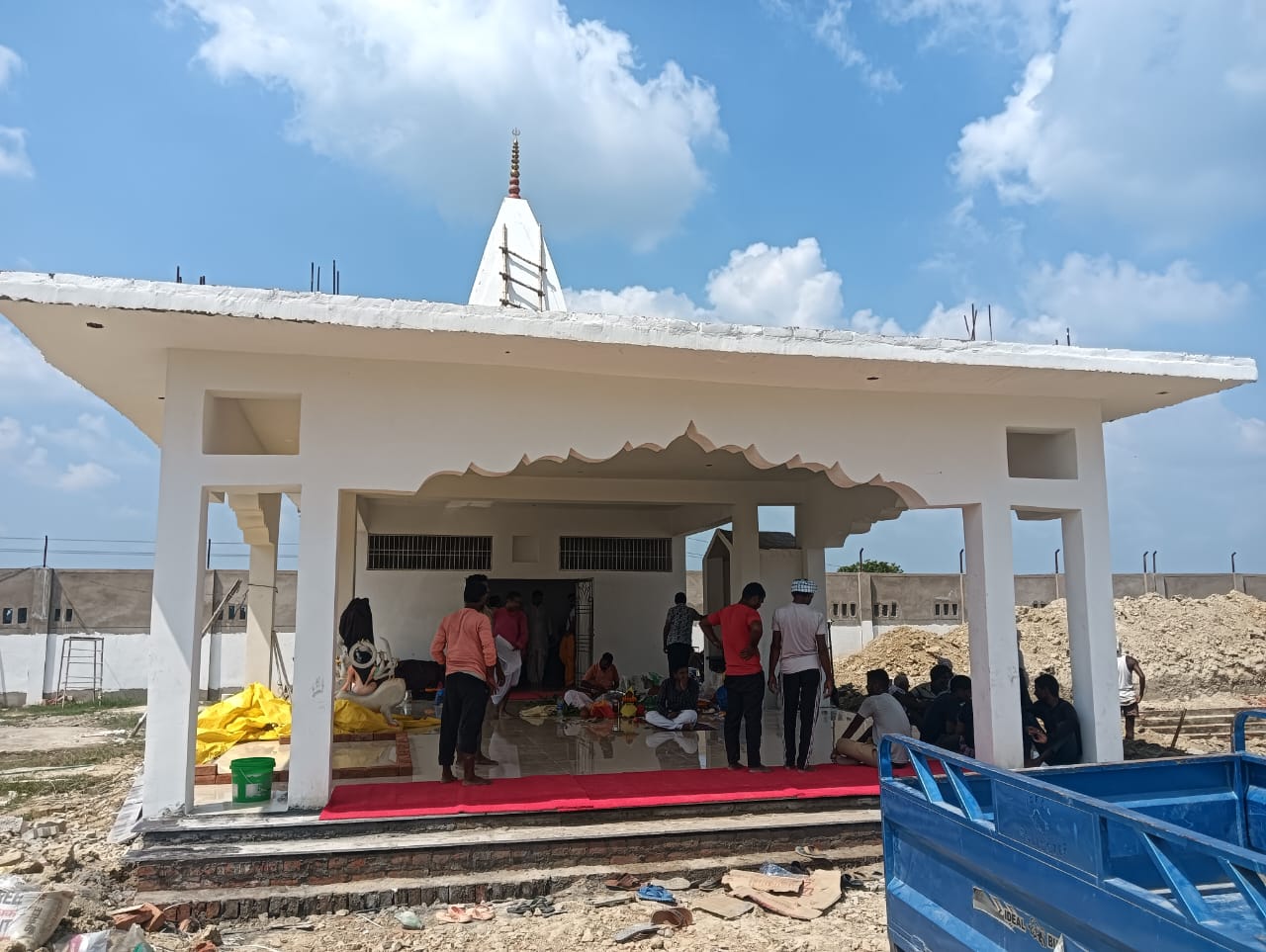
The temple has been built near a banyan tree, which holds deep significance in Sanatan tradition as a symbol of longevity, protection, and spiritual consciousness. Located close to an educational hub, the temple is expected to serve as a peaceful space for students, local residents, and devotees to reflect, meditate, and reconnect with cultural roots.
Commenting on the initiative, Kapil Sharma, promoter, Archon Power Infra, said,
“Sanatan values teach us to grow in harmony with society and nature. At Archon Power Infra, we believe that infrastructure development must go hand in hand with social and cultural responsibility. This temple reflects our commitment to giving back to society and preserving our spiritual heritage.”
He further added that constructing the temple near a university campus was a conscious decision to help younger generations stay connected with India’s cultural and ethical foundations amid rapid modernization.
Local residents and devotees have welcomed the initiative, describing it as a positive step towards nurturing spiritual balance and social cohesion in the region.
Through this initiative, Archon Power Infra continues to demonstrate that modern industrial growth and Sanatan cultural values can coexist, contributing to holistic and sustainable community development.
16, Dec 2025
Bob Chopra Felicitated as India’s Youngest Entrepreneur at Edu Nation Summit 2025

“I am honoured to receive this award and want every child to feel confident about building the future. At Ivyschool.ai, we empower children to become creators, not just consumers of technology,” said Bob Chopra.
“Bob Chopra represents the spirit of innovation we strive to nurture. His work with Ivyschool.ai is a testament to how early exposure to computer science and artificial intelligence can empower children to become future-ready leaders. We are proud to host a summit that celebrates such transformative journeys,” said Mr. Siddhartha Dutta, Founder & Director, Veecap Edventures Pvt. Ltd.
16, Dec 2025
Christmas Sparkles at Sheraton Hyderabad with Eco-Tree & 12-Foot Yuletide Log
HYDERABAD, Dec 16: The holiday season arrived at Sheraton Hyderabad, not just with a glow, but with a statement. In a lobby transformed into a Christmas wonderland of reindeers, sledges, and a whimsical gingerbread house, the hotel hosted a Tree Lighting ceremony that blended festive tradition with a powerful message of sustainability.

Breaking away from conventional fir trees, the centerpiece of the evening was a stunning installation crafted entirely from the hotel’s scrap metal and repurposed linen. This unique concept of upcycled luxury served as the backdrop for a vibrant gathering of in-house guests, local patrons, and excited children.
The atmosphere was electric as a live band swooned to classic carols, backed by a choir of children whose singing set the rhythm for the evening. As the lights went up, the culinary team began their own show. Guests were treated to a gastronomic hug of winter flavors: traditional Stollen, crisp ginger cookies, rich almond cinnamon cakes, and the warmth of flowing mulled wine and eggnog.
However, the undisputed showstopper of the culinary spread was the massive 12-foot Yuletide log cake. A labor of love, the cake took the pastry team 72 continuous hours to construct, serving as a delicious testament to the hotel’s dedication to grandeur.
Subhankar Bose, General Manager of Sheraton Hyderabad, commented on the unique theme:
“Our tree, crafted from scrap materials, proves that elegance and sustainability can coexist beautifully. It was truly heartwarming to see our community come together to celebrate the season with a conscience.”
Adding to the evening’s excitement, the hotel unveiled the theme for its upcoming New Year celebrations, ‘Ticket to London’, promising guests a British-inspired extravaganza to ring in 2026.
The event was orchestrated by Sourav Pal Chowdhury, Assistant Director of Food & Beverage, who ensured the evening was a feast for all senses. “From the aroma of fresh cinnamon to our massive 12-foot log cake, we wanted a complete sensory feast. My team spent 72 hours perfecting that cake, and seeing the guests’ delight made every moment worth it.”
Sheraton Hyderabad has officially rung in the season, proving that the best holiday spirits are the ones that combine chic with a conscience.


