


3, Oct 2025
Chetan Bhagat’s 12 Years Book Launch at Crossword Bookstores, Krishna Curve
India, october 3rd, 2025: Join India’s bestselling author Chetan Bhagat for the exclusive launch of his much-anticipated novel 12 Years at Crossword Bookstores, Krishna Curve on Friday, 4th October 2025.
The evening will feature a special conversation between Chetan Bhagat and Stutee Ghosh, where the author will share the inspirations, insights, and creative journey behind 12 Years. Guests will also have the opportunity to get their copies signed and engage with the author in person.
Known for his relatable storytelling and contemporary themes, Bhagat returns with a powerful new novel that explores love, ambition, and the defining choices we make over time. With his trademark blend of humor, drama, and emotional depth, 12 Years is set to resonate with readers across generations.
For over 30 years, Crossword Bookstores has been India’s premier literary destination hosting iconic book launches and connecting readers with some of the most influential voices in literature. The Krishna Curve store proudly continues this tradition with yet another unforgettable event.
Venue: Crossword Bookstores, Krishna Curve
Date: Friday, 4th October 2025
Time: 5:00 PM
- 0
- By Neel Achary

2, Oct 2025
Parents in Missouri to See Expanded Access to Quality Child Care
Backed by $2.5 million from the Children’s Trust Fund, partners join forces to expand access to affordable, high-quality care.
(St. Louis, Mo., October 2, 2025) Child Care Aware of Missouri (CCAMO), in partnership with Kids Win Missouri, was recently selected by the Children’s Trust Fund of Missouri to implement a new child care cost-sharing initiative called Missouri Child Care Works. The program is designed to increase family access to affordable, high-quality child care through locally coordinated cost-sharing exchanges.

The Children’s Trust Fund, Missouri’s foundation for child abuse and neglect prevention, is providing $2.5 million to launch Missouri Child Care Works. The program is modeled after the Tri-Share approach, which distributes the cost of child care among employers, families and either state government or a philanthropic partner. The initiative begins November 1.
This marks Missouri’s first statewide implementation of the Tri-Share model. It is also the first time CCAMO and its technology partner TOOTRiS – the nation’s largest and most comprehensive child care platform and services provider – have launched a Tri-Share program together.
“As a Child Care Resource & Referral agency, we connect families to child care programs while coordinating vital resources with state and local governments,” said Robin Phillips, CEO of Child Care Aware of Missouri. “With recent shifts in the child care funding landscape, it is critical to establish sustainable funding streams and leverage innovative technology. This partnership allows Missouri, for the very first time, to combine cost-sharing with technology in a way that strengthens families, supports providers, and benefits businesses and communities statewide.”
Founded in 1999, CCAMO is a statewide nonprofit that focuses on a comprehensive early childhood education experience through impactful programs and partnerships. The organization’s services include workforce development, child care business supports, advocacy and policy work, and its new Child Care Keeps Missouri Working, a regional campaign offering concierge solutions to businesses undergoing employee recruitment and retention challenges due to the overwhelming shortage of quality child care options. For more information, call (314) 535-1458 or visit www.mochildcareaware.org.
29, Sep 2025
Hiranandani Launches India’s Largest Integrated Township in Alibaug
Hiranandani Launches India’s Largest Integrated township in Alibaug with an Estimated Topline of INR 17,000 Crore
Mumbai, Maharashtra, India,September 29, 2025: Dr Niranjan Hiranandani led Hiranandani Communities, a leading developer of global community townships, today announced the launch of India’s largest coastal destination township named as ‘Hiranandani Sands’ with an estimated revenue projection of INR 17,000 crore at Alibaug near Mumbai in Maharashtra.
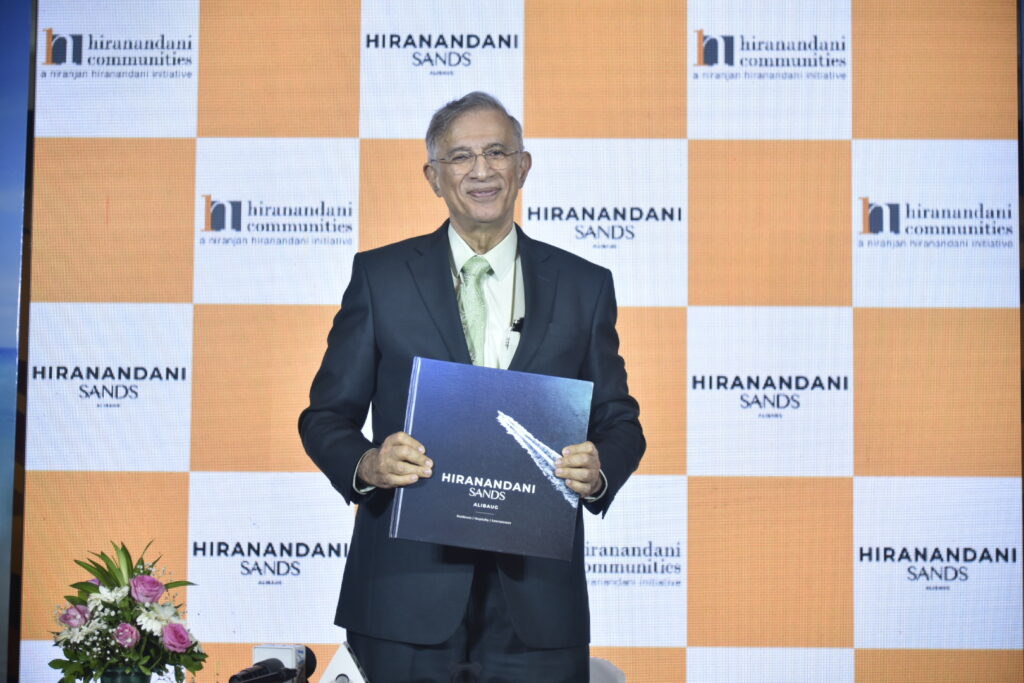
Spanning 225 acres, the township is envisioned as Mumbai’s lifestyle extension hub, featuring luxury homes, signature villas, plotted developments, and branded serviced apartments designed to cater to the affluent buyers globally. It will be Alibaug’s first private township, offering residents a personal beachfront and private jetty access to offer luxury living experience.
The township will include a curated portfolio of five hotels across luxury, business, and leisure segments, delivering a world-class hospitality experience. Additionally, a mega convention centre, an eco-wellness hub, a thriving wedding destination, beachside entertainment, and a global-style yacht club will collectively elevate the coastal living experience. The company will commence one of the biggest water sports hubs at Alibaug by year end. Designed with a sustainability-first approach, Hiranandani Sands township features 27 acres of reserve forest with more than 7,000 trees afforested and enjoys proximity to 100 acres of natural wetlands.
“Hiranandani Sands is envisioned as a catalyst for Alibaug’s real estate transformation, supported by improving last-mile connectivity and year-round access via sea, road, rail, and air. Upcoming mega infrastructure projects will further strengthen links from Mumbai, MMR, and Navi Mumbai, positioning Alibaug as tomorrow’s preferred first-home destination. With rising demand for luxury homes, the township will appeal to domestic and NRI investors, HNIs, and UHNIs seeking premium coastal living, further supported by Integrated Township Project (ITP) incentives such as a 50% stamp duty concession,” said Dr. Niranjan Hiranandani, Founder & Managing Director, Hiranandani Communities.
The first phase of the township spans 3.3 lakh sq. ft., comprising three residential towers with 330 units, all of which were sold out at launch. Configurations include Studio, 1, 2, and 3 BHK apartments, priced from INR 80 lakh for studios to INR 2.85 crore for premium 3 BHK residences with sea and hill views. This RERA-approved development recorded strong gross sales topline of Rs 450 crs at launch, reaffirming Alibaug’s growing appeal as a prime coastal real estate destination.
The Government of Maharashtra’s focus on enhancing connectivity to Alibaug is laying a strong foundation for its transformation into a sustainable tourism and lifestyle-led real estate hub. Key projects include the extension of the Ro-Ro ferry from Mumbai’s Ferry Wharf to Revdanda, the proposed Radio Club Jetty at Colaba, the Karanje–Rewas Sea Bridge, the Virar–Alibaug Multimodal Corridor, along with Atal Setu and the Navi Mumbai International Airport. These upgrades are expected to significantly increase footfalls and investments, firmly positioning Alibaug as a major growth corridor across the Mumbai harbour.
29, Sep 2025
Blue Cloud Softech Chairpersons Win Global AI Excellence Award at House of Lords
Hyderabad, Telangana, 29th September, 2025: Blue Cloud Softech Solutions Limited (BSE: 539607), a fast growing AI & Cybersecurity Indian company focused on delivering innovative IT and IT-enabled services across global markets, with a strong foundation in cloud computing, artificial intelligence, data analytics, cybersecurity, and enterprise solutions, proud to announce that its Group Chairman, Mr. Tejesh Kumar Kodali and Chairman Mrs. Janaki Yarlagadda, has been conferred with the prestigious Global AI Excellence Award at the Viksit Bharat Investment Summit 2025, hosted by the Indo-European Business Forum (IEBF) at the historic House of Lords, London.
The award recognizes their visionary leadership and transformative contributions to the field of artificial intelligence. Under their guidance, Blue Cloud Softech Solutions has emerged as a global leader in AI-driven innovation, delivering intelligent technology solutions that are reshaping industries and driving sustainable growth.
“This recognition is a testament to our team’s relentless pursuit of excellence in AI and emerging technologies,” said Mr. Tejesh Kumar Kodali. “At Blue Cloud Softech Solutions, we remain committed to building solutions that empower businesses and contribute to a smarter, more sustainable future.”
The summit convened global leaders, policymakers, investors, and entrepreneurs to foster economic collaboration between India, the United Kingdom, Europe, and other international regions. Distinguished dignitaries included Hon’ble Chief Minister of Himachal Pradesh Shri Sukhvinder Singh Sukhu, Lord David Evans, Ministers Kanishka Narayan and Seema Malhotra, Virender Sharma ji, His Excellency Samuel Mahama from Ghana, Dr. Rohitga (Sri Lanka’s former Foreign Minister and High Commissioner), and other eminent personalities from the USA, Dubai, Hong Kong, Africa, and Europe.
IEBF Founder Mr. Vijay Goel emphasized the importance of mutual collaboration between India, the UK, and Europe across critical sectors such as renewable energy, information technology, defense, and education.
Other Eminent Awardees Honored at the Summit:
Shri Sukhvinder Singh Sukhu, Chief Minister of Himachal Pradesh – Leadership and Governance Award for his visionary policies and transformative governance in Himachal Pradesh.
Mr. Subodh Kumar Gupta – Innovation in Diagnostic Devices for pioneering advancements in medical technology.
Ms. Niharika Handa – Businesswoman of the Year for her outstanding achievements in entrepreneurship and leadership.
Dr. Neerja Birla – Global Changemaker Award for Social Impact for her exceptional contributions to mental health and social welfare.
Mr. Sandip Sali – Green Entrepreneur of the Year (UK) for his commitment to sustainable business practices and environmental innovation.
This collective recognition underscores the spirit of innovation, leadership, and global collaboration that defines the Viksit Bharat Investment Summit. It further reinforces Blue Cloud Softech Solutions’ mission to deliver cutting-edge AI solutions and strengthen its position as a trusted technology partner on the global stage.
29, Sep 2025
ASUS Highlights Innovation for Government and Education Sectors at Riyadh Showcase
Riyadh, Saudi Arabia,September 29, 2025: In a strategic move to support Saudi Arabia’s rapidly evolving digital landscape, ASUS, in collaboration with its local partner AlFalak Electronic Equipment and Supplies Co., hosted its ‘Powering the Future’ event on September 15 at the Narcissus Hotel, Riyadh. The event brought together stakeholders from the government, education, healthcare, and technology sectors to experience ASUS’s latest commercial innovations designed for a smarter, more sustainable future.
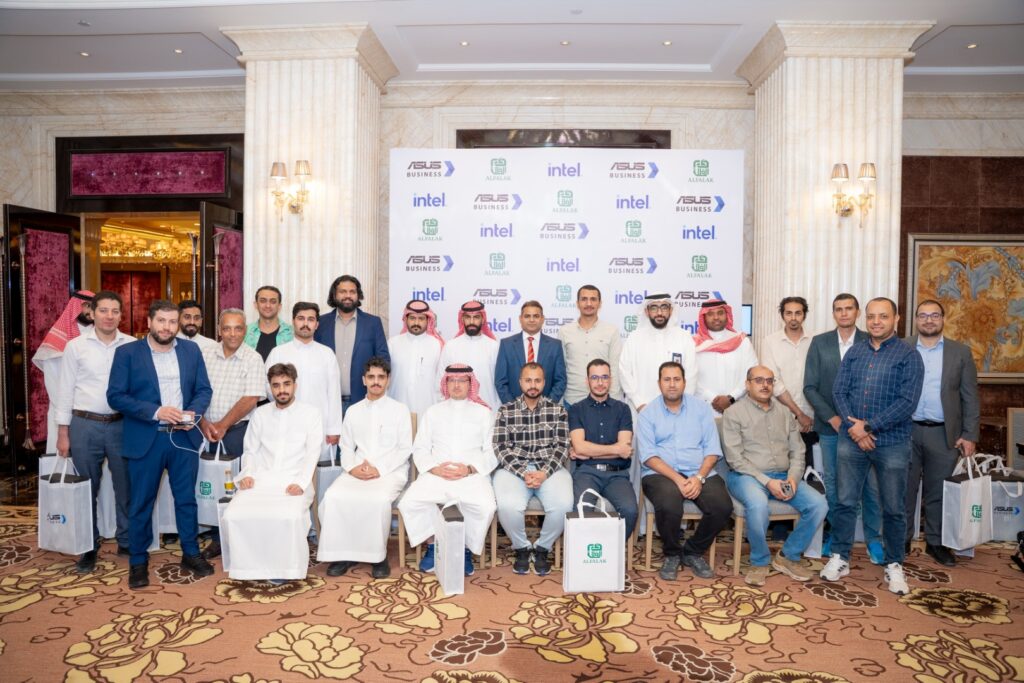
Addressing the gathering, Tolga Özdil, Regional Commercial Director, META at ASUS, said:“Digital innovation initiatives affect every institution in Saudi Arabia as the country enters a transformative era, where technology is at the very foundation. At ASUS, it is our mission to offer innovative, reliable, and sustainable solutions that empower users across education, business, and government. Saudi Arabia is a key market in our regional and global strategy, and we are committed to long-term partnerships aligned with the Kingdom’s vision of building a digitally empowered economy.”
Showcasing the AI-Ready Commercial Portfolio
The event featured a presentation by Mohamed Elhosseiny, Commercial Sales Lead at ASUS, who introduced the brand’s robust portfolio of AI-powered, productivity-driven devices. Key highlights included:
-
ASUS ExpertBook P5405 and B5405CCA Copilot PCs: Built to support on-device AI tasks for smarter performance.
-
ExpertBook B9 OLED (B9406): The world’s lightest 14-inch OLED business laptop, delivering premium performance in a sleek form factor.
-
ASUS Chromebooks: Tailored for the evolving needs of students and digital classrooms.
-
All-in-One (AiO) PCs: Offering reliable performance, strong security features, and space-saving designs ideal for both education and government use.
Designed to meet the high demands of modern workplaces and public sector institutions, these devices offer extended battery life, fast connectivity, and on-device AI capabilities—making them ideal for today’s productivity-first environments.
Sustainability Aligned with Vision 2030
ASUS reaffirmed its commitment to sustainability by highlighting its roadmap toward carbon neutrality and net-zero emissions by 2050. This commitment includes the development of eco-friendly devices that support the goals of Saudi Vision 2030, particularly in building a resilient, environmentally conscious economy.
The Riyadh event follows similar successful showcases across the region, underscoring ASUS’s role as a technology leader delivering sector-specific, future-ready solutions tailored for the Middle East and Africa.
29, Sep 2025
PhonePe & Mastercard Team Up to Enable Contactless Smartphone Payments Across India
Tap, pay, and go: PhonePe and Mastercard collaborate to power contactless payments through smartphones for millions of Indians
India, 29 September 2025: As contactless payments through smartphones gain popularity among consumers, PhonePe and Mastercard have collaborated to launch an exclusive feature for Mastercard cardholders in India. The new feature enables Mastercard cardholders to make in-store payments by simply tapping their NFC-enabled smartphones at payment terminals using the PhonePe app.
 The collaboration is designed to offer secure and frictionless Tap & Pay experiences at physical retail outlets, while also supporting tokenized e-commerce transactions—all through NFC-capable Android smartphones. Cardholders can simply save their Mastercard credit, debit, and prepaid cards issued in India on their smartphones and enjoy all the benefits of card-based payments.
By combining Mastercard’s global expertise in tokenization with PhonePe’s vast base of 618 million registered users, this launch expands access to digital payments both within India and internationally. It reinforces the shared commitment of both companies to strengthening the country’s rapidly growing digital economy.
Mastercard cardholders can now benefit from a suite of powerful features, including:
- Secure Tap & Pay in-store payments: Make contactless payments at NFC-enabled terminals across India and abroad using PhonePe app on Android smartphones, with device-specific tokenization for enhanced fraud protection.
- Safer online shopping: Shop securely with Mastercard cards via the PhonePe app, with each transaction tokenized and tied to your device, making stolen credentials useless elsewhere.
- Frictionless & reassuring experience: Save your card just once to enjoy a fast, secure checkout every time, backed by Mastercard’s global expertise in tokenization and PhonePe’s intuitive user experience.
Emphasizing the importance of continuous innovation, Deep Agrawal, Head of Payments at PhonePe, said, “We’re delighted to collaborate with Mastercard to bring device-based tokenization to millions of PhonePe users. With an increased penetration of NFC enabled smartphones coupled with growing consumer preference towards usage of Tap & Pay using their cards, this functionality marries the two seamlessly. This elevates both convenience and security for users, enabling contactless payments at physical stores and safer online transactions—all within the familiar PhonePe app. We view this association as yet another key step toward delivering a world-class payment experience to PhonePe users across India and when travelling abroad.”
Underlining the significance of this collaboration, Ravi Datla, Senior Vice President, Products & Solutions, South Asia, Mastercard, said, “Mastercard has always believed in scaling innovation. This collaboration with PhonePe marks a key step in broadening the reach of digital payments by expanding device-based tokenization, empowering Mastercard cardholders exclusively to Tap & Pay at merchant outlets, both within the country and abroad. India plays a pivotal role in setting the pace of digital commerce globally, and Mastercard is proud to support this momentum with solutions that make transactions smarter and safer.”
Users can securely add their credit and debit cards on the PhonePe app through a simple, one-time process. Once the card is tokenized and saved, they can make seamless payments by selecting the card and tapping their smartphone against any PoS machine and shop online.
The new feature will begin rolling out to Mastercard cardholders on the PhonePe app in a phased manner.
29, Sep 2025
Vedanta IOK Recognised by FIMI for ESG Best Practices
Karnataka, 29 September 2025: Vedanta Iron Ore Karnataka (IOK) has been awarded with the OMC Mining Happiness ESG Award 2024-’25 at the 59th AGM of Federation of Indian Mineral Industries (FIMI) awards 2025.
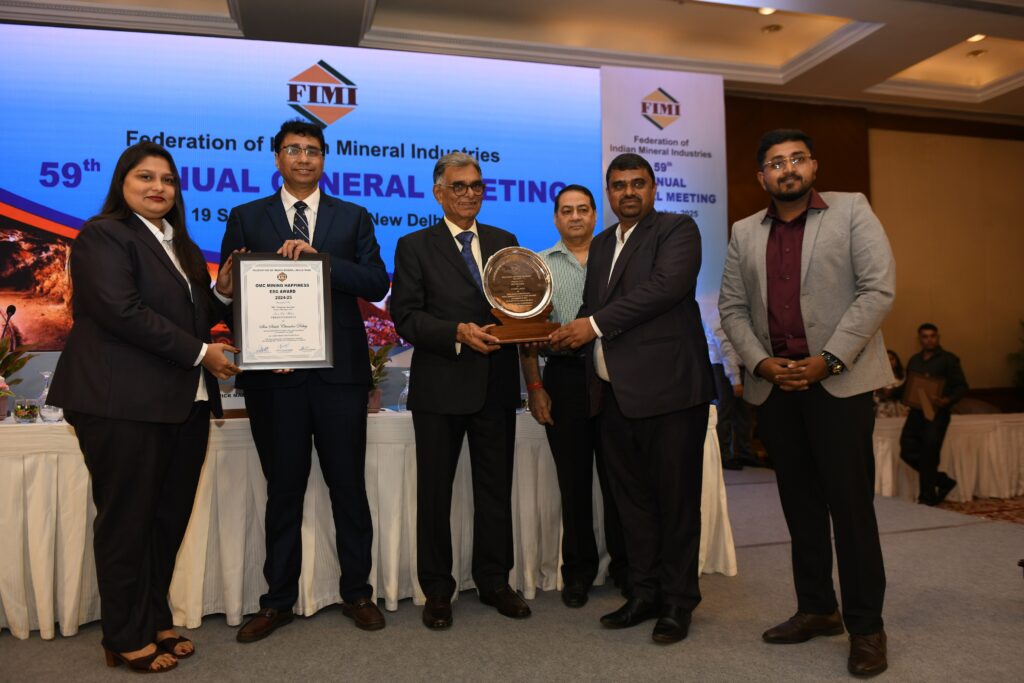
The award was presented by Shri. Satish Chandra Dubey, Hon’ble Minister of State for Coal and Mines, Government of India, at New Delhi & received on behalf of Sesa Goa by Mr Shrishaila Gouda, CEO, Vedanta IOK. This is the 2nd consecutive year in which the Company has been recognised at the prestigious forum.
On receiving the award, Shrishaila Gouda, CEO, Vedanta-Iron Ore Karnataka said, “We, at Vedanta IOK, are proud to have been recognized for our ESG best practices with the FIMI award for the 2nd consecutive year. The award exemplifies Vedanta IOK’s commitment to maintaining best-in-class sustainability and people practices, along with prioritising safety in our mining operations.”
The FIMI ESG award was presented on account of the industry leading best practices adopted by the mine, such as onboarding of EV tech for core mining operations, use of EV passenger vehicles, , deploying new generation equipment such as VOLVO FMX460 trucks to enhance operational efficiency, deploying Slope Stability Radars for monitoring the pit and dump slopes, and limiting & curbing use of plastic wherein the Company’s mines have recently been declared as a ‘Single-Use Plastic Free Unit’ by the Indian Register Quality Systems (IRQS).
Vedanta Sesa Goa-IOK has previously been awarded with the prestigious FIMI Abheraj Baldota Environment Award 2023-’24 for environment protection and management
29, Sep 2025
The 2nd Edition Witnessed Over 20,000 Participants In Hyderabad
Global Edition Of The Run Announced For 3rd Edition In 2026 Uniting 140 Countries And 7 Continent Queens From The Miss World Organisation Serving As Brand Ambassadors
Hydrabad,29th sept 2025:The second edition of the Pink Power Run 2025, a flagship initiative by the not-for-profit organisation Sudha Reddy Foundation, attracted an impressive 20,000 participants at Necklace Road, championing breast cancer awareness and early detection.
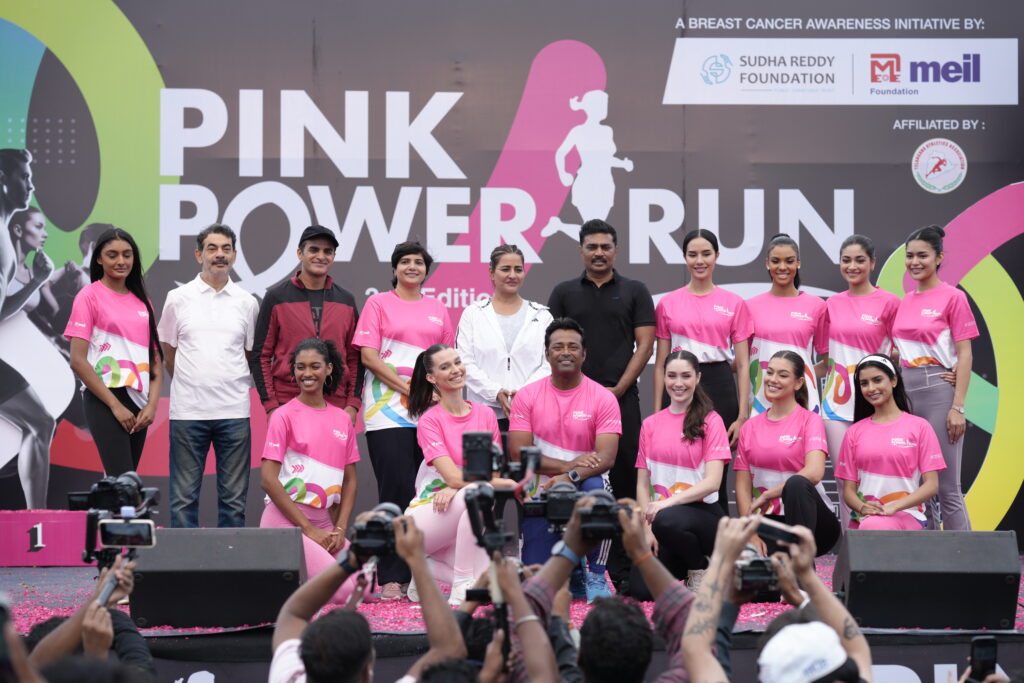
The event which commenced in the early hours of the morning was ceremoniously inaugurated by award-winning philanthropist Sudha Reddy, business tycoon Krishna Reddy, Miss World Organization head honcho Julia Morley, actor and comedian Brahmanandamand and global tennis icon Leander Paes. Reigning Miss World 2025 Opal Suchata Chuangsri expressed her solidarity and highlighted the global significance of the cause, given her active contribution towards the subject matter through her charitable project, Opal for Her.
The event featured a star-studded delegation of leading beauties, including Miss World 2025, Miss World Caribbean, Miss Namibia, Miss World Oceania, Miss World Americas, Miss World Europe and Miss World Asia as well as homegrown representation with Miss India World Nandini Gupta and Nikita Porwal in attendance.
Themed ‘Stride & Shine’, this year’s edition builds on the success of the previous run, uniting thousands across India in this vital cause. The event combined fitness, community spirit and social responsibility, positioning Hyderabad as a hub for health-conscious activism. Celebrities, influencers, elite international runners, young students, senior citizens, corporate head honchos, underprivileged women and state dignitaries joined to underscore the importance of awareness. Pre-cursor activities to the main event included fitness workshops, survivor stories and social media challenges designed to enhance engagement and awareness.
The 10 km, 5 km and 3 km races concluded with an exhilarating awards ceremony. Winners were recognised for their athletic achievements, receiving substantial prizes: the 10 km race awarded ₹3.5 lakh, ₹2.5 lakh and ₹1.5 lakh, while the 5 km race offered ₹2 lakh, ₹1.5 lakh and ₹1 lakh. Julia Morley received the Excellence in Mentorship Award 2025, honouring her impactful leadership within the organisation and her lifetime dedication to empowering others.
Julia Morley, Chairperson, Miss World Organization states, “Our collective efforts can create a powerful movement for breast cancer awareness, empowering individuals with the knowledge to take charge of their health. Breast cancer is the most common cancer among Indian women—early detection can save countless lives. The Pink Power Run promotes health screenings, self-check practices, and the crucial message that awareness equals empowerment.”
Leander Paes states, “As a strong advocate for health and empowerment, I am proud to support the Pink Power Run. This initiative not only promotes physical fitness but also raises vital awareness about breast cancer. Together, we can inspire hope and encourage early detection, proving that every step contributes to a larger movement for change.”
Sudha Reddy, Chairperson, Sudha Reddy Foundation states, “This initiative represents hope, resilience, and unity in the battle against breast cancer. With the ‘Pink Power Run – Beyond Borders’, we are extending our mission globally to connect individuals in support of this crucial cause. The Pink Power Run remains a powerful platform for raising awareness, fostering community engagement, and highlighting the importance of early detection. By promoting proactive measures, this initiative empowers individuals, reinforcing the idea that mindfulness leads to strength. For me, Pink Power Run 2.0 is profoundly personal. It honours survivors, remembers those we’ve lost, supports ongoing fighters, emphasizes the critical role of prevention and early detection, and invites the community to join the collective fight against breast cancer.”
Krishna Reddy, Managing Director, MEIL states, “In my capacity as a business leader, I acknowledge the critical nexus between health awareness and corporate responsibility. The Pink Power Run serves not only as a catalyst for community engagement but also enhances our collective commitment to social impact. Promoting health awareness is an essential duty for all organizations. Initiatives like The Pink Power Run reinforce our dedication to prioritizing health and inspire meaningful change within society. By fostering awareness around early detection and prevention, we pave the way for a healthier future for all.”
The 10K Open category witnessed remarkable performances from both male and female participants. In the men’s division, Ankit Gupta secured the first position with an impressive time of 30:52, followed by Kamlakar Deshmukh with 31:01 and Shubham Sindhu with 31:31. In the women’s division, Seema Seema emerged as the winner, completing the run in 34:44. She was closely followed by Bharti Nain, who finished in 35:46, and Sonika Sonika, who secured third place with a time of 36:40. In the 5K Open category, Harmanjot Singh clinched the top spot in the men’s division with a remarkable time of 14:25, with Sunil Kumar finishing second at 14:31 and Sachin Yadav third at 14:35. In the women’s division, Ankita Ankita emerged victorious, completing the run in 16:52. She was followed by Neeta Rani, who finished in 17:18, and Ankita Gavit, who secured third place with a timing of 17:31.
Looking forward, Sudha Reddy announced the launch of Pink Power Run – Beyond Borders, set to debut in 2026 at the event. This groundbreaking initiative aims to unite millions across 140 countries, symbolizing a shared commitment to breast cancer awareness worldwide. Key features include a 24-hour continental relay, where participants will symbolically ‘pass the baton’ across continents, along with the involvement of the 7 continent queens from the Miss World Organisation serving as ambassadors to inspire global participation. This announcement comes at a time to mark the 3rd edition of Pink Power Run and aligns with the 75th anniversary of the Miss World organisation.
The Pink Power Run is an annual initiative by the Sudha Reddy Foundation aimed at raising awareness about breast cancer and highlighting the importance of early detection. Since its inception, the run has drawn together thousands of participants, influencers, and advocates to champion women’s health and well-being.
29, Sep 2025
Sammohan 2025 Concludes with a Powerful Message of Inclusion and Talent
Thiruvananthapuram, September 29, 2025: Sammohan 2025, the National art festival for children with disabilities, concluded today with a vibrant showcase of creativity, resilience, and possibility. Organised by the Different Art Centre (DAC) under the leadership of magician and social innovator Gopinath Muthukad, the two-day national festival brought together over 200 participants from eight states, proving that disability is no barrier to talent.
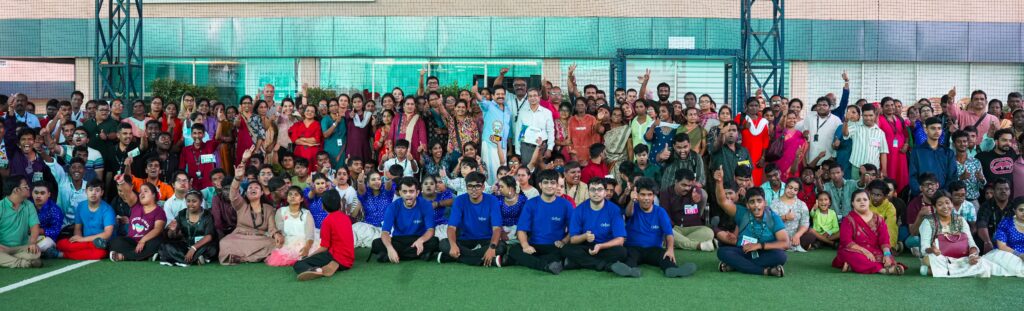
The festival stage came alive with a wide range of performances — from classical dance, theatre, and music to magic, painting, and folk art. Each act reflected the participants’ determination to challenge stereotypes and celebrate their abilities. The closing ceremony saw enthusiastic participation from families, educators, and disability advocates, underlining the festival’s growing role as a platform for inclusion.
Reflecting on the festival’s vision, Gopinath Muthukad, Founder and Executive Director of DAC, said:
“Sammohan is not just a festival; it is a movement to change mindsets. These children have shown that disability does not define them — their courage and talent do. As we look ahead to Sammohan 2026 on September 26 and 27, we carry forward this spirit of inclusion and hope.”
This year’s edition also highlighted DAC’s broader mission, including the upcoming International Institute for People with Disability (IIPD) in Kasaragod, which will integrate therapy, education, and livelihood training under one roof.
26, Sep 2025
Paytm launches Gold Coins on every payment, redeemable into Digital Gold
INDIA,September 26, 2025 – Paytm, India’s trusted payments platform, has introduced Gold Coins, a first-of-its-kind rewards initiative that transforms routine payments into long-term wealth creation. With this launch, users will now earn Gold Coins worth 1% of their transaction value on every payment made through the app—whether it’s Scan & Pay, online shopping, bill payments, money transfers, or mobile recharges. These Gold Coins can be instantly converted into Paytm Digital Gold, offering users a seamless way to save and invest in one of India’s most trusted assets.

Designed to empower families and businesses alike, the program rewards double Gold Coins for payments made via Credit Card and RuPay Credit Card on UPI. Fully aligned with the Government’s Atmanirbhar Bharat vision and the efficiency gains brought by GST, this move channels daily savings into secure, digital investments. By turning everyday transactions into a pathway for wealth building, Paytm continues to strengthen financial inclusion while promoting a culture of digital savings across India.


