


5, Oct 2026
Nandankanan Adds 36 New Animals and Birds Across 11 Species
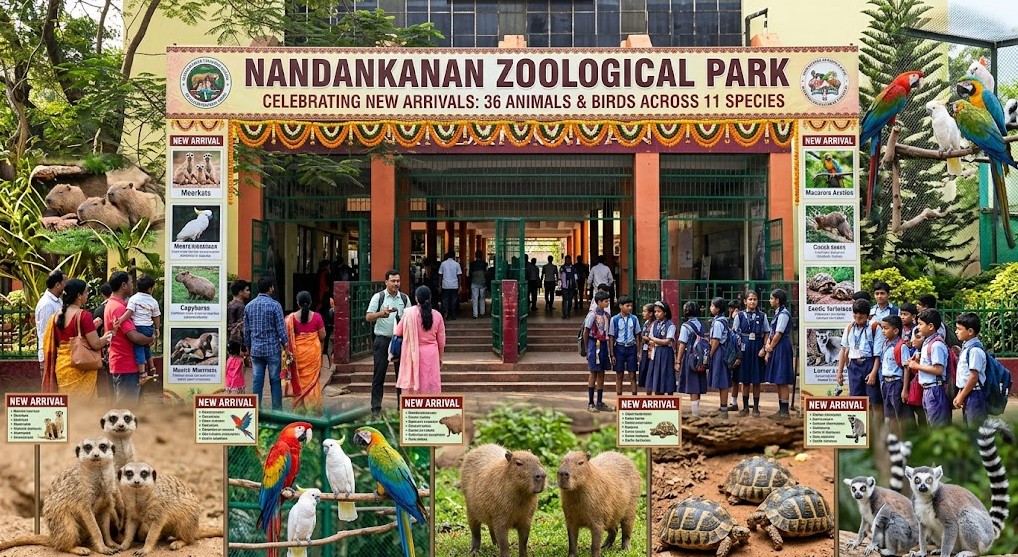
Bhubaneswar, Oct. 5 (UDN): Wildlife enthusiasts and tourists have more reasons to visit Nandankanan Zoological Park, with the zoo adding 36 new animals and birds belonging to 11 species to its growing collection.
Representational Image
The newly developed enclosures were opened to visitors on October 3 as part of the ongoing State-level Wildlife Week celebrations, offering visitors an opportunity to see several species that are rarely found in this part of the country.
Zebras, Kangaroos and More
Among the latest additions are zebras, kangaroos, wallabies, meerkats and tufted capuchin monkeys. The new collection also includes a range of colourful exotic birds, such as scarlet ibis, sulphur-crested cockatoos and three varieties of macaws.
The arrival of these species is expected to be a major attraction, particularly for children and families visiting the zoo during the festive season.
New Enclosures for Better Visitor Experience
The newly constructed enclosures have been designed with attention to the animals’ welfare while also providing visitors with better viewing opportunities.
Zoo officials said the facilities aim to provide suitable living conditions for the newly introduced species while creating an engaging and educational experience for tourists.
The additions are expected to further diversify Nandankanan’s animal collection and enhance its appeal as a major wildlife destination in Odisha.
Focus on Wildlife Education and Conservation
Officials said the introduction of new species is not merely aimed at increasing visitor footfall. It is also intended to strengthen wildlife education, conservation awareness and public engagement with biodiversity.
The new arrivals come at a time when Wildlife Week celebrations are encouraging people to learn more about the importance of protecting animals and their natural habitats.
With its expanded collection and upgraded enclosures, Nandankanan Zoological Park is set to offer visitors a broader glimpse into the world of wildlife while reinforcing its role in conservation and environmental education.
- 0
- By Neel Achary

5, Oct 2026
Sharadiya Shodasha Upachara Puja Begins at Odisha’s Shakti Peethas
Bhubaneswar, Oct. 5 (UDN): The sacred Sharadiya Shodasha Upachara Puja has begun at several revered Shakti Peethas across Odisha, ushering in 16 days of elaborate rituals, devotional ceremonies and special adornments of the presiding deities.

Representational Image
With the onset of the annual worship, temples across the state have come alive with the chanting of mantras, ringing of bells and devotional hymns as devotees throng the shrines to seek the blessings of the Goddess during the auspicious Sharadiya season.
The special rituals will continue for 16 days and culminate on Vijaya Dashami. Throughout the period, the deities will appear in different traditional beshas, while priests will perform a series of special rituals and ceremonies.
Chandi Path and Homa to Continue Daily
The religious observances include daily Chandi Path and Homa Yajna, along with several other traditional rituals.
The festivities began with sacred ceremonies including Ghata Sthapana and Sahasra Kumbha Abhisheka. Special worship will also be conducted on significant occasions such as Mula Ashtami and Durga Ashtami, drawing larger crowds of devotees to the temples.
Maa Cuttack Chandi Adorned in Suna Besha
In Cuttack, the city’s presiding deity Maa Cuttack Chandi, along with Maa Gadachandi, has been adorned in Suna Besha. Draped in glittering gold ornaments, the deities offered a special and spiritually significant darshan to devotees.
The Shodasha Upachara period holds special significance for devotees, providing an opportunity to witness elaborate rituals and different forms of the Goddess throughout the 16-day observance.
Festive Spirit Grips Odisha
With the rituals now underway, major Shakti shrines across Odisha are preparing for an increasingly vibrant festive atmosphere. Temple authorities have stepped up preparations as devotees are expected to visit in large numbers during the coming days.
The culmination of the sacred observance on Vijaya Dashami will mark the end of the 16-day worship, bringing the Sharadiya celebrations at the Shakti Peethas to a grand close.
5, Oct 2026
Payward and Singapore Gulf Bank Partner to Bring 24/7 Settlement to Institutional Digital Asset Markets
Payward has integrated SGB Net, Singapore Gulf Bank’s real-time clearing network, allowing institutional clients in Asia and the Gulf region to settle instantly at any hour. SGB will also onboard Kraken Prime as an additional source of digital asset liquidity.
SYDNEY, Oct. 5, 2026 /PRNewswire/ — Payward, the unified financial infrastructure platform behind Kraken, and Singapore Gulf Bank (SGB), a fully licensed digital bank regulated by the Central Bank of Bahrain, today announced a strategic partnership to bring always-on settlement to institutional digital asset markets available to specific jurisdictions only.
With this partnership, Payward has integrated SGB Net, SGB’s real-time multi-currency clearing network. It allows institutional clients of both firms to now settle transactions instantly, 24 hours a day, seven days a week. The settlement offering initially starts with US dollar transactions for a select number of clients, with plans to expand to more clients and additional currencies over time.
Settlement between banks and trading venues have historically taken days and been held to fixed cut-off times, even as digital asset markets trade around the clock. Through SGB Net, an SGB client can deposit funds with Payward and put them to work instantly, at any hour. SGB is also partnering with Kraken Prime, Payward’s full-service prime brokerage solution, to access liquidity for its digital asset offerings. Over the coming months, it will draw on Payward’s markets to price trades for its own customers.
SGB launched SGB Net in 2025 for digital asset businesses with growing operational needs, and the network has since scaled to process more than $20 billion in fiat transactions each month. SGB is backed by Mumtalakat, Bahrain’s sovereign wealth fund, and by Singapore’s Whampoa Group, and it onboards corporate clients digitally across markets.
“Exchanges, payment providers, OTC desks and fintechs all run into the same banking constraint. Settlement stops when the business day does, while their markets do not. SGB has built settlement infrastructure that reflects the future of digital asset banking and payments,” said Mark Greenberg, Chief Commercial Officer of Payward. “Every regulated bank we connect with this way brings us closer to a world where settlement and cross-border payments happen in real time, wherever our clients are.”
“Access to liquidity is only useful if clients can move funds when they need to,” said Shawn Chan, Chief Executive Officer, SGB. “By connecting SGB Net with Payward and partnering with Kraken Prime, we are bringing settlement and liquidity closer together, giving clients more flexibility in how they fund and manage their digital asset activity.”
To support clients across borders and asset classes, SGB offers corporate and personal banking accounts to businesses and individuals worldwide, combining multi-currency accounts, international payments and remote account opening with access to digital asset services.
The partnership is part of enhancing Payward Banking, the money layer behind the Payward platform, which modernizes how clients move cash across deposits, payments, cards, custody, and lending. As digital asset markets and traditional banking offerings converge, clients expect their cash to move as quickly as the assets they trade. Working with leading regulated banks lets Payward bring that speed to new markets, and Payward will keep adding banking partners to offer a broader suite of banking services to clients worldwide.
About Payward:
Payward, Inc. is a unified financial infrastructure platform that powers a family of products advancing an open, global financial system. Built on a single shared architecture, Payward enables customers to hold, trade, earn, pay, and invest across asset classes without friction or fragmentation.
At its core, Payward provides the infrastructure layer behind Kraken and a growing set of purpose-built products, including NinjaTrader, Breakout, xStocks, and CF Benchmarks.
Payward separates infrastructure from product expression. Each product surface is designed for a specific customer segment, regulatory regime, and use case, while operating on the same global foundation:
- One global liquidity pool
- One unified risk and margin engine
- One collateral and settlement system
- One compliance and licensing framework
This shared architecture allows Payward to scale efficiently, launch new products at low marginal cost, and serve diverse global markets while maintaining consistent risk management, regulatory integrity, and operational resilience.
For more information about Payward, please visit www.payward.com.
About Singapore Gulf Bank:
Singapore Gulf Bank (SGB) is the bank for all of finance, serving businesses and individuals worldwide. Backed by Whampoa Group, a Singapore-based investment holding company, and Mumtalakat, Bahrain’s sovereign wealth fund, SGB is fully licensed and regulated by the Central Bank of Bahrain.
For more information, visit https://www.sgb.com/
 View original content:https://www.prnewswire.co.uk/news-releases/payward-and-singapore-gulf-bank-partner-to-bring-247-settlement-to-institutional-digital-asset-markets-302897780.html

5, Oct 2026
Seatrium and Karpowership Extend Collaboration with Ninth FSRU Conversion
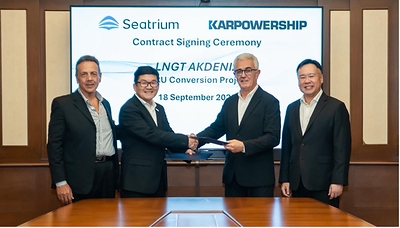
SINGAPORE, Oct. 5, 2026 /PRNewswire/ — Following the successful naming and sail away of LNGT Türkiye, Seatrium Limited (“Seatrium” or the “Group“) and its strategic partner Karpowership are advancing their long-standing collaboration with the ninth Floating Storage Regasification Unit (“FSRU“) conversion project, LNGT Akdeniz. The vessel will form part of the LNG fleet of Kinetics, Karpowership’s energy transition initiative. The award follows the delivery of seven FSRUs since 2018 and the ongoing conversion of LNGT Karadeniz, the partnership’s eighth FSRU project.
Mr Gokhan Kocak, Chief Technical Operations Officer, Karpowership, said, “The successful delivery of LNGT Türkiye and the award of LNGT Akdeniz are important milestones in the continued growth of Karpowership’s LNG-to-Power business. Together, these FSRUs strengthen our ability to provide reliable and flexible energy solutions to markets where energy security is critical. Seatrium has been a key enabler of this journey, consistently delivering high-quality FSRU conversions that support our operational requirements and long-term growth plans. As global demand for flexible energy infrastructure continues to grow, we look forward to advancing our ongoing projects and exploring new opportunities together.”
Mr Alvin Gan, Executive Vice President, Repairs and Upgrades, Seatrium, said, “What began as a bold vision in 2018 has evolved into a strong and enduring partnership built on trust, shared success and a commitment to excellence. The award of LNGT Akdeniz, our ninth FSRU project with Karpowership and the second unit in Karpowership’s next-generation FSRU series, is a testament to the strength of this collaboration and further reinforces Seatrium’s position as a global leader in floating LNG infrastructure solutions. Featuring a regasification capacity of up to 600 MMscfd[1], LNGT Akdeniz will play a vital role in supporting reliable and flexible energy supply. We are grateful to Karpowership for its continued trust and confidence in Seatrium, and we look forward to building on this successful partnership to deliver innovative energy solutions for the future.”
The newly awarded LNGT Akdeniz project involves the conversion of an LNG carrier into a FSRU, with work scheduled to commence in the first quarter of 2027. Seatrium’s scope includes the engineering, conversion, integration, installation and commissioning of regasification equipment and associated systems. Upon completion, LNGT Akdeniz will enhance LNG import and regasification capabilities in its target market, supporting energy security and a reliable supply of cleaner energy.
Following the award of LNGT Karadeniz, LNGT Akdeniz is the second project to materialise under the previously announced Letter of Intent (LOI) between the two parties. Apart from three FSRU conversions, the LOI had also provided for the potential integration of up to six new-generation Powerships, creating opportunities for both companies to support evolving global energy needs through integrated floating energy solutions.
With a track record of 22 successful FSRU and FSU conversion projects completed since 2007, Seatrium is a global leader in floating LNG infrastructure solutions, setting industry benchmarks in engineering excellence and project execution. Karpowership, meanwhile, operates the world’s only Powership fleet, comprising 45 vessels, while Kinetics, its energy transition initiative, will expand its LNG fleet to 12 vessels with the addition of LNGT Akdeniz. Together, these capabilities reinforce the companies’ ability to deliver integrated floating power and LNG infrastructure across global markets.
About Karpowership
Karpowership is a global energy company specializing in fast-track and integrated power solutions. With a fleet of 45 Powerships and a total installed capacity exceeding 8,500 MW; the company delivers turnkey energy solutions wherever and whenever they’re needed.
As the only owner, operator, and builder of the world’s only Powership fleet, Karpowership offers a plug-and-play solution that can be directly connected to the grid and start generating electricity in less than 30 days.
In addition to its signature Powerships, Karpowership offers floating LNG solutions, with a fleet of 12 LNG assets, including the ones in the pipeline, that is composed of FSRUs and LNG carriers. Its LNG-to-Power model supports a cleaner and flexible energy future.
With over 30 years of experience, Karpowership remains committed to delivering sustainable, reliable power; empowering nations and communities beyond the grid.
Discover more: Website | LinkedIn
About Seatrium Limited
Headquartered and listed in Singapore, Seatrium Limited is a leading provider of specialised engineering solutions for the global offshore, marine, and energy sectors. Seatrium plays a pivotal role in delivering offshore energy infrastructure assets globally that is the backbone of some of the world’s essential energy systems.
With over 60 years of proven expertise, Seatrium operates across 15 countries through an integrated network of advanced yards, engineering and technology centres; supported by a diverse and dedicated workforce of more than 24,000 employees.
Seatrium’s diversified business positions it to play a critical role in the global energy transition. Its core business segments mainly include Oil & Gas Newbuilds and Conversions; Offshore Wind; Repairs & Upgrades. Its expanding product portfolio includes FPSOs, FPUs, Offshore Converter Platforms and a wide range of offshore installation vessels, amongst others.
Longstanding customer relationships with the world’s largest energy majors, asset operators and owners, and Transmission System Operators underscore Seatrium’s ability to consistently deliver high standards of safety, quality and timeliness.
Amidst the global energy transition, Seatrium has robust capabilities in developing new technologies and solutions (such as Carbon Capture & Storage and New Energies). Guided by a culture of innovation; and core values prioritising people, safety and sustainability; Seatrium strives to create enduring value for all stakeholders, engineering towards a sustainable energy future.
Discover more: Website | LinkedIn
[1] MMscfd, or million standard cubic feet per day, is a standard measure of gas flow rate.


 View original content to download multimedia:https://www.prnewswire.co.uk/news-releases/seatrium-and-karpowership-extend-collaboration-with-ninth-fsru-conversion-302897800.html

4, Oct 2026
CSL and Alentis announce global partnership to develop and commercialise lixudebart for rare kidney and liver diseases
Alentis to receive US$355 million initial payment and up to US$1.2 billion in commercial milestones, with global profits shared
MELBOURNE, Australia and BASEL, Switzerland, Oct. 4, 2026 /PRNewswire/ — CSL and Alentis Therapeutics today announced they have entered into an exclusive global collaboration agreement to co-develop and co-promote lixudebart, which has the potential to become a first-in-class therapy targeting claudin-1 across a range of kidney, liver and other diseases.
Lixudebart is currently being evaluated in the ongoing Phase 2 RENAL trial in patients with ANCA (antineutrophil cytoplasmic antibodies)-associated vasculitis with rapidly progressive glomerulonephritis (AAV-RPGN), a rare and potentially life-threatening autoimmune disease that can cause irreversible kidney damage and end-stage renal disease.
With a novel mechanism of action, lixudebart exerts potent anti-inflammatory and anti-fibrotic effects to potentially prevent and reverse organ damage in ANCA-associated vasculitis (AAV) and numerous other kidney, liver and lung diseases. The ongoing phase 2 trial is designed to translate these mechanistic effects into meaningful clinical impact.
The collaboration brings together Alentis’ scientific expertise as the leading clinical-stage biopharmaceutical company targeting claudin-1 and CSL’s global development and commercialisation capabilities in nephrology, with a shared goal of bringing innovative and highly impactful treatment options to patients with rare kidney and liver diseases. In addition to AAV-RPGN, the two companies will advance lixudebart as a novel treatment for focal segmental glomerulosclerosis (FSGS), a rare progressive kidney disease, and for primary sclerosing cholangitis (PSC), an autoimmune chronic liver disease.
“This partnership enables us to dramatically accelerate the development of lixudebart in several indications in parallel,” said Dr Mark Pruzanski, Chief Executive Officer of Alentis Therapeutics. “We are convinced CSL’s demonstrated clinical development and commercialisation capabilities in AAV and kidney diseases makes them the right partner to bring lixudebart to patients. More broadly, this furthers the validation of claudin-1 as a novel therapeutic target and we are excited about the potential to accelerate the advancement of our other clinical stage assets and preclinical pipeline.”
“Patients diagnosed with ANCA-associated vasculitis with rapidly progressive glomerulonephritis face rapid kidney function decline, leaving them at risk of irreversible damage even with currently available treatments,” said Dr Bill Mezzanotte, EVP, Head of R&D, CSL. “We believe lixudebart has the potential to become an important new therapeutic option to help improve kidney function and prevent progression to end-stage kidney disease, first in AAV-RPGN and hopefully also in focal segmental glomerulosclerosis, while potentially showing similar benefit on liver function in primary sclerosing cholangitis. Our partnership with Alentis reflects CSL’s commitment to building a leading global nephrology franchise, and our strategic intent to create high-value external partnerships.”
Under the agreement, CSL and Alentis will jointly develop and co-promote lixudebart. CSL will make an initial payment to Alentis of US$355 million, with Alentis eligible to receive up to an additional US$1.2 billion in commercial milestone payments. In addition to these payments, CSL will fully fund the completion of the ongoing Phase 2 RENAL trial and planned Phase 3 trial in AAV-RPGN, the Phase 2 trials in FSGS and PSC and other supporting development activities. Once commercialised, global profits will be shared 55 per cent to CSL and 45 per cent to Alentis.
About AAV-RPGN
ANCA (antineutrophil cytoplasmic antibodies)-associated vasculitis with rapidly progressive glomerulonephritis (AAV-RPGN) is a rare, severe and potentially fatal autoimmune disease in which the body’s immune system attacks small blood vessels in the kidney. RPGN is characterized by rapid loss of kidney function over a very short period (days to weeks). Despite potent immunosuppressive treatment, most patients develop significant or total loss of kidney function.
About Lixudebart
Lixudebart (formerly known as ALE.F02) is an investigational monoclonal antibody that selectively targets exposed claudin-1, a key driver of inflammatory and fibrotic signalling pathways in numerous fibrotic diseases of the kidney, liver, lung, intestine and other solid organs. In an interim analysis of 26 patients with AAV-RPGN in the ongoing Phase 2 RENAL trial, lixudebart showed promising improvement in kidney function as assessed by eGFR and proteinuria at 24 weeks. In the Phase 1b FEGATO trial in 41 patients with advanced F3/F4 liver fibrosis, lixudebart demonstrated improved liver function at 6 weeks. In both studies lixudebart showed dose-dependent claudin-1 target engagement, along with a favourable safety and tolerability profile. Lixudebart has been granted Orphan Drug designation by the FDA for the treatment of Idiopathic Pulmonary Fibrosis (IPF).
About CSL
CSL (ASX:CSL; USOTC:CSLLY) is a leading global biopharma company with a dynamic portfolio of lifesaving medicines, including those that treat haemophilia and immune deficiencies, vaccines to prevent influenza, and therapies in iron deficiency, dialysis and nephrology. Since our start in 1916, we have been driven by our promise to save lives using the latest technologies. Today, CSL – including our three businesses, CSL Behring, CSL Seqirus and CSL Vifor – provides lifesaving products to patients in more than 100 countries and employs almost 29,000 people. Our unique combination of commercial strength, R&D focus and operational excellence enables us to identify, develop and deliver innovations so our patients can live life to the fullest. For inspiring stories about the promise of biotechnology, visit CSL.com/Vita. For more information about CSL, visit CSL.com.
About Alentis
Alentis is a clinical-stage, privately held biotechnology company pioneering first-in-class antibodies and antibody-drug conjugates (ADCs) targeting claudin-1 for fibrosis and oncology indications. Beyond the company’s lead antibody for fibrosis, lixudebart, Alentis is developing oncology candidates ALE.P02 and ALE.P03. These are claudin-1 targeted ADCs with a tubulin inhibitor payload and topoisomerase‑I inhibitor payload, respectively. ALE.P02 was granted Fast Track designation by FDA for the treatment of advanced or metastatic claudin-1 expressing squamous cancers, irrespective of the organ of origin. Both ADCs are currently in Phase 1/2 studies enrolling patients with a variety of solid tumor types.
Alentis was founded on the groundbreaking research in the laboratory of Prof. Thomas Baumert, MD, at the University of Strasbourg and the French National Institute of Health and Medical Research (Inserm). The company is headquartered in Basel, Switzerland. Visit www.alentis.ch
 View original content:https://www.prnewswire.co.uk/news-releases/csl-and-alentis-announce-global-partnership-to-develop-and-commercialise-lixudebart-for-rare-kidney-and-liver-diseases-302897834.html

4, Oct 2026
Odisha Extends Electric Vehicle Policy Till December 31, 2026
Bhubaneswar, Oct. 4 (UDN): The Odisha government has extended the validity of its Electric Vehicle Policy, 2021 by another three months, allowing the existing policy framework to remain in force until December 31, 2026.

Representational Image
The decision was notified by the Commerce and Transport Department on Saturday under the provisions of Para 11.5 of the Odisha Electric Vehicle Policy, 2021.
The notification, issued by Principal Secretary NBS Rajput, formally extends the policy’s validity beyond its earlier deadline.
Existing EV Framework Continues
The Odisha Electric Vehicle Policy, introduced in 2021, was aimed at accelerating the adoption of electric vehicles and encouraging a shift towards cleaner mobility across the state.
The policy provides a framework for promoting electric mobility and supporting the development of an EV-friendly ecosystem in Odisha.
With the latest extension, the existing provisions will continue to apply through the end of December, providing continuity for EV buyers, manufacturers and other stakeholders while the government considers the next phase of its electric mobility policy.
Focus on Electric Mobility
Odisha has been encouraging the transition towards electric vehicles as part of broader efforts to promote cleaner transportation and reduce dependence on conventional fuels.
The extension keeps the state’s existing EV policy framework operational for the next three months, with the new validity period ending on December 31, 2026.
The government’s decision is expected to provide clarity to stakeholders in the electric mobility sector during the transition to the next policy framework.
4, Oct 2026
Odisha Travel Bazaar 2026: Majhi Unveils Major Tourism Push to Put State on Global Map
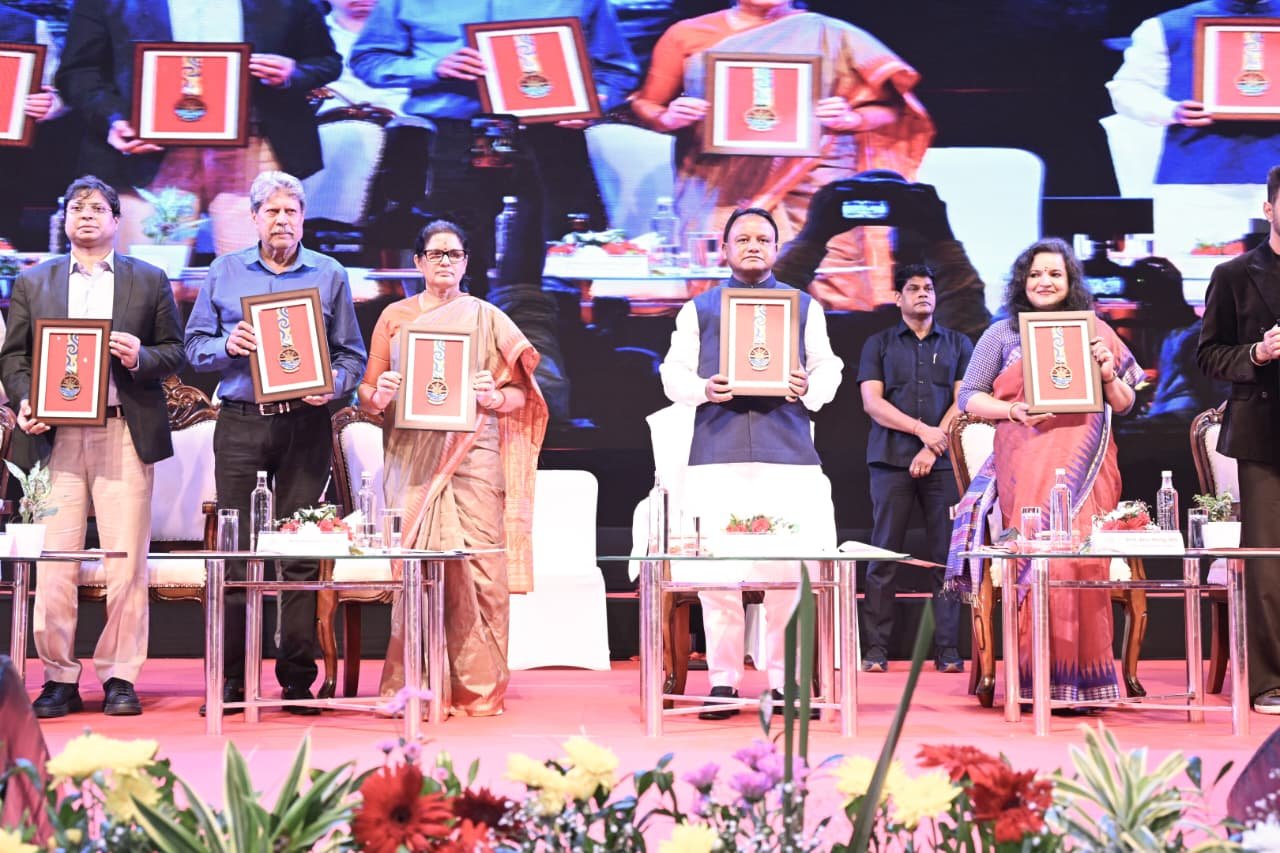
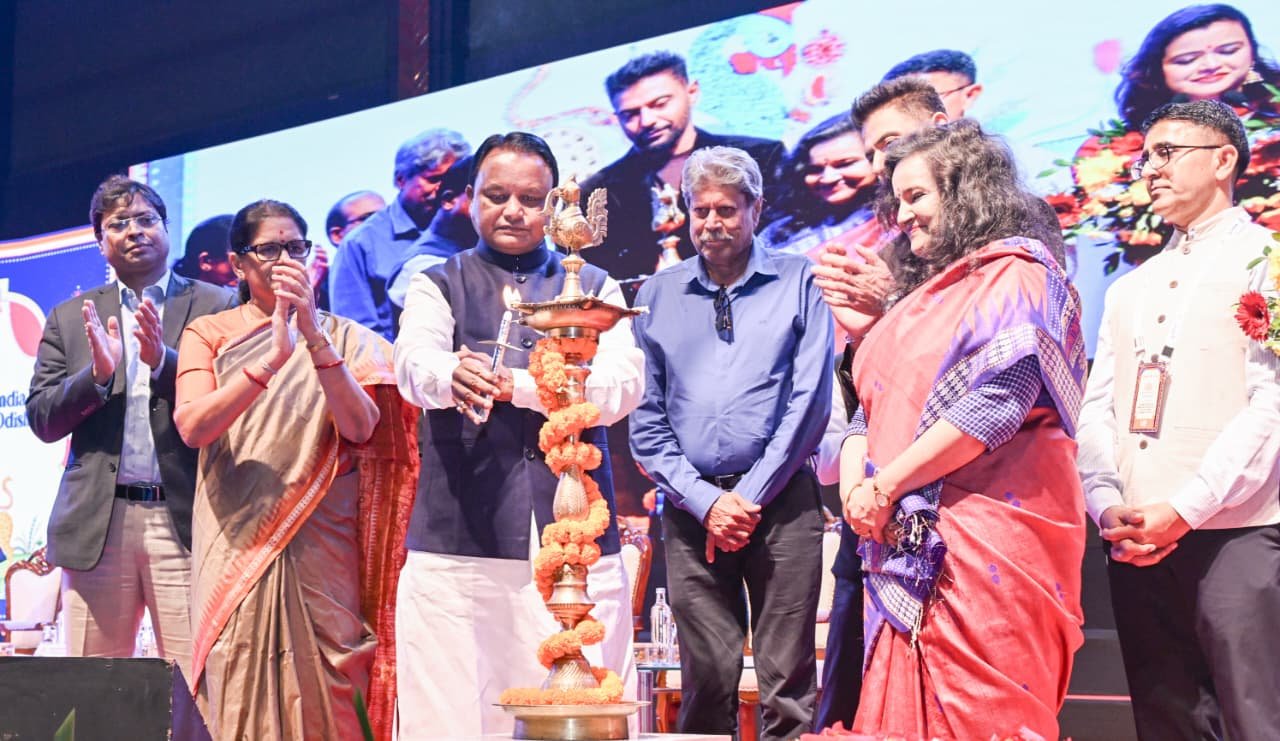
Bhubaneswar, Oct. 4 (UDN): Odisha has unveiled an ambitious roadmap to position itself as a leading global tourism destination, with Chief Minister Mohan Charan Majhi announcing a series of policy, infrastructure and safety measures at the 7th Odisha Travel Bazaar in Bhubaneswar.
Pic Credit: x.com/CMO_Odisha
The event brought together investors, hospitality groups, tour operators and tourism stakeholders from India and abroad, providing a platform for the state to showcase its untapped tourism potential and attract fresh investment into the sector.
Big Push for Hotels and Tourism Infrastructure
The Chief Minister announced a series of changes aimed at making Odisha more attractive to hospitality investors.
Under the revised approach, the minimum room requirement for star-category hotels has been reduced from 50 rooms to 10 rooms. The maximum capital subsidy ceiling has also been raised substantially, from ₹20 crore to up to ₹120 crore.
The government has earmarked ₹1,500 crore for tourism infrastructure between 2026 and 2031 and approved a dedicated 5,500-acre land bank to facilitate hospitality and tourism-related projects.
Majhi said Odisha’s long coastline, forests, wetlands, heritage sites and cultural traditions provide the state with a unique tourism advantage.
He highlighted the government’s Viksit Odisha Vision 2036–2047 as a broader framework for building an investor-friendly ecosystem and expanding quality tourism infrastructure.
Safety to Get Greater Attention
With tourist safety emerging as a key component of the state’s tourism strategy, the government plans to deploy Tourist Police at 29 important locations.
Around 1,000 trained lifeguards will also be deployed through OSWALI across coastal destinations and water-sports zones.
The government is additionally planning to appoint Destination Managers at major tourist locations to improve visitor experience and coordinate services at high-footfall destinations.
The Chief Minister stressed the importance of treating visitors with warmth and respect, invoking the traditional Indian principle of “Atithi Devo Bhava.”
Tourism Goes Digital
Odisha is also looking to strengthen its digital tourism ecosystem.
A new Odisha Tourism Portal and the Odisha Tourism Investment Incentive Management System were launched to improve access to tourism information and streamline investment-related processes.
The initiatives are expected to make it easier for tourists, businesses and potential investors to engage with the state’s tourism sector.
Culture, Heritage and Adventure in Focus
Deputy Chief Minister Pravati Parida highlighted Odisha’s rich cultural identity, Buddhist heritage, traditional handlooms, Chilika Lake and expanding eco-tourism opportunities.
She said the state’s tourism strategy would focus on authentic experiences while maintaining an emphasis on sustainability, adventure tourism and employment opportunities for local communities.
The event also witnessed the unveiling of the coffee-table book ‘Pitha, Mitha Pana’, celebrating Odisha’s culinary heritage, along with the official jersey for the upcoming Puri Coastal Marathon.
Kapil Dev Highlights Odisha’s Sporting Legacy
Former Indian cricket captain Kapil Dev praised Odisha’s contribution to Indian hockey and its growing sporting ecosystem.
He said Odisha’s transformation could extend beyond tourism, with the state increasingly establishing itself as an important sports destination.
The Travel Bazaar brought together several prominent figures from government, tourism and the hospitality industry, including Chief Secretary Anu Garg, Tourism Commissioner-cum-Secretary Balwant Singh, Director of Tourism Dipankar Mohapatra, FICCI National Tourism Committee Co-Chair Dr J.K. Mohanty, chef Ranveer Brar and Asian Games pole-vault record holder Baranica Elangovan.
With expanded incentives, new infrastructure plans, digital platforms and stronger tourist-safety measures, Odisha is seeking to turn its natural beauty, heritage and sporting identity into a globally recognised tourism brand.
4, Oct 2026
October Heatwave-Like Conditions Leave People Sweltering Through Day and Night
Bhubaneswar, Oct. 4: October is traditionally associated with a gradual retreat of the monsoon and a shift towards more comfortable weather, but this year, several parts of Odisha are experiencing conditions that feel more like the peak of summer.

Representational Image
Scorching temperatures during the day, combined with oppressive humidity after sunset, have left residents struggling to find relief. The intense heat has made outdoor activities particularly uncomfortable, while the lack of respite at night has added to the discomfort.
The unusual weather pattern has raised concerns among residents, especially those who have to commute or work outdoors for long hours. Even after the sun goes down, high humidity is making the atmosphere feel stifling, with many people reporting difficulty sleeping and remaining comfortable indoors.
Weather conditions during this period are being closely watched as October progresses, particularly amid concerns over possible changes in atmospheric conditions over the Bay of Bengal.
For residents, however, the immediate concern is the relentless heat.
From scorching afternoons to sticky nights, October has so far offered little relief—making it feel less like autumn and more like an extended summer.
4, Oct 2026
‘I Had One Last Fight Left in Me’: Capt. Machchhar Recalls Dramatic Cockpit Struggle
Jerusalem, Oct. 4: Captain Smit Machchhar, the pilot who reportedly fought off an attempt to take control of a flydubai aircraft bound for Israel, has revealed the terrifying moments he endured inside the cockpit before managing to regain access and prevent a potential disaster.

Speaking with Israeli Prime Minister Benjamin Netanyahu, Machchhar described how an apparently routine flight suddenly turned into a life-threatening struggle after his co-pilot allegedly attacked him.
Machchhar, who suffered serious injuries in the incident, said everything had initially appeared normal. The co-pilot had told him that he wanted to pray, which Machchhar said was not unusual among local passengers and crew.
Respecting the request, he turned his attention towards the front of the cockpit.
‘Suddenly, There Was a Big Blow’
Machchhar recalled that several minutes later, he was struck violently on the back of his head.
“After about four to five minutes, there was a big blow to the back of my head.”
Initially, the pilot believed the aircraft itself might have suffered catastrophic damage. However, as the blows continued, he realised that the danger was coming from inside the cockpit.
“I realised that it’s not the aircraft, it’s the other guy who is in the cockpit with me,” he recalled.
The initial assault severely affected Machchhar’s vision, leaving him struggling to see and respond.
He said he attempted to fight back, but his blurred vision made it extremely difficult to understand what was happening around him. Moments later, he sensed the aircraft descending sharply.
“The next feeling I had was that the aircraft was sharply going down,” he said, acknowledging that his memories of the incident remain fragmented.
A Final Attempt to Reach the Cockpit Door
During the struggle, Machchhar said he managed to open the cockpit door once, but believed the co-pilot closed it again.
At one point, the injured pilot found himself lying on the cockpit floor. He could hear the aircraft moving rapidly, accompanied by what he described as a “whooshing” sound and the screams of passengers.
That was when Machchhar realised he had one final opportunity to act.
Despite his injuries and the assault he had already endured, he summoned what he described as his remaining strength and made another attempt to reach the cockpit door.
“I had that one last fight left in me.”
Machchhar said he pushed himself forward, opened the door and created an opportunity for others to intervene.
“I gave everything that I had and went for the door and opened the door.”
He said people were then able to rush in and take control of the situation.
“Thankfully, people were waiting to pounce back, took over control and the rest is what you know,” he said.
Netanyahu Praises Pilot’s Courage
Israeli Prime Minister Benjamin Netanyahu praised Machchhar for his actions, describing his composure under extreme circumstances as extraordinary.
Netanyahu said the pilot had not only protected the people aboard the aircraft but had demonstrated the ability of courage and determination to overcome an extremely dangerous situation.
“You’re a hero of Israel. You’re a hero of India. You’re a hero of the entire world,” Netanyahu told Machchhar.
The Israeli Prime Minister also conveyed his best wishes to Machchhar’s family and expressed hope that the injured pilot would recover quickly.
Netanyahu invited Machchhar to return to Israel and said he expected the pilot’s future visit to be a memorable and historic one.
Modi Also Praises Machchhar
The conversation came a day after Prime Minister Narendra Modi spoke with Machchhar by telephone.
Modi praised the pilot’s courage and determination during the incident, noting that he continued to protect the lives of others despite suffering serious injuries.
Machchhar’s account has since highlighted the extraordinary circumstances faced by the flight crew and passengers—and the critical final effort that helped prevent the situation from turning into an even greater tragedy.
4, Oct 2026
Blokees Debuts 90+ New Products at Wonder Festival Shanghai 2026
SHANGHAI, Oct. 4, 2026 /PRNewswire/ — From October 3 to 4, Assembly Character Toys Brand Blokees exhibited at Wonder Festival Shanghai 2026, featuring nearly 500 products across its two core categories, Blokees Model Kits and BLOKEES WHEELS. More than 90 new products made their debut, highlighting Blokees’ continued expansion across product categories, IPs and consumer segments.
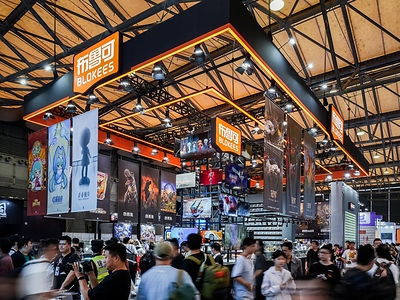
The Blokees Model Kits portfolio covers hero collecting, model kit collecting, animal-themed products and fashion-oriented products, featuring more than 10 global IPs including ULTRAMAN, TRANSFORMERS, Saint Seiya, Evangelion and DC. Products for collectors aged 16 and above were a key focus, with nearly 40 products exhibited across Champion, Champion Lite, Fantastic and Legend series , including more than 20 new products making their debut. Notably, DC made its first commercial appearance in the Legend series.
Blokees continues to expand its product ecosystem. Blokees also exhibited the latest products from its TERRAVENTURE Series and DaaLaMode Series. The TERRAVENTURE Series features animal-themed model kits based on Jurassic World, while the DaaLaMode Series combines assembly, articulation, and fashion play, expanding Blokees’ offerings across different consumer segments.
In the Blokees Wheels category, Blokees exhibited its C, E, and S Series, featuring IPs including Transformers, Ultraman, and Batman. New products based on Cyberpunk 2077, Fast & Furious × Ford and Fast & Furious × Dodge were also exhibited for the first time, further expanding the category’s offerings for vehicle enthusiasts.
Beyond products, Blokees also exhibited winning works from the “Dawn” and “Awakening” seasons of the 2026 BFC Creation Contest. Through BFC, Blokees connects players worldwide through creation and sharing, with the community now spanning 21 countries and regions.
Blokees will continue to strengthen its two core categories and expand its global product and creator ecosystem under its strategy of “Universally appealing, Stepwise pricing, Globally promoting.”
 View original content to download multimedia:https://www.prnewswire.co.uk/news-releases/blokees-debuts-90-new-products-at-wonder-festival-shanghai-2026-302897726.html