



8, Apr 2025
Scaling Smart: When and How Startups Should Consider M&A By Manali Jain

Manali Jain leads key TMT investment banking transactions at SMBC, including Blackstone’s $1.5B bid for Hipgnosis Songs Fund. With a background in M&A at Deloitte and early-stage investing across India, she brings deep expertise across deal stages. A Columbia MBA and social impact
advocate, she co-founded Kala Akshar to drive financial literacy in rural communities.
In the startup world, the path to growth often feels like you’re trying to build a rocket while it’s already lifting off. You’re scaling, expanding, and hustling to stay ahead, but sometimes it feels like you’re running on fumes. That’s when M&A (mergers and acquisitions) can step in—not as a last-ditch effort, but as a smart way to supercharge growth and stay competitive.
For most startups, M&A isn’t something you wake up thinking about in the early stages. It’s more of a “what if?” option that gets tucked away until growth demands something bigger. But sometimes, the right time to consider M&A is when you want to scale smart—not just fast. So, when should startups think about merging or acquiring?
The Right Moment to Think M&A
Startups get to a point where organic growth can’t keep up with the ambition anymore. You’ve built a solid foundation, but to grow into your next chapter, you need something more—a larger market, new talent, or additional technology. That’s when M&A can be a game-changer, offering a shortcut to things that would take years to build from scratch.
Here are some key moments when M&A can make sense:
When You’re Ready to Scale Faster: Think of M&A as a rocket booster. You don’t have to reinvent the wheel; you can acquire companies with the technology, expertise, or market presence you need to accelerate. Instead of building from ground zero, you can immediately tap into new resources.
When You’ve Outgrown Your Current Model: A startup, like any living thing, needs to evolve. At some point, your current model might not be enough to take you to the next level. M&A can help diversify your business, provide the talent you lack, or bring in new products that bolster your offering.
When Competitors are Gaining on You: When you’re up against competitors nipping at your heels, acquiring a competitor—or a company with complementary
strengths—can help you stay ahead. It’s not just about survival; it’s about staying on top of the game.
How to Approach M&A with Confidence
If you’re ready to scale smart through M&A, it’s time to break it down. Just because it’s a powerful tool doesn’t mean you should dive in headfirst. Here’s how to do it right:
Know Your Value: Before making any move, get crystal clear on your own strengths. What makes your startup tick? What can you offer in an acquisition, and what do you need in return? M&A should fill the gaps, not just increase the headcount.
Have a Clear M&A Strategy: It’s not about doing a deal for the sake of it. McKinsey suggests that startups need a focused approach—whether it’s acquiring technology, entering new markets, or bolstering your talent pool. Whatever it is, make sure it fits your bigger picture.
Programmatic M&A Over Large Deals: You don’t need one giant acquisition to change the game. Instead, a series of smaller acquisitions can add up over time, building a portfolio that accelerates your growth. This gives you flexibility and reduces the risk of overextending yourself.
Pick the Right Targets: This is where strategy meets art. You want to acquire companies that complement your strengths, not duplicate them. The right target can enhance your capabilities, whether it’s adding customers, improving products, or opening new markets.
Integration Without Overcontrol: One of the biggest mistakes in acquisitions is trying to integrate too aggressively. The best acquisitions keep the spirit of the startup alive. McKinsey highlights how the acquired team should maintain their autonomy in key areas, ensuring that their innovation and drive stay intact.
Governance and Alignment: Setting up a dedicated team to oversee the integration process can make or break your success. McKinsey talks about having a Growth Management Office (GMO) that keeps things on track—setting clear goals, responsibilities, and ensuring that the integration process aligns with the company’s broader strategy.
Incentives and KPIs: Aligning incentives is crucial to ensuring everyone is on the same page. You want to create the right incentives for both the acquired company
and your team. Think performance-based bonuses or equity offers to keep the focus on growth and integration.
Final Thoughts
M&A is not a magic bullet that solves all startup problems, but it’s a tool that, when wielded with precision, can propel your startup into a whole new realm of growth. It’s about choosing the right moment, having a clear strategy, and executing with care. Done well, M&A is not just a path to faster scaling—it’s a way to expand your business, strengthen your position, and keep innovating.
So, when you’re thinking about scaling smart, consider M&A as your rocket booster. But make sure you’re ready to manage the flight.
- 0
- By Sai Krishna

8, Apr 2025
Rare Disease Mystery Cracked in Major Medical Advancement
The groundbreaking study, which was published in Nature and involved Newcastle University, used a novel analytical technique to pinpoint the genetic foundation of uncommon diseases, potentially leading to more patient diagnoses and the creation of novel therapeutic interventions. Globally, between 4% and 6% of people suffer from rare diseases. Even after genome sequencing, up to 80% of persons with uncommon diseases go undetected due to a lack of knowledge about the genetic variants that could cause the condition, despite advancements in genetic testing.
An international team of researchers has created rare variant gene burden analysis, an analytical framework for determining the genetic aetiology of Mendelian disorders (mutations in a single gene), to address the problem. The framework was then applied to 34,851 individuals and their family members’ genomic records (a total of 72,690 genomes) from Genomics England’s 100,000 Genomes Project.
The study found genetic variations in 69 genes that were previously thought to be linked to rare diseases. In 30 of these instances, the innovative approach’s accuracy was confirmed by the new genetic discoveries being corroborated by pre-existing experimental data. The newly identified genetic variations for rare forms of diabetes, schizophrenia, epilepsy, Charcot-Marie-Tooth (CMT) illness, and anterior segment ocular abnormalities were, crucially, backed by the strongest overall genetic and experimental data.
John Sayer, Clinical Professor of Renal Medicine at Newcastle University and Consultant Nephrologist at The Newcastle upon Tyne Hospitals NHS Foundation Trust, stated: “Newcastle has established itself as a global leader in rare disease research, continually advancing genomic medicine to identify new genetic causes and enhance diagnostic and treatment strategies for rare conditions. Our study demonstrates how we are harnessing the power of genetics to improve patient outcomes.”
Recruitment of patients for the rare disease component of the Genomics England 100,000 Genomes Project was greatly aided by Newcastle University and Newcastle Hospitals.
Neil Rajan, Professor of Dermatogenetics at Newcastle University and Consultant Dermatologist at Newcastle Hospitals, said: “For patients with rare diseases lacking a known genetic cause, this research highlights how large-scale national genome sequencing projects can provide crucial answers. The ‘diagnostic odyssey’ remains a significant challenge for the rare disease community, and identifying new genes is an essential step toward improving diagnosis and outcomes for these patients.”
To find individuals who would benefit from the trial, Newcastle University’s established Rare Diseases Centre and expertise in genetics and clinical genomics were essential. The project team recruited patients and gathered a lot of clinical data by working directly with patients and their families.
The study’s principal author, Damian Smedley, a professor of computational genomics at Queen Mary University of London, commented, “The 100,000 Genomes Project data has provided a singular chance to illustrate the clinical utility of extensive statistical techniques in rare illness research. Finding novel genetic connections and ending the diagnostic journey that many patients with rare diseases and their families must endure are made possible by this strategy.”
8, Apr 2025
Apollo Hospitals Champions Preventive Healthcare in Landmark 2025 Health Report
India, April 7, 2025: Apollo Hospitals today launched the fifth edition of its Health of the Nation 2025 (HoN-2025) report with a clear message: “Don’t wait for symptoms—make preventive health your priority.” Based on health screenings from over 2.5 million individuals across the Apollo ecosystem in India, the report reveals a silent epidemic—millions are living with undiagnosed chronic conditions despite showing no visible symptoms. Notably, 26% were found hypertensive and 23% diabetic despite being asymptomatic, underlining that a symptom-led healthcare model is no longer viable.
Preventive health checks have grown exponentially as recorded by Apollo Hospitals, rising from 1 million in 2019 to over 2.5 million in 2024 — a 150% increase in just five years. This reflects a growing shift in public awareness and proactive engagement with preventive healthcare.
The insights in HoN 2025 are drawn from de-identified electronic medical records (EMRs of preventive health checks), structured clinical evaluations, and AI-driven risk stratification across Apollo’s hospitals, clinics, diagnostics labs, and wellness centers.
The report zeroes in on three urgent health challenges: fatty liver disease, post-menopausal health decline, and childhood obesity, emphasizing the need for early personalized interventions and lifestyle-based care models.
Dr. Prathap Reddy, Chairman, Apollo Hospitals said, “India must rise to the opportunity of creating healthy, happy families by placing health at the heart of every household. Preventive healthcare is no longer a future ambition—it is the cornerstone of a nation’s well-being today. This report affirms our collective responsibility to act early, screen deeply, and empower every citizen with knowledge and access. It is time to integrate preventive care into every educational curriculum, corporate benefits, and family routines. Only then, can we shift from treating illness to preserving health and ensure a resilient, healthier India for generations to come.”
Dr. Suneeta Reddy, Managing Director, Apollo Hospitals added, “The Health of the Nation Report reaffirms Apollo’s long-standing philosophy that the future of healthcare is early, data-led, and personalized. When 66% of people screened have fatty liver, 85% of them being non-alcoholic; it signals the urgency for new diagnostics and early detection at scale. Traditional screening is no longer enough. Apollo’s ProHealth program is not just empowering individuals to take control of their health; it is laying the foundation for scalable and predictive healthcare. The results from ProHealth show that with consistent follow-up and nudges and real-time data, we can create measurable population-level impact. Prevention is India’s most scalable healthcare solution and Apollo’s mission is to democratize preventive health.”
Key Findings at a Glance
| Category | Key Insight |
| Fatty Liver | 65% of 257,199 screened had fatty liver; 85% were non-alcoholic |
| Silent Heart Risks | 46% of asymptomatic individuals had signs of early atherosclerosis |
| Post-Menopausal Health | Diabetes jumped from 14% to 40%; Obesity rose from 76% to 86% |
| Children & Students | 28% of college students overweight or obese; 19% are pre-hypertensive |
| Hypertension | Found in 26% of over 4,50,000 individuals |
| Nutrient Deficiencies | 77% of women and 82% of men had Vitamin D deficiency |
| Mental Health | 6% of 47,424 individuals screened showed signs of depression |
| Sleep Disorders (OSA) | 24% of 53,000 screened were at high risk of Obstructive Sleep Apnea (OSA) |
| ProHealth Program Outcomes | 59% reduced HbA1C (diabetes marker), 51% reduced BP, 47% lost weight through behavioral nudging |
Hidden Disease, Visible Numbers: Fatty Liver as India’s New Metabolic Signal
Once seen as a concern only for those who consumed alcohol, fatty liver appears to emerge as an important health issue linked to obesity, diabetes, and hypertension. Of the 257,199 individuals screened, a staggering 65% had fatty liver, and 85% of those were non-alcoholic. More than half had normal blood tests—meaning traditional diagnostics alone are not enough for a thorough evaluation.
Women’s Health: A Critical Turning Point Post-Menopause
The HoN 2025 report highlights a dramatic escalation in health risks for women post-menopause. Diabetes rates spike from 14% pre-menopause to 40% post-menopause, obesity climbs sharply from 76% to 86%, and fatty liver prevalence rises from 54% to 70%. These significant shifts underline hormonal changes’ profound impact on women’s long-term health, emphasizing the necessity for proactive, personalized health strategies for women as they approach menopause.
Rising Cases of Obesity in Kids’: The Truth We Can’t Ignore Anymore!
Obesity among students is rising rapidly, posing serious long-term health threats. The report found that 8% of primary school students were already overweight or obese—an early indicator. This prevalence increases significantly through adolescence, reaching 28% among college students, highlighting the compounding impact of lifestyle and dietary changes. Additionally, 19% of college students were found to be pre-hypertensive, showing that non-communicable diseases (NCDs) are taking root much earlier than previously recognized.
Dr. Preetha Reddy, Executive Vice Chairperson, Apollo Hospitals said, “The Health of the Nation 2025 report highlights the critical issues that we must address, particularly regarding women’s health and childhood obesity. The rise in metabolic risks post-menopause is a clear indicator that we need more than just routine screenings. It is essential to have age-appropriate, gender-sensitive protocols that can truly address the unique needs of women. At Apollo, we are committed to integrating these findings into a life-stage-based care model, offering support for women at every phase of their health journey. The report also underscores the increasing rates of obesity and pre-hypertension among children, which is deeply concerning. These are not just statistics but signs that we must act swiftly. As a pioneering institution, Apollo is determined to make a difference in the lives of individuals and communities across the nation.”
Beyond the Obvious: A Deeper Look at India’s Evolving Health Landscape
Hypertension: A Quiet but Persistent Risk
Screening around 450000 individuals in 2024 revealed that 26% were hypertensive, often without any symptoms. Hypertension continues to be a key contributor to India’s cardiovascular burden and remains underdiagnosed and undertreated. The report calls for standardized blood pressure monitoring and public health campaigns that make BP check a routine part of wellness.
Heart Disease Hiding in Plain Sight
Among asymptomatic individuals who underwent coronary calcium scoring, 46% had calcium deposits, which are early signs of atherosclerosis. Of these, 25% had obstructive coronary artery disease (CAD). Even more striking, 2.5% of those with calcium deposits were under the age of 40. These figures reinforce the importance of advanced imaging techniques like calcium scoring and CT angiography for detecting early risk.
Mental Health: A Growing but Under-Recognized Challenge
Mental health has long lingered in the shadows of India’s public health conversation, but the latest data shines a much-needed spotlight. Of the 47,424 individuals screened for depression using the PHQ-9 scale, 7% of women and 5% of men exhibited signs of clinical depression, with the burden peaking in the middle-age bracket (40–55). These figures highlight not just a growing prevalence but also the deep societal stigma that continues to hinder early intervention. Apollo Hospitals is advocating for integrated mental health assessments in routine check-ups, wider use of digital mental health platforms, and community-level awareness to foster openness and timely care.
Obstructive Sleep Apnea (OSA): The Sleep Disorder India Can’t Ignore
The Health of the Nation 2025 report reveals a startling trend: 1 in 4 Indians are at high risk for Obstructive Sleep Apnea (OSA)—a disorder closely linked to obesity, cardiovascular disease, and daytime fatigue. Based on screenings of 53,000 individuals, 33% of men and 10% of women were identified as high-risk. Risk levels rise sharply with age, affecting 68% of men and 22% of women over 55. Despite its high prevalence, OSA remains underdiagnosed, often mistaken for general fatigue or stress. Apollo is calling for routine sleep risk assessments in metabolic screenings, stronger public awareness about OSA symptoms, and workplace wellness programs that address sleep hygiene as a core pillar of preventive care.
Cancer Detection: Age Trends Offer New Insights
In 2024, the median age for cervical cancer diagnosis was 49, for breast cancer 57, and lung cancer 61—a full decade earlier than global averages. The report advocates lowering the age threshold for routine screening and driving awareness in urban and rural populations alike.
Micronutrient Deficiencies: A Foundation Health Issue
Anemia affected 45% of women and 26% of men, while Vitamin D deficiency impacted 77% of women and 82% of men. Vitamin B12 deficiency was also significant, with 38% of men and 27% of women showing low levels. Among those under 40, the deficiency was even more pronounced—49% of men and 35% of women were vitamin B12 deficient. These gaps, if left unaddressed, can impair energy, cognition, and metabolic function. Apollo recommends widespread education as an essential first step towards improving national nutrition and long-term health.
Obesity and Metabolic Dysfunction: The Cascade Continues
The report highlights that 61% of individuals screened were obese, with another 18% overweight. Obesity continues to act as the root cause of a range of NCDs. Apollo supports expanding physical literacy in schools and workplaces and making BMI and metabolic screenings part of every annual health check.
Aim Toward a Preventive, Data-Led Healthcare System
Apollo Hospitals’ ProHealth program aims to advocate for a paradigm shift in India’s healthcare approach—from curative to preventive, and from symptom-led to data-driven. The organization’s ProHealth program has been setting the precedence and proven its effectiveness by integrating advanced diagnostics, expert doctor driven path to wellness, AI-powered predictive risk scores, personalized health nudges, and early interventions. The program tracks key health metrics in real time and provides actionable recommendations tailored to each individual, enabling proactive management of chronic conditions.
- 59% of diabetics reduced HbA1C levels
- 51% of hypertensive participants lowered their blood pressure
- 47% of overweight participants achieved weight loss
By addressing health risks early and guiding individuals with personalized interventions, the program aims to reduce the progression of diseases before they require complex treatment. Overall, the findings of HoN-2025 build a strong case for embedding preventive healthcare into public health policy, health insurance coverage, and workplace wellness. The way forward lies in early risk identification, lifestyle modification, and equitable access to diagnostics.
State-wise microcosm representation based on screenings conducted across Apollo Hospitals over the past year.
Ahmedabad
- Vitamin D Deficiency: 81% of individuals screened had low Vitamin D levels—raising long-term concerns for bone, immune, and metabolic health.
- Obesity: 54% were found to be obese, highlighting the need for better physical activity and nutrition engagement.
- Hypertension: 24% diagnosed with hypertension; 52% are pre-hypertensive.
- Diabetes: 17% are diabetic and 36% pre-diabetic, signaling early metabolic dysfunction.
8, Apr 2025
Lyrical Landscapes Water colors by Bikash Poddar at Gallerie Ganesha, New Delhi External
Gallerie Ganesha is set to host “Lyrical Landscapes: Watercolours by Bikash Poddar” from April 4th to May 7th, 2025 at E-557, Greater Kailash II, New Delhi. This exhibition will showcase the evocative watercolour landscapes of Bikash Poddar, a distinguished artist from Bengal renowned for his harmonious blend of natural scenery and human figures
Born in 1954 in Kaliyaganj, North Bengal, Poddar pursued his studies at the College of Art and Craft in Kolkata, earning a diploma in Applied Art with a gold medal. After a successful career in advertising, he transitioned to full-time painting in the 1990s, gaining acclaim through exhibitions in Delhi, Mumbai, and internationally.

Poddar’s artistry is characterized by the fusion of Indian miniature art’s intricate detailing with the fluidity of Chinese and Japanese calligraphy techniques. His landscapes often depict serene rural scenes—ruined temples, weathered habitations, boats by the waterside—imbued with a translucent glow and meticulous architectural elements. This synthesis captures the essence of nature and human presence in a delicate balance.
Employing the wash technique, Poddar paints on wet paper, allowing colors to blend seamlessly and create ethereal atmospheres. This method demands swift execution, as the water dries quickly, challenging the artist to complete his vision within a limited timeframe
The upcoming “Lyrical Landscapes” exhibition is an immersive experience into Poddar’s artistic vision.
8, Apr 2025
Global Pastry Talent Shines as Chef Eunyoung Yun Leads Workshop at Academy of Pastry and Culinary Arts
Gurugram, 8th April 2025: The Academy of Pastry & Culinary Arts (APCA) recently arranged an outstanding three-day class with Chef Eunyoung Yun, a renowned pastry pioneer, founder and owner of the renowned Garuharu School and Pastry Shop in Seoul, South Korea. During the exclusive masterclass at APCA Gurugram, Chef Yun, who is well-known across the globe for her signature style, captivated attendees with her artistic abilities, methods, and inventive approach to pastry-making.
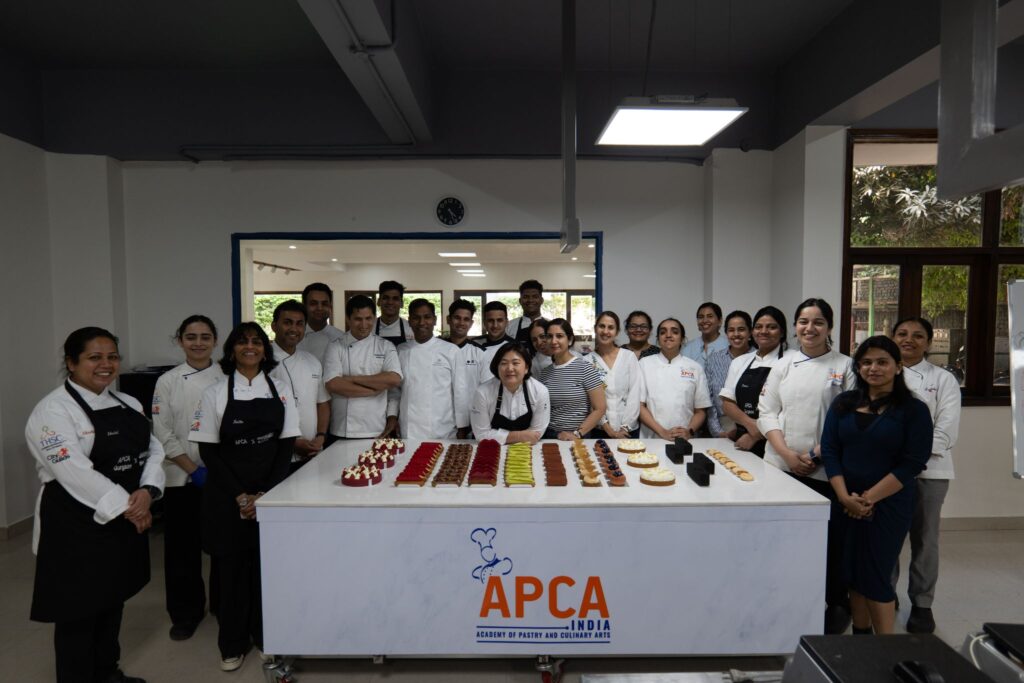
Chef Eunyoung Yun, discussed her experience creating a distinctive pastry style during the workshop. Participants got the unique chance to learn with direct instruction from Chef Yun, whose knowledge and love of confections have served as an inspiration to pastry enthusiasts and chefs all over the world.
The workshop was a resounding success, fostering a spirit of learning, collaboration, and culinary excellence at the Academy of Pastry and Culinary Arts. APCA remains committed to providing its students with unique opportunities and constant upgradation, to learn from industry experts and expand their knowledge in the world of pastry and culinary arts.
8, Apr 2025
Nutrition Initiative tackles undernutrition among children in Noolpuzha Gram Panchayat, Wayanad, Kerala

61% increase in the children in the normal nutrition category and a 47% reduction in children suffering from protein-energy malnutrition in 21 months
Launched in 2022 as part of the ‘Rural Rising’ campaign by United Way of Bengaluru and in alignment with the Aspirational District development framework of NITI Aayog, the ‘Nutrition Initiative’ aimed at combating undernutrition in children within Noolpuzha Gram Panchayat, Kerala’s second-largest tribal-populated area, has achieved remarkable progress. With the successful implementation of 400 co-active kitchens, the program has directly impacted 700 children. Over 21 months, there was a 61% increase in the children in the normal nutrition category and a 47% reduction in children suffering from protein-energy malnutrition. A 3rd party study conducted revealed a social return on investment (SROI) of INR 7.4 for each rupee invested in the cooked meal intervention.
30 Anganwadi Centres (AWCs) have been refurbished, creating safe spaces with child-friendly environments. The cooked meal intervention/nutrition initiative targeting the micronutrient requirements of children has been implemented in 42 Anganwadi centers. The focus was on improving the overall nutritional status, especially among the tribal communities of Wayanad, through nutrition education and behaviour change.
- Infrastructure upgradation with a nutritious cooked meal: Children at AWCs received 3 meals a day, 6 days a week, with the menu consisting of local and culturally appropriate ingredients, encouraging healthy eating habits.
- Nutrition promoters: influenced families to adapt to nutritious cooking and consumption and be co-partners in the child’s development process. This improved children’s attendance at AWCs. Community mobilization, nutrition sensitization, and frequent home visits to parents’ homes brought awareness and behavioural change among them.
- Co-Active Kitchens for Enrichment (CAKE), a community-based model, was implemented in 30 AWCs to foster community-level change. It encouraged participation in cooking activities, introduced new recipes, and educated mothers on nutrition and healthy cooking.

The initiative implemented by United Way Bengaluru (UWBe) in collaboration with Corporate Social Responsibility (CSR) partners has been closely supported by the Integrated Child Development Services (ICDS), Wayanad, and the members of Noolpuzha Gram Panchayat, whose valuable inputs and approach helped ensure the program’s success. The Panchayat has decided to sustain the initiative by allocating the required funds for the continuation of the initiative in the AWCs and communities in the panchayat.
This has garnered attention at both local and state levels due to the collaborative efforts of the Gram Panchayat and various government departments, including Local Self Governance, Health, National Health Mission, and Civil Food Supply. The partnership has played a crucial role in the success of this program, which is now set to serve as a model for similar initiatives not just across Kerala but on a Pan-India basis.
“We’ve seen remarkable improvements in the nutritional status of children in the Noolpuzha Gram Panchayat. The community-driven approach, combined with strong collaboration with the government, has ensured the sustainability and replicability of this program. It’s heartening to see that this model is now being discussed at the state level,” said Rajesh Krishnan, CEO, United Way Bengaluru.
8, Apr 2025
Versatility on Display: Paresh Ganatra to Play Three Characters in ‘Wagle Ki Duniya’
Mumbai, April 8, 2025: Sony SAB’s ‘Wagle Ki Duniya – Nayi Peedhi Naye Kissey’ continues to win hearts with its relatable middle-class struggles and heartwarming family moments. Adding to the fun, veteran comedy actor Paresh Ganatra is all set to join the show in a special role, bringing triple the laughter as he plays Jyoti’s ( Bhakti Chauhan ) three contrasting brothers—Sudhanshu, Himanshu, and Dipanshu.

The upcoming track takes viewers on a nostalgic ride as Rajesh ( Sumeet Raghavan ), Vandana ( Pariva Pranati ), Atharva ( Shehan Kapahi ) and Sakhi ( Chinmayi Salvi ) recall one of Rajesh’s biggest past blunders—an ill-fated matchmaking attempt. In a flashback, the Wagles reminisce about how Rajesh tried to set up Vandana’s friend, Sandhya, with Dr. Sudhanshu, a sophisticated cardiac surgeon. However, a classic mix-up leads Sandhya to meet his two wildly different brothers instead—Himanshu, a rough and brash personality, and Dipanshu, an overly emotional caterer. The resulting confusion sparks a comedy of errors that will leave viewers in splits. With Paresh Ganatra stepping in to play all three distinct roles, this track promises viewers laughter, chaos, and classic Wagle-style entertainment.
Paresh Ganatra, who is essaying the role of three contrasting brothers—Sudhanshu, Himanshu, and Dipanshu, said, “Wagle Ki Duniya is a show that beautifully blends light hearted moments with real, relatable storytelling, and I was thrilled when I got the chance to be a part of it. Playing three completely different characters in the same track was definitely a challenge, but one that I gladly embraced. I had a great time working with the cast and bringing Sudhanshu, and Dipanshu to life. I hope the audience enjoys watching the chaos unfold as much as I enjoyed performing it. The storyline is fresh, fun, and full of laughter, and I can’t wait for everyone to see it!”
Sumeet Raghvan, who essays the role of Rajesh Wagle, said, “Paresh is such a well-known and loved face in comedy, and beyond that, he’s just a wonderful person to have on set. It was an absolute delight working with him. The storyline itself is really unique, not only is there complete madness with the triplets, but the flashback element adds a touch of nostalgia as Vandana and Rajesh narrate fun stories from their past to their kids. It’s a perfect mix of humor and warmth, and I’m sure the audience will love it!”
8, Apr 2025
India’s Health Needs a Preventive Overhaul, Not Just Symptom Management: Apollo Report Finds
Telangana, April 8, 2025: Apollo Hospitals today launched the fifth edition of its Health of the Nation 2025 (HoN-2025) report with a clear message: “Don’t wait for symptoms—make preventive health your priority.” Based on health screenings from over 2.5 million individuals across the Apollo ecosystem in India, the report reveals a silent epidemic—millions are living with undiagnosed chronic conditions despite showing no visible symptoms. Notably, 26% were found hypertensive and 23% diabetic despite being asymptomatic, underlining that a symptom-led healthcare model is no longer viable.
Preventive health checks have grown exponentially as recorded by Apollo Hospitals, rising from 1 million in 2019 to over 2.5 million in 2024 — a 150% increase in just five years. This reflects a growing shift in public awareness and proactive engagement with preventive healthcare.
The insights in HoN 2025 are drawn from de-identified electronic medical records (EMRs of preventive health checks), structured clinical evaluations, and AI-driven risk stratification across Apollo’s hospitals, clinics, diagnostics labs, and wellness centers.
The report zeroes in on three urgent health challenges: fatty liver disease, post-menopausal health decline, and childhood obesity, emphasizing the need for early personalized interventions and lifestyle-based care models.
Dr. Prathap Reddy, Chairman, Apollo Hospitals said, “India must rise to the opportunity of creating healthy, happy families by placing health at the heart of every household. Preventive healthcare is no longer a future ambition—it is the cornerstone of a nation’s well-being today. This report affirms our collective responsibility to act early, screen deeply, and empower every citizen with knowledge and access. It is time to integrate preventive care into every educational curriculum, corporate benefits, and family routines. Only then, can we shift from treating illness to preserving health and ensure a resilient, healthier India for generations to come.”
Dr. Suneeta Reddy, Managing Director, Apollo Hospitals added, “The Health of the Nation Report reaffirms Apollo’s long-standing philosophy that the future of healthcare is early, data-led, and personalized. When 66% of people screened have fatty liver, 85% of them being non-alcoholic; it signals the urgency for new diagnostics and early detection at scale. Traditional screening is no longer enough. Apollo’s ProHealth program is not just empowering individuals to take control of their health; it is laying the foundation for scalable and predictive healthcare. The results from ProHealth show that with consistent follow-up and nudges and real-time data, we can create measurable population-level impact. Prevention is India’s most scalable healthcare solution and Apollo’s mission is to democratize preventive health.”
Hidden Disease, Visible Numbers: Fatty Liver as India’s New Metabolic Signal
Once seen as a concern only for those who consumed alcohol, fatty liver appears to emerge as an important health issue linked to obesity, diabetes, and hypertension. Of the 257,199 individuals screened, a staggering 65% had fatty liver, and 85% of those were non-alcoholic. More than half had normal blood tests—meaning traditional diagnostics alone are not enough for a thorough evaluation.
Women’s Health: A Critical Turning Point Post-Menopause
The HoN 2025 report highlights a dramatic escalation in health risks for women post-menopause. Diabetes rates spike from 14% pre-menopause to 40% post-menopause, obesity climbs sharply from 76% to 86%, and fatty liver prevalence rises from 54% to 70%. These significant shifts underline hormonal changes’ profound impact on women’s long-term health, emphasizing the necessity for proactive, personalized health strategies for women as they approach menopause.
Rising Cases of Obesity in Kids’: The Truth We Can’t Ignore Anymore!
Obesity among students is rising rapidly, posing serious long-term health threats. The report found that 8% of primary school students were already overweight or obese—an early indicator. This prevalence increases significantly through adolescence, reaching 28% among college students, highlighting the compounding impact of lifestyle and dietary changes. Additionally, 19% of college students were found to be pre-hypertensive, showing that non-communicable diseases (NCDs) are taking root much earlier than previously recognized.
Dr. Preetha Reddy, Executive Vice Chairperson, Apollo Hospitals said, “The Health of the Nation 2025 report highlights the critical issues that we must address, particularly regarding women’s health and childhood obesity. The rise in metabolic risks post-menopause is a clear indicator that we need more than just routine screenings. It is essential to have age-appropriate, gender-sensitive protocols that can truly address the unique needs of women. At Apollo, we are committed to integrating these findings into a life-stage-based care model, offering support for women at every phase of their health journey. The report also underscores the increasing rates of obesity and pre-hypertension among children, which is deeply concerning. These are not just statistics but signs that we must act swiftly. As a pioneering institution, Apollo is determined to make a difference in the lives of individuals and communities across the nation.”
Beyond the Obvious: A Deeper Look at India’s Evolving Health Landscape
Hypertension: A Quiet but Persistent Risk
Screening around 450000 individuals in 2024 revealed that 26% were hypertensive, often without any symptoms. Hypertension continues to be a key contributor to India’s cardiovascular burden and remains underdiagnosed and undertreated. The report calls for standardized blood pressure monitoring and public health campaigns that make BP check a routine part of wellness.
Heart Disease Hiding in Plain Sight
Among asymptomatic individuals who underwent coronary calcium scoring, 46% had calcium deposits, which are early signs of atherosclerosis. Of these, 25% had obstructive coronary artery disease (CAD). Even more striking, 2.5% of those with calcium deposits were under the age of 40. These figures reinforce the importance of advanced imaging techniques like calcium scoring and CT angiography for detecting early risk.
Mental Health: A Growing but Under-Recognized Challenge
Mental health has long lingered in the shadows of India’s public health conversation, but the latest data shines a much-needed spotlight. Of the 47,424 individuals screened for depression using the PHQ-9 scale, 7% of women and 5% of men exhibited signs of clinical depression, with the burden peaking in the middle-age bracket (40–55). These figures highlight not just a growing prevalence but also the deep societal stigma that continues to hinder early intervention. Apollo Hospitals is advocating for integrated mental health assessments in routine check-ups, wider use of digital mental health platforms, and community-level awareness to foster openness and timely care.
Obstructive Sleep Apnea (OSA): The Sleep Disorder India Can’t Ignore
The Health of the Nation 2025 report reveals a startling trend: 1 in 4 Indians are at high risk for Obstructive Sleep Apnea (OSA)—a disorder closely linked to obesity, cardiovascular disease, and daytime fatigue. Based on screenings of 53,000 individuals, 33% of men and 10% of women were identified as high-risk. Risk levels rise sharply with age, affecting 68% of men and 22% of women over 55. Despite its high prevalence, OSA remains underdiagnosed, often mistaken for general fatigue or stress. Apollo is calling for routine sleep risk assessments in metabolic screenings, stronger public awareness about OSA symptoms, and workplace wellness programs that address sleep hygiene as a core pillar of preventive care.
Cancer Detection: Age Trends Offer New Insights
In 2024, the median age for cervical cancer diagnosis was 49, for breast cancer 57, and lung cancer 61—a full decade earlier than global averages. The report advocates lowering the age threshold for routine screening and driving awareness in urban and rural populations alike.
Micronutrient Deficiencies: A Foundation Health Issue
Anemia affected 45% of women and 26% of men, while Vitamin D deficiency impacted 77% of women and 82% of men. Vitamin B12 deficiency was also significant, with 38% of men and 27% of women showing low levels. Among those under 40, the deficiency was even more pronounced—49% of men and 35% of women were vitamin B12 deficient. These gaps, if left unaddressed, can impair energy, cognition, and metabolic function. Apollo recommends widespread education as an essential first step towards improving national nutrition and long-term health.
Obesity and Metabolic Dysfunction: The Cascade Continues
The report highlights that 61% of individuals screened were obese, with another 18% overweight. Obesity continues to act as the root cause of a range of NCDs. Apollo supports expanding physical literacy in schools and workplaces and making BMI and metabolic screenings part of every annual health check.
8, Apr 2025
Empowering Education and Sustainability: HORIBA India Awards Scholarships, Launches Eco-Farming Project at IIT Roorkee
IIT Roorkee, India – April 08, 2025: Continuing its commitment to empowering education through Corporate Social Responsibility (CSR), HORIBA India awarded the HORIBA Talent Hunt Scholarship 2024-25 to 30 meritorious students of the Indian Institute of Technology Roorkee (IIT Roorkee).
The scholarship, launched in 2023 under the theme ‘Together We Grow’, is the brainchild of Dr. Rajeev Gautam, an illustrious alumnus of IIT Roorkee and President, HORIBA India and Senior Corporate Officer, HORIBA Ltd., Japan. It extends a one-time partial tuition fee waiver to deserving students, thereby recognizing academic excellence and easing financial constraints. The recipients belong to 12 different departments, exemplifying the academic diversity at IIT Roorkee.
The occasion also witnessed the signing of a Memorandum of Understanding (MoU) between IIT Roorkee and HORIBA India to collaborate on a pioneering project titled “Sustainable Farming”. The MoU was exchanged by Prof. K.K. Pant, Director, IIT Roorkee; Dr. Rajeev Gautam, President, HORIBA India and Senior Corporate Officer, HORIBA Ltd., Japan; and Prof. R.D. Garg, Dean of Resources and Alumni Affairs (DORA), IIT Roorkee.
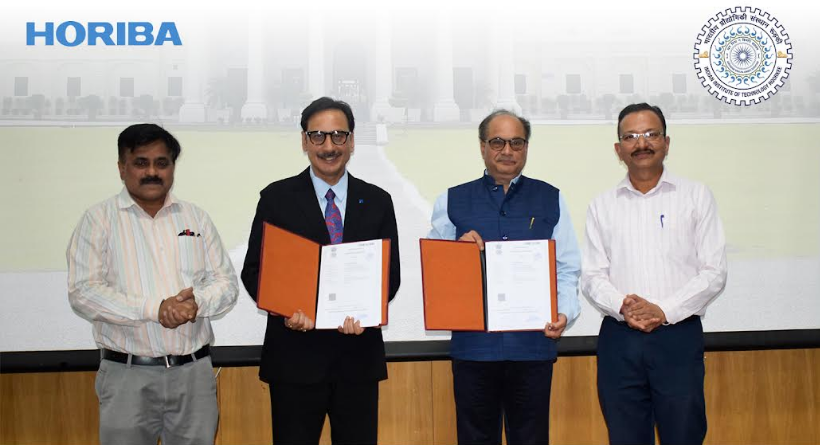
The MoU signed between IIT Roorkee and HORIBA India marks a significant step forward in addressing environmental and agricultural challenges through scientific innovation. The joint initiative, titled “Sustainable Farming”, aims to develop and promote advanced technologies that enhance agricultural productivity while preserving natural ecosystems.
The project will focus on deploying cutting-edge analytical instrumentation and data-driven techniques to monitor soil health, optimize water usage, and reduce dependency on chemical fertilizers and pesticides. Leveraging IIT Roorkee’s expertise in agricultural engineering, environmental sciences, and data analytics, alongside HORIBA’s global leadership in analytical solutions, the collaboration is poised to deliver scalable, sustainable solutions for Indian farming communities.
As part of the MoU, both institutions will also work towards establishing a research and demonstration facility that will serve as a living lab for testing innovations in real-world farming conditions. The project will involve faculty, researchers, and students, promoting hands-on learning and translational research with direct societal impact.
“It’s a privilege to give back to my alma mater through initiatives that empower students and support sustainable innovation. With the Talent Hunt Scholarship and our new MoU on sustainable farming, we aim to nurture young minds, promote climate-resilient practices, and build science-driven solutions for the greater good of the agricultural sector and the environment. I also encourage students to approach HORIBA India or HORIBA Japan for any learning support or internship opportunities and if they find alignment with our vision, they are most welcome to continue being a part of the HORIBA family in the long run,” said Dr. Rajeev Gautam, President, HORIBA India.
“IIT Roorkee thanks Horiba for supporting our students. We also deeply value the continued contributions of our alumni Dr. Rajeev Gautam; whose efforts are helpful in shaping a better future for the next generation of innovators. This MoU reflects our shared vision for sustainable agriculture and environmental stewardship, aligned with India’s national goals. It also reaffirms IIT Roorkee’s growing collaboration with global industry leaders to foster innovation that directly benefits society.” added Prof. K.K. Pant, Director, IIT Roorkee.
By bridging research excellence with industry application, the MoU underscores how global alumni partnerships can pave the way for future-ready, environmentally responsible innovations.
“Initiatives like the HORIBA Talent Hunt Scholarship not only provide vital financial support to students but also inspire them with the real-world impact of our alumni. The addition of the sustainable farming project strengthens our ecosystem of research, alumni engagement, and socially meaningful collaboration,” said Prof. R.D. Garg, Dean of Resources and Alumni Affairs, IIT Roorkee.
The ceremony was graced by Prof. Yogesh Vijay Hote, Chairperson, Senate Committee for Scholarship & Prizes (SCSP); Ms. Kanika Thakur (Lead – Corporate Communications and Marketing In-charge (Materials and Semiconductor) and Ms. Stuti Gulati (Senior Executive – Corporate Communications) from HORIBA India; staff from the DORA and SCSP offices, and Ms. Sonika Srivastava Media Cell In-charge, IIT Roorkee.
7, Apr 2025
Southern Peripheral Road Sees 125% Property Price Surge, Poised to Become Gurugram’s Next Cyber City
Southern Peripheral Road (SPR) in Gurugram is undergoing a game-changing transformation! In just five years, property prices have soared by an impressive 125%, fueled by the rapid rise of major corporate hubs. This growth is quickly positioning SPR as the next Cyber City, a vibrant hub of business and development that’s capturing the attention of investors and professionals alike.
PropEquity research shows that in just a few years, property values on Gurugram’s Southern Peripheral Road have more than doubled. Jumping from ₹7,690 per sq. ft. in 2020 to a whopping ₹17,300 by mid-2024, SPR is now a top real estate hotspot and a smart place to invest.
With property values skyrocketing, SPR is set to benefit from Haryana Government’s ₹2,000 crore infrastructure infusion in the 2025-26 Budget. This game-changing investment will revamp road networks, boost connectivity, and upgrade civic amenities, solidifying SPR’s reputation as a leading real estate and business hotspot.
Boosting SPR’s position as a top real estate and business hub, the GMDA has approved an ₹8.25 crore project to upgrade the Vatika Chowk to NH-48 stretch. The plans also include a 2km footpath and cycle track along sectors 58/61 and 59/61, along with a 56km cycling and pedestrian corridor from Sector 58 to 67.
Sharing his views on SPR’s growth, Mr. Pradeep Aggarwal, Founder & Chairman, Signature Global (India) Ltd., said, “Southern Peripheral Road (SPR) has become one of Gurugram’s prime real estate corridors, fueled by infrastructure growth, excellent connectivity, and increasing commercial activity. Its strategic location enhances commuting, attracting both homebuyers and investors.
We have strategically positioned our residential project, Titanium SPR, in Sector 71, offering modern amenities and seamless connectivity. The region, with premium developments like SPR Estate, is transforming into a well-integrated urban hub, making it a top destination for homeowners and investors alike.”
Southern Peripheral Road (SPR) is rapidly transforming into “Cyber City 2,” supported by developers like DLF and the upcoming DLF Mall of India, which will be the largest mall in India and boost retail and business activity.
The area already has major corporate hubs, including offices for American Express and Air India’s training center, along with 18 commercial projects. Key developments like Skyview Corporate Park, Pioneer Square, and Bestech Business Tower house top companies like TCS and PepsiCo, employing over 82,000 people.In the last five years (2020–2024), new project launches on SPR surged by 584%, rising from six in 2015–2019 to 23 in 2020–2024. Housing supply also grew nearly sixfold, from 1,602 to 10,962 units, according to PropEquity.
Mr. Ashok Kapur, Chairman, Krishna Group and Krisumi Corporation, said, “In recent years, Gurugram has emerged as a hotspot for real estate, witnessing a remarkable surge in demand, particularly across key micro-markets such as Southern Peripheral Road, Dwarka Expressway, Central Peripheral Road, and areas around the Sohna Elevated Corridor. These areas have garnered strong interest from both investors and homebuyers, driven by rapid infrastructure development and promising future growth. As a result, property prices have risen manifold, with some locations experiencing exponential appreciation.
With continued government support for infrastructural growth in these regions, the future prospects look promising for the housing and allied sectors. Sustained growth would reaffirm Gurugram’s emergence as a premier real estate hub, promising high returns and strong long-term investment potential.”
SPR, a 16-km corridor from Gurgaon Faridabad Road to NH-48, enhances accessibility and real estate value. It connects key roads like Golf Course Road and Sohna Road at Badshahpur Chowk, easing traffic and reducing travel with 20 minutes to Sohna Road, 14 minutes to Golf Course Extension, and 16 minutes to New Gurugram.
Mr. Garvit Tiwari, Director and Co-Founder of Property Consulting Firm InfraMantra, said, “The Southern Peripheral Road (SPR) has emerged as a key micro-market in Gurugram. The exponential rise in supply with close to 11,000 units being launched in the last five years suggests the growing demand owing to increased commercial activity, infrastructure development and connectivity to all parts of NCR. High-end luxury projects like Tulip Crimson in Sector 70 has been drawing investors and end-users owing to its locational advantage, trusted legacy and good return on investment.”
With 23 ongoing projects, SPR is a prime investment hub. PropEquity recommends DLF Privana West (Sector 76) for long-term growth, Signature Global Titanium SPR (Sector 71) for mid-term returns, and Eldeco Fairway Reserve (Sector 80) for spacious, well-priced homes.
SPR also offers a well-rounded ecosystem with top schools like St. Xavier’s and DPS International, healthcare facilities like CK Birla Hospital and Artemis, and premium hotels like Lemon Tree and Grand Hyatt, making it ideal for living, business, and lifestyle.
In conclusion, SPR is a prime real estate hub with strong connectivity, growing infrastructure, and rising property values. Its transformation into “Cyber City 2” positions it as a key driver of Gurugram’s growth and investment potential.


