


29, Sep 2026
Railways Approves Rs 122-Crore Doubling Of Barbil-Bolanikhadan Section In Odisha
Keonjhar, Sept. 29 (UDN): Indian Railways has approved the doubling of the 6-km Barbil-Bolanikhadan railway section in Odisha at an estimated cost of Rs 122 crore, aimed at expanding freight capacity on one of the state’s key mineral transportation routes.

Representational Image
The project, under the South Eastern Railway, is expected to facilitate an additional 8.9 million tonnes per annum (MTPA) of freight movement once commissioned and help reduce delays in the operation of freight trains.
Single-Line Route Handles Heavy Mineral Traffic
The Barbil-Bolanikhadan stretch is currently a single-line section carrying around 9 MTPA of freight.
The route handles nearly six loaded rakes of iron ore every day, with high-grade iron ore and pellets forming a major share of the freight traffic.
The material is transported from SAIL’s Bolani mines and private sidings, including those operated by Rungta and Khatau Narbheram, to steel plants and ports.
Capacity Expansion To Support Industry
The section has been identified under Indian Railways’ Energy, Mineral and Cement Corridor, making the doubling project significant for mineral and industrial freight movement in the region.
Railway authorities expect the additional track to ease congestion and improve the movement of freight trains, particularly as mining activities and industrial capacity expand.
The project is also expected to strengthen rail connectivity between mineral-producing areas, industrial units and ports, supporting the movement of raw materials and finished products.
Additional 8.9 MTPA Freight Capacity
With the second line in place, the railway section is projected to handle an additional 8.9 MTPA of freight.
The capacity enhancement is expected to help address anticipated pressure on the existing single-line route arising from planned expansion of mining operations, steel production and port-related activities.
The doubling of the short but strategically important stretch is thus expected to provide additional rail capacity for Odisha’s mineral-rich Keonjhar region and facilitate more efficient freight transportation.
- 0
- By Neel Achary

29, Sep 2026
Thunderstorm Alert: IMD Issues 3-Day Yellow Warning For 14 Odisha Districts
Bhubaneswar, Sept. 29 (UDN): The India Meteorological Department (IMD) has issued a three-day yellow warning for thunderstorms, lightning and gusty winds in 14 districts of Odisha, beginning Tuesday and continuing through October 2.

Representational Image
The weather advisory covers isolated locations across the identified districts, where surface winds may reach speeds of 30 to 40 kmph during thunderstorm activity.
Yellow Warning Till September 30
For Day-1, valid until 8:30 am on September 30, thunderstorms accompanied by lightning and gusty surface winds of 30-40 kmph are likely at one or two places in:
Baleshwar, Bhadrak, Jajpur, Kendrapada, Jagatsinghpur, Cuttack, Sundargarh, Keonjhar, Mayurbhanj, Gajapati, Ganjam, Puri, Khordha and Nayagarh.
Alert Continues Through October 1
The same weather conditions are expected during Day-2, from 8:30 am on September 30 to 8:30 am on October 1.
The IMD has forecast thunderstorms with lightning and gusty winds reaching 30-40 kmph at one or two places in the same 14 districts.
Similar Warning On October 1-2
For Day-3, from 8:30 am on October 1 to 8:30 am on October 2, the IMD has maintained the yellow warning for the same districts.
Thunderstorms accompanied by lightning and gusty surface winds of up to 30-40 kmph may occur at one or two places during this period.
Residents in the warned districts have been advised to remain alert during thunderstorm activity and follow local weather advisories.
29, Sep 2026
Residential Property Prices Rise 63 percent Across 11 Emerging Cities, Outpacing Major Real Estate Markets
New Delhi, September 29, 2026: India’s residential real estate market is witnessing a broader growth story, with emerging cities increasingly playing a significant role alongside the country’s major metropolitan markets. According to a joint report by the Confederation of Indian Industry (CII) and Knight Frank India, residential property prices across 11 emerging markets increased by 63% between 2021 and 2026, compared with a 42% increase across eight major markets.
The report identifies Bhopal, Bhubaneswar, Chandigarh Tricity, Goa, Indore, Jaipur, Kochi, Lucknow, Nagpur, Visakhapatnam and Coimbatore as emerging residential markets. Between 2016 and 2026, these markets recorded an average Compound Annual Growth Rate (CAGR) of 8% in residential prices, twice the 4% CAGR recorded across the eight major markets.
Mr. Rajni Kant Mishra, Founder & Chairman, Amrawati Group, said, “The growth story of India’s real estate market is no longer limited to the major metropolitan cities. Better infrastructure, stronger connectivity, new employment opportunities and rising economic activity in emerging cities have given fresh momentum to residential demand. The 63% increase in residential prices across these markets between 2021 and 2026 reflects this changing landscape. At the same time, relatively affordable property prices and better lifestyle opportunities are attracting homebuyers. Going forward, emerging cities can become important centres of real estate development and investment in India.”
According to the report, improved infrastructure and connectivity, expanding economic activity, rising consumption and new employment opportunities are among the key factors supporting residential demand in these markets. Residential property prices across these emerging cities currently range from approximately ₹4,500 to ₹13,500 per sq. ft., depending on the market.
The findings highlight the changing dynamics of India’s residential real estate sector, with emerging cities gaining greater importance as residential destinations. As infrastructure improves and economic opportunities expand, these markets are increasingly contributing to the country’s broader real estate growth.
29, Sep 2026
Puri Srimandir To Suspend Darshan For Four Hours On September 30 For Banakalagi
Puri, Sept. 29 (UDN): Public darshan at the Shree Jagannath Temple in Puri will remain suspended for around four hours on Wednesday, September 30, to facilitate the Banakalagi Niti of the Holy Trinity.
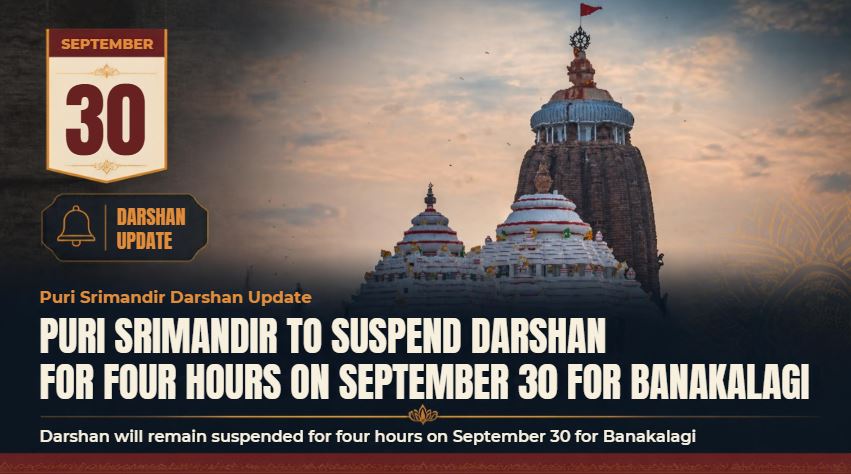
Representational Image
The Shree Jagannath Temple Administration (SJTA), in a notification, said the special ritual will be performed on Ashwin Krushna Chaturthi Tithi. Accordingly, devotees will not be allowed darshan from 6 pm to 10 pm after completion of the second Bhoga Mandapa offering.
Banakalagi Niti At Srimandir
Banakalagi, also known as Srimukha Sringara, is a significant ritual during which the facial features of Lord Jagannath, Lord Balabhadra, Devi Subhadra and Lord Sudarshan are given a fresh coat of natural colours.
The ritual is performed on the deities seated on the Ratna Singhasana and is traditionally carried out by the Dutta Mohapatra servitors.
Darshan Suspended During Ritual
The Banakalagi ritual is performed in a secluded manner, with the temple doors closed to devotees while the sacred face decoration is undertaken.
The ritual generally takes around four to five hours. During this period, public darshan remains suspended and only authorised Dutta Mohapatra servitors participate in the ritual.
The term Banakalagi is traditionally associated with Bana, meaning forest, and Lagi, meaning to apply, reflecting the ritual’s traditional use of natural colours and materials.
The ritual is generally performed twice a month, on a Wednesday or Thursday, according to the temple’s established ritual schedule.
Devotees planning to visit Srimandir on Wednesday evening have been advised to take note of the temporary suspension of darshan between 6 pm and 10 pm.
29, Sep 2026
NIT Rourkela Hosts India-Sri Lanka Workshop On Sustainable Food Processing And Waste Valorisation
Rourkela, Sept. 29 (UDN): The National Institute of Technology (NIT) Rourkela hosted a seven-day India-Sri Lanka workshop aimed at advancing sustainable food processing technologies, reducing industrial waste and promoting the conversion of waste into value-added products.
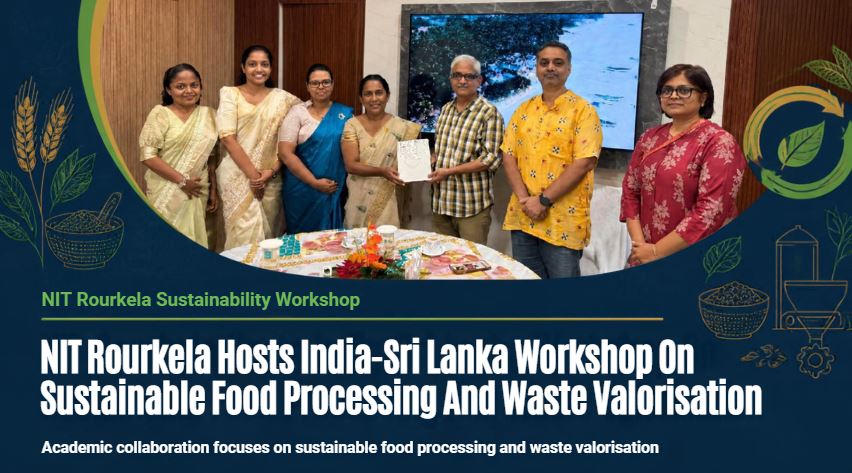
Organised by the Department of Food Process Engineering from September 21 to 27, 2026, the workshop focused on “Advanced Thermal and Non-Thermal Sustainable Technologies for Food Industry Waste Reduction and Waste Valorization.”
The programme was sponsored by the Department of Science and Technology (DST), Government of India, and supported by Sri Lanka’s Ministry of Science and Technology.
Experts From India, Sri Lanka Participate
Convened by Prof. Winny Routray and Prof. Rachna Sehrawat, the programme was chaired by Prof. Sabyasachi Mishra, Head of the Department of Food Process Engineering.
The workshop brought together academics, researchers, students, experts and early-career professionals from both countries to exchange knowledge and explore collaborative solutions in sustainable food processing and waste utilisation.
The Sri Lankan delegation included experts from the University of Sri Jayewardenepura, University College Matara, University of Vocational Technology and BMS Campus. Dr Dulani Somendrika, Prof. Indira Wickramasinghe, Dr I. G. Gimanie Kasunmala and Chalani Akmeeman were among the participating delegates.
Focus On Emerging Food Technologies
Technical sessions were conducted by experts from NIT Rourkela, IIT Patna, IIT Kharagpur, NIFTEM Kundli, ICAR-Central Institute of Post-Harvest Engineering and Technology (CIPHET) and ICAR-National Institute of Secondary Agriculture.
Industry representatives from Biotez Agrinovation Pvt. Ltd. and Koel Fresh Private Limited also participated.
Discussions covered a wide range of emerging technologies, including zero-waste food production, biofertiliser generation from industrial waste, agricultural and aquaculture waste valorisation, sustainable packaging, smart sensing, protein and starch recovery, green drying technologies, membrane separation and extrusion.
Advanced processing of oilseeds and spices, crystallisation and bio-inspired engineering were among the other areas discussed, with emphasis on cleaner production, food safety, value addition and commercialisation.
Participants Get Hands-On Research Exposure
A major component of the workshop was practical exposure to advanced research facilities at NIT Rourkela’s Central Research Facility.
Participants received demonstrations of technologies and equipment used in electron microscopy, spectroscopy, chromatography, thermal analysis, X-ray techniques, ICP-OES, 3D printing, liquid nitrogen applications and cold plasma technology.
Laboratory visits to the Department of Food Process Engineering further complemented the technical sessions and provided participants with an opportunity to understand ongoing research and applications.
NIT Director Highlights Academic Collaboration
Addressing the Sri Lankan delegation, NIT Rourkela Director Prof. K. Umamaheshwar Rao said such programmes provide an important platform for researchers and students to exchange knowledge, explore emerging technologies and develop academic partnerships.
He highlighted sustainable food processing and waste valorisation as important areas where scientific innovation can contribute to resource efficiency, environmental sustainability and value creation.
Scope For Joint Research
The workshop also explored ways to transform food and industrial waste into useful products, including biofertilisers and functional packaging materials.
The programme concluded with renewed academic and scientific engagement between participating institutions from India and Sri Lanka, with discussions paving the way for future joint research, institutional partnerships and continued knowledge exchange in sustainable food processing and waste valorisation.
29, Sep 2026
Apollo Knowledge and BITS Pilani partner to advance healthcare research and build India’s healthcare technology workforce
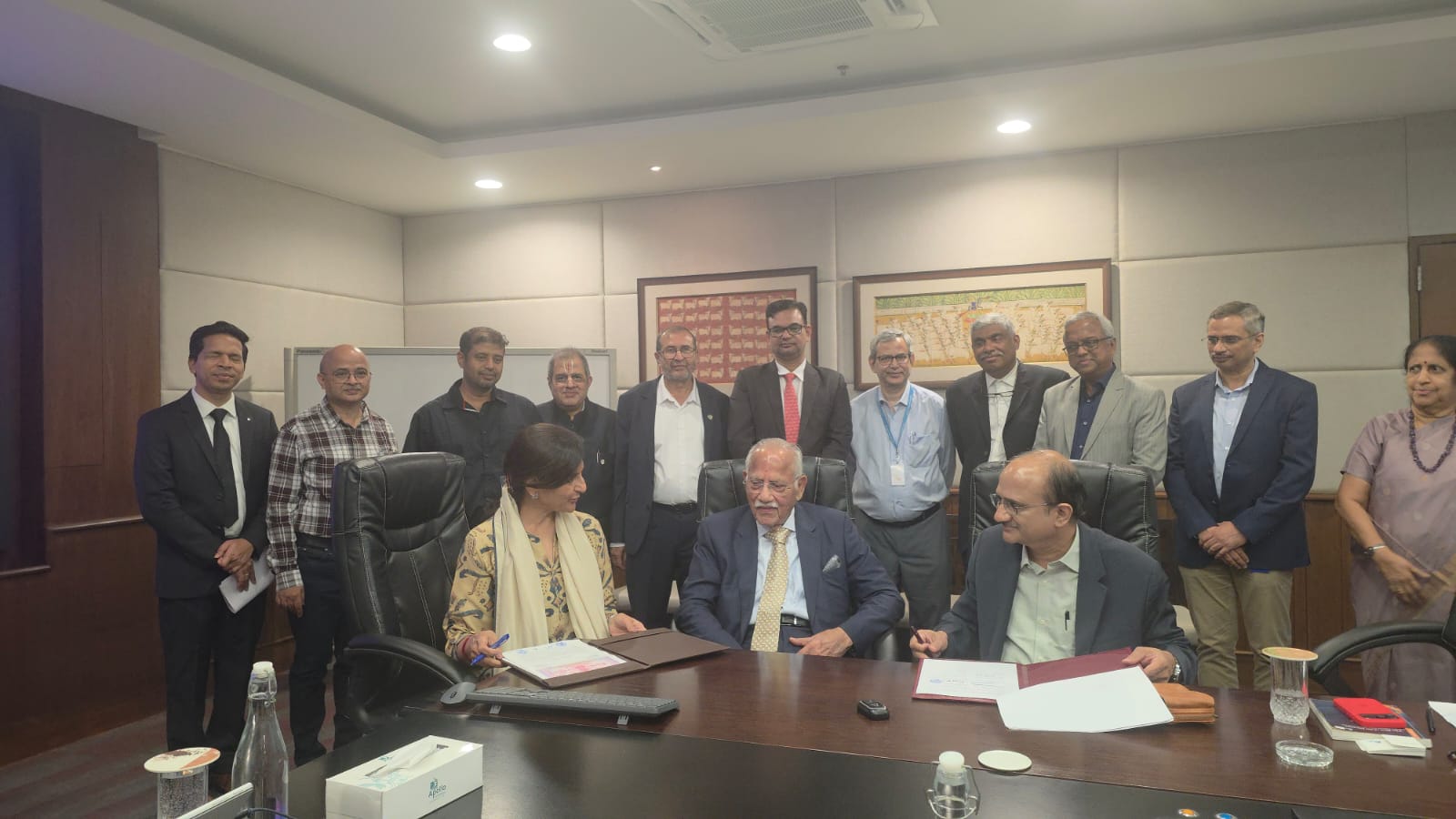
Chennai, 29 September 2026: Apollo Knowledge and the Birla Institute of Technology and Science, Pilani (BITS Pilani) have come together to work on healthcare research, education and workforce development. The two signed a Memorandum of Understanding today in the presence of Dr. Prathap C. Reddy, Founder-Chairman, Apollo Hospitals Group, Dr. Preetha Reddy, Executive Vice Chairperson, Apollo Hospitals Enterprise Limited, and Prof. V. Ramgopal Rao, Group Vice-Chancellor, BITS Pilani.
The collaboration brings together the clinical environment of the Apollo network and BITS Pilani’s strengths in engineering, technology and data science. Clinicians and BITS Pilani researchers will explore joint research on clinical and healthcare problems, with specific areas to be identified as the collaboration develops.
The two institutions will collaborate to develop Work Integrated Learning programmes for healthcare professionals. These programmes allow doctors, nurses, allied health professionals and healthcare managers to earn a qualification while continuing in their jobs. Potential areas include healthcare logistics and supply chain, pharmacy, and hospital finance, with the curriculum built around the work these professionals actually do.
The partners will also explore technology learning for students, built around the role each student is training for. This would extend to learners at The Apollo University, at the medical and nursing colleges in the Apollo network, and at Apollo Healthcare Academy’s partner institutions.
Specialised programmes in allied health and healthcare technology are a further area the two institutions will explore, combining BITS Pilani’s competency centres with clinical training in Apollo hospitals.
Dr. Prathap C. Reddy, Founder-Chairman, Apollo Hospitals Group, said, “Healthcare today runs on technology as much as it runs on clinical skill. The people who deliver care need to learn that technology properly, and they need to learn it without stepping away from their work. BITS Pilani has taught working professionals for over four decades. We have the hospitals, the clinicians and the students. Putting the two together lets us train the healthcare workforce this country needs, and take up research that answers the questions our doctors are asking today.”
Prof. V. Ramgopal Rao, Group Vice-Chancellor, BITS Pilani, said, “Healthcare is one of the areas where good engineering makes a direct difference to people’s lives. The collaboration creates opportunities to work with Apollo‘s clinical ecosystem and with a large base of healthcare professionals and students. We bring the technology, data science and a proven model of teaching people who are already working. We expect this collaboration to produce both research and trained professionals.”
29, Sep 2026
Huawei Launches Intelligent RAIL 2.0 to Accelerate Global Railway Intelligence Upgrade
BERLIN, Sept. 29, 2026 /PRNewswire/ — At InnoTrans 2026, the world’s largest rail transport exhibition held from September 22 to 25, Huawei unveiled Intelligent RAIL 2.0, a new generation of solutions designed to provide multi-scenario intelligent solutions for the global rail industry. The launch event brought together industry organizations such as UIC (International Union of Railways) and UITP (International Association of Public Transport), along with global customers and ecosystem partners, to explore the future of the industry.
Jean-Michel Evanghelou, Director Digital Systems & Innovation, and Financial Control & Project Operations from UIC, stated that FRMCS will be the first step for rail operators to build a solid digital foundation. He added that AI applications will continue to deepen and integrate into the core systems of the rail industry, making the standardization of AI applications increasingly important.
Mohamed Mezghani, Secretary-General of UITP, and Lidia Signor, Head of Multimodal Transport at UITP, also attended the event. Lidia Signor delivered a speech titled “Global Metro AI Intelligence and Automation,” highlighting that UITP, in collaboration with the China Association of Metro (CAMET), has released a research report titled “AI-Driven Smart Rail Transport.” The report showcases how AI solutions have been deployed in various systems, including metro construction, operation, and maintenance, improving the operational efficiency and safety levels of rail transport systems.
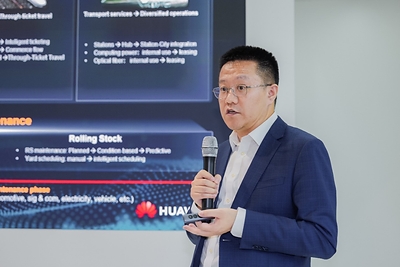
In his keynote speech, Raymond Zuo, President of Huawei’s Smart Rail BU, pointed out that as human society enters the era of intelligence, more and more stakeholders are exploring ways to integrate digital and intelligent technologies into their core business processes to address traditional pain points. Looking at the trends, infrastructure will evolve from GSM-R to FRMCS, equipment maintenance will shift toward condition-based and predictive maintenance, freight will develop toward an end-to-end service-oriented logistics model that includes multimodal transport, passenger services will move toward seamless travel experiences, and engineering construction will increasingly adopt digital and intelligent technologies to enhance safety and operational efficiency.
Based on its innovative practices with leading global customers, Huawei has creatively proposed the “intelligent RAIL” innovation strategy. This strategy leverages digital and intelligent technologies to continuously enhance railway safety (Reliable), efficiency (Automated), integrated services (Integrated-serviced), and long-term evolution (Long-termed). Additionally, by defining key technologies across generations, Huawei has launched the new generation of intelligent RAIL 2.0 at this conference, which includes 20 scenario-based solutions. These solutions focus on three core areas—construction, passenger and freight transportation, and facility and equipment maintenance—addressing long-standing industry challenges and pain points. These scenario-based solutions are jointly developed by Huawei and its partners, with Huawei focusing on communication and digital platforms, and partners specializing in industry applications, to provide modular and combinable solutions tailored to the needs of industry customers based on specific business scenarios.
To date, Huawei has served more than 50 major railway customers worldwide and over 300 urban rail lines, covering more than 180,000 kilometers of track. Huawei is not only a leading global provider of ICT products but also a trusted partner for digital transformation in the intelligent era. Looking ahead, Huawei will continue to implement its “platform + ecosystem” strategy, working together with global customers and partners to deepen industry collaboration, gain insights into the evolving technological trends in the rail industry, and promote the deep integration of cutting-edge technologies with rail scenarios. By continuously iterating and innovating its solutions, Huawei aims to empower global rail transportation to move toward a safer, more efficient, and greener intelligent future.
 View original content to download multimedia:https://www.prnewswire.co.uk/news-releases/huawei-launches-intelligent-rail-2-0-to-accelerate-global-railway-intelligence-upgrade-302892708.html

29, Sep 2026
Odisha Congress Announces Statewide Bandh On October 8 Over MMDR Amendment Act
Bhubaneswar, Sept. 29 (UDN): The Odisha Pradesh Congress Committee (OPCC) has announced a statewide bandh on October 8 to demand the withdrawal of the Mines and Minerals (Development and Regulation) Amendment Act, 2026, intensifying its ongoing agitation over the legislation.

Representational Image
OPCC president Bhakta Charan Das made the announcement on Tuesday, saying the bandh would be observed across Odisha following a protest programme in Kendujhar.
Congress Seeks Support From INDIA Bloc Parties
Das said the party would continue its agitation against the amended mining legislation and appealed to constituents of the INDIA bloc, including the CPI, CPI(M), Samajwadi Party and other parties, to extend support to the proposed bandh.
“This protest will continue. On October 8, following the protest in Kendujhar, an Odisha bandh will be observed,” Das said while appealing to people across the state to participate in the programme.
The OPCC president reiterated the Congress’ demand for withdrawal of the amended MMDR legislation.
Agitation To Continue
The October 8 bandh is part of a series of programmes announced by the Odisha Congress against the MMDR Amendment Act. The party had earlier announced plans for a statewide bandh and a seven-day economic blockade after Dussehra as part of its agitation.
Das also alleged that the BJP-led government had betrayed the people of Odisha. The allegation is part of the Congress’ political opposition to the amended legislation.
The MMDR Amendment Act has emerged as a major point of contention in Odisha, with opposition parties, including Congress and BJD, repeatedly demanding its withdrawal and staging protests inside and outside the State Assembly.
Congress has maintained that it will continue its campaign until its demand for withdrawal of the legislation is addressed.
29, Sep 2026
‘Angan Ka Utsav’: CM Majhi Highlights Child Nutrition, Women’s Welfare Initiatives
Bhubaneswar, Sept. 29 (UDN): Odisha is stepping up efforts to improve the nutritional well-being of women and children, with Chief Minister Mohan Charan Majhi stressing the need for stronger family participation in childcare and nutrition to realise the vision of a ‘Suposhit Odisha’.
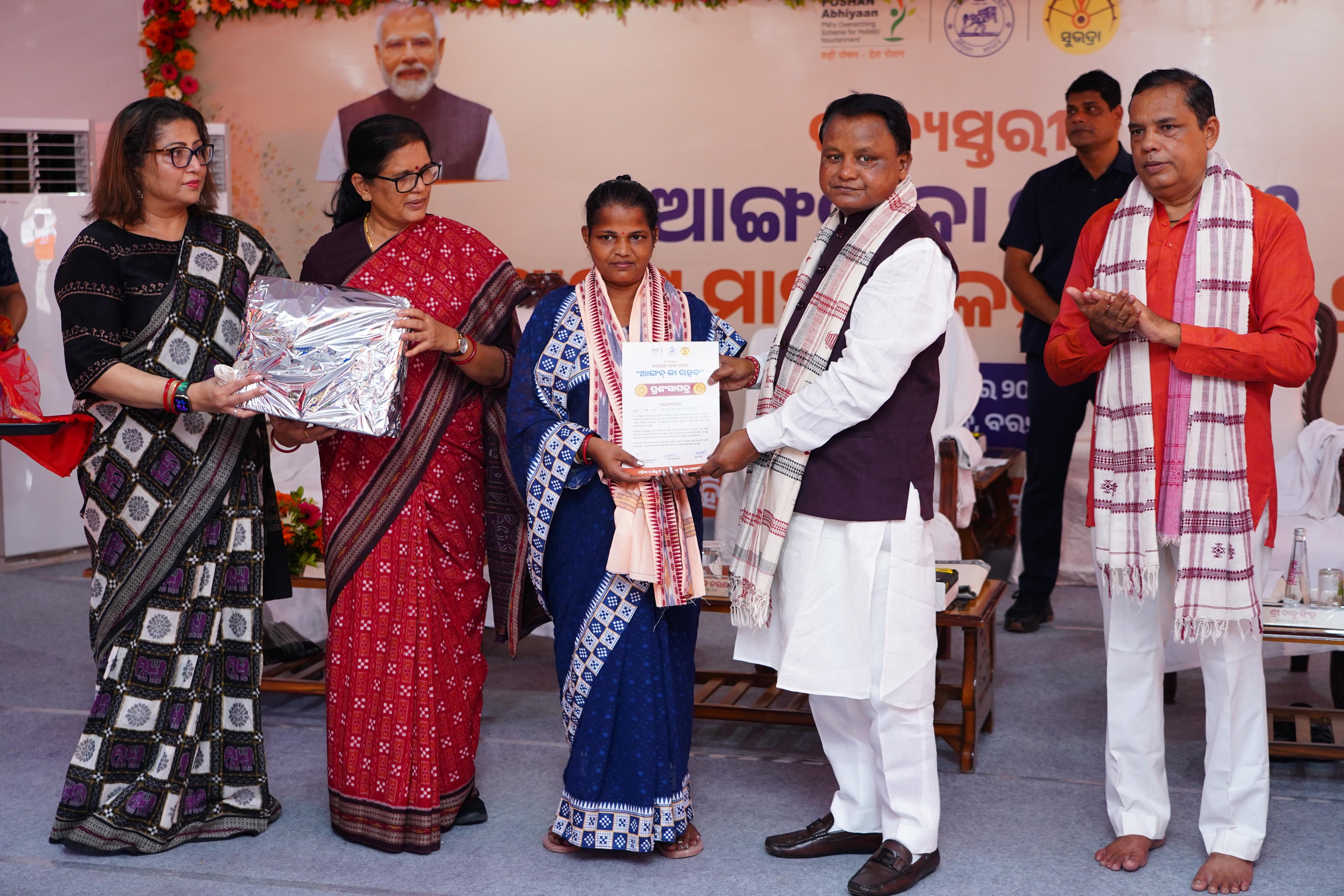
Pic Credit: x.com/PravatiPOdisha
Addressing the state-level celebration of ‘Angan Ka Utsav’ and the ninth Rashtriya Poshan Maah at an Anganwadi Centre in Baramunda on Tuesday, Majhi said a range of programmes were being implemented through Anganwadi centres and schools to improve nutrition and health outcomes.
CM Calls For Greater Family Participation
Majhi emphasised the significance of the first 1,000 days of a child’s life, calling for active involvement of fathers and other family members alongside mothers in ensuring proper nutrition, care and development.
“Through greater awareness and effective implementation of these programmes, Odisha will certainly emerge as a well-nourished state,” the Chief Minister said.
He said more than 46 lakh activities were carried out across Odisha during Poshan Maah and claimed that the state had secured the first position nationally in Aadhaar verification.
Frontline Workers Credited For Health Gains
The Chief Minister praised Anganwadi workers and helpers, auxiliary nurse midwives (ANMs) and ASHA workers for their contribution to improving healthcare indicators in the state.
According to Majhi, their grassroots-level efforts have contributed to higher child immunisation coverage, increased institutional deliveries and a significant reduction in infant and maternal mortality.
He said Odisha, which was earlier among the states with the second-highest infant and maternal mortality rates, has now reached a satisfactory position on both indicators.
Women-Centric Schemes Highlighted
Majhi said the welfare and empowerment of women remain central to the state’s development agenda, noting that women constitute half of society.
He highlighted initiatives including Subhadra Yojana, Lakhpati Didi, Mukhyamantri Kanya Bibaha Yojana and Mukhyamantri Kanya Sumangla Yojana.
The Chief Minister said at least 40 per cent of the State Government’s total budget is being spent on women.
He also said quality education and healthcare have been made completely free in the state. Education up to the postgraduate level, he said, is fee-free in government and government-aided educational institutions.
Girl children covered under the relevant government initiative will receive financial assistance of Rs 1 lakh after completing graduation, Majhi said.
Free Healthcare And Nutrition Initiatives
In the healthcare sector, Majhi said cashless treatment facilities are being provided at selected private hospitals across the country under the Ayushman Bharat-Gopabandhu Jana Arogya Yojana.
During the event, he distributed school kits to Anganwadi children and felicitated fathers who participated in showcasing healthy food.
Anganwadi workers, helpers and ASHA workers were also felicitated for their services.
CM Reviews Anganwadi Meals
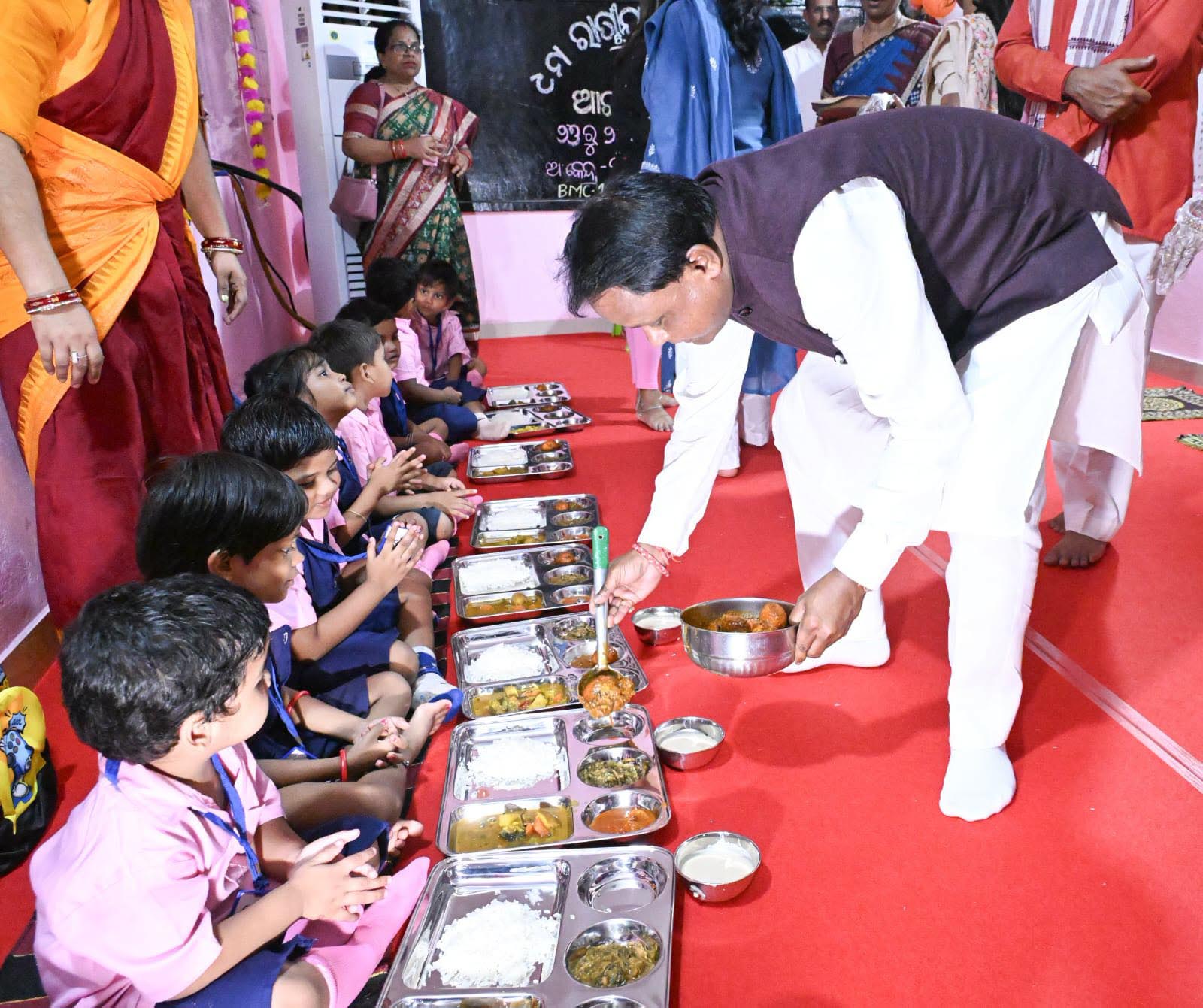
Majhi visited the Anganwadi Centre and reviewed the quality of the ‘Tiranga Thali’ and hot cooked meals being served to children. He also served food to the children during the programme.
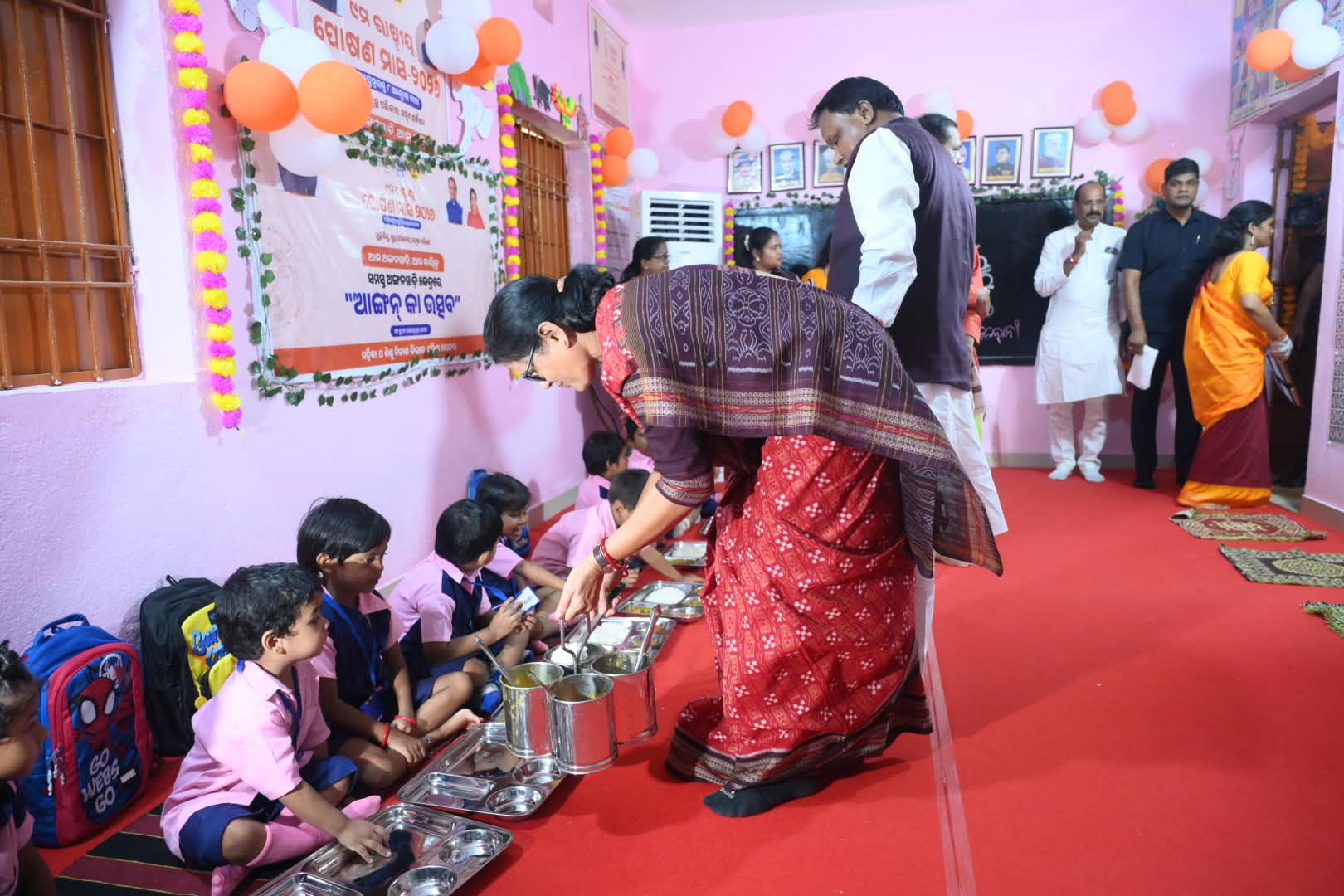
Deputy Chief Minister and Women and Child Development Minister Pravati Parida, Ekamra-Bhubaneswar MLA Babu Singh, Commissioner-cum-Secretary of the Women and Child Development Department Dr Mrinalini Darswal, Department Director Monisha Banerjee, along with other officials, Anganwadi workers, helpers, ASHA workers, children and parents attended the event.
The Chief Minister called upon citizens to support the government’s efforts towards building a healthier Odisha and reiterated his administration’s commitment to achieving the goal of a ‘Suposhit Odisha’.
29, Sep 2026
AAEON Breaks Down Thermal Barriers with the New UP Xtreme PTL Edge Air
With AirJet® solid-state active cooling technology, the UP Xtreme PTL Edge Air is 35% thinner and 43% lighter while delivering Intel® Core™ Ultra Series 3 performance.

Taipei, Taiwan – Sept 29: AAEON (Stock Code: 6579) today announced the release of the UP Xtreme PTL Edge Air, a Panther Lake-powered Mini PC featuring Frore Systems’ AirJet® solid-state active cooling technology. With this innovative thermal management, the Mini PC replaces conventional fan-based cooling with ultrasonic-frequency membrane vibration technology to generate high-speed pulsating airflow to provide high-capacity heat dissipation without the added height that comes with a heatsink.
Of particular note to developers and integrators alike will be the fact that because of the reduced space taken up by thermal management components, the UP Xtreme PTL Edge Air is 35% slimmer and 43% lighter than the fan-cooled UP Xtreme PTL Edge, released earlier this year. Specifically, the new system’s height is listed as just 35.8mm and weighs in at 1.57 lb.
AAEON has positioned the system as an ultra-slim Mini PC suited for integration in space-constrained applications such as ultra-thin kiosk setups, low-clearance AMR housing, and compact mobile healthcare units. One feature that stands out for each of these verticals is its elimination of fan-induced vibration.
AAEON note that the UP Xtreme PTL Edge Air operates at less than 21 dBA, resulting in it being a quieter, more stable platform for robotic controllers, actuators, sensors, and cameras. For robotics applications, AAEON state that combined, these features can reduce torque around moving joints and minimize mechanical disturbance for precision sensing equipment.
Like its counterpart, the UP Xtreme PTL Edge Air is available with a choice of the Intel® Core™ Ultra X7 processor 358H, Intel® Core™ Ultra 7 processor 356H, or Intel® Core™ Ultra 5 processor 325 from the Intel® Core™ Ultra Series 3 processors lineup (formerly Panther Lake). Users will therefore be able to leverage the series’ integrated 12 Xe-core Intel® Arc™ GPU and Intel NPU 5.0 for up to 180 TOPs of AI performance.
Despite its unique design, the UP Xtreme PTL Edge Air sacrifices very little as a trade-off, with a 6% increase in power consumption and a narrower operating temperature range of -10°C to 45°C being the only downsides. However, the PC does provide the same I/O as its predecessor, comprised of four USB ports (two Type-C ports with USB 4.0 and two Type-A ports with USB 3.2 Gen 2 signals), dual 2.5GbE LAN ports, and two COM ports offering RS-232/422/485. Alongside these, the system provides two HDMI 2.1 ports and two DP 2.1 via its USB Type-C ports for four simultaneous displays.
Where expansion is concerned, the UP Xtreme PTL Edge Air offers two M.2 2280 M-Key slots for NVMe, an M.2 2230 E-Key slot for Wi-Fi, as well as the 40-pin GPIO that has become synonymous with UP products.
“This is a very exciting product for us, particularly because it addresses real challenges that our customers have in integrating high-performance edge AI hardware into applications with space constraints,” said Irene Lin, Senior Product Manager from AAEON’s UP division. “I really believe that this will be a gamechanger for solution builders, and look forward to seeing the impact the UP Xtreme PTL Edge Air has on projects going forward,” Lin added.


