


10, Mar 2025
The Surprising Symptoms of Low NAD+ Levels and How NMN Can Help Replenish Them
Nicotinamide adenine dinucleotide (NAD+) is a vital coenzyme found in every cell of our body, playing a central role in many biological processes that are critical for maintaining overall health. As a key player in cellular metabolism, energy production, and DNA repair, it helps the body manage oxidative stress, regulate circadian rhythms, and promote longevity. Despite its importance, NAD+ levels naturally decline with age, leading to a range of surprising and often overlooked symptoms. Fortunately, supplementation with compounds like Nicotinamide Mononucleotide (NMN) offers a promising way to replenish NAD+ and help mitigate the effects of its decline.
What is NAD+ and Why Does It Matter?
NAD+ is a coenzyme that supports redox reactions in cells, facilitating the conversion of food into usable energy. It plays a pivotal role in ATP production, which fuels cellular functions. Beyond metabolism, NAD+ is crucial for maintaining proper DNA repair mechanisms, supporting the immune system, and regulating the body’s circadian rhythms (the internal biological clock). It also influences the activation of sirtuins, a group of proteins that are thought to protect cells from aging and extend lifespan.
As we age, NAD+ levels begin to naturally decline, and this reduction is associated with various health issues and symptoms that many people may not immediately connect to low NAD+ levels.
Surprising Symptoms of Low NAD+ Levels
- Fatigue and Decreased Energy
One of the most common symptoms of low NAD+ levels is chronic fatigue. NAD+ is essential for mitochondrial function—the powerhouses of cells responsible for energy production. When NAD+ levels drop, mitochondria struggle to produce ATP efficiently, leading to decreased energy levels, muscle weakness, and a constant feeling of tiredness, even after adequate rest. People with low NAD+ may feel sluggish, less motivated, and experience a general decline in their energy reserves throughout the day. - Cognitive Decline and Memory Problems
NAD+ is integral to maintaining brain health. It supports the activity of enzymes responsible for DNA repair and neuronal function. As NAD+ levels decrease, the brain’s ability to repair damaged DNA and maintain proper neural activity also diminishes. This leads to cognitive problems, including difficulty concentrating, short-term memory issues, and a decline in mental clarity. In some cases, long-term NAD+ depletion may contribute to neurodegenerative diseases such as Alzheimer’s or Parkinson’s. - Sleep Disturbances
A decline in NAD+ can lead to disturbances in circadian rhythm regulation, the body’s natural sleep-wake cycle. NAD+ influences the production of melatonin, the hormone responsible for sleep onset. Low levels of NAD+ can disrupt the sleep cycle, leading to difficulties falling asleep, staying asleep, or waking up feeling unrested. This can result in a cycle of poor sleep that exacerbates other health problems, such as mood swings and weakened immunity. - Increased Inflammation and Pain Sensitivity
NAD+ is involved in controlling inflammation and the body’s response to injury or infection. When NAD+ levels drop, the body’s inflammatory response can become unbalanced. This can lead to increased chronic pain, joint discomfort, and a heightened sensitivity to injury. Studies have suggested that lower NAD+ levels contribute to inflammatory diseases, autoimmune conditions, and even neuroinflammation, which may increase the risk of conditions such as arthritis or chronic pain syndromes. - Weakened Immune System
NAD+ plays a critical role in maintaining the health of the immune system. It helps regulate immune cell function and supports the body’s ability to respond to infections. As NAD+ levels decline, immune cells become less efficient, leaving the body more susceptible to infections, illnesses, and even slower recovery times after injury or sickness. Individuals with low NAD+ levels may find themselves catching colds more frequently or having a harder time fighting off infections. - Skin Aging and Poor Wound Healing
NAD+ also plays a role in skin health by promoting cellular repair processes and protecting against oxidative stress. Low NAD+ levels contribute to the aging of the skin, including increased wrinkles, sagging, and dryness. Additionally, a decrease in NAD+ can slow down the body’s ability to repair skin damage, leading to longer recovery times for cuts, bruises, and other wounds. - Metabolic Dysfunction and Weight Gain
NAD+ has a key role in regulating metabolic processes, including fat metabolism and insulin sensitivity. When NAD+ levels are low, the body may become less efficient at processing and burning fat, leading to weight gain or difficulty losing weight. Furthermore, insulin resistance, which is often associated with conditions like type 2 diabetes, can become more pronounced as NAD+ levels decrease, making it harder for the body to maintain stable blood sugar levels. - Mood Swings and Depression
Another surprising symptom of low NAD+ levels is a shift in mood. NAD+ affects the regulation of neurotransmitters, including serotonin and dopamine, both of which are responsible for regulating mood and emotional well-being. A deficiency in NAD+ may lead to mood swings, increased stress, anxiety, and symptoms of depression. This emotional imbalance can affect overall quality of life, leading to feelings of hopelessness and a lack of motivation. - Decreased Muscle Mass and Strength
Muscle strength and mass are closely tied to mitochondrial function, which is directly impacted by NAD+ levels. Low NAD+ can result in muscle weakness, a loss of lean muscle mass, and a decrease in overall strength. This can affect your ability to engage in physical activity, further contributing to fatigue, immobility, and even depression, as physical activity plays a significant role in maintaining mental health.
How NMN Can Help Replenish NAD+ Levels
Given the wide-ranging effects of low NAD+ levels, it is clear that maintaining optimal NAD+ levels is essential for overall health. While there are many factors that can influence NAD+ production, including diet, exercise, and lifestyle habits, one of the most effective ways to replenish NAD+ is through supplementation with Nicotinamide Mononucleotide (NMN).
NMN is a precursor to NAD+ and is considered one of the most efficient ways to boost NAD+ levels in the body. When NMN is ingested, it is converted into NAD+ through a series of enzymatic reactions. Supplementing with NMN can potentially counteract the age-related decline in NAD+ and help alleviate the symptoms associated with NAD+ depletion, including fatigue, cognitive decline, poor sleep, and metabolic dysfunction.
Research into NMN supplementation is still in the early stages, but animal studies and human trials have shown promising results in terms of improving energy levels, supporting cognitive function, and even promoting longevity. For example, studies have shown that NMN supplementation improves mitochondrial function, enhances DNA repair, and reduces markers of inflammation, all of which are vital for maintaining health and vitality as we age.
Conclusion
NAD+ is an essential molecule that plays a vital role in nearly every aspect of cellular function, from energy production to DNA repair and immune system regulation. Low NAD+ levels can lead to a surprising array of symptoms, including fatigue, cognitive decline, sleep disturbances, and weakened immunity. Fortunately, supplementation with NMN offers a promising strategy to replenish NAD+ levels, potentially reversing some of the age-related decline in cellular function and promoting overall well-being. While further research is needed to fully understand the long-term effects of NMN supplementation, the current evidence suggests that boosting NAD+ levels can have a profound impact on health, energy, and longevity.
- 0
- By Neel Achary

10, Mar 2025
Empowering Women with Economic Opportunities
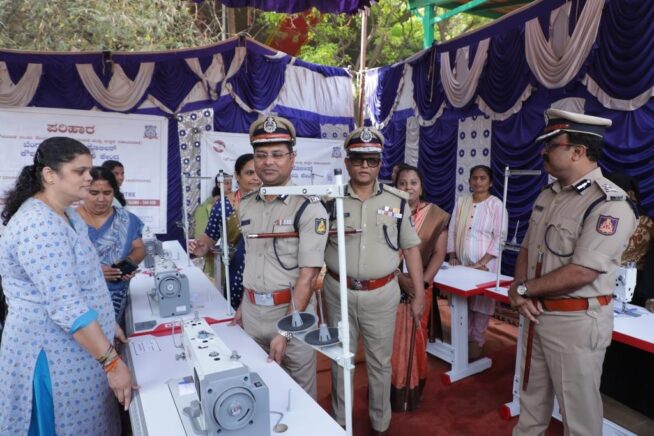
86 e-autos, 2 push carts, and 10 sewing machines were distributed to women from vulnerable communities by Shri B. Dayananda, IPS, Commissioner of Police, Bengaluru.
Bengaluru, March 10, 2025: In a major step towards empowering marginalized women and promoting economic independence, an empowering initiative was held at CAR (City Armed Reserve) Headquarters Parade Ground to celebrate International Women’s Day, where 86 e-autos, 2 push carts, and 10 sewing machines were distributed to women from vulnerable communities by Shri B. Dayananda, IPS, Commissioner of Police, Bengaluru. The event was organized by United Way Bengaluru in collaboration with the corporate partners: GE Aerospace, State Street, Continental, Fivetran, DeliverHealth.
This marks a major milestone in the ongoing efforts to support women’s empowerment, implemented by United Way Bengaluru, especially in areas where access to livelihood opportunities can be limited. Supported by Parihar, an initiative of the Bengaluru Police Commissioner’s office, the e-auto programme is dedicated to creating sustainable livelihood opportunities for women from vulnerable communities. The push carts will enable women to run small businesses, while the sewing machines will empower them to engage in productive, sustainable work from home. The collaboration highlights the role of Public-Private-People partnerships in supporting the women’s entrepreneurial aspirations and helping them become self-sufficient and actively contribute to their families.
“On this International Women’s Day, we honor the spirit and strength of women who are embracing new opportunities to transform their lives. This initiative is a testament to what can be achieved when public institutions and corporates come together with a shared vision for social progress. By enabling financial independence for women through sustainable livelihoods, we are not only securing their future but also strengthening the community as a whole. We deeply appreciate the support of our corporate partners for their commitment to this cause. Their contribution through CSR sets a benchmark for impactful Public-Private Partnerships, inspiring more organizations to step forward and be part of meaningful change,” said Shri B. Dayananda, IPS, Commissioner of Police, Bengaluru City.
10, Mar 2025
CDPF and NCPEDP Pave the Way for a Unified, Inclusive Future in Disability Rights
New Delhi, March 10, 2025: Disability rights leaders from Commonwealth nations came together on Friday to deliberate on inclusive policies, emerging best practices, and the future of disability discourse in India and beyond. The National Centre for Promotion of Employment for Disabled People (NCPEDP) and the Commonwealth Disabled People’s Forum (CDPF) hosted a roundtable, bringing together civil society organizations and persons with disabilities from countries such as Sri Lanka, Bangladesh, and Maldives.
The roundtable featured key participants, including Richard Rieser, General Secretary, CDPF, and Arman Ali, Executive Director, NCPEDP among others. Discussions focused on collaborative strategies to advance disability inclusion across borders.

Prior to the roundtable, a crucial meeting took place between Rajesh Aggarwal, Secretary, Department of Empowerment of Persons with Disabilities (DEPwD), Richard Rieser, and Arman Ali. This meeting explored India’s progress in implementing inclusive policies and identified key areas for improvement.
Speaking about the event, Arman Ali, Executive Director, NCPEDP, stated: “Inclusion isn’t a privilege; it’s a right. This collaboration with CDPF reaffirms our commitment to ensuring that persons with disabilities have a voice in shaping policies that affect them. Learning from international best practices and sharing our experiences will help us create a world that truly embraces diversity.”
This international collaboration between CDPF and NCPEDP reaffirmed the urgency of building inclusive ecosystems that uphold the principles of the UN Convention on the Rights of Persons with Disabilities (UNCRPD). By fostering a dynamic exchange of ideas and experiences, the initiative strengthened India’s role as a leader in disability rights advocacy.
Formed in 2008, CDPF operates across 56 Commonwealth nations, working towards the equitable participation of persons with disabilities through democratic means. As a full member of CDPF, NCPEDP’s continued leadership in disability advocacy ensures that India remains at the forefront of global efforts for inclusion.
10, Mar 2025
Shriya Pilgaonkar Is Back at YRF in an All-New, Exciting Avatar

Shriya Pilgaonkar, who made her Bollywood debut in 2016 opposite Shah Rukh Khan in Fan, has carved an impressive path in the industry. Handpicked by director Maneesh Sharma from an audition of 750 girls, she quickly made her mark, earning acclaim for her performances in projects like the Emmy-nominated Mirzapur, British series Beecham House, Guilty Minds, Broken News, and Taaza Khabar.
Now, her journey comes full circle as she returns to Yash Raj Films (YRF) for an exciting new project. A recent behind-the-scenes photo shared by Shriya on social media set off a wave of speculation among fans, who spotted a YRF script in her hand. As per a source close to the production, Shriya will be seen in a completely new avatar, adding to the intrigue.
The project reportedly also stars Vaani Kapoor, Surveen Chawla, and Gullak fame Vaibhav Raj Gupta. With Shriya’s versatility and strong screen presence, anticipation is high for what she brings to this upcoming YRF venture.
Shriya made her Hindi film debut with Fan in 2016. She landed her role after standing out among 750 auditions conducted by Maneesh Sharma—a moment she considers a major breakthrough, especially since it meant sharing screen space with Shah Rukh Khan. In Fan, she portrayed Neha, a Delhi-based call center employee and a close friend of Gaurav.
Shriya then went onto establish herself with successful web series such as Mirzapur (2018), Guilty Minds and The Broken News (both 2022) and Taaza Khabar (2023). She has also acted in and directed various plays.
At the age of five, Pilgaonkar first appeared on television in the Hindi serial Tu Tu Main Main, playing a boy named Bittu. Pilgaonkar made her stage debut in 2012 with her performance in Karan Shetty’s 10-minute short play Freedom Of Love. The play was a part of the NCPA’s Short and Sweet Festival. In the play, she acted, sang, and danced.
10, Mar 2025
Get Closer to Surya Kumar Yadav with moha: Play Smart’s Exclusive Meet and Greet
National, March 2025 – moha, a leading ayurvedic skincare brand by Charak Pharma, hosted an exclusive Meet & Greet event with renowned Indian cricketer Suryakumar Yadav at Imara by Canto on 4th March 2025. Other than celebrating summer skincare with moha, focusing on the importance of sun protection and playing it smart, both on and off the field, the event centred around the meet and greet with cricket fans where Surya Kumar Yadav was giving autographed bats to 5 lucky content winners who are moha sunscreen users. It was a perfect blend of skincare, sports, and fan interaction, making it an unforgettable experience for all.
Known for his dynamic performance, Surya Kumar Yadav, popularly known as SKY, shared his personal skincare routine, highlighting how India’s First Sunscreen Spray by moha effortlessly shields his skin from harmful UVA and UVB rays and protects him from the sun. He also revealed how the moha: Footcare Cream helps him unwind, keeping his feet refreshed and nourished after long hours of play.

Indian Cricketer, Surya Kumar Yadav says, “As a cricketer, I am constantly exposed to the sun, and taking care of my skin is just as important as my physical fitness. moha’s Sunscreen Spray ensures that I stay protected from harmful UV rays, and the moha: Footcare Cream keeps my feet in top condition after long matches. Incorporating moha into my routine is crucial to maintaining peak performance on the field.”
The session began with a warm welcome from the host, introducing distinguished guests Suryakumar Yadav, Indian Cricketer and Dr. Ram H. Shroff, Director of Charak Pharma. Dr. Ram addressed the audience, emphasizing the importance of sun protection and the benefits of using moha skincare products to maintain health and hydration during the summer months. He highlighted moha’s commitment to leadership in Ayurveda and its brand values of natural, effective care. Dr. Ram explained how moha’s products, including India’s first Sunscreen Spray, are formulated with natural ingredients to ensure effective protection without harmful chemicals. He emphasized that moha’s focus is on providing solutions that not only safeguard the skin but also support overall well-being, aligning with the brand’s dedication to offering holistic, chemical-free skincare solutions.
Dr. Ram H. Shroff, Director, Charak Pharma says, “At moha, we are committed to providing clinically backed Ayurveda products that not only protect the skin but also promote overall health. Our Sunscreen Spray and Footcare Cream are designed to keep the skin hydrated, nourished, and safe from the sun’s harmful effects. It’s essential for athletes to protect their skin while maintaining their performance, and we’re proud to offer solutions that support this.”
Suryakumar Yadav, popularly known as SKY, emphasized that men need skincare as much as women, particularly athletes who spend long hours exposed to the sun. The harsh sun can cause significant damage and irritation to the skin, making sun protection and proper skincare essential for athletes. Beloved cricketer Suryakumar Yadav also shared insights on the challenges athletes face from prolonged sun exposure and offered tips on maintaining a skincare routine despite his busy cricket schedule. He highlighted moha’s Sunscreen Spray as a key product in his daily regimen, providing strong protection against harmful UVA and UVB rays to ensure his skin remains shielded. Additionally, he spoke about moha’s Footcare Cream, which helps keep his feet nourished and refreshed after long hours on the field. The event wrapped up with group photos, where Surya Kumar Yadav proudly posed with moha’s Sunscreen Spray and Footcare Cream both featured in the Summer Ready hampers given to all attendees, underscoring the brand’s dedication to delivering quality skincare solutions tailored for everyone.
10, Mar 2025
Workplace Burnout Drops from 35% to 22% with Innovation as DNA, Finds Great Place To Work
Mumbai, March 10, 2025: A new report from Great Place To Work reveals a significant shift in workplace culture, with burnout rates dropping from 35% to 22%, showcasing the transformative impact of innovation as a core value in modern organizations. Companies that integrate innovation into daily operations don’t just spark creativity—they boost engagement, improve retention, and reduce burnout. True innovation goes beyond occasional brainstorming or hackathons; it becomes second nature. When innovation shifts from a reactive to a proactive mindset, embedded in decision-making, teamwork, and problem-solving, organizations gain agility, motivation, and a culture where employees feel empowered to experiment and take risks. Innovation is no longer an extra—it’s essential for companies to not just adapt to change but lead it.
Recent data reveals a persistent gender innovation gap, with men reporting 47% access to innovation opportunities, significantly more than women at 39%. This structural disparity underscores the need for urgent action to ensure equal access to innovation for both genders, as failing to address this gap could stifle the creative potential of half of the workforce. Additionally, seniority and experience play a crucial role in access to innovation, with employees having over 10 years of experience and senior managers seeing the most opportunities—50% and 57%, respectively—raising concerns about innovation becoming too concentrated at the upper levels of organizations. To truly foster a culture of innovation, it must be embedded across all tiers, ensuring that every employee, regardless of seniority, has the chance to contribute.
Industries Winning at Innovation Know It’s Not a Perk—It’s a Practice. Industries like Biotechnology, IT, and Transportation invest in innovation frameworks but often struggle to fully engage employees. In contrast, Financial Services and Retail prioritize both structured innovation and employee experience, cultivating a culture where new ideas thrive and employees are more deeply involved in the process. Industries like Education & Training, Health Care, and Professional Services face challenges with both innovation practices and employee engagement, resulting in slow progress and resistance to change. On the other hand, sectors like Construction, Infrastructure & Real Estate excel at offering a great employee experience but lack structured innovation processes, limiting their full potential.
For organizations striving to boost their innovation momentum, five key drivers can act as catalysts for success. First, care for employees—when workers feel valued not just as contributors, but as individuals, their motivation and creativity flourish. Second, recognition plays a pivotal role in fueling innovation. When achievements are celebrated fairly across all levels, it encourages a culture of continuous improvement. Third, strong talent attraction practices ensure that diverse perspectives and fresh ideas flow into the organization, propelling innovative thinking. Additionally, leadership development is critical, as well-prepared leaders inspire innovation at all levels. Lastly, action on feedback is crucial. Organizations that listen to their employees, act on their input, and create an environment of trust are more likely to sustain long-term innovation.
Balbir Singh, CEO, Great Place To Work®️, India, said,.” Most leaders list innovation as one of their top priorities for business growth in 2025. Leaders understand this requires them to think differently, to challenge assumptions, and to empower their teams to experiment and take risks. A mindset shift that must embed into ways of working and become core to organization’s culture. Our latest study, based on insights from over 57 lakh employee voices, makes one thing clear—when innovation is embedded in workplace culture, everything changes. Burnout drops from 35% to 22%. Retention improves. Engagement rises. When employees know their ideas matter, when they feel safe to take risks, they don’t just follow the rules—they redefine them. They challenge the status quo, experiment boldly, and push the organization forward. Yet, many companies unintentionally slow innovation down. Unclear growth paths, siloed teams, and fear of failure—coupled with outdated policies and a lack of continuous learning—don’t just stifle creativity; they push great talent away.
He also added, “The question isn’t whether we value innovation. The real challenge is: Are we building a culture where innovation thrives? Do our people feel safe to take risks? Are we removing obstacles instead of reinforcing outdated processes? Are we turning ideas into action, or drowning them in endless approvals? The best workplaces don’t just support innovation—they make it impossible to ignore. When innovation is part of an organization’s DNA, it’s not just a competitive advantage. It’s a force that drives trust, purpose, and belonging. That’s the difference between companies that survive and those that thrive.
Research reveals that companies prioritizing innovation are 2.7 times more likely to be ready to innovate than those where it is merely an afterthought. This shift in mindset is crucial to staying competitive in a rapidly changing market. To determine where an organization stands in its innovation journey, companies must look at their Innovation Velocity Ratio (IVR)—a key metric that measures the pace of innovation within an organization. At the Frictional IVR stage, for every two employees hindering innovation, four employees are driving it forward. At the Functional IVR stage, seven employees are leading the charge for every two dragging the company behind. And at the Accelerated IVR stage, eleven employees are pushing innovation forward for every two who hold it back.
However, the path to innovation is not without its challenges. Five major barriers impede innovation momentum: lack of recognition and growth opportunities, siloed teams, fear of speaking up, an overemphasis on policies and tracking, and insufficient investment in continuous learning and development. Overcoming these obstacles will be essential for organizations to unlock their full innovation potential.
10, Mar 2025
Bonjour Highlights Women’s Resilience with TheStrengthWeCarry Campaign on Women’s Day
National, 10th March 2025: – Bonjour, India’s leading socks brand, proudly unveils its Women’s Day campaign, #TheStrengthWeCarry, honouring the resilience, strength, and unstoppable spirit of women. Through a compelling video tribute, the campaign captures the journey of women across different walks of life, showcasing their unwavering determination as they move forward with confidence in every step.
The video highlights powerful narratives of women breaking barriers in their everyday lives—be it in the workplace, sports, caregiving, or entrepreneurship. As they stride forward, each moment reflects their dreams, challenges, and triumphs, reinforced by an inspiring message:
“She dares. She dreams. Strength isn’t just in muscles, but in resilience. Every step she takes is a step toward change. She is unstoppable, unshakable, and undeniable. Here’s to her. Today and every day. Happy Women’s Day!”
The campaign’s core message emphasizes that true strength lies in perseverance and spirit. Bonjour is proud to support this journey by providing products that ensure comfort and confidence in every step.
Speaking about the initiative, Mr. Rajkumar Jain, Managing Director of Bonjour, said, “Women inspire change every day with their strength and determination. Through the #TheStrengthWeCarry campaign, we celebrate their resilience and honour their journeys. Our goal is to encourage women to keep moving forward fearlessly, knowing they have the support they deserve.”
10, Mar 2025
New Initiatives by SPEFL-SC and MSDE Aim to Empower India’s Youth and Educators
New Delhi – The Sports, Physical Education, Fitness & Leisure Skills Council (SPEFL-SC), under the Ministry of Skill Development and Entrepreneurship (MSDE), has launched two transformative initiatives aimed at fostering inclusivity and strengthening disaster preparedness across India. The Divyang Shakti Project and the Life Saviour (Aapda Mitra Bal) Initiative are designed to equip educators, students, and youth with critical skills to drive meaningful societal change.

The Divyang Shakti Project is a pioneering initiative aimed at empowering educators and students across 18 states, including Uttar Pradesh, Tamil Nadu, Maharashtra, Rajasthan, Gujarat, and Kerala. This program has successfully trained 33,498 physical education teachers, special educators, and B.Ed and B.P.Ed students in implementing play-based sports programs for children with disabilities. By integrating inclusive physical education methodologies, the project enhances both the physical and mental well-being of children, ensuring they thrive academically and socially.
Speaking about the impact of the initiative, Mr. Tahsin Zahid, CEO of SPEFL-SC, stated, “In states like Uttar Pradesh, Rajasthan, and Maharashtra, the project has instilled an ‘Inclusive Culture’ by incorporating activities that improve teamwork, critical thinking, and confidence. The program was implemented in government schools, special needs institutions, and teacher training colleges to establish best practices for inclusive education. Our goal is to ensure that children with disabilities receive equal opportunities to develop and excel.”
By equipping educators with specialized training, the Divyang Shakti Project contributes to a more inclusive learning environment, helping children with disabilities integrate seamlessly into mainstream education and society.
Parallelly, the Life Saviour (Aapda Mitra Bal) Initiative has been launched to build a resilient volunteer force capable of responding to emergencies and disasters. Under this initiative, 20,317 youth volunteers underwent an intensive six-day training program focused on life-saving skills such as first aid, search and rescue operations, and crisis management.
This initiative, supported by MSDE under the SANKALP Scheme, equips volunteers with essential emergency response tools, including helmets, first aid kits, and iron hammers. The trained volunteers receive Government NCVET certifications under NEP 2020 and are linked with district administrations and state disaster management cells to actively participate in relief and emergency response operations.
Mr. Tahsin Zahid emphasized the importance of this initiative, stating, “The Life Saviour Initiative ensures that youth are well-prepared to respond to natural and man-made disasters. By training volunteers in disaster management and first-response techniques, we are fostering a culture of safety and preparedness across India.”
By developing a network of trained first responders, the Life Saviour Initiative empowers communities to mitigate risks and respond effectively to emergencies, significantly strengthening India’s disaster resilience.
Together, these initiatives reflect the government’s commitment to addressing key social challenges through skill development and community-driven programs. The Divyang Shakti Project ensures that children with disabilities receive the support needed for their educational journey, while the Life Saviour Initiative empowers youth to play a crucial role in safeguarding their communities.
10, Mar 2025
India’s Semiconductor Sector to Witness Significant Growth in Women’s Participation by 2030
Amid India’s fast-growing semiconductor sector—expected to reach USD 79.20 billion by FY2031, the global industry is poised to become a trillion-dollar market by the end of the decade. This growth presents unprecedented opportunities for talent, with the Indian semiconductor sector projected to generate 1 million jobs by 2026. However, reaching this scale demands a more inclusive workforce as the industry cannot thrive alone as a male-dominated field. Women’s participation will be essential in propelling its growth and innovation.
Currently, women comprise just a fourth of India’s 220,000-strong chip design and engineering workforce, but this figure is expected to surpass 30% by 2027. Despite this, men continue to dominate key semiconductor roles. For instance, in the Chip Semiconductor Fabrication, men and women engage stands at 60:40 (men to women); Chip Design is at 70:30, ATMP (Assembly, Testing, Marking and Packaging) stands at 80:20, and so forth. The gap extends to leadership as well—men hold 93%-95%% of leadership roles in the sector, while women account for only 5%-7% at the top levels. Bridging this divide is essential for building a sustainable and diverse semiconductor ecosystem in India.
This gender gap in India’s semiconductor sector can be bridged through upskilling programs, pay parity, and inclusive employee benefits such as maternity leave, career break support, flexible work options, and project-based roles. Commenting on this gap, Sachin Alug, CEO, NLB Services added, “There is a need for both mindset and infrastructural shifts to increase the participation of women. This implies that gender-neutral policies and equal opportunities need to be prioritized. Additionally, Infrastructural shifts in the form of worker housing, healthcare facilities, and efficient transport will also play a pivotal role in attracting and retaining skilled workforce. Collaboration between the government and private sector will be key in building safe, sustainable, and worker-friendly environments. As India accelerates its electronics manufacturing ambitions, integrating women into the design and manufacturing ecosystem will be essential.”
10, Mar 2025
Judiciary Gold by Toprankers Creates Milestone in DJS 2024 with Exceptional Student Success
New Delhi March 10, 2025 ; Judiciary Gold by Toprankers, one of India’s top online platforms offering online coaching classes for judicial services competitive examinations, is proud to celebrate the phenomenal success of its students in the Delhi Judicial Services (DJS) Examination 2024. Leading this achievement is Samriddhi Talwar, a Judiciary Gold student, who has secured Rank 1 in DJS 2024.

The list of Judiciary Gold achievers in DJS 2024 includes:
- Rank 1: Samridhi Talwar
- Rank 11: Pranshu Shukla
- Rank 19: Shalabh Deep Goyal
- Rank 26: Shreya Mishra
- Rank 28: Niharika Diwan
- Rank 31: Anusha Sharma
- Rank 33: Bhavya Phutela
This phenomenal achievement reflects Judiciary Gold’s unwavering commitment to providing the most comprehensive, structured, and student-centric preparation platform for judicial services aspirants across India. Through expert-curated study materials, personalised mentorship, regular mock tests, and a results-driven approach, Judiciary Gold has empowered thousands of students to fulfil their dream of joining the esteemed judicial services, and they have trained 8000+ aspirants in the last 4 years.
Speaking on this proud occasion, Mr. Harsh Gagrani, Co-Founder, Toprankers said: “At Judiciary Gold, our primary mission has always been to guide students with concept clarity, strategic preparation, and emotional resilience. Our innovative teaching methods and strong mentor-student connection have enabled students to excel, even in one of the toughest examinations like DJS. We are immensely proud of our achievers and congratulate each one of them for their hard work and dedication.”
Since its inception, Judiciary Gold by Toprankers has built a reputation as India’s most trusted platform for judicial exam preparation, mentoring thousands of aspirants and 550+ selections in the last 4 years across 14+ States The DJS 2024 results are yet another testament to Judiciary Gold’s expertise and its student-first philosophy.
To students who could not clear this year’s examination, Judiciary Gold extends a message of hope and encouragement:
“Success is often just around the corner. Stay focused, stay determined, and most importantly, believe in yourself. With the right strategy and guidance, success will soon be yours.”


