


25, Sep 2026
TransNusa Collaborates with Skywise to Launch Indonesia’s First Integrated Digital Aviation Ecosystem
TransNusa Maximizes Flight On-Time Performance For Passengers
SINGAPORE, Sept 25, 2026 – (ACN Newswire) – TransNusa, Indonesia’s fast-growing Premium Service Carrier, today announced a landmark expansion of its digital collaboration with Skywise, a leading digital services company owned by Airbus.
TransNusa signed a historic agreement with Skywise that will enable the airline to establish a unified, real-time data ecosystem that bridges flight and technical operations by adopting Skywise Core X2 and Skywise Fleet Performance+ (S.FP+).
“This partnership represents a leap forward in our commitment to our passengers,” said Datuk Bernard Francis, Group Chief Executive Officer of TransNusa.
“By becoming the first airline in Indonesia to adopt these advanced Skywise solutions, we are shifting from reactive reporting to real-time, predictive operations.
“For our passengers, this means exceptional on-time performance and reliability. For TransNusa, it ensures our fleet operates at maximum efficiency, paving the way for profitable, scalable growth across the region,” Datuk Bernard explained.
Meanwhile, Skywise Head of Region APAC, Alessandro Luzi said that this milestone marks the very first S.FP+ and Skywise Core X2 agreement in Indonesia.
He explained that the fully integrated portfolio simplifies workflows, ensures total data consistency across the entire organization, and establishes a new benchmark for operational excellence in Indonesian aviation.
He added that by upgrading from traditional, spreadsheet-based reporting to this advanced digital architecture, Datuk Bernard has positioned TransNusa at the forefront of regional aviation technology.
“This integration delivers clear, measurable benefits across two critical pillars, which is unmatched reliability for passengers and maximized asset efficiency for TransNusa,” Alessandro Luzi concluded.

From left: Skywise Head of Region APAC, Alessandro Luzi sealing the deal with TransNusa Group Chief Executive Officer Datuk Bernard Francis to position TransNusa into the digital forefront in the aviation industry in Indonesia
Elevating the Passenger Experience: Fewer Delays, Smoother Journeys
For TransNusa’s passengers, this digital transformation translates directly into enhanced travel reliability, minimal disruptions, and smoother operations.
Predictive Maintenance, Fewer Delays:
By integrating real-time in-flight aircraft data with maintenance systems, the airline’s Maintenance Control Centre gets instant visibility into fleet health. Technical anomalies are detected and resolved early, preventing the last-minute operational disruptions and cancellations that frustrate travellers.
Unrivalled Fleet Reliability:
The unified ecosystem ensures that TransNusa’s aircraft spend less unscheduled time on the ground and more time in the air, delivering highly dependable, on-time performance for passengers across the region.
A Fully Connected Flight Journey:
The new tools seamlessly link with TransNusa’s existing digital toolkit—including N-Flight Planning (N-FP), Mission+ FLIGHT (electronic Flight Folder), and Mission+ MAPS (advanced charting)—ensuring pilots, ground crews, and engineers are always aligned on a single source of data for every flight.
Enhanced Performance
For TransNusa, this expansion represents a highly strategic optimization of its capital assets and operational expenditure.
Maximizing Fleet Availability:
By implementing advanced data tools that enable data-driven fleet management, TransNusa reduces costly Aircraft on Ground (AOG) instances, keeping aircraft operational and maximising daily flight hours. This directly accelerates revenue generation.
Increased Operational Efficiencies and Scalability:
By eliminating fragmented, siloed data and replacing it with automated workflows, TransNusa significantly increases its operational performances. The automated workflows will also allow TransNusa to strategically scale its fleet and route network.
- 0
- By Neel Achary

25, Sep 2026
A Right-Sided Heart, A 3kg Tumour: A Rare Surgery at Zydus Hospital, Ahmedabad Gives An 11-Year-Old a New Life
Maximally invasive to minimally invasive thoracic tumours: a typical week’s work
AHMEDABAD, India, Sept. 25, 2026 /PRNewswire/ — Lung and thoracic cancers are rising rapidly in India with a sevenfold increase since the last decade. Nearly three-quarters of patients are being diagnosed only after they reach an advanced stage. Late diagnosis often means late intervention, by which, tumours have had the time to grow large enough to distort or compress the organs around them, resulting into a far more complex surgical problem.
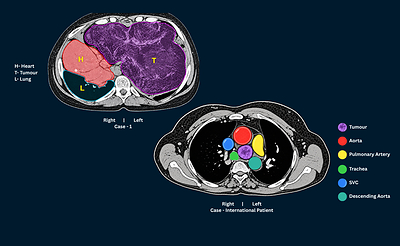
A similar case was of an 11-year-old girl who complained of exhaustion from her everyday activities for months. When she was taken for an ECG, the results raised a red flag as her heart’s position didn’t match that of the ECG leads present in the machine. An X-ray and CT were then done which showed a mass. The treating physician suspected her to have a tumour and realising the gravity of the situation, immediately referred her to Dr. Mahesh D. Patel, GI, Lung and Thoracic Oncology Surgeon at Zydus Cancer Hospital, who has a repute for treating such complex, high-risk cases and has also performed some of the India’s firsts.
At Zydus, they did a 2D echocardiogram, and the results mimicked dextrocardia. Dr. Mahesh explains, as the tumour had grown to weigh 3 kgs with a margin spanning 23 cm, its sheer mechanical force compressed her entire left lung and the middle lobe of her right lung, which is why it mimicked dextrocardia (a condition in which the heart is on the right side). The remaining lung tissue was straining to compensate for the deflated portions, which eventually gave way and tiny air sacs ruptured under pressure that caused bleeding inside her lung and blood in her sputum. The tumour also displaced her diaphragm and, with it, her heart. Her inferior vena cava (IVC), the large vein that carries blood from the lower body back to the heart, was compressed so the blood began backing up and putting pressure on her liver (which drains into the IVC) which grew congested and enlarged with time. The vein widened below the point of compression. “Operating this close to the heart was tricky; and manipulating the tumour could result in further displacement or trigger an arrhythmia so our team kept a defibrillator on standby throughout the procedure, ready for emergency cardioversion (an urgent procedure that restores normal heart rhythm),” Dr. Mahesh said. As the tumour adhered to a lot of structures, it had to be excised carefully to avoid any other complications.
He adds, “We used a clamshell incision to gain enough room to work around the tumour without compressing the heart further or damaging any crucial organs”. These clamshell incisions run across the chest and are about 30cm wide, giving a full view of the operating region. After 3 hours of thoracic surgery, the tumour was carefully mobilised and guided leftward along a plane that allowed it to be removed completely. As soon as the pressure lifted, her lungs reinflated. In the days that followed, her heart slowly drifted back towards its normal position, and she was discharged within a week. She regained her stamina and symptoms gradually returned to normal. “The final reports indicated that the 3kg mass was, in fact, a lipoblastoma,” said Dr. Mahesh. Lipoblastoma is a rare, benign tumour composed of immature fat tissues. The largest reported thoracic lipoblastoma ever removed weighed 0.9kg.
Though these cases are rare, incidentally there was another patient who was also referred to Dr. Mahesh in the past. He was an 11-year-old boy who was rushed to the Zydus emergency with a mediastinal germ-cell tumour in his chest, spanning 22 cm. He was in a dire state and had to be put on ventilator support. Germ-cell tumours are best known for arising in the reproductive organs but they occasionally develop instead in the mediastinum (the narrow space between the lungs that also houses the heart, major vessels, and airway). Germ-cell tumours usually require chemotherapy before surgery. “After chemo, the tumour markers became normal although its size remained the same. Location and the size of his tumour made his case extremely complex to operate. Here too, we used a clamshell incision to completely resect the tumour,” he added. The boy’s condition eventually got better and he was discharged within a few weeks. He remains cancer free till date.
Dr. Mahesh has also built a significant body of work in robotic surgery in India. He adds, “The trade-off often works in the patient’s favour as there is a smaller scar, lesser blood loss and it can offer more precision especially when the tumour’s location is tricky”. He has performed several complicated surgeries on international patients as well, and recalls a recent case, “An 80-year-old patient from Africa consulted me after being diagnosed with a mediastinal paraganglioma, 3cm in size. Though most tumours of this kind occur in the abdomen, his case was rare as the tumour was found in his chest wall (mediastinum), nestled right between the superior vena cava, aorta, pulmonary artery, descending aorta, and the trachea – some of the most critical structures in the chest, all within millimetres of each other.” Germ cell tumours are notorious for secreting factors that shoot up the blood pressure even during surgery. The real challenge was to safely navigate the tumour that was wedged extremely close to major blood vessels and left no room for error.
Most surgeries of this kind, worldwide, have relied on a sternotomy, cutting open the breastbone for direct access. Dr. Mahesh chose to operate robotically instead, retracting the trachea and the superior vena cava to clear a safe path, then removing the tumour through an incision just 2 centimetres wide, without nicking any nearby vessels. The biggest scar was just 2 cm. Pulling it off through a less invasive approach took real surgical skill, which made careful planning essential. The patient recovered well and was discharged in a week. Only 5 such cases have ever been performed robotically worldwide, and none in India before this one.
Having performed a legion of India’s firsts and anatomically complex cases, including India’s first 3D-printed sternal implant, nation’s first robotic resection of a segment 1 hepatocellular carcinoma (liver cancer) and tracheal resection under ECMO, some of the rarest resections involving the IVC and the abdominal aorta, managing SVC resections and chest wall reconstruction in invasive thymoma, and modified Appleby’s procedure for pancreatic cancer. Dr. Mahesh has done some of the stellar work in GI, lung and thoracic onco surgeries across. Some of his extraordinary work has been compiled into a coffee table book (Surgical Marvels) and published across. To know more, visit Zydus Cancer Hospital in Ahmedabad.
 View original content to download multimedia:https://www.prnewswire.com/in/news-releases/a-right-sided-heart-a-3kg-tumour-a-rare-surgery-at-zydus-hospital-ahmedabad-gives-an-11-year-old-a-new-life-302889359.html

25, Sep 2026
CGTN: Why the world is watching the Xi-Trump meeting: Steering China-US ties, shaping the future
CGTN published an article on Chinese President Xi Jinping’s state visit to the United States. Drawing on the stories of young Americans who have engaged with China and Xi’s latest announcement inviting 100,000 young Americans to China over the next five years, the article highlights how head-of-state diplomacy is shaping the direction of China-US ties while examining the broader global significance of cooperation between the two countries.
BEIJING, Sept. 25, 2026 /PRNewswire/ — For Marlon Forrester and Joey Zhang, a letter to Chinese President Xi Jinping brought an unexpected reply.
The two were among nearly 100 students from 10 US universities who recently participated in youth exchanges in China. After the trip, they wrote to Xi to share what they had seen and experienced. A reply arrived on the eve of Xi’s state visit to the United States.
In an exclusive interview with CGTN, Forrester, a Harvard faculty member, and Zhang, a Columbia University student, said the experience made them feel part of a new generation carrying forward exchanges between the two countries. They described Xi’s engagement with young people as “planting seeds” and “laying a foundation” for future exchanges.
There may be many more such stories ahead. At a White House welcome ceremony on September 24, Xi announced that China will invite 100,000 young Americans to visit China for exchanges and study over the next five years.
This commitment highlights how high-level decisions translate into the real-life experiences of ordinary people and further illustrates why the world is watching as China and the US shape the future of their relationship.
Steering the course of China-US ties
Frequent interactions between Xi and US President Donald Trump in 2026 have steadily steered the giant ship of China-US relations forward.
During a phone call in February, Xi and Trump agreed to “accomplish more big things and good things,” with Xi urging both nations to make 2026 a year of advancing toward mutual respect, peaceful coexistence, and win-win cooperation.
Three months later, Trump visited China. The two presidents spent nearly nine hours together and reached a milestone political consensus to build “a constructive China-US relationship of strategic stability.”
For Xi, setting the direction is only the beginning. “Building a constructive China-US relationship of strategic stability is neither an expedient measure nor something that can be achieved overnight,” he told Trump in Washington, calling on both sides to implement their consensus with the “spirit of driving the nail.”
That effort is reflected in flourishing people-to-people ties. From students at Lincoln High School in Washington State to youth groups from Maryland and Florida, Xi has repeatedly responded to letters and encouraged young people to become a new generation of friendship envoys.
Economic ties offer another solid foundation. According to China’s Ministry of Commerce, as of July 2026, US companies had established over 84,000 foreign-invested enterprises in China, with investment growing 7.8% year on year in the first half of the year. A survey of 175 US companies by the US-China Business Council revealed that 95% viewed their China operations as vital to global competitiveness.
Responsibility extending beyond two countries
The stakes of the China-US relationship extend far beyond Beijing and Washington.
At the White House, Xi said “China-US cooperation may not solve every problem in the world. But, without our cooperation, it would be hard to solve many of the world’s problems.”
He called on both sides to “lengthen the list of cooperation, and shorten the list of issues,” pointing to areas ranging from trade and investment to artificial intelligence, counternarcotics, law enforcement and direct flights.
Sun Taiyi, an associate professor at Christopher Newport University, noted that bilateral cooperation reduces market uncertainty, manages tech risks, and improves crisis communication. “Even limited cooperation can generate important positive spillovers for global stability.”
AI governance is drawing particular global focus. “Both China and the United States are leading nations in artificial intelligence,” Xi said in the meeting, emphasizing their shared responsibility to ensure AI remains “under human control and serves the well-being of the people.”
Wang Honggang, director of the Institute of Peaceful Development at the Chinese Academy of Social Sciences, added that joint AI governance would be a prime example of China-US cooperation benefiting the world.
Global public opinion reflects these stakes. A CGTN survey across 39 countries showed that 75% of respondents – rising to 78.3% in developing nations – consider stable China-US relations vital to the international community.
With China hosting the APEC Economic Leaders’ Meeting and the US hosting the G20 Summit this year, global focus will closely follow how the two leaders interact, sustain communication, and expand cooperation.
As Xi put it in his White House speech, “China and the United States, as two major countries, shoulder a historic responsibility of advancing human development and progress.”
 View original content:https://www.prnewswire.co.uk/news-releases/cgtn-why-the-world-is-watching-the-xi-trump-meeting-steering-china-us-ties-shaping-the-future-302890059.html

25, Sep 2026
Keystone To Launch India Business With Bengaluru As First Hub, Plans To Hire Talent & Increase Workforce Over Next Two Years
Bengaluru team will support global technology, manufacturing and financial services companies including Microsoft, Meta, Amazon, Goldman Sachs, Amgen and many other multinational enterprises as they navigate India’s market structure, regulatory complexity, litigation exposure and platform risk.
Bengaluru, India, Sept 25 — Keystone, a global advisory firm that guides the most critical technology and science-based platforms and ecosystems, today announced it is establishing Keystone India, with Bengaluru as its first hub in the country. The company plans to hire talent and expand its workforce in India over the next two years.
Keystone’s model differs from traditional consulting firms. Since its founding in 2003, Keystone has studied how technology ecosystems develop, how digital platforms compete and how transformative innovations change markets. The firm’s “triad” of disciplines brings together economists, technologists and management scientists, allowing Keystone to examine a problem from its technical foundations through its economic, legal and strategic business consequences. Keystone India will expand the firm’s global presence, navigate India’s market structure, regulatory complexity, litigation exposure and platform risk.
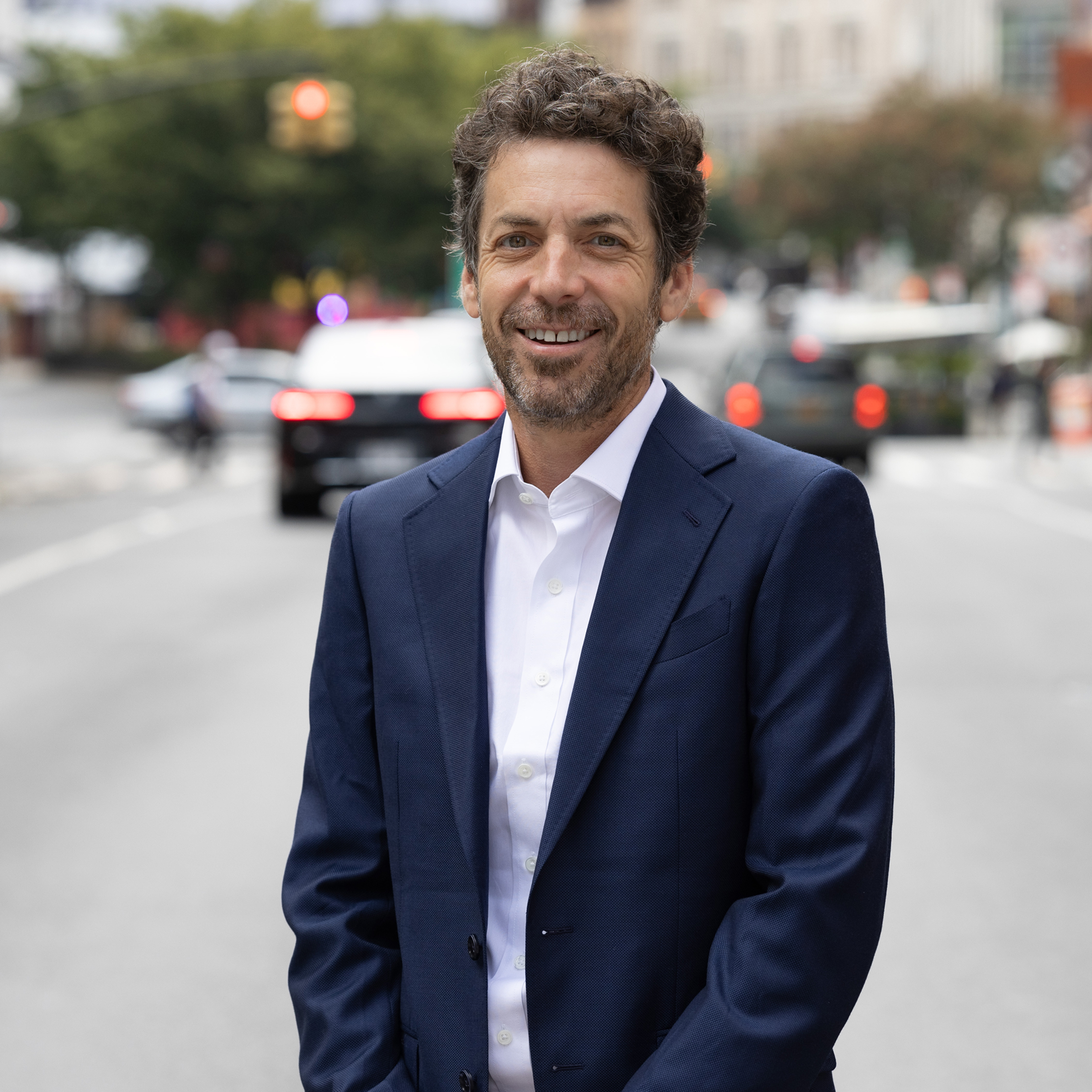
“Our Bengaluru launch reflects Keystone’s long-term commitment to India as a strategically important growth market,” said Jeff Marowits, Keystone CEO. “Over the next two years, we will be making substantial investments in the exceptional talent here to provide our full suite of strategic and regulatory services for the most prominent firms in India. These investments will ensure long-term growth and impact for Keystone throughout India.”
The Bengaluru team will support global technology companies including Microsoft and Meta, financial services firms like Goldman Sachs, as well as India’s largest law firms and global enterprises, helping each of these entities navigate this moment of AI disruption, as well as India’s distinctive market structure, regulatory environment and technology ecosystems.
Bengaluru provides a natural foundation for Keystone’s launch in India. The city brings together leading technology companies, research institutions, Global Capability Centres and a strong concentration of AI, data science and engineering talent. The Bengaluru office will form part of an integrated global platform, working alongside Keystone teams across the United States, Europe, the Middle East and Australia.
The Bengaluru team led by Keystone Senior Principal Himanshu Singhi will contribute to Keystone’s global AI Centre of Excellence. By connecting advanced AI and data capabilities with Keystone’s expertise in economics, strategy, investigations and litigation, the centre develops rigorous and repeatable approaches to complex client problems. Its work supports the responsible use of AI through technical expertise, economic analysis, sound governance and human judgment.
In India for the long haul
Keystone is building its India presence deliberately and for the long term. In doing so, Keystone India will bring a distinct form of advisory capability to the market: one grounded in an inherent understanding of technology and AI, and strengthened by the combined power of economics, technology and business strategy.
India sits at the centre of several forces reshaping the global economy. Its expanding digital economy, sophisticated enterprise sector, growing AI ecosystem and deep base of technical and entrepreneurial talent are creating significant opportunities while raising complex questions for businesses, investors, law firms and policymakers.
Under the leadership of its Global Head and Keystone Senior Partner Rohit Chatterjee, Keystone Advanced Technology Services, or K.ATS, is critical to its leadership in India. Within Keystone, computer scientists, data scientists, engineers and technologists work alongside Keystone’s economists, strategists and global expert network on critical strategic, legal and regulatory matters. The team can analyze source code and large-scale data, evaluate and audit AI systems, investigate complex technology environments and assess the architecture and operation of digital platforms. This technical depth allows Keystone to understand how a technology actually works before evaluating its economic significance or explaining it to a court, regulator, board or management team.
Keystone’s interdisciplinary model grew from its intellectual roots at Harvard Business School and has developed into an extensive group of leading academics, industry practitioners and former regulators. Keystone India will benefit from the remarkable talent and globally recognized academics across India to augment its offering.
For Indian organizations, this combination offers access to more than conventional economic or strategic advice. Keystone India will help businesses understand and deploy emerging technologies, evaluate AI and data systems, address competition and intellectual-property questions, manage complex investigations and prepare for the legal and regulatory implications of increasingly technology-driven markets.
25, Sep 2026
Avalara Brings Agentic AI Speed to Enterprise Integration with Versori by Avalara
Specialized AI agents plan, connect, build, and deploy production-grade connectors in days, dramatically reducing the time and cost to unlock the value of integrations
PUNE, India, Sept. 25, 2026 /PRNewswire/ — Avalara, Inc., the agentic AI leader in global tax and compliance, today announced the availability of Versori by Avalara, an agentic integration fabric that dramatically accelerates how developers and partners connect enterprise systems to Avalara tax and compliance solutions. The offering is now available through the Avalara Developer Portal and was showcased at Avalara CRUSH, the company’s flagship customer and partner conference.

Invariably, businesses implement and make changes to a complex mix of ERP systems, billing platforms, e-commerce applications, and custom technology. Those changes create significant budgetary and staffing burdens, and can delay critical business outcomes. They can require significant specialized engineering and create cost overruns, complexity, and delays as businesses grow and their technology stacks evolve.
With Versori by Avalara, integration time and expense are no longer sticking points for these projects. AI agents do the complex research, analysis, and coding in a fraction of the time and cost of traditional integration tools. Rather than relying on generic code generation or rigid pre-built templates, Versori by Avalara’s specialized AI agents execute the integration lifecycle.
“Businesses should not have to spend significant engineering time just to connect tax and compliance to the systems where they already work,” said Hugo Sarrazin, Chief Executive Officer at Avalara. “Versori by Avalara changes that equation. Specialized AI agents can research, build, test, and deploy production-grade connectors in days, giving developers and partners a dramatically faster path to bring Avalara into virtually any enterprise system. For customers, that means less integration work, faster time to value, and greater freedom to use the technology that works for their business.”
From integration requirements to production-ready connectors
Versori by Avalara uses four core AI agents to guide developers from initial mapping to certified release:
- Plan: Analyzes endpoint schemas, API contracts, and compliance requirements to scope integration architecture.
- Connect: Establishes secure authentication and automated system-to-system handshakes across ERPs, billing engines, e-commerce systems, and custom databases.
- Build: Generates production-ready transformation logic, mapping rules, and error-handling code. Customers and partners retain access to the generated connector code and business logic.
- Deploy: Runs automated testing, validates against Avalara certification benchmarks, and publishes the live connector.
Rather than relying on generic code generation or rigid pre-built templates, Developers and partners can access Versori by Avalara today through the Avalara Developer Portal. Users can explore API documentation and enroll in hands-on Versori by Avalara training.
About Avalara
Avalara is the agentic AI leader in global tax and compliance. For more than two decades, Avalara’s trusted tax content, deep compliance expertise, proprietary data, and technology have helped customers succeed on a global scale. Avalara now pairs that foundation with agentic AI to help businesses execute complex compliance work while keeping people in control. Avalara processes more than 54 billion AvaTax API calls annually and supports millions of businesses worldwide. For more information, visit Avalara.com.
 View original content to download multimedia:https://www.prnewswire.com/in/news-releases/avalara-brings-agentic-ai-speed-to-enterprise-integration-with-versori-by-avalara-302888376.html

25, Sep 2026
EasyShiksha’s B2B Partner Network Grows Past 50 Members — Now Inviting More Educators and Institutions to Earn Commission for Life
Individual educators, counsellors, and institutions across India and internationally have joined EasyShiksha’s referral program since launch, earning 15–30% commission on student enrollments — including on every future purchase a referred student makes, not just their first
GURGAON, India, Sept. 24, 2026 /PRNewswire/ — EasyShiksha, an online education platform operated by EdSpectra Global Private Limited, today announced that its B2B Partner Network has surpassed 54 approved partners, and is opening its doors wider to educators, counsellors, coaching institutes, colleges, and organizations looking to turn their existing networks into a recurring source of income.

The EasyShiksha B2B Partner Network, launched on earlier this month, allows partners to refer students to EasyShiksha’s catalog of certification courses, online internship programs, and university-affiliated certifications, earning commission on each paid enrollment without taking on any responsibility for teaching, certification, or student support.
Unlike typical referral or affiliate arrangements that pay a one-time commission and end the relationship there, EasyShiksha’s model is built around what the company calls lifetime attribution: once a student is linked to a partner’s referral code, every future purchase that student makes — a second certification, an internship, a subscription — continues to generate commission for the original partner, indefinitely, with no need to refer that student again.
Commission scales with volume rather than staying flat, starting at 15% for partners referring up to 100 paid students a month and rising to 30% for partners above 1,000, a structure designed to reward institutions and high-network individuals who treat referrals as an ongoing activity rather than a one-off.
“Fifty-four partners at this stage might sound modest set against where we’re headed, but every one of them is someone who looked at this model and decided it was worth trying with their own students, colleagues, or network,” said Sunil Sharma, CEO, EasyShiksha.
“We built this program because we believe the people who already have a student’s trust — a teacher, a counsellor, an institute — are better positioned to guide them toward the right opportunity than another advertisement ever could be. Fifty-four partners in, that belief is starting to prove itself out, and we want many more people to be part of what comes next.”
EasyShiksha says the partner base reflects the program’s intended breadth: individual educators and career counsellors with an engaged personal or professional network, alongside institutional partners such as coaching centres, colleges, and placement offices referring at higher volume. Both categories operate on identical commercial terms, with the only practical difference being the information collected during application.
The program is open to applicants both within India and internationally, with commission paid via bank transfer for India-based partners and PayPal for international partners.
Applying to the EasyShiksha B2B Partner Network takes approximately five minutes and does not require any marketing or sales background. Applicants provide basic contact and account details, and — for India-based applicants — PAN details and, where applicable, GST registration information. Most applications are reviewed and approved within one to two business days, after which a partner’s referral code and dashboard access go live immediately.
Approved partners receive access to a real-time dashboard tracking referrals, commission tier, and payout history, along with ready-to-use marketing materials, message templates, and — as of recently — a dedicated partner support contact to assist with onboarding and ongoing questions.
“Anyone who’s ever been asked ‘where should I learn this?’ already has what it takes to be a partner,” Sharma added. “You don’t need to be a marketer. You just need to be someone people already trust for that kind of advice — and we’ll handle everything from there.”
Educators, counsellors, coaching institutes, colleges, and organizations interested in joining the EasyShiksha B2B Partner Network can apply at https://easyshiksha.com/b2b-partners. There is no cost to apply, and no obligation to hit any particular referral volume to remain an active partner.
EasyShiksha is an online education platform offering certification courses, internship programs, and certifications in association with partner universities, spanning technology, business, and professional-skills subjects. EasyShiksha is operated by EdSpectra Global Private Limited.
EdSpectra Global Private Limited is a company incorporated under the Companies Act, 2013, headquartered at Gurgaon, India. EdSpectra operates EasyShiksha and maintains educational partnerships with schools, universities, and organizations through its Educational Alliances initiative.
Media Contact
Richa Sharma
Corporate Partnerships Manager
Email: richa@easyshiksha.com
Phone: +91 8178790608
 View original content to download multimedia:https://www.prnewswire.com/in/news-releases/easyshikshas-b2b-partner-network-grows-past-50-members–now-inviting-more-educators-and-institutions-to-earn-commission-for-life-302889597.html

25, Sep 2026
Bare Bones Collective turns Ganesh Chaturthi’s ‘Morya’ chant into an interactive campaign for BigBasket
The Morya Meter transformed a giant modak into a functioning decibel meter, drawing 5,000+ participants, 10,000+ attempts and a 120-decibel “Morya” in Mumbai
MUMBAI, Sept. 25, 2026 /PRNewswire/ — Creative agency Bare Bones Collective transformed one of Ganesh Chaturthi’s most instinctive traditions into an interactive brand experience for BigBasket with the Morya Meter; a giant modak fitted with a functioning decibel meter that invited Mumbaikars at Carter Road to shout “Morya” and compete to see who could register the loudest response.
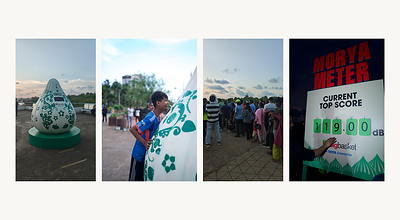
The campaign was rooted in a simple cultural observation: someone says “Ganpati Bappa” and everyone around instinctively responds with “Morya” loudly and collectively. Rather than create another piece of festive communication for audiences to passively consume, Bare Bones turned something people already do and love doing into the experience itself.
The modak was equally intentional. Synonymous with Ganesh Chaturthi as both an offering and festive essential, it created a natural connection to BigBasket as a destination for Ganesh Chaturthi essentials.
Girish Narayandass, Co-founder & Chief Creative Officer, Bare Bones Collective, said, “The best cultural ideas often come from noticing something people already do instinctively. You say ‘Ganpati Bappa’ and everyone around responds with ‘Morya!’ loudly and collectively. We didn’t want to manufacture a festive behaviour for the brand; we wanted to build upon one that already belonged to people. The Morya Meter came from asking one very simple question: what if we could actually measure that energy?”
From an idea to a giant modak in two weeks
Bare Bones Collective had just two weeks between locking the idea and taking it live.
The agency partnered with MOMS Outdoor to turn the concept into a functioning installation, while Sujay Kulkarni and team captured the unscripted reactions on ground, allowing the physical activation to extend onto social media.
The team initially set the challenge at 90 decibels. That benchmark didn’t last long.
Participants began returning for multiple attempts, trying to beat their own scores and one another’s. Soon, queues began forming around the giant modak.
Over the course of the activation, more than 5,000 people stepped up to the Morya Meter, clocking over 10,000 attempts. The loudest “Morya” eventually hit 120 decibels.
The Morya Meter was born from BigBasket’s brief to break through the sameness of festive communication around Ganesh Chaturthi. The brand wanted an on-ground activation that could build awareness and brand love while reinforcing BigBasket as a destination for Ganesh Chaturthi essentials and an idea that could travel organically from the street to social media.
The campaign also builds on an existing relationship between BigBasket and Bare Bones Collective, with the agency having previously worked on the brand’s performance campaigns. BigBasket’s collaborative approach and willingness to explore unconventional ideas gave Bare Bones the creative freedom to move beyond conventional festive advertising and turn a cultural insight into a participative brand experience.
About Bare Bones Collective
Bare Bones Collective is an independent creative agency founded by Girish Narayandass, Anuya Jakatdar and Swati Dua, built on the belief that great brands are built through audacious work. A team of communication problem solvers, Bare Bones is led by the idea first and the medium second, creating work across film, outdoor, digital, social, influencer, experiential, 360-degree and performance marketing.
In under four years, the agency has worked with 20+ brands, including Google, Prime Video, Nykaa, BigBasket and CEEW, with its work generating 500 million+ views and appearing across 250+ billboards.
Website: https://www.barebonescollective.com/
For Media/Interviews contact:
Dhvani Zatakia | PRwallahs
M: +91 99206 20987 | E: dzatakia@prwallahs.com

 View original content to download multimedia:https://www.prnewswire.com/in/news-releases/bare-bones-collective-turns-ganesh-chaturthis-morya-chant-into-an-interactive-campaign-for-bigbasket-302889551.html

25, Sep 2026
Cuttack Durga Puja 2026 to be live-streamed, bringing the city’s grand celebrations to a global audience
Cuttack, Sept. 25 (UDN): Devotees unable to visit Cuttack during this year’s Durga Puja will be able to experience the city’s iconic celebrations from anywhere in the world, as the district administration has announced live streaming of the festival for the first time.

Representational Image
The online broadcast will cover major Durga Puja pandals, virtual darshan of the Goddess, and the colourful immersion processions, allowing viewers to follow the festivities from home.
Cuttack Collector Dattatraya Bhausaheb Shinde said the initiative has been planned on the lines of the successful live telecasts of Rath Yatra and Bali Jatra.
According to him, discussions have already been held with the Information and Public Relations (I&PR) Department, which has agreed to facilitate the live streaming. A technical team from the department will visit Cuttack to finalise the necessary arrangements before the festival.
Where to watch
The live coverage will be available on the I&PR Department’s official YouTube channel as well as the Cuttack district administration’s website, making the celebrations accessible to audiences across India and overseas.
Bringing Cuttack’s festive grandeur online
Widely regarded as one of Odisha’s biggest Durga Puja celebrations, Cuttack’s festival is known for its elaborate pandal decorations, silver filigree craftsmanship, and spectacular immersion processions that draw thousands of visitors every year.
Officials said the digital initiative aims to ensure that elderly devotees, people living outside Odisha, and those unable to travel can still participate in the festive atmosphere through a virtual experience.
The live broadcast is expected to showcase the city’s vibrant pandals, cultural celebrations, and the grand immersion procession that marks the conclusion of the annual festival.
25, Sep 2026
Nandankanan’s rescued orangutan infants recovering as haemoglobin levels improve
Bhubaneswar, Sept. 25: The five rescued orangutan infants undergoing care at Nandankanan Zoological Park are showing encouraging signs of recovery, with recent blood tests indicating an improvement in haemoglobin levels in two of the animals, zoo authorities said on Friday.

File_UDN
Veterinarians confirmed that all five infants are eating normally, remaining active, and displaying healthy behaviour while continuing to receive round-the-clock monitoring at the zoo’s quarantine facility.
As part of a routine health assessment, a Complete Blood Count (CBC) test was conducted on each infant. The results showed improved haemoglobin levels in two orangutans identified as M3 and F2. M3 has also received supportive injections to help raise its haemoglobin levels further.
Nandankanan Deputy Director Pradeep Mirase said the infants are being closely observed by veterinary teams, with treatment being adjusted according to their health requirements.
Expert recommendations
The recovery follows recent examinations by wildlife health specialists, including Dr. Abhijit Bhawal, Veterinary Officer at Delhi Zoo, and Dr. Sanath Krishna Mulia, Wildlife Veterinarian at the Wildlife Institute of India in Dehradun.
After reviewing the infants’ condition, the experts recommended gradually increasing their food intake, introducing additional dietary items, and administering antiparasitic medicines such as ivermectin or doramectin to reduce worm burden.
Earlier anaemia concerns
Previous health assessments had found that three of the five orangutan infants were suffering from anaemia, with one diagnosed with severe anaemia and two showing mild symptoms. Since then, the animals have been receiving supportive supplements and targeted veterinary care under the guidance of an expert committee.
The latest improvement in haemoglobin levels has been viewed as a positive development in their ongoing recovery.
Rescue and trafficking probe
The orangutan infants were rescued on September 8 after being spotted in the Rankotha Reserved Jhau Forest in Odisha’s Bhogarai area. They were subsequently shifted to Nandankanan Zoological Park, where they remain in quarantine under specialised care.
Authorities continue to investigate the suspected trafficking network and the circumstances that led to the endangered primates being abandoned in the forest.
25, Sep 2026
Is Anti-Ageing Really Worth It?
The Science Behind Living Younger, Longer
Ageing is one of the few things every human being experiences, yet it remains one of the most aggressively marketed aspects of modern health and wellness.
From anti-ageing creams and supplements to hormone therapies, longevity clinics, personalised health programmes and experimental cellular treatments, the promise is increasingly ambitious: look younger, feel younger and perhaps even reverse some of the biological changes associated with ageing.
But how much of this is actually supported by science?
The answer is more complicated than either the marketing industry or its critics sometimes suggest.
Ageing cannot currently be switched off. Nor is there an established medical treatment that has been proven to reverse the human ageing process. The U.S. Food and Drug Administration states that no medication has been proven to slow or reverse ageing.
At the same time, researchers are learning considerably more about the biological mechanisms involved in ageing. Scientists are studying cellular senescence, inflammation, mitochondrial dysfunction, DNA damage, epigenetic changes, stem-cell behaviour and other processes that may contribute to age-related decline.
The important distinction is this: the science of healthy ageing is real, while the promise of becoming biologically young again remains largely experimental.
The Question We Should Really Be Asking
Perhaps the biggest problem with the phrase “anti-ageing” is that it treats ageing itself as a disease.
Growing older is a normal biological process. The more meaningful health question is not necessarily, “How can I stop ageing?” but rather:
How can I remain healthy, independent and physically and mentally capable for as long as possible?
The World Health Organization describes healthy ageing in terms of maintaining functional ability and well-being rather than simply eliminating signs of age. It also points out that people of the same chronological age can have very different levels of physical and mental capacity.
That distinction is crucial.
Someone may have wrinkles, grey hair and a high chronological age while remaining physically active, socially connected and independent. Another person may be younger but have significant chronic disease or reduced mobility.
Therefore, ageing well is not necessarily about looking 30 when you are 60. It is about preserving the ability to live a meaningful life.
Chronological Age vs Biological Age
Your chronological age is straightforward: it is the number of years since you were born.
Biological ageing is more complicated.
Two people of the same chronological age can have very different cardiovascular health, muscle strength, metabolic health, cognitive function and overall physical capacity.
This has created enormous interest in the concept of “biological age.”
Researchers are investigating biomarkers that may provide clues about how rapidly an individual’s body is ageing. Some commercial companies now offer tests claiming to estimate biological age using blood markers or other measurements.
However, consumers should be cautious about treating a biological-age number as a definitive medical diagnosis.
A single score cannot capture every aspect of human health, and a laboratory measurement should not automatically be interpreted as proof that a person is ageing faster or slower than another individual.
The science of ageing biomarkers is developing, but the marketing around them can move considerably faster than the evidence.
What Happens to the Body as We Age?
Ageing affects virtually every biological system.
Muscle mass and strength can decline. Bone density can change. The cardiovascular system becomes less resilient. The immune system changes. Vision and hearing may deteriorate. Sleep patterns can shift. The risk of chronic diseases such as cardiovascular disease, diabetes and certain cancers generally increases with age.
At the cellular level, researchers are studying several interconnected processes.
Cellular Senescence
Some damaged or stressed cells stop dividing but do not immediately disappear. These are known as senescent cells.
Scientists are investigating whether the accumulation of such cells contributes to age-related dysfunction and whether selectively removing them could have therapeutic benefits.
This area of research has generated interest in a class of experimental compounds called senolytics.
But an important distinction remains: promising laboratory or early clinical findings do not automatically establish a treatment as safe, effective and ready for widespread use.
Epigenetic Changes
Cells contain the same basic DNA, but different genes can be switched on or off depending on the cell’s function and biological state.
The study of these regulatory mechanisms, known as epigenetics, has become an important part of ageing research.
Researchers are investigating whether some aspects of cellular ageing might eventually be modified through controlled epigenetic reprogramming.
This is one of the areas that fuels excitement around “age reversal.” But scientific ability to influence cellular processes should not be confused with an established therapy that can safely rejuvenate an entire human body.
Mitochondrial Changes
Mitochondria are often described as the energy-producing structures of cells.
Age-related changes in mitochondrial function are another area of investigation. Researchers are studying how these changes interact with metabolism, inflammation and cellular damage.
Again, the objective is not simply to make a cell appear younger in a laboratory. The ultimate challenge is demonstrating that an intervention produces meaningful improvements in human health without unacceptable risks.
The Most Powerful Anti-Ageing Strategy May Be Surprisingly Ordinary
While laboratories explore sophisticated technologies, some of the strongest evidence for healthy ageing continues to involve remarkably familiar behaviours.
Move more. Eat well. Don’t smoke. Sleep properly. Maintain healthy relationships. Manage chronic health conditions. Stay socially and mentally engaged.
The WHO notes that regular physical activity, a balanced diet and avoiding tobacco contribute to reducing the risk of noncommunicable diseases and maintaining physical and mental capacity as people age.
The National Institute on Aging similarly identifies physical activity and healthy lifestyle choices as important components of healthy ageing.
That may sound less exciting than a futuristic anti-ageing pill, but it matters because these behaviours influence several systems simultaneously.
Exercise: Perhaps the Closest Thing to a Universal Ageing Intervention
Exercise does not stop the clock.
But it can help preserve the things that make later life healthier.
Regular physical activity is associated with lower risks of several chronic diseases and can support cardiovascular health, mental health, sleep, mobility and physical function.
For older adults, exercise can also help maintain muscle strength, balance and functional independence.
The National Institute on Aging recommends a combination of aerobic activity, muscle-strengthening activity and balance-related exercise for older adults. Its guidance cites 150 minutes per week of moderate-intensity aerobic activity and muscle-strengthening activities on at least two days per week as general recommendations.
The message is important: exercise is not merely about burning calories.
It is about maintaining the physical capacity to climb stairs, carry groceries, get out of a chair, travel, play with grandchildren and continue living independently.
That is a form of age management with a very tangible outcome.
Food Matters — But There Is No Magic Anti-Ageing Diet
The anti-ageing market is filled with specialised diets, powders, capsules and nutritional products.
The underlying science is much less glamorous.
The WHO describes a healthy diet as one based on adequacy, balance, moderation and diversity, with minimally processed or unprocessed foods forming an important foundation.
For healthy ageing, the practical objective is to obtain adequate nutrients while limiting excessive amounts of unhealthy fats, free sugars and sodium.
The National Institute on Aging also highlights the importance of nutrient-dense foods and adequate protein for maintaining muscle as people grow older.
There is no single food that can “reverse ageing.”
Blueberries, turmeric, green tea, nuts, olive oil or other foods may have nutritional benefits, but none should be presented as a magic solution to ageing.
The same principle applies to supplements.
A supplement can be useful when someone has a genuine nutritional deficiency or a medically appropriate indication. That is very different from claiming that a supplement can generally reverse biological ageing.
Sleep Is an Underestimated Part of Healthy Ageing
Sleep often receives less attention than diet and exercise, but it is fundamental to health.
The National Institute on Aging notes that adults, including older adults, generally need around seven to nine hours of sleep each night. Poor-quality sleep can affect physical and mental health, daytime functioning and safety.
Persistent sleep problems should not simply be dismissed as an unavoidable consequence of getting older.
Conditions such as sleep apnoea and insomnia may require medical evaluation.
In other words, sleeping well is not a cosmetic anti-ageing treatment. It is part of maintaining the biological systems that support health.
What About Anti-Ageing Creams?
Here the answer depends on what someone expects from a product.
Skincare can improve the appearance and condition of the skin. Sun protection, moisturisation and certain dermatological ingredients can have legitimate cosmetic or dermatological benefits.
But improving skin appearance is not the same as reversing systemic ageing.
A cream cannot make an entire organism biologically younger.
This distinction is frequently blurred in advertising, where improvements in wrinkles, pigmentation or skin texture may be described using broader language such as “reversing ageing.”
Consumers should therefore ask a simple question:
What exactly is the product claiming to change?
Is it improving skin appearance?
Is it treating a specific medical condition?
Or is it claiming to change the fundamental ageing process?
Those are three very different claims.
The Rise of Longevity Medicine
A new field of research is attempting to understand ageing at a deeper biological level.
The emerging field often described as geroscience investigates the biological mechanisms of ageing and their relationship with age-related diseases.
Researchers are examining potential interventions involving pathways related to metabolism, cellular senescence, inflammation, nutrient sensing and cellular repair.
The long-term objective is not necessarily immortality.
A more realistic scientific goal is healthspan — increasing the period of life during which a person remains healthy and functionally independent.
This is an important shift.
Living to 100 is not necessarily a medical victory if most of those additional years are spent with severe disability or illness.
The more meaningful goal may be to increase the number of years lived in good health.
Can Existing Drugs Reverse Ageing?
This is where consumers need to be particularly careful.
Various established medications and experimental compounds have attracted attention because of their effects on biological pathways associated with ageing.
Some are being studied in clinical research for age-related conditions or longevity-related outcomes.
But “being studied” does not mean “proven.”
A medication that affects a pathway associated with ageing may not necessarily extend healthy human lifespan. It may also have side effects, drug interactions or risks that become particularly important when used by healthy people.
The FDA specifically warns that no medication has been proven to slow or reverse the ageing process.
That does not mean ageing research is pointless.
It means the evidence has to be separated from the marketing.
The Problem With the Anti-Ageing Industry
The desire to stay young is commercially powerful.
It can sell cosmetics, supplements, diagnostic tests, fitness programmes, private medical services and wellness products.
The danger arises when scientific terminology is used to create an impression of certainty that the underlying evidence does not support.
Words such as “cellular,” “DNA,” “epigenetic,” “longevity,” “detox,” “rejuvenation” and “biological age” can sound highly scientific.
But a scientific-sounding product description is not evidence of clinical effectiveness.
Before spending money on an anti-ageing product or treatment, consumers should ask:
- What specific health outcome has been demonstrated?
- Was the research conducted in humans?
- How large was the study?
- Was there a control group?
- Was the study published in a reputable peer-reviewed journal?
- Has the finding been independently replicated?
- What are the known risks?
- Is the product regulated or medically approved for the claimed use?
- Does the evidence show longer life, healthier life, or merely a change in a laboratory marker?
- Are the claims being made by independent researchers or primarily by the company selling the product?
These questions can expose the difference between genuine innovation and sophisticated marketing.
Ageing Should Not Become Something We Are Afraid Of
There is another issue that deserves attention.
The constant marketing of youth can create the impression that getting older is a failure.
Grey hair becomes something to hide. Wrinkles become something to eliminate. Age becomes something to fight.
But ageing is not simply a cosmetic problem.
People can become healthier in important ways as they get older. They can gain experience, emotional maturity, knowledge, relationships and perspective.
The objective of healthy ageing should therefore not be to erase age.
It should be to reduce preventable disease and preserve function.
That means being able to think clearly, move safely, maintain relationships, participate in society and continue doing the things that give life meaning.
Healthspan May Matter More Than Lifespan
Imagine two people who both live to 90.
One remains active and independent until 85 and experiences several years of serious health problems.
The other spends decades with significant disability and reaches the same age.
Their chronological lifespan is identical.
Their healthspan is not.
This is why the distinction between lifespan and healthspan is becoming increasingly important in ageing research.
The WHO similarly emphasises that living longer only produces the greatest benefit when the additional years are accompanied by good health and functional ability.
For individuals, this changes the question from:
“How can I live forever?”
to:
“How can I increase the number of healthy years I have?”
That is a much more practical question.
The Anti-Ageing Checklist That Actually Makes Sense
For most people, healthy ageing does not require an expensive longevity programme.
A sensible foundation includes:
1. Stay physically active
Combine aerobic activity with strength, balance and mobility work appropriate to your age and health status.
2. Eat a varied, nutrient-dense diet
Prioritise vegetables, fruits, whole grains, pulses and appropriate protein sources while limiting excessive sugar, unhealthy fats and sodium.
3. Don’t smoke
Tobacco avoidance remains one of the most consequential choices for long-term health.
4. Take sleep seriously
Aim for adequate, regular sleep and seek medical advice when persistent sleep problems occur.
5. Maintain social connections
Relationships and social participation are important components of healthy ageing and well-being.
6. Monitor established health risks
Blood pressure, blood sugar, cholesterol and other relevant health indicators should be managed according to individual medical advice.
7. Protect your skin
Sun protection can help reduce cumulative ultraviolet damage and is a much more evidence-based approach to maintaining skin health than many extravagant anti-ageing claims.
8. Keep the brain engaged
Learning, hobbies, meaningful activities and social interaction can contribute to an active and engaged later life.
9. Be sceptical of miracle claims
If a product promises dramatic age reversal with little effort, the evidence deserves particularly careful scrutiny.
10. Talk to a qualified healthcare professional
Especially before taking supplements, hormones, prescription drugs or experimental treatments for longevity.
So, Is Anti-Ageing Really Worth It?
The answer depends on what we mean by “anti-ageing.”
If it means trying to prevent avoidable disease, preserve muscle, maintain cardiovascular health, protect cognitive function, sleep well and remain independent for as long as possible, then the underlying objective is strongly supported by modern health science.
If it means buying a product that promises to literally turn back the biological clock, the situation is very different.
Ageing research is producing fascinating discoveries. Scientists are learning more about why cells and tissues deteriorate and whether some aspects of that process can be modified.
But scientific discovery is a journey, not a marketing slogan.
For now, there is no established pill, supplement or treatment that can make humans biologically young again.
The most credible approach is therefore not to wage war against ageing itself.
It is to build a longer healthspan.
And that may ultimately be the most meaningful form of anti-ageing medicine: not making someone look 20 years younger, but helping them remain strong, independent and healthy for more of the years they have.
The Bottom Line
Ageing is inevitable. Poor health is not.
Science may eventually discover interventions capable of modifying some fundamental mechanisms of ageing. Until then, the strongest foundation remains remarkably simple: physical activity, nutritious food, adequate sleep, avoidance of tobacco, social connection, preventive healthcare and evidence-based medical care.
The future of longevity may be high-tech.
But healthy ageing starts with habits that are already available today.
Health information in this feature is for general education and should not replace individual medical advice. People considering medicines, supplements, hormone therapies or experimental longevity treatments should discuss them with a qualified healthcare professional.


