


4, Aug 2026
Mannai Information Technology opens regional headquarters in Riyadh to support Saudi Vision 2030
With the Riyadh RHQ, MIT KSA aims to provide strong innovation-led growth and customer support aligned with the Kingdom’s digital transformation initiatives
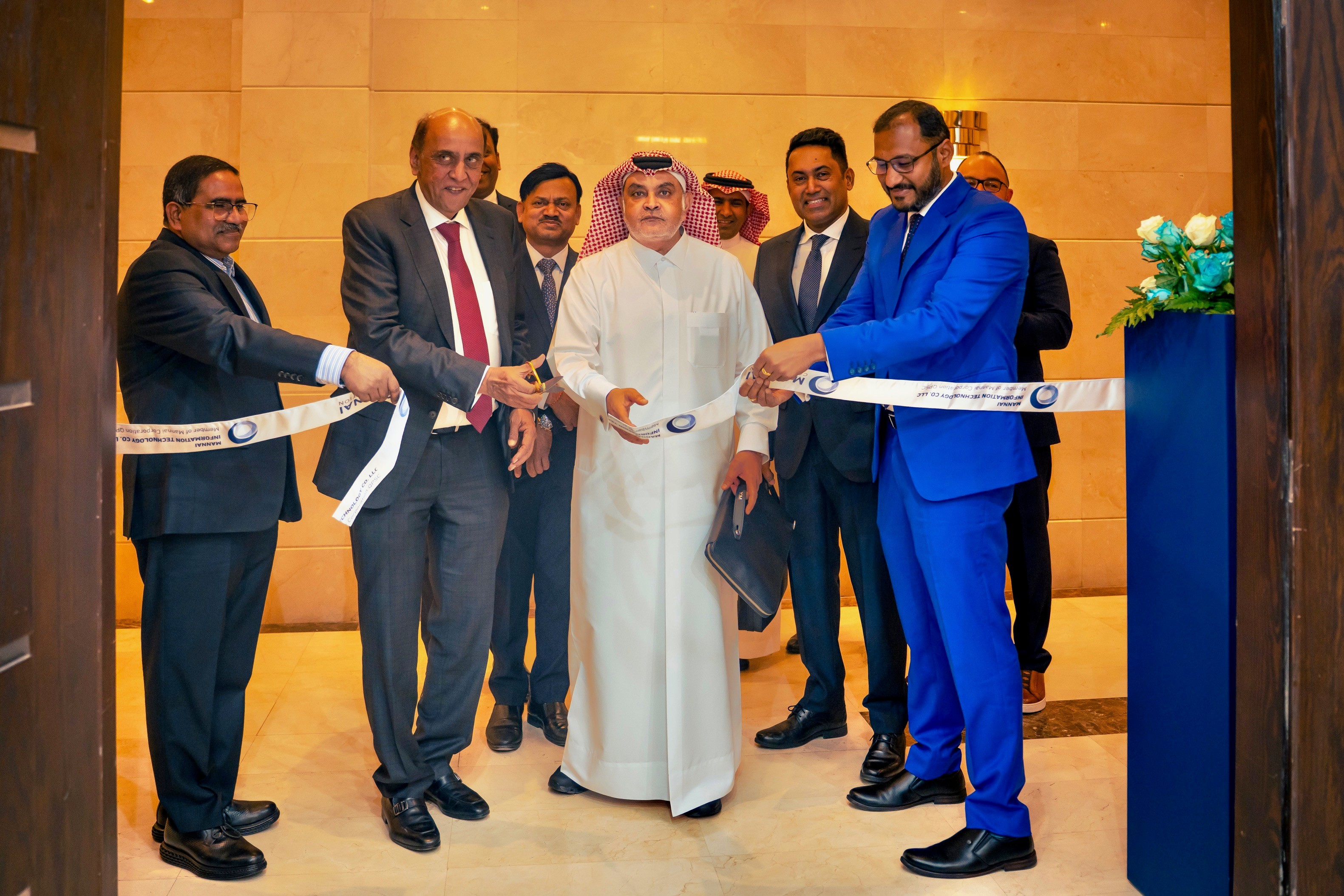
Riyadh, Kingdom of Saudi Arabia – Aug 04: Mannai Information Technology Saudi Arabia (MIT KSA), part of Mannai Corporation QPSC, opened its new regional headquarters (RHQ) in Riyadh, marking a significant investment in Saudi Arabia’s digital economy and a new phase in the company’s long-term commitment to expanding its footprint in the Kingdom.
Speaking on the RHQ opening, Alekh Grewal, Group Chief Executive Officer of Mannai Corporation QPSC said, “Saudi Arabia is one of the region’s largest and fastest-growing digital economies and the establishment of the regional headquarters in Riyadh represents a defining step in MIT KSA’s local growth strategy. It reflects our long-term commitment to supporting the Kingdom’s ambitious digital transformation agenda and Vision 2030 objectives.”
Lakshimi Narayanan, General Manager, Mannai Information Technology Saudi Arabia added, “The Riyadh headquarters will serve as a central platform for strengthening customer partnerships, accelerating local delivery capabilities, and expanding the company’s footprint across key sectors in the Kingdom. As Saudi Arabia builds on its position as the region’s largest digital talent cluster, our office will also play a critical role in nurturing local talent company. We plan to grow our Riyadh team over the coming year, with hiring focused on cybersecurity and cloud infrastructure specialists to support our expanding client base in the Kingdom.”
MIT KSA’s capabilities span Connected Cities and Sports Technology, Digital Transformation and Intelligent Platforms, Apps, AI and Cybersecurity, Cloud Transformation and Digital Workspaces, Enterprise and Hyperscale Infrastructure, and EPC and Technology Contracting — delivered through a global partner ecosystem. The company is prioritising engagement across government, smart cities, banking and financial services, energy and utilities, healthcare, education, transportation and logistics, and enterprise and critical infrastructure sectors.
“Saudi Arabia remains a strategically important market for the Group, noting that MIT KSA’s expansion is anchored in decades of trust, execution capability, and a consistent focus on delivering value-driven technology solutions across complex enterprise environments,” Khalid Mannai, Vice Chairman, Executive Committee, Mannai Corporation QPSC explained. “This milestone reflects MIT KSA’s continued evolution as a trusted technology partner in the region and strengthens its position as a key enabler of digital transformation across enterprise and government sectors.”
Mannai Information Technology Saudi Arabia draws on Mannai Corporation QPSC’s 75-years plus regional legacy and decades of technology expertise, giving the Saudi entity access to established delivery capabilities, technology partnerships, and enterprise experience across the Middle East.
- 0
- By Neel Achary

4, Aug 2026
boAt and Spotify Premium Partner to Deliver the Complete Music Experience

Gurugram, Aug 04: boAt, India’s No. 1 audio and wearables brand, today announced a strategic partnership with Spotify Premium to deliver a richer, more immersive music experience for listeners across India. Bringing together boAt’s premium audio technology and Spotify Premium’s uninterrupted listening experience, the partnership reflects a shared belief that music deserves to be experienced in its fullest form without interruptions or compromise.
As consumers increasingly seek experiences that combine great hardware with exceptional content, the collaboration aims to redefine everyday listening by pairing immersive sound with uninterrupted access to the music they love. Eligible boAt products will now come bundled with a four-month Spotify Premium subscription, free for the first 12 weeks, enabling users to enjoy ad-free music, offline listening and enhanced audio quality.
To mark the partnership, boAt and Spotify Premium have launched a digital campaign titled “HALF the Experience.” Built around the thought “HALF the quality. HALF the fun. HALF the experience,” the campaign playfully demonstrates how interruptions, poor-quality audio and generic listening devices can diminish the way music is meant to be experienced.
The campaign film opens at a seemingly full-blown concert, where everything is only half complete. Chaar Diwari becomes “Do Diwari,” the audience is asked to give “half a round of applause,” and the band performs with three-string guitars, half a drum kit and incomplete stage looks. The performance soon reveals what listening to music through generic headphones without Spotify Premium feels like: HALF the experience. The artist then pops out of the listener’s earphones and says, “Aise aadha-adhura gaana kab tak sunoge? Sunna hai toh poora sunno. Ab toh boAt ke saath Spotify Premium free hai, bro.” As the listener switches to boAt, the artist returns to the stage in full form, delivering the high-quality, uninterrupted music experience it was meant to be.
Commenting on the partnership, boAt spokesperson said, “At boAt, we have always believed that great music deserves a great listening experience. Over the years, we have worked to make premium audio accessible while building meaningful connections with artists, creators and music communities. Our partnership with Spotify Premium brings together two essential parts of that experience: immersive sound and uninterrupted music. Through ‘HALF the Experience,’ we wanted to communicate this in a way that is entertaining, relatable and rooted in how young India experiences music today.”
The partnership reflects boAt’s continued focus on creating experiences that extend beyond devices by bringing together technology, content and culture. By combining premium audio with one of the world’s leading music streaming platforms, boAt and Spotify Premium aim to deliver a more seamless and rewarding listening experience for music lovers across the country.
Eligible boAt customers can now enjoy a four-month Spotify Premium subscription, free for the first 12 weeks, with select products. The offer allows users to experience ad-free music, offline listening and high-quality audio alongside boAt’s award-winning audio devices.
4, Aug 2026
50,000 Students to Participate in Season 2 of the Franklin Templeton National Mutual Fund Olympiad 2026
MUMBAI, India, Aug. 4, 2026 /PRNewswire/ — FinX, India’s leading platform for BFSI learning and certification programmes, has announced the launch of the Franklin Templeton National Mutual Fund Olympiad (FTNMFO) 2026, a nationwide initiative aimed at strengthening financial literacy and investment awareness among students. Undergraduate and postgraduate students across academic disciplines are invited to participate, with the Olympiad expected to engage over 50,000 students from more than 1,000 colleges across India. Groww, India’s leading investment platform, has been onboarded as the education partner while the programme is also supported by the BFSI Sector Skill Council of India (BFSI SSC).
India’s financial literacy landscape has evolved significantly over the last decade, and the participation from youth has been remarkable. In fact, SEBI’s Investor Survey 2025 found that 66% of Gen Zs were aware of at least one market-linked investment product, signalling a growing interest in investing among young Indians. The Olympiad seeks to build on this foundation by helping young learners with a real-world experience to understand, access and engage with investment products such as mutual funds, ETFs, PMS, AIFs and SIFs, enabling them to participate more confidently in India’s expanding investment ecosystem.
Speaking on the launch, Avinash Satwalekar, President, Franklin Templeton Asset Management (India) Pvt., said, “The enthusiastic response to the inaugural Franklin Templeton National Mutual Fund Olympiad reaffirmed the growing interest among young Indians to build practical financial knowledge beyond the classroom. At Franklin Templeton, we believe financial literacy is an essential life skill, and initiatives like the Olympiad help equip students with the confidence to make informed financial decisions while improving their understanding of the evolving investment landscape. As we launch Season 2, we look forward to reaching many more students and continuing to promote investment awareness and financial capability across the country.”
Himanshu Vyapak, MD & CEO, FinX, said, “The Franklin Templeton National Mutual Fund Olympiad has evolved into a unique platform that brings together academia and industry to make financial education more engaging, accessible and relevant for students. The response to the first edition demonstrated a strong appetite among young learners to understand investing and personal finance in a practical manner. With Season 2, we aim to significantly expand our reach, deepen engagement across campuses and continue building a financially aware generation that is better prepared for the opportunities and responsibilities of India’s evolving financial ecosystem. This programme is also supported by the BFSI Sector Skill Council of India (BFSI SSC).”
Harsh Jain, Co-founder & COO, Groww, said, “Despite all the growth, very few Indians invest in mutual funds today. Most people haven’t even taken the first step. What we have realised over the years is that access is no longer the problem – understanding is. The best time to build that understanding is when someone is still a student, before they invest their first rupee. If young people learn how markets and mutual funds actually work early on, they carry those habits for life. That is why as part of our larger commitment to investor education, we are supporting this Olympiad, which takes this learning to college campuses across the country.”
Building on the success of its inaugural edition, which attracted more than 10,000 students from over 400 colleges, the 2026 edition aims to significantly expand its reach and impact. Within a structured, multi-level competition, participants will be assessed on their understanding of mutual funds, investment fundamentals, financial planning, market concepts and long-term wealth creation. Registrations are now open through the official Olympiad platform, while participating colleges can enrol at no cost.
Through the Olympiad, Franklin Templeton, FinX and Groww seek to strengthen financial literacy among young Indians by bringing together academic institutions and industry expertise.
About Franklin Templeton
Franklin Templeton is a global investment management organization with over 75 years of experience helping individual and institutional investors achieve their financial goals. Operating in more than 30 countries with offices across over 80 financial centres, the firm offers expertise across equity, fixed income, alternatives, multi-asset and customized investment solutions. In India, Franklin Templeton has been serving investors for more than 30 years, providing a broad range of mutual fund solutions while remaining committed to investor education, financial literacy and long-term wealth creation. The firm combines global investment capabilities with local market insights to help investors navigate evolving financial markets and pursue their long-term investment objectives.
About FinX
FinX is a leading financial education, skilling and employability platform dedicated to developing industry-ready talent for the BFSI sector. Through its career-focused certifications, industry-integrated learning programmes, national competitions and institutional partnerships, FinX equips students and young professionals with practical knowledge across banking, financial markets, wealth management, mutual funds and allied financial services. By bridging the gap between academia and industry, FinX works closely with educational institutions and leading financial organisations to promote financial literacy, enhance employability and build a future-ready workforce for India’s evolving financial ecosystem.
About Groww
Groww is India’s largest investment platform by active users. Founded in 2016, Groww’s mission is to make financial services simple, accessible and transparent for every Indian. Through its platform, customers can access a wide range of financial products including stocks, MTF, wealth advisory, mutual funds, ETFs, IPOs, commodities, derivatives, bonds, among others. With a strong focus on user experience, technology and investor education, Groww is helping build greater participation in India’s financial markets and empowering individuals to take charge of their financial futures.
About BFSI Sector Skill Council of India
Established in 2011 under the National Skill Development Corporation (NSDC), the BFSI Sector Skill Council of India (BFSI SSC) is responsible for skill development in the Banking, Financial Services, and Insurance sector. Working in collaboration with the RBI, IRDAI, SEBI, PFRDA, leading banks, insurance companies and financial institutions, the Council designs industry-led qualifications and certification programs to enhance employability and productivity. BFSI SSC actively supports national skilling initiatives to build a future-ready workforce and strengthen India’s financial ecosystem.
 View original content:https://www.prnewswire.com/in/news-releases/50-000-students-to-participate-in-season-2-of-the-franklin-templeton-national-mutual-fund-olympiad-2026–302842089.html

4, Aug 2026
Canara HSBC Life Insurance simplifies claims process for families affected by the Assam floods
- Simplified claim documentation to enable faster settlement for policyholders affected by the Assam floods
- Expedited assessment and settlement of eligible claims
- Dedicated District Claims Service Head to provide on-ground assistance
- Multiple claim submission channels including email, customer app and helpline for seamless support
MUMBAI, India, Aug. 4, 2026 /PRNewswire/ — Canara HSBC Life Insurance extends its deepest condolences to the families impacted by the devastating floods in Assam. During this challenging time, the Company stands in solidarity with all those affected and remains committed to supporting our policyholders in every way possible. To provide timely financial relief, we have introduced a simplified and accelerated claims settlement process, helping ensure faster access to the assistance families need most.
To ensure faster claim processing, the Company has relaxed certain documentation requirements and is prioritizing the assessment and settlement of eligible claims, enabling affected families to receive financial assistance at the earliest possible.
Claimants can submit the following documents to process their claims:
- Death Certificate issued by Municipal Authorities; or list of deceased persons published by State/Central Government authorities; or any other acceptable proof of death, as applicable.
- Claimant Statement / Claim Form.
- Photo identity proof of the claimant along with proof of relationship to the Life Assured, wherever applicable.
- Bank account details of the claimant, including a cancelled cheque, bank statement or NEFT mandate.
The claimants can also submit the above through any of the following channels:
- Email: claims.unit@canarahsbclife.in
- Email: customerservice@canarahsbclife.in
- Canara HSBC Life Insurance Customer App
- Customer Care Helpline: 1800-891-0003 | 1800-103-0003
In case of any requirement of personalised support, policyholders may reach out to the Company’s dedicated District Claims Service Head:
Mr. Pankaj Das
Mobile: +91 98592 84460
Email: pankaj.das@canarahsbclife.in
Canara HSBC Life Insurance remains committed to supporting affected policyholders and their families by ensuring compassionate assistance and prompt settlement of eligible claims during this challenging time.
About Canara HSBC Life Insurance
Incorporated in 2007, Canara HSBC Life Insurance Company Limited is a joint venture promoted by Canara Bank (36.5 per cent) and HSBC Insurance (Asia Pacific) Holdings Limited (25.5 per cent). As a bancassurance-led publicly listed insurance company with its corporate office at Gurugram, Haryana and 107 branch offices as of June 30, 2026, pan India, Canara HSBC Life brings together the trust and market knowledge of public and private banks.
For 18 years now, Canara HSBC Life Insurance has sold insurance products to customers through multiple channels and a well-diversified network of Canara Bank, HSBC Bank and its other bancassurance partners located in multiple Tier 1, 2 and 3 cities across the country. Canara HSBC Life Insurance has a vast portfolio of life insurance solutions and offers various products across individual and group spaces comprising of life, term plans, retirement solutions, credit life and employee benefit segments through partner banks and digital channels.
With an aim to provide simpler insurance and faster claim process, Canara HSBC Life Insurance intends to keep the promises of their customers alive with their ‘Promises Ka Partner’ philosophy.
 View original content to download multimedia:https://www.prnewswire.com/in/news-releases/canara-hsbc-life-insurance-simplifies-claims-process-for-families-affected-by-the-assam-floods-302842175.html

4, Aug 2026
Jo Malone London Launches Sea Salt & Bergamot, the ‘scent of a new adventure’
LONDON, Aug. 4, 2026 /PRNewswire/ — Plunge into the exhilarating surf of the Celtic Sea. Immersed in the wild waters, every wave carries a fresh minerality. Joining a burst of bergamot, driftwood accord anchors this sea salt-fresh scent. Experience the untamed beauty of the British coast.
Introducing Sea Salt & Bergamot, the new fresh and woody cologne by Jo Malone London. In the same boat as Wood Sage & Sea Salt, it builds on the brand’s selection of sea salt-fresh scents inspired by the British coast. While Wood Sage & Sea Salt is set on the windswept shore, Sea Salt & Bergamot is immersed in the wild waters. Customers are invited to discover the stimulating new cologne and explore the edit in-store and online.
Perfumer: Mathilde Bijaoui
Top: Bergamot
Heart: Sea Salt
Base: Driftwood
Sea Salt & Bergamot Cologne will be available online at jomalone.co.uk and in Jo Malone London stores from August 2026. Follow Jo Malone London on TikTok, Instagram, Facebook, X, YouTube, LinkedIn and Pinterest: @JoMaloneLondon #JoMaloneLondon #ScentsOfBritain
 View original content to download multimedia:https://www.prnewswire.co.uk/news-releases/jo-malone-london-launches-sea-salt–bergamot-the-scent-of-a-new-adventure-302841338.html

4, Aug 2026
Piramal Pharma Solutions Expands Peptide API Facility with Advanced Spray Drying Suite
- Piramal Pharma Solutions has added a new spray drying suite with Band 5 containment capacity at its dedicated peptide facility in Turbhe, India, equipped with its own air handling units, nitrogen supply, and control systems.
- The new suite empowers Turbhe to support the formulation of challenging molecules, including peptides, HPAPIs, and other biomolecules.
MUMBAI, India, Aug. 4, 2026 /PRNewswire/ — Piramal Pharma Solutions (“PPS”), a leading global Contract Development and Manufacturing Organization (CDMO) and part of Piramal Pharma Ltd. (NSE: PPLPHARMA) (BSE: 543635), has launched a state-of-the-art spray drying suite at its dedicated peptide development and manufacturing facility in Turbhe, India. This strategic expansion enables PPS to address the complex formulation challenges associated with peptides and other complex molecules and support the growing demand for these innovative molecules.

Spray drying transforms liquid formulations into dry powders in a single step, enabling drug developers to enhance bioavailability, achieve precise particle size, and process sensitive compounds safely. This technique is especially critical for peptides, which are unstable at high temperatures and often require strict control over particle properties. Its gentle and efficient nature enables drug developers to improve solubility, streamline scale-up, and increase speed, all while preserving the molecular integrity of their peptide API.
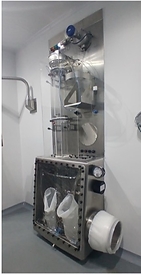
The new spray drying suite operates as a closed-loop system, equipped with its own inert gas supply and advanced safety measures, including specialized HVAC, airlocked entries and exits, operator isolation, and a dedicated cleaning area. This enables the safe handling of potent compounds and organic solvents requiring up to Band 5 containment. To further strengthen these capabilities, the processing area maintains ISO Class 8 (Class 100,000) cleanliness standards, ensuring strict control of the environment throughout operations.
Engineered for small-volume, high potency batches, the unit supports a feed rate of up to 1 liter per hour. It can spray dry highly concentrated solutions — even those with up to 30% water content — making it particularly valuable for the formulation of biomolecules and large peptides. Under optimal conditions, the suite can also be leveraged for low-volume small-molecule formulations.
“Peptides present some of the most intricate formulation challenges in pharmaceutical development, owing to their inherent instability and sensitivity to processing conditions,” said Dr. Jordi Bacardit, Global Technical Lead on Peptides and Member of the Science Collective at PPS. “Spray drying addresses these distinct challenges by allowing tight control over key components like temperature and solvent environment. With the addition of the spray drying suite at Turbhe, we can help our partners bring stable, high-quality peptide formulations to patients in need worldwide.”
With peptides and other complex molecules playing an increasingly vital role in modern pharmaceuticals, this spray drying expansion further positions PPS as a trusted partner across a broad range of therapeutic areas.
About Piramal Pharma Solutions
Piramal Pharma Solutions (PPS) is a Contract Development and Manufacturing Organization (CDMO) offering end-to-end development and manufacturing solutions across the drug life cycle. We serve our customers through a globally integrated network of facilities in North America, Europe, and Asia. This enables us to offer a comprehensive range of services including drug discovery solutions, process and pharmaceutical development services, clinical trial supplies, commercial supply of APIs, and finished dosage forms. We also offer specialized services such as the development and manufacture of highly potent APIs, antibody-drug conjugations, sterile fill/finish, peptide products and services, and potent solid oral drug products. PPS also offers development and manufacturing services for biologics including vaccines and gene therapies, made possible through Piramal Pharma Limited’s associate company, Yapan Bio Private Limited.
For more information visit: Piramal Pharma Solutions | LinkedIn | Facebook | X
About Piramal Pharma Limited
Piramal Pharma Limited (PPL, NSE: PPLPHARMA I BSE: 543635), offers a portfolio of differentiated products and services through its 17* global development and manufacturing facilities and a global distribution network in over 100 countries. PPL includes Piramal Pharma Solutions (PPS), an integrated contract development and manufacturing organization; Piramal Critical Care (PCC), a complex hospital generics business; and the Piramal Consumer Healthcare business, selling over-the-counter consumer and wellness products. In addition, one of PPL’s associate companies, Abbvie Therapeutics India Private Limited, a joint venture between Abbvie and PPL, has emerged as one of the market leaders in the ophthalmology therapy area in the Indian pharma market. Further, PPL has a strategic minority investment in Yapan Bio Private Limited, that operates in the biologics / bio-therapeutics and vaccine segments.
For more information, visit: Piramal Pharma | LinkedIn
* Includes one facility via PPL’s minority investment in Yapan Bio.
 View original content to download multimedia:https://www.prnewswire.co.uk/news-releases/piramal-pharma-solutions-expands-peptide-api-facility-with-advanced-spray-drying-suite-302842218.html

4, Aug 2026
Dr. Agarwal’s Health Care Q1 profit rises 44.6 percent to INR 55 crore on record surgical facility additions
Chennai, Aug 04: Dr. Agarwal’s Health Care Limited opened FY27 with its strongest quarter on record. Revenue from operations grew 26.0% year-on-year to ₹614 crore, EBITDA rose 25.2% to ₹177 crore with margins resilient at 28.5%, and profit after tax surged 44.6% to ₹55 crore — profit growth outpacing revenue growth even as the Company absorbed higher greenfield investments.
Performance was anchored by the Company’s mature facilities, which grew revenue 16.3% year-on-year, alongside 91,082 surgeries performed during the quarter, up 15.5%. The Company commissioned 18 greenfield facilities — 1 tertiary, 15 secondary and 2 primary — including 16 surgical facilities, its highest-ever addition in a single quarter, taking the network to 304 eye care facilities across 10 countries. It plans to add another 42 facilities through the remainder of FY27, deepening its footprint across both established and emerging markets.
The Company’s growth strategy rests on two engines: sustained growth across mature centres, and accelerated greenfield expansion into under-served markets.
Commenting on the performance for Q1 FY2027, Dr. Adil Agarwal, CEO, Dr. Agarwal’s Health Care Limited, said: “What makes this quarter significant isn’t just the growth — we delivered our highest-ever sequential revenue growth while simultaneously commissioning more surgical facilities than in any quarter in our history. At the heart of this momentum is something no metric captures — the deepening trust patients place in us, bringing us their own and their families’ eye care. Mature centres funding aggressive expansion is exactly our model working as designed. With 42 more facilities planned this year, we are building density in markets where quality eye care remains out of reach for many in need. Backed by strong execution capabilities and a healthy expansion pipeline, we remain firmly on track to achieve our growth objectives for the year.”
4, Aug 2026
Indusface Introduces SwyftComply AI, Defining the Next Era of Application Security with Autonomous Vulnerability Remediation
As AI transforms vulnerability discovery from weeks to minutes, SwyftComply AI enables enterprises to protect applications just as quickly through autonomous virtual patching, expert validation and SLA-backed remediation.
BENGALURU, India, Aug. 4, 2026 /PRNewswire/ — Indusface, the leading application security company trusted by enterprises to protect thousands of applications and APIs globally, today announced SwyftComply AI, an autonomous vulnerability remediation solution that virtually patches vulnerabilities surfaced by AI-assisted pentesting.
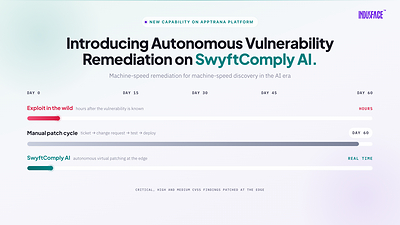
Artificial Intelligence has fundamentally changed the economics of application security. AI-powered security agents now uncover exponentially more vulnerabilities than ever before. Yet remediation has not accelerated. Security teams are overwhelmed by findings while remediation remains constrained by engineering bandwidth. The cybersecurity industry has entered a new phase: the race has moved from finding vulnerabilities to protecting applications before they’re exploited. Indusface believes the industry must move beyond AI-assisted testing toward Autonomous Vulnerability Remediation.
“AI has made vulnerability discovery dramatically faster. The next challenge for the industry is autonomous vulnerability remediation. SwyftComply AI helps enterprises keep pace with AI-driven threats without overwhelming development teams,” said Ashish Tandon, Founder and CEO, Indusface.
SwyftComply AI delivers four connected outcomes:
- AI-Assisted Discovery: Multi-model pentesting uncovers 5 to 10 times more critical and high-severity vulnerabilities compared to traditional approaches.
- Autonomous Virtual Patching: Virtual patches deploy at the edge automatically, with no code changes or release windows required.
- Human-Certified Validation: Indusface security experts verify remediation within an SLA and guarantee zero false positives.
- Continuous Compliance: Every cycle closes with an expert-verified vulnerability remediation report enterprises can present to their boards and regulators.
For more than a decade, Indusface has focused on reducing the time between vulnerability discovery and protection. SwyftComply AI extends that vision into the AI era.
“The AI era is uncovering business-logic vulnerabilities faster than most security teams can respond. That gap is widening across sectors. Our evaluation of SwyftComply AI showed exactly what enterprises need: vulnerabilities closed as fast as they’re found, and a report auditors can trust,” said Vinayak Godse, CEO, Data Security Council of India (DSCI).
“AI-assisted pentesting surfaces vulnerabilities far faster than any development calendar can absorb. With SwyftComply AI, findings are patched at the edge as they arrive, allowing our development teams to remediate root causes through their normal release cycles instead of constantly reacting to newly discovered vulnerabilities. That enables us to strengthen security without slowing business delivery,” said Nishith Kumar Datta, Head of Information Security, Titan Company Limited.
SwyftComply AI is available immediately. Existing AppTrana customers can upgrade through their account teams, while new customers can onboard to the platform directly. Once live, organizations can virtually patch vulnerabilities, whether surfaced by Indusface, their own VA/PT, or red-team engagements, with vulnerabilities patched and a clean report provided within SLA. Request a demo here.
About Indusface
Indusface secures the web, API, and AI applications of thousands of organizations across 95 countries. Backed by leading institutional investors, Indusface is recognized by Gartner, Forrester, and IDC for its innovation in application security and meets globally accepted security and compliance standards, including ISO 27001, SOC 2, PCI DSS, and GDPR. Its globally distributed cloud infrastructure spans Asia, the Middle East, Europe, and North America, enabling low-latency protection and regional data residency for enterprises worldwide.
AppTrana is Indusface’s autonomous enterprise application security platform that continuously discovers vulnerabilities, autonomously remediates exploitable risks through virtual patching, and protects applications against DDoS, bot, API, AI, and zero-day attacks. Combining AI-powered intelligence, expert governance, and SLA-backed protection, AppTrana helps organizations reduce the time from vulnerability discovery to protection while delivering compliance-ready reports with zero false positives.
Media Contact:
Phani Akella
phani.akella@indusface.com
 View original content to download multimedia:https://www.prnewswire.co.uk/news-releases/indusface-introduces-swyftcomply-ai-defining-the-next-era-of-application-security-with-autonomous-vulnerability-remediation-302842227.html

4, Aug 2026
Schneider Electric and BSES Rajdhani Partner to Deploy India’s First Sustainable Pure Air RMU Pilot Project
Mumbai, Aug 4: Schneider Electric, a global energy technology leader, has partnered with BSES Rajdhani Power Limited to deploy India’s first RM AirSeT 12kV Indoor Ring Main Unit pilot integrated with T300 Field Remote Terminal Unit, enabling a more sustainable, connected, and future-ready power distribution network. By eliminating the use of SF6 gas and replacing it with pure air insulation, the deployment enables an estimated reduction of nearly 75 tons of CO2 equivalent emissions during the capex phase alone, marking a significant step toward cleaner and environmentally responsible grid infrastructure.
As Delhi’s peak power demand is projected to cross 9,000 MW amid rising urbanisation and growing cooling requirements, utilities are increasingly focusing on smarter and more sustainable grid infrastructure to ensure reliable power supply and support future energy needs. BRPL has been evaluating innovative medium-voltage switchgear technologies that can reduce environmental impact while improving operational reliability and network visibility. Schneider Electric deployed its SF6-free RM AirSeT 12kV solution, designed using pure air technology as an alternative to conventional gas-insulated switchgear. The deployment was further integrated with Schneider Electric’s T300 FRTU, enabling remote monitoring and control through BRPL’s SCADA network.
Speaking on the development, Mr. Deepak Sharma, Zone President – Greater India, MD & CEO, Schneider Electric India, said,
“India’s power sector is entering a new phase of transformation where sustainability must become an integral part of every infrastructure decision. As the country works towards its energy transition goals, it is important that environmental considerations are embedded across the entire electricity value chain, including transmission and distribution networks. The shift towards cleaner technologies will be critical in building a power ecosystem that can support growing demand while advancing the nation’s decarbonization ambitions. This collaboration with BRPL reflects the kind of forward-looking action that will help shape the future of India’s energy infrastructure.”
Mr. Udai Singh – MD & CEO, Schneider Electric Infrastructure Ltd and VP, Power Systems, Schneider Electric India said,
“As India advances its energy transition journey, the focus must extend beyond expanding generation capacity to building distribution networks that are sustainable, resilient, and digitally enabled. Utilities will play a pivotal role in enabling this transformation by advancing energy technologies that strengthen grid reliability, reduce environmental impact, and accelerate the adoption of SF6-free infrastructure. Our collaboration with BRPL reflects a shared commitment to accelerating grid modernization and creating future-ready infrastructure that can support India’s evolving energy needs.”
The project marks a significant milestone for India’s utility sector. For the first time in the country, RM AirSeT 12kV Indoor RMUs were sourced from Schneider Electric’s SBMV global plant, while the FRTU integration was carried out at the company’s MVI plant in India. This enabled greater customization and flexibility in line with BRPL’s operational requirements. To support the deployment, Schneider Electric facilitated specialized training for Indian teams at its AMT Hungary plant to strengthen expertise in RM AirSeT technology and FRTU integration.
BRPL official said,
“At BRPL, we are continuously exploring technologies that strengthen network reliability while supporting our sustainability commitments. The deployment of Schneider Electric’s RM AirSeT solution with integrated FRTU is an important step in that direction. This pilot has given us valuable insight into how SF6-free and connected technologies can support the future evolution of distribution networks in India.”
The RM AirSeT 12kV solution integrated with T300 FRTU delivers both sustainability and operational advantages. The technology also removes concerns around SF6 leakage during operations and eliminates the need for SF6 recovery and recycling at end of life, while offering a robust, reliable, and longer-lasting alternative to conventional RMUs.
This deployment reflects Schneider Electric’s continued commitment to supporting India’s grid modernization journey through sustainable and digitally enabled technologies. The BRPL pilot is expected to serve as a strong reference for future large-scale adoption of SF6-free medium-voltage solutions across the Indian utility market.
4, Aug 2026
Asia Business Leader Award Recognises Chakravarthi AVPS for Advancing India’s Healthcare Leadership
Recognition reflects India’s growing influence in affordable healthcare, pharmaceutical innovation and patient-centric solutions
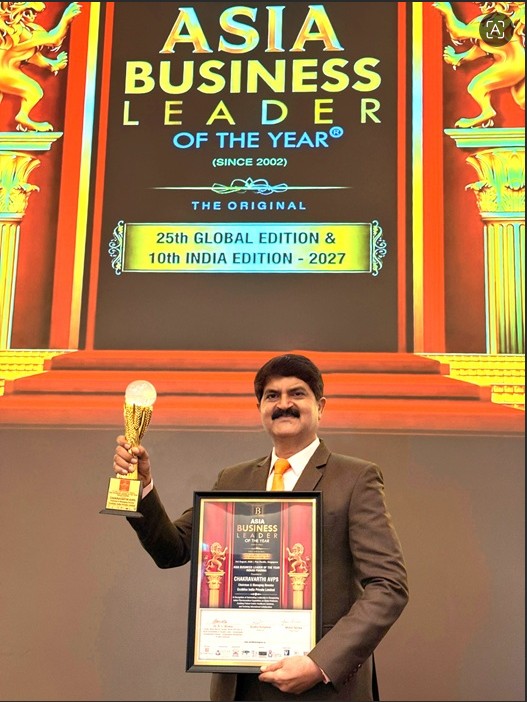
Hyderabad, Aug 04: Hyderabad-based pharmaceutical industry leader Mr. Chakravarthi AVPS, Chairman and Managing Director of Ecobliss India Private Limited received an international recognition for his contribution to strengthening India’s global pharmaceutical leadership and promoting patient-centric healthcare solutions.
He was conferred the CMO Asia Business Leadership & Excellence Award under the category Asia Business Leader of the Year – Indian Pharma at a ceremony held at the Pan Pacific Singapore on Tuesday evening.
The award recognises leaders who have made significant contributions to their industries across the Asia-Pacific region. Chakravarthi was honoured alongside distinguished business leaders from several countries, including Dr. Anne Phey, Founder & CEO of The School of Leadership; Rohit Gandhi, Group CEO of APAR Technologies Singapore; Munas van Boonstra, APAC Managing Director of TLC Worldwide; Charu Sethi of OpenRouter; Dr. Tarita Shankar, Chairperson and President Designate of Indira University, among others.
The citation noted that Chakravarthi was selected for his outstanding leadership in championing Indian pharmaceutical capabilities on global platforms, promoting patient-centric healthcare solutions, encouraging responsible pharmaceutical packaging, and building international collaborations that enhance trust in Indian healthcare.
For over three decades, Chakravarthi has represented India at numerous international pharmaceutical, healthcare and packaging forums, consistently advocating India’s strengths in affordable medicines, innovation and quality.
Under his leadership, Ecobliss India has emerged as a pioneer in patient-centric pharmaceutical packaging and medication adherence solutions, an area increasingly recognised worldwide as critical for improving treatment outcomes and reducing medication errors.
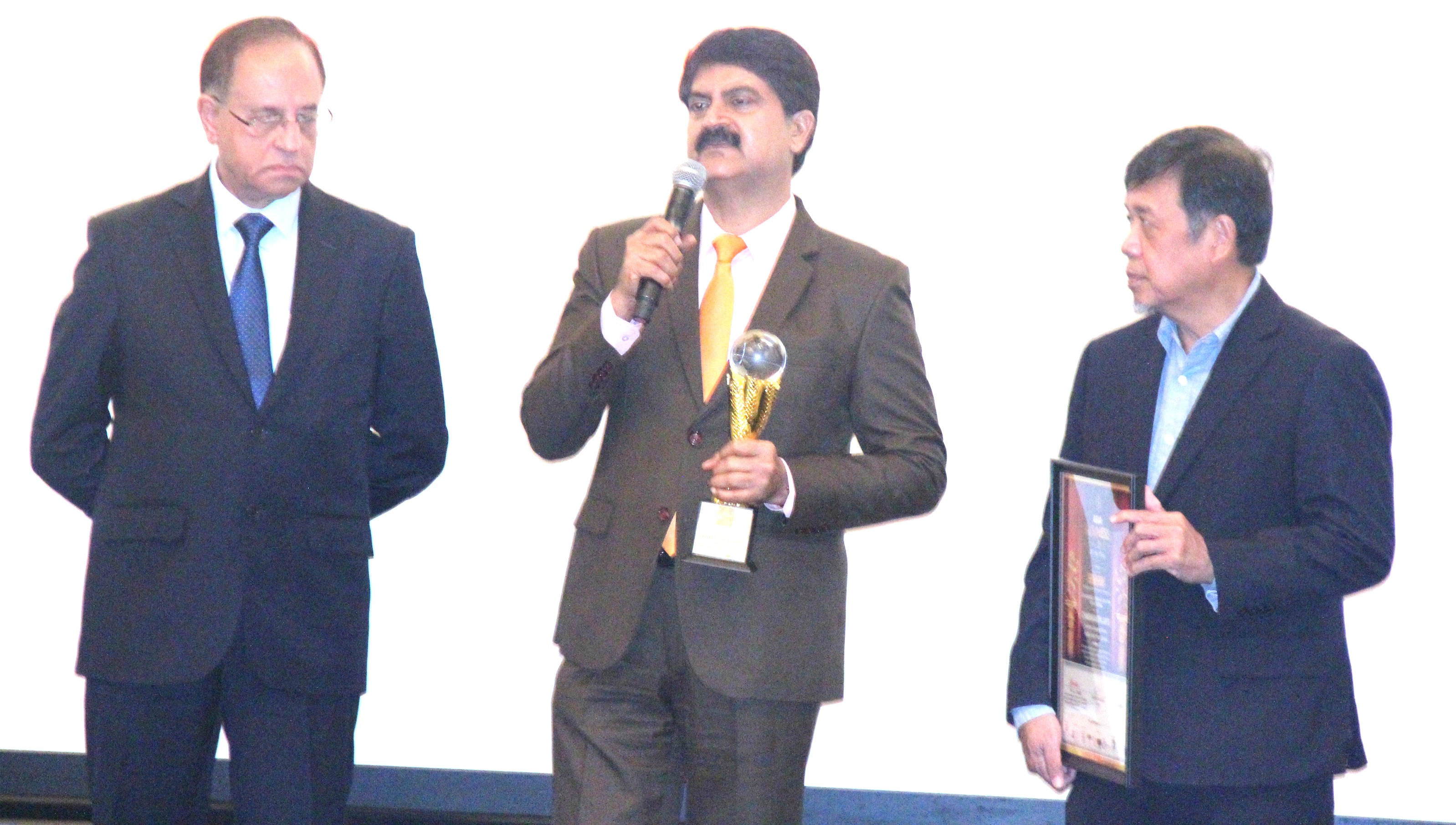
Speaking after receiving the honour, Chakravarthi said the recognition belonged to the entire Indian pharmaceutical ecosystem.
“I accept this honour with humility, not merely as a personal recognition, but as a tribute to the remarkable journey of the Indian pharmaceutical industry and to the many colleagues, mentors and institutions who have inspired me over the years.”
He said India today is recognised globally not only as the “pharmacy of the world” but also as a trusted healthcare partner.
“India’s contribution extends far beyond manufacturing medicines. We have made healthcare accessible and affordable for millions across the globe. From supplying life-saving generic medicines to leading the fight against HIV/AIDS with affordable antiretroviral drugs and expanding access to innovative cancer therapies, Indian pharmaceutical companies have transformed global healthcare.”
Highlighting the importance of patient-centric innovation, he added:
“Medicines save lives only when patients take them correctly. At Ecobliss India, we have always believed that packaging is not merely about protecting a product—it is about supporting the patient. Thoughtfully designed packaging improves adherence, enhances safety and ultimately contributes to better health outcomes.”
Chakravarthi also stressed that the future of healthcare depends on greater international collaboration.
“The future belongs to collaboration. When governments, industry, academia and global partners work together, innovation accelerates, trust deepens and patients everywhere benefit.”
Widely respected within India’s pharmaceutical and industrial ecosystem, Chakravarthi has been actively associated with leading industry bodies including FTCCI, CII, FABA, FOPE, Pharmexcil, the , and several pharmaceutical organisations. Through these platforms, he has consistently worked to strengthen global partnerships and showcase India’s pharmaceutical excellence on the international stage.
“Widely respected within India’s pharmaceutical and industrial ecosystem, Chakravarthi has been actively associated with leading industry bodies including FOPE, FABA, Pharmexcil, IPA, CII, FTCCI, INBA, LSSSDC, WPO, IIP among other organisations.”
The recognition comes at a time when India’s pharmaceutical industry continues to expand its global footprint, reinforcing the country’s position as one of the world’s most trusted suppliers of quality, affordable medicines while increasingly contributing to pharmaceutical innovation, patient safety and sustainable healthcare solutions.


