


14, Sep 2026
Natura Bissé renews as The Official Spa Brand of The World’s 50 Best Hotels 2026
The Spanish luxury skincare house reinforces its commitment to the hospitality industry, with plans to double Hotel & Spa economic impact to €102 million by 2030
BARCELONA, Spain, Sept. 14, 2026 /PRNewswire/ — Natura Bissé, the Spanish luxury skincare brand internationally recognized for its high-performance skincare and award-winning spa experiences, has renewed its role for a second consecutive year as the Exclusive Official Spa Brand of The World’s 50 Best Hotels, the global authority celebrating excellence in luxury hospitality.

The renewed partnership further strengthens Natura Bissé’s presence within some of the world’s most prestigious hotels and reinforces the brand’s long-term commitment to luxury hospitality at a time of unprecedented growth in high-end travel and wellness tourism.
The World’s 50 Best Hotels awards ceremony takes place this week in Paris, bringing together the world’s leading hospitality professionals for three days of networking, inspiration, and celebration. For the occasion, Natura Bissé has curated a series of immersive brand experiences designed to demonstrate how wellness can become one of the most powerful differentiators within today’s luxury hotel experience.
As part of this strategy, Natura Bissé plans to double its investment in the Hotel & Spa channel over the next five years, increasing the business from €47 million in 2025 to €102 million by 2030. The objective is to deepen strategic partnerships with leading hotel groups while continuing to elevate the wellness experiences offered to guests around the world.
“Today, hospitality is one of the driving forces behind the new definition of luxury, where wellness has evolved from an added amenity into an essential part of the guest experience. Our partnership with The World’s 50 Best Hotels reflects our long-term vision: to work alongside the world’s finest hotels in creating experiences that build meaningful emotional connections and deliver lasting value.” Verónica Fisas, CEO of Natura Bissé.
Today, Natura Bissé partners with more than 400 luxury properties across nearly 60 countries, including some of the world’s most iconic hospitality brands such as The Ritz-Carlton, Four Seasons, Waldorf Astoria, Rosewood, Belmond, St. Regis, Fairmont, Mandarin Oriental, and Grand Hyatt.
Across the hospitality landscape, Natura Bissé offers a comprehensive wellness ecosystem—from its signature spa treatments, which have earned the brand the title of World’s Best Spa Brand five times (2018–2021, 2025) and another nomination in 2026, to elevated in-suite skincare experiences and its purpose-driven hotel amenities, developed in partnership with La Bottega in support of the Ricardo Fisas Natura Bissé Foundation.
“We’re delighted to continue our partnership with Natura Bissé for a second year as the Official Spa Brand of The World’s 50 Best Hotels. The world’s best hotels are constantly finding new ways to create memorable guest experiences, and wellness is an increasingly important part of that. Natura Bissé’s expertise and longstanding relationships with many of the world’s leading hotels make them a fantastic partner, and we’re looking forward to working together again in Paris.” Lorraine Keogh, 50 Best Managing Director of Commercial.
Laura Muñoz, lauramunoz@naturabisse.com

 View original content to download multimedia:https://www.prnewswire.co.uk/news-releases/natura-bisse-renews-as-the-official-spa-brand-of-the-worlds-50-best-hotels-2026-302875357.html

- 0
- By Sai Krishna

14, Sep 2026
Aitech Introduces New C165 Rugged Single Board Computer to Help Defense Programs Build and Modernize Fielded VME Systems
New 6U VME SBC Delivers Modern Intel Computing and Graphics, SWaP Optimization and Secure High-Capacity Storage While Preserving Existing Infrastructure and Reducing Modernization Risk
NATIONAL HARBOR, Md., Sept. 14, 2026 /PRNewswire/ — (AFA Air, Space & Cyber Conference, Booth MB400) — Aitech, a global leader in AI-powered rugged embedded computing and connectivity solutions for defense and space applications, today announced the C165 Rugged 6U VME Single Board Computer (SBC), helping defense and aerospace organizations build or modernize mission-critical systems while preserving proven VME infrastructure already deployed across air, land and naval platforms.

As military programs face increasing pressure to improve performance, strengthen cybersecurity and address component obsolescence, many continue to rely on fielded VME architectures that remain operationally effective but cannot easily absorb the cost, schedule disruption and technical risk of a complete platform redesign. The C165 enables program teams to modernize computing capabilities within existing systems, extending platform life and accelerating technology refresh efforts without requiring migration to a new architecture.
Aitech is showcasing the new C165 SBC, along with its mission-ready computing and connectivity solutions that help modernize air, space and defense platforms, at the Air & Space Forces Association Air, Space & Cyber Conference from Sept. 14-16 in National Harbor, Maryland in booth MB400.
“Defense customers need practical modernization solutions that improve mission capability while minimizing program risk,” said Alex Trigoub, product manager, Aitech. “The C165 delivers modern, power-optimized Intel processing, powerful integrated GPU, advanced cybersecurity, versatile I/O and high-capacity secure storage in a rugged 6U VME form factor, allowing customers to enhance performance, address obsolescence challenges and extend the operational life of deployed systems without re-architecting their platforms, while also minimizing upgrade and operational costs.”
The C165 reflects Aitech’s commitment to helping customers modernize and sustain mission-critical systems through a combination of proven technology assets, mission-specific engineering expertise and long-term lifecycle support. As a pin-compatible successor to Aitech’s C164 and C163 SBCs, the C165 provides an efficient upgrade path that helps customers manage technology obsolescence while preserving past investments in qualified hardware, software and platform infrastructure.
Built on the SWaP-optimized 11th Gen Intel® Core™ i7-1185GRE Tiger Lake UP3 processor with integrated Intel® Iris® Xe graphics, the C165 delivers significantly higher compute and graphics performance than previous-generation VME solutions. It enables system integrators to support increasingly demanding workloads, including mission computing, ISR processing, video analytics and sensor-driven applications, while maintaining compatibility with existing VME deployments.
Beyond performance gains, the C165 addresses the growing cybersecurity and data management requirements of modern defense programs. The board supports up to 32GB of LPDDR4X memory and up to 4TB of secure NVMe storage while incorporating Aitech’s AiSecure™ cybersecurity framework, including TPM 2.0, Secure Boot, Intel Boot Guard, encrypted storage and secure erase capabilities to help protect mission-critical data and system integrity.
Key Features
- 11th Gen Intel Core i7-1185GRE Tiger Lake UP3 processor
- Intel Iris Xe graphics with 96 execution units
- 2x CPU performance/watt improvement over previous-generation Aitech VME platforms
- More than 2.5x graphics performance improvement
- Up to 32GB LPDDR4X-4267 memory with in-band ECC for optimization of memory-intensive workloads
- Up to 4TB self-encrypted NVMe SSD with Quick Erase and Secure Erase
- AiSecure cybersecurity framework with TPM 2.0, Secure Boot and Intel Boot Guard support
- Support for PMC and XMC mezzanine sites for functional and I/O extensions
- Pin-compatible upgrade path for Aitech C164 and C163 deployments
- Air-cooled and conduction-cooled variants
- Rugged 6U VME form factor for defense and aerospace systems
Availability and Technical Details
The C165 is now available for mission development and platform modernization programs.
For more information, visit Aitech’s website.
About Aitech
Aitech Rugged Group, Inc. (“Aitech”) develops and delivers mission-critical electronics that equip defense and space organizations with faster insights, greater reliability, and the technology advantage needed to succeed in every domain. As the world’s first independent provider of open-systems COTS and MOTS embedded computing solutions, Aitech combines proven computing building blocks, application-specific engineering, and long-term lifecycle support to solve complex hardware challenges.
With a portfolio of SOSA-aligned single-board computers, AI-enabled GPGPUs, rugged networking solutions, and integrated mission computing platforms, Aitech helps accelerate defense modernization while reducing program risk and complexity. For more than 40 years, Aitech has delivered mission-proven solutions across sea, land, air, and space domains. Customers include Airbus, BAE Systems, Boeing, Hindustan Aeronautics Limited (HAL), Israel Aerospace Industries (IAI), Larsen & Toubro Limited (L&T), Leonardo, Lockheed Martin, NASA, Northrop Grumman, Rafael, and Virgin Galactic.
Aitech is built for your mission. For more information, visit www.aitechsystems.com.
 View original content to download multimedia:https://www.prnewswire.co.uk/news-releases/aitech-introduces-new-c165-rugged-single-board-computer-to-help-defense-programs-build-and-modernize-fielded-vme-systems-302874941.html

14, Sep 2026
JD Institutes Dalal Family Launches “House of JD” to Take Emerging Design Talent from Portfolio to Marketplace
New e-commerce marketplace will connect students, alumni and emerging designers with consumers, creating a pathway from design creation to products, sales and brand building

Mumbai, Sept 14: A design project can take months to conceptualise and create, but for many young designers, its journey often ends with a portfolio or an exhibition. JD Institute, led by Yogesh Dalal, Payal Dalal and Rinesh Dalal, is seeking to bridge that gap with the launch of House of JD, an e-commerce marketplace designed to take design talent from portfolio to marketplace.
Launching on September 14, House of JD will bring together fashion, interiors, textiles, art, objects and lifestyle, giving students, alumni, aspiring and emerging designers as well as established creative talent an opportunity to showcase and sell their work to consumers.
The platform is an extension of JD Institute of Fashion Technology’s long-standing engagement with the design industry. Established in 1988, JD Institute of Fashion Technology has spent over three decades building a design education ecosystem, with 38+ learning centres and more than 45,000 design graduates. Its alumni have gone on to build labels, work across fashion, interiors, jewellery, styling and other creative fields, and collaborate with brands, design studios and industry professionals in India and internationally.
House of JD takes that ecosystem a step further, from education and industry exposure to consumer access and commerce. For emerging designers, the platform creates an opportunity to take a completed design project beyond the portfolio, turn it into a product and understand what it means to present creative work to a customer.
For many emerging designers, the challenge is not creating the work, but finding the opportunity to take it to market. House of JD aims to create that bridge by providing a dedicated space where designers can showcase and sell their creations.
The platform will allow designers to build experience around presenting, positioning and commercialising their work, while giving consumers access to design-led products and the stories behind the people who created them.
House of JD will also bring together student and emerging work alongside established labels, premium brands and limited-edition collaborations, creating a destination where different stages of the design ecosystem can come together.
Unlike an open marketplace, House of JD will follow a considered curation process, with designers, collections and products reviewed before being featured. An advisory board will review collections as part of this process, to keep the platform “curated, not crowded” and focused on discovering relevant design talent.
The offering will be organised across five categories: hoJD Student, hoJD Next, hoJD Signature, hoJD Collective and hoJD Legendary, connecting students, alumni, faculty, industry and consumers within the larger JD ecosystem.
Commenting on the launch, Mr Rinesh Dalal, Director, JD Institute of Fashion Technology, said, “India has no shortage of design talent. What is needed are more places for designers to start and take their work forward. House of JD creates that opportunity by giving designers a space to bring their work to a wider audience and develop it further. We aim to discover, curate and commercialise the work of the next generation of creative entrepreneurs, while creating a space where consumers can discover the people and ideas behind the work. We want designers to use this space to be original, be themselves and enjoy the process of learning and creating as they take their work forward.”
For consumers, House of JD will focus on discovery and originality, offering fashion and home pieces, art, objects and lifestyle products from new and established creative talent. For designers, it creates another route to reach consumers and begin building a commercial journey around their work.
With House of JD, JD Education Trust is expanding its role from nurturing design talent to creating a pathway for that talent to reach the market, bringing together education, creativity, industry and commerce on one platform.
14, Sep 2026
Zydus Spine Surgeons Push the Boundaries of Complex Spine Care, Delivering Excellent Outcomes Across All Ages
AHMEDABAD, India, Sept. 14, 2026 /PRNewswire/ — Over the past decade, India has witnessed a worrying rise in spine-related problems, not just among the elderly, but increasingly among young adults and teenagers. Spinal health issues are becoming a silent epidemic in the country. According to the World Health Organization (WHO), low back pain is now the leading cause of disability worldwide, and India is no exception.

“A spinal injury can be life-changing but with the right medical care and support from family, most patients are able to return to the lives they had before,” said Dr. Niraj Vasavada, Sr. Spine Surgeon in Ahmedabad with more than two decades of experience in rare and complex surgeries. To address the growing disease burden, Zydus Hospitals in Ahmedabad has built a dedicated, multidisciplinary spine care team backed by advanced surgical technology to handle even the most complex cases. Dr. Hitesh Modi, Sr. Spine Surgeon in Ahmedabad and one of the first PhD-qualified spine surgeons in Western India with 20 years of experience, adds “We strive to combine surgical skill and experience with advances in technology. At Zydus, our focus is on creating a coordinated environment where complex spine procedures can be planned and performed with appropriate expertise, technology, and multidisciplinary support.” The spine team also includes Dr. Prateek Lodha and Dr. Karan Chauhan.
One recent case illustrates the importance of coordinated care in an emergency. A 7-year-old child was rushed to the ER after being hit by a car in his housing society. Dr. Ketan Patel, Head of the Emergency Medicine, stabilised him and alerted the spine team and Dr. Ankit Mehta, Pediatric Intensivist, who then took over.
“The child arrived with multiple wounds across his lower back and was unable to move. We dressed his wounds and reeled him in for a CT scan that confirmed multiple fractures at the L1 level of the vertebra,” said Dr. Niraj. The boy underwent emergency surgery for spinal fracture stabilisation to avoid further damage. Given the extent of his injuries, the surgical team expanded to include Dr. Amit Shah, Sr. GI Surgeon, Dr. Shailendra Singh, Sr. Plastic Surgeon, along with the anaesthesiology team including Dr. Parv, led by Dr. Meeta Agarwala.
“We had to place eight screws to stabilise the fractured section of his spine. We used the O-Arm for real-time imaging of the bone structure and intraoperative neuromonitoring (IONM) to get the best results,” said Dr. Niraj. The deformity was substantially corrected following surgery and with appropriate postoperative care and rehabilitation, the child was discharged within a week.
Osteoporosis-related fractures are a recurring theme in revision spine surgery, particularly among the elderly, and have become considerably more difficult to treat when other health conditions complicate the picture. “An 80-year-old man consulted with the team, and he had a history of severe osteoporosis along with Parkinson’s disease, uncontrolled diabetes, and altered kidney functions,” said Dr. Hitesh Modi. He had been operated on twice elsewhere for osteoporotic compression fractures over a period of 1.5 years. Now he was developing paraparesis (weakness in both legs), his implants were loose, and he was in severe pain. He remained bedridden due to his condition, thus, a revision surgery to correct the spinal implant loosening was required in his case. Simultaneously, his Parkinson’s was also managed by Dr. Dinesh Saini, Neurologist & Movement Disorder Specialist, his diabetes was managed by Sr. Internal Medicine Specialists, Dr. Navneet Shah and Dr. Nimit Shah, and his kidney function was constantly monitored by the nephrology team.
Dr. Hitesh Modi performed the surgery using IONM and O-arm surgical navigation to achieve precise results that were also possible due to real-time 3D guidance. Advanced technology such as intraoperative neuromonitoring (IONM) and the O-Arm have become central to how Zydus approaches complex spine surgery. The O-Arm provides real-time 3D imaging during surgery, helping the team understand spinal anatomy and verify the placement in real time. IONM, meanwhile, continuously monitors the nervous system throughout the procedure, helping surgeons make sure that nerve function stays intact during surgery. Combination of successful surgery, support from the multi-disciplinary team along with advanced technology and superior clinical acumen and extensive physiotherapy helped him gradually regain strength in his lower limbs, and he could walk again within a week. He continues to enjoy regular outings with his family, well into his eighties.
Lifestyle factors such as prolonged sitting, poor posture, and excessive mobile or laptop use accelerate spinal degeneration in younger patients, but age and lifestyle aren’t the only drivers. Rheumatoid arthritis (RA) is an autoimmune condition in which the immune system attacks the joints and weakens them over time. “We perform several revision and redo surgeries. One such case was of a 73-year-old woman who was struggling with RA for many years. She underwent two surgeries at another hospital, but the screws were not holding well as her bones grew increasingly brittle due to RA. She suffered excruciating pain, was bedridden for 8 months, and decided to consult with us,” said Dr. Niraj. “Our goal was to remove the misaligned screws from her earlier operations and replace them with new fixations, this time cemented directly into the bone to compensate for how fragile it had become. The surgery took eight hours and after removing the old ones, 14 new screws were placed with specialised bone cement for solid fixation”, Dr. Niraj added. With extensive physiotherapy as a part of postoperative spine rehabilitation, she recovered well and soon went home. It’s been more than a year now, and she has been doing well and has resumed her day-to-day activities.
Spinal conditions that develop gradually can be just as disruptive as sudden trauma, often stripping away basic daily function. On of the most common is scoliosis, which leads to an abnormal sideways curvature of the spine. Once the curve progresses past a certain point, typically once it exceeds 45 to 50 degrees, it usually requires surgical correction. Though it’s often seen in childhood, scoliosis can also develop or worsen over decades, eventually affecting a person’s ability to walk, sit, or carry out daily tasks. “An elderly woman had lived with scoliosis for years, and her spine bent so severely that it had completely affected her day-to-day activities. Her condition significantly affected her day-to-day activities, and she came to us for a solution,” said Dr. Prateek. Dr. Niraj Vasavada and his team built a 3D model of her spine for scoliosis surgery, and rehearsed the operation on it before entering the OT. “We used the model to understand her spine better, and ran a mock surgery to simulate exactly what we planned to do in the OT,” said Dr. Niraj. “The results were excellent and we could help her getting back to normalcy.”
With a global rise in spine-related disorders, India has increasingly become a preferred destination for patients seeking multidisciplinary care. With access to reputed surgeons and global health standards, Zydus Hospitals has become one such hub in Western India, drawing a growing number of patients from across the world, with African nations, including Tanzania, among the fastest-growing sources. Dr. Hitesh Modi, who regularly visits these countries for OPDs, recalls one such case of a 65-year-old patient and his family who consulted with his team. “He had been diagnosed with multiple myeloma that put severe pressure on his spinal cord”. Doctors in his home country told him surgery wasn’t possible; however, after the online consultation, his family decided to fly him to India. He had been paraplegic for 4 years and complained of persistent abdominal pain. Given the complexity of this case, the oncology and bone marrow transplant teams were also looped in and his treatment strategy was drawn in multiple stages. “We decided to first operate on his spine and performed a six-hour-long procedure,” he said. The surgery went well and his post-op recovery was also smooth.
“When my father was wheeled out of the OT, I saw the slightest movement in his toes for the first time in years. I almost couldn’t believe it,” said the patient’s son. Extensive robot-assisted physiotherapy continued alongside treatment from the oncology team was done before a bone marrow transplant was planned. He was then placed under the care of Dr. Akanksha Garg, Hemato-oncologist and BMT specialist. Over the following four months, supported by a physiotherapy and rehabilitation team that stayed with him through every stage, he slowly regained the ability to walk independently. “We were thrilled with the results, and when we saw him walk without any support, we couldn’t help but admire the grit that helped him push through so many hurdles,” said Dr. Karan Chauhan, Spine Surgeon.
The spine team at Zydus has excelled advanced spine care solutions for a wide range of spinal conditions, ranging from conservative measures and pain management to minimal-access procedures and Safe Spine Surgery (SSS). Their expertise also includes extensive reconstruction of spinal deformities, vertebral fractures, hematoma, spinal stenosis, abscess, tumours, degenerative disc disease, herniated disc, spinal cyst excision, spinal root blocks, across lumbar, thoracic and cervical spine, and more.
To know more about their services, visit https://zydushospitals.com.
 View original content to download multimedia:https://www.prnewswire.com/in/news-releases/zydus-spine-surgeons-push-the-boundaries-of-complex-spine-care-delivering-excellent-outcomes-across-all-ages-302876508.html

14, Sep 2026
Tickets Now Available for The Story of Studio Ghibli at Gardens by the Bay, Opening in Singapore on 18 December 2026
- Singapore will be the exhibition’s world premiere, bringing 12 life-sized worlds inspired by iconic Studio Ghibli films and featuring multiple world-first immersive exhibition experiences.
- Explore nearly 3,500 square metres of immersive experiences inspired by My Neighbor Totoro, Spirited Away, The Boy and the Heron, and more.
SINGAPORE, Sept. 14, 2026 /PRNewswire/ — Tickets are now available for The Story of Studio Ghibli, the immersive exhibition featuring world premiere experiences in Singapore. Opening on 18 December 2026 at Gardens by the Bay, the Singapore edition will span nearly 3,500 square metres, making it the largest presentation of The Story of Studio Ghibli to date. The exhibition invites visitors to journey through unforgettable moments from beloved films including Nausicaä of the Valley of the Wind, My Neighbor Totoro, Kiki’s Delivery Service, Princess Mononoke, Spirited Away, Howl’s Moving Castle, The Boy and the Heron, and more.

Founded in 1985 by Isao Takahata, Hayao Miyazaki and Toshio Suzuki, Studio Ghibli has become one of the world’s most influential animation studios. Its films have captivated audiences worldwide through timeless storytelling, memorable characters and themes of kindness, courage, respect for nature, and hope, which continue to resonate across generations.
Produced by TSUKURU, INC. and M Experience, and supported by the Singapore Tourism Board, The Story of Studio Ghibli transforms these celebrated films into an immersive, walk-through experience featuring 12 life-sized recreated worlds. Visitors can encounter the majestic Ohmu from Nausicaä of the Valley of the Wind, stand beside Totoro while waiting for the Catbus from My Neighbor Totoro, wander through the mysterious streets of Spirited Away, and experience the world’s first eight-metre-tall three-dimensional recreation of its iconic bathhouse. Interactive multimedia installations throughout the exhibition place visitors at the centre of each story, transforming familiar scenes into experiences best encountered in person.
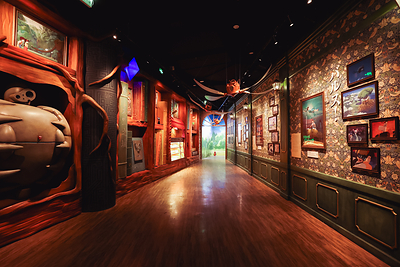
The Story of Studio Ghibli offers both longtime fans and a new generation of audiences an opportunity to explore these stories in a new way. Beyond recreating scenes from the films, visitors are invited to journey beyond the artwork and production materials, engage more deeply with the stories themselves and rediscover the ideas and values that continue to resonate across cultures and generations.
“The Story of Studio Ghibli is not simply an exhibition to be viewed. It is an experience to be felt. Through 12 recreated immersive scenes inspired by iconic Studio Ghibli films, visitors will be invited to step into the stories themselves and connect with the emotions, values and imagination that continue to resonate across cultures and generations,” said Sean Lim, CEO, M Experience.
“We are delighted to welcome the world premiere of The Story of Studio Ghibli to Singapore. The expanded, immersive experience will bring beloved stories to life for fans and create unforgettable moments for visitors. Events of this calibre contribute to Singapore’s vibrancy, adding to our line-up of world-class experiences and reinforcing our appeal as the region’s premier lifestyle destination,” said Ms Guo Teyi, Director, Leisure Events, Singapore Tourism Board.

Designed for fans of all ages, the exhibition will also explore themes such as creativity, resilience and environmental stewardship. Educational initiatives and learning opportunities are currently being developed to encourage deeper engagement with these themes, with further details to be announced closer to the exhibition opening.
Early Bird Tickets Now Available
Tickets are now available here on Klook, the official ticketing partner for The Story of Studio Ghibli in Singapore.
To celebrate the launch of ticket sales, each adult ticket purchased during the Early Bird period from 12 September 2026 to 17 December 2026 will include an exclusive limited-edition gift, while stocks last.
The Story of Studio Ghibli opens at Gardens by the Bay on 18 December 2026.
Plan your visit
Venue: Gardens by the Bay, West Lawn, 18 Marina Gardens Drive, Singapore 018953
Duration: 18 December 2026 to 4 July 2027
Opening hours: 10am – 7pm daily
Ticket Prices:
Singapore Citizens and Permanent Residents
- Adult: S$39
- Concession*: S$29
Standard Admission
- Off-Peak:
- Adult: S$49
- Concession*: S$43
- Peak:
- Adults: S$55
- Concession*: S$49
* Concession tickets are available for seniors aged 65 and above and children aged 3 to 12.
-END-
About Studio Ghibli
Studio Ghibli was founded in 1985 by animated film directors Isao Takahata, Hayao Miyazaki and Toshio Suzuki, and has produced twenty-five feature-length films. Most Studio Ghibli films ranked number one at the box office in Japan in the year in which they were released. Studio Ghibli films have garnered numerous awards and critical acclaim from film critics and animation specialists around the world. Spirited Away was awarded the Golden Bear as the Best Feature Film at the 52nd Berlin International Film Festival and won the 75th Academy Award® for Best Animated Feature Film. The Wind Rises (2013), The Tale of The Princess Kaguya (2013), When Marnie Was There (2014) and The Red Turtle (2016) earned the studio four consecutive nominations for the Academy Awards® for Best Animated Feature Film, and Earwig and the Witch (2020) was an official selection for the 73rd Cannes Film Festival. The studio’s latest film, The Boy and the Heron (2023) was awarded the Golden Globe® Award, the BAFTA® Film Award and the Academy Award® for Best Animated Feature Film in 2024. The studio received Honorary Palme d’Or at the 77th Cannes Film Festival.
About TSUKURU, INC.
TSUKURU, INC. was founded in 2023 and operates as a global group with entities in Tokyo, Japan; Hong Kong, China; and Shanghai, China.
The company is strategically positioned around IP Management as its core business, with a strong focus on global operations. Its activities include the introduction of international IP and content, IP management, commercial development, and marketing. By integrating creative design, technical production, execution, and promotional strategies, it provides comprehensive support for Intellectual Property (IP) assets worldwide.
About M Experience
M Experience has delivered a range of immersive IP exhibitions and cultural experiences across Asia, including collaborations with global partners such as Neon Global and Tencent. Its portfolio spans large-scale installations, interactive environments, and digital immersive formats, with experience in delivering Studio Ghibli exhibitions as well as other IP-led experiences across entertainment, cultural heritage, and technology-driven formats.
 View original content to download multimedia:https://www.prnewswire.com/in/news-releases/tickets-now-available-for-the-story-of-studio-ghibli-at-gardens-by-the-bay-opening-in-singapore-on-18-december-2026-302877135.html

14, Sep 2026
Indian Railways Boosts Passenger Connectivity and Freight Capacity in August 2026
New Delhi, September 14, 2026: Indian Railways recorded broad-based growth in passenger services and freight operations during August 2026, with freight loading rising 5.4% year-on-year and the network expanding its passenger connectivity through regularisation of Amrit Bharat services and additional festival-season trains.
During the month, 14 Amrit Bharat services were converted from special to regular services, taking the total number of Amrit Bharat services to 86. At the same time, five new Gati Shakti Cargo Terminals (GCTs) were commissioned, strengthening rail-based freight connectivity for industries and commercial centres.
Freight Loading Rises 5.4%
Indian Railways loaded 137.9 million tonnes of freight in August 2026, compared with 130.9 million tonnes during the corresponding month last year. The increase represents a 5.4% year-on-year growth.
Freight revenue also increased, rising 6.27% compared with August 2025, signalling continued momentum in the railway’s freight business.
The growth was supported by higher movement across several major commodity categories, including coal, iron ore, steel, fertilisers and other goods. Increased rail freight movement provides industries with a large-scale transportation network for moving raw materials, intermediate goods and finished products across the country.
Iron Ore, Coal and Container Traffic Lead Growth
Several key freight segments registered notable increases during August.
Iron ore loading grew 12.1%, while clinker increased 10.4%. Domestic container loading rose 9.2%, and coal loading grew 6%. Finished steel recorded 4.9% growth, mineral oil increased 3.1% and fertiliser loading rose 1.6%.
The Balance Other Goods category also registered 8.2% growth.
The increase in container traffic is particularly significant as it supports the movement of a wider range of commodities through rail-based logistics. Higher loading across industrial commodities also strengthens the role of railways in supporting manufacturing, construction, energy and other economic activities.
Five New Gati Shakti Cargo Terminals Commissioned
Indian Railways commissioned five new Gati Shakti Cargo Terminals in August, taking the cumulative number of commissioned GCTs to 149 as of August 31, 2026.
The new terminals are located at:
- Shivlakha, Gujarat
- Nalli, Tamil Nadu
- Shaktinagar, Uttar Pradesh
- Deoragram, Madhya Pradesh
- Brajrajnagar, Odisha
The expansion of the GCT network is aimed at bringing modern freight-handling infrastructure closer to production and consumption centres.
Greater access to such terminals can help streamline cargo handling, improve first- and last-mile connectivity and reduce avoidable logistics movement. The network also supports closer integration between Indian Railways and the country’s broader multimodal logistics infrastructure.
14 Amrit Bharat Services Made Regular
Passenger connectivity received a further boost during August, with 14 Amrit Bharat services regularised from special to regular operations. The move takes the total number of Amrit Bharat services to 86.
Among the routes covered are:
- Subedarganj–Lokmanya Tilak Terminus
- Gorakhpur–Bandra Terminus
- Gorakhpur–Delhi Junction
- Ahmedabad–Bhagalpur
- Lokmanya Tilak Terminus–Prayagraj Junction
- Prayagraj Junction–Udhna Junction
- Dhanbad–Coimbatore
The additional regular services are expected to expand affordable long-distance travel options between major metropolitan centres and regional destinations.
The Gorakhpur–Bandra Terminus and Gorakhpur–Delhi Junction services, for instance, strengthen connections between eastern Uttar Pradesh and two major metropolitan regions. The routes can provide additional travel options for people travelling for employment, education, business and family-related purposes.
Similarly, the Ahmedabad–Bhagalpur service creates a direct rail connection between Gujarat and Bihar, while the Dhanbad–Coimbatore route strengthens connectivity between eastern and southern India.
Services linking Prayagraj with Udhna and Mumbai further expand travel options for passengers travelling from Uttar Pradesh towards western India.
Passenger Traffic Continues to Rise
Indian Railways carried 67.27 crore passengers in August 2026, compared with 64.43 crore in August 2025.
Suburban traffic recorded particularly strong growth, increasing 9.02% year-on-year. Suburban rail services carried 38.01 crore passengers during August 2026, compared with 34.89 crore during the same month last year.
The figures underline the continued importance of the railway network as an affordable and high-volume mode of daily transportation, particularly across India’s densely populated metropolitan and suburban areas.
More Special Trains for Festival Travel
Indian Railways also increased the number of special train services to manage the seasonal surge in passenger demand.
During the Rakshabandhan period from August 25 to 31, 2026, the railways operated 144 trips of special trains, compared with 48 trips operated between August 8 and 14, 2025.
The substantially higher number of special train trips provided additional capacity during the festival rush, particularly for passengers travelling to their hometowns and families.
Additional services during peak periods can help distribute passenger demand, ease pressure on regular trains and provide greater flexibility for travellers during major festivals.
Railways Strengthens Passenger and Freight Network
The performance during August reflects Indian Railways’ simultaneous focus on expanding passenger services and strengthening freight infrastructure.
The regularisation of Amrit Bharat services is widening affordable long-distance connectivity, while additional festival trains are helping accommodate seasonal passenger demand. On the freight side, higher commodity loading and the expansion of Gati Shakti Cargo Terminals are strengthening the railway’s role in India’s logistics ecosystem.
With continued investment in capacity, connectivity and operational infrastructure, Indian Railways is positioning its passenger and freight networks to handle growing demand while supporting everyday mobility, industrial supply chains and broader economic activity across the country.
14, Sep 2026
Dryland Congress 2026 Ends with Delhi Declaration, Sets Agenda for South-South Cooperation
New Delhi, September 14, 2026: The three-day Dryland Congress 2026 concluded in New Delhi with participating governments, institutions, researchers and development partners endorsing the Delhi Declaration on Drylands (3D) and calling for stronger South-South and triangular cooperation to accelerate innovation and action in dryland agriculture.
Held under the theme “Transforming Dryland Agriculture with South-South Cooperation,” the Congress brought together stakeholders from across the Global South to explore solutions for improving agricultural resilience, food security, climate adaptation and rural livelihoods in dryland regions.
The closing day coincided with the United Nations Day for South-South Cooperation, reinforcing the Congress’s emphasis on partnerships, knowledge exchange and the scaling of agricultural innovations across developing countries.
The Delhi Declaration outlines a common agenda for transforming dryland agriculture through collaboration, scientific knowledge, innovation and collective action. It was endorsed during the closing plenary by participating governments, institutions, partners and delegates.
ICAR Calls for Greater Foresight and Data
Addressing the concluding session, Dr M. L. Jat, Secretary, DARE and Director General, ICAR, stressed the importance of incorporating foresight into strategies for dryland agriculture.
Jat called for the creation of a strong institutional mechanism for agricultural foresight and proposed that the ICAR-National Institute of Agricultural Economics and Policy Research (ICAR-NIAP) be given a mandate to lead foresight activities related to dryland agriculture.
He also highlighted the need for robust data and information systems capable of supporting decision-making across dryland agri-food systems. According to him, common innovation platforms and living laboratories could help connect research institutions with farmers, policymakers and other stakeholders.
ICRISAT Stresses Need to Move from Ideas to Action
Dr Himanshu Pathak, Director General, ICRISAT, underlined the critical role of drylands in global food security and called for the outcomes of the Congress to be converted into measurable action.
He urged participants to prioritise the recommendations emerging from the three-day discussions into short- and long-term programmes. The focus, he said, should be on moving from ideas to concepts and ultimately to implementation by combining expertise, knowledge and partnerships.
The valedictory session also highlighted several new collaborations emerging from the Congress, including agreements and Memoranda of Understanding with the Global Crop Diversity Trust.
ICRISAT also entered into MoUs with Avior Life Sciences, NIFTEM, Wipro Limited, and the Angul and Rayagada district administrations of Odisha, strengthening partnerships aimed at promoting innovation and practical interventions in dryland agriculture.
The Congress Co-Chairs, Dr D.K. Yadava, DDG (Crop Science), ICAR, and Dr Stanford Blade, DDG (Research & Innovation), ICRISAT, presented a summary of the deliberations and outlined key recommendations and outcomes.
Strengthening South-South Agricultural Partnerships
The final day began with a commemoration of the UN Day for South-South Cooperation, featuring messages from the UN Secretary-General, FAO Director-General and UNOSSC Director Dima Al-Khatib.
Pathak presented the vision of the International Solidarity for South-South Cooperation in Agriculture (ISSCA) and highlighted the need for stronger partnerships among countries of the Global South.
Representatives from ICRISAT, ICAR, CGIAR, RIS, NABARD and the CGIAR Capacity Sharing Accelerator reaffirmed their commitment to advancing South-South cooperation and increasing its impact on agricultural development.
A subsequent session, “Knowledge Without Borders: Advancing South-South and Triangular Cooperation,” was convened in collaboration with CGIAR. Discussions examined how successful cooperation models could be strengthened, replicated and taken to scale.
Experts and representatives from national agricultural research systems in Ethiopia, Senegal, Brazil, China and India, alongside delegates from CGIAR, FARA and APAARI, shared experiences on building effective South-South and triangular partnerships.
ISSCA Global Awards Recognise Agricultural Innovations
The Congress also hosted the ISSCA Global Awards 2026, which recognise proven agricultural innovations from institutions across the Global South that demonstrate potential for large-scale adoption and adaptation across countries.
The inaugural awards attracted 170 nominations from 34 countries spanning Asia, Southeast Asia, Africa, the Middle East, and Latin America and the Caribbean.
The ISSCA Global Award for Transformative Excellence (Mega Award) was presented to:
- ICARDA, Lebanon, for TAAT Wheat Compact Technologies: Heat-Tolerant Wheat Varieties;
- CIMMYT, Mexico, for e-Agrology 360; and
- Odisha Livelihoods Mission, Government of Odisha, India, for Women-Led Sustainable Farming for Nutrition and Rural Resilience.
Awards Span Crop, Climate and Digital Agriculture
The Crop Improvement & Production Technologies category recognised the Bangladesh Agricultural Research Institute for BARI Chinabadam-9, the University of Agricultural Sciences, Dharwad, for GPBD 4, and Myanmar’s Department of Agricultural Research for climate-smart, early-maturing chickpea, pigeonpea and groundnut varieties.
In Natural Resource Management & Climate Resilience, awards went to the Karnataka State Department of Agriculture for Krishi Bhagya; NECTAR, India, for integrated banana pseudo-stem processing; the Department of Agriculture, Government of Bihar, for rejuvenating Aahar–Pyne landscapes; and Sustainable Farming Solutions, Malawi, for digital land-restoration stewardship.
The Agribusiness & Market Systems awards recognised BIID Foundation, Bangladesh, for e-Krishok; Tamil Nadu Agricultural University for the TNAU-FPO Linkage Programme; and the Nigerian Stored Products Research Institute for its Parabolic-Shaped Solar Dryer.
In Digital Agriculture, the awards went to the Department of Horticulture, Government of Andhra Pradesh, for the APMIP Digital Ecosystem, and the Agriculture, Farmers Welfare and Co-operation Department, Government of Gujarat, for Krushi Pragati.
The Livestock Improvement & Production Technologies category recognised WorldFish, Bangladesh, for its improved carp seed system and the International Livestock Research Institute (ILRI), Kenya, for the Participatory Indigenous Chicken Breed Improvement Program (PIC-BIP).
The Congress also presented 16 Best Poster Awards to students and research scholars, recognising emerging research and scientific talent in dryland agriculture.
Delhi Declaration Sets a Collaborative Roadmap
The conclusion of Dryland Congress 2026 marks a renewed push to make South-South cooperation a practical mechanism for addressing the challenges facing dryland agriculture.
The Delhi Declaration on Drylands places collaboration, evidence-based research, innovation, knowledge sharing and institutional partnerships at the centre of this agenda.
With climate variability, resource constraints and food-security pressures continuing to affect dryland regions, the Congress highlighted the importance of scaling technologies and practices that have already demonstrated results.
The event ultimately sought to move beyond the exchange of ideas towards implementation—connecting scientific institutions, governments, development organisations and farming communities to build more resilient, productive and sustainable dryland agri-food systems across the Global South.
14, Sep 2026
BRICS Pushes for Stronger Global Cooperation on Traditional Medicine
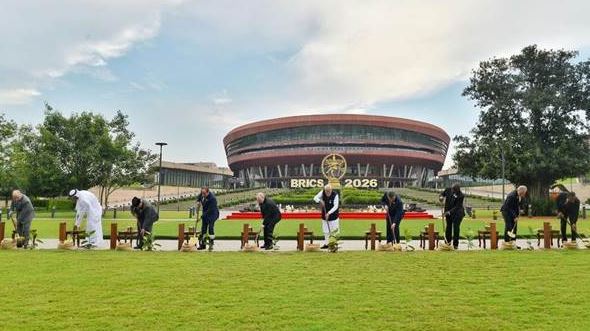
The 18th BRICS Summit has placed traditional, complementary and integrative medicine (TCIM) higher on the international health agenda, with the New Delhi Declaration calling for stronger cooperation, scientific research and evidence-based approaches to traditional healthcare systems.
A major outcome of the declaration is its support for the proposed creation of a BRICS Expert Working Group on Traditional, Complementary and Integrative Medicine under the BRICS Health Track. The proposed mechanism is expected to provide BRICS member countries with a structured platform to exchange knowledge, collaborate on research and develop common approaches to traditional medicine.
Union Minister of State (Independent Charge) for the Ministry of Ayush and Minister of State for Health & Family Welfare, Prataprao Jadhav, said the recognition of TCIM in the declaration represents an important step towards expanding international cooperation in traditional medicine.
He said the proposed expert group could enable member countries to share knowledge, strengthen research and promote evidence-based approaches. India, he added, would continue to advance Ayurveda and other traditional systems through scientific research, quality assurance and international partnerships.
Focus on Research and Medicinal Plants
The New Delhi Declaration places particular emphasis on collaborative research into medicinal plants and herbal preparations used for both preventive and therapeutic purposes.
It notes that the traditional pharmacopoeias of BRICS countries could provide a valuable foundation for developing safe, effective and affordable therapeutic products. Greater collaboration in this area could help countries improve documentation, generate scientific evidence and deepen understanding of medicinal resources.
Secretary of the Ministry of Ayush, Vaidya Rajesh Kotecha, said the declaration provides an opportunity to build more structured cooperation among BRICS nations on TCIM.
According to Kotecha, the proposed Expert Working Group could facilitate collaboration on research, evidence generation, quality standards and regulatory approaches. He said India’s Ayush ecosystem would contribute to the process by promoting rigorous research and evidence-informed practices.
Emphasis on Safety, Quality and Efficacy
The declaration also stresses that TCIM practices and products should meet appropriate standards of quality, safety and efficacy. It encourages evidence-informed approaches and regulatory frameworks that take into account the national circumstances of individual BRICS members.
The emphasis could pave the way for greater exchange of expertise in areas including research methodologies, pharmacopoeial standards, quality control, regulatory systems and scientific validation of traditional medicine.
For traditional medicine systems that have developed over generations, such cooperation could help bridge the gap between traditional knowledge and modern scientific validation while ensuring that new products and practices meet appropriate safety and quality benchmarks.
India’s BRICS Chairship Provides Momentum
The latest development follows the BRICS Meeting on Traditional, Complementary and Integrative Medicine held in Chandigarh on July 21, 2026, during India’s BRICS Chairship.
The meeting brought together government officials, technical specialists and representatives from BRICS member countries to discuss cooperation in areas including research, education, knowledge sharing and regulatory frameworks.
The participating countries also reached consensus on the Terms of Reference for the proposed BRICS Expert Working Group on TCIM, laying the groundwork for more institutionalised cooperation.
The proposed group could subsequently provide a platform connecting policymakers, researchers, academic institutions and technical experts across BRICS countries, potentially allowing cooperation to continue beyond individual meetings and initiatives.
Opportunity for Ayurveda and the Ayush Sector
For India, the declaration is particularly significant because it strengthens the international platform for Ayurveda and other Ayush systems.
India has increasingly focused on scientific research, evidence generation, standardisation, quality assurance and international collaboration as part of its efforts to promote traditional medicine globally. The BRICS framework provides another avenue for India to share its experience while learning from the traditional healthcare systems and research capabilities of other member countries.
The focus on medicinal plants and herbal preparations could also create opportunities for joint research, improved documentation and the development of scientifically validated and quality-assured therapeutic products.
Growing Global Attention to Traditional Medicine
The BRICS initiative comes at a time when traditional medicine is receiving greater attention internationally, particularly in discussions around accessible healthcare, prevention and the strengthening of health systems.
The WHO Global Traditional Medicine Strategy 2025–2034 places emphasis on strengthening the evidence base for traditional medicine, improving safety and quality, and supporting its appropriate integration into health systems.
Against this backdrop, the BRICS focus on TCIM represents more than a formal recognition of traditional healthcare practices. It points towards a model of international cooperation centred on research, scientific evidence, quality, safety and responsible integration.
A More Structured BRICS Health Cooperation Framework
The proposed Expert Working Group could bring together the diverse traditional medicine experience of BRICS countries and encourage collaboration across research, capacity building, knowledge exchange and regulatory practices.
The New Delhi Declaration therefore provides a framework for moving traditional medicine cooperation from dialogue towards more sustained institutional engagement.
For India, it also strengthens the international space for Ayurveda and the broader Ayush ecosystem to participate in global discussions on evidence-based traditional medicine, preventive healthcare and resilient health systems.
By placing TCIM within the BRICS Health Track and connecting it with objectives such as Universal Health Coverage, scientific research, evidence generation, quality, safety and efficacy, the declaration establishes a foundation for deeper cooperation among member countries in developing safe, effective and affordable healthcare solutions.
14, Sep 2026
Kia India Opens Pre-Bookings for Carens CNG, Carens Clavis CNG and Carnival Limousine Hybrid; Expands Powertrain Choice
Mumbai, 14 September 2026: Kia India, one of the country’s leading mass-premium automakers, announced the opening of pre-bookings for its Carens CNG, Carens Clavis CNG and Carnival Limousine Hybrid models, further expanding its multi-powertrain portfolio and offering customers greater choice across its product range.
Recently showcased at Kia Inspiration Day, the three offerings reinforce Kia India’s commitment to responding to evolving customer preferences through a diversified range of mobility solutions. The introduction of CNG options for the Carens and Carens Clavis, alongside a Hybrid powertrain for the Carnival Limousine, will enable customers to choose what best suits their individual mobility requirements.

The Carens and Carens Clavis CNG, based on G1.5 6MT, will feature a factory-fitted CNG kit with a 60-litre tank capacity, combining the practicality and versatility of Kia’s three-row models with an additional powertrain option. Both Carens CNG and Carens Clavis CNG variants also feature 16-inch wheels and 16-inch disc brakes, along with CNG-specific engine calibration and modified suspension. A CNG Fuel Change Switch and 4.2-inch Colour TFT MID with CNG DTE Logic further enhance the CNG experience, while a modified third-row Seat-Back Frame improves the recline angle for added passenger comfort in both models.
The Carens CNG will be available in Premium (O) G1.5 6MT, while the Carens Clavis CNG will be offered in HTE and HTE (O) G1.5 6MT. For B2B (business-to-business) and commercial mobility solutions, the Carens CNG will be available on M-Drive G1.5 6MT, while the Carens Clavis CNG will be available in HTM G1.5 6MT.
The Carnival Limousine Hybrid, based on G1.6T HEV 6AT, will be offered on the Limousine+ trim, bringing an electrified powertrain option to Kia’s premium MPV portfolio. The hybrid model offers premium comfort, space and convenience, complemented by 18-inch (45.72 cm) Crystal Cut Dual Tone Aero Alloy Wheels, Active Air Flaps (AAF) and Virtual Engine Sound System (VESS). It also features a Smart Pure Air Purifier with AQI Display, Retractable, Height-Adjustable Seat Back Tables with Wireless Charging, Monotone Ambient Lighting and Cup Holders, and Leatherette-Wrapped door trims.
With these new offerings, Kia India takes another step forward in its multi-powertrain approach, bringing Hybrid and factory-fitted CNG options to its portfolio in response to the diverse and evolving mobility needs of Indian customers.
Pre-bookings for Kia Carens CNG, Clavis CNG and Carnival Limousine Hybrid are now open through Kia India’s authorized dealer network. Prices for all three models will be announced soon.
14, Sep 2026
Shanghai Electric Secures First Overseas Heavy-Duty Gas Turbine Order for 500 MW Malaysian Project
SHANGHAI, Sept. 14, 2026 /PRNewswire/ — Shanghai Electric (SEHK: 02727, SSE: 601727) has achieved a milestone in the high-end overseas energy sector by securing the contract for Unit 3 of the Sarawak Samalaju Combined Cycle Gas Turbine (CCGT) Project in Malaysia. The win represents significant international recognition of Shanghai Electric’s heavy-duty gas turbine technology, underscoring the company’s growing competitiveness in the global gas turbine market.

Under the agreement, Shanghai Electric will deliver a full EPC turnkey solution for the gas-fired power plant, coupled with a 25-year long-term service agreement (LTSA) covering all major equipment. Notably, every core component—from gas turbines and steam turbines to generators, heat recovery steam generators, and air-cooled systems—will be manufactured in-house by Shanghai Electric, which will also serve as the sole provider of the long-term maintenance and service program. This integrated, end-to-end capability gives Shanghai Electric full life-cycle coverage, spanning equipment manufacturing, systems integration, and multi-decade operational support—a vertical model that brings the company on par with the established global leaders in the heavy-duty gas turbine sector.
Shanghai Electric’s current heavy-duty gas turbine lineup features two principal models, with output ratings of 300 MW and 78 MW, respectively. To date, the company has delivered 103 units, with total installed capacity from commissioned projects exceeding 21,000 MW. The units covered by Shanghai Electric’s long-term service and maintenance programs have accumulated more than 1.3 million operating hours. With robust production capacity available across both turbine classes, Shanghai Electric is positioned to offer new units for delivery as early as 2028. Beyond the Malaysian energy developer that awarded the current contract, project developers in Indonesia, Thailand, the Philippines, and Vietnam have also expressed strong interest in placing orders.

 View original content to download multimedia:https://www.prnewswire.co.uk/news-releases/shanghai-electric-secures-first-overseas-heavy-duty-gas-turbine-order-for-500-mw-malaysian-project-302876170.html



