


17, Jun 2026
Jagatsinghpur to Get Greenfield University; Land Identification Process Begins
Bhubaneswar, June 17 (UDN): In a major boost to higher education infrastructure in Odisha, the Higher Education Department has initiated steps for the establishment of a Greenfield University in Jagatsinghpur district. The proposed university is expected to enhance access to quality higher education, research, and skill development opportunities for students in the region.
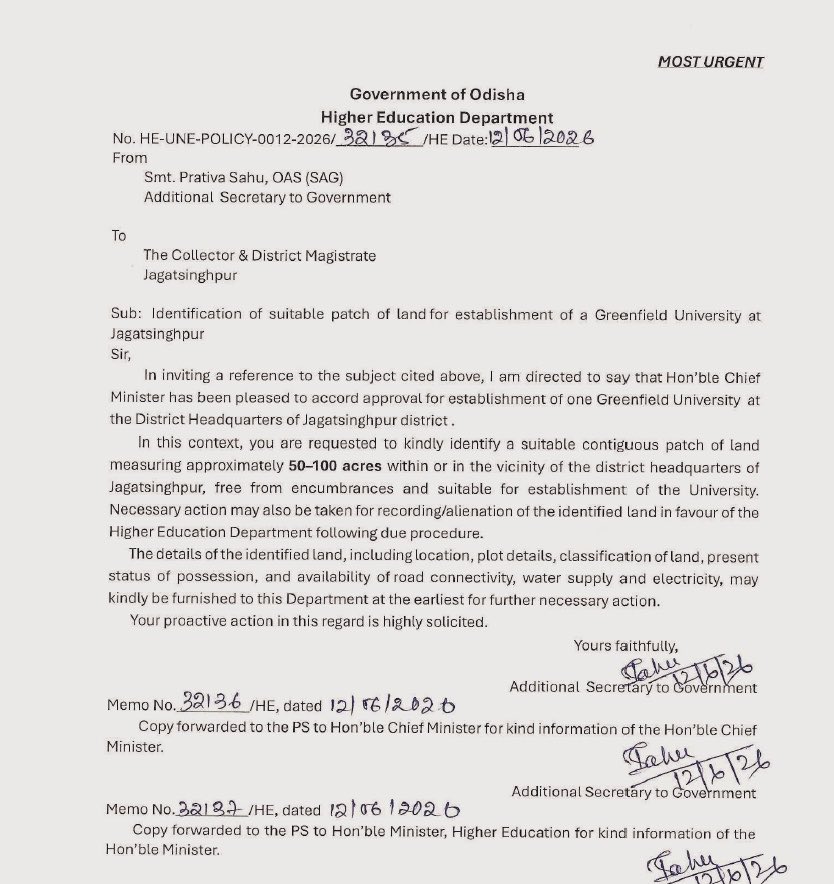
As part of the preliminary process, the Jagatsinghpur Collector and District Magistrate have been directed to identify and earmark a suitable land parcel measuring between 50 and 100 acres within or in the vicinity of the district headquarters. The selected site is expected to have adequate connectivity and infrastructure to support the development of a world-class academic institution.
The proposed Greenfield University is envisioned as a modern centre of excellence that will cater to the evolving educational needs of students while promoting innovation, research, and multidisciplinary learning in line with the National Education Policy (NEP) 2020.
The initiative reflects the Odisha Government’s commitment to expanding higher education facilities across the state and ensuring equitable access to quality learning opportunities. Once established, the university is expected to emerge as a key educational hub, benefiting students from Jagatsinghpur and neighbouring districts while contributing significantly to the region’s socio-economic development.
- 0
- By Neel Achary

16, Jun 2026
Cinnzeo Bakery Café Signs Multi-Unit Franchise Agreement for Telangana Territory in India
Hyderabad – June 16: Cinnzeo Bakery Café of Canada is pleased to announce the signing of a multi-unit franchise development agreement for the Telangana Territory in India, marking a significant milestone in the brand’s international expansion strategy.
Under the agreement, the new franchise partner will develop multiple Cinnzeo Bakery Café locations throughout Telangana, including key urban markets such as Hyderabad. The development will introduce Cinnzeo’s signature fresh-baked cinnamon rolls and premium bakery offerings to one of India’s fastest-growing and most dynamic regions.
“We are excited to welcome our Telangana franchise partner to the Cinnzeo family,” said Brad Turner, CEO of Cinnzeo Bakery Café of Canada. “India represents a tremendous growth opportunity for our brand, and Telangana’s strong economic development, vibrant retail sector, and growing consumer demand for premium café experiences make it an ideal market for expansion.”
The multi-unit development agreement reflects Cinnzeo’s commitment to partnering with experienced operators who share the brand’s focus on product quality, operational excellence, and exceptional guest experiences.
Cinnzeo Bakery Café is widely recognized for its oven-fresh cinnamon rolls, made with proprietary recipes and premium ingredients. In addition to its signature Classic Roll, the menu features specialty rolls, Cinnzeo Bites, gourmet coffee beverages, and other bakery café offerings designed to meet evolving consumer preferences.
“Our new franchise partner brings strong local market knowledge and a strategic growth vision,” added Gaurav Marya, CEO of Franchise India. “We look forward to supporting the successful rollout of multiple locations across Telangana and building a strong, long-term presence in the region.”
The first Telangana location is anticipated to open in 2026, with additional units to follow in accordance with the agreed development schedule.
This agreement further strengthens Cinnzeo’s global footprint and reinforces its position as a leading specialty bakery café brand committed to thoughtful, sustainable international growth.
16, Jun 2026
Oberoi Mall & Sky City Mall Hosts International Yoga Day Workshops
June 16 : Sky City Mall, Borivali is set to celebrate International Yoga Day with a special yoga session for its first ever collaboration with The Art of Living- Yoga and Meditation Center. The event brings together mindfulness, movement, and community spirit through yoga activties designed to help participants begin their day on a refreshing and positive note.

The celebration will feature a yoga workshop open to participants of all age groups, creating an inclusive wellness experience for families, fitness enthusiasts, and beginners alike. It will be led by trained instructors and will focus on promoting physical well-being, mental balance, and holistic health in a calm and engaging environment at the mall’s Main Atrium.
Participation is open through prior online registration. Interested participants are required to register to attend the session. They are requested to wear a white T-shirt and carry their own bottle of water and yoga mat. The session will bring together community members for a shared experience of wellness and mindfulness.
Date: 21st June 2026
Time: 7:00 AM to 8:00 AM
Venue: Main Atrium, Sky City Mall, Borivali (East), Mumbai
Dress Code: White T-shirt
Registration Link: International Day of Yoga at Sky City Mall, Borivali
16, Jun 2026
Advancing European Aviation: Deutsche Aircraft Showcases Multi-Role Innovation at ILA Berlin
Berlin, Germany, 16 June 2026 – At ILA Berlin 2026, Deutsche Aircraft demonstrated how visionary aviation concepts are advancing toward operational reality. The German OEM showcased its substantial progress across the commercial and multi-role sectors, making it clear how applied research, portfolio expansion and long-term collaboration are actively accelerating the development and industrialisation of the next-generation D328eco® turboprop.
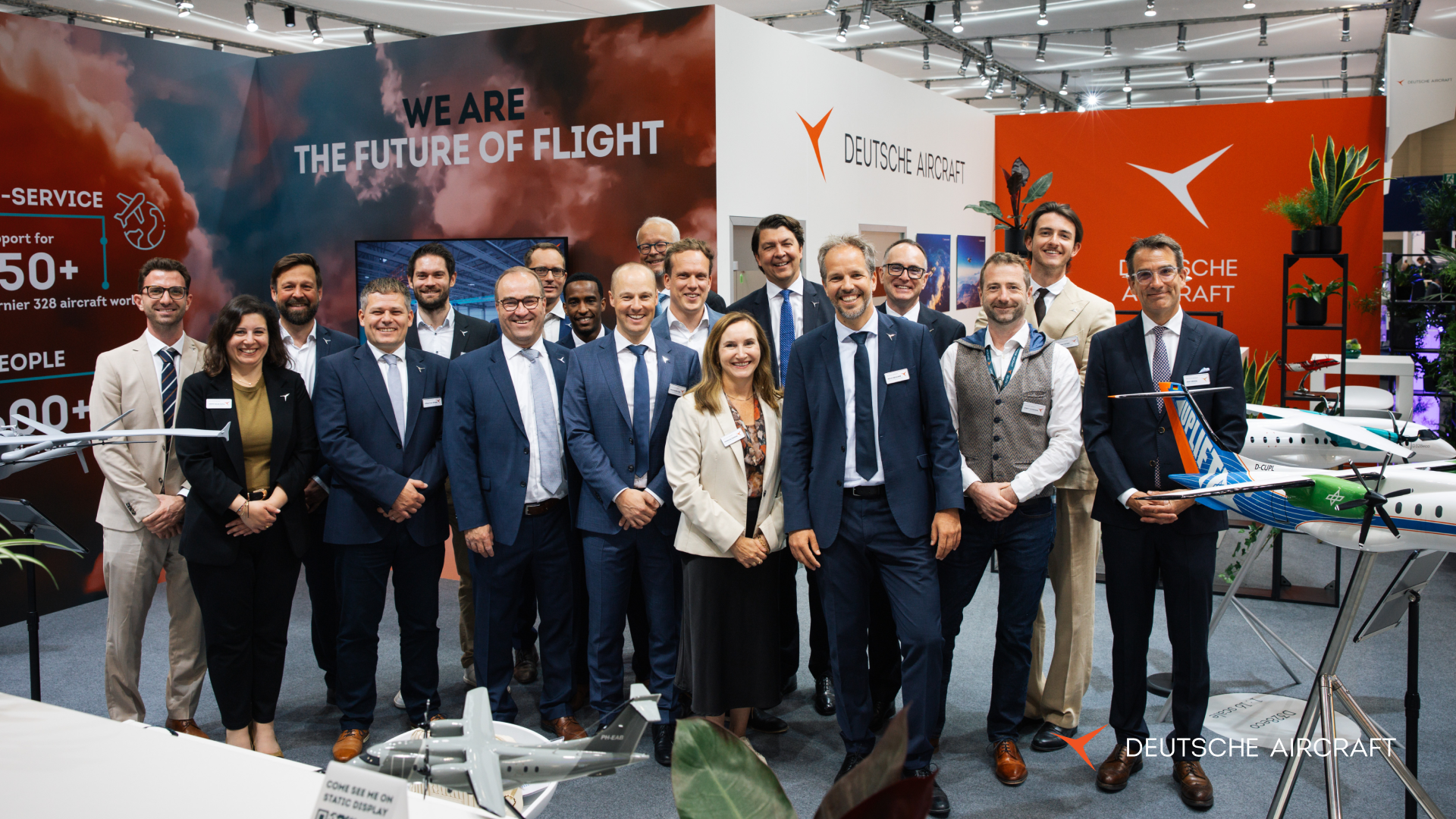
Together, these announcements reflect Deutsche Aircraft’s broader strategy to integrate sustainable regional aviation with enhanced operational flexibility, industrial resilience and European aerospace collaboration.
During the event, Deutsche Aircraft announced a series of technological advancements, strategic milestones and industrial partnerships that underscore its commitment to innovation, defence, special missions and aerospace leadership in Europe.
Key highlights of ILA Berlin 2026 included:
- Integrated Uncrewed Capability Unveiled: Expanding its portfolio to support civil and governmental multi-role operations, Deutsche Aircraft presented its new uncrewed aircraft capability. Developed in collaboration with Sierra Nevada Corporation, the mature system is designed to complement the D328MR by extending operational reach and strengthening intelligence, surveillance, disaster response and environmental monitoring capabilities across demanding environments.
- Fuel-to-Flight Concept: In partnership with INERATEC, Deutsche Aircraft showcased a fully integrated fuel-to-flight solution, with a display featuring a D328® Multi-Role Maritime Patrol Aircraft alongside a containerised fuel production unit and autonomous refuelling concepts. This scalable aviation ecosystem enables synthetic fuel production directly at the point of use, supporting flexible, resilient and lower-emission operations in remote and mission-critical environments worldwide. The concept also highlights the potential to reduce logistical dependency while increasing operational autonomy for future aviation missions.
- Long-Term Industrial Partnership: In a major step for the D328eco production ramp-up, Deutsche Aircraft and Hexcel announced a long-term supply agreement. Hexcel’s advanced composite solutions will be integrated into the D328eco airframe, optimising weight reduction, durability and fuel efficiency to support performance and sustainability objectives. The partnership reinforces long-term operational reliability while boosting the resilience of the European aerospace supply chain.
- Research-Driven Sustainable Aviation: Supported by Germany’s LuFo Klima programme, Deutsche Aircraft demonstrated how applied research has made an impact on SAF readiness, advanced testing and acoustic optimisation. The DLR’s D328 UpLift research aircraft and simulator featured the instrumentation and systems infrastructure used for ongoing validation trials. These initiatives underline Deutsche Aircraft’s commitment to accelerating practical, data-driven advancements in sustainable regional aviation.
“ILA Berlin 2026 demonstrated the strength of collaboration across the European aerospace ecosystem,” said Nico Neumann, CEO of Deutsche Aircraft. “From sustainable propulsion concepts and applied research to multi-role mission capabilities and industrial partnerships, we are translating innovation into practical aviation solutions. The momentum and engagement we experienced throughout the week reinforce our commitment to shaping a more sustainable, resilient and sovereign future for regional aviation.”
Deutsche Aircraft extends its gratitude to partners, customers and visitors for their active engagement and support throughout ILA Berlin 2026.
Following the event, Deutsche Aircraft continues to advance the D328eco programme while strengthening the partnerships that support the future of sustainable regional and special-mission aviation.
16, Jun 2026
Telegram Removed from Google Play Store Amid Temporary Restrictions; iOS Access Continues
New Delhi, June 16: Messaging platform Telegram has been removed from the Google Play Store in India following temporary government-imposed restrictions, while the application remains accessible through the Apple App Store.
The development comes amid regulatory measures linked to public examination security and efforts to prevent the spread of misinformation and unauthorized content during sensitive periods. Authorities have reportedly implemented precautionary steps aimed at ensuring the integrity of examination processes and maintaining digital compliance.
Users attempting to download Telegram through Android devices may currently find the application unavailable on the Google Play Store. However, existing users may continue to access the platform subject to prevailing regulatory directives and service availability.
Industry observers note that digital platforms are increasingly required to comply with government regulations concerning public safety, content moderation, and information security. Temporary restrictions are often reviewed periodically based on administrative assessments and compliance requirements.
The move has generated discussion among users and technology stakeholders regarding platform governance, digital accessibility, and regulatory oversight in India’s rapidly evolving digital ecosystem.
Officials have not indicated any permanent action, and the situation is expected to be reviewed as authorities continue monitoring compliance and operational requirements.
16, Jun 2026
Wood Mackenzie: Data centre metals demand isn’t an asset story. It’s a grid story.
Grid infrastructure requirements reshape base metals demand outlook to 2040

LONDON/HOUSTON/SINGAPORE, June 16: Research from Wood Mackenzie finds that the base metals required to power the global data centre boom extend far beyond the servers, cooling units, and enclosures inside the facility. When grid reinforcement, transmission networks, and facility-level power systems are included, total system-level metals consumption reaches an estimated three to four times the volume implied by the asset itself.
The research, Data centre metals demand: it’s all about the infrastructure not internals (Wood Mackenzie, June 2026), sets out why the conventional framing of this demand story is incomplete, and what that means for commodity markets, infrastructure investment, and energy policy.
“Most assessments of data centre metals demand stop at the server room door,” said Shashank Sriram, Senior Research Analyst, Al
uminium Markets at Wood Mackenzie. That captures the smallest part of the picture. The infrastructure required to keep a modern data centre running, redundant power systems, on-site generation, transmission reinforcement, has a metals footprint that dwarfs what is happening inside the facility. At the system level, we are looking at three to four times the volume implied within the asset. For investors and grid planners, that is a material difference.”
Key findings at a glance
- Internal aluminium demand peaks at 0.6 to 0.9 million tonnes annually, declining from the late 2030s
- Cooling represents approximately 55% of internal aluminium demand; racking and enclosures approximately 25%
- Internal demand grows at approximately 8 to 10% CAGR to the early 2030s, then falls at approximately 2 to 3% per annum
- Annual data centre power capacity additions are projected to peak at approximately 30 to 33 GW in the early 2030s
- Asia-Pacific will exceed 50% of global additions at peak; North America leads early deployment
What is happening inside the facility
Inside the data centre, aluminium demand is concentrated in cooling systems, at approximately 55% of internal use, and racking and enclosures, at approximately 25%. Copper anchors performance at high-density nodes, driven by power density and system complexity rather than structure. Both metals grow at approximately 8 to 10% per year into the early 2030s, before plateauing and declining at approximately 2 to 3% per annum as efficiency gains and AI-driven design optimisation take hold. Total aluminium demand within the asset peaks at 0.6 to 0.9 million tonnes annually before trending lower toward the late 2030s.
In short, the internal demand profile is front-loaded and bounded, even as underlying compute demand continues to rise.
Where demand is actually being generated
The first structural shift occurs at the facility boundary. As grid connections slow and local power capacity tightens, operators are building power systems into the facility itself. On-site generation now spans solar and wind with storage, gas engines and turbines, solid oxide fuel cells, and emerging small modular reactor concepts. None of this scales with compute load. It sits alongside it, engineered to guarantee uptime regardless of what the grid does. Wood Mackenzie estimates that this layer alone effectively doubles the metals demand implied within the asset, with aluminium expanding across busways, structural housings, and distribution systems, and copper scaling across high-load interconnections and grounding infrastructure.
The second shift occurs at the grid. Annual data centre-driven power capacity additions are projected to rise from approximately 15 to 20 gigawatts today to a peak of approximately 30 to 33 gigawatts in the early 2030s, stabilising at structurally higher levels thereafter. Asia-Pacific will account for more than half of global additions during the peak phase. North America leads early deployment. These are not incremental grid connections. They are network reinforcement programmes responding to load profiles that existing infrastructure was not designed to absorb.
At this stage, metals demand is no longer driven by the data centre. It is driven by the power system required to sustain it. Aluminium dominates here, scaling across overhead transmission, conductors, and utility-scale generation frameworks. Copper scales across substations, underground connections, and generation-side electrical systems. The split between the two metals is not a function of price. It is determined by the physical limits of each application. Physics defines outcomes. Price influences the boundaries.
When all three layers are aggregated, total system-level metals consumption reaches an estimated three to four times the volume implied within the asset. The result, the report concludes, is not substitution between aluminium and copper, but co-dependent expansion across the base metals complex.
16, Jun 2026
Space: LGM Group Obtains Process Certification for Manual Wiring of Electronic Boards
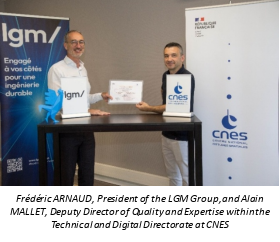
LGM has reached a major milestone by obtaining process certification for manual wiring of electronic boards for the space sector at its Marville site in the Meuse (France), issued by CNES and compliant with the European Space Agency’s ECSS standards.
LGM announces that it has obtained accreditation for manual wiring process in electronic boards intended for the space sector. This certification, overseen by the Centre National d’Études Spatiales (CNES), represents a major recognition of LGM’s expertise, technical excellence, and positioning in the space market—a field where quality and reliability requirements are absolute.
Certification to the Most Demanding European Standards
This certification is particularly significant as it complies with the European Cooperation for Space Standardization (ECSS) standards of the European Space Agency (ESA), and attests to the company’s ability to perform manual wiring operations on electronic boards to the strictest standards in the space sector, where even the slightest failure can have critical consequences.
Manual wiring of electronic boards for space applications requires advanced technical expertise, perfect mastery of processes, and rigorous quality control. Electronic boards destined for space must withstand extreme conditions: vibrations, shocks, significant thermal variations, radiation, and the vacuum of space.
CNES Plays a Central Role in the Approval Process
CNES, a major player in French and European space policy, oversees the certification process to ensure that approved companies meet the technical and quality requirements of the space sector. The certification process includes in-depth audits, skills assessments, and verification that production processes comply with European ECSS standards, through tests and expert assessments conducted on test structures.
CNES accreditation is a guarantee of confidence for customers in the space sector, whether they are space agencies, industrial prime contractors, or equipment manufacturers.
A Strategic Asset for LGM
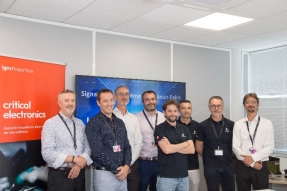
For LGM, this certification represents far more than technical recognition: it opens new commercial opportunities in the European space market and strengthens the company’s credibility with major players in the sector.
“Obtaining this CNES approval is a decisive step for the LGM Group’s electronics production activities. It validates years of investment in upgrading our teams’ skills and in continuous improvement of our processes. Today, this certification enables us to position ourselves as a trusted partner for European space programs and to support our customers in their most demanding projects,” says Guillaume PETIT, Industrial Director of the Marville site.
This certification aligns with the LGM Group’s development strategy for its complex electronics activities, aimed at strengthening its expertise and presence in markets with high added value and high technical criticality.
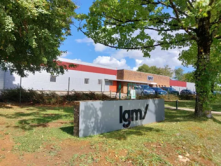
Focus on the Marville factory:
A French industrial flagship whose origins go back to the creation of the MEUSONIC company in 1978.
Since 1985, the Marville site has been consolidating its microelectronics activity in a cleanroom environment, with niche skills and processes in the design and manufacture of radio frequency and microwave subassemblies and systems, as well as in power electronics.
In 2021, then known as ARELIS (resulting from successive mergers with the companies SERICAD and ASTEEL ANJOU—in 2010 and 2012 respectively), it strengthened its specialist positioning and technological leadership while working to preserve the sector and the sovereignty of its processes, thanks to a strategic partnership with LGM.
Now a member of the LaFrenchFab network, in the midst of a dynamic investment phase to meet demand and market diversification, the Marville site has just passed the 100-employee mark and is looking toward a promising industrial future relying on the stability and confidence of the LGM Group.
Promising Prospects in a Growing Sector
The space sector is currently experiencing sustained growth, driven by the development of satellite constellations, the boom in New Space, and Europe’s ambitions for strategic autonomy. In this context, demand for qualified subcontractors to manufacture space electronics is rising sharply.
Thanks to this certification, LGM is now positioned to respond to tenders from the main players in the European space sector and to participate in large-scale programs, whether for observation, telecommunications, navigation, or scientific exploration satellites.
16, Jun 2026
Noida International Airport Takes Flight A New Era of Connectivity and Growth Along the Yamuna Expressway
June 16 : The commencement of commercial flight services by IndiGo from the new Noida International Airport at Jewar on June 15 marks a transformative milestone in Uttar Pradesh’s infrastructure and economic development journey. In a landmark moment for Uttar Pradesh’s infrastructure landscape, the airport welcomed its inaugural flight from Lucknow’s Chaudhary Charan Singh International Airport, which landed at 8:05 AM on Monday. The return IndiGo service, flight 6E-2279, is scheduled to depart Noida at 6:55 PM and arrive in Lucknow at 8:00 PM. As the first airline to begin operations from the airport, IndiGo will connect the region to multiple cities across India, significantly enhancing accessibility and establishing the Yamuna Expressway corridor as one of the country’s most promising growth destinations.
The launch of flight operations is expected to catalyse investment, employment generation, logistics growth, tourism, and urban development across the region. With direct connectivity to more than 16 cities planned in phases, the airport is poised to emerge as a major aviation hub for North India, complementing Delhi-NCR’s expanding infrastructure ecosystem.
This landmark development further strengthens the investment potential of the Yamuna Expressway, a corridor already witnessing unprecedented momentum through planned infrastructure initiatives, including logistics parks, industrial clusters, Film City, Medical Device Park, and Airport City developments under the YEIDA Master Plan 2041.
While several real estate developers have turned their attention to the Yamuna Expressway corridor in anticipation of the transformative impact of the Noida International Airport, ACE Group has been among the pioneers in recognizing and investing in the region’s long-term potential. Over the years, the company has built a diverse and impressive portfolio of residential, commercial, and plotted developments along the corridor, establishing a strong presence in one of North India’s fastest-growing real estate destinations.
Among the flagship developments is ACE Terra, a premium residential project in Sector 22D that has emerged as one of the most sought-after addresses along the Yamuna Expressway. Building on the project’s strong response from homebuyers and investors, ACE Group has recently unveiled Aurea, two exclusive new towers within the development. Offering thoughtfully designed luxury residences, expansive green surroundings, contemporary architecture, and world-class amenities, ACE Terra and Aurea together reflect the growing demand for high-quality living spaces in close proximity to the now operational Noida International Airport. The development offers residents the unique advantage of enjoying a refined lifestyle while remaining connected to one of India’s most significant infrastructure-led growth corridors.
ACE Group has also introduced ACE YXP, a first-of-its-kind lifestyle and commercial destination on the Yamuna Expressway to be operational this year. Featuring high-street retail, entertainment zones, dining avenues, studio residences, and leisure spaces, and many high-end brands are already on board. The project is envisioned as a vibrant commercial hub catering to the growing residential and business population expected to emerge around the airport ecosystem.
For those seeking long-term investment opportunities, ACE Group presents two integrated township developments along the Yamuna Expressway corridor, each combining strategic location advantages with modern infrastructure and future-ready planning.
The first is a 68-acre township anchored by ACE Estate, a premium plotted development offering investors the foundation of land ownership within a thoughtfully planned community. Complementing the plots is ACE Edit, which offers a contemporary mix of studio apartments and retail spaces, catering to the growing demand for flexible living and commercial formats in the airport-influenced corridor.
The second is a expansive 100-acre township built around ACE Acreville, an equally compelling plotted development evolving into a vibrant mixed-use destination. Within this township, ACE Verde stands as a premium residential development designed to deliver an elevated lifestyle experience amidst thoughtfully planned surroundings. Complementing the residential component is ACE Hive, a commercial project featuring fully furnished business suites managed by Sarovar Hotels, bringing hospitality-led services and professionally managed workspaces to the region.
Together, these developments underscore ACE Group’s vision of creating integrated communities that seamlessly blend residential, commercial, hospitality, and investment opportunities while capitalizing on the immense growth potential of the Yamuna Expressway corridor.
As Noida International Airport welcomes its first passengers, the surrounding region stands at the threshold of unprecedented transformation.
16, Jun 2026
AVILOO turns battery anxiety into battery confidence with industry-first warranty for used EVs
London, June 16 : AVILOO, the global leader in independent EV battery diagnostics, today announces the launch of the AVILOO Battery Warranty in the UK – the first product of its kind to provide used EV buyers with genuine, financially backed protection based entirely on independent battery health data.
The warranty comes into effect in July in the UK, launching simultaneously in Germany, the Netherlands, Finland, Austria, Belgium, Ireland and Switzerland, following successful rollouts in France and Sweden in June.
The used EV market in the UK is growing rapidly, but buyer confidence has not kept pace. For most consumers, the battery – the single most expensive component in any electric vehicle – remains an unknown quantity at the point of purchase. Manufacturer-reported health figures are neither independently verified nor standardised. The AVILOO Battery Warranty changes that.
How it works: for dealers
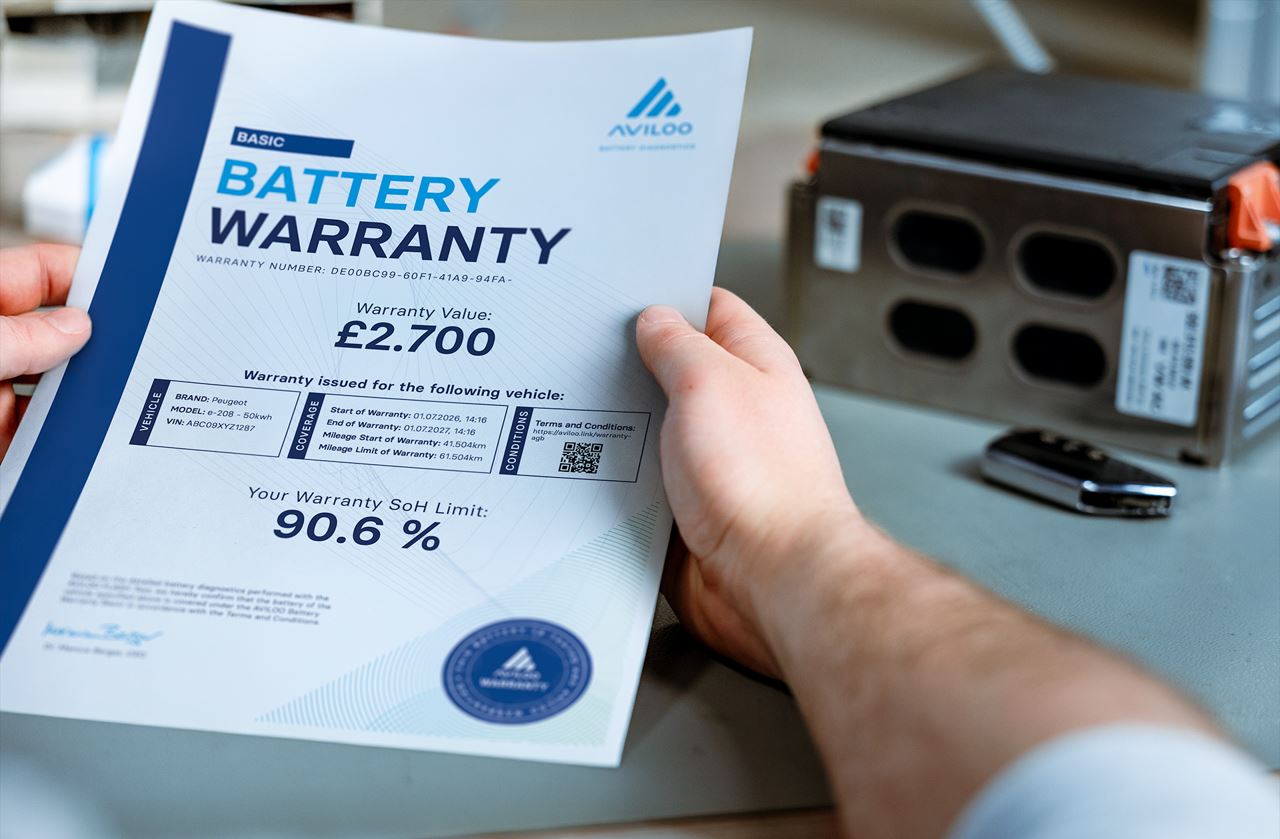
The Battery Warranty is issued as a standalone document, separate from AVILOO’s existing independent battery certificate. It is managed through AVILOO Connect, a new digital dashboard for professional EV remarketing, giving dealers, fleet operators, and remarketing platforms a single interface to manage battery test lifecycles from incoming inspection through to warranty issuance.
For each vehicle, an individual State of Health (SoH) floor is calculated using AVILOO’s proprietary diagnostics database – the largest battery health dataset in the world. The calculation sets the minimum SoH the battery must maintain at 20,000 kilometres over the one-year warranty period. Dealers can offer this warranty to buyers as a credible, independently underwritten selling point, without carrying the risk themselves.
How it works: for buyers
Buyers receive a one-year warranty period during which they can carry out an AVILOO FLASH Test – a three-minute, manufacturer-neutral diagnostic that assesses real battery capacity, thermal management, and charging capability against original factory specifications, covering 96% of EV models currently on the road.
If the battery’s SoH falls below the calculated threshold during the warranty period, the buyer receives £2,700 in compensation plus a full refund of the FLASH Test costs. This is a concrete, unconditional financial backstop, not a vague assurance.
Marcus Berger, CEO of AVILOO, said:
“The AVILOO Battery Warranty raises the used electric vehicle market to a new level. For the first time in the UK, we are providing the foundation for a warranty based solely on objective, independent measurement data. This builds trust and gives British dealers and buyers a level of certainty that simply has not existed before. The UK has one of Europe’s most dynamic used EV markets, and we see enormous appetite from both dealers and consumers to get this right. With the Battery Warranty, we are setting a new industry standard – one that provides orientation for all market participants, strengthens the case for electric mobility, and ensures that used EVs are seen not as a risk, but as a sustainable, trustworthy choice.”
Already trusted by Europe’s biggest automotive names
AVILOO’s credentials in independent battery diagnostics are already well established. Mercedes-Benz, Volvo, and Porsche Holding have each selected AVILOO as their preferred third-party battery testing provider for dealerships across Europe, with the FLASH Test deployed on both own-brand and trade-in vehicles.
Leasing majors Ayvens and Arval use AVILOO as part of their end-of-lease remarketing process. Auction groups BCA and Cox Automotive have integrated the FLASH Test into their European operations. Major dealer groups Hedin and Emil Frey are also live. All relationships are underpinned by European-level agreements.
16, Jun 2026
Prime Minister Narendra Modi Conferred Slovakia’s Highest Civilian Honour
Bratislava/New Delhi, June 16: Prime Minister Narendra Modi has been conferred The Order of the White Double Cross (First Class), one of Slovakia’s highest civilian honours, in recognition of his outstanding contribution to strengthening bilateral relations and enhancing India’s global stature.

x.com/MohanMOdisha
The prestigious award reflects international recognition of Prime Minister Modi’s leadership and his efforts to deepen diplomatic, economic, and cultural ties between India and nations across the world. The honour also underscores the growing importance of India as a key global partner and a trusted voice on international issues.
Congratulatory messages poured in from various quarters, praising the Prime Minister’s vision, statesmanship, and commitment to advancing India’s interests on the global stage. Observers noted that under his leadership, India has significantly expanded its international engagement while earning greater respect, trust, and admiration among the global community.
The award ceremony in Bratislava highlighted the strengthening partnership between India and Slovakia, with both countries expressing their commitment to enhancing cooperation across diverse sectors, including trade, technology, innovation, education, and cultural exchange.
The recognition is being viewed as another milestone in India’s growing diplomatic influence and its emergence as a leading force in shaping global dialogue and cooperation.


