


16, Jun 2026
Persistent Announces Partnership with San Francisco Unicorns as Official ReAIimagining Partner
June 16 : Persistent Systems , a global Digital Engineering and Enterprise Modernization leader, announced a partnership with the San Francisco Unicorns for the 2026 Major League Cricket season. Under the agreement, Persistent will serve as an official Remagining Partner within the team’s premium partnership tier. The partnership highlights Persistent’s focus on bringing AI and data-led innovation into real-world high-performance environments where speed, adaptability and insight define outcomes.
This collaboration aligns with Persistent’s strategy to expand its AI-led capabilities in North America and build closer proximity to clients operating in real-time, decision-intensive environments. The partnership will be activated through Persistent’s GameReAImagined campaign, which explores how AI is helping make the hidden layer of the game more visible through performance insights on the field and richer fan experiences off it.
As the Official Re magining Partner, Persistent will explore opportunities with the franchise across data, AI and fan engagement initiatives, extending the relationship beyond sponsorship into potential areas of innovation. With MLC rapidly expanding across key U.S. markets, the partnership creates a compelling environment to demonstrate how intelligence, analytics and technology can shape both performance and fandom.
As part of the partnership, Persistent will have a strong presence across team and digital platforms. The partnership has been designed as an integrated engagement platform, including brand visibility through on-field perimeter boards, team kit branding and a dedicated branded content property, Persistent Coaches’ Corner. Together, these elements combine on-field visibility with deeper storytelling and curated interactions. The collaboration also includes a dedicated hospitality suite, creating opportunities to connect with clients and partners in North America within a high-performance setting, including select invite-only experiences to enable deeper engagement.
Sandeep Kalra, Chief Executive Officer and Executive Director, Persistent
“Cricket, like business, is becoming a game of intelligence as much as execution. The ability to convert data into real-time insight is increasingly the difference between good and great outcomes. At Persistent, we help organizations reimagine how AI creates advantage and this partnership with the San Francisco Unicorns brings that vision to life in a high-performance environment where every decision matters. Together, we have an opportunity to explore how AI can enhance performance, strategy, and fan engagement in new and exciting ways.”
David White, CEO, San Francisco Unicorns
“Sport is evolving quickly, with data and technology playing a bigger role in how teams prepare, compete and engage with fans. Partnering with Persistent gives us an opportunity to explore new ways of applying these capabilities across performance and strategy. We also see strong potential to enhance how fans experience the game as it continues to grow in the United States.”
- 0
- By Neel Achary

16, Jun 2026
RAKEZ delegation highlights pathways for European companies to expand strategically through Ras Al Khaimah
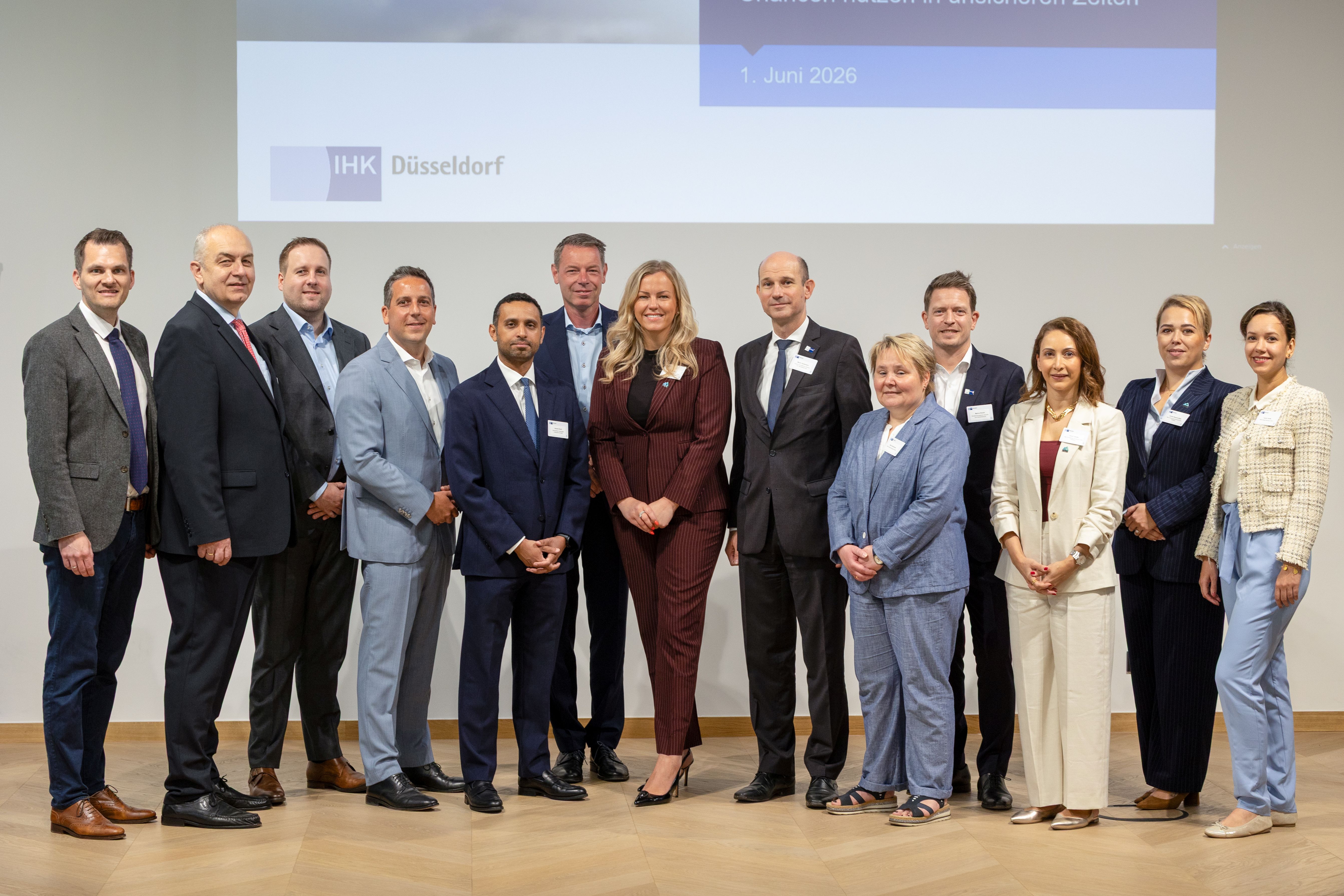
Ras Al Khaimah, June 16: Ras Al Khaimah Economic Zone (RAKEZ) concluded a series of business engagements in Germany and Finland aimed at strengthening economic ties, fostering new partnerships, and showcasing the opportunities available to European companies looking to establish and/or expand into the UAE and wider regional markets through Ras Al Khaimah.
The programme was headlined by a business breakfast held at the German Chamber of Industry and Commerce, Düsseldorf, in collaboration with IHK Düsseldorf and the German Emirati Joint Council for Industry and Commerce (AHK). The event brought together representatives from the Embassy of the United Arab Emirates in Germany, business leaders, industry representatives, and investors to discuss opportunities for growth amid an evolving global economic landscape and explore the advantages of establishing and expanding operations in the UAE
Discussions focused on areas of mutual interest, including UAE business laws, advanced manufacturing, industrial technologies, sustainability, logistics, and innovation, while highlighting the UAE’s position as a globally connected business hub and Ras Al Khaimah’s growing role as a destination for companies seeking competitiveness, operational flexibility, and access to regional and international markets. Germany remains one of the strongest investor markets within the RAKEZ business community, with more than 1,100 German companies operating across a wide range of industries, including manufacturing, furnishings, industrial equipment, construction solutions, electronics, and specialised services.
As part of the wider European programme, the RAKEZ delegation visited Finland, where it met with Her Excellency Amna Fikri, UAE Ambassador to Finland and Estonia, in Helsinki to discuss opportunities for enhanced economic, trade, and investment cooperation between the UAE, Finland, and Estonia. During the visit, the delegation also participated in Match & Grow: A business networking event in Lahti organised in collaboration with LADEC. The event brought together Finnish businesses and ecosystem partners to explore opportunities for international growth, investment, and collaboration, while providing direct access to RAKEZ experts and insights into expanding into the UAE market through Ras Al Khaimah.
A key feature of both events was the participation of established RAKEZ investors who shared practical insights into doing business in the UAE from a base in Ras Al Khaimah. In Germany, Harald Hotop, Chief Executive Officer of Kludi, one of the country’s leading manufacturers of bathroom and kitchen fittings, discussed the company’s experience of operating from Ras Al Khaimah and serving regional markets from the emirate. In Finland, Topi Paananen, CEO of Peikko Group, highlighted the company’s growth journey in the UAE and the opportunities the market continues to offer international manufacturers and industrial businesses. Both companies are among the many European businesses that have chosen RAKEZ as a base for their regional operations.
Commenting on the engagements, RAKEZ Group CEO Ramy Jallad said: “Europe continues to be an important strategic market for Ras Al Khaimah, and our engagements in Germany and Finland reflect our commitment to building long-term economic partnerships that create value for businesses on both sides. Germany, in particular, remains one of our most established investor markets, and we continue to see strong interest from European companies seeking a competitive, well-connected, and future-focused environment from which to serve regional and global markets. Through initiatives such as these, we are strengthening the bridges between our business communities and creating new pathways for investment, innovation, and sustainable growth.”
The engagements form part of RAKEZ’s ongoing international outreach efforts to connect with key investor markets, strengthen global partnerships, and support companies seeking growth opportunities through Ras Al Khaimah’s dynamic business ecosystem.
16, Jun 2026
Noida International University Organizes Grand Educator’s Meet 2026 in Varanasi to Strengthen Academic Collaboration
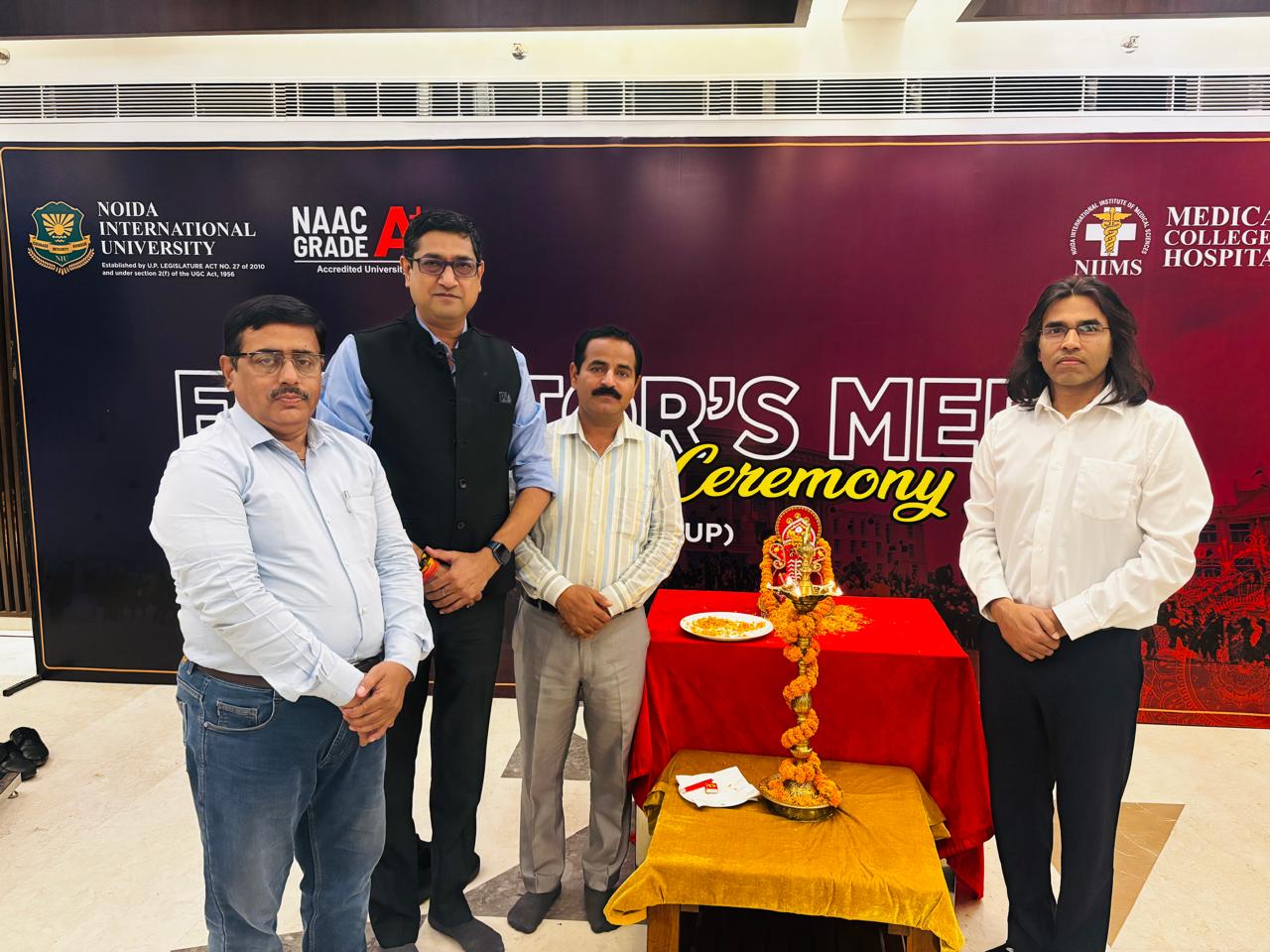
Varanasi, Uttar Pradesh: Noida International University (NIU) successfully organized an impactful Educators’ Meet at The Amayaa Hotel, Varanasi, bringing together distinguished academicians, teachers, counselors, and education professionals on one platform to discuss the evolving landscape of education, student development, and institutional collaboration.
The event was graced by Dr. Brijesh Kumar, Founder of L-1 Coaching Institute, who attended as the Chief Guest. The gathering was further honoured by the presence of Mr. Akash Sharma, Director – Admissions & Outreach, Noida International University, as the Guest of Honour. Mr. Anshuman Deo Gupta, President, Teacher Association, also marked his esteemed presence and shared valuable insights on strengthening educational ecosystems and teacher engagement.
Dr. Brijesh Kumar said, “Education is the strongest foundation for nation-building, and educators play the most critical role in shaping young minds. Such collaborative platforms encourage meaningful dialogue and help institutions and educators work together for the holistic development of students.”
Mr. Akash Sharma said, “At Noida International University, our focus remains on providing students with industry-oriented education, global exposure, and skill-based learning opportunities. Educators are our strongest partners in guiding students toward the right academic and career pathways, and platforms like these help us build stronger academic relationships.”
The Educators’ Meet served as an important platform for knowledge sharing, networking, and discussions on emerging opportunities in higher education. Participants engaged in meaningful conversations around academic excellence, career guidance, and institutional partnerships aimed at enhancing student outcomes.
The event was efficiently coordinated by Mr. Ankur Sharma and Mr. Tarun Pratap, whose dedicated efforts contributed significantly to the successful execution of the gathering.
Speaking on the occasion, representatives from Noida International University expressed gratitude to all guests, educators, and participants for making the event a success. The university reiterated its commitment to fostering strong ties with the academic fraternity and continuing efforts toward educational advancement across the country.
The event concluded on a positive and collaborative note, reinforcing Noida International University’s vision of empowering educators and strengthening the future of higher education through meaningful engagement.
16, Jun 2026
AAEON Outlines Plans for Four Intel Core Series 3-Powered Platforms
Following the release of the Intel Core Series 3 processors (formerly Wildcat Lake), AAEON has announced four upcoming platforms set to feature them.
(Taipei, Taiwan – June 16) Following the unveiling of the new Intel Core processors (Series 3) (formerly Wildcat Lake) in April, AAEON’s UP brand (stock code: 6579) has announced its development timeline for four new platforms that will feature the processor line, with both developer boards and edge systems included.
Expected to enter mass production in late Q3, 2026, the developer boards included in AAEON’s roadmap are the UP WCL and UP Nexus WCL. The first of these is a credit card-sized board consistent with the original UP board’s form factor, while the UP Nexus WCL represents a branding shift for the UP Squared Pro form factor, measuring 101.6mm × 101.6mm. Both boards will also offer a fully embedded edge system version, the UP WCL Edge and UP Nexus WCL Edge, designed to appeal to customers requiring plug-and-play systems.

All four platforms will be available with the option of Intel Core 7 processor 350 and Intel Core 5 processor 320 CPUs from the Wildcat Lake family, while the UP WCL will also provide SKUs with the Intel Core 3 processor 304. Delivering up to 40 TOPS of AI performance via integrated GPU and NPU but with a CPU prioritizing low power E-cores, the Intel Core series’ first integrated heterogeneous compute architecture sees AAEON position its upcoming products as suitable for building advanced applications across market segments, but with the benefit of a lower power footprint than platforms tailored to high-performance computing needs.
Both the UP WCL and UP Nexus WCL present a number of notable improvements on previous generations. For the UP WCL, a substantial boost in available system memory from the previously capped 8GB can be found, with standard UP WCL SKUs equipped with 24GB of onboard LPDDR5. Meanwhile, the UP Nexus WCL, which had previously only seen a maximum of 16GB of LPDDR5 for its UP Squared Pro line offers up to 48GB. The standard 64GB of eMMC storage typically found listed among UP product specification sheets has also seen an upgrade, with both the UP WCL and UP Nexus WCL both coming with 256GB of UFS3.1.
Standing out among the preliminary specifications for the UP WCL are a 10-pin wafer for I2C, PWM, and SPI, GPIO 8-bit, 2.5GbE LAN, and three USB 3.2 Gen 2 ports. Meanwhile, the UP Nexus WCL retains the conventional 40-pin GPIO offered by traditional UP boards, while adding two 10-pin headers for RS-232/422/485, two 2.5GbE LAN ports, and both dual USB Type-A (USB 3.2 Gen 2) and dual USB Type-C (USB 3.2 Gen 2×2) ports.
With respect to OS compatibility, all four offerings list support both Windows 11 LTSC and Linux Ubuntu 24.04 LTS.
The UP WCL, UP Nexus WCL, and their corresponding edge systems are expected to enter mass production in late Q3, 2026. However, preliminary specifications are already available on the product pages located on the UP product series section of the AAEON website.
16, Jun 2026
India Set for Massive 5G Expansion; Subscriber Base Expected to Cross 1.1 Billion by 2031
New Delhi, June 16: India’s digital connectivity landscape is poised for a major transformation, with 5G subscriptions projected to exceed 1.1 billion by 2031, according to a recent industry report. The forecast highlights the country’s rapid adoption of next-generation mobile technology and growing demand for high-speed internet services.

Representational image
The report indicates that mobile data consumption is also expected to witness a sharp rise over the coming years. Average monthly data usage per smartphone is likely to nearly double by the end of the decade, driven by increasing consumption of high-definition video content, cloud-based applications, artificial intelligence services, online gaming, and digital commerce.
India has emerged as one of the world’s fastest-growing telecom markets, supported by extensive 5G network deployment, affordable smartphones, and competitive data tariffs. The expansion of 5G services across urban and rural regions is expected to further accelerate digital inclusion and improve access to online services.
Experts believe that widespread 5G adoption will play a key role in strengthening sectors such as healthcare, education, agriculture, manufacturing, and smart infrastructure. Enhanced connectivity and lower network latency are expected to support emerging technologies, including artificial intelligence, the Internet of Things (IoT), automation, and smart city solutions.
Industry observers note that India’s telecom sector is entering a new phase of growth, with 5G increasingly becoming the backbone of the country’s digital economy. Continued investments in network infrastructure and innovation are expected to further boost connectivity and economic development in the years ahead.
16, Jun 2026
All 28 States Record Fiscal Deficits in FY25, Says CAG Report
New Delhi, June 16: Fiscal pressures across India’s states have intensified in FY25, with all 28 states reporting revenue or fiscal deficits, according to the latest report by the Comptroller and Auditor General (CAG) of India.
The report highlights that rising expenditure commitments, coupled with uneven revenue growth, have contributed to widening fiscal stress across several states. Increased spending on welfare programmes, subsidies, and infrastructure projects has added pressure on state finances, even as revenue mobilisation efforts continue.
The CAG noted that while states remain committed to maintaining development momentum, fiscal imbalances have emerged as a key concern in the post-pandemic economic recovery phase. The report underscores the need for improved expenditure management and stronger revenue augmentation strategies.
Experts observing the findings stated that persistent deficits across all states reflect structural challenges in fiscal consolidation, particularly in balancing developmental priorities with financial sustainability. They added that greater efficiency in public spending and enhanced fiscal discipline will be critical going forward.
The report further suggests that strengthening tax administration, improving compliance, and rationalising expenditure could help states move towards more sustainable fiscal paths in the medium term.
Despite fiscal stress, states continue to play a crucial role in driving public investment and delivering essential services, making fiscal health a key area of focus for overall economic stability.
The findings underline the importance of coordinated fiscal reforms to ensure long-term sustainability of state finances while supporting growth-oriented spending.
16, Jun 2026
IIT Madras and IITM Global Forge Landmark Strategic Partnerships at Bharat Innovates 2026, Unlocking US Dollar 100 Million in Value Creation
Chennai, June 16 : The Indian Institute of Technology Madras and IITM Global concluded day one engagement at ‘Bharat Innovates 2026’ in Nice, France, by exchanging seven commercial Memoranda of Understanding between Indian deep-tech startups and their international partners—predominantly from France—alongside two institutional MOUs aimed at accelerating global market access, investment, and innovation.
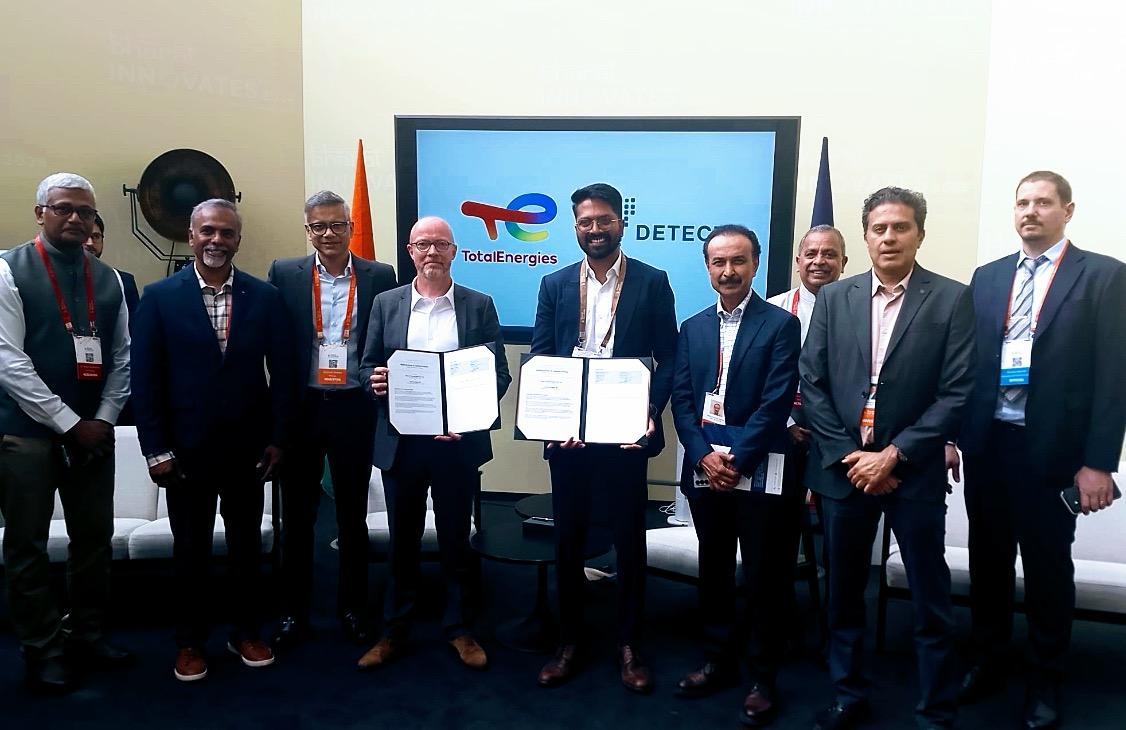
Collectively, these agreements are expected to unlock value creation of nearly US$100 million, strengthening India’s position as a global hub for deep-tech innovation and cross-border collaboration.
Speaking about Bharat Innovates 2026, Prof. V. Kamakoti, Director, IIT Madras, said,
“Bharat Innovates 2026 has proven to be a watershed moment for Indian deep tech. The MOUs exchanged are not just ceremonial – they are commercial, actionable, and backed by serious financial commitments. The premier higher educational institutions of Bharat have demonstrated that Indian innovation is ready to lead on the world stage.”
The startup partnerships announced included:
●Agnikul Cosmos with ICEYE, Finland, and Safran, France
●Detect Technologies with TotalEnergies
●TuTr Hyperloop with thyssenkrupp
●iElectron Technologies with ALTEN
●Indian Angel Network announced a potential investment in The ePlane Company
Prof. Manu Santhanam, Dean (Industrial Consultancy and Sponsored Research), IIT Madras, added,
“What we witnessed in Nice (France) was the translation of scientific excellence into cross-border economic value. The nearly US$ 100 million in expected value creation is a direct result of years of focused deep-tech incubation at IIT Madras. The partnerships with French and European industry leaders validate our approach.”
The two institutional MOUs further reinforced the global ambitions of the IIT Madras ecosystem:
– A strategic partnership between IITM Global and Agna Capital to establish the Bharat Innovates Fund aimed at catalysing investments in high-potential deep-tech ventures.
– A collaboration between IITM Global and SouthwestX to help Indian startups access and scale across the large German and French markets.
These institutional MOUs were exchanged in the presence of the Honourable Minister of Commerce and Industry, Piyush Goyal, and the Principal Scientific Adviser to the Government of India, Ajay Sood, reflecting strong national support for building globally connected innovation ecosystems.
Alongside the partnership announcements, IIT Madras presented a range of technologies and innovations developed by its research groups and startup ecosystem at Bharat Innovates. These included advancements in Hyperloop transportation, 5G and 6G communications, port automation, lab-grown diamond technologies, and indigenous AI systems designed for efficient computing.
Mr. Thirumalai Madhavnarayan, CEO and Director of IITM Global, said,
“The overwhelming response from stakeholders across Europe reaffirmed the growing global recognition of the IIT Madras innovation ecosystem as a trusted partner for building the next generation of globally scalable deep-tech enterprises.”
Beyond the formal agreements, the event generated interest from industry leaders, academic institutions, investors, and government representatives across the European Union, signalling significant opportunities for future collaborations with IIT Madras and IITM Global in research, innovation, entrepreneurship, talent development, and market expansion.
16, Jun 2026
Cough Syrups to Be Sold Only Through Licensed Pharmacies: Government
Bhubaneswar, June 16: In a significant move to curb the misuse of cough syrups and ensure public safety, the government has announced that cough syrups will henceforth be sold only through licensed pharmacies. The decision aims to strengthen regulatory oversight and prevent the unauthorized sale and consumption of medicines containing potentially addictive ingredients.

Representational image
According to official sources, the new directive mandates that all cough syrup products be dispensed exclusively by registered and licensed medical stores in accordance with existing drug control regulations. Authorities have been instructed to intensify inspections and take strict action against individuals or establishments found violating the rules.
The government stated that the measure has been introduced in response to growing concerns over the misuse of certain cough syrups, particularly among young people. Restricting sales through authorized pharmacies is expected to enhance accountability, ensure proper record-keeping, and promote the responsible use of medicines.
Drug control authorities will work closely with pharmacists, healthcare providers, and law enforcement agencies to ensure effective implementation of the directive. Public awareness campaigns are also expected to be launched to educate citizens about the safe and appropriate use of prescription and over-the-counter medicines.
The government reiterated its commitment to protecting public health and preventing the abuse of pharmaceutical products while ensuring that genuine patients continue to have easy access to necessary medications.
16, Jun 2026
CLIRNET Receives Recognition from Indian College of Anesthesiologists for Advancing Digital Medical Education
Mumbai, India June 16: CLIRNET, a global leading platform present across 30+ countries and serving a community of over 650,000 doctors worldwide, has been awarded a Certificate of Recognition by the Indian College of Anesthesiologists (ICA) in acknowledgment of its continued digital support and contribution towards strengthening medical education and professional development within the anesthesiology community.
The recognition highlights CLIRNET’s commitment to leveraging technology to bridge knowledge gaps, facilitate continuous medical learning, and enable healthcare professionals across India and beyond to access high-quality educational resources and expert-led discussions. Through its digital ecosystem, CLIRNET has consistently partnered with leading medical associations and institutions to support knowledge dissemination and foster clinical excellence.
The Indian College of Anesthesiologists, a distinguished academic body dedicated to advancing anesthesiology education and standards in India, acknowledged CLIRNET’s role in supporting its educational initiatives and helping expand the reach of its programs among medical professionals nationwide.
Connecting Doctors at Scale and What It Means for Patients
CLIRNET’s recognition by the ICA is not an isolated milestone; it is emblematic of a broader transformation underway in how India’s medical community learns, connects, and practices. With over 650,000 verified doctors engaged on the platform across 30+ countries, CLIRNET has built one of the largest and most active physician intelligence networks in the world. In India alone, the platform reaches practitioners spanning every major specialty from critical care and anesthesiology to cardiology, oncology, and primary care across tier-1 cities, tier-2 towns, and underserved geographies alike.
This scale of physician engagement carries direct, measurable consequences for patient care. When a doctor in a semi-urban hospital can access the same expert-led CME content, clinical case discussions, and evidence-based guidelines as a specialist in a metropolitan teaching hospital, the quality gap in patient care begins to close. CLIRNET’s platform makes this possible daily.
The ripple effect of this physician-patient connection includes:
-
Better clinical decision-making: Physicians regularly updated on the latest treatment protocols and drug advancements are better equipped to make informed, evidence-backed decisions at the point of care.
-
Reduced medical errors: Continuous learning and peer-to-peer case discussions on platforms like CLIRNET help doctors recognise atypical presentations, avoid diagnostic pitfalls, and adopt updated safety standards reducing preventable adverse events.
-
Equitable access to medical expertise: A patient in a smaller town is no longer limited by the local availability of specialist knowledge. When their doctor is connected to a national network of experts and KOLs through CLIRNET, that expertise flows directly into the consultation room.
-
Faster adoption of medical innovations: From new drug therapies to updated surgical protocols, CLIRNET accelerates the dissemination of medical breakthroughs shortening the gap between research and bedside practice.
In a country where doctor-to-patient ratios remain strained and healthcare infrastructure is unevenly distributed, platforms that elevate the knowledge and capabilities of every practising physician serve a critical public health function. CLIRNET’s work, as recognised by the ICA, is ultimately in service of the millions of patients whose care depends on a well-informed, continuously learning medical community.
Commenting on the recognition, Saurav Kasera, Co-founder, CLIRNET, said: We are deeply honored to receive this recognition from the Indian College of Anesthesiologists. At CLIRNET, our mission has always been to empower physicians through accessible, evidence-based, and technology-enabled learning. This acknowledgment reflects the collective efforts of our team and our continued commitment to supporting medical communities with meaningful digital solutions that enhance clinical knowledge and ultimately improve patient care. As we continue to expand our global footprint, recognitions such as these reinforce the impact that collaborative, digital-first medical education can have on healthcare professionals and patient outcomes.
This recognition from the Indian College of Anesthesiologists underscores CLIRNET’s ongoing commitment to advancing digital medical education and empowering physicians through technology-enabled learning. Serving over 650,000 doctors across 30+ countries, CLIRNET remains dedicated to fostering continuous professional development, facilitating expert-led knowledge exchange, and helping healthcare professionals stay at the forefront of medical advancements worldwide.
16, Jun 2026
NIVEA MEN extend Real Madrid Partnership, Taps into India’s Growing Football Fandom

Mumbai, India — June 16: NIVEA MEN and Real Madrid – global icons in skincare and football – have extended their long-standing partnership, reinforcing a shared commitment to performance, precision, and excellence.
As the collaboration evolves, NIVEA MEN is placing greater focus on fan engagement – bringing supporters closer to the club through elevated, experience-led initiatives that go beyond the game.
India is emerging as a key market in this journey. With one of the fastest-growing football fan bases globally, driven by young, digitally engaged audiences, the sport is rapidly moving into the mainstream. Real Madrid enjoys a deeply loyal following across metros and emerging cities, reflected in everything from late-night match screenings to vibrant fan communities.
To further engage consumers around the partnership, NIVEA MEN India is collaborating with leading e-commerce platforms to launch exciting consumer activations. Shoppers purchasing NIVEA MEN products above a specified value will stand a chance to win a trip to Spain to watch Real Madrid live, along with exciting official Real Madrid merchandise. The campaign will be activated in phases with e-commerce partners across June–October 2027.
Shweta Dalal, Marketing Director, NIVEA India, said, “Football in India today is so much more than a sport; it’s a shared passion that brings people together across cities, screens, and communities. From late–night match screenings to everyday conversations, the love for the game runs deep, especially among young fans who are shaping this culture in exciting new ways. And while this passion is thriving in India, it’s also part of a global culture that unites millions across continents under the same anthem of the beautiful game . Clubs like Real Madrid hold a special place in their hearts, inspiring a sense of belonging and pride. At NIVEA MEN, we see this as an opportunity to connect with fans in a way that feels authentic and meaningful. Much like Real Madrid – whose very name ‘Real’ means royal in Spanish
– NIVEA MEN stands tall as a trusted ruler in the world of grooming, creating experiences that bring fans closer to the teams they love while making everyday moments a little more special. As true Real Madrid fans say, ‘Hala Madrid’ — stay tuned and keep an eye on the NIVEA MEN Instagram handle for what’s coming next.”
Building on a legacy of connecting with millions of fans worldwide, the partnership continues to align with NIVEA MEN’s vision of empowering men to feel confident in their skin. By combining global brand strength with locally relevant experiences, NIVEA MEN is further strengthening its position among modern Indian consumers while deepening its connection with the country’s evolving football culture


