


16, Jun 2026
AD Ports Group and Dajin Heavy Industry Sign MoU to Explore Offshore Wind and Maritime Opportunities
ollaboration to explore scalable solutions in high-growth renewable energy market
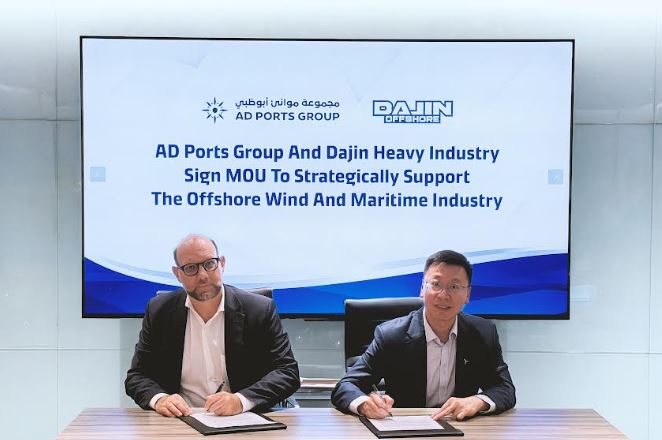
Abu Dhabi, UAE – 16 June 2026: AD Ports Group (ADX: ADPORTS), a leading global enabler of trade, industry, and logistics solutions, has signed a Memorandum of Understanding (MoU) with Dajin Heavy Industry Co., Ltd. a leading offshore wind equipment manufacturer to explore long-term cooperation across offshore wind supply chain development, maritime logistics, port infrastructure, and strategic vessel investments.
The collaboration builds on a series of strategic initiatives and partnerships announced by AD Ports Group in the renewable energy and offshore sectors, including recent agreements with Masdar, Siemens Energy, and Green Parrot, as well as the acquisition of Balenciaga Astilleros Shipyard in Spain, a specialist in offshore wind construction, all of which are building the Group’s offshore energy capabilities.
The MoU reflects the shared ambition of both parties to combine their complementary strengths in order to accelerate growth within the offshore wind and energy infrastructure markets in Europe and other regions.
Under the framework of the MoU, both parties will explore opportunities, including transportation solutions for offshore wind components, development of pre-assembly hubs, cooperation on selected offshore wind tenders and industrial projects, plus fabrication, assembly, and logistics solutions for offshore energy infrastructure.
Friedrich Portner – Chief Commercial Officer, Maritime & Shipping Cluster, AD Ports Group, said: “We are pleased to partner with Dajin Heavy Industry to jointly work on opportunities that leverage our maritime and logistics capabilities in support of the offshore wind sector, a strategic growth area for us. Together, we aim to deliver more integrated, efficient solutions across the renewable energy value chain.”
Walid Oulmane, Chief Commercial Officer – New Products, Dajin Heavy Industry, said: “This MoU represents an exciting opportunity to combine industrial strength, maritime expertise, and long-term strategic vision. We believe both companies can create meaningful value together in support of the global energy transition.”
The offshore wind energy market continues to experience strong global growth, driven by accelerating decarbonisation targets, large-scale renewable energy investments, and the expansion of offshore wind capacity across Europe, Asia, and emerging markets. The industry is projected to grow from USD 109 billion in 2026, to USD 307.5 billion by 2035, reflecting the increasing scaled and strategic importance of offshore wind within the global energy transition.
- 0
- By Neel Achary

16, Jun 2026
Ericsson Mobility Report: India’s 5G subscriptions to reach 1.1 billion by 2031
More than 1.1 billion 5G subscriptions are expected in India by the end of 2031, reaching 81 percent subscription penetration. 5G adoption in India continues to grow rapidly, driven by the availability of affordable 5G-enabled smartphones and devices, expanded network coverage across almost all districts, and the increasing rollout of 5G Fixed Wireless Access (FWA) services. These findings are highlighted in the June 2026 edition of the Ericsson (NASDAQ: ERIC) Mobility Report (EMR).
The June 2026 report covers the same period (2025-2031) as the November 2025 edition, with updated statistics and forecasts.
5G subscriptions reached 430 million at the end of 2025, accounting for 35 percent of total mobile subscriptions. While 4G remains the dominant technology at 46 percent, subscriptions are forecast to decline from around 570 million in 2025 to nearly 160 million by 2031, as users migrate to 5G.
The country also continues to lead globally in mobile data consumption per smartphone, with average monthly usage already at 37 GB and expected to nearly double to 70 GB by 2031.
Nitin Bansal, Managing Director, Ericsson India, says ” India’s rapidly growing 5G adoption based on enhanced mobile broadband and 5G FWA is transforming consumer experiences. The robust and secure 5G infrastructure in the country is driving inclusion, governance, and innovation at scale and is serving as a powerful foundation for Digital India.”
In a significant development, a service provider in India recently launched differentiated connectivity services based on network slicing for its postpaid 5G customers, signaling the evolution of advanced 5G use cases in the market.
Global Momentum
Global 5G mobile subscriptions passed the three billion mark during the first quarter of 2026; 5G Standalone (SA) network slicing commercial offerings from communications service providers continue to grow significantly; while uplink mobile data traffic growth is already outpacing downlink for many service providers.
The 162 million new 5G subscriptions added globally during the first quarter of 2026 brought the total past the three billion mark, to 3.1 billion subscriptions. This figure is expected to grow rapidly and is forecast to more than double (to 6.4 billion) by the end of 2031.
Some 390 service providers have launched commercial 5G services to date – more than 90 of which have launched 5G Standalone (SA). 5G networks handled 48 percent of all mobile data traffic at the end of 2025 – a figure expected to rise to 85 percent by the end of 2031. Western Europe, North America, North East Asia and the Gulf Cooperation Council (GCC) countries are forecast to have 5G mobile subscription adoption close to, or above, 90 percent by the end of 2031.
The number of commercial differentiated connectivity service offerings based on 5G SA network slicing from service providers – with the ability to deliver guaranteed quality of service for use cases through securing slices of the network – continues to grow at pace. The total increased from 65 in the November 2025 EMR report to 84 across all regions in the new June edition – indicating that services based on differentiated connectivity are moving from early adoption to mainstream commercialization.
“With the upcoming transition to physical AI, traffic patterns will fundamentally shift as we move from centralized models in data centers to distributed, autonomous AI agents embedded across our device vehicles and cities, commonly connected by 5G,” Erik Ekudden, EMR publisher and CTO, Ericsson, says.
“Mobile networks are no longer only about providing best-effort connectivity, they are becoming critical, intelligent infrastructure that meets diverse application needs. Reflecting part of this shift is the continued rise in new commercial service offerings based on 5G standalone network slicing and the number of communications service providers deploying 5G SA.”
Speed-based tariff plans for fixed wireless access (FWA) also continue to appeal to service providers as a structured monetization strategy targeting different market segments. The share of FWA service providers offering the service over 5G has reached 71 percent – up from 57 percent in June 2025 – the largest annual increase in four years. Speed-based tariff plans are now offered by 57 percent of FWA service providers – up from 51 percent a year ago.
The diverse momentum is reflected in new 5G FWA launches in Algeria, Argentina, Bangladesh, Morocco, Taiwan, Türkiye and Vietnam.
5G FWA connections uptake is strongest in North America, the Nordics, the Gulf Cooperation Council (GCC) countries and parts of Asia.
Changing user behavior is also reflected in the June 2026 EMR network traffic statistics.
Uplink traffic is growing faster than downlink for most service providers – in some instances, significantly faster. The main current drivers are smartphone communication and collaboration apps, the sharing of user-generated content, and cloud storage.
Based on network traffic measurements conducted by Ericsson 43 out of 55 service providers experienced a higher uplink growth rate than downlink; 17 out of 55 service providers experienced more than 1.5 times higher uplink growth rate than downlink. Ericsson scenario modeling suggests additional AI traffic could result in uplink traffic being three times higher or more in 2031 compared to 2025.
Network data traffic (for both mobile and FWA) grew 22 percent year-on-year for the first quarter of 2026 compared to the same period in 2025 – exceeding expectations. This was driven mainly by continued strong growth in India and North America
The report also reflects the increasing industry focus on 6G – with standardization discussions underway. Early expectations include full support for integrated sensing and communication (ISAC); seamless integration between terrestrial and satellite networks to reduce coverage gaps; and a strong focus on energy efficiency – all driven by AI-native 6G.
The first implementable 6G specifications are expected to be finalized by the end of 2028 or early 2029. The first commercial 6G services are expected to follow around 2030, with varying subsequent uptake between regions and countries. As with 5G launches, the US, China, Japan, South Korea and the GCC countries are expected to be early adopters.
16, Jun 2026
Calicut FC Welcomes Newborns into the CFC Family on Second Foundation Day
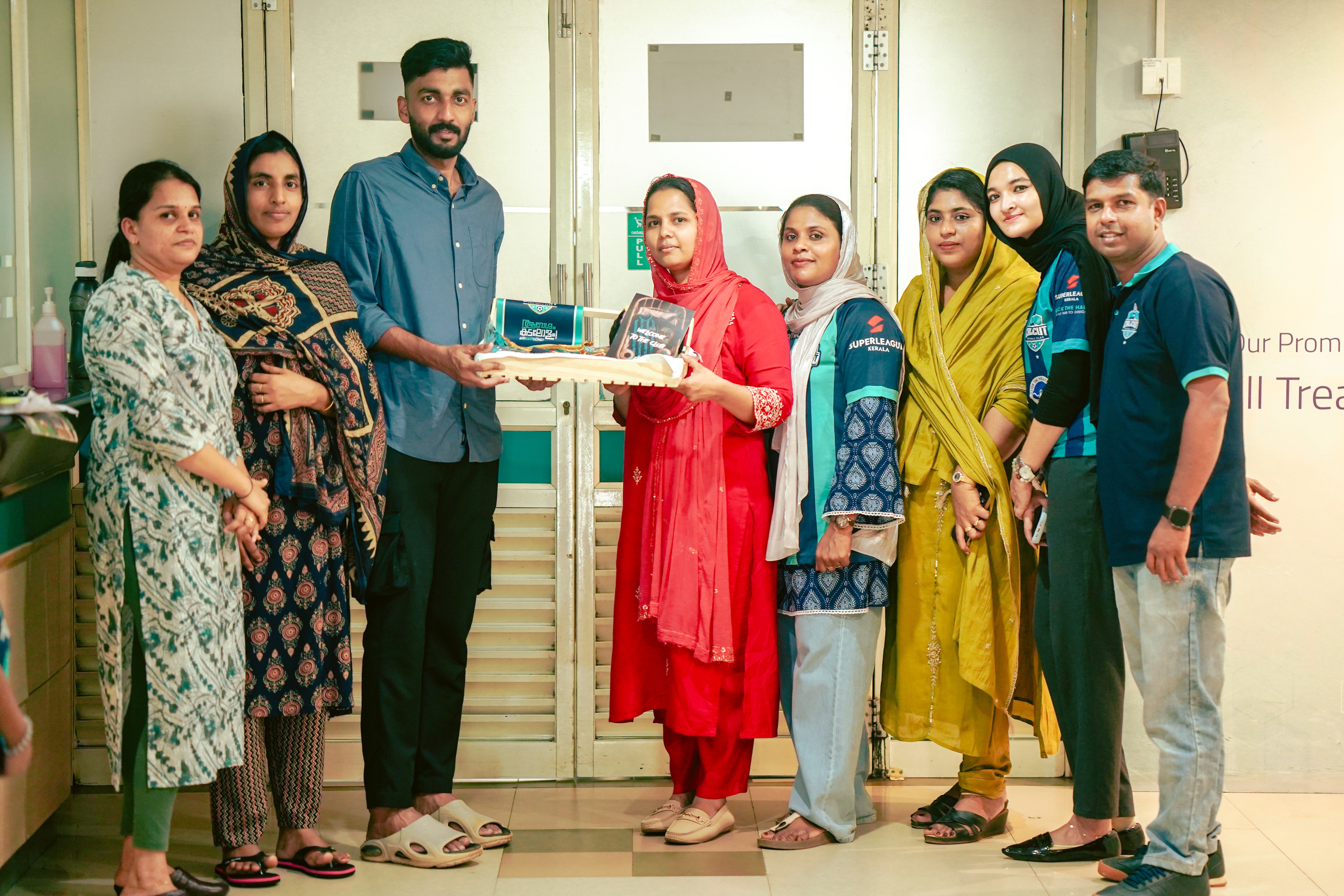
Kozhikode, June 16: Marking its foundation day with a heartfelt community initiative, Calicut FC welcomed babies born on June 15 as the youngest members of the CFC family.
Representatives from Calicut FC, Lady Beacons, and Beacons Brigade celebrated the birth of the newborns and shared special moments with their families across the hospitals in Calicut, including Aster MIMS Hospital, IQRA Hospital, Starcare Hospital, and Fathima Hospital.
As part of the second foundation day celebrations, families received specially curated hampers containing a club jersey, a soft football, a tote bag, and a welcome card.
“Our Foundation Day is not only about looking back at our journey as a club but also about celebrating the future. Welcoming these newborns into the CFC family was a special experience for all of us. We wanted to mark this day by sharing joy with families and creating a connection that they can cherish for years to come,” said Bino Jose Eapen, Club Secretary, Calicut FC.
The occasion brought smiles to parents and hospital staff alike, creating memorable moments on a day that holds special significance for the club. Through this Foundation Day celebration, Calicut FC sought to connect with the people of Calicut in a meaningful way and extend the spirit of football beyond the field.
16, Jun 2026
Evergreen Goodwill Unveils New Mural by Seattle Artist in World’s Largest Goodwill
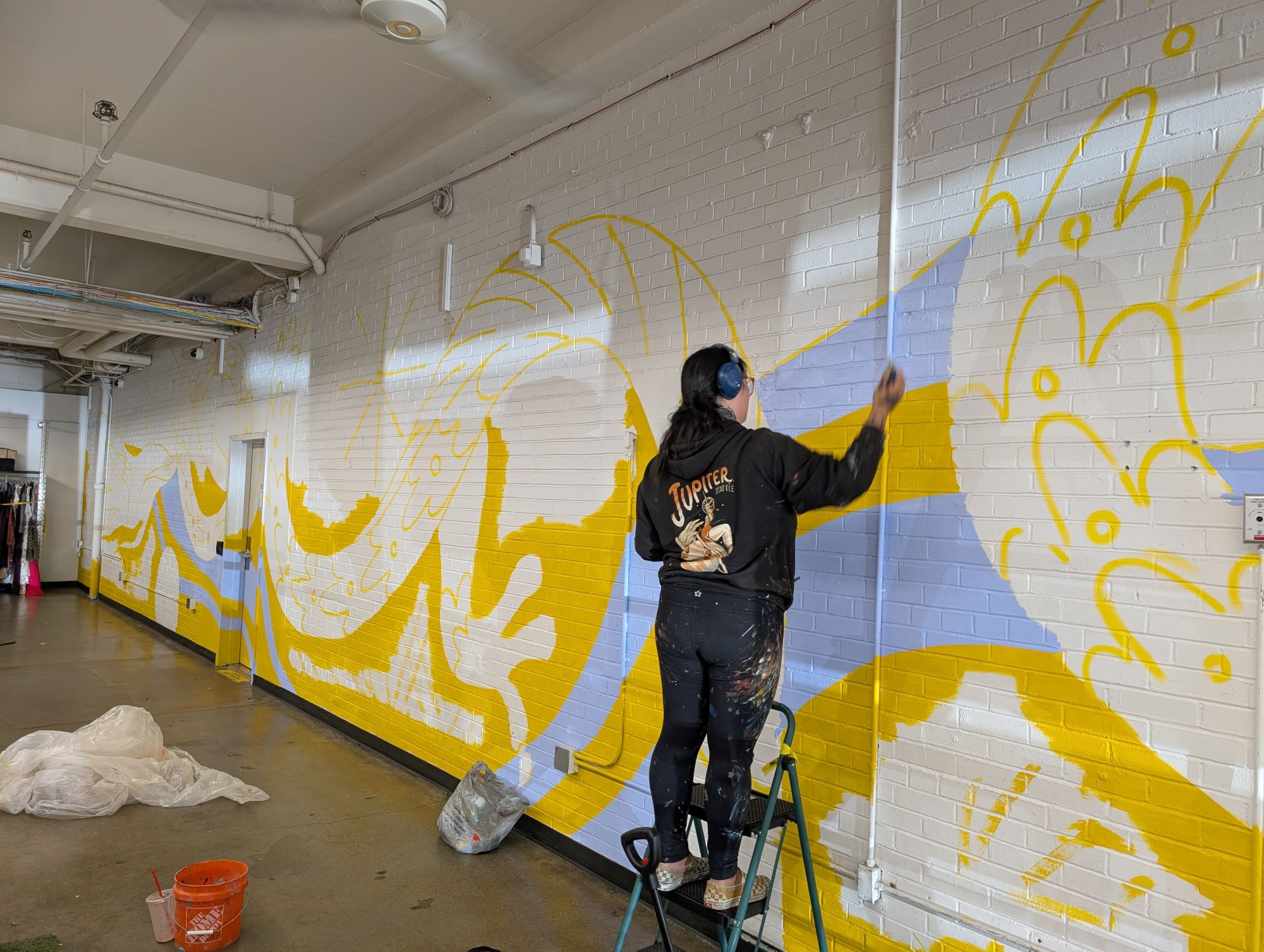
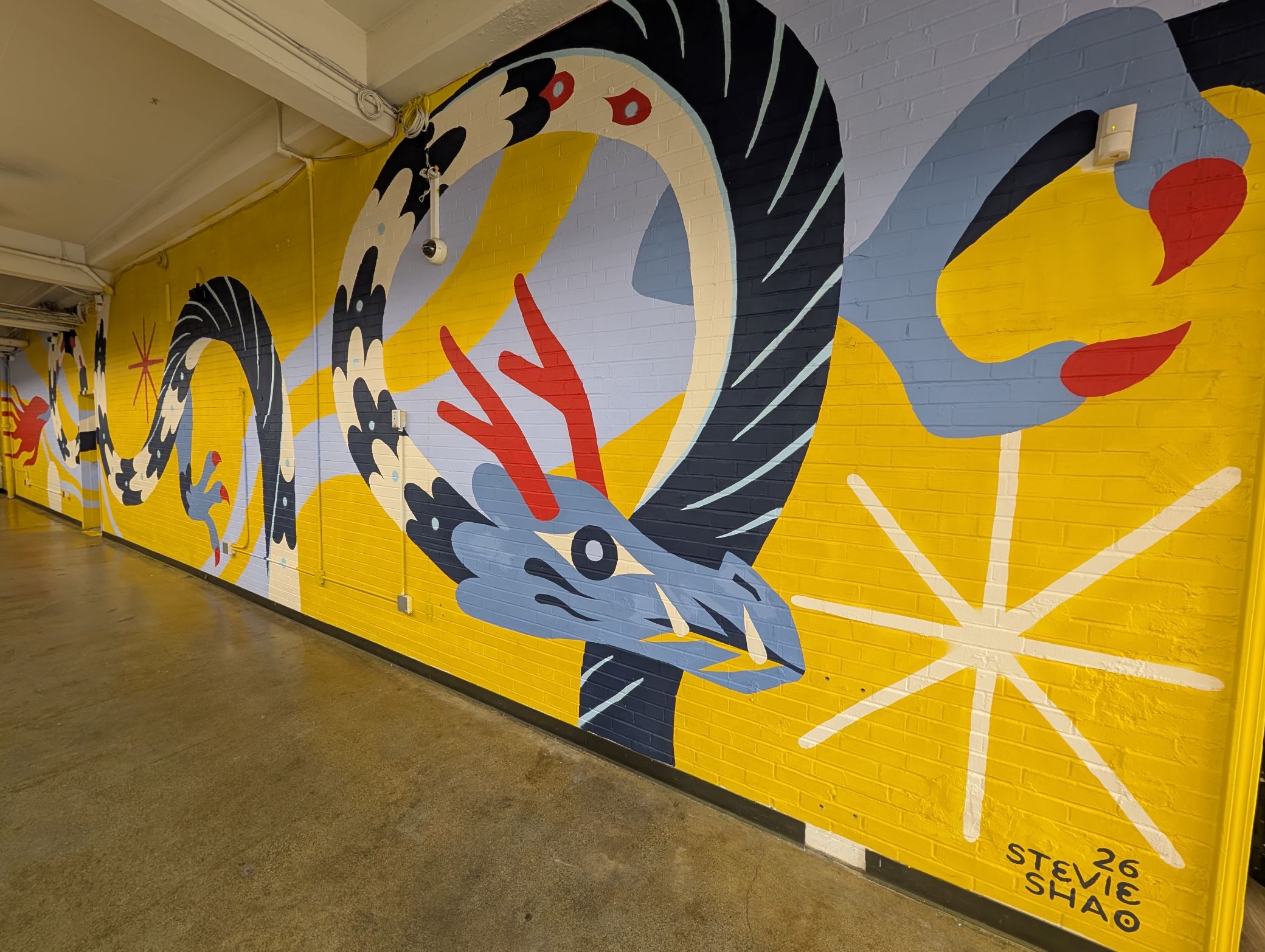
SEATTLE, June 16: As global soccer brings visitors from across the country and around the world to Seattle, Evergreen Goodwill of Northwest Washington is proud to introduce a vibrant new addition to its Seattle flagship store, the world’s largest Goodwill: a permanent mural by celebrated Seattle artist Stevie Shao.
Located just steps from Seattle Stadium, Goodwill’s 70,000-square-foot flagship store offers a distinctly local experience for visitors: part retail destination, part reflection of Seattle’s commitment to sustainability and community. Now, with the addition of Shao’s mural in one of its most visible, high-traffic interior spaces, the store offers an even richer sense of place for both travelers and locals exploring the neighborhood.
As one of the most unique retail destinations near the stadium, the store offers something distinctly local: a shopping experience shaped by community contributions, where every purchase supports life-changing programs—and now, a striking work of art that brings that mission to life.
The mural gives the space a new look at a time when the city is drawing global attention. Created in Shao’s signature style, it draws inspiration from themes of community, opportunity, and place, which makes her the perfect partner for a project rooted in the diversity and energy of Seattle’s Chinatown–International District and surrounding community. Completed in early June and designed as a permanent installation, the mural is intended to become a defining feature of the flagship store. As visitors explore the city this summer, Goodwill offers more than a place to shop; it’s an opportunity to experience a uniquely local intersection of art, community, and impact.
For more than 100 years, Evergreen Goodwill has generated revenue through retail to support tuition-free job training and education programs across Northwest Washington. The new installation builds on that mission by investing in placemaking and storytelling, transforming a high-traffic retail environment into a space that reflects the people and communities it serves.
The mural marks Evergreen Goodwill’s second collaboration with Shao, following a limited-edition tote bag for Secondhand Sunday last year. The continued partnership highlights the organization’s approach to working with artists as creative collaborators, while deepening ties to the local arts community.
16, Jun 2026
Government Temporarily Restricts Telegram Access in Select Context Ahead of NEET (UG) 2026 Re-Exam

New Delhi, June 16: In view of concerns related to exam integrity and the upcoming NEET (UG) 2026 re-examination, authorities have implemented a temporary restriction on certain online communication platforms, including Telegram, as a precautionary measure. The restriction will remain in place until June 22, 2026.
Officials stated that the decision has been taken to prevent the potential misuse of digital platforms for the circulation of sensitive examination-related content, including unauthorized sharing of question papers, answer keys, or related materials. The move is part of a broader effort to ensure transparency, fairness, and credibility in high-stakes national examinations.
Authorities emphasized that safeguarding the examination process is a priority, and necessary steps are being taken to maintain a secure and unbiased environment for candidates. Monitoring mechanisms have been strengthened to prevent any form of malpractice or information leakage during the examination period.
The temporary measure is expected to be lifted after the completion of the re-examination cycle, subject to review. Officials have also urged students and stakeholders to rely only on official communication channels for updates related to NEET (UG) 2026.
The government reiterated its commitment to conducting examinations in a fair and secure manner, ensuring equal opportunity for all candidates.
16, Jun 2026
EIZO Recognized by CDP as a Supplier Engagement Leader for Climate Change Response for the Fourth Consecutive Year
Hakusan, Japan – EIZO Corporation (TSE: 6737) announced that it has been recognized as a Supplier Engagement Leader, the highest rating, for the fourth consecutive year by the CDP, an international not-for-profit organization that operates a global disclosure system for managing environmental impacts.
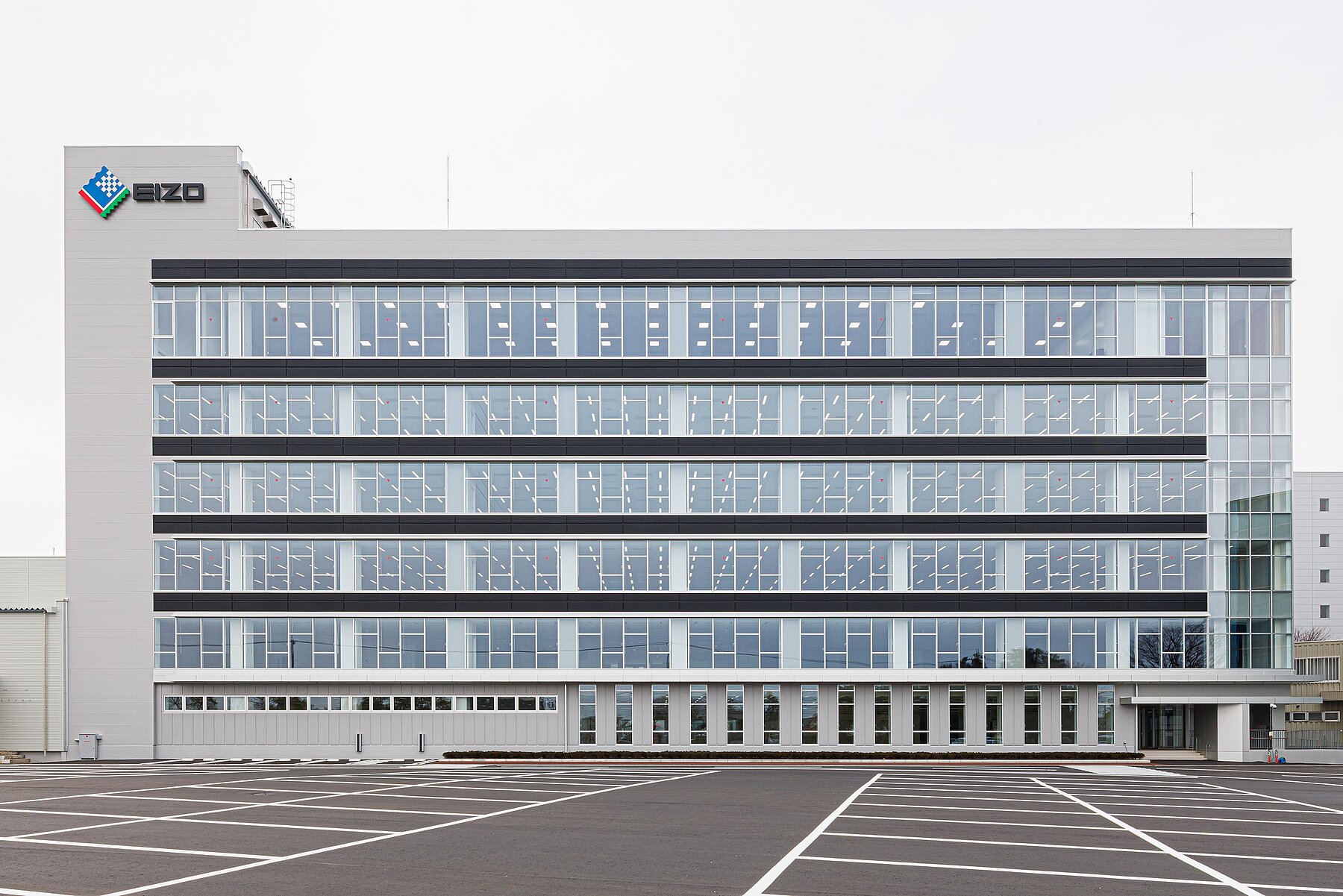
The CDP’s annual Supplier Engagement Assessment (SEA) evaluates a company’s supply chain engagement as it relates to climate issues based on responses to five key areas of the CDP Climate Change Questionnaire related to risk management processes, governance and business strategy, supplier engagement, scope 3 emissions incl verification, and targets. By engaging with their suppliers on climate change, Supplier Engagement Leaders play a crucial role in the transition to a net-zero sustainable economy.
In line with EIZO’s corporate philosophy of “Through the pursuit of imaging solutions with advanced technologies, we enrich people in their professional and personal lives,” EIZO has continued to carry out environmentally conscious product manufacturing and business activities.

EIZO is further accelerating Response to Climate Change and Supply Chain Management, EIZO’s materialities, by implementing information disclosure based on TCFD recommendations and obtaining SBT certification for its GHG (greenhouse gas) emission reduction targets, with the understanding and cooperation of our suppliers. In addition, EIZO established its “Transition to Net Zero” climate transition plan, under which EIZO aims to achieve Net Zero GHG emissions by the year 2040. EIZO will continue to contribute to the realization of a decarbonized society through these and other initiatives.
16, Jun 2026
Speedioo Raises INR 10 Crore Seed Funding Led by Atomic Capital to Expand India’s Used Two-Wheeler Market Presence
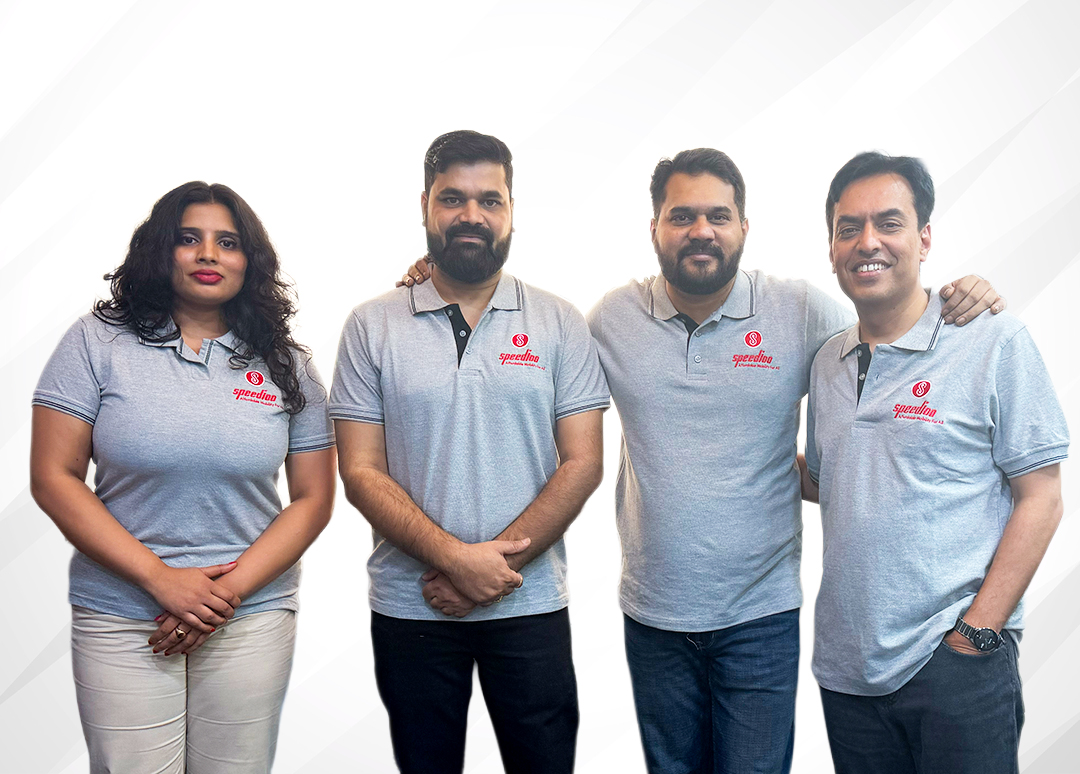
Pune, June 16 : Consumer-Tech platform Speedioo has raised INR 10 crore in a seed round led by Atomic Capital. This marks the company’s first institutional fundraise, with the capital set to be used towards building its AI-native technology stack, expanding distribution across key demand centres in India, deepening its partnerships with OEMs as a key growth driver, and scaling its dealer partner and retail network. As a part of its expansion strategy, Speedioo also plans to grow its retail footprint across cities through a scalable franchise model aimed at strengthening its supply & operational Infrastructure, along with expanding its senior leadership team.
The company plans to integrate its value chain end to end with the AI enabled platform to transform core processes including procurement, price discovery, vehicle assessment and selling price by leveraging new age AI capabilities. Speedioo aims to expand its distribution network into top 3 – 4 cities and deepen its retail footprint through a scalable franchise-led model.
Co-founded by Sagar Potphode and Ajit Deshmukh, both former senior operators at CredR and Rentomojo, Speedioo has grown more than 5X in topline over the last 12 months while staying EBITDA and cash flow positive, a rare combination in a category that has historically been built on heavy capital burn.
Commenting on the fundraise, Sagar Potphode, Co-Founder & CEO, Speedioo says,
“At Speedioo, we are building much more than a used two-wheeler company. We are building a trusted and sustainable consumer brand for the next billion Indians aspiring to own personal mobility. For a large part of India, a two-wheeler is not just a vehicle. It is access to livelihood, independence and opportunity. Yet the category continues to suffer from low trust, poor transparency and inconsistent customer experiences. Our vision is to build India’s most trusted omnichannel and technology-driven platform in this category by combining deep operational execution with innovative product and technology infrastructure. While Tier 1 markets remain important, we strongly believe the real long-term opportunity lies across Tier 2, 3 and 4 India, where accessibility and affordability matter even more. We believe sustainable businesses are built by solving real problems at scale, and this fundraise gives us the foundation to accelerate that journey responsibly.”
Speedioo has crossed Rs 30 crore in GMV and has sold over 4000 vehicles in the last year with a sharpening focus on high-end models reflecting the premiumization tailwinds among aspirational customers within the second-hand category. With strategic partnerships with leading EV brands for exclusive exchange programs, 200+ active dealers across Bangalore, Mumbai and Pune, Speedioo aims to grow this by 10X in the coming year.
Apoorv Gautam, Founder & Managing Partner, Atomic Capital says,
““We are excited about the megatrends shaping India’s used two-wheeler category. The used market is roughly 1.5X the size of the new two-wheeler market, and as Indian consumers grow more aspirational, premiumization within the second-hand category is becoming a defining theme. Despite the scale of the opportunity, there is no clear winner today, no ‘Spinny for bikes’, and the rapid electrification of two-wheelers opens up an entirely new whitespace for organised, tech-led players. We have deep respect for the way Sagar and Ajit have built Speedioo: bootstrapped, capital-efficient, with strong unit economics and overall profitability from very early on. Their DNA aligns closely with our playbook of not throwing capital at the problem, but building sustainable businesses that scale exponentially. We also have a sharp point of view on value creation in this category, across technology platform building, distribution expansion, and a deliberate focus on the most lucrative segments. We are excited to partner with the Speedioo team on this journey.”
As a part of its growth phase, Speedioo aims to cross INR 100 crore ARR while expanding its presence in new markets where demand for trusted mobility solutions continues to rise.This includes diversifying sourcing channels across interstate and intracity markets, strengthening OEM relationships, expanding dealer penetration, introducing financing and warranty products, opening additional retail stores, and entering new Tier 1, 2, 3, and 4 markets.
Speedioo’s expansion strategy is anchored on three pillars: supply, demand, and channel expansion. The Company plans to diversify its acquisition channels, aggressively go behind the rapidly emerging EV resale ecosystem, where significant whitespace opportunity exists and doubling down on dealer partner penetration in existing cities, where current penetration remains limited.
As part of its channel expansion, Speedioo plans to open new retail stores across existing markets and enter 2 – 3 new cities in this financial year. The Company will also invest in building large-scale customer experience and fulfilment capabilities, which will be backed by technology-led operational infrastructure.
India’s used two-wheeler market is estimated at approximately Dollar 28 billion in size and is roughly 1.5X the volume of the new two-wheeler market. Despite this scale, the category remains over 95% unorganised, with no clear consumer brand winner. Recent exits and consolidation among well-funded predecessors have left a wide-open lane for a capital-efficient, operator-led player to define the category.
16, Jun 2026
Pathfinder International Launches Women&Co and Advances Inclusive ESG Transformation in Egypt
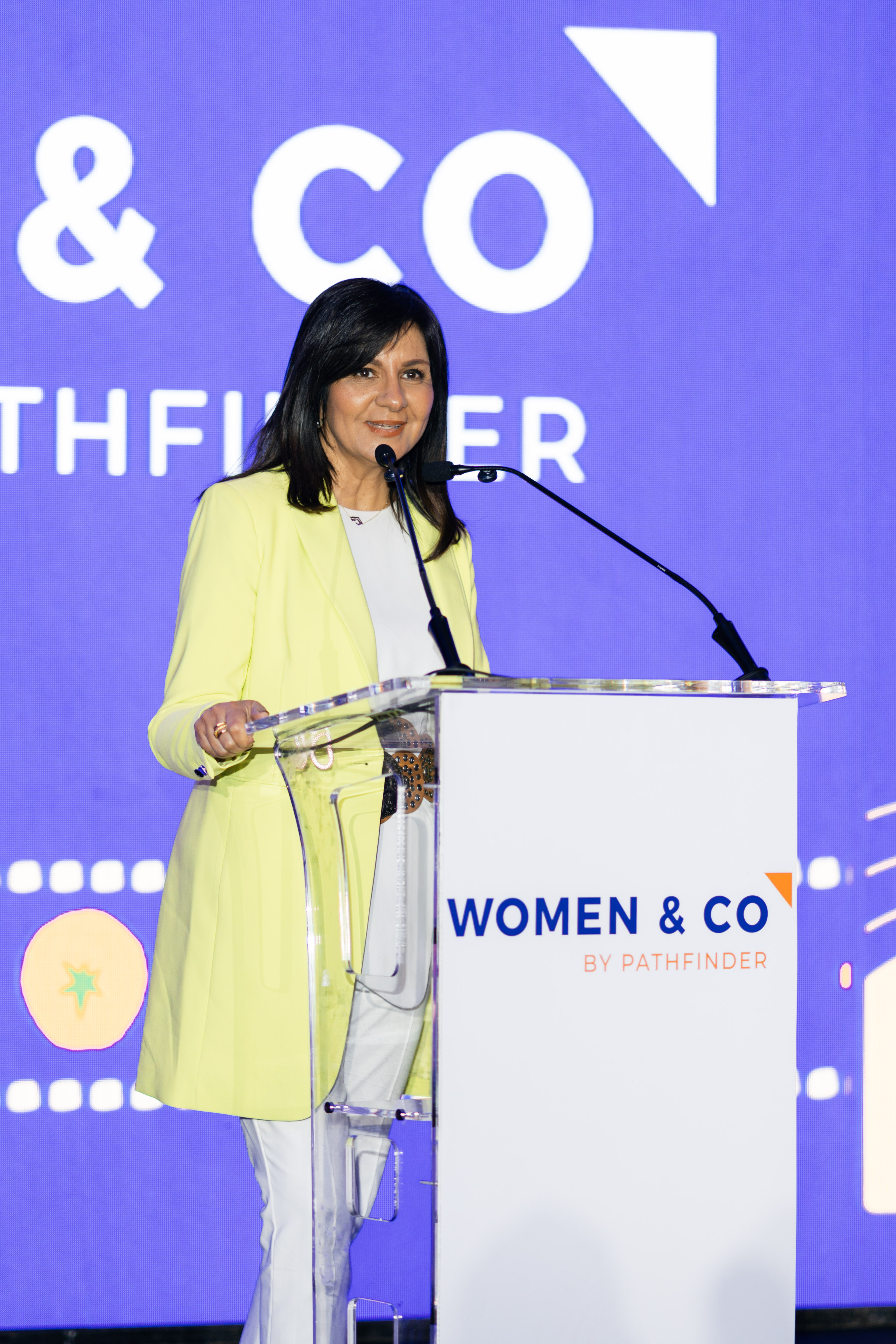
Cairo, Egypt, 16 June: Pathfinder International officially launched Women&Co, a new innovation platform designed to advance women’s economic empowerment, employment, and inclusive opportunities while devising solutions to social, economic, and environmental challenges in Egypt. The launch event brought together key stakeholders and featured the participation of Ms. Dina El Serafy, Assistant Minister of Social Solidarity for International Cooperation; Dr. Sahar El Sonbaty, President of the National Council for Childhood and Motherhood (NCCM); Ms. May Mahmoud, General Director of the Women Business Development Center at the National Council for Women (NCW); Ambassador Nabila Makram, Head of the Technical Secretariat of the National Alliance for Civil Development; and Dr. Mohamed Abou Nar, Chief Programs & Impact Officer at Pathfinder International.
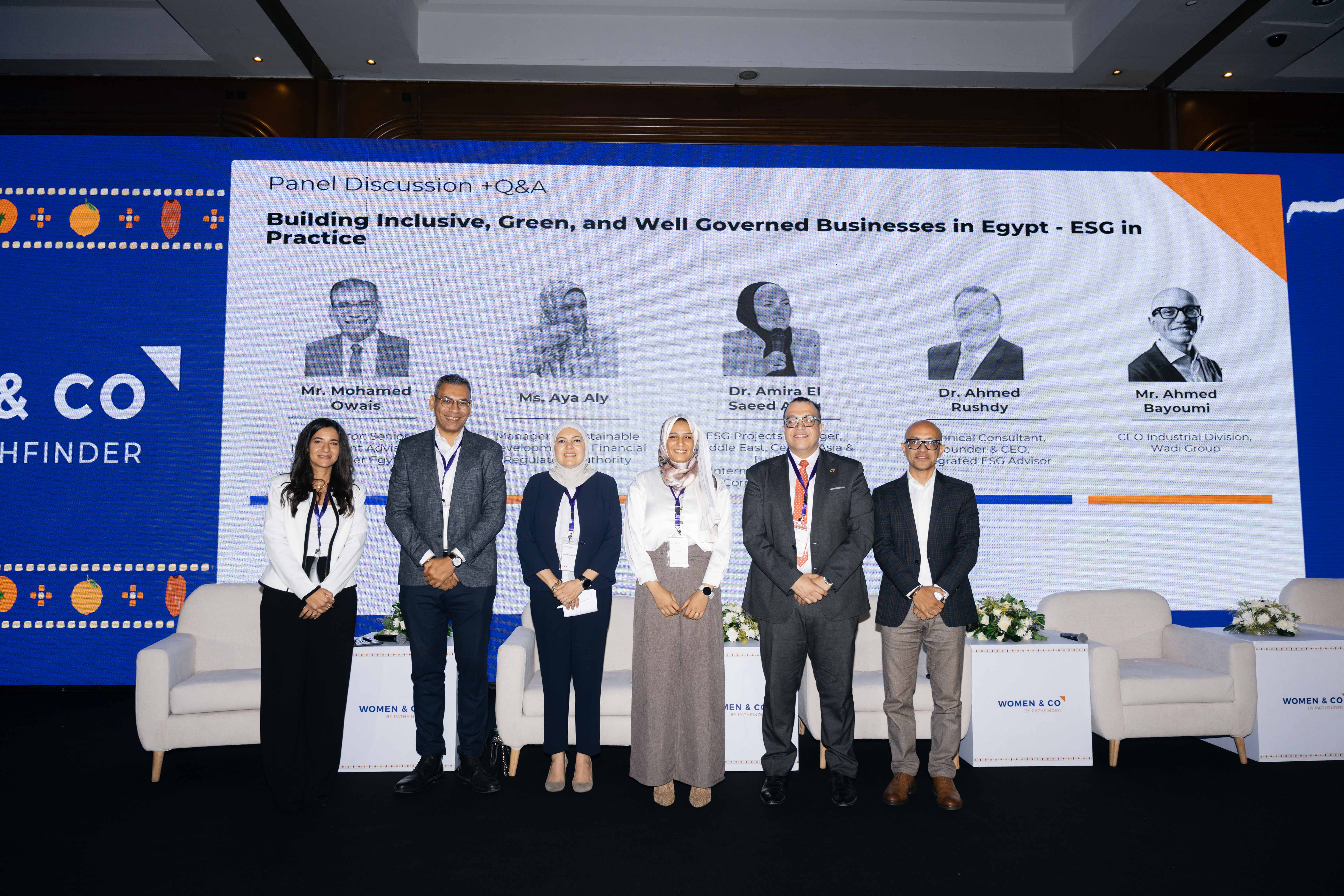
The event also brought together representatives from the United Nations Population Fund (UNFPA), the World Health Organization (WHO), CARE International, the Italian Agency for Development Cooperation (AICS), the UK Foreign, Commonwealth & Development Office (FCDO), the International Finance Corporation (IFC), the Financial Regulatory Authority (FRA), Banque Misr and Abu Dhabi Islamic Bank Egypt.
The launch event marked the announcement of the first service to be offered under the platform: Environmental, Social, and Governance (ESG) advisory and capacity-strengthening services for the private sector. The services will support companies in improving ESG performance, strengthening workplace inclusion, and advancing climate-responsive policies and practices. Particular emphasis will be placed on helping businesses strengthen the social dimension of ESG through gender-equitable workplaces, inclusive leadership pipelines, employee wellbeing, and female workforce retention. By translating these practices into measurable ESG indicators, companies can enhance their sustainability performance, strengthen their readiness for sustainable and green finance, and improve long-term business resilience and competitiveness.
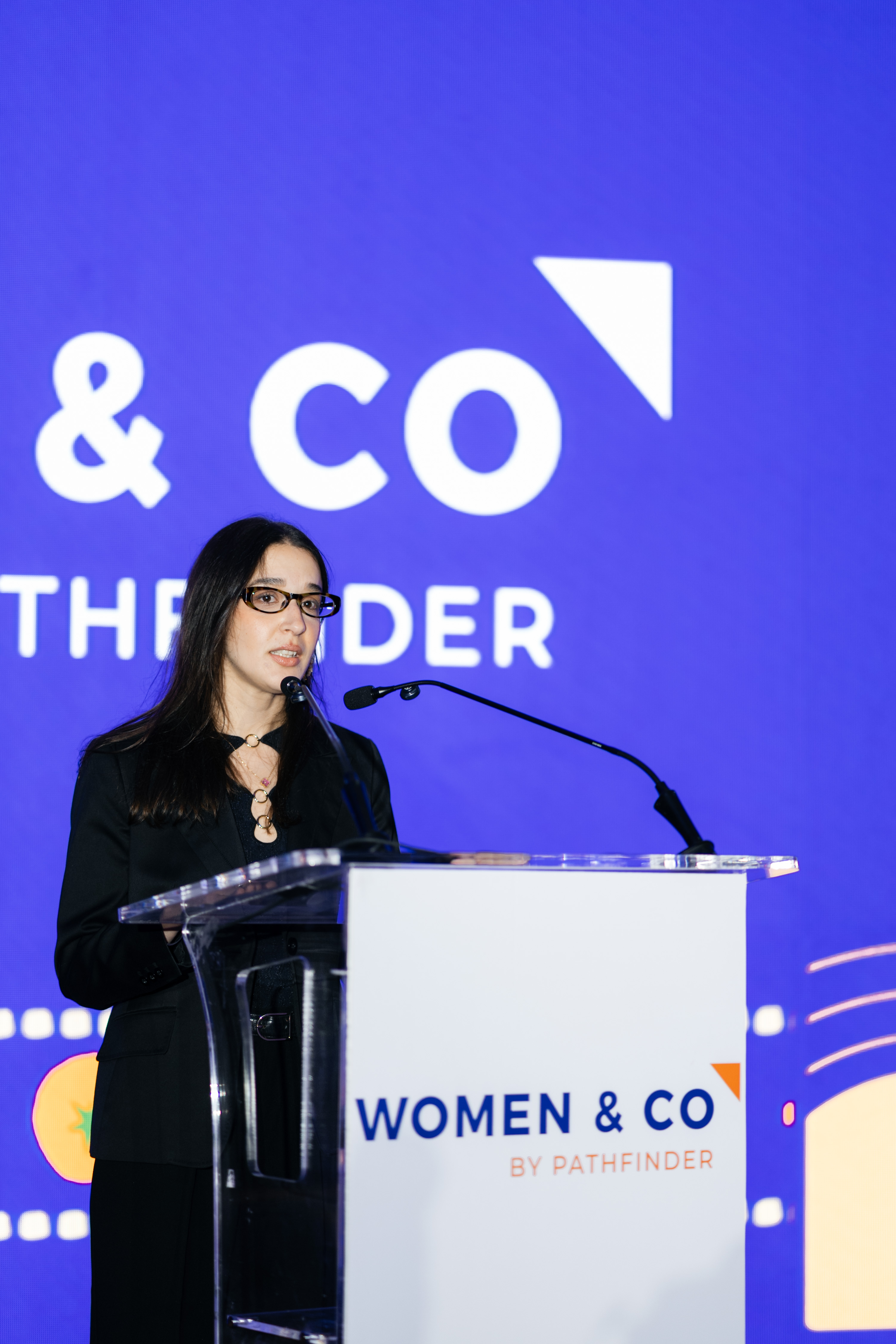
The launch brought together senior representatives from government, the private sector, financial institutions, development agencies, and international organizations to explore how gender equity, climate action, and sustainable finance can drive more resilient and inclusive economic growth in Egypt.
A key feature of the event was its co-creation approach. Through workshops and consultations, private-sector partners, civil society organizations, and women from local communities worked directly with Pathfinder to help shape future of inclusive ESG service offerings, ensuring that solutions are practical, business-driven, and tailored to the specific needs of women and companies operating in Egypt.
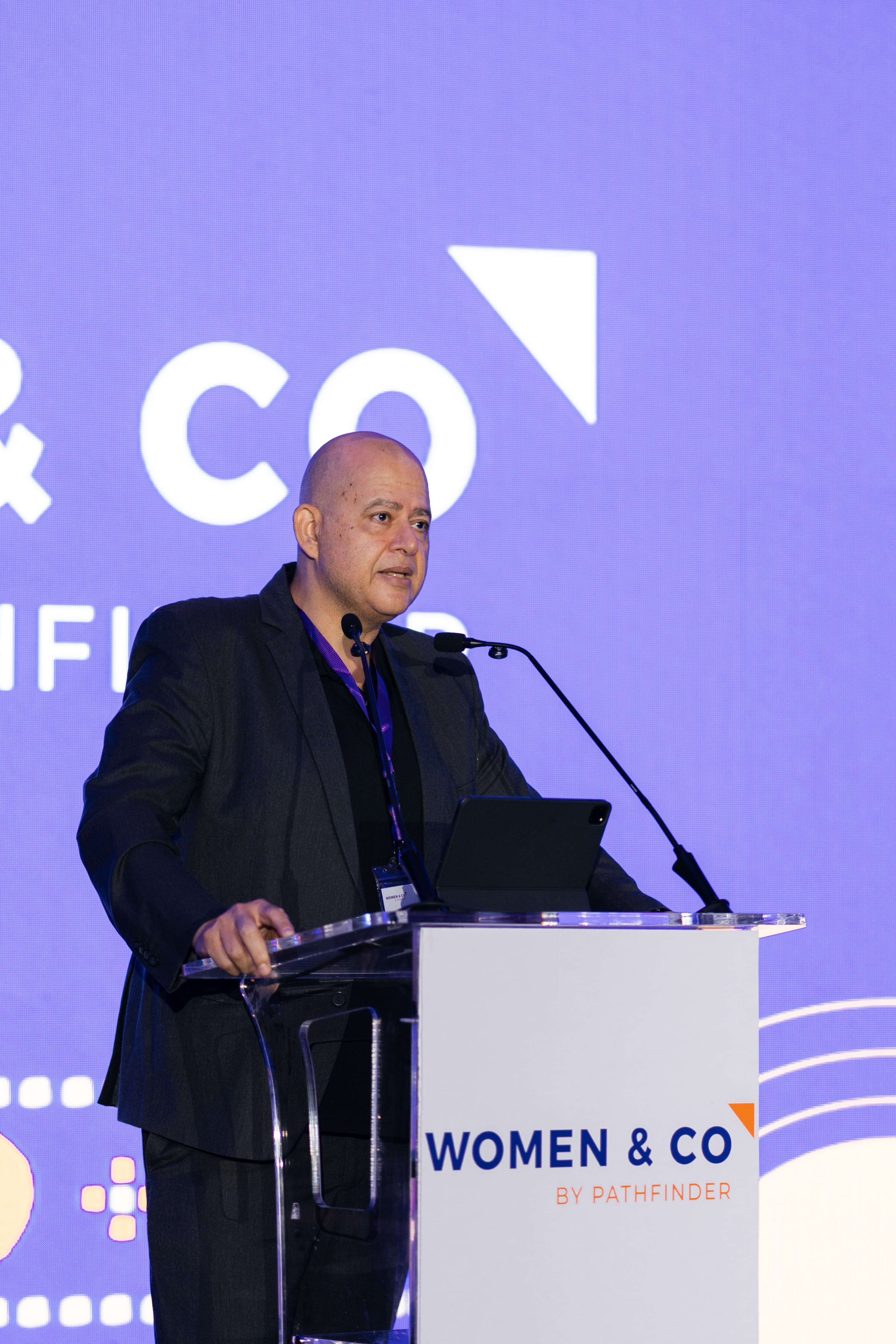
Commenting on the launch, Dr. Mohamed Abou Nar, Chief Programs & Impact Officer at Pathfinder International, welcomed the strong participation of representatives from government entities, the private sector, financial institutions, development agencies, and international organizations. He emphasized that the launch of Women&Co marks a strategic step toward advancing inclusive and sustainable economic growth in Egypt.
“The launch of Women&Co is more than the introduction of a new platform; it reflects a tangible commitment to advancing women’s economic empowerment and strengthening their active role in development, in line with Egypt Vision 2030, which places women at the heart of the country’s sustainable development agenda,” said Abou Nar.
He added: “We firmly believe that empowering women and creating equal opportunities in employment and entrepreneurship not only improves the lives of women and their families, but also represents a direct investment in building a stronger, more resilient, and sustainable economy. Through Women&Co, we aim to develop practical and sustainable solutions that support women, businesses, and local communities while generating measurable social and economic impact. The platform adopts a collaborative approach that brings together the public and private sectors, civil society organizations, and development partners to design services and initiatives that address real market needs and contribute to inclusive and sustainable growth pathways in Egypt.”
Pathfinder International highlighted the importance of positioning women’s economic inclusion as a driver of sustainable business performance, ESG readiness, and long-term competitiveness. Discussions throughout the day explored topics including gender inclusion in the workplace, carbon emissions reduction, the implications of the Carbon Border Adjustment Mechanism (CBAM) for Egyptian businesses, and pathways to expanding access to green and inclusive finance.
16, Jun 2026
AI is changing what is possible in the $10 trillion food industry. Anterra Capital is backing what comes next
Specialist food and agriculture investor announces $100 million first close of Fund III as the sector enters the most attractive deployment moment in twelve years.
AMSTERDAM and BOSTON – June 16; Food and agriculture has been through a noisy capital cycle. A lot of money chased capital-intensive stories that attempted to rebuild the food system from scratch. Anterra Capital’s view is simpler and more practical. The food system is too large and too entrenched to be replaced, but it can be transformed from within, particularly by companies operating at deep leverage points that can scale on existing industry infrastructure, on economics that make sense from day one.
The close
Fund III’s first close, at $100 million against a target of $200 million, marks an important milestone for Anterra. The firm was built on the conviction that the tools that had already transformed other industries — life science tools that reshaped human health, and software that rewired sectors from logistics to financial services — would eventually transition to, and transform, food and agriculture.
“The firm has now successfully navigated two capital cycles in food and agriculture,” said Maarten Goossens, Partner at Anterra Capital. “Each one rewarded the same discipline: backing companies that deliver real returns for their customers and to their investors. What’s different this time is that the real-world industries we operate in — large, complex and historically resistant to change — are now ready to be rewired, and the tools to do it have arrived.”
Why Fund III, why now
Food and agriculture remains the largest industry on the planet, roughly $10 trillion in size, employing around 1.3 billion people, nearly 40% of the world’s workforce. It is also where a set of structural forces is converging — margin volatility, food security, climate and water constraints, tightening regulation, and health outcomes increasingly tied to what the system produces — each one a reason the old way of operating no longer holds.
Those same forces drew a wave of capital chasing the change they promised. Global investment in food and agriculture technology surged to a historical peak of nearly $52 billion in 2021 before falling back to roughly $16 billion — 2016 levels. Much of that generalist capital backed ambitious, capital-intensive bets that failed to scale: indoor vertical farms, plant-based processed meat alternatives and 10-minute grocery delivery. Anterra took a different approach — backing science-backed companies built on real unit economics and designed to scale through existing industry channels. That retreat of capital from hype back to fundamentals is precisely what now opens the door for disciplined specialists.
And now there is AI — the defining technology shift of our era, and its impact runs deepest in the industries the last generation of software never reached: those which still run on manual workflows, fragmented data and analogue infrastructure. None is larger than food and agriculture. Two engines are now firing at once: vertical AI, the fastest-growing category in enterprise technology with investment tripling in a single year, is finally digitizing how these industries operate; in biology, AI is compressing R&D timelines, shrinking teams and slashing the capital needed to reach a first commercial milestone — unlocking a generation of opportunities that were previously out of reach for venture capital. The capital cycle has cleared the noise. And Anterra has spent twelve years building the knowledge and relationships to deploy into both.
Track record
Anterra’s investment thesis has been consistent across two funds — and with valuations reset and AI now changing the economics of building in both software and biology, the moment has finally arrived to deploy it at scale.
Anterra’s first two funds have produced top tier returns and multiple exits, including one of the largest exits ever in early-stage veterinary medicine, a Nasdaq IPO, and several other acquisitions by industry leading strategics across the value chain.
Company-building is a core part of how Anterra operates, deployed where the firm identifies white space the market has not filled. Its first company creation, Enko Chem, is discovering & developing next-generation crop protection chemistry through rational design to replace old, ineffective and unsafe products such as glyphosate, and partnering with key industry leaders, including Syngenta and Bayer Crop Science. Invetx, founded in 2018 and built by the firm from the ground up, applied proven biological approaches from human medicine to veterinary medicine and was acquired by Dechra Pharmaceuticals for over half a billion dollars within 6 years of inception.
Investor base
Anterra’s investor base spans institutional investors, food system operators and industry innovators across North America, Europe and APAC. It includes the world’s largest food and agriculture bank, one of the largest life sciences investors globally, a leading Asian sovereign wealth fund, and the world’s largest animal health company — institutions that understand both the scale of the opportunity and what it takes to capture it. Alongside them sit operators who between them farm more than 13 million acres and include leaders of some of the world’s largest CPG, bakery, produce logistics and food retail businesses.
“The vote of confidence from our investor base is what gives this close its weight,” said Adam Anders, Partner at Anterra Capital. “The combination of leading global asset managers, the institutions that know our sector backwards and the operators who farm millions of acres all backing the same thesis is an unrivalled force supporting the Anterra portfolio”.
What’s next
Fund III has already backed Anchr, an AI-native platform modernizing the back office of food distribution — a trillion-dollar industry still running largely on paper — alongside a16z Speedrun. The fund’s second investment is Animerra, a veterinary biologics company founded and built by Anterra, applying proven biological approaches to our sector and advancing its science with a lean team at a pace that would not have been possible five years ago.
“We’ve spent twelve years and two funds proving you can build category-defining companies in food and agriculture — and generate real returns doing it,” said Brett Wong, Partner at Anterra Capital. “What’s changed is that the world has finally caught up to that thesis. The technology is here, the valuations make sense, and the founders building in this sector are the best we’ve ever seen. This is the most exciting moment in our firm’s history, and Fund III is how we intend to make the most of it.”
16, Jun 2026
Mana & Skanda Expand The Right Life with The Solitaire, a Premium Residential Development in East Bengaluru

Bengaluru, June 16: East Bengaluru’s Whitefield–Sarjapur Road corridor continues to witness steady growth in the premium residential segment, driven by expanding IT infrastructure, stronger social connectivity, and rising demand for larger homes within integrated communities. In line with this momentum, Mana & Skanda have launched The Solitaire, envisioned as a premium residential address that combines scale, privacy, panoramic views, and integrated township living.
Commenting on the launch, D Kishore Reddy, CMD, Mana Projects, said: “East Bengaluru continues to see strong residential demand, supported by infrastructure growth and proximity to major employment hubs. Homebuyers today are increasingly looking for larger residences within integrated communities that offer convenience, green spaces, and long-term lifestyle value. With The Solitaire at The Right Life, we aim to respond to this shift by creating homes that bring together scale, connectivity, and a more balanced way of living.”