


3, Jun 2026
World Environment Day The Westin Gurgaon, New Delhi Reaffirms Commitment to Sustainable Hospitality
New Delhi, Jun 3: As the hospitality industry continues to redefine luxury through the lens of responsibility and environmental consciousness, The Westin Gurgaon, New Delhi is strengthening its commitment to sustainable operations through a comprehensive framework of initiatives designed to reduce environmental impact while enhancing guest experiences.

On the occasion of World Environment Day, the hotel highlights its ongoing efforts to embed sustainability across every aspect of its operations, demonstrating that exceptional hospitality and environmental stewardship can go hand in hand. Guided by the belief that true wellness extends beyond guests to the planet itself, The Westin Gurgaon has adopted a holistic approach that focuses on resource conservation, energy efficiency, responsible waste management and healthier built environments.
Water conservation remains a key priority for the hotel. Through its on-site Sewage Treatment Plant (STP), the property operates a closed-loop system that enables treated water to be reused for flushing and landscaping purposes, significantly reducing freshwater consumption. Additional measures including rainwater harvesting, smart irrigation systems, sensor-based faucets, low-flow showerheads and dual-flush systems further support efficient water management across the property.
The hotel has also invested significantly in energy-efficient infrastructure and smart technologies to optimize consumption and reduce its carbon footprint. The adoption of PNG-based boilers and solar-powered hot water systems has helped reduce reliance on conventional energy sources, while advanced technologies such as the Building Management System (BMS), Energy Management System (EMS) and Chiller Plant Manager (CPM) continuously monitor and optimize energy usage across operations. Intelligent LED lighting equipped with photodetectors, coupled with insulated building materials and natural stone cladding, further contribute to lowering overall energy demand.
Recognising the growing importance of sustainable mobility, The Westin Gurgaon has installed dedicated EV charging stations to support cleaner transportation alternatives for guests and visitors. The hotel also encourages associates to adopt environmentally conscious commuting practices through shared transportation and public transit options, contributing to a reduction in overall emissions.
Aligned with circular economy principles, the property has implemented comprehensive waste management initiatives aimed at minimizing landfill contribution. An on-site Organic Waste Composter converts food waste into nutrient-rich manure, while partnerships with authorised recycling partners ensure responsible disposal and recycling of dry waste. Sustainable materials including recyclable carpeting, eco-friendly furnishings and non-toxic bedding have also been thoughtfully incorporated throughout the property.
Environmental wellness extends beyond resource management to indoor air quality and guest well-being. Advanced air filtration systems, supported by centralised monitoring technologies, help maintain healthy indoor environments throughout the hotel. The use of non-CFC refrigerants, biodegradable cleaning products, eco-friendly laundry detergents and non-toxic pest control solutions further reflects the hotel’s commitment to minimizing environmental impact without compromising guest comfort.
The property also conducts regular government-approved air and soil quality assessments and remains focused on continuous improvement through globally recognised sustainability standards. Its ISO 10001 Sustainability Certification underscores this commitment and serves as a testament to the hotel’s dedication to responsible hospitality practices.
Recognising that sustainability is a collective responsibility, The Westin Gurgaon actively invests in training and awareness programmes for associates, empowering teams across departments to adopt resource-conscious practices and contribute meaningfully towards the hotel’s environmental goals.
As climate action becomes an increasingly important priority for the hospitality sector, The Westin Gurgaon, New Delhi continues to demonstrate how responsible luxury can create lasting value for guests, communities and the environment alike, setting a benchmark for sustainable hospitality in the region.
- 0
- By Neel Achary

3, Jun 2026
Study reveals family offices need to strengthen cyber risk defence
June 03: New global research from Ocorian, the specialist global provider of services for asset managers and owners, including private client, fund administration, capital markets, corporate, and regulatory solutions, shows that many family offices are putting themselves at greater risk of a potential cyber attack and don’t have plans in place to recover if they are hit.
It’s estimated that 43% of family offices globally have suffered a cyber attack in the past two years but Ocorian’s study among family members and senior family office employees handling total wealth of $119.37 billion shows almost a fifth (19%) don’t have any defence plans in place to protect themselves from a potential attack. However, 18% of them say that they do plan to put one in place.
This compares to three quarters (75%) of respondents who have taken steps to strengthen their defences against a potential cyber attack in the past two years. Just 7% say they had plans in place more than two years ago.
Should they suffer a cyber attack more than a fifth (22%) of those surveyed say they don’t currently have an incident plan in place to respond and recover. Around 78% say they do have an incident plan ready.
More than one in 10 (11%) family offices surveyed admit that they feel significantly challenged when it comes to delivering the level and quality of cyber security expertise they need to operate effectively. Almost half (49%) say they currently receive advice and support from third-party professionals over cyber security, but this is set to significantly increase, with 72% saying they see the levels of outsourcing around cyber security to increase over the next three years. Of these 41% say they expect a dramatic increase.
Ian Rumens, Head of Private Client – Jersey, at Ocorian said: “A cyber security attack is becoming an increasing reality and can have huge implications for family offices, damaging reputations, triggering loss of stakeholder confidence and putting long-term relationships at risk. While many are taking steps to put the necessary precautions and defences in place, such as getting expert third-party advice, there are still too many who are highly susceptible.
“The financial impact can also be significant, from direct theft and fraud to business interruption, incident response costs, regulatory fines and potential litigation. It’s also vital that family offices work closely with all their service providers and suppliers to make sure those partners have the right protections in place too, helping reduce the risk of a cyber incident spreading through the wider ecosystem.
“Finally, organisations should ensure strong backup and recovery arrangements are tested regularly to help protect against data loss or corruption, so critical records and reporting can be restored quickly and accurately. On top of this, with no incident plan in place, it could also take those affected by an attack much longer to respond and recover afterwards.”
Ocorian’s award winning dedicated family office team provides a seamless and holistic approach to the challenges and opportunities families face. Its service is built on long-term personal relationships that are founded on a deep understanding of what matters to family office clients. Its global presence means Ocorian can provide bespoke structures and services for international families no matter where they live.
Key services include formation and administration of family offices, HR support services, support with lifestyle and luxury assets, family governance, resident and relocation services and specialist support with immigration, visas, payroll, marine and aircraft crew management and financial reporting.
3, Jun 2026
Tech Mahindra Launches Agentic Development & Modernization Services to Drive Enterprise Application Transformation
Pune , June 3 : Tech Mahindra , a global provider of technology consulting and digital solutions to enterprises across industries, announced the launch of Agentic Development & Modernization Services, a next-generation services portfolio designed to empower enterprises modernize how applications are built, evolved, and operated. The portfolio integrates agentic AI across the application lifecycle, enabling organizations to accelerate their journey towards AI-led, autonomous enterprise ecosystems.
As enterprises embrace the next wave of AI-led transformation, Tech Mahindra is evolving the traditional definition of ADMS from Application Development and Maintenance Services to Agentic Development and Modernization Services, bringing together autonomous AI, modernization, and engineering excellence to drive smarter business outcomes. Built on Tech Mahindra’s decades of experience in application development and managed services, Agentic Development & Modernization Services portfolio combines engineering expertise with AI-driven delivery models to help enterprises modernize legacy application estates, optimize operations, and build future-ready digital platforms.
Through agentic AI, contextual reasoning, and intelligent orchestration, the portfolio enables systems to continuously analyze, adapt, and respond to evolving business needs, reducing manual intervention and driving measurable business outcomes. Additionally, the services will help enterprises accelerate velocity, improve operational predictability, strengthen continuous quality assurance, and enable more autonomous, scalable, and outcome-driven application environments.
Kunal Purohit, President – Next Gen Verticals, Tech Mahindra, said,
“As organizations increasingly shift toward AI-native operating models, industry estimates indicate that spending on application implementation and next-generation engineering services is expected to grow significantly over the next several years. This will be driven by the rising demand for intelligent operations, autonomous software engineering, and outcome-driven transformation. With Agentic Development & Modernization Services, Tech Mahindra is helping enterprises accelerate this transition by enabling more adaptive, resilient, and context-aware application ecosystems that define the future of autonomous enterprises.”
The new portfolio is structured around four integrated pillars:
- Modernizing Platforms for Autonomy – Re-architecting enterprise platforms into modular, API-first, and AI-ready foundations that support adaptive and agent-driven execution.
- Agentic Software Engineering – Embedding intelligent AI agents across software engineering and DevSecOps lifecycles to improve productivity, accelerate delivery, and enhance engineering outcomes.
- Autonomous Operations – Enabling AI-driven operations through intelligent automation, knowledge graphs, reasoning engines, and AIOps capabilities for real-time monitoring, optimization, and self-healing environments.
- Autonomous Quality Fabric – Transforming quality engineering through autonomous quality assurance agents that continuously optimize testing, reliability, and assurance across DevOps pipelines.
Agentic Development & Modernization Services are powered by Tech Mahindra’s suite of engineering and AI platforms, including Swifter.io, AppGinieZ, Reforge, LitmusT, and other accelerators that support autonomous software engineering, platform modernization, intelligent operations, and AI-enabled quality assurance. The services portfolio is further reinforced by Tech Mahindra’s Vector Squad-based delivery approach, which combines human expertise with AI agents, and productized pricing through “Service Tokens” enabling modular consumption, clearer value realization and improved cost predictability.
The launch reflects a growing focus on enabling adaptive systems, improving operational responsiveness, and accelerating innovation through AI-enabled enterprise capabilities. AI-led application modernization is expected to become a significant growth opportunity over the coming years, driven by increasing enterprise demand for autonomous software engineering, intelligent operations, and outcome-driven digital transformation initiatives.
Alisha Mittal, Vice President, Software Engineering, Everest Group, said,
“The application services market is entering a more agentic phase, where enterprises are increasingly looking beyond traditional automation toward AI-enabled delivery models that can support continuous evolution, operational resilience, and greater engineering adaptability. As application environments become more complex and change cycles accelerate, the market is seeing growing interest in more intelligent and software-led approaches to application development, modernization, and operations.”
The launch aligns with Tech Mahindra’s broader vision of engineering autonomous enterprises by helping organizations move from traditional application environments toward intelligent, composable, and AI-native digital ecosystems that enable continuous innovation, agility, and business-led outcomes.
3, Jun 2026
People with disabilities often experience poorer oral health – training could drive improved care
People with disabilities continue to face major barriers when seeking oral health care, according to new research that explored the perspectives of patients, caregivers, and healthcare professionals in different countries. The study highlights the need for enhanced training for health care professionals, more accessible services, and stronger support systems to improve equity in dental care for people with disabilities.
|
|
People with disabilities often experience difficulties accessing oral health services. These challenges include inaccessible facilities, a lack of trained health care professionals, stigma, and limited support for caregivers. Consequently, many of them experience poorer oral health and reduced quality of life.
The doctoral dissertation of Doctoral Researcher Ramaa Balkaran from the University of Turku in Finland examined the experiences of people with disabilities, caregivers, and health care professionals through five studies using interviews and surveys. The research aimed to better understand the barriers and identify ways to improve services and support for dental care for people with disabilities. Practical training could support professionals’ confidenceThe results showed that training of health care professionals in managing people with disabilities is often limited, particularly in oral health care, despite its strong link to overall health and well-being. Access to dental services was reported to depend on the availability of appropriate services, as well as the knowledge and confidence of health care professionals in providing effective care for people with disabilities. People with disabilities themselves reported higher moderate levels of dental fear and anxiety, which can make seeking treatment more difficult, along with poorer oral health-related quality of life. Caregivers also described challenges such as discrimination, lack of information, and difficulty finding dental services that meet the needs of those they support. The studies further showed that both health care professionals and caregivers recognise these barriers and believe that practical training and greater exposure to people with disabilities during education can strengthen health care professionals’ confidence and improve attitudes toward care. In addition, the research highlighted the importance of involving people with disabilities and caregivers in the development of health care services and educational programmes. Participants emphasised that good care requires not only clinical knowledge but also soft skills such as understanding, communication, and empathy. “Good oral health care for people with disabilities should not focus only on one stage of life. Health professionals need to understand how experiences from childhood to older age shape long-term oral health and quality of life. Preventive care and support for both people with disabilities and their caregivers are especially important,” Ramaa Balkaran says. Exposure increases awareness and improves willingness to careThe research highlights the need for health care systems to strengthen professional training, improve accessibility in dental services, and provide better support for caregivers and people with disabilities. The findings may help guide future health care policies, educational programmes, and research aimed at reducing health inequities and improving the quality of life for people with disabilities. By increasing awareness and preparing health care professionals to better meet the needs of these patients, the research contributes to broader efforts to create improved health care systems. “The findings also showed that dental students who were exposed to special care dentistry training expressed a positive willingness to care for people with disabilities. This is particularly important, as dental students’ attitudes can influence how future dental professionals approach and provide care for people with disabilities.” |

3, Jun 2026
Clean Energy Sector to Generate 44 Lakh Jobs by 2030, Rooftop Solar Leads Growth: CEEW-NRDC
New Delhi, June 3 : India’s 500 GW non-fossil fuel capacity target and goals under the National Green Hydrogen Mission could generate over 44 lakh full-time equivalent jobs, according to a new independent study launched today by the Council on Energy, Environment and Water and the Natural Resources Defense Council India. Rooftop solar is projected to be the single largest employment engine, accounting for ~43 per cent of these estimated jobs.
The study, Driving Energy Transition: Workforce, Skills, and Gender in India’s Renewable Energy Sector, was conducted with technical guidance from the Ministry of New and Renewable Energy . It is based on a primary survey of companies conducted in 2024–25 across the solar, wind, bioenergy, and hydropower sectors. The study developed new FTE employment coefficients to estimate workforce intensity across different clean energy technologies and business phases across solar, wind, bioenergy, and hydropower sectors, and estimates direct jobs created during component manufacturing, project deployment, and operations. India now ranks third globally in renewable energy installed capacity and achieved its target of meeting 50 per cent of cumulative electric power installed capacity from non-fossil sources in 2025, five years ahead of schedule.
Speaking about the prospects of job creation in clean energy sectors, Shri Santosh Kumar Sarangi, Secretary, MNRE said,
“The element of people’s involvement is intrinsic to a successful green transition. The positive externalities involved in keeping people as the focus of this green transition is intrinsic, and India has shown that our economic growth trajectory as well as sustainability goals can be pretty well aligned. Last year, we achieved about 51 gigawatts of solar and wind, and hopefully, this momentum will continue and expand in the subsequent years..”
Dr Arunabha Ghosh, CEO, CEEW, said,
“India’s energy transition must also be a workforce transition. The opportunity is about creating livelihoods, building skills, deepening domestic supply chains, and ensuring that the benefits of clean energy reach households, farmers, workers, and entrepreneurs while also adding gigawatts. Rooftop solar shows why distributed renewables matter: they generate clean power while creating more jobs per MW than utility-scale projects. To convert India’s clean-energy ambition into a durable employment engine, India must continue to invest in high-quality skilling, transparent workforce data, and inclusive participation.”
Rooftop solar leads workforce addition
The findings are significant as rooftop solar gains momentum. The CEEW-NRDC study finds that of the 6.5 lakh clean energy workers added between FY23 and FY26, the largest share came from rooftop solar, which accounted for 62 per cent of the total workforce addition. This was followed by PM-KUSUM at 16.3 per cent, biomass power at 12.6 per cent, ground-mounted solar at 6 per cent, etc.
Rooftop solar creates more jobs because it has to be installed home by home, shop by shop, and building by building, unlike large solar or wind projects that are built at a single site. This means more workers are needed for customer outreach, site surveys, design, installation, grid connection, and maintenance. For instance, rooftop solar generates 44 times more FTE job-years per MW than utility-scale solar. The study estimates that rooftop solar generates ~45 FTE job-years/MW, compared to 1 FTE job-year/MW for ground-mounted solar and ~0.6 FTE job-year/MW for wind. Decentralised clean energy systems were found to be significantly more jobs-intensive than large-scale systems.
Dipa Singh Bagai, Country Director, NRDC India, said,
“Clean energy jobs are essential to India’s economic growth, energy security, and climate goals. This study shows that distributed renewable energy, especially rooftop solar, can create employment across cities, small towns, and rural areas. But job creation will require deliberate planning, credible workforce reporting, and stronger industry-training partnerships so that workers are ready for the next phase of India’s energy transition.”
Women remain underrepresented in solar and wind energy jobs
The CEEW-NRDC study finds that women account for only 11 per cent of the total workforce in solar and wind deployment and manufacturing sectors. Women’s participation is highest in rooftop solar at 15 per cent, followed by solar module manufacturing at 13 per cent, floating solar at 12 per cent, and ground-mounted solar at 11 per cent. The study also finds that 61 per cent of women in the clean energy workforce are employed in non-technological roles such as human resources, accounting, and administration.
Clean energy jobs will require higher skills
The study also finds that ~13 lakh FTE jobs could be in operations and maintenance and manufacturing roles, sustained over the lifetime of projects or manufacturing facilities. However, realising this employment opportunity will require a stronger skills ecosystem. Around 60 per cent of jobs in clean-energy project deployment require highly skilled or semi-skilled workers. In manufacturing sectors, this rises to 80–90 per cent, underscoring the need for technical training, practical field exposure, and career progression pathways.
Recommendations
The study recommends that MNRE and related institutions institutionalise mandatory workforce reporting through existing processes such as subsidy disbursement, tenders, and regulatory frameworks. It also calls on clean-energy companies to invest in gender inclusion and career advancement programmes, while training institutes should strengthen hands-on learning and keep curricula aligned with changing industry needs. As India scales towards its 2030 clean-energy targets and long-term net-zero goal, the CEEW-NRDC report emphasises that workforce planning, skilling, gender inclusion, and reliable jobs data will be essential to ensure that the clean-energy transition creates not just capacity, but quality livelihoods.
3, Jun 2026
Ingenix Raises Euro13m From Sofinnova Partners-Led Syndicate to Scale Modality Fusion, a Novel Architecture for Drug Development
WARSAW, Poland, June 03 — Ingenix, the AI and biology company built around a single question – “What would it take for AI to truly understand biology?” – has today announced a €13m seed-extension funding round led by Sofinnova Partners, with participation from Inovo VC and OTB VC.
The funding will scale development of Ingenix’s Biological Reasoning Engine and broaden its work with pharma and biotech partners through the Qualified Access Program, launching today.
The dominant approach in AI for drug development, which trains larger models on larger datasets assuming biology will yield to scale, faces a structural problem. Biology is profoundly complex, fundamentally non-linguistic, and runs across modalities and biological scales. No single model, however large, can capture that on its own. Moreover, no single company holds all the data, across every modality and biological scale, to train one. Ingenix has built a different architecture, Modality Fusion, which integrates best-in-class models across modalities and biological scales, then reasons across their representations directly. The Biological Reasoning Engine is what Modality Fusion enables.
“This funding lets us extend the Biological Reasoning Engine to the partners and questions where it can do the most useful work,” said Piotr Surma, CEO and co-founder of Ingenix. “We built Ingenix on the conviction that biology needs an AI architecture designed for biology and not a general-purpose model retrofitted to it. The early results have been stronger than we forecast, and we’re excited to extend the Engine to a select number of partners through the Qualified Access Program.”
“It is no longer enough to just build models,” added Simon Turner, Partner at Sofinnova Partners. “Ingenix is building the reasoning layer, the part that actually connects the biology, the chemistry, and the clinical data into something a scientist can interrogate and act on. That’s the
hard bit, and that’s where the value compounds. We’re thrilled to back a team that gets that.”
The Engine in Action: ADC Payload Prioritization
In a recent engagement, Ingenix applied its Biological Reasoning Engine to a dual-payload ADC prioritization problem for an oncology biotech which had thousands of possible payload configurations but lacked the experimental capacity to test them.
The Engine produced 15 candidate combinations. Under blind expert review by the biotech’s translational science team, the predictions broke down as follows:
– 5 were publicly known hypotheses.
– 2 were supported in existing literature but not widely cited.
– 3 had been confirmed by the biotech through internal experiments but never published and never disclosed to Ingenix.
– 5 were novel hypotheses not previously considered by the biotech team. Of these, the biotech flagged 3 as actionable candidates.
The double-payload ADC space is too new for any AI system to have seen meaningful training data on it. The engine reached its predictions by reasoning from first principles about the underlying biology, rather than by pattern-matching against prior examples.
In short, insights that had taken the biotech several years of research and millions of euros to develop were accomplished by the Engine in a matter of minutes.
Applications to the Qualified Access Program are now open at ingenix.ai/qap.
3, Jun 2026
Staying Without Leaving a Scar: How EkoStay Is Building a Travel Brand That Works With Nature, Not Against It

Mumbai, June 03: Every year on World Environment Day, the conversation turns to what must be changed. At EkoStay, the conversation has always been about what should never be built in the first place.
Founded in 2018, EkoStay is India’s fastest-growing professionally managed villa brand with 150+ curated homes across 12+ leisure destinations, ₹40 crore in revenue for FY 2025–26, and not a single rupee of external funding. But behind those numbers is a model that, by its very design, treads lightly on the planet.
In an industry where growth typically means breaking ground, pouring concrete, and consuming energy at scale, EkoStay has grown by doing the opposite: unlocking the potential of homes that already exist.
THE GREENEST HOTEL IS ONE THAT WAS NEVER CONSTRUCTED
India’s hospitality sector is booming and so is its construction footprint. New hotels, resorts, and mega-developments continue to consume land, water, and natural resources across the country’s most ecologically sensitive destinations.
EkoStay’s model is structurally different. Rather than erecting new buildings, the brand brings underutilised second homes and private properties into its professionally managed portfolio. Every villa onboarded is an existing structure renovated, not built; restored, not razed.
This approach means that EkoStay’s growth does not directly increase the construction footprint on India’s natural landscapes. The hillsides of Ooty remain hillsides. The coastline in Alibaug remains a coastline. EkoStay simply creates a better-managed way for travellers to experience them within homes that were already there.
“Our expansion is not just about increasing numbers. It is about deepening our connection with travellers across India. Each new property is a step toward our vision of creating immersive, design-led spaces that feel like a second home while delivering exceptional hospitality.” Husain Khatumdi, MD & Co-Founder, EkoStay
NATURE IS NOT THE BACKDROP-IT IS THE BUSINESS
EkoStay’s portfolio spans some of India’s most ecologically rich and environmentally significant destinations: the Nilgiris (Ooty, Kodaikanal), the Western Ghats (Lonavala, Mahabaleshwar, Igatpuri, Karjat), the Konkan Coast (Alibaug), wine country (Nashik), and the shores of Goa.
These are not generic tourist zones. They are biodiverse, often fragile environments that benefit from responsible, low-density travel rather than mass tourism infrastructure. By channelling travel demand into existing private homes, EkoStay inherently distributes visitor footfall across residential spaces rather than concentrating it in large, resource-intensive hotel complexes.
The brand’s deliberate, demand-led expansion strategy selecting only high-traction micro-markets with structurally strong demand also acts as a check against overdevelopment. EkoStay does not expand for the sake of scale. It expands where the ecosystem of travellers and destinations can genuinely sustain it.
“Our focus has always been on identifying destinations where demand is structurally strong and aligning our supply accordingly.” Zishan Khan, Chief Acquisition Officer & Co-Founder, EkoStay
REVIVING PROPERTIES, EMPOWERING COMMUNITIES
EkoStay’s Villa Makeover Programme which transforms underutilised second homes into professionally managed vacation villas is as much a community initiative as it is a business one.
When a property is onboarded onto EkoStay’s platform, renovation and beautification work is carried out by skilled local manpower sourced from the surrounding community. This is not incidental it is a stated commitment of the programme, ensuring that the economic benefits of tourism flow directly to the people who live closest to these natural destinations.
The logic is simple and powerful: when local communities have a material stake in the health and attractiveness of their surroundings, conservation becomes self-sustaining. A local carpenter who builds the furniture for a villa, a local caretaker who maintains the garden, a local cook who serves guests each has a reason to care about the quality and preservation of the place they call home.
This model mirrors the foundational principle of responsible tourism: that travel should leave communities better off, not just passed through.
“This initiative strengthens our long-term vision to not only expand EkoStay’s presence across new regions but also to create sustainable, profitable models for property owners.” Sohail Mirchandani, COO & Co-Founder, EkoStay
A PRIVATE VILLA STAY IS ALSO A QUIETER FOOTPRINT
The environmental case for private villa stays over conventional hotels is straightforward. A group of eight travellers sharing a villa uses one kitchen, one water supply, one set of common spaces. The same group in a hotel occupies eight separate rooms, eight separate sets of air conditioning, eight separate housekeeping cycles, eight sets of daily linen changes.
Villa stays are inherently resource-efficient not because EkoStay mandates specific green practices at each property, but because the format itself consolidates consumption. Guests cook together, share spaces, and self-manage many of the daily resource decisions that hotels manage centrally and wastefully.
As India’s travel preferences shift toward private, experience-led stays a shift that EkoStay both reflects and leads this structural efficiency becomes a meaningful environmental dividend.
BOOTSTRAPPED, PROFITABLE, AND BUILT TO LAST
There is an environmental argument for financial sustainability too. Businesses that rely on external capital to fund growth often prioritise speed over responsibility expanding inventory before the operational discipline is in place to manage it well.
EkoStay’s eight-year journey without a single rupee of external funding tells a different story. The brand has grown because guests come back. Revenue is reinvested. Properties are chosen carefully. Operations are scaled only when the capability to serve guests well is already in place.
This is, at its core, a philosophy of sufficiency the same philosophy that underpins sustainable living. Take what you need. Grow at the pace the ecosystem supports. Build things that last.
“India’s travel behaviour has fundamentally shifted towards private, experience-led stays where travellers seek space, flexibility, and curated hospitality. We are focused on building depth within high-performing micro-markets while simultaneously unlocking new leisure destinations that show strong long-term potential.” Varun Arora, CEO & Co-Founder, EkoStay
EKOSTAY: BY THE NUMBERS
•Founded: 2018 | Headquarters: Worli, Mumbai
•Portfolio: 150+ professionally managed villas | Target: 220+ properties
•Destinations: 12+ leisure micro-markets across India
•Revenue FY 2025–26: ₹40 crore | YoY Growth: 43% | EBITDA Margin: ~10%
•External Funding Raised: Nil — entirely bootstrapped
•Occupancy Rate: ~56%
•Key natural destinations served: Nilgiris, Western Ghats, Konkan Coast, Goa, Nashik wine country
•Community impact: Local labour and manpower engaged for all property renovations under Villa Makeover Programme
3, Jun 2026
Supertails Takes Its Fifth Birthday to the Streets with ‘Gully Gully Birthday Bash 2.0’ in Bengaluru
Bengaluru, June 3: Supertails, India’s integrated pet care platform, marked its fifth anniversary not at a gala, but in a gully. True to its anniversary campaign through “Cake Katega, Sabme Batega” the brand launched Gully Gully Birthday Bash 2.0 (GGBB 2.0) campaign, travelling across Bengaluru in a fully branded birthday truck carrying a giant 70 kg, handcrafted, pet-safe birthday cake. The activation made multiple stops at community feeding spots across the city, where community dogs and the people who care for them became the guests of honour. On-platform, the occasion comes alive through Supertails’ Big Birthday Sale, its biggest annual sale.

Last year, Supertails marked its fourth birthday by donating 1,000 kgs of dog food to street dogs across Delhi, Dehradun and Bengaluru through its ‘Feed a Streetie’ campaign. GGBB 2.0 is the next chapter.
As Supertails marks five years of building in India’s evolving pet care category, the milestone also reflects the company’s growth from a Bengaluru startup into one of India’s most trusted omnichannel pet care platforms. What began with 100 brands and 5,000 products has grown to over 30,000 products across 800+ brands today, with deliveries live across all major pincodes and 30-minute quick commerce operational in Bengaluru, Mumbai, and Delhi. The platform’s app user base has crossed 3 million, growing over five times in the last 24 months, while its healthcare footprint now includes 9 veterinary clinics in Bengaluru and a nationwide network of 100+ vets. Backed by $57 million raised across seven funding rounds, including a $30 million Series C in February 2026, the company’s growth reflects the increasing shift from pet ownership to more conscious, care-led pet parenting in India.
Marking this milestone, Supertails chose to celebrate its fifth anniversary through Gully Gully Birthday Bash 2.0 (GGBB 2.0), a city-wide initiative rooted in community care. At the centre of the activation was a custom birthday cake by Doggy Bakery, Bengaluru’s specialist pet patisserie, baked to be 100% pet-safe and nutritionally appropriate for dogs, and portioned for distribution across multiple stops across the city. Through the initiative, Supertails aimed to celebrate not just the occasion, but also the larger idea that care extends beyond homes and ownership.
“Five years ago, we started Supertails because we believed pets deserved better care. But somewhere along the way, the community dogs, and the quiet, selfless people feeding them every day, reminded us that care doesn’t stop at someone’s front door. We didn’t want a gala. We wanted every pet, every community animal to feel like they were a part of this occasion,.” said Vineet Khanna, Co-founder, Supertails
At the heart of the activation were feeders from Bengaluru, not brand ambassadors, but Bengaluru’s boots-on-ground animal lovers and feeders, who have spent years turning up for streeties that most of the city walks past.
Five candles. One cake cut across a hundred gullies. That is what Supertails’ ‘Cake Katega, Sabme Batega’ looked like on the ground – and for the company, there was no more honest way to mark five years.
3, Jun 2026
Bhartiya Mall of Bengaluru Strengthens its Experiential Retail Portfolio with Sorele, Kameleo and Frido
Bengaluru, June 3: Bhartiya Mall of Bengaluru continues to strengthen its position as one of North Bengaluru’s premier lifestyle and experiential retail destinations with the addition of emerging D2C and innovation-driven brands Sorele, Kameleo, and Frido.
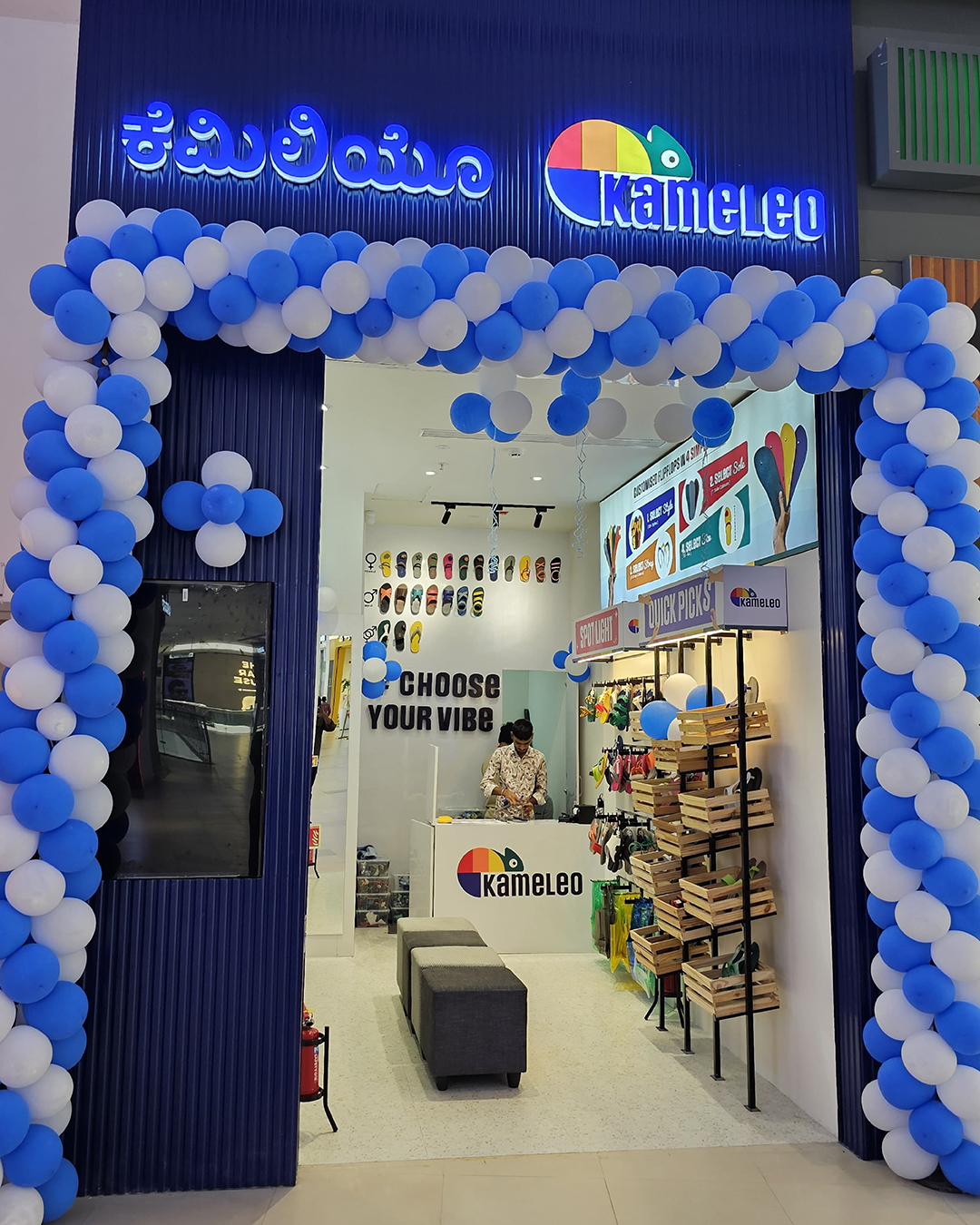
The latest additions reflect a larger shift in consumer preferences, as shoppers increasingly seek brands that combine individuality, comfort, wellness, and experience-driven retail. As digitally native brands continue expanding into offline spaces, Bhartiya Mall of Bengaluru is evolving its retail mix to offer immersive and community-driven shopping experiences tailored to Bengaluru’s young, aspirational, and fast-growing consumer base.
Among the newest additions is Sorele, a contemporary fashion jewellery brand known for its minimalist yet modern and versatile collections, crafted with 18K gold plating and lab-grown Moissanite diamonds. Catering to Gen Z, working professionals, and urban families, the brand offers conscious luxury designed to transition seamlessly from workwear to occasion wear.
Enhancing the mall’s fashion portfolio is Kameleo, a customised fashion footwear brand focused on creativity and self-expression. Kameleo allows shoppers to personalise footwear by mixing and matching soles and straps across collections such as Candy, Poppi, and Twin, combining vibrant aesthetics with lightweight, all-day comfort for younger consumers seeking personalised fashion experiences.
The launch of Sorele and Kameleo at Bhartiya Mall of Bengaluru also marks the brands’ first-ever store within a mall format, reflecting a broader shift from high-street retail to destination-led experiential spaces.
Further strengthening the mall’s lifestyle and wellness offerings, Frido brings its ergonomics and comfort-led product range focused on posture support, mobility, and everyday wellness. As health-conscious living and functional lifestyle products gain traction among urban consumers, brands like Frido offering strongly aligns with the needs of today’s consumers, particularly young tech professionals within the Bhartiya Center of Information Technology ( a tech park within the Bhartiya City ecosystem), alongside families and wellness-conscious shoppers seeking comfort-driven innovations in their daily lives.
The addition of brands such as Sorele, Kameleo, and Frido highlights the growing momentum of digitally native and experiential brands expanding beyond online-first models to build stronger consumer engagement through physical retail environments. Increasingly, consumers want to physically experience and interact with the D2C brands they discover online, and Bhartiya Mall of Bengaluru is enabling that transition by bringing these brands closer to customers within an integrated lifestyle destination.
As North Bengaluru rapidly evolves into one of the city’s most dynamic residential and commercial growth corridors, Bhartiya Mall of Bengaluru continues to build a future-ready retail ecosystem that seamlessly integrates fashion, lifestyle, wellness, dining, and entertainment experiences under one destination. With over 5,000 families moving into North Bengaluru every month, the region is fast emerging as one of Bengaluru’s most high-growth real estate markets.
“At Bhartiya Mall of Bengaluru, we are seeing a strong shift in how digitally native brands approach offline retail. Today’s consumers discover brands online, but they increasingly want immersive physical experiences before making purchase decisions. Brands like Sorele and Kameleo choosing Bhartiya Mall of Bengaluru for their first mall stores reflects the strength of our ecosystem and the kind of consumer community we cater to, from young residents and working professionals to families and aspirational shoppers across North Bengaluru. With additions like Frido, we are also strengthening categories centred around wellness, comfort, and lifestyle innovation, which are becoming increasingly relevant for modern urban consumers,” said Jermina Menon, Brand & Marketing Strategist, Bhartiya Urban.
With an expanding mix of fashion, lifestyle, wellness, dining, and entertainment offerings, Bhartiya Mall of Bengaluru remains committed to delivering curated retail experiences aligned with the aspirations of Bengaluru’s next-generation consumers.
3, Jun 2026
BenQ Qisda Group Highlights Practical AI Applications and Ecosystem Integration at COMPUTEX 2026
Through four business categories, the Group presents how AI is being deployed across industries to improve productivity, operational efficiency, and decision-making.

June 3: BenQ Qisda Group is showcasing real-world AI implementation at COMPUTEX 2026 under the theme “AI In Action,” demonstrating how artificial intelligence is delivering measurable productivity gains across industries. Through its four business categories—“AI Vision & Display,” “AI Infrastructure,” “AI Solutions & Smart Manufacturing,” and “AI Hospital and Wellness Ecosystem”—the Group highlights practical AI applications and the strength of its integrated ecosystem.
Chairman Peter Chen of BenQ Qisda Group stated, “The value of AI does not lie in the complexity of the technology itself, but in its ability to transform into corporate productivity through practical implementation. With ‘AI In Action’ at its core, BenQ Qisda Group leverages cross-disciplinary resource integration to convert complex technologies into intuitive and highly efficient solutions. Building upon the group’s solid foundations, we continue to optimize strategic resources and strengthen horizontal collaboration, ensuring that as the group pursues scale expansion, it also achieves higher-quality profit growth and creates a smarter, more resilient AI ecosystem for customers and partners.”
At COMPUTEX Taipei 2026, BenQ Qisda Group is presenting AI applications through the following four business categories:
I. “AI Vision & Display”: AI-powered vision and display technologies create immersive experiences while expanding applications for smart vehicles and ESG
BenQ is using a large-scale football stadium to demonstrate its LH860ST projection solution, creating immersive entertainment and indoor sports experiences suitable for all age groups. Its AI Coach provides real-time detection and movement guidance to optimize athletic performance. The second utilized AI skeleton node detection enables multi-user interaction and realistic football simulations without the need for wearable devices. The system delivers low-latency performance to ensure smooth interactions and incorporates factory-grade white balance calibration technology to maintain image consistency across multi-projector displays. Through AI-enabled environments, BenQ streamlines complex processes and delivers highly efficient, high-quality, integrated immersive experiences.
In the area of smart education, BenQ integrates AI and IoT technologies to create smart learning environments that feature teaching efficiency, management effectiveness, health and safety. By integrating projectors, interactive displays, cameras, and other devices with smart cloud management, AIoT, and AI applications, BenQ showcases a smart classroom solution that integrates hardware and software. Through cloud-based platforms (AMS, DMS, and X-Sign), the system integrates teaching material management and device control, enabling real-time access to educational resources and cross-device management. Classroom applications incorporate AI handwriting and optical character recognition (OCR), text-to-speech (TTS), intelligent Q&A, and real-time search functions to enhance interactive learning efficiency and student engagement. Environmental sensing technologies are also deployed to monitor air quality and classroom conditions in real time, optimizing the learning environment.
Under the theme of AI-powered Smart Workplace, BenQ is showcasing next-generation corporate collaboration solutions. Its CP Series integrates digital whiteboards, Google Meet video conferencing solutions, networking technologies, AI features, and peripheral devices to create smart collaborative workplaces. Through AMS cloud account management and NFC/QR code quick login functions, users can instantly synchronize personalized meeting environments, improving the efficiency of pre-meeting preparation. During workplaces, AI gesture controls and content analysis optimize presentation delivery and information access while automatically generating meeting summaries and action items to strengthen decision-making and execution efficiency. Powered by MediaTek chips, the solutions deliver up to a 176% improvement in AI computing performance while supporting remote management and multi-platform integration to create an efficient, secure, and scalable meeting experience. CP05, the flagship product to be showcased, also received the 2026 Red Dot Award earlier this April.
Qisda has launched a comprehensive lineup of commercial smart UAVs, offering vertically-integrated, Made-in-Taiwan design, R&D, and manufacturing services. Its product portfolio includes training UAVs, reconnaissance UAVs, VTOL aircraft, agricultural UAVs, photovoltaic panel cleaning UAVs, smart remote controls (mission-oriented control), and flight control modules (smart flight core), fully addressing the needs of diverse applications such as pilot training and certification, smart search and rescue, territorial patrol, and smart agriculture. At the core of the system are AI edge real-time sensing and scalable autonomous flight capabilities, integrated with intelligent obstacle avoidance and visual recognition technologies to deliver an unprecedented user experience.
DATA IMAGE is showcasing its rugged AI unmanned vehicle display solution , designed to meet requirements for the stable operation of commercial UAVs, unmanned vessels, and ground vehicles in harsh environments. The solution combines military-grade rugged protection, IP65/IP67 dustproof and waterproof ratings, a wide operating temperature range, ultra-high-brightness anti-glare displays, and local dimming low-power technologies to ensure clear visibility of critical information even under intense sunlight, rain, vibration, and prolonged missions. It is able to serve as the core human-machine interface for AI unmanned vessels, supporting real-time data display, mission parameter visualization, and smart operational workflows to enhance operational efficiency for inspections, search and rescue, public safety, and other critical missions.
– ESG Zone showcases carbon reduction initiatives at the design stage
The BenQ Qisda Group has achieved the first and only company in the world to receive ISO 20121 Event Sustainability Management certification at the COMPUTEX exhibition for three consecutive years. The ESG Zone highlights the group’s implementation of carbon reduction initiatives beginning at the product design stage, including the use of recycled materials, product weight reduction and lightweighting, end-user energy optimization, and products verified by third-party carbon footprint certification, and demonstrates the group’s achievements in advancing technological innovation alongside sustainability.
II. “AI Infrastructure”: deploying next-generation computing infrastructure; Qisda leads integration with AEWIN Technologies, Arivor Technologies, and Alpha Networks
AEWIN Technologies will showcase its new-generation AI data center and networking cybersecurity infrastructure at COMPUTEX, featuring rack-scale AI servers integrated with Arivor Technologies’ two-phase direct liquid cooling (2P DLC) solution. Covering high-performance computing, high-speed networking, and enterprise-grade storage, the company provides a comprehensive one-stop solution that helps enterprises rapidly build AI computing environments capable of supporting real-time analytics and large-scale data processing. The solution accelerates AI deployment while achieving an optimal balance between energy efficiency and deployment effectiveness.
Alpha Networks is introducing a new-generation AI data center solution combining network performance, energy efficiency, and high computing power. Its 64-port 1.6T AI data center switch adopts Broadcom TH6 high-performance ASIC technology, delivering 102.4T switching capacity and 1.6T high-speed transmission to achieve high bandwidth and low latency, thereby enhancing AI computing performance. The product incorporates direct liquid cooling (DLC) technology, reducing cooling energy consumption by more than 20% and optimizing PUE to between 1.1 and 1.2, balancing both performance and sustainability. It also supports ORv3 standard rack design and integrates modular CPUs with BMC remote management, enhancing deployment flexibility and operational efficiency while helping enterprises build highly efficient, low-carbon AI data centers.
III. “AI Solutions & Smart Manufacturing”: diverse solutions and application scenarios
WiXtar centered its exhibition around the concept of an “AI Store Manager At Work 24/7,” demonstrating a full-scenario Agentic AI solution spanning front-end consumer experience, back-end operations management, and headquarters decision-making. Four key applications include: the world’s first “AI 24HR Store Inspection Robot,” which integrates 360-degree panoramic imaging, VLM scene cognition analysis and the D8AI AI Agent Builder, and automatically switches inspection tasks according to breakfast, lunch, and dinner operating periods to conduct 24-hour SOP audits, restocking alerts, and disaster/loss prevention monitoring; an AI self-ordering system using VLM-guided ordering combined with personalized membership recommendations to increase average order value; an AI ordering and receiving system utilizing three-dimensional data to forecast sales and optimize procurement while replacing manual order processing with AI image recognition and inspection; and an AI decision center that consolidates customer traffic, sales, and inventory data, enabling AI agents to drive operational decision-making in real time.
Partner Tech is focusing on AI-driven smart retail applications at this year’s exhibition, showcasing a self-checkout solution integrated with Vision-Language Models (VLM). Through image recognition and automated learning capabilities, the system significantly improves checkout efficiency while reducing labor dependence. The company also unveiled its new concept retail POS solution, “Florence,” built around a modular design concept to provide a flexible and scalable smart store operating architecture. Through innovative technologies, Partner Tech enhances retail operational efficiency, helping domestic and international enterprises accelerate their digital transformation and create smarter consumer experiences.
D8AI will debut its enterprise-grade multi-AI-agent development platform at COMPUTEX 2026. Developed by D8AI, the platform is a comprehensive on-premises hardware and software solution that integrates a graphical editing system for AI agent workflows and human-AI conversational processes, as well as on-premises large language models and enterprise-grade GPU servers. The platform’s multi-agent workflow is powered by D8AI’s proprietary event-driven service-flow engine, designed to meet requirements for accuracy, reliability, and security in complex enterprise-level AI agents.
Grandsys is introducing its GEAP enterprise-level AI agent solution, integrating speech-to-text and generative AI technologies to create a highly efficient “case closed immediately after the call ends” service model. Combined with MetaAge’s cloud architecture, the solution ensures system stability and low latency. Features such as “one-click summary generation” and automated form completion reduce post-call processing from minutes to seconds, significantly improving productivity while reducing errors. GEAP also features controlled execution capabilities that enable cross-system integration of work orders and emails, successfully transforming AI into practical labor and helping enterprises achieve smart operations.
At COMPUTEX, MetaAge will showcase two AI applications for enterprises: an AI cybersecurity governance platform and an AI agent operational automation solution. The AI cybersecurity platform integrates diverse data sources to help enterprises detect anomalies in real time, predict risks, and automatically generate decision-making reports. The AI agent solution incorporates core operational modules such as BPM, HCM, and DMS, helping enterprises to optimize workflows, improve management efficiency, and accelerate the transition toward smart operations.
– Smart Manufacturing: driving AI adoption in industrial environments
This year, DFI joined forces with partners including Mobilint, MemryX, and MarkeTop Smart Solutions to showcase edge AI applications spanning public safety, UAVs, industrial safety, and smart healthcare. Centered on industrial-grade hardware platforms built around “rugged durability × AI × optimized computing power × long lifecycle,” DFI supports the stable operation of Vision AI, VLM, and medical AI recognition technologies in real-world environments, demonstrating the value of edge AI applications and accelerating their deployment.
APLEX Technology showcased the AVS-553 ultra-high-speed edge AI visual inspection system, integrated with software solutions from AIWin Technology. Leveraging high-speed AI image inspection, the solution addresses the issues of false calls and missed defects commonly associated with manual visual inspection and traditional AOI systems. The APLEX Technology AVS-553 is equipped with Intel 14th Gen Core processors, supports up to 128GB of DDR5 memory, and enables flexible GPU expansion without power consumption limitations, including support for the NVIDIA RTX 50 Series and NVIDIA RTX PRO 6000 Series. This architecture delivers scalable AI performance for ultra-high-speed defect detection. The solution also integrates AIWin Technology’s WinEdge-V system, enabling high-speed visual inspection of up to 1,000 objects per minute to ensure accuracy, efficiency, and adaptability across a wide range of industrial applications.
At this year’s COMPUTEX, URSROBOT will introduce AMR BOX, the first solution in the industry to feature an integrated “brain + cerebellum” architecture, combining the edge AI computing core (“brain”) and low-level motion controller (“cerebellum”) into a single platform. It thoroughly addresses longstanding pain points in outdoor AMR development, including high development barriers, complex sensor integration, and lengthy deployment cycles. Whether applied to security patrols, facility management, or agricultural inspection, the AMR BOX significantly shortens the timeline from R&D to deployment for robotic development and system integration across industries, enabling faster adoption of outdoor autonomous mobile robot applications.
IV. “AI Hospital and Wellness ecosystem”: showcasing AI-assisted clinical care applications and demonstrating the Group’s collaborative strength in hardware, software, system integration, and real-world deployment.
In the smart healthcare sector, DFI introduced the medically certified MPC350-RPS edge computing system, offering stability, reliability, and scalability to meet the performance and compliance requirements of healthcare environments. The on-site demonstration also incorporated Group partner MarkeTop Smart Solutions’ wound AI recognition application. Through AI-powered automated wound image analysis, the system can instantly identify wound areas and types, assisting healthcare professionals with clinical assessment, improving measurement consistency, and reducing human errors. The solution also integrates with hospital information systems (HIS) for automatic record archiving, enabling more standardized and traceable clinical care workflows while comprehensively improving clinical efficiency in healthcare environments.
At COMPUTEX 2026, the BenQ Qisda Group will center its exhibition around the theme “AI In Action,” showcasing real-world AI applications across diverse environments. During the exhibition, BenQ Qisda Group will partner with SUNMAI to launch the cross-industry “June Soccer Madness” campaign. The AI Soccer Experience Zone will combine technology, sports, and interactive entertainment. Visitors who complete the booth experience and survey will receive a gift of limited-edition beer, and a daily Happy Hour event will take place from 4:30 PM to 5:30 PM, welcoming attendees from all sectors to experience both the excitement of AI applications and the thrill of scoring goals.
Exhibition Information:
Date and Time: June 2, 2026, to June 4, 9:30 – 17:30. June 5, 9:30-15:30.
Venue: Taipei Nangang Exhibition Center, Hall 1 (No. 1, Jingmao 2nd Rd., Nangang Dist., Taipei City)
Booth Name: BenQ Booth Number: M0104 (4F)
Participating Companies at COMPUTEX 2026 of BenQ Qisda Group:
BenQ Corporation, Qisda Corporation, AEWIN Technologies, Alpha Networks, APLEX Technology, Arivor Technologies, DATA IMAGE, DFI, D8AI, Grandsys, MetaAge, Partner Tech, URSROBOT, WiXtar


