


26, May 2026
TeamLease Edtech Identifies 7 Key Skills Driving Fresher Hiring Trends
India’s fresher hiring market is undergoing a structural shift. According to the TeamLease EdTech Career Outlook Report employers are increasingly moving away from “degree-first” hiring toward skills-first recruitment models that prioritise practical capability, digital readiness, and proof-of-work over academic pedigree alone.
The report highlights that employers are no longer evaluating freshers solely on marksheets or resumes. Instead, they are hiring for adaptability, technical fluency, and real-world application across emerging business functions. Here are the seven skills shaping fresher employability in 2026:
1. AI Fluency & Automation Readiness
AI is no longer restricted to core tech roles. Employers are increasingly looking for freshers who can work alongside automation tools, AI-led workflows, and intelligent systems across marketing, operations, and customer functions.
The report identifies roles such as AI Marketing Associate and AI Chatbot Support Engineer among emerging fresher opportunities. Skills like AI & automation tools, campaign execution, and digital workflow management are becoming highly employable competencies.
Courses such as the Professional Certificate Program in Machine Learning & Artificial Intelligence and Digital Marketing with GenAI Advanced Program are also listed among the most in-demand employability credentials.
2. Cybersecurity & Digital Risk Awareness
As organisations become more digitally dependent, cybersecurity has emerged as one of the strongest employability drivers for freshers.
The report identifies Cybersecurity Analyst among the top fresher roles in demand, with employers prioritising skills such as security fundamentals, threat analysis, and networking basics.
Cybersecurity also features among the top domain skills employers are actively seeking across industries.
3. Cloud & DevOps Capabilities
Cloud operations and DevOps are becoming mainstream entry-level career pathways, especially within Information Technology and telecom hiring.
Roles such as Cloud Operations Associate and Jr. DevOps Engineer are seeing strong demand across cities like Delhi, Bangalore, and Mumbai. Employers are specifically seeking networking fundamentals, scripting, automation, Linux proficiency, CI/CD fundamentals, and cloud platform knowledge.
The Certified Cloud Practitioner credential is also among the report’s most in-demand employability courses for freshers.
4. Marketing Analytics & Digital Campaign Management
Marketing hiring is becoming increasingly data-driven. Traditional communication skills alone are no longer sufficient for entry-level marketing roles.
The report highlights rising demand for roles such as Digital Campaign Analyst, Ads Operations Executive, and Digital Marketing Executive, particularly across Pune, Hyderabad, and Bangalore. Employers are prioritising skills like campaign analytics, web analytics, data reporting, marketing automation, and performance optimisation.
Marketing automation itself is listed among the top domain skills in demand for freshers in 2026.
5. Learning Agility & Problem Framing
Beyond technical expertise, employers are increasingly valuing cognitive adaptability and workplace readiness.
The report identifies learning agility, problem framing, and digital fluency among the top soft skills employers want in freshers across industries.
Importantly, the report’s key takeaways note that these skills are becoming essential because employers now require adaptable talent capable of operating in technology-enabled environments.
6. Data & Business Intelligence Skills
Data-centric roles are rapidly expanding beyond core analytics firms into consulting, BFSI, e-commerce, and operational functions.
The report lists Business Intelligence Analyst among the top fresher roles in demand, with employers prioritising data visualisation, programming skills, and data handling capabilities.
Additionally, Financial Analytics appears among the top domain skills employers are seeking in fresh graduates.
7. Proof-of-Work & Portfolio-Based Employability
Perhaps the biggest change is not a technical skill, but the hiring model itself.
The report notes that employers are increasingly validating candidates through “proof-of-work” including projects, internships, hackathons, apprenticeships, portfolios, and real-world problem-solving rather than relying solely on degrees or resumes.
It further highlights how hiring models are shifting:
-
from degree & resume filters to skills, proof-of-work and behaviour,
-
from campus-centric recruitment to ecosystem-centric recruitment,
-
and from one-time interviews to continuous observation.
This transition is also driving the rise of apprenticeships, innovation labs, online talent communities, and industry-linked learning ecosystems as new gateways into employment.
The Bigger Shift
The larger takeaway from the report is clear: fresher employability in 2026 is being defined less by academic credentials and more by industry-ready capabilities.
While employer intent to hire freshers has risen to 73% in HY1 2026, the strongest opportunities are emerging for candidates who combine technical skills with adaptability, digital fluency, and practical exposure.
In many ways, the future of employability is no longer about what degree a student holds — but about what they can actually do.
Methodology
The survey was conducted between November 2025 and January 2026 with inputs from 1,051 employers across industries to assess fresher hiring intent and employability trends for HY1 2026.
- 0
- By Neel Achary

26, May 2026
Anytime Fitness India Earns ‘Master Franchise Of The Year ’ At Franchise India Awards 2026 In Fitness Category
New Delhi May 26 : Continuing its strong growth momentum, Anytime Fitness, India’s fastest-growing fitness franchise chain, has recently been awarded with the prestigious ‘Master Franchise of the Year’ in Fitness category at the Franchise India Awards 2026 held at the Yashobhoomi India International Convention and Expo Centre. The recognition highlights another milestone in the brand’s rapid expansion, strong presence and fitness facilities all across India.
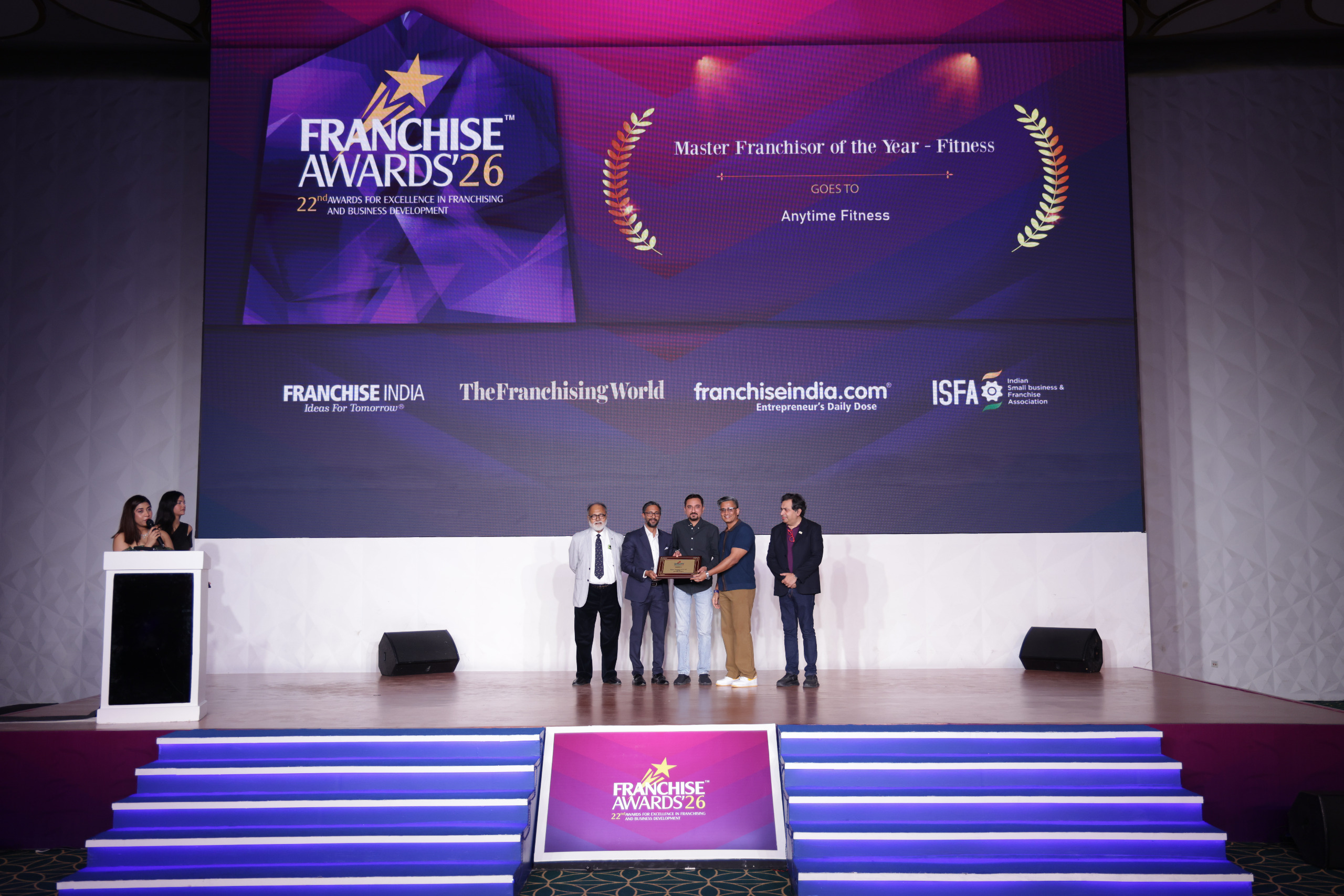
The award was received by Head of Marketing – Ryan Rocque; Regional Manager Franchise Sales North and East – Mayank Bhatia and Arvind Raj. The event was attended by some of the world’s biggest franchises, entrepreneurs and business leaders to celebrate innovation and excellence.
Speaking on the expansion, Mr. Vikas Jain, Managing Director, Anytime Fitness India, said:
“We are extremely delighted to get honoured with the ‘Master Franchise of the Year- Fitness’ award at Franchise India Awards 2026. This marks a significant achievement in our journey towards making a community-driven fitness conscious India. It is truly encouraging to see our efforts, vision and commitment being recognised on such a prestigious platform.”
The award further reinforces Anytime Fitness India as one of the country’s leading fitness franchise brands, driven by its vision of building a healthier, fitter, and more active India. Since entering the Indian market in 2013, the brand has established itself as a convenient, accessible, and quality fitness destination catering to people across different fitness goals and experience levels. Its continued focus on innovation, inclusivity, customer experience, and a sustainable franchise-led growth model has helped build a loyal fitness community while empowering franchise partners nationwide.
Today, Anytime Fitness India operates close to 200 gyms across 45 cities, serving nearly 175,000 members. The company witnessed strong growth momentum over the past year with around 35 new clubs launched, while nearly 50 more are planned this year. Over the next three years, the brand aims to add another 200 gyms, further strengthening its nationwide presence.
While metro cities such as Mumbai, Bengaluru and Hyderabad, continue to drive strong demand, the next phase of expansion is increasingly being led by emerging markets including Ahmedabad, Jaipur, Lucknow, and several other fast-growing cities. These markets are showing greater intent towards structured fitness and wellness investments, reflecting the growing adoption of healthier lifestyles across India. Beyond its fitness centres, the brand has also introduced community-driven initiatives such as FitCraft and Be Fit Fest, bringing together members, trainers, and fitness enthusiasts to celebrate active living and strengthen India’s evolving fitness culture.
26, May 2026
CNG Prices Rise Again as Fuel Costs Continue Upward Trend
New Delhi, May 26 (BNP): Compressed Natural Gas (CNG) prices were increased by ₹2 per kilogram in the national capital on Tuesday, marking yet another rise in fuel costs amid continued volatility in global energy markets and mounting pressure on domestic fuel companies.
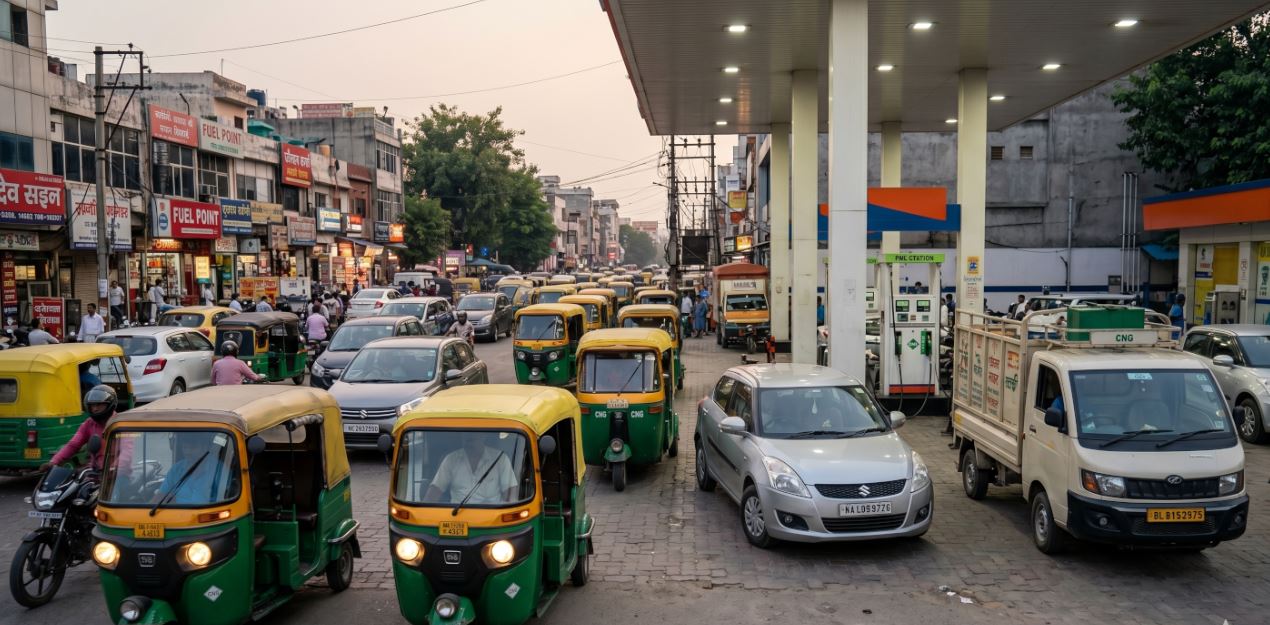
Representational image
With the latest revision by authorities, the price of CNG in Delhi has increased to ₹83.09 per kg from ₹81.09 per kg. The hike comes as part of a series of fuel price revisions witnessed over the past two weeks, during which CNG rates have gone up multiple times.
The revised rates have also impacted neighbouring cities in the National Capital Region (NCR). Consumers in Noida, Ghaziabad and Greater Noida will now pay ₹91.70 per kg, while the price in Gurugram has risen to ₹88.12 per kg. In other cities, CNG prices climbed to ₹92.44 per kg in Ajmer and ₹95 per kg in Chennai.
The latest increase follows a ₹1 per kg hike announced just days ago, making it the fourth upward revision in a short span. Alongside CNG, petrol and diesel prices have also seen repeated increases recently, adding to concerns over rising transportation and household expenses.
Industry experts attribute the continued fuel price surge to elevated global crude oil prices and supply uncertainties linked to tensions in West Asia. Concerns over disruptions around key oil transit routes have intensified market volatility, increasing import costs for countries heavily dependent on energy imports, including India.
The repeated hikes are expected to impact commuters, transport operators and businesses relying on fuel, potentially leading to higher transportation and logistics costs across sectors.
26, May 2026
TVS Motor Ranked No 1 Globally for Shareholder Value Creation in Durable Consumer Goods
Chandigarh, May 26 : TVS Motor Company, part of TVS VENU, has been ranked no 1 globally in the ‘Durable Consumer Goods’ category in the annual ‘Best Stocks in the World’, ranking published exclusively by Germany’s leading business weekly WirtschaftsWoche, based on the Boston Consulting Group Value Creators analysis.
WirtschaftsWoche, founded in 1926 and celebrating its centenary this year, is Germany’s largest weekly business publication, widely read by senior executives, institutional investors and corporate decision-makers across Germany, Austria and Switzerland. Its annual ‘Best Stocks in the World’ analysis is one of the most widely cited rankings of listed companies in the German-speaking region.
The independent study evaluated more than 2,000 listed companies across 35 industries worldwide. Over the five-year period from 2021 to 2025, TVS Motor Company delivered an average annual Total Shareholder Return of approximately 51 per cent the highest in its global category, ahead of established peers from Japan, China, the United States, and India.
According to the analysis, TVS Motor’s performance was driven primarily by strong revenue growth (22 percentage points) and a premium market valuation (18 percentage points), complemented by improving profitability and continuous strengthening of the balance sheet. Notably, this profile aligns closely with the criteria the study identifies for resilient companies — profitable, growth-oriented, and financially disciplined, with reserves to withstand volatile market conditions.
Professor Sir Ralf Speth, Chief Mentor, TVS Motor Company, comments:
“This recognition by WirtschaftsWoche and BCG is the result of the consistent implementation of Chairman Sudarshan Venu’s clear strategic vision. His passion for the company, deep understanding of markets and customers, openness to new technology, and attentiveness to the workforce create a values-based environment in which creativity and performance can flourish. Equally exemplary is the strong commitment to social responsibility.
With this mindset – the ‘TVS Way’ – and under outstanding corporate leadership, the TVS team wins numerous international awards year after year, including accolades for environmental stewardship and exceptional product quality. TVS is synonymous with quality and a strong commitment to the environment, rooted in the skill of its people and built on manufacturing excellence. In symbiosis with this commitment, the company continues to advance energy‑efficient solutions and strengthen its leadership in electric mobility.
Under TVS Motor Company’s ownership, Norton’s global resurgence is now clear. This storied and deeply revered brand is once again delivering a compelling combination of technology, design integrity and dynamism. I am confident TVS Motor Company is strongly positioned for the future – delivering sustainable growth, strengthening global competitiveness and creating long-term shareholder value – recognition goes to the whole TVS team for their hard work and commitment.”
In its most recent financial year (2025–26), TVS Motor Company has built further on this momentum, recording its highest-ever annual sales of 5.89 million units, a 24 per cent increase year-on-year, with international business growing 33 per cent across more than 90 markets. Revenue grew 30 per cent year-on-year to Rs. 47,270 crore, with operating PBT up 40 per cent to Rs. 4,975 crore and operating EBITDA margin improving 60 basis points to 12.9 per cent.
26, May 2026
Exclusive Noida International University’s Educators Meet & Excellence Awards 2026
May 26 : As part of its ongoing Educators Meet 2026 series, Noida International University successfully organized the Educators Meet & Excellence Awards 2026 in Raebareli, bringing together eminent educationists, teachers, students, and parents for an engaging and insightful event focused on educational excellence and collaboration.
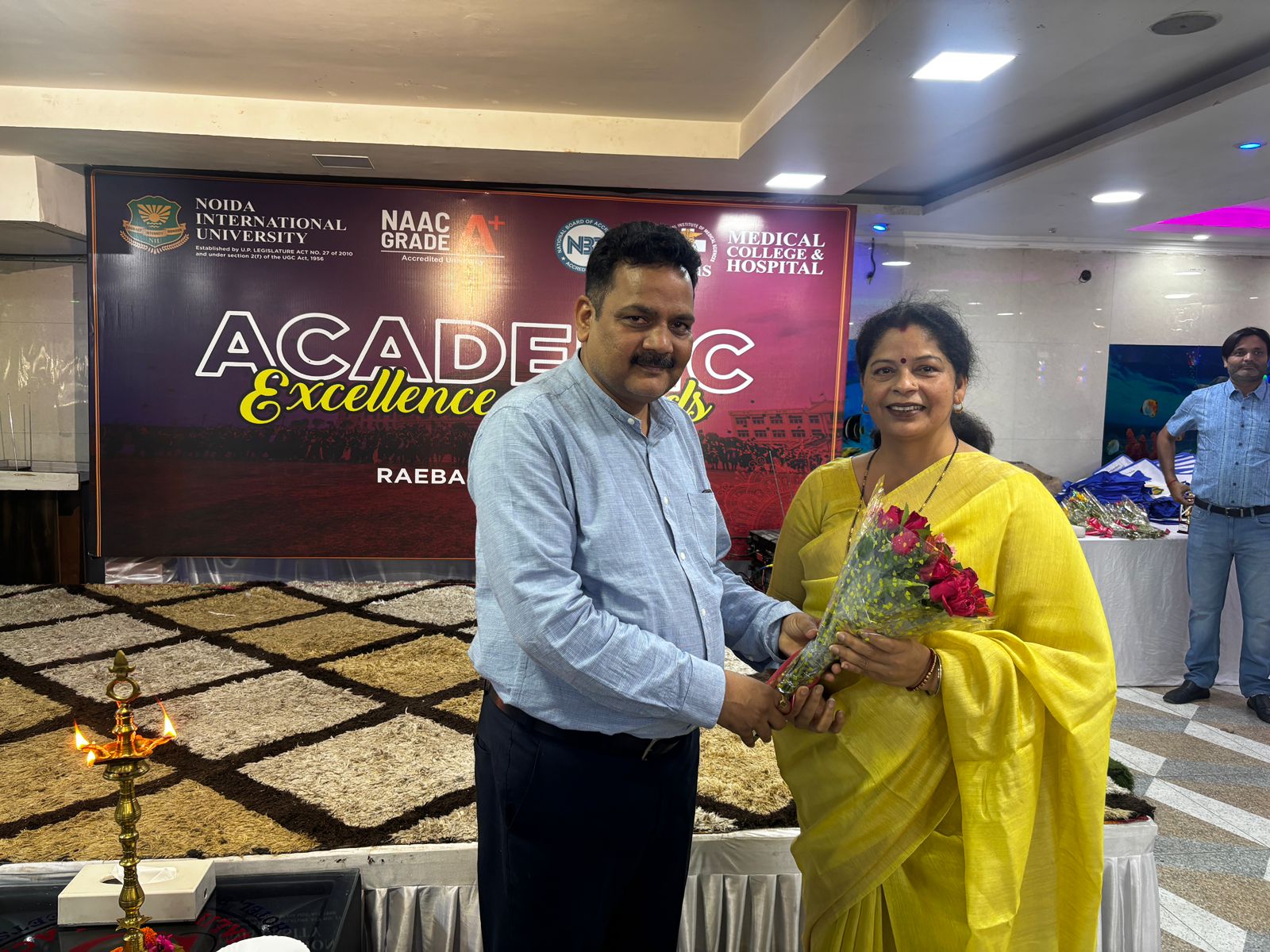
The event witnessed enthusiastic participation from over 200 students and approximately 50 parents, reflecting the growing interest in quality education and academic opportunities. Participants appreciated the continuous efforts made by Noida International University in strengthening the education ecosystem and promoting student-centric learning initiatives.
Adding prestige to the event, Ms. Prerna Srivastava, Principal of Dayawati Memorial School, attended as the Guest of Honour. The gracious presence of Ms. Aparna Srivastava further enhanced the significance of the occasion and contributed to the event’s success.
The program served as a platform to recognize talent and celebrate excellence in education while encouraging innovation and academic growth among students and educators alike. Through such initiatives, Noida International University aims to foster stronger engagement with the academic community and create meaningful opportunities for students.
The event was effectively hosted by Vinod Nagar, who ensured smooth coordination and seamless execution of the program. Senior representatives from Noida International University, including Thakur Bhanu Pratap Singh, Head Admissions & Outreach, NIU, and Thakur Tarun Pratap Singh, Manager – Outreach & Admission, were also present and interacted with attendees.
Speaking about the initiative, university representatives highlighted that the Educators Meet 2026 series is designed to strengthen relationships with educators, recognize excellence, and create awareness about evolving opportunities in higher education.
The successful organization of the event in Raebareli marks another significant step in Noida International University’s commitment to promoting educational excellence and empowering future generations through meaningful academic engagement.
26, May 2026
Puri to Host Second BRICS Technical Meeting on Disaster Management from June 3
Puri, May 26 (BNP): The holy city of Puri is set to host the second technical meeting of BRICS member nations and partner countries from June 3, bringing together delegates, experts, and policymakers for discussions on strengthening global cooperation in disaster management.
According to official information, the high-level meeting will witness participation from representatives of several countries associated with the BRICS grouping, including Brazil, Egypt, Ethiopia, Indonesia, Iran, Russia, Saudi Arabia, South Africa, the United Arab Emirates (UAE), and China.

The conference is expected to serve as a key platform for deliberations on disaster preparedness, response, mitigation, and management, with a focus on enhancing international cooperation and sharing best practices to effectively address natural and man-made disasters.
Experts and policymakers attending the event are likely to exchange ideas, strengthen partnerships, and explore innovative solutions aimed at improving disaster resilience amid rising climate-related risks and increasing disaster challenges across the globe.
The meeting assumes significance at a time when coordinated international efforts are becoming increasingly crucial to tackle emergencies and climate-induced disasters. Odisha’s hosting of the event is also expected to draw global attention to the state’s disaster preparedness and response mechanisms, an area in which it has earned recognition over the years.
Administrative authorities are making necessary arrangements to ensure the smooth conduct of the international gathering in the pilgrim town.
26, May 2026
Bertelsmann India Investments Leads Fairdeal.Market’s Dollar 15M Series A to Expand B2B Quick Commerce for Kirana Stores
New Delhi, May26 : Fairdeal.Market, a B2B quick commerce platform building the replenishment infrastructure for India’s kirana economy has raised US Dollar 15 million in a funding round led by Bertelsmann India Investments . WaterBridge Ventures is returning as a cornerstone investor from seed, and Incubate Asia Fund is also participating in the round.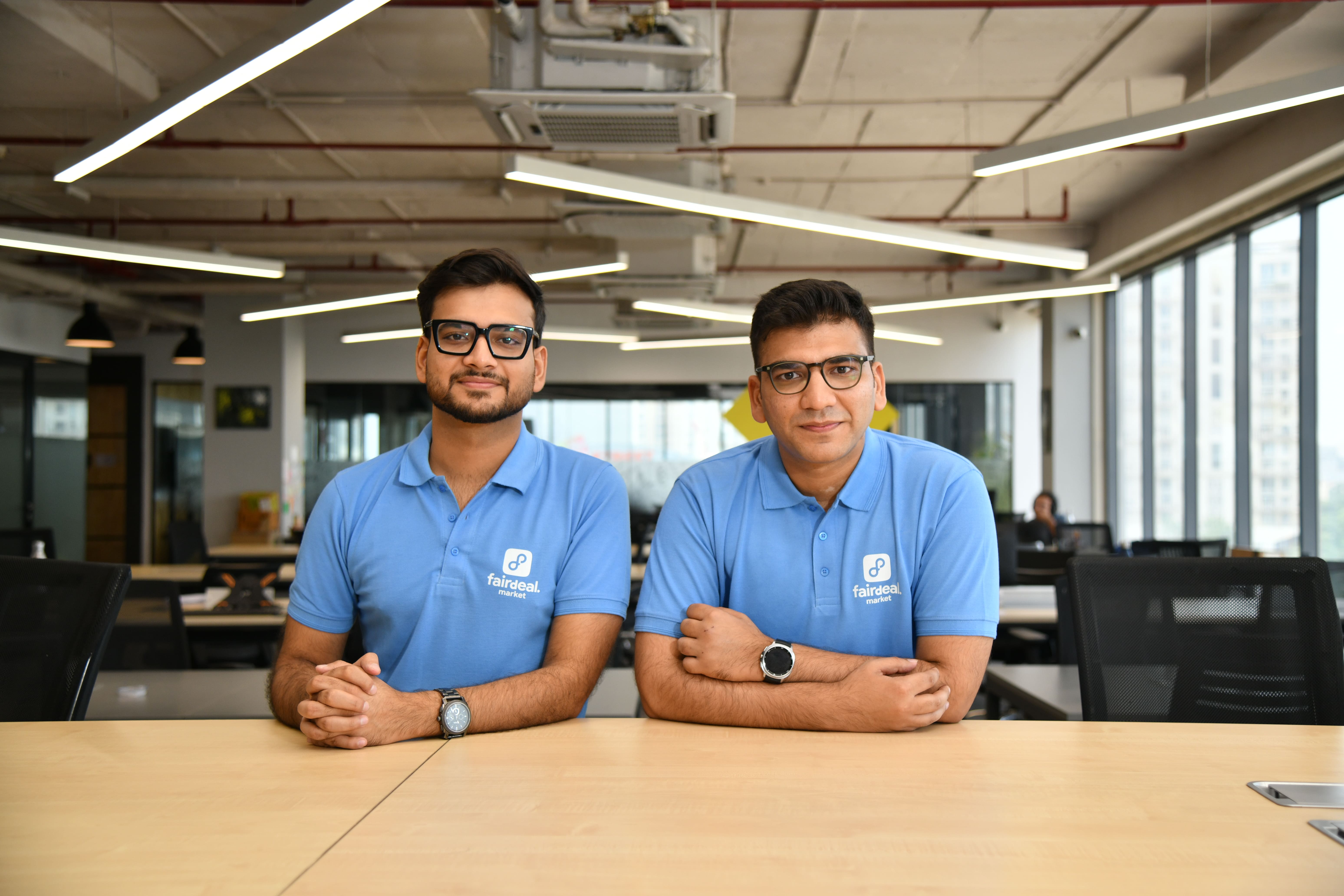
The company currently operates across Delhi NCR and is actively expanding its retailer network, dark store footprint, and brand partnerships. The fresh capital will be deployed to scale dark-store operations across dense urban clusters, strengthen technology and data infrastructure, deepen retailer engagement, and expand last-mile delivery capabilities to redefine the retail business in India.
Fairdeal is India’s first B2B quick commerce platform which delivers 1,000+ SKUs to kirana retailers across Delhi NCR within 60 minutes, bringing speed and reliability to a procurement system that has remained unchanged for decades. Kiranas order what they need, when they need it, and get it in 60 minutes. That is the Fairdeal promise. In the last six months, Fairdeal has scaled to over 20,000 active retailers across Delhi NCR. More notably, over 80% of retailers who ordered from Fairdeal 12 months ago are still ordering today, this reflects the growing reliance of retailers on Fairdeal’s replenishment network.
India is home to over 13 million kirana stores. Yet, inventory procurement for these retailers still largely depends on offline wholesale markets and fragmented distributor networks that were never designed for small-format, high-frequency retail. Delhi NCR alone accounts for approximately 260,000–280,000 retailers, representing one of the largest yet most underserved markets in the world. While earlier B2B commerce models attempted to address this gap, Fairdeal’s approach is built specifically around the replenishment frequency and operational realities of kirana retail enabling retailers to replenish inventory within 60 minutes.
Building on its Delhi NCR foundation, Fairdeal will leverage this round of funding to accelerate its expansion into new metropolitan cities across India. The company aims to scale its retailer network to over 100,000 retailers within the current financial year. And as this network grows, so does something far more valuable: a compounding data flywheel that gives brands real-time intelligence into what is selling, where, and why. For brands, that is a capability that has never existed before. For Fairdeal, it is the foundation of a business that gets stronger with every order placed.
“India’s kirana stores are the backbone of the country’s retail economy, yet the procurement infrastructure serving them has barely evolved in decades. The inefficiency isn’t incidental; it’s structural. If we can help millions of small retailers operate better every day, the impact will go far beyond commerce, it will strengthen local economies across the country. That’s the problem Fairdeal was built to solve, and this round gives us the firepower to solve it at scale,”said Prateek Bansal, Co-founder, Fairdeal
“We started Fairdeal with a simple belief that every retailer, no matter how small, should have access to reliable inventory and the ability to grow with confidence. At the same time, thousands of emerging brands across India are building great products but struggle to access efficient offline distribution. Fairdeal is bridging that gap by building a simple supply and distribution infrastructure that powers the next generation of offline retail in India, where small businesses and emerging brands can grow together with the same speed,” said Yash Bansal, Co-founder, Fairdeal.
“FairDeal is building a new operating model for wholesale procurement in India. What Prateek and Yash understood early was that quick commerce in wholesale is not just about convenience; it fundamentally improves inventory turns, shelf efficiency, and replenishment reliability for kirana stores. They have been pioneers in bringing this approach to the category, and the early traction has been phenomenal. We are excited to partner with them on this ambitious journey,” said Rohit Sood, Partner, Bertelsmann India Investments.
“At WaterBridge, we remain excited about the nonlinear potential of the demand engine that Fairdeal has built. At scale, it will process millions of real-time retail transactions with precise cart-level visibility, empowering it to build a large data set with context and intelligence layers on top. These will provide live actionable insights to brands on what is selling, where, and why, and not what sold last quarter. It is a potential that comes from what the data becomes at scale,” said Ashish Jain, Partner, WaterBridge Ventures.
26, May 2026
Bertelsmann India Investments Backs Fairdeal.Market’s $15M Series A for B2B Quick Commerce Expansion
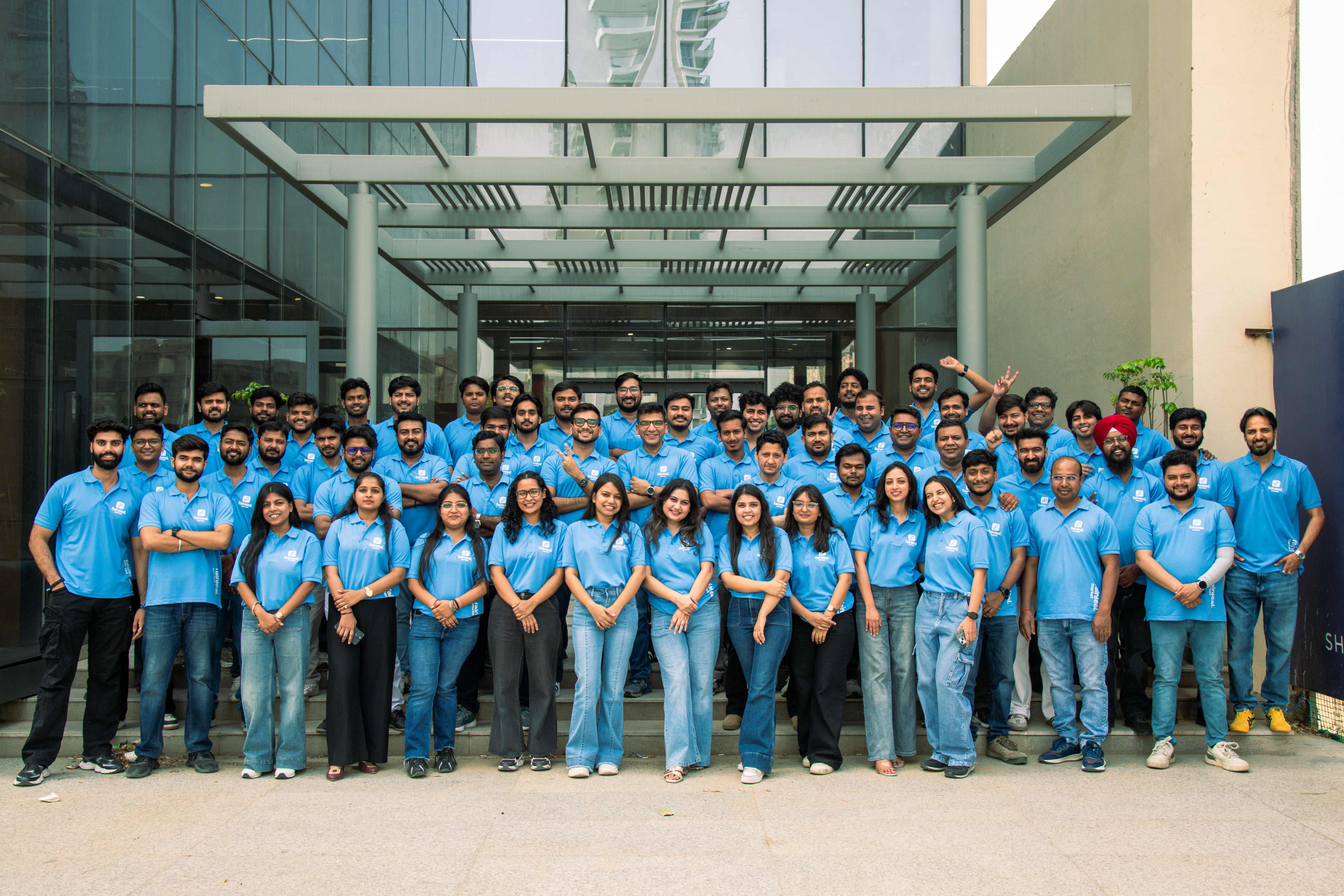
New Delhi, May 26: Fairdeal.Market, a B2B quick commerce platform building the replenishment infrastructure for India’s kirana economy has raised US$15 million in a funding round led by Bertelsmann India Investments (BII). WaterBridge Ventures is returning as a cornerstone investor from seed, and Incubate Asia Fund is also participating in the round.
The company currently operates across Delhi NCR and is actively expanding its retailer network, dark store footprint, and brand partnerships. The fresh capital will be deployed to scale dark-store operations across dense urban clusters, strengthen technology and data infrastructure, deepen retailer engagement, and expand last-mile delivery capabilities to redefine the retail business in India.
Fairdeal is India’s first B2B quick commerce platform which delivers 1,000+ SKUs to kirana retailers across Delhi NCR within 60 minutes, bringing speed and reliability to a procurement system that has remained unchanged for decades. Kiranas order what they need, when they need it, and get it in 60 minutes. That is the Fairdeal promise. In the last six months, Fairdeal has scaled to over 20,000 active retailers across Delhi NCR. More notably, over 80% of retailers who ordered from Fairdeal 12 months ago are still ordering today, this reflects the growing reliance of retailers on Fairdeal’s replenishment network.
India is home to over 13 million kirana stores. Yet, inventory procurement for these retailers still largely depends on offline wholesale markets and fragmented distributor networks that were never designed for small-format, high-frequency retail. Delhi NCR alone accounts for approximately 260,000–280,000 retailers, representing one of the largest yet most underserved markets in the world. While earlier B2B commerce models attempted to address this gap, Fairdeal’s approach is built specifically around the replenishment frequency and operational realities of kirana retail — enabling retailers to replenish inventory within 60 minutes.
Building on its Delhi NCR foundation, Fairdeal will leverage this round of funding to accelerate its expansion into new metropolitan cities across India. The company aims to scale its retailer network to over 100,000 retailers within the current financial year. And as this network grows, so does something far more valuable: a compounding data flywheel that gives brands real-time intelligence into what is selling, where, and why. For brands, that is a capability that has never existed before. For Fairdeal, it is the foundation of a business that gets stronger with every order placed.
“India’s kirana stores are the backbone of the country’s retail economy, yet the procurement infrastructure serving them has barely evolved in decades. The inefficiency isn’t incidental; it’s structural. If we can help millions of small retailers operate better every day, the impact will go far beyond commerce, it will strengthen local economies across the country. That’s the problem Fairdeal was built to solve, and this round gives us the firepower to solve it at scale,”said Prateek Bansal, Co-founder, Fairdeal
“We started Fairdeal with a simple belief that every retailer, no matter how small, should have access to reliable inventory and the ability to grow with confidence. At the same time, thousands of emerging brands across India are building great products but struggle to access efficient offline distribution. Fairdeal is bridging that gap by building a simple supply and distribution infrastructure that powers the next generation of offline retail in India, where small businesses and emerging brands can grow together with the same speed,” said Yash Bansal, Co-founder, Fairdeal.
“FairDeal is building a new operating model for wholesale procurement in India. What Prateek and Yash understood early was that quick commerce in wholesale is not just about convenience; it fundamentally improves inventory turns, shelf efficiency, and replenishment reliability for kirana stores. They have been pioneers in bringing this approach to the category, and the early traction has been phenomenal. We are excited to partner with them on this ambitious journey,” said Rohit Sood, Partner, Bertelsmann India Investments.
“At WaterBridge, we remain excited about the nonlinear potential of the demand engine that Fairdeal has built. At scale, it will process millions of real-time retail transactions with precise cart-level visibility, empowering it to build a large data set with context and intelligence layers on top. These will provide live actionable insights to brands on what is selling, where, and why, and not what sold last quarter. It is a potential that comes from what the data becomes at scale,” said Ashish Jain, Partner, WaterBridge Ventures.
26, May 2026
Canopy’s New Report Highlights Fibre Breakthrough in the Fashion Industry
May 26, 2026, VANCOUVER: A new report from environmental nonprofit Canopy shows that wheat straw has the potential to create high-quality, sustainable viscose and lyocell fibre for the fashion industry — reducing reliance on forest fibres, cutting air pollution, and creating new income opportunities for rural communities.
The report, called From Wheat Straw to Wardrobes: Fashioning a new fibre future, reveals the results of a pilot project that tested whether pulp made from Indian wheat straw could be used to create high-quality viscose and lyocell fibres instead of conventional wood-derived pulp.
The results show that wheat straw pulp can not only directly replace wood-based pulp in viscose and lyocell fibre production, but can also create a range of yarns and fabrics that successfully meet brand performance and technical standards across multiple product applications.

Wood-derived pulp is used to create many Man-Made Cellulosic Fibres (MMCFs) including viscose and lyocell. These materials are often positioned as more environmentally friendly alternatives to synthetic fibres such as polyester, and to cotton, due to being derived from trees. However, analysis shows that more than 300 million trees are cut down annually to create these fibres, including from some of the world’s most climate-critical and biodiversity-rich forests. Leaving these forests standing is one of the fastest and most cost-effective ways to reduce carbon emissions and support the global “30×30” biodiversity target, which aims to protect 30% of the world’s land and waters by 2030.
The pilot — named Project Latvus — brought together nonprofits Canopy and Fashion for Good, brands C&A, H&M Group, and Reformation, supply chain innovators and manufacturers Chempolis, TITK, Inovafil, Yee Chain, Shahi, Filpucci, and DBL traceability technology provider Textile Genesis and wheat straw supplier A2P (Agri to Power) Energy. The project was supported by Laudes Foundation and built on Spinning Future Threads, an earlier report commissioned by Laudes, which found that agricultural waste could be feasibly sourced as a raw material for textiles. By connecting stakeholders across the supply chain, Project Latvus aimed to integrate every stage of production — from farm to garment — to help identify and solve challenges that often slow the scale-up of new materials.
Representatives from brand Reformation and TITK noted that the fibre closely matched the look and feel of conventional lyocell while meeting performance expectations for commercial applications. Other supply chain partners also reported confidence in the fibre’s potential to scale.
Canopy, who led the project and authored the report, noted that alternative feedstocks play a critical role in diversifying the fashion industry’s fibre basket, reducing reliance on forests, and strengthening supply chain resilience. They also highlight the wider environmental and social benefits of scaling these materials, including reducing air pollution from crop burning and creating new income opportunities for rural farming communities.
In particular, the report highlights India’s potential to become a leader in the production of next-generation MMCFs, due to the country’s large supply of agricultural residue alongside circular textile to textile production systems. Estimates suggest that more than 90 million tonnes of crop residue are burned annually in India, representing a significant untapped resource that could instead be used to create low-impact fibre for textiles and other uses. Scaling this opportunity could help create new income streams for farming communities, strengthen local manufacturing capacity and support the growth of a more circular textile industry. Crop burning is also estimated to contribute to seasonal air pollution in Northern India, where levels of fine particulate matter known as PM2.5 — tiny air pollution particles that can harm human health — have in recent years measured above WHO safety guidelines.
Canopy is calling on fashion brands to support the scale-up of MMCFs that don’t rely on wood pulp, noting in the report that pooled demand will help these materials achieve price parity and scale quickly.
“Project Latvus shows that the future of fibre is already here. While continued scale-up is needed to optimize efficiency and close the price difference, the direction is clear — Next Gen MMCFs are ready for the next stage of commercial adoption,” said Nicole Rycroft, Founder and Executive Director of Canopy. “By diversifying feedstocks beyond forests, we have a real opportunity to build a more resilient, circular, and low-impact textile industry.”
26, May 2026
A Different Kind of Seattle Landmark: World’s Largest Goodwill Offers Visitors a One-of-a-Kind Experience Near Seattle Stadium
SEATTLE — May 26, 2026 — With Seattle set to welcome visitors from around the world for the FIFA Soccer World Cup in just a few weeks, those planning their time between matches will likely gravitate toward familiar stops, such as Pike Place Market, the Space Needle, and MoPOP. Just steps from Seattle Stadium, a less known stop offers a different kind of experience:
Evergreen Goodwill of Northwest Washington’s Seattle flagship store, the largest Goodwill in the world, invites visitors to immerse themselves into something very Seattle—the city’s commitment to sustainability and the circular economy.
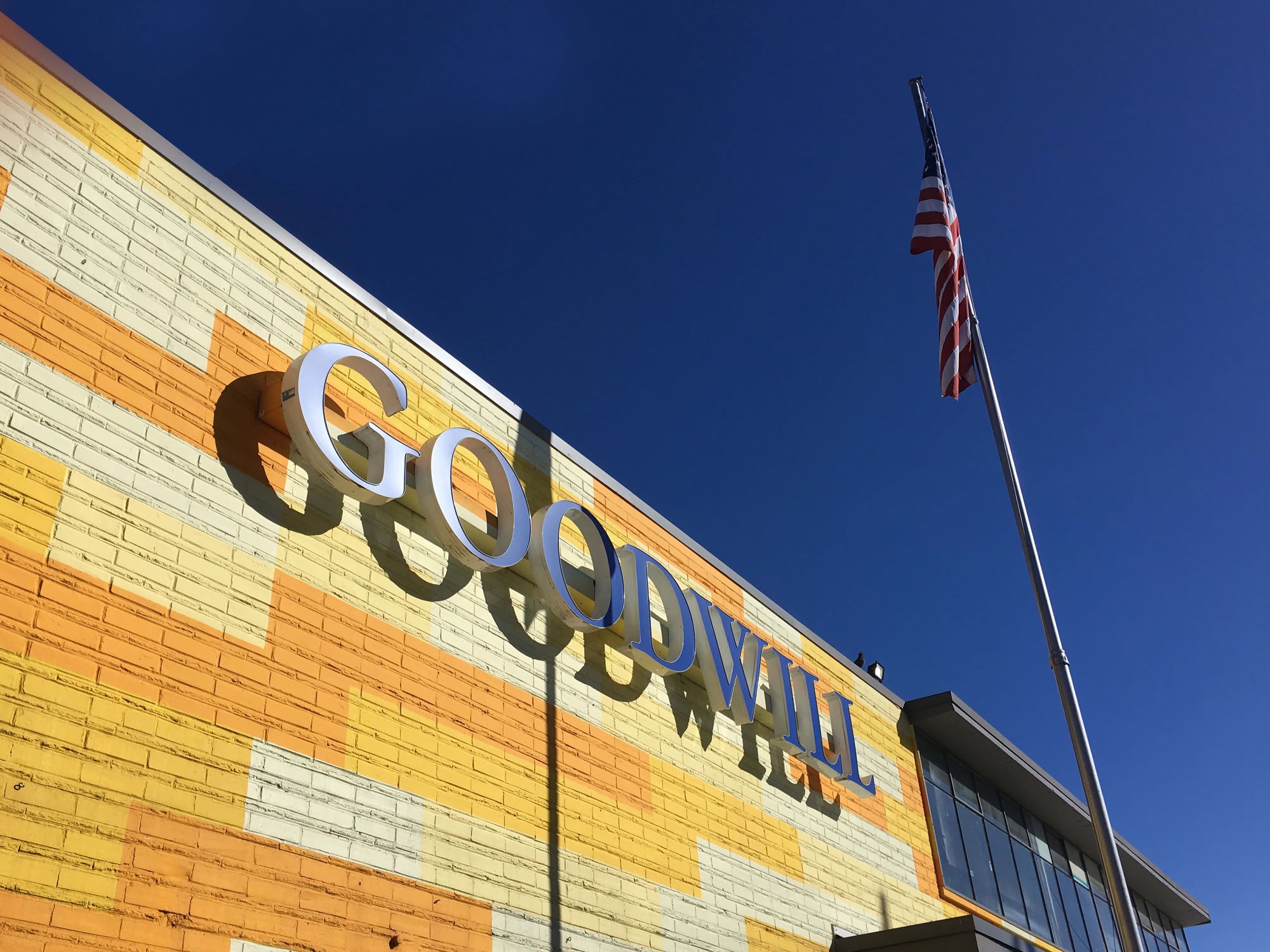
A treasure hunters’ paradise, the 70,000-square-foot resale space stocks approximately 10,000 new items on the shop floor each day. A team comprised of members from over 20 different nations assists visitors as they explore and replace whatever they may have forgotten at home or didn’t realize they might need for their trip.
For travelers navigating a busy and often expensive event, resale offers a compelling shopping alternative:
- A multitude of affordable options at a time when prices are rising
- Access to quality used items being kept out of landfills for minimum environmental impact
- A retail experience shaped by the local community, where inventory reflects what Seattleites give—the best starting point for memorable travel souvenirs
For those moving between matches or exploring nearby neighborhoods, the store can serve several purposes at once: a place to pick up an extra layer, find something unexpected, or take home a piece of Seattle that doesn’t feel mass-produced. Its proximity to Seattle Stadium makes it an easy addition to any itinerary, whether stopping in briefly or spending time exploring.
Unlike traditional retail, each purchase carries an added dimension. Revenue from every sale supports Evergreen Goodwill’s tuition-free job training, education, and career placement programs across Northwest Washington, connecting everyday shopping to long-term community impact.


