


25, May 2026
West Bengal Gramin Bank, Canara HSBC Life Join Hands to Expand Rural Insurance
New Delhi, May 25: Canara HSBC Life Insurance Company Limited has entered a strategic bancassurance partnership with West Bengal Gramin Bank one of India’s largest Regional Rural Banks, marking another important milestone in the company’s journey to deepen financial inclusion across rural India.
As a part of this partnership, Canara HSBC Life Insurance will offer its range of life insurance solutions through WBGB’s extensive network of 960 branches spread across West Bengal. The collaboration is aimed at making protection and long-term financial planning solutions more accessible to individuals and families across rural and semi-urban regions of the state.
With a longstanding legacy of serving rural communities, West Bengal Gramin Bank has played a significant role in advancing inclusive banking outreach across the state. The collaboration is rooted in a strong alignment of vision. Canara HSBC Life Insurance’s vision of “being the most trusted partner in securing lives with simple insurance solutions for everyone, everywhere”, and its larger mission of building financial security for every household closely complements WBGB’s focus on empowering rural communities through inclusive financial services.
The partnership was formalized in the presence of Shri Alok K Goel, Chairman, West Bengal Gramin Bank; Shri Rajesh Kumar Mishra, General Manager, WBGB; Soly Thomas, Deputy CEO & Chief Distribution Officer Bancassurance, Canara HSBC Life Insurance; and Amit Joshi, National Business Head, Canara HSBC Life Insurance, underscoring the strategic significance of this collaboration.
Speaking on the partnership, Mr. Soly Thomas, Deputy CEO & Chief Distribution Officer – Bancassurance, Canara HSBC Life Insurance said,
“We are delighted to partner with West Bengal Gramin Bank, a respected institution with a deep understanding of rural India and a strong commitment to inclusive growth. This collaboration strengthens our bancassurance distribution network and enables us to extend meaningful insurance solutions to customers across underserved regions. By combining our protection expertise with WBGB’s deep community reach, we aim to support families in building greater financial security and long-term resilience.”
Shri. Alok K Goel, Chairman from West Bengal Gramin Bank added
“At West Bengal Grameen Bank, our focus has always been on empowering communities through inclusive financial services. Our partnership with Canara HSBC Life Insurance allows us to enhance the value we offer to our customers by providing access to comprehensive life insurance solutions. We believe this collaboration will play a key role in supporting financial well-being and long-term security for our customers.”
The association will entail access to a wide range of life insurance products designed to support protection, savings, long-term wealth creation, and family financial security for WBGB customers. The initiative is expected to further strengthen insurance penetration in the region while enabling customers to make informed financial decisions for the future.
- 0
- By Neel Achary

25, May 2026
CBSE Overhauls Payment System; PSU Banks, IIT Experts to Fix Re-Evaluation Glitches
New Delhi, May 25 (BNP): In response to widespread technical glitches and payment-related issues faced by students during the CBSE post-result and re-evaluation process, the Centre has initiated a major overhaul of the payment and digital infrastructure of the Central Board of Secondary Education (CBSE).
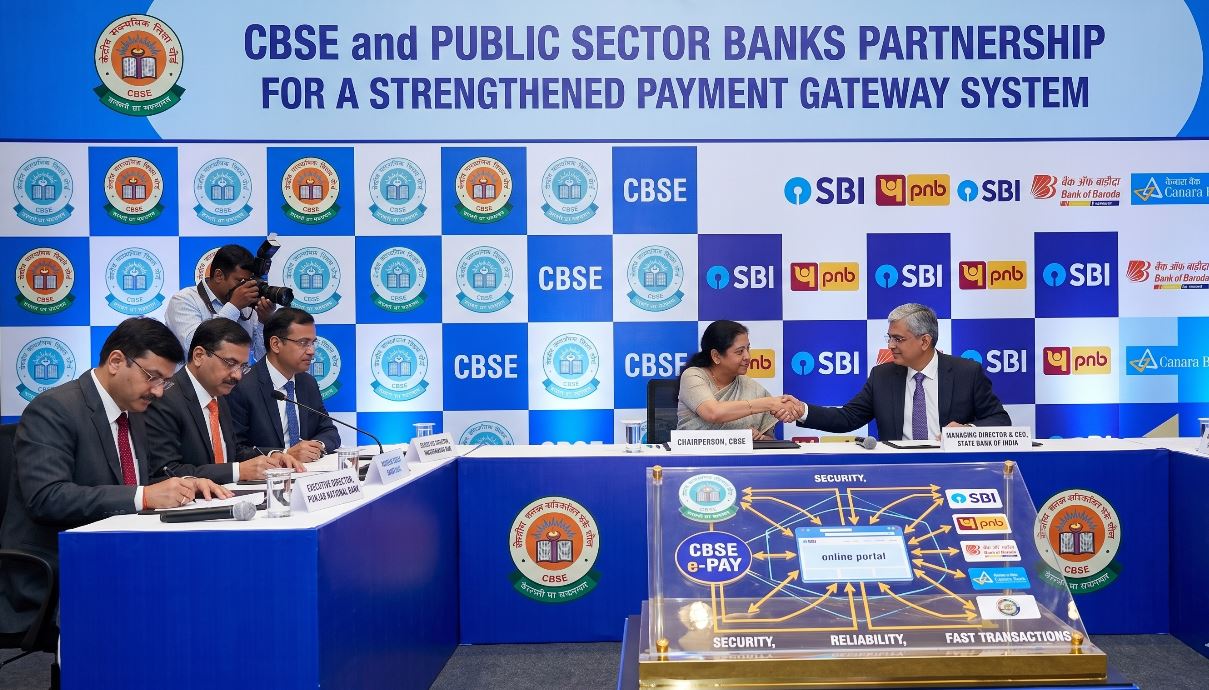
Representational image
Following discussions between Union Education Minister Dharmendra Pradhan and Union Finance Minister Nirmala Sitharaman, it has been decided that four public sector banks — State Bank of India, Bank of Baroda, Canara Bank and Indian Bank — will assist CBSE in strengthening its payment gateway system and integrating secure payment mechanisms with its post-examination services portal.
The move comes after students and parents raised concerns over failed transactions, portal instability and delays in accessing re-evaluation services following board examination results. Officials said the upgraded payment framework will introduce stronger digital payment protocols, help resolve transaction glitches and facilitate automatic refunds in cases of excess or failed payments.
In a parallel intervention, the Education Ministry has also directed CBSE to undertake a complete review of its digital systems to ensure a seamless and student-friendly experience. Expert teams comprising professors and technical specialists from Indian Institute of Technology Madras and Indian Institute of Technology Kanpur will be deployed to assist the board in improving portal stability, server performance, IT infrastructure and authentication systems.
The expert teams are expected to assess the overall robustness of CBSE’s online platform and recommend corrective measures to ensure a glitch-free re-evaluation process, smoother user access and improved payment efficiency.
Reiterating that student welfare remains the top priority, Pradhan directed CBSE to implement corrective measures on an urgent basis to ensure transparency, reliability and a hassle-free experience for students availing post-result services.
25, May 2026
Slow travel and shorter journeys emerge as defining summer travel trend for 2026
In 2026, luxury travel is becoming more intentional, with travellers increasingly choosing shorter, slower, and more meaningful escapes over long, exhaustive holidays. The focus is shifting from covering multiple destinations to experiencing a place more deeply, whether through wellness, nature, culture, or simple moments of pause. From restorative retreats nestled in the mountains to heritage stays steeped in local storytelling, these short-haul getaways offer the luxury of ease, accessibility, and emotional connection. As travellers prioritise balance, flexibility, and mindful living, the rise of closer-to-home escapes is redefining what modern summer travel looks like.
Culture-Led Escape – Close to Home
voco Amritsar
Set in the heart of one of India’s most culturally rich cities, voco Amritsar offers travellers a short haul escape that blends heritage, comfort, and immersive local experiences. Located close to the Golden Temple and the city’s historic old lanes, voco Amritsar features 139 contemporary rooms designed for a relaxed and comfortable stay. Guests can also unwind over leisurely meals at Saffron – all day dining, sundowners and rooftop evenings at Plum Lounge, or rejuvenating wellness experiences at Tattva Spa. Through thoughtfully curated experiences including heritage walks, local dining, and cultural discovery, voco Amritsar reflects the growing shift towards slower, experience-led getaways, that feel both restorative and deeply connected to place.
Heritage & Wellness Escapes – Slow Living in Regal Surroundings
Six Senses Fort Barwara
Set within a restored 14th-century fort in Rajasthan, Six Senses Fort Barwara offers a slower, more intentional style of escape shaped by heritage, wellness, and a strong sense of place. Within easy reach of major North Indian cities, the retreat brings together royal history, holistic wellness experiences, locally inspired cuisine, and the quiet serenity of the fort’s surroundings. From unhurried mornings overlooking the Aravallis to restorative spa rituals and immersive cultural experiences, the property reflects the growing shift toward travel that feels restorative, personal, and deeply connected to its destination.
Wellness Retreats – Reset, Rebalance, Restore
Six Senses Vana
As wellness continues to define modern travel, short-haul retreats are increasingly becoming spaces for genuine reset. Nestled within Dehradun’s sal forests, Six Senses Vana offers personalised wellness journeys rooted in holistic healing, mindfulness, and ancient therapies. With its deeply immersive approach to wellbeing, the retreat reflects a growing preference for purpose-driven escapes where rest, balance, and inner wellbeing take precedence over packed itineraries.
Nature-Led Escapes – Into the Wild, Without the Distance
Jim Corbett Marriott Resort & Spa
Set between the Malani Hills and the tranquil Kosi River, Jim Corbett Marriott Resort & Spa offers a slower, more restorative escape from the pace of city life. Just a few hours from Delhi NCR, the resort brings together wild landscapes, sunrise safaris, riverside trails, Ayurvedic therapies at Quan Spa, Kumaoni flavours at The Corbett Kitchen, and nature-inspired cocktails at Sal Bar. Whether travelling solo, with friends, or family, it’s an ideal setting for a mindful summer getaway immersed in nature.
Familiar Favourites – Comfort in the Known
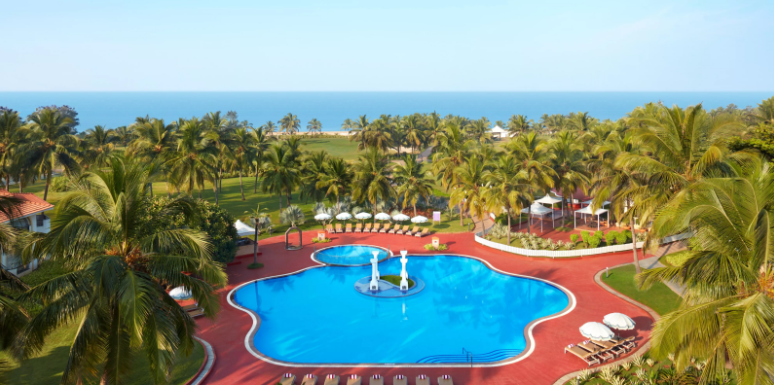
Holiday Inn Resort Goa
In an era of uncertainty and fast-paced lives, travellers are returning to destinations that feel familiar yet indulgent. Goa continues to lead this sentiment, with trusted stays offering comfort, accessibility, and ease. Holiday Inn Resort Goa embodies this shift, where repeat visits are less about novelty and more about effortless relaxation and rediscovering joy in the familiar.
25, May 2026
Finkurve Financial Services reports strong FY26 growth with sharp rise in AUM and Q4 profit
Mumbai, May 25 :Finkurve Financial Services Limited one of the tech-first gold loan NBFCs, announced its audited financial results for the quarter and financial year ended March 31, 2026.
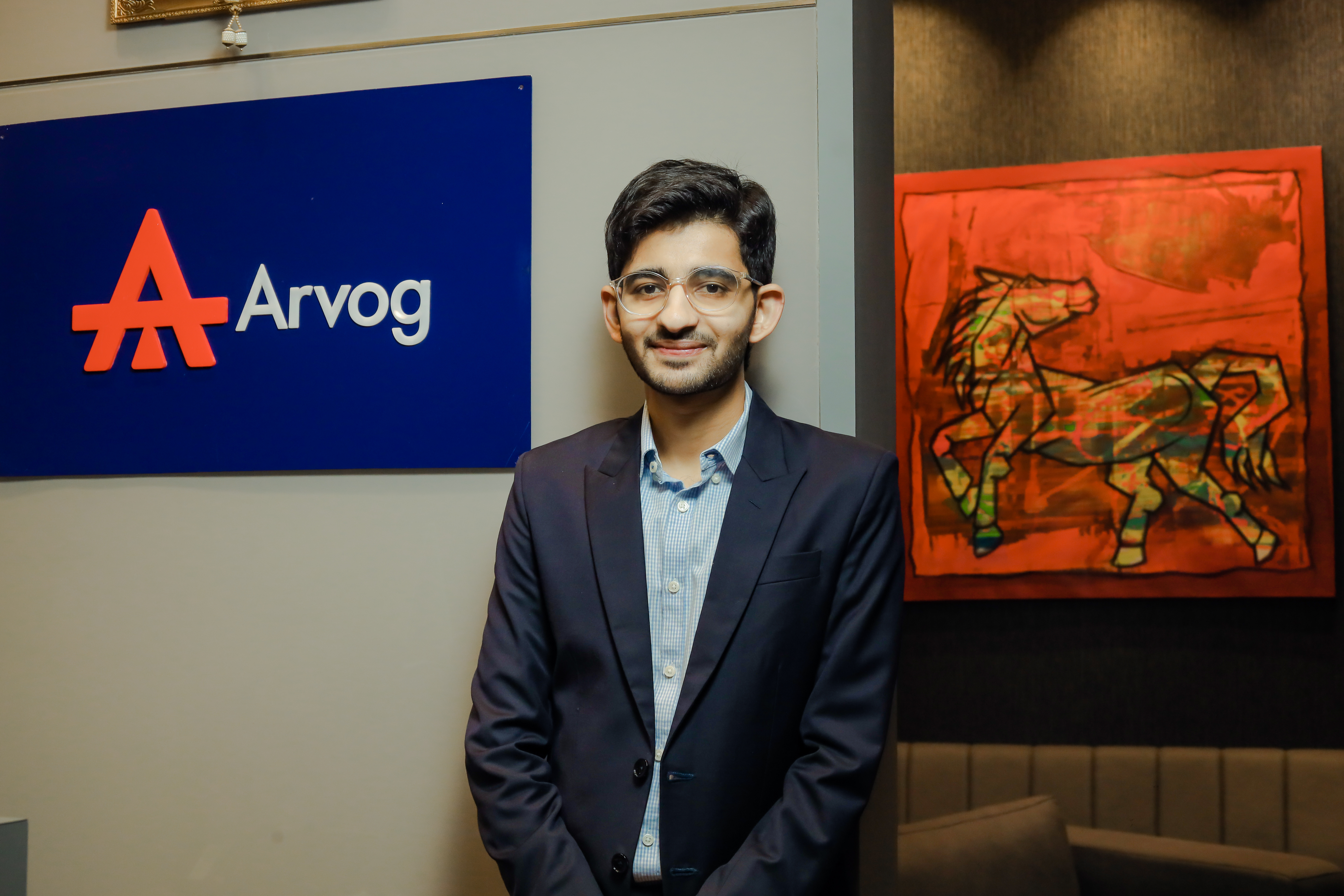
The Company reported strong growth across key business and financial parameters during FY26, driven by continued expansion of its technology-led phygital strategy, branch network growth, and increasing customer adoption across markets. During the year, Finkurve crossed the significant milestone of INR 1,000 crore in Assets Under Management (AUM), underscoring its growing presence in India’s secured lending ecosystem.
Business Highlights: Q4 FY26
Finkurve continued to witness strong growth momentum during FY26, with Assets Under Management growing 149% YoY to INR 1,096.1 crore, including off-book AUM of INR 21.03 crore, while AUM has grown nearly 10x compared to FY23. The Company expanded its branch network from 73 to 105 branches across India, with active gold loan customers standing at 28,506 as of March 31, 2026. During the year, Finkurve also raised approximately INR 111.5 crore to support expansion and strengthen its technology-led phygital strategy.
The Company achieved several strategic milestones during FY26, including the listing of its shares on the National Stock Exchange, crossing 100 tech-enabled gold loan branches, and expanding into South India with the launch of its first branch in Chennai. The Board also approved the appointment of Naveen Kottala as Chief Executive Officer effective November 18, 2025. Further, Finkurve entered into a strategic co-lending partnership with Godrej Finance Limited under RBI’s co-lending framework, while Infomerics and CARE Ratings assigned/upgraded the Company’s rating to ‘BBB+ / Stable’.
Financial Highlights: Q4 FY26
Finkurve reported a strong financial performance during Q4 FY26, with total income rising 71.21% YoY to INR 69.21 crore and Net Interest Income (NII) increasing 36.87% YoY to INR 47.44 crore. Profit Before Tax (PBT) grew 98.66% YoY to INR 10.42 crore, while Profit After Tax (PAT) increased 105.46% YoY to INR 8.04 crore. Basic EPS for the quarter stood at INR 0.58 compared to INR 0.31 in Q4 FY25.
The Company continued to maintain healthy asset quality and liquidity, with Gross NPA at 0.13%, Net NPA at 0.09%, and Capital Adequacy Ratio at 30.96%. Cash and cash equivalents stood at INR 102.12 crore, representing 8.28% of total assets.
Financial Snapshot: Q4 & FY26(INR crore)
|
Particulars |
Q4 FY26 |
Q4 FY25 |
YoY Growth |
Q3 FY26 |
QoQ Growth |
FY26 |
FY25 |
YoY Growth |
|
Total Income |
69.21 |
40.43 |
71.21% |
52.47 |
31.91% |
209.86 |
141.09 |
48.75% |
|
PBT |
10.42 |
5.25 |
98.66% |
9.95 |
4.75% |
34.60 |
23.65 |
46.31% |
|
PAT |
8.04 |
3.91 |
105.46% |
6.98 |
15.14% |
26.03 |
17.43 |
49.33% |
|
Basic EPS (INR) |
0.58 |
0.31 |
87.10% |
0.47 |
16.00% |
1.89 |
1.37 |
37.96% |
Key Metrics: Q4 FY26
|
Particulars |
Q4 FY26 |
Q4 FY25 |
YoY Growth |
|
AUM (INR crore) |
1,096 |
440 |
149.09% |
|
Branch Network |
105 |
73 |
43.84% |
|
Avg. Gold Loan per Branch (INR crore) |
9.9 |
5.3 |
86.79% |
Includes Off-Book AUM
|
Particulars |
Q4 FY26 |
Q4 FY25 |
|
Return on Average Loan Assets |
3.33% |
3.82% |
|
Return on Average Equity |
9.45% |
7.66% |
|
Capital Adequacy Ratio |
30.96% |
44.94% |
|
Debt to Equity Ratio |
2.4 |
1.2 |
Commenting on the performance, Mr. Priyank Kothari, Executive Director said:
“Q4 FY26 represents a defining chapter in Finkurve’s journey. Our Assets under Management crossed the INR 1,000 crore mark during the year and reached INR 1,096 crore as on March 31, 2026, reflecting a 149% year-on-year growth. This milestone reflects the momentum we have built across our gold loan franchise and the growing trust of our customers and lending partners.
This growth has been supported by meaningful progress during the year. The expansion of our tech-enabled gold loan branch network and our co-lending partnership with Godrej Finance Limited are not just milestones, but important steps in building a stronger and more scalable business.
As we look ahead, we remain focused on ensuring that our growth is sustainable and well-governed. Asset quality continues to remain strong with Net NPA at 0.09%, our Capital Adequacy Ratio remains healthy at 30.96%, and liquidity remains comfortable. We will continue to invest in technology, expand our branch network, and diversify our funding base, while keeping risk management, operational discipline, and customer centricity at the core of everything we do.”
25, May 2026
Epson brings innovation and reliability to the Restaurant & Foodservice Show 2026
SYDNEY, 25 May 2026 – Renowned for pairing cutting-edge technology with everyday business efficiency, Epson will showcase its latest label and receipt printing solutions at the Restaurant & Foodservice Show 2026, part of Food & Hospitality Week, from Monday 25 May to Wednesday 27 May 2026 at the ICC Sydney.

Epson CW‑C4010
Epson will be exhibiting on stand M53, where visitors can experience how its advanced printing technologies help hospitality and foodservice businesses improve quality, consistency and customer experience from the kitchen to the counter.
Established in 1967, the Restaurant & Foodservice Show has long been the leading event for Australia’s hospitality and foodservice industry, showcasing the latest technology, equipment and innovations that keep kitchens, cafés and restaurants running at their best.
Epson’s presence at this year’s show aligns perfectly with the event’s theme of innovation, reliability and efficiency by demonstrating products designed to boost workflow, enable compliance and support seamless guest experiences.
On display at the Epson stand will be a range of professional label and receipt printers tailored to the foodservice sector.
These include the Epson ColorWorks CW‑C4010, which brings on‑demand colour label printing to the kitchen, bar or packaging area. Designed for food and beverage environments, it enables restaurants, caterers and producers to print vivid, high‑resolution colour labels for ingredient, allergen or branding applications directly on site.
Its compact footprint, exceptional reliability and durable pigment inks make it ideal for compliance labelling, specialty products and craft food packaging where professional presentation and accuracy matter.
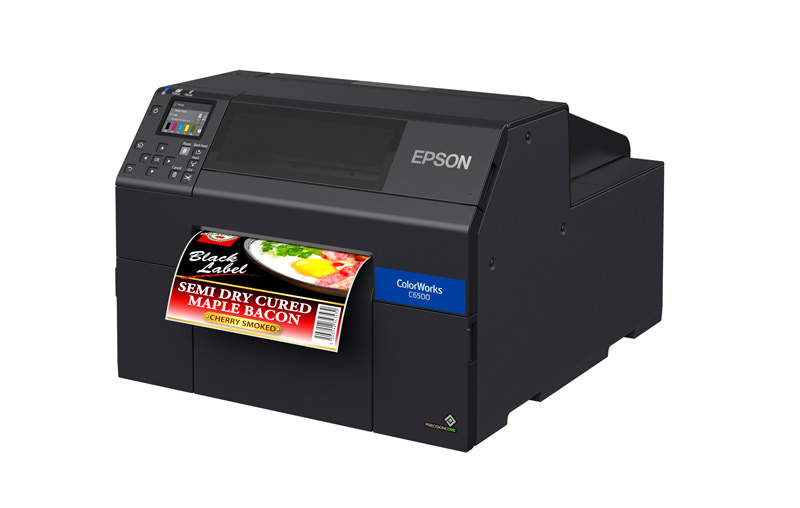
Epson CW‑C6510
Also on the stand will be the ColorWorks CW‑C6510 which brings fast, reliable, on‑demand colour labelling to restaurant and foodservice operations, making it easy to upgrade from black‑and‑white thermal transfer to vibrant, brand‑forward labels without disrupting existing workflows. With media handling and connectivity designed for seamless integration, the CW‑C6510 delivers sharp text and precise barcodes via PrecisionCore TFP technology and up to 1200 x 1200 dpi resolution, producing a wide colour gamut, smooth gradations and fine image detail for everything from complex informational labels to high‑quality product and to‑go labels. Ideal for large-scale and high‑mix, low‑volume applications alike, it helps streamline back‑of‑house organisation, improve order accuracy and reduce label inventory and waste through just‑in‑time printing, supporting operational efficiency while strengthening brand identity.
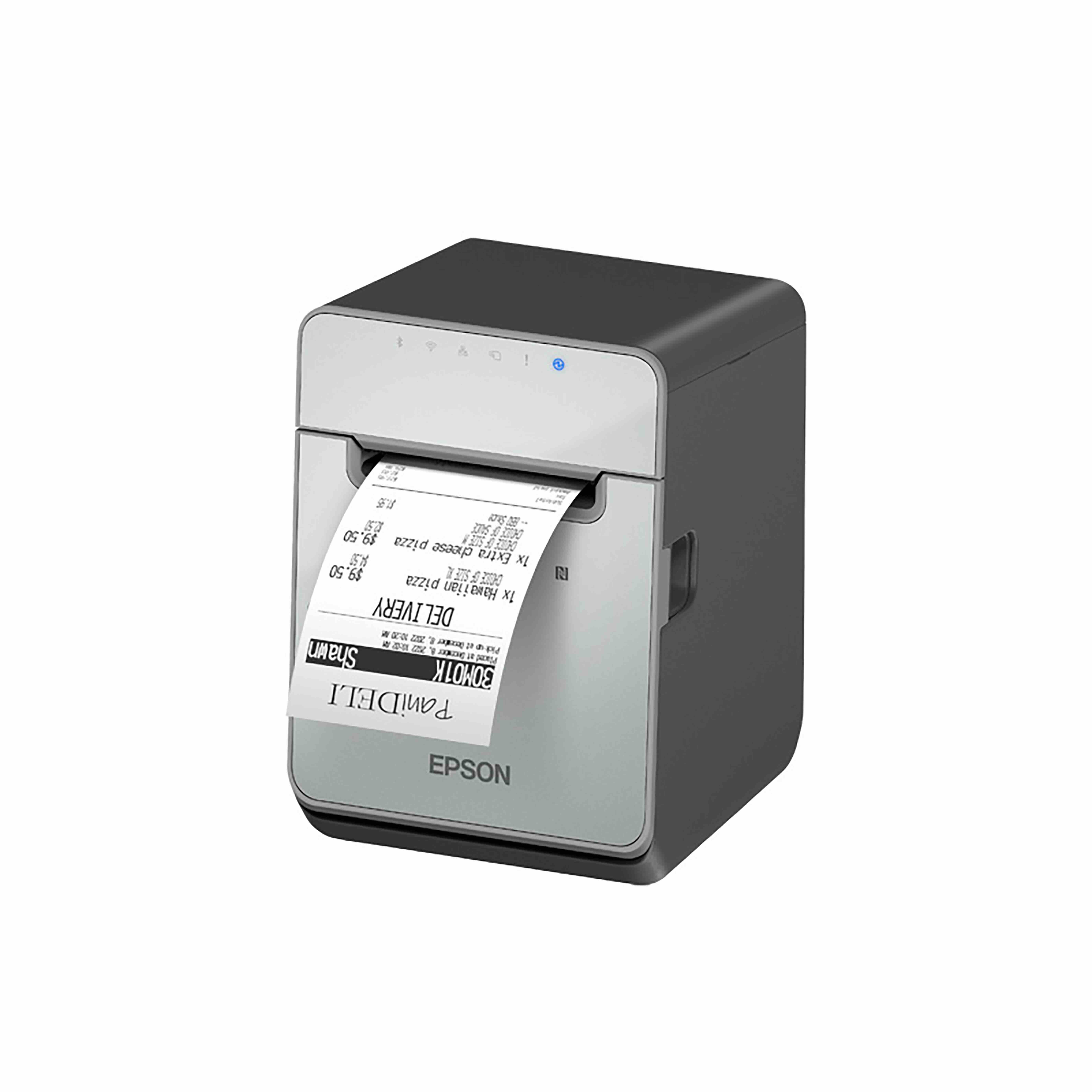
Epson TM‑L100
Then, purpose‑built for the foodservice industry will be the TM‑L100, a liner‑free label printer ideal for food prep, order identification and delivery packaging.
Compatible with leading point‑of‑sale (POS) and online ordering systems, it allows fast, mess‑free labelling that helps eliminate order errors, improve kitchen efficiency and ensure transparent ingredient tracking. With Epson’s reputation for reliability, it’s the standard in busy kitchen environments where every second counts.
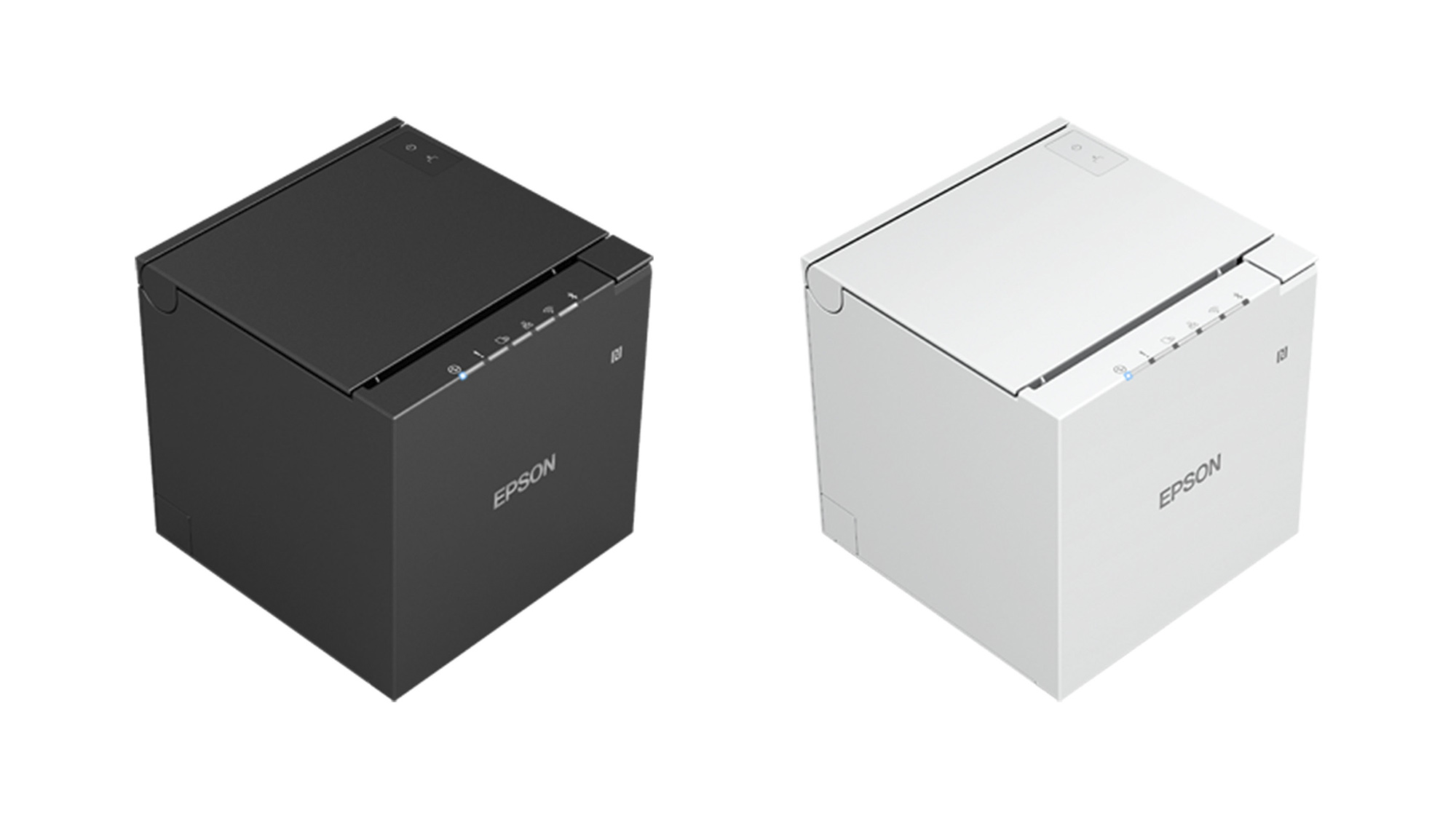
Epson TM‑m30III
Finally, blending form and function, will be the TM‑m30III compact receipt printer which is designed for modern hospitality counters, cafés, bars and quick‑service environments.
Its stylish cube design fits seamlessly into contemporary spaces, while advanced connectivity options — including USB‑C, Ethernet, Bluetooth and Wi‑Fi — make it simple to integrate with POS systems, tablets and smart devices. Fast, silent and reliable, it ensures seamless service from order to payment.
Epson’s solutions are designed to help foodservice operators deliver consistent quality, comply with evolving labelling requirements and create a more sustainable, efficient and connected business.
Visitors and attendees to the Restaurant & Foodservice Show will see exactly how Epson printers help chefs, retailers and suppliers streamline operations while enhancing presentation and customer trust.
About the Restaurant & Foodservice Show 2026
Location
ICC Sydney, Darling Harbour
Dates
Monday 25 – Wednesday 27 May 2026
Epson stand
M53
Show times
Monday 25 May: 10am – 5pm
Tuesday 26 May: 10am – 5pm
Wednesday 27 May: 10am – 4pm
25, May 2026
Talent from White Rivers Media, VML India, ASCI, and Oilver InHouse India Private Limited crowned winners at Advertising Rocks Season 4
May 25: Day 2 of Goafest 2026 wrapped up on a vibrant note with Advertising Rocks Season 4, one of the festival’s most anticipated evenings celebrating music, performance and creative expression. Advertising Rocks Season 4 Grand Finale was presented by BIG FM and powered by ABP Network’s BAE.
In the Indian Solo category, Rahul Sarodi (White Rivers Media) emerged as the winner, while Aniket Khade (White Rivers Media) was declared runner-up. Bodhisattwa Banerjee (VML India) secured the top honour in the International Solo category, followed by Shachi Shetty (Zee Media) as runner-up. In the Indian Duet category, Ruben Dsilva (ASCI) & Monobina Bhattacharya (Oilver InHouse India Private Ltd.) took the winning title, while Rahul Sarodi & Aniket Khade were named runners-up.
The finale was judged by Neeti Mohan – Bollywood Singing Diva; Padma Shri Prasoon Joshi, Chairman, Omnicom Advertising India and Chairman, Prasar Bharati; Manta Sidhu, Founder and Director – Culture Connect India & The Music Academy Gurgaon; Subhash Kamath, Former CEO, BBH India & Former Chairman, ASCI and Merlin Dsouza, Founding Partner, Brand Musiq and Director of Music Mode, Composer-Director, Pianist, and World Leadership Inspirational Award-winning Musician.
Bringing together professionals from across the advertising, media and marketing fraternity, Advertising Rocks added a vibrant musical dimension to Goafest 2026, as participants took the stage with solo and duet performances that showcased talent beyond their professional roles.
The evening was marked by energetic performances, enthusiastic audiences and a celebratory atmosphere, making it a memorable highlight of Day 2 and reflecting the festival’s spirit of creativity, collaboration and community.
25, May 2026
AAEON Places Physical AI Front and Center at COMPUTEX 2026

With live demonstrations across humanoid robotics, machine vision, and smart city, AAEON will highlight how advancements in edge AI can be turned into creative market solutions.
Taipei, Taiwan – May 25,Award-winning provider of embedded AI solutions AAEON (Stock Code: 6579) will showcase a variety of new and exciting edge AI solutions across areas such as humanoid robotics, smart transportation, and healthcare at COMPUTEX 2026, held from June 2nd to June 5th at the Taipei Nangang Exhibition Center.
Date: June 2 – June 5, 2026
Booth: #J1310 (Taipei Nangang Exhibition Center, Hall 1, TaiNEX 1)
Venue: Taipei Nangang Exhibition Center
Throughout the exhibition, AAEON will showcase a number of live demonstrations featuring products from across its portfolio, including a speak-and-command robot featuring the BOXER-8741AI, built on NVIDIA Jetson T5000 module, developed with NVIDIA DeepStream SDK and NVIDIA TAO Toolkit.
COMPUTEX will also give visitors an insight into AAEON’s upcoming MAXER-5000 AI inference server, powered by NVIDIA Jetson T5000 module. At the AAEON booth, the platform will be used to run a spatial AI agent application from ANIWEAVE powered by Avalanche Computing’s compliance-ready generative AI software platform, built using NVIDIA NemoClaw open source stack.
On AAEON’s MAXER-5100, equipped with two NVIDIA RTX PROTM 4000 Blackwell SFF Edition GPUs, Red Pill Lab’s multi-camera, multi-actor markerless motion capture system NeoCore will be on show, developed using NVIDIA Isaac Sim open reference framework and digital twin technology.
Similar to the focus placed on agentic AI solutions, AAEON will showcase a range of demonstrations centered on humanoid robotics and automation. The first of these will be an interactive robot that selects candy using an EPIC-PTH9-controlled robotic arm and delivers it to visitors via a quadruped robot built on the PICO-ARU4.
In addition to this, demonstrations featuring both the UP Xtreme PTL Edge system and UP Xtreme PTL developer board will be present, both equipped with Intel Core Ultra Series 3 processors. The former will be a robotic arm, while the latter will be an AI-powered pill defect detection application developed in conjunction with Neurocle.
Further demonstrations will cover a wide variety of use cases, from industrial safety SOP monitoring to a contactless heart rate monitoring device.
Moreover, an AI-driven humanoid PCB inspection display will be prominently displayed at the Robotics & Edge AI Pavilion (TWTC Exhibition Hall 1, Robotics A0618), powered by Intel.
This demonstration will show a comprehensive agentic AI solution featuring a disaggregated architecture designed to segment inspection, analysis, and decision-making workflows. The primary controllers of each of these functions will be the CEXD-INTRBL, AAEON’s new open robotic development system, the EATX-W890A, an upcoming workstation motherboard featuring Intel Xeon 600 processors, and the BOXER-6650-PTH, a fanless embedded controller equipped with a range of Intel Core Ultra Series 3 processors.
Outside of live demos, AAEON will debut a number of upcoming products from its 2026 roadmap, including a range of products equipped with the new Intel Core Series 3 Processors for the Edge (formerly Wildcat Lake), such as the de next-WCL8 and multiple UP developer boards and edge systems of varying configurations.
Additional unreleased products on show will give visitors an insight into the investment that AAEON has made in developing its choice of RISC computing platform range, including products integrating new technologies from MediaTek, Texas Instruments, Qualcomm, and NXP.
“As a company, we are always seeking new ways to help our customers turn their ideas into market-ready solutions,” said Howard Lin, CEO of AAEON Technology. “During this year’s COMPUTEX, visitors will see that our booth not only showcases world-class products from across our portfolio, but presents a broad range of engaging demonstrations that illustrate how these very platforms can be used to build, develop, and scale applications in new and exciting ways” Lin added.
Make sure to visit AAEON at Booth #J1310, located in Hall 1 of the Taipei Nangang Exhibition Center (TaiNEX 1), where the AAEON team will be on site to discuss the company’s offerings, give insight into live demos, and help make the event a memorable one.
25, May 2026
The Role of Business Magazines in Promoting Business Growth, Innovation, and Economic Development
Business magazines play an important role in today’s competitive world. They provide valuable information about markets, industries, companies, and economic trends. Entrepreneurs, business owners, students, and professionals often rely on business magazines to stay informed and make better decisions.
One of the main benefits of business magazines is that they provide up-to-date information. They report on market trends, stock performance, new technologies, and changes in government policies that affect businesses. This helps readers understand the business environment and prepare for future opportunities and challenges.
Business magazine also serve as a source of education and knowledge. They publish articles, expert opinions, case studies, and interviews with successful entrepreneurs and leaders. Readers can learn about management, marketing, finance, leadership, and innovation, which can improve their business skills and knowledge.

Another important aspect is that business magazines help in decision-making. Investors and business owners can use the information provided to analyze market conditions, identify risks, and make informed financial or strategic decisions. Accurate business information can reduce uncertainty and improve planning.
Business magazines also promote networking and inspiration. Stories of successful companies and entrepreneurs motivate readers and provide ideas for starting or improving businesses. They also highlight new business opportunities and industry developments.
In addition, business magazines contribute to the growth of the economy by spreading awareness about trade, investment, entrepreneurship, and innovation. They encourage people to think creatively and participate in economic activities.
In conclusion, business magazines are an essential source of information, learning, and inspiration in the business world. They help individuals and organizations stay informed, make better decisions, and succeed in a constantly changing market environment.
24, May 2026
Aurora Ventures launches to back the boldest female tech founders across emerging markets, including Egypt
Aurora Ventures launches with backing from inDrive – a global mobility and delivery platform scaled to unicorn status across the same emerging markets the program is investing in – for its 2026 pilot year. Egypt is one of the priority markets for the project.
The launch follows the successful conclusion of the 2026 Aurora Tech Award in Santiago, Chile, where a Nigerian, Adeola Ayoola-Famasi, was named among the top 10 finalists from a record-breaking field of 3,400 applicants.
Other women founders that make up the 2026 Aurora Tech Award top 10 finalists include: Adriana Gonzalez-Tizo (Panama), Angela Acosta-Morado(Colombia), Catalina Isaza- Innmetec (Colombia), Estefania Abello- Muta(Colombia), Maria Kawas- DomestikCo(Chile), Mariana Zuliani-OncoAI (Brazil), Mercedes Bidart- Quipu(Colombia), Patricia Florencia- Pilou (Mexico), and Penny Musengi- Pesira Technologies (Kenya).

Aurora Ventures, an early-stage investment program, is designed to leverage one of the world’s largest pipelines of underserved female talent. It is built on a proprietary sourcing advantage derived from five years of Aurora Tech Award data.
With applications exploding by nearly 30 times since 2021, the Award noticed a persistent gap in market inefficiency fuelled by high-traction, high-growth businesses led by women in MENA, Africa, and Latin America, which are consistently undervalued and overlooked by traditional venture capital.
A new Aurora research study involving 900+ founders across 127 countries found that women founders face systemic “competence scepticism” and higher traction standards.
The program, Aurora Ventures, aims to capture the “mispricing” faced by women founders by investing $180k–$250k at the pre-seed and seed stages. The program also utilises the Aurora Tech Award’s network to identify companies before their valuations fully reflect their performance, creating a repeatable model for generating alpha in emerging markets.
Speaking on the initiative, Head of Aurora Ventures, Isabella Ghassemi-Smith, described the launch of Aurora Ventures as a disciplined investment program built on the conviction that women founders are one of the most overlooked opportunities in venture capital today.
“Over the past five years, we’ve seen a repeating pattern: exceptional women building rigorous businesses but reaching institutional capital later and on worse terms than their performance justifies,” says Ghassemi-Smith.
She stated that the success stories of the top 10 finalists underscore the calibre of startups the initiative intends to back.
Also speaking, Chief Growth Businesses Officer, inDrive, Andries Smit, explained that “We built inDrive against all odds, competing against better-funded incumbents. We see the same thing playing out with women founders in emerging markets today. Backing Aurora Ventures is not charity; it is the same bet we made on ourselves.”
The 2026 pilot program focuses on building an initial portfolio and generating the track record necessary to transition into a formal GP/LP fund structure. By providing capital, network access, and operational guidance, Aurora Ventures seeks to accelerate portfolio companies toward subsequent funding rounds on more equitable terms.


