


5, May 2026
Donald Trump Congratulates Narendra Modi on West Bengal Victory!
New Delhi. May 5 (BNP): U.S. President Donald Trump on Tuesday congratulated Prime Minister Narendra Modi following the Bharatiya Janata Party’s significant electoral success in West Bengal.
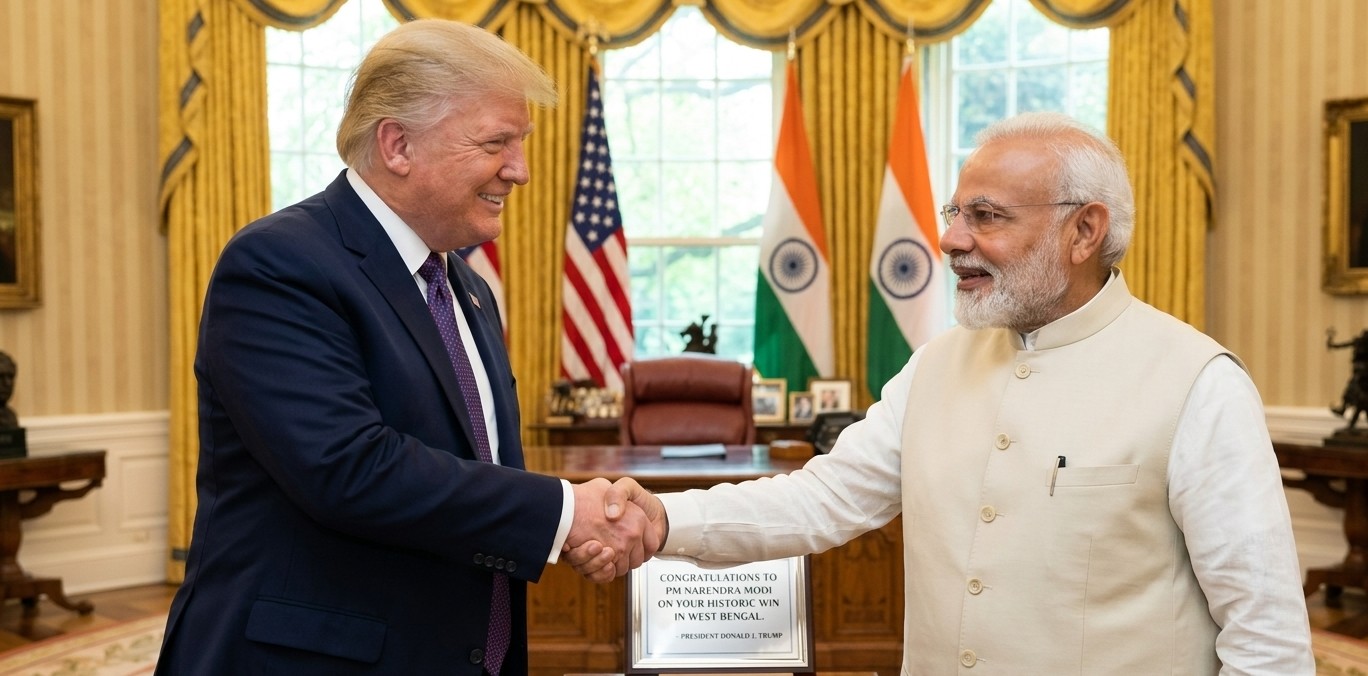
In a message shared publicly, Trump praised the scale of the victory, describing it as a “remarkable achievement” and acknowledging Modi’s leadership and connect with the electorate.
Prime Minister Narendra Modi thanked Trump for his message, reiterating India’s commitment to strengthening global partnerships and democratic values.
Political observers noted that such international reactions highlight the global attention drawn by India’s electoral processes, particularly in key states like West Bengal.
Further reactions from global leaders are expected as the full results and political implications continue to unfold.
- 0
- By Neel Achary

5, May 2026
“Well-being of people remains our only goal”: Vijay thanks Narendra Modi after strong TVK showing in Tamil Nadu polls!
Chennai, May 5 (BNP): Tamilaga Vettri Kazhagam (TVK) chief Vijay on Tuesday expressed gratitude to Prime Minister Narendra Modi following his party’s impressive performance in the Tamil Nadu Assembly elections.
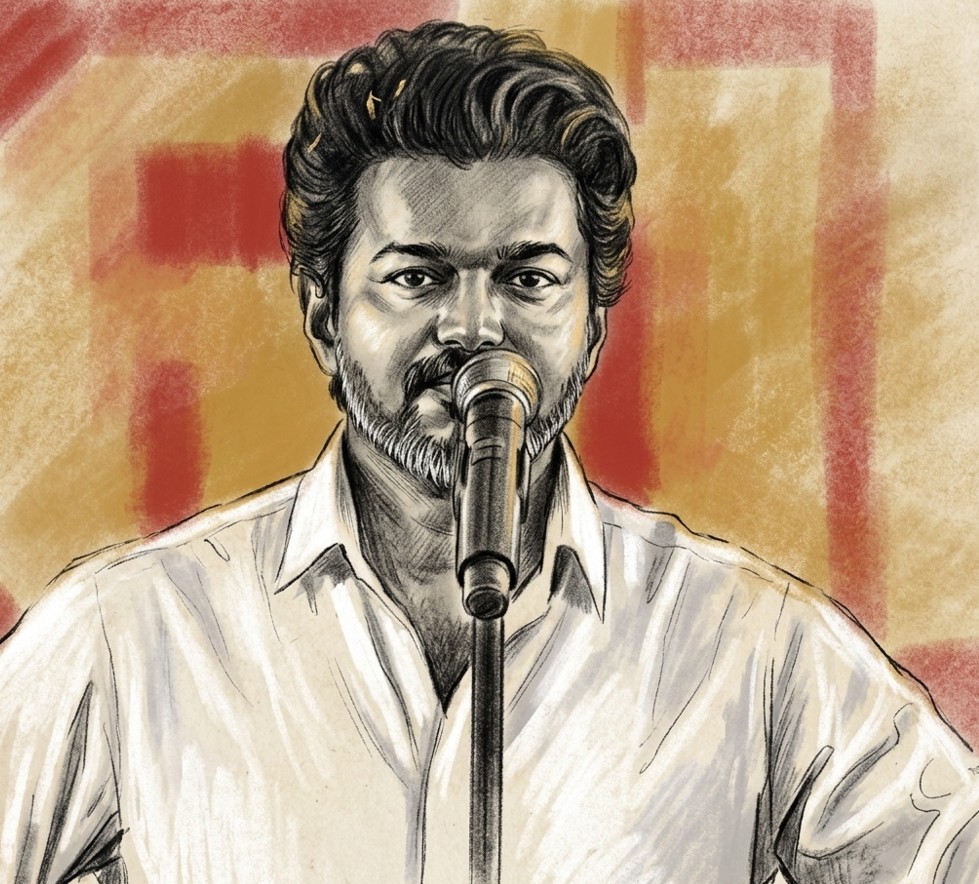
In a statement issued after early trends and results indicated a strong debut for TVK, Vijay reiterated that the party’s core mission is the welfare and upliftment of the people. “The well-being of people remains our only goal. This mandate reflects the trust and aspirations of the public, and we are committed to serving them with sincerity and transparency,” he said.
Vijay also acknowledged the Prime Minister’s message of support and goodwill, thanking him for recognising the democratic spirit and the people’s verdict. He emphasised that TVK would work constructively to address key issues, including employment, education, healthcare, and social justice.
Highlighting the significance of the party’s performance, Vijay said the results mark the beginning of a new political chapter in Tamil Nadu. He assured that TVK would uphold democratic values and strive for inclusive development across the state.
The actor-turned-politician also extended his gratitude to party workers, supporters, and voters for their unwavering faith and dedication, stating that their efforts have laid the foundation for a people-centric governance model.
5, May 2026
AD Ports Group, CMA Terminals Khalifa Port, and CMA CGM Group Sign MoU
AD Ports Group, CMA Terminals Khalifa Port, and CMA CGM Group Sign MoU to Extend Inland Reach Across the UAE and Wider Region
- The three partners intend to cooperate to anchor cargo flows across AD Ports Group’s consolidated inland intermodal network of rail-linked inland container depots, dry ports and cargo depots
Abu Dhabi, UAE – 05 May 2026: AD Ports Group (ADX: ADPORTS), a leading global enabler of integrated trade, industry and logistics solutions, signed a Memorandum of Understanding (MoU) with CMA Terminals Khalifa Port container terminal and CMA CGM Group, a global player in sea, land, air and logistics solutions, to develop efficient intermodal solutions and extend inland reach across the UAE and wider region, through AD Ports Group’s consolidated inland intermodal network.
Under the MoU, the three partners intend to cooperate to anchor cargo flows across AD Ports Group’s consolidated network of rail-linked inland container depots, dry ports, and cargo depots, extending CMA Terminals Khalifa Port’s reach beyond the quay to inland consumer, industrial, and regional markets.
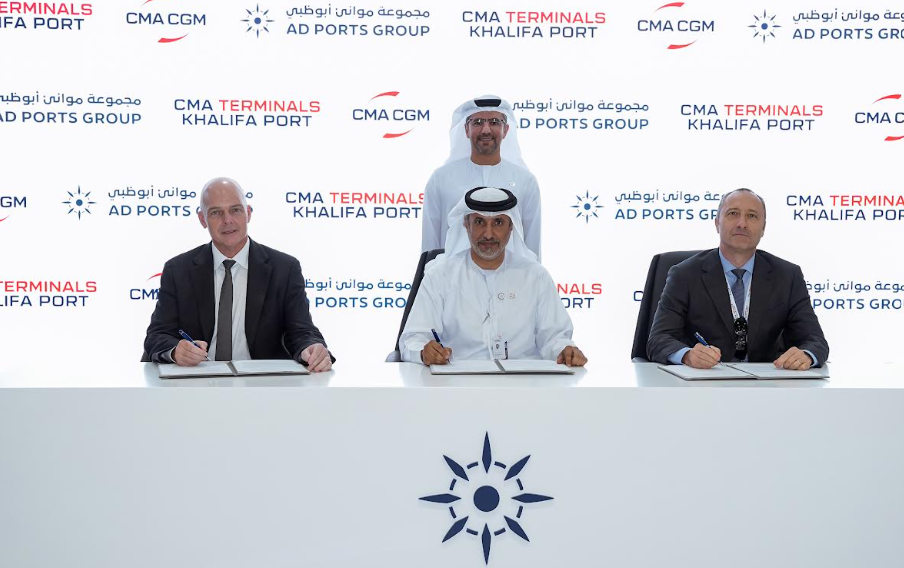
The collaboration will also explore opportunities to strengthen cargo flows across the UAE and regional markets, including the Northern Emirates, whilst extending trade corridor optionality through rail-linked inland connectivity to the borders of the Sultanate of Oman and the Kingdom of Saudi Arabia.
By supporting more efficient inbound cargo flows to industrial and manufacturing sectors, the collaboration aims to support the UAE’s industrial growth agenda by creating flexible and resilient export corridors through multiple inland and gateway routing options.
Captain Mohamed Juma Al Shamisi, Managing Director and Group CEO of AD Ports Group, said: “This MoU marks an important step in consolidating the UAE’s inland intermodal logistics backbone under one integrated platform. By bringing CMA CGM as the first global shipping line partner into this network, we are extending CMA Terminals Khalifa Port beyond its traditional role at the quay and creating a more connected, flexible and resilient trade gateway for the UAE and the wider region. This initiative, under the wise guidance of our leadership in the UAE, directly supports national industrial growth ambitions by strengthening inbound cargo access, improving corridor optionality and enhancing the long-term competitiveness of national supply chains.”
Inaugurated in December 2024, CMA Terminals Khalifa Port is a joint venture between CMA CGM Group (70%) and AD Ports Group (30%), and one of three container terminals at Khalifa Port operated by major international shipping lines.
Jesper Stenbak, Regional Director in the Middle East Gulf, Indian Sub-Continent, and Indian Ocean, CMA CGM Group, said: “This collaboration strengthens CMA Terminals Khalifa Port’s role as an inland-enabled gateway terminal, extending CMA CGM’s reach beyond the port through integrated inland connectivity across the UAE and into regional markets. By linking maritime services more directly to inland cargo flows, this partnership supports more efficient routing, stronger supply chain resilience and improved service reach for our customers.”
AD Ports Group’s inland intermodal network connects gateway ports to inland dry ports, rail-linked cargo facilities and industrial demand centres across the UAE, supporting more efficient cargo movement, stronger inland connectivity and improved access to regional trade corridors.

5, May 2026
Kore.ai Establishes Bay Area Strategic Headquarters to Lead the Next Wave of Enterprise AI
Triple-digit customer growth, deepening hyperscaler partnerships, and senior executive appointments accelerate the company’s push to scale the next generation of its AI-native agent platform
SAN MATEO, Calif. — May 5, 2026 — Kore.ai, a global leader in agentic AI platforms and applications, today announced the establishment of its strategic headquarters in the San Francisco Bay Area, positioning the company at the heart of the world’s leading AI innovation ecosystem. The move caps a year of accelerating customer growth, deepening strategic partnerships, and expanding industry leadership, and positions Kore.ai at the center of the ecosystem shaping the next wave of enterprise AI.
The establishment of a Bay Area hub strengthens Kore.ai’s leadership position within the AI community, brings it closer to its expanding local customer base, and highlights its continued investment in top enterprise AI talent. Kore.ai’s official headquarters remains in Orlando, where the company was founded, and the company continues to maintain a significant presence in New York and other major cities worldwide.
To support its next phase of growth, Kore.ai has appointed three senior executives in the Bay Area:
- Uma Sandilya has joined as Chief Growth Officer, bringing experience as a former McKinsey Partner and C3.ai executive, where he developed AI growth strategies
- Cathal McCarthy has been named as Chief Strategy Officer, drawing on more than 25 years’ experience at notable companies, including Apple and eBay, where he scaled global technology businesses and operationalized AI for Fortune 500 and private equity organizations
- Peter Mullen has joined as Chief Marketing Officer, with a strong track record of building and scaling category-defining brands for Fortune 25 companies and leading AI enterprises.
The appointments are accompanied by the relocation of key engineering, Forward Deployed Engineering (FDE), and go-to-market talent to the Bay Area office.
“The Bay Area represents the epicenter of AI innovation and enterprise technology transformation,” said Raj Koneru, Founder and CEO of Kore.ai. “Establishing our strategic headquarters here allows us to be closer to our customers, partners, and the broader ecosystem shaping the future of AI. It strengthens our ability to innovate faster, collaborate more deeply, and deliver cutting-edge, enterprise-grade AI solutions at a global scale.”
A Year of Accelerating Momentum
Kore.ai deepened strategic partnerships with Microsoft and AWS over the last fiscal year, serving as a launch partner for Microsoft Agent 365 and earning the AWS Advanced AI Competency designation, with joint co-build, co-market, and co-sell motions now in market. In addition, the company secured strategic growth capital from AllianceBernstein Private Credit Investors to accelerate product innovation and international expansion.
Additionally, the company recently strengthened its AI-native product portfolio with Agent Management Platform (AMP), a unified command center designed to govern, monitor, and manage AI agents and AI systems across the enterprise and it operates a thriving agent marketplace.
Kore.ai has added over 100 new enterprise customers globally in the last fiscal year, including a growing number in North America and the Bay Area, while continuing to expand within its existing customer base. The company has delivered some of the largest production-scale AI deployments across customer service and employee productivity use cases, enabling enterprises to move from AI pilots to measurable business outcomes.
This growth has been further validated by more than 12 industry leadership recognitions, including placements in the Gartner Magic Quadrant™ for Conversational AI Platforms, Forrester Wave™ for Cognitive Search Platforms, and Everest Group PEAK Matrix® for Agentic AI Products, among others.
With its strategic presence in the Bay Area, Kore.ai is well-positioned to lead the next wave of enterprise AI adoption—driven by innovation, scale, and real-world execution.
5, May 2026
WaveMaker’s Agentic AI Application Generation System Sees Strong Early Momentum Following Launch, Enterprise and Partner Trials Surging Across Industries
Also Read: Construction Bookkeeping: Managing Cash Flow and Compliance in a Complex Industry
5, May 2026
Kareena Kapoor Khan Leads Race Opposite Salman Khan in Raj & DK’s Upcoming Superhero Film!
Mumbai, May 5 (BNP): Speculation is mounting around Salman Khan’s upcoming superhero project with filmmaker duo Raj & DK, as Kareena Kapoor Khan emerges as the frontrunner for the female lead, reportedly overtaking earlier buzz around Samantha Ruth Prabhu.

According to industry sources, Kareena Kapoor Khan is currently in advanced discussions for the yet-untitled film and has shown strong interest in the role. Reports suggest that Salman Khan has personally facilitated discussions, further strengthening her position for the project.
If finalised, the film will mark the reunion of Salman Khan and Kareena Kapoor Khan, one of Bollywood’s most popular on-screen pairs, who last appeared together in Bajrangi Bhaijaan. Their previous collaborations, including Kyon Ki, Main Aur Mrs Khanna, and Bodyguard, continue to enjoy strong audience recall.
Backed by Atul Agnihotri in association with Mythri Movie Makers, the film is envisioned as a large-scale superhero spectacle. Salman Khan is expected to portray a unique role of an ageing superhero drawn back into action, promising a blend of stylised action and humour—hallmarks of Raj & DK’s filmmaking.
The project is expected to go on floors around October–November 2026. Prior to this, Salman Khan is engaged in an action entertainer directed by Vamshi Paidipally, scheduled for release during Eid 2027.
Notably, the upcoming film will also mark Raj & DK’s return to the big screen nearly a decade after their last theatrical release, A Gentleman, further heightening anticipation around the project.
5, May 2026
Indian Railways Announces New East Coast Railway Division at Rayagada, Operations from June 1
Bhubaneswar, May 5 (BNP): The Indian Railways has issued an official notification announcing the formation of a new railway division at Rayagada, marking a significant step towards strengthening rail infrastructure in the region.
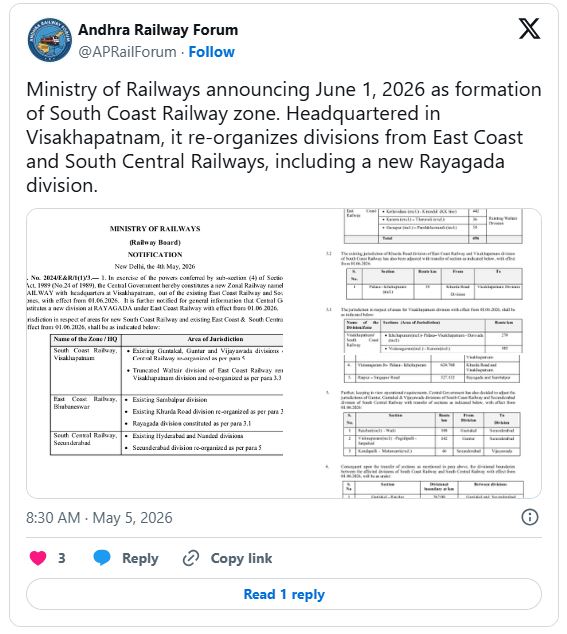
The newly created division will function under the East Coast Railway and is scheduled to become operational from June 1. The move is aimed at enhancing administrative efficiency, improving passenger and freight services, and boosting connectivity across southern Odisha and adjoining areas.
Officials stated that the establishment of the Rayagada division is expected to streamline operations, support regional economic growth, and facilitate better management of key rail routes in the mineral-rich belt.
5, May 2026
IEX Power Trading Volume Rises 16.6 pc in April Amid Strong Market Demand
New Delhi, May 5 (BNP): Indian Energy Exchange (IEX) reported a 16.6% year-on-year rise in electricity trading volume for April, with total trade reaching 12,341 million units, supported by higher demand in the power market.
In the day-ahead segment, buy bids increased 31% year-on-year, while sell bids grew 35%, indicating strong participation from both sides of the market.
Reflecting firm demand conditions, the average market-clearing price stood at ₹5.26 per unit, up 1% compared to the same period last year.
The performance underscores sustained activity and healthy liquidity in the electricity trading market during the month.
5, May 2026
Narendra Modi Condemns Iran Attack on UAE, Backs Safe Navigation in Strait of Hormuz!
New Delhi, May 05 (BNP): India on Tuesday strongly condemned the reported Iranian drone and missile attacks on an oil facility in the United Arab Emirates (UAE), which left three Indian nationals injured. Prime Minister Narendra Modi termed the targeting of civilians and critical infrastructure as “unacceptable” and called for restraint.
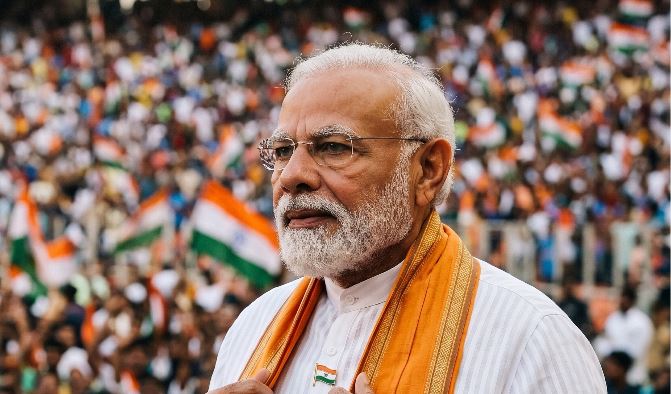
The attack targeted the Fujairah Petroleum Industries Zone in Fujairah, a key energy and shipping hub, amid heightened tensions in West Asia. The incident occurred shortly after the United States launched “Project Freedom” to escort stranded merchant vessels through the strategically significant Strait of Hormuz, which has remained disrupted since the escalation of the regional conflict earlier this year.
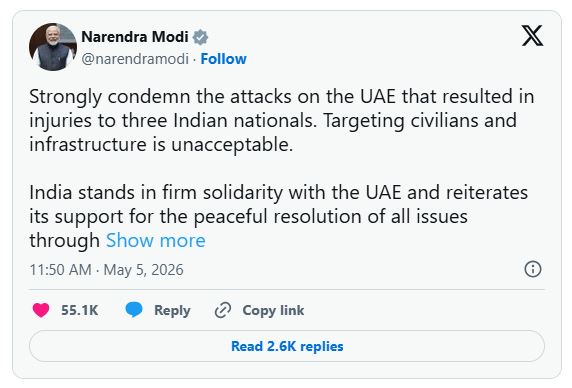
“Strongly condemn the attacks on the UAE that resulted in injuries to three Indian nationals. Targeting civilians and infrastructure is unacceptable,” the Prime Minister said. He further reaffirmed that India stands in firm solidarity with the UAE and emphasised the need for peaceful resolution of conflicts through dialogue and diplomacy.
Highlighting the importance of maritime security, Modi underscored that ensuring safe and unimpeded navigation through the Strait of Hormuz is critical for regional stability and global trade.
The Government of India is closely monitoring the situation and remains in contact with UAE authorities to ensure the safety and well-being of Indian citizens in the region.
5, May 2026
Bihar AI Summit 2026 to Showcase Tech Talent in Patna
Patna, May 5 (BNP): Bihar is preparing to host a major technology-focused event with the Bihar AI Summit 2026, scheduled for May 23–24 at Urja Auditorium in Patna. The event is expected to bring together thousands of students, developers, startups, and technology professionals from across the region.
The summit aims to promote awareness and understanding of Artificial Intelligence, while encouraging young talent to explore opportunities in emerging technologies. Organisers said the event will focus on how AI is transforming key sectors such as healthcare, education, agriculture, and governance.
By creating a platform for learning, collaboration, and innovation, the summit seeks to bridge the skill gap and introduce participants to practical applications of AI in real-world scenarios.
The initiative is expected to play a significant role in strengthening the state’s growing technology ecosystem and inspiring the next generation of digital innovators.


