


5, Oct 2026
RBI May Hold Repo Rate in October, Rate Hikes Could Start in December: BoB
New Delhi, Oct 5: The Reserve Bank of India (RBI) may keep the repo rate unchanged at 5.25 per cent in its October monetary policy meeting, while a rate-hike cycle could begin from December, according to an assessment by Bank of Baroda.
The bank expects the RBI to maintain its neutral policy stance in October as it continues to monitor inflation, economic growth, crude oil prices and global financial conditions.
Bank of Baroda expects the RBI to raise the repo rate by a total of 50-75 basis points in the next tightening cycle, starting in December. However, the timing and pace of any future rate changes will depend on how inflation and other economic indicators develop.
India’s economy continues to show strong growth, giving the central bank some room to assess the situation before making a change in interest rates. Bank of Baroda expects India’s GDP growth to remain around 7-7.2 per cent in FY27.
Inflation is also an important factor for the RBI. Retail inflation has moved higher in recent months, mainly due to food prices, while core inflation has remained relatively moderate.
The banking system is also seeing surplus liquidity, while credit growth remains healthy across several sectors. These factors could influence the RBI’s approach to monetary policy in the coming months.
Global developments will remain another key factor. Changes in crude oil prices, movements in global interest rates and foreign investment flows can affect India’s inflation outlook, the rupee and bond yields.
If the RBI keeps the repo rate unchanged in October, it would give policymakers more time to assess these developments before considering a possible rate increase later in the year.
For borrowers, businesses and financial markets, the October policy decision and the RBI’s guidance will be closely watched for signals on the future direction of interest rates.
- 0
- By Neel Achary

5, Oct 2026
Gold Slides Nearly 1% While Silver Gains Amid Global Uncertainty
Mumbai, Oct. 5: Gold prices declined nearly 1 per cent in domestic futures trading on Monday, while silver moved higher as bullion markets reacted to movements in the US dollar and continuing geopolitical uncertainty.

Representational Image
On the Multi Commodity Exchange (MCX), December gold futures were trading at ₹1,49,184 per 10 grams around 10 am, down ₹1,206, or 0.8 per cent, from the previous close.
Gold had earlier slipped as much as 1.02 per cent to ₹1,48,850. The contract touched an intraday high of ₹1,51,197 before easing.
Silver Moves Higher
Silver futures bucked the trend, with the December contract gaining as much as 0.49 per cent to reach an intraday high of ₹2,26,999 per kg.
The white metal was later trading at around ₹2,26,340 per kg, up ₹463, or 0.2 per cent, from the previous close. Silver had opened at ₹2,25,900, while gold began the session at ₹1,51,197.
Gold Faces Key Resistance
Commodity analysts said gold’s fall below the ₹1.50 lakh level has turned the mark into an immediate resistance zone.
Resistance is seen around ₹1,51,000-₹1,51,600, followed by ₹1,52,500-₹1,53,000. On the downside, support is expected around ₹1,48,000-₹1,47,300, followed by ₹1,46,000-₹1,45,300.
Analysts said the technical outlook remains cautious, with the Relative Strength Index (RSI) at 43 and the Moving Average Convergence Divergence (MACD) indicator in negative territory.
A sustained move above ₹1.50 lakh could help stabilise gold, while a break below ₹1,48,000 may expose the contract to further downside towards ₹1,46,000.
Silver Outperforms Gold
Silver has continued to show relative strength, holding above the ₹2,24,000 support zone.
Analysts have placed immediate resistance at ₹2,27,000-₹2,28,000, followed by ₹2,31,000-₹2,32,000. A sustained rise above ₹2,28,000 could support further recovery, while a fall below ₹2,24,000 may pull prices towards ₹2,20,000.
The contrasting movement in domestic prices reflects a similar trend in international bullion markets, where silver has recently outperformed gold.
Geopolitical Developments in Focus
Global geopolitical developments remain an important driver for precious-metal prices.
US President Donald Trump recently said Washington faced a choice between further military action against Iran and reaching an agreement with Tehran, adding another layer of uncertainty for global markets.
Investors are therefore closely tracking currency movements and geopolitical developments for further direction in bullion prices.
5, Oct 2026
redBus Streamlines Passenger Journeys with Real-Time Tracking, Seat Selection, and Comprehensive Route Comparison
BENGALURU, India, Oct. 5, 2026 /PRNewswire/ — redBus is strengthening the role of digital booking in India’s intercity bus travel journey by bringing search, comparison, seat selection, boarding information and journey updates into a connected booking experience.
As travellers increasingly evaluate practical details before confirming a bus, the platform is enabling more of the travel decision to take place within the booking process itself.
Search Is Becoming A Part of Journey Planning
Intercity travel decisions often begin with a route and travel date. Once these details are entered, passengers can view the services available for the journey and compare options before moving ahead with a booking.
On redBus, online bus booking brings route search, service availability and filtering tools into one place. Travellers can narrow services based on factors such as departure timing, bus type, boarding point and drop-off location. This makes it easier to focus on options that fit the practical requirements of the journey instead of going through every available service individually.
Boarding Details Can Shape the Final Choice
The location of a boarding or dropping point can affect whether a bus service is convenient. A suitable departure time may still be difficult to manage if the boarding location is far from where the passenger is staying.
Digital booking brings this information forward. redBus allows passengers to review boarding and dropping points during the booking process, helping them consider local travel arrangements before confirming the ticket.
Seat Selection Adds More Control
Bus type and seat availability can also influence the final decision. Where seat selection is supported, travellers can check available seats and choose according to their preference before completing the booking.
This gives passengers greater visibility into the journey rather than leaving seating details until a later stage. The booking process therefore becomes more closely connected with comfort and personal travel preferences.
App Features Extend beyond Booking
The role of online booking can continue after a ticket has been confirmed. For supported services, redBus offers live bus tracking that can help travellers follow the location of their bus and prepare for reaching the boarding point.
Travellers who use the platform to book bus tickets can also access their booking information digitally from their devices. Depending on the selected service and applicable terms, they may find flexibility-related features that can help when travel plans change.
Service Information Makes Comparison Easier
redBus also uses service information and platform features to help passengers assess available options more closely. Travellers can compare operators, bus categories and other journey details within the same booking environment.
This reduces the need to gather basic journey information from several different places before deciding which service to book.
Digital Booking Is Becoming a Wider Travel Tool
Online bus booking is increasingly moving beyond payment and confirmation. Search tools, timing information, boarding details, seat selection and journey updates can all contribute to the travel decision.
By bringing these elements together, redBus is making the booking process more connected with the wider journey. Passengers can use the platform not only to book a bus ticket but explore all the online booking features and make a more informed purchase.
 View original content:https://www.prnewswire.com/in/news-releases/redbus-streamlines-passenger-journeys-with-real-time-tracking-seat-selection-and-comprehensive-route-comparison-302898310.html

5, Oct 2026
Philip Morris India and Litterati Collaborate to Address Littering Through Evidence-Based Solutions
NEW DELHI, Oct. 5, 2026 /PRNewswire/ — Philip Morris India Trading Private Limited (PM India) partnered with Litterati, a global civic technology company, to launch the first phase of a 12-month anti-littering effort in Delhi. Implemented as part of PM India’s CSR work under Project Unmesha, which focuses on environmental stewardship, circularity, and climate resilience, the collaboration seeks to generate a deeper understanding of littering patterns and support cleaner, more sustainable public spaces.

The first phase in Delhi will leverage Litterati’s methodology, community science approach and AI-enabled image recognition technology to identify litter hotspots, map litter composition and establish scientifically rigorous baselines across selected urban environments. Insights generated through this assessment will help PM India pilot targeted, scalable solutions focused on behaviour change, responsible disposal practices and waste recovery in identified hotspots. By combining technology, measurement and on-ground observation, the collaboration aims to support more effective responses to littering challenges and contribute to the Swachh Bharat Mission’s emphasis on citizen participation, responsible waste disposal practices and cleaner public spaces.
The partnership follows PM India’s recent anti-littering initiatives, including the #CleanWithBittu campaign conducted on World Cleanup Day, mobilizing volunteers across Delhi, Haryana, and Uttar Pradesh that contributed to the removal of more than 4,000 kg of litter from public spaces, with over 1,600 kg diverted for recycling or composting and an estimated 2,200 kg of CO₂-equivalent emissions avoided. While cleanup drives help address existing waste, the new collaboration seeks to advance understanding of litter patterns and the factors that drive them, providing a stronger evidence base for sustained solutions.
Navaneel Kar, Managing Director, Philip Morris India, commented, “Addressing littering effectively requires more than cleanups alone. It requires an understanding of littering patterns, behaviours and local challenges. Following efforts like #CleanWithBittu, our collaboration with Litterati represents the next step in that journey by bringing data and evidence into the conversation. Through Project Unmesha, our flagship programme focused on environmental stewardship, we are committed to advancing anti-littering and circularity as key focus areas, while fostering greater awareness around responsible waste disposal. We believe evidence-led approaches, combined with community participation, can contribute meaningfully to the objectives of the Swachh Bharat Mission and support cleaner public spaces over the long term.”
Talking about the initiative, Dick Ayres, Co-founder & Chief Strategy Officer, Litterati, said, “Litter is often treated as a visible symptom, but understanding its sources, composition and movement requires data. Through this collaboration, we will apply Litterati’s methodology to help establish a detailed picture of litter in select urban environments, identify priority hotspots, and measure change over time. Our goal is to generate transparent evidence that can support practical interventions, inform policy discussions, and contribute to cleaner public spaces.”
Founded on the belief that data can be a powerful tool for environmental change, Litterati has engaged millions of people across more than 100 countries and helped create one of the world’s largest datasets on litter and waste in the environment. Through its partnership with PM India, the organisation will support litter mapping, hotspot identification, waste-stream analysis, and measurement frameworks designed to assess the impact of interventions over time.
The programme is intended to establish a replicable model that combines measurement, behaviour change, infrastructure solutions, and waste-system strengthening to better understand and reduce litter in urban environments.
Globally, Philip Morris International’s sustainability strategy seeks to address the environmental impacts associated with its products throughout their life cycle. Its approach includes preserving resources, reducing waste, addressing litter, promoting responsible end-of-life management, and applying circularity and eco-design principles.
About Litterati:
Litterati is a civic technology company that harnesses the power of community science and AI-driven image recognition to systematically measure, map, and reduce litter at scale. Founded on the belief that data is the most powerful tool for environmental change, Litterati has developed a methodology that turns everyday observations into actionable intelligence — identifying what litter exists, where it accumulates, and who is responsible for it. Over a decade, Litterati has engaged millions of people across more than 100 countries, creating one of the world’s largest datasets on litter & waste in the environment.
About Philip Morris India Trading Private Limited:
Philip Morris India Trading Private Limited (Formerly IPM India Wholesale Trading Private Limited), is a joint venture between Philip Morris Brands SARL of Switzerland and two Indian entities, Godfrey Phillips India Limited and K.K. Modi Investment & Financial Services Private Limited.
 View original content to download multimedia:https://www.prnewswire.com/in/news-releases/philip-morris-india-and-litterati-collaborate-to-address-littering-through-evidence-based-solutions-302898313.html

5, Oct 2026
Chatha Foods Limited Launches A Dedicated Vegetarian Manufacturing Facility at Dera Bassi, Punjab
- Built with 16,000 MT annual capacity, the facility manufactures breads, sauces, snacks and patties for foodservice customers across India.
MOHALI, India, Oct. 5, 2026 /PRNewswire/ — Chatha Foods Limited today announced the commencement of commercial production at its new dedicated vegetarian manufacturing facility, CFL Unit II, located at Village Toffanpur, Dera Bassi (SAS Nagar), Punjab. The facility will manufacture products for Unifayre, the market-facing identity of Chatha Foods, as well as for its quick-service restaurant (QSR), HoReCa, institutional and private-label customers across India and international markets.

Built on a 3.5-acre site with an installed annual capacity of 16,000 metric tonnes, the facility is Chatha Foods’ first dedicated vegetarian manufacturing unit, marking a significant milestone in the company’s nearly three-decade manufacturing journey. The investment strengthens the company’s integrated manufacturing network and expands its ability to deliver multi-category food solutions through a single manufacturing platform.
Multi-category manufacturing under one roof
The fully automated facility brings together dedicated production lines for cold-pressed breads, retort cooking, forming and coating, and IQF/blast freezing, supported by integrated R&D, automated packaging and cold-chain dispatch for consistent quality and end-to-end traceability.
The facility will manufacture products across three key categories:
- Breads: Tortillas, Roti Canai, Roti and Kathi Roll Wraps, with Malabari Parathas.
- Cooking Bases: Retorted gravies, pastes and non-mayo sauces for restaurants, hotels and QSR kitchens.
- Snacks & Sides: Veg and paneer patties, nuggets, kebabs, samosas and handmade spring rolls.
This integrated capability enables customers to consolidate sourcing, accelerate product development and scale production across multiple menu applications, including wraps, rolls, snacks, rice meals, curries and ready-to-serve formats.
Commenting on the launch, Paramjit Singh Chatha, Managing Director, Chatha Foods Limited, said: “The launch of our dedicated vegetarian facility marks a defining milestone in Chatha Foods’ growth journey. For nearly three decades, customers have trusted us for consistent manufacturing quality, and this investment allows us to extend that capability across a broader vegetarian portfolio. Vegetarian food is a large and growing share of what India eats out, and Unifayre is built to serve any kitchen from a national QSR chain to a single cloud kitchen.”
Strengthening Chatha Foods’ manufacturing network
With the addition of the vegetarian Unit, Chatha Foods’ manufacturing network now comprises three specialised facilities across India:
- Dera Bassi, Punjab (Vegetarian): 16,000 MT annual capacity
- Mohali, Punjab (Non-Vegetarian): 7,800 MT annual capacity
- Aurangabad Joint Venture with Allana (Non-Vegetarian): 7,000 MT annual capacity
Together, the network provides an integrated annual manufacturing capacity of 30,800 MT, supporting more than 5,000 food outlets, restaurant brands, cloud kitchens, institutional customers and international markets across vegetarian and non-vegetarian categories.
About Chatha Foods Limited
Founded in 1997, Chatha Foods Limited is a listed Indian manufacturer of chicken and vegetarian food products. The company develops and manufactures ready-to-cook and ready-to-eat food solutions for leading QSR chains, restaurant brands, HoReCa operators and private-label businesses. The company runs three manufacturing units: two in Punjab and one in Aurangabad which is a joint venture with the Allana Group. Unifayre is the company’s own brand for food service and distribution.
 View original content to download multimedia:https://www.prnewswire.com/in/news-releases/chatha-foods-limited-launches-a-dedicated-vegetarian-manufacturing-facility-at-dera-bassi-punjab-302898314.html

5, Oct 2026
Ujjivan Small Finance Bank expands footprint in East India; opens Retail Asset Centre in Siliguri, West Bengal
Siliguri, Oct 05: Ujjivan Small Finance Bank (Ujjivan SFB) today announced the opening of its Retail Asset Centre (RAC) at Siliguri marking a significant step in expanding its presence across East India. The new centre will provide a comprehensive range of credit solutions including affordable housing loans, micro mortgages, and vehicle loans to individuals and micro and small enterprises (MSEs) across Siliguri.
The RAC is designed to streamline the application, processing, and management of retail credit products, enabling faster turnaround times and efficient service delivery for customers in the region.
Commenting on the launch, Mr. Umesh Arora, Head – Emerging Business, Ujjivan Small Finance Bank, said, “The opening of our Retail Asset Centre in Siliguri reflects our commitment to serving the financial needs of customers in East India. WB has shown encouraging economic activity, with individuals and small businesses seeking access to formal credit for housing, transportation, and business expansion. Through this RAC, we aim to provide quick and reliable financing solutions that support asset creation and economic progress in the region. This expansion is aligned with our strategy to deepen our reach in underserved markets and contribute to inclusive growth.”
Ujjivan SFB’s customer base of ~99.6 lakh includes 3.8 lakh asset-only customers, 52 lakh liability-only customers, and 43.7 lakh customers with both asset and liability, reflecting its balanced and inclusive growth strategy. The bank continues to provide a comprehensive suite of financial products and services, including savings and current accounts, fixed and recurring deposits, demat and insurance services, as well as loans spanning microfinance, housing, MSME, agriculture, vehicle, and gold segments.
To address diverse credit needs, Ujjivan SFB offers Business Loans ranging from ₹10 lakh to ₹10 crore, Affordable Housing Loans between ₹5 lakh and ₹75 lakh, Micro-Mortgage Loans from ₹3 lakh to ₹15 lakh, Gold Loans from ₹25,000 to ₹25 lakh, and Vehicle Loans from ₹26,000 to ₹5 lakh. On the deposit side, the bank offers competitive interest rates with savings accounts earning up to 7.25% per annum and fixed deposits offering up to 7.95% per annum for senior citizens.
The bank has been steadily enhancing its digital footprint through platforms such as Ujjivan EZY for mobile and internet banking, and Hello Ujjivan, the bank’s vernacular, visual, and voice-based app designed for easy accessibility. Other digital offerings include video banking, UPI-based payments, IMPS, NEFT, and RTGS facilities, ensuring seamless and secure transactions for customers across segments.
Ujjivan Small Finance Bank reported robust performance in the December 2025 quarter, total deposits rising 22.4% year-on-year to ₹42,223 crore and CASA grew 33.2% to ₹11,535 crore taking the CASA ratio to 27.3%. The gross loan book expanded 21.6% year-on-year to ₹37,057 crore, driven by strategic diversification with the secured loan share increasing to 48.1%.
The quarter also saw the bank’s highest-ever disbursement of ₹8,293 crore. Asset quality improved further, with Portfolio at Risk (PAR) declining to 3.98%, while GNPA stood at 2.39%. In line with the FY26 plan, during the quarter bank also opened 11 new branches and has applied to the RBI for a Universal Banking License and awaits a decision.
5, Oct 2026
Renowned AI researcher Paul Christiano announced as 2026 lecturer for The Hinton Lectures
The Hinton Lectures return for a third year as artificial intelligence research and advancements accelerate globally.
TORONTO, Oct. 5, 2026 /PRNewswire/ — The Hinton Lectures™, co-founded by Nobel laureate Geoffrey Hinton, return to Toronto on November 9-11, 2026. The Hinton Lectures are a transformative lecture series charting the future of Artificial Intelligence, by demystifying AI for the public and providing a platform for open, accessible discussion on its future.
This year’s distinguished lecturer, Paul Christiano, was an early researcher at OpenAI, where he developed reinforcement learning from human feedback.
Christiano is the founder and executive director of the Alignment Research Center, a non-profit developing methods to better understand how decisions are happening inside machine learning systems. Christiano is also Senior Technical Advisor at NIST’s Center for AI Standards and Innovation, Board Member of the OpenAI Foundation and Member of the OpenAI Safety and Security Committee.
The distinguished Nominating Committee for the lecture series is comprised of Prof. Hinton; Beth Barnes, Founder & CEO of METR; Roger Grosse, Schwartz Reisman Chair in Technology and Society; and, Shane Legg, co-founder and Chief AGI Scientist at Google DeepMind.
Hinton, Christiano, Barnes and Legg have all been recognized at least once on TIME100’s most influential in AI.
The three-night lecture series hosted at the Metro Toronto Convention Centre, John W. H. Bassett Theatre and broadcast online, kicks off the inaugural AI Safety Week.
The Hinton Lectures is proudly supported by Presenting Partner Manulife and by Founding Partner Global Risk Institute (GRI), whose combined support underscores the growing importance of industry leadership in the safe and ethical development of AI. TELUS rounds out this year’s roster, as an evening sponsor.
“Canada helped build the foundations of modern AI,” says Ankesh Chandaria, CEO of AISF. “The pressing question now isn’t what these systems can do, but what they should do and who gets to decide. Canada is a natural place to convene this vital global conversation, and we’re honoured to host Paul Christiano and leading AI safety researchers to explore how increasingly capable AI can be developed and governed safely.”
“Our support for The Hinton Lectures reflects Manulife’s commitment to advancing the responsible use of AI,” says Jodie Wallis, Global Chief AI Officer at Manulife. “As AI continues to evolve, fostering informed dialogue around its opportunities, risks and societal impact is more important than ever. The Hinton Lectures bring together leading voices from academia, industry and public policy to explore these issues thoughtfully, and we’re proud to support those conversations as this year’s presenting partner.”
“AI is advancing rapidly, with significant implications for financial services and the safeguards needed to manage its risks. GRI recognized early the need for broader discussion of these issues,” says Sonia Baxendale, President and CEO, GRI. “Through our founding partnership in the Hinton Lectures, we are helping bring leading perspectives, including Paul Christiano’s, to that conversation.”
“Open discussion about AI’s rewards and risks is essential to building technology that is trustworthy and benefits everyone,” says Pam Snively, Chief Data & Trust Officer at TELUS. “TELUS is proud to support The Hinton Lectures – a world-leading forum bringing researchers, industry leaders, policymakers and the public together to ensure AI is developed and deployed responsibly, and with accountability, grounded in a human-first approach.”
The 2024 lecturer was Jacob Steinhardt, Assistant Professor, UC Berkeley & Founder of Transluce and the 2025 lecturer was Owain Evans, Director of Truthful AI (TIME100 in AI 2026).
The 2026 lectures will be moderated by Canadian futurist, writer and podcaster Sínead Bovell. Bovell is also the founder of WAYE, a tech education initiative that prepares the next generation of leaders for a future shaped by advanced technologies.
The lectures are open to the public, with access available both in-person and via livestream. Tickets are available now at hintonlectures.com.
For media inquiries or media accreditation contact Diane Begin at diane.begin@aisfoundation.ai.
The Hinton Lectures | Media Assets
About AI Safety Foundation
The AI Safety Foundation (AISF) increases awareness and scientific understanding of the catastrophic risks of AI, by advancing education and research, to ensure a safer future for humanity. AISF is proud to present an annual lecture series, the Hinton Lectures™, delivered by world-leading AI safety experts. aisfoundation.ai
About Global Risk Institute
The Global Risk Institute in Financial Services (GRI) is Canada’s premier organization for risk management thought leadership and actionable insights. Bringing together leaders from industry, government and academia, GRI transforms global risk intelligence into practical strategies that strengthens the resilience of Canada’s financial sector. globalriskinstitute.org
About Manulife
Manulife Financial Corporation is a leading international financial services provider, headquartered in Toronto, Canada. Anchored in our ambition to be the number one choice for customers, we operate as Manulife across Canada and Asia, and primarily as John Hancock in the United States, providing financial advice, insurance and health solutions for individuals, groups and businesses. Through Manulife Wealth & Asset Management, we offer global investment solutions, financial advice, and retirement plan services to individuals, institutions, and retirement plan members worldwide. At the end of 2025, we had more than 37,000 employees, over 106,000 agents, and thousands of distribution partners, serving over 37 million customers with operations across 25 markets globally. We trade as ‘MFC’ on the Toronto, New York, and Philippine stock exchanges, and under ‘945’ on the Hong Kong stock exchange. Not all offerings are available in all jurisdictions. manulife.com
Manulife’s official newswire announcement, as Presenting Partner, will be live later today.
About TELUS
TELUS (TSX: T, NYSE: TU) is a leading Canadian communications technology company operating in more than 45 countries and generating over $20 billion in annual revenue with more than 17 million customer connections through our advanced suite of broadband services for consumers, businesses and the public sector. TELUS is passionate about putting our customers and communities first, leading the way globally in client service excellence and social capitalism. telus.com
 View original content:https://www.prnewswire.co.uk/news-releases/renowned-ai-researcher-paul-christiano-announced-as-2026-lecturer-for-the-hinton-lectures-302897652.html

5, Oct 2026
ASK Investment Managers to Acquire SageOne; Samit Vartak to be CIO (Equities) of the combined platform
The combined platform, backed by Blackstone, brings together ASK’s institutional scale and broad client reach, and SageOne’s research-driven, time-tested investment approach.
MUMBAI, India, Oct. 5, 2026 /PRNewswire/ — ASK Investment Managers (‘ASK IM’) today announced that it has entered into definitive agreements to acquire SageOne Investment Managers (‘SageOne’), an established asset manager operating across portfolio management services (PMS) and alternative investment funds (AIF). Samit Vartak, SageOne Founder and Chief Investment Officer will reinvest into ASK and continue in an expanded role as the Chief Investment Officer (Equities) of the combined asset management business.

The acquisition strengthens ASK IM’s equity investment capabilities and provides SageOne access to ASK’s global distribution footprint. Blackstone will remain the majority shareholder of the platform.
SageOne has established a differentiated performance track record through its disciplined, high-conviction investment approach. The SageOne Core Portfolio (SCP) is among the best performing domestic funds and has delivered annualized returns of 25.3% from April 1, 2012 to August 31, 2026, compared with 13.8% for the BSE 500 TRI during the same period. Over the last 3 years, the fund has delivered annualized returns of 19.4% compared with 12.1% for the BSE 500 TRI. The SageOne team led by Samit will continue to drive their investment function with the same consistent approach that has underpinned SageOne’s performance.
Samit is a veteran investor and comes with 25 years of investment experience across market cycles. Since founding SageOne in 2012, Samit has built the firm into a respected, high-performing investment franchise anchored in disciplined research.
ASK and SageOne will bring together more than INR 850 billion in assets under management, a deep pool of investment talent, and deep pan-India distribution and global institutional network. The platform will innovate strong investment products and drive scalability.
Mr. Sameer Koticha, Founder and Chairman of ASK Group said, “This is a strong strategic fit for ASK. SageOne has built an impressive investment business based on rigorous research, conviction and disciplined execution. Just as importantly, Samit is an exceptional investor and entrepreneur whose experience and perspective will be valuable across our platform. His appointment as our CIO (equities) will strengthen our investment leadership and help us serve clients with a broader set of high-quality investment solutions. We are very pleased to welcome Samit and the SageOne team to ASK.”
Mr. Samit Vartak, Founder and Chief Investment Officer of SageOne Investment Managers said, “This partnership is the right next step for SageOne. ASK gives us the scale and institutional support, without changing the philosophy and discipline that define how we invest. We also see significant value in being part of the broader Blackstone ecosystem, with access to its global perspectives, institutional capabilities and the ability to attract and nurture exceptional investment talent. Our ambition is to build one of the strongest investment teams improving our ability to deliver alpha for the clients. ASK and SageOne share a long-term approach and a strong belief in independent research. I look forward to working with ASK’s investment teams and contributing to the next phase of growth across the platform.”
Mr. Ganesh Mani, Senior Managing Director at Blackstone said, “We are bullish on the long-term compounding value of Indian asset and wealth management businesses and continue to invest in ASK’s growth. We believe that SageOne is the right addition to the ASK platform and solidifies ASK’s equities asset management business. We welcome Samit, whose expertise will strengthen the ASK leadership team and continue to deliver long-term value for our clients.”
The transaction is subject to customary regulatory and investor approvals and the completion of applicable regulatory processes.
The Rainmaker Group acted as the exclusive financial advisor to this transaction.
About ASK Group
ASK Group is a leading provider of asset and wealth management services, specializing in high-net-worth and ultra-high-net-worth clients. The Group’s diversified offerings include portfolio management, alternative investment funds, real estate private equity, wealth management, hedge solutions, non-banking financial services, private credit, and international investments. It has 20+ offices and branches across India, Dubai and Singapore, and caters to multiple asset classes and investors (such as HNI, institutional, family office, pension funds, funds of funds and sovereign wealth funds) across Asia, the Middle East, Africa, and Europe. ASK Asset & Wealth Management Group manages assets over INR 770 billion as of March 31, 2026. ASK is majority owned by Blackstone Inc, a leading global investment firm with over $1.3 trillion of assets under management.
About SageOne Investment Managers:
Founded in 2012, SageOne Investment Managers is a SEBI & IFSCA registered investment management firm with offices in Pune, Mumbai and Gift City. The firm manages equity investments through Portfolio Management Services (PMS) and Category III Alternative Investment Fund (AIF) structures, with strategies oriented towards mid & small-cap space, including domestic and GIFT City offerings. As of Aug 31, 2026, SageOne manages nearly INR 90 billion of equity assets across its PMS and AIF structures for HNI and UHNI investors.
This press release is for informational purposes only and does not constitute an offer or solicitation to invest. Past performance is not indicative of future results. Investment strategies discussed herein may not be suitable for all investors. Investments in alternative investment funds involve risks, including loss of capital. No assurance is given that any investment objectives will be achieved.
 View original content to download multimedia:https://www.prnewswire.com/in/news-releases/ask-investment-managers-to-acquire-sageone-samit-vartak-to-be-cio-equities-of-the-combined-platform-302898305.html

5, Oct 2026
Macsen Energy’s Sodium-Ion Cell Crosses 1500 cycles in testing, retains 90% capacity at 1000 cycles
UDAIPUR, India, Oct. 5, 2026 /PRNewswire/ — Macsen Energy Private Limited has reached a milestone in its sodium-ion battery research. A cell made with the company’s proprietary Prussian White cathode material has crossed 1,500 charge-discharge cycles while retaining 90% of its initial capacity at 1,000 cycles in laboratory testing.
The result marks progress in Macsen Energy’s work to develop Prussian White cathode material and sodium-ion cells for applications where long operating life is important. It follows three years of research into the synthesis, refinement and electrochemical testing of the material.
“Crossing 1,500 cycles with sustained capacity and high coulombic efficiency, and retaining 90% of the cell’s initial capacity at 1,000 cycles, is an important result for our team,” said Achal Agrawal, CEO of Macsen Group, who also works as a researcher on the project. “This result comes from cycling an actual sodium-ion cell in our battery research lab. It validates the promise of our cell technology for long-life energy storage and supports the potential of our Prussian White cathode material to deliver sustained performance over repeated cycles.”
Macsen Energy’s research began within Macsen Labs Group, a manufacturer of specialty chemicals and niche pharmaceutical ingredients. While working on Prussian Blue as an active pharmaceutical ingredient used in the treatment of radioactive contamination, the team began exploring its reduced and sodiated form, Prussian White, as a cathode material for sodium-ion batteries. The initiative has since been established as a separate company, Macsen Energy Private Limited.
Prussian White offers strong potential for large-scale manufacturing using commercially established raw materials produced in India, Europe, China and other countries. Its production can be scaled to thousands of tonnes using existing chemical manufacturing infrastructure. The upstream raw-material supply chain draws on abundant industrial feedstocks, including natural gas, nitrogen, oxygen and caustic soda.
However, producing it consistently at the quality needed for battery use requires careful control of its composition, sodium content, water content, crystal structure and other material properties. Macsen Energy has developed a proprietary synthesis process designed to produce high-quality, battery-grade Prussian White in high yields, with fewer processing steps, cost-efficient production and reduced environmental impact. The company has also filed a patent application relating to this manufacturing process.
“Prussian White may appear straightforward to synthesize, but producing a material that approaches its theoretical capacity and maintains strong electrochemical performance over repeated charge-discharge cycles is a much more demanding task,” Agrawal said. “We see it as an engineered battery material, and our work spans chemical synthesis, material characterization, cell fabrication and testing.”
Macsen Energy is continuing its work on cathode and anode materials development, coin-cell and pouch-cell testing, complementary battery materials and sodium-ion full cells. The company has also allocated 10,000 square metres of land for a proposed Prussian Blue Analogue cathode-material scale-up facility and sodium-ion cell fabrication pilot line.
About Macsen Energy Private Limited
Macsen Energy Private Limited develops materials and cell technology for sodium-ion batteries. Originating from research within Macsen Labs Group, the company brings together chemical synthesis, battery cell fabrication and electrochemical testing to advance Prussian Blue Analogue materials and sodium-ion technology.
Contact Details:
Apoorv Acharya
Email: info@macsenenergy.com
 View original content to download multimedia:https://www.prnewswire.com/in/news-releases/macsen-energys-sodium-ion-cell-crosses-1500-cycles-in-testing-retains-90-capacity-at-1000-cycles-302898240.html

5, Oct 2026
Joyalukkas Completes First Batch of Gold Rings for Tamil Nadu Government’s ‘Thai Maaman Thanga Mothiram Thittam’
CHENNAI, India, Oct. 5, 2026 /PRNewswire/ — Joyalukkas Group has completed the first batch of 89,955 one-gram, 22K gold rings entrusted to the company under the Tamil Nadu Government’s ‘Thai Maaman Thanga Mothiram Thittam’ by honorable Chief Minister of Tamil Nadu C. Joseph Vijay.
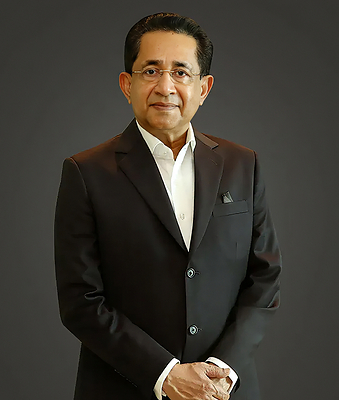
Under the initiative, eligible newborn children delivered at government hospitals across the State will receive a one-gram gold ring. Approximately 4.41 lakh newborn children across Tamil Nadu are expected to benefit from the initiative.
Joyalukkas emerged as the lowest bidder (L1) for the procurement, quoting just one paisa towards making charges, BIS hallmarking, insurance, transportation and packing, excluding the cost of gold.
The first batch of 89,955 rings will be supplied to 107 designated government hospitals, primarily high-load CEmONC centres. The rings are being manufactured as per the prescribed one-gram weight and 22K purity specifications, with each ring carrying the required BIS hallmark and six-digit HUID (Hallmark Unique Identification) number for authenticity and traceability.
The rings are packed in exclusive packaging developed specifically for the initiative, ensuring secure handling and transportation to the designated government hospitals. Packing and dispatch of the first batch are currently underway from Joyalukkas’ dedicated hubs in Chennai and Coimbatore.
Dr. Joy Alukkas, Chairman and Managing Director, Joyalukkas Group, said: “We are deeply honoured to be associated with the Thai Maaman Thanga Mothiram Thittam and grateful to the Government of Tamil Nadu and Hon’ble Chief Minister C. Joseph Vijay for giving us the opportunity to be part of this meaningful initiative. The birth of a child is a deeply special moment for every family, and gold has always had a unique place in our traditions as a symbol of blessings and auspicious beginnings. Tamil Nadu has given us immense love and support over the years, and this initiative gives Joyalukkas an opportunity to contribute in a meaningful way to the people of the State.”
Joyalukkas has a strong presence across Tamil Nadu, with more than 30 showrooms serving customers across the State. The brand has been popularly known as the ‘Rasi Kadai’ among families in Tamil Nadu
 View original content to download multimedia:https://www.prnewswire.com/in/news-releases/joyalukkas-completes-first-batch-of-gold-rings-for-tamil-nadu-governments-thai-maaman-thanga-mothiram-thittam-302898247.html



