


26, May 2026
Exclusive Noida International University’s Educators Meet & Excellence Awards 2026
May 26 : As part of its ongoing Educators Meet 2026 series, Noida International University successfully organized the Educators Meet & Excellence Awards 2026 in Raebareli, bringing together eminent educationists, teachers, students, and parents for an engaging and insightful event focused on educational excellence and collaboration.
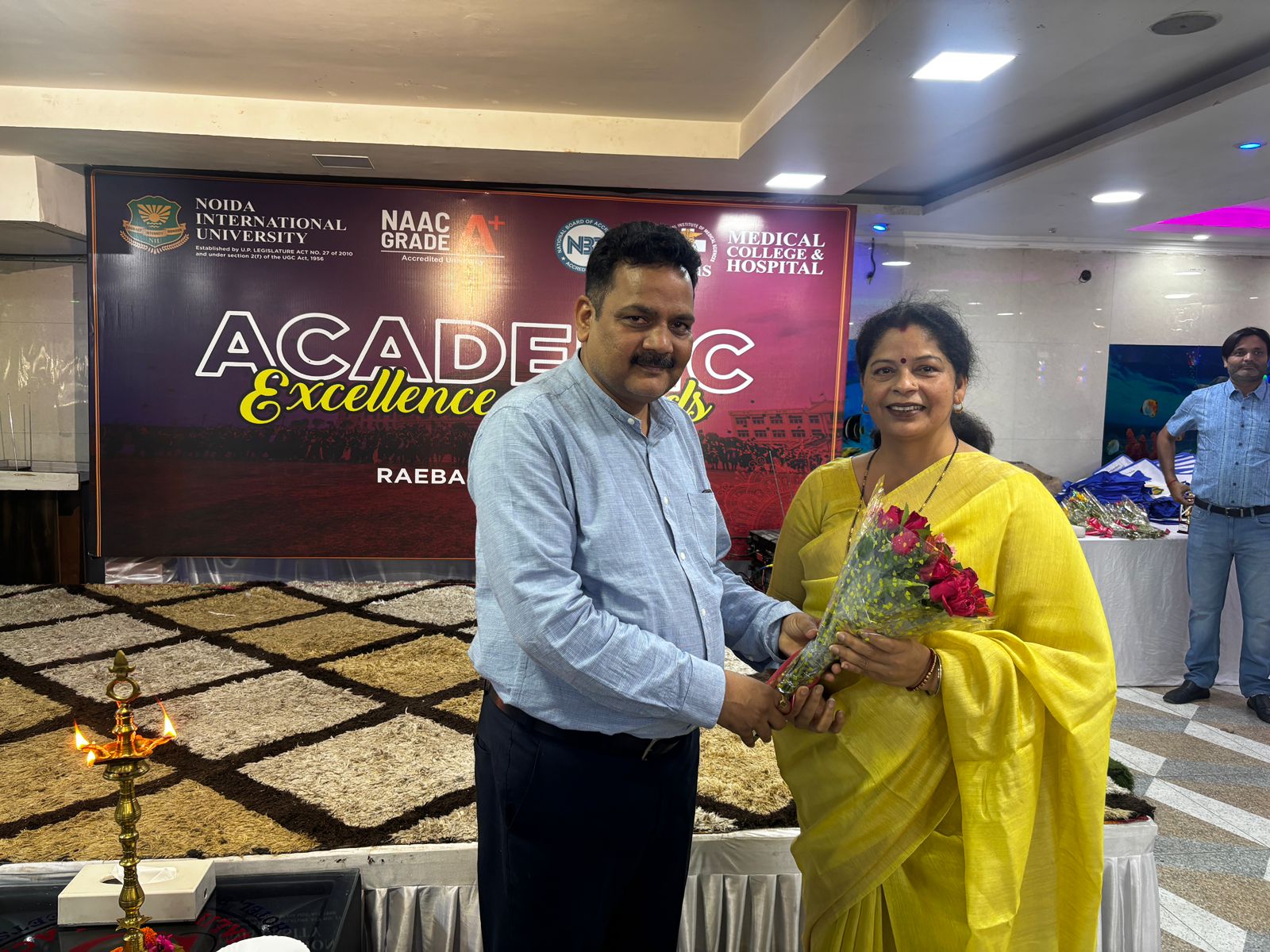
The event witnessed enthusiastic participation from over 200 students and approximately 50 parents, reflecting the growing interest in quality education and academic opportunities. Participants appreciated the continuous efforts made by Noida International University in strengthening the education ecosystem and promoting student-centric learning initiatives.
Adding prestige to the event, Ms. Prerna Srivastava, Principal of Dayawati Memorial School, attended as the Guest of Honour. The gracious presence of Ms. Aparna Srivastava further enhanced the significance of the occasion and contributed to the event’s success.
The program served as a platform to recognize talent and celebrate excellence in education while encouraging innovation and academic growth among students and educators alike. Through such initiatives, Noida International University aims to foster stronger engagement with the academic community and create meaningful opportunities for students.
The event was effectively hosted by Vinod Nagar, who ensured smooth coordination and seamless execution of the program. Senior representatives from Noida International University, including Thakur Bhanu Pratap Singh, Head Admissions & Outreach, NIU, and Thakur Tarun Pratap Singh, Manager – Outreach & Admission, were also present and interacted with attendees.
Speaking about the initiative, university representatives highlighted that the Educators Meet 2026 series is designed to strengthen relationships with educators, recognize excellence, and create awareness about evolving opportunities in higher education.
The successful organization of the event in Raebareli marks another significant step in Noida International University’s commitment to promoting educational excellence and empowering future generations through meaningful academic engagement.
- 0
- By Neel Achary

26, May 2026
Puri to Host Second BRICS Technical Meeting on Disaster Management from June 3
Puri, May 26 (BNP): The holy city of Puri is set to host the second technical meeting of BRICS member nations and partner countries from June 3, bringing together delegates, experts, and policymakers for discussions on strengthening global cooperation in disaster management.
According to official information, the high-level meeting will witness participation from representatives of several countries associated with the BRICS grouping, including Brazil, Egypt, Ethiopia, Indonesia, Iran, Russia, Saudi Arabia, South Africa, the United Arab Emirates (UAE), and China.

The conference is expected to serve as a key platform for deliberations on disaster preparedness, response, mitigation, and management, with a focus on enhancing international cooperation and sharing best practices to effectively address natural and man-made disasters.
Experts and policymakers attending the event are likely to exchange ideas, strengthen partnerships, and explore innovative solutions aimed at improving disaster resilience amid rising climate-related risks and increasing disaster challenges across the globe.
The meeting assumes significance at a time when coordinated international efforts are becoming increasingly crucial to tackle emergencies and climate-induced disasters. Odisha’s hosting of the event is also expected to draw global attention to the state’s disaster preparedness and response mechanisms, an area in which it has earned recognition over the years.
Administrative authorities are making necessary arrangements to ensure the smooth conduct of the international gathering in the pilgrim town.
26, May 2026
Bertelsmann India Investments Leads Fairdeal.Market’s Dollar 15M Series A to Expand B2B Quick Commerce for Kirana Stores
New Delhi, May26 : Fairdeal.Market, a B2B quick commerce platform building the replenishment infrastructure for India’s kirana economy has raised US Dollar 15 million in a funding round led by Bertelsmann India Investments . WaterBridge Ventures is returning as a cornerstone investor from seed, and Incubate Asia Fund is also participating in the round.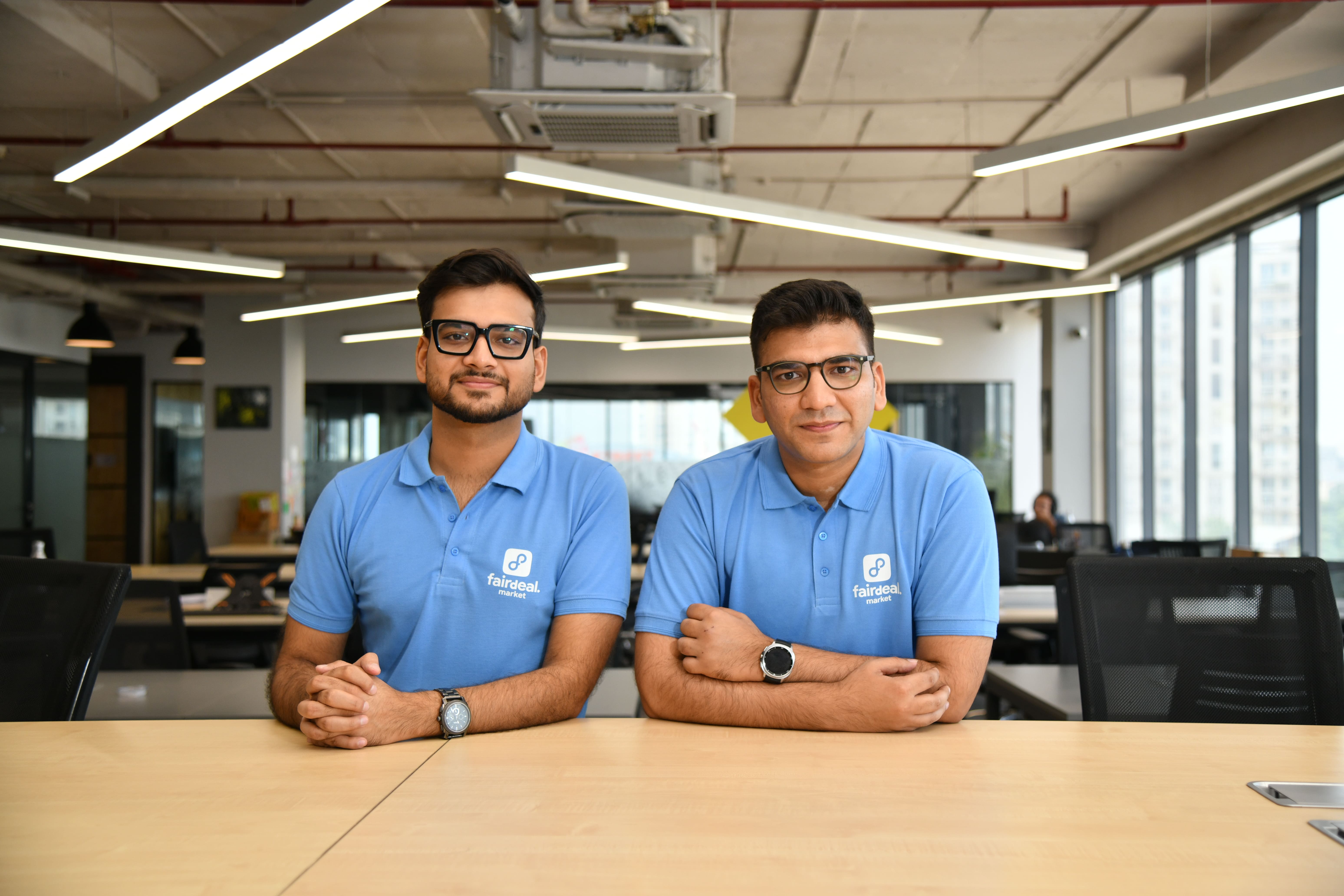
The company currently operates across Delhi NCR and is actively expanding its retailer network, dark store footprint, and brand partnerships. The fresh capital will be deployed to scale dark-store operations across dense urban clusters, strengthen technology and data infrastructure, deepen retailer engagement, and expand last-mile delivery capabilities to redefine the retail business in India.
Fairdeal is India’s first B2B quick commerce platform which delivers 1,000+ SKUs to kirana retailers across Delhi NCR within 60 minutes, bringing speed and reliability to a procurement system that has remained unchanged for decades. Kiranas order what they need, when they need it, and get it in 60 minutes. That is the Fairdeal promise. In the last six months, Fairdeal has scaled to over 20,000 active retailers across Delhi NCR. More notably, over 80% of retailers who ordered from Fairdeal 12 months ago are still ordering today, this reflects the growing reliance of retailers on Fairdeal’s replenishment network.
India is home to over 13 million kirana stores. Yet, inventory procurement for these retailers still largely depends on offline wholesale markets and fragmented distributor networks that were never designed for small-format, high-frequency retail. Delhi NCR alone accounts for approximately 260,000–280,000 retailers, representing one of the largest yet most underserved markets in the world. While earlier B2B commerce models attempted to address this gap, Fairdeal’s approach is built specifically around the replenishment frequency and operational realities of kirana retail enabling retailers to replenish inventory within 60 minutes.
Building on its Delhi NCR foundation, Fairdeal will leverage this round of funding to accelerate its expansion into new metropolitan cities across India. The company aims to scale its retailer network to over 100,000 retailers within the current financial year. And as this network grows, so does something far more valuable: a compounding data flywheel that gives brands real-time intelligence into what is selling, where, and why. For brands, that is a capability that has never existed before. For Fairdeal, it is the foundation of a business that gets stronger with every order placed.
“India’s kirana stores are the backbone of the country’s retail economy, yet the procurement infrastructure serving them has barely evolved in decades. The inefficiency isn’t incidental; it’s structural. If we can help millions of small retailers operate better every day, the impact will go far beyond commerce, it will strengthen local economies across the country. That’s the problem Fairdeal was built to solve, and this round gives us the firepower to solve it at scale,”said Prateek Bansal, Co-founder, Fairdeal
“We started Fairdeal with a simple belief that every retailer, no matter how small, should have access to reliable inventory and the ability to grow with confidence. At the same time, thousands of emerging brands across India are building great products but struggle to access efficient offline distribution. Fairdeal is bridging that gap by building a simple supply and distribution infrastructure that powers the next generation of offline retail in India, where small businesses and emerging brands can grow together with the same speed,” said Yash Bansal, Co-founder, Fairdeal.
“FairDeal is building a new operating model for wholesale procurement in India. What Prateek and Yash understood early was that quick commerce in wholesale is not just about convenience; it fundamentally improves inventory turns, shelf efficiency, and replenishment reliability for kirana stores. They have been pioneers in bringing this approach to the category, and the early traction has been phenomenal. We are excited to partner with them on this ambitious journey,” said Rohit Sood, Partner, Bertelsmann India Investments.
“At WaterBridge, we remain excited about the nonlinear potential of the demand engine that Fairdeal has built. At scale, it will process millions of real-time retail transactions with precise cart-level visibility, empowering it to build a large data set with context and intelligence layers on top. These will provide live actionable insights to brands on what is selling, where, and why, and not what sold last quarter. It is a potential that comes from what the data becomes at scale,” said Ashish Jain, Partner, WaterBridge Ventures.
26, May 2026
Bertelsmann India Investments Backs Fairdeal.Market’s $15M Series A for B2B Quick Commerce Expansion
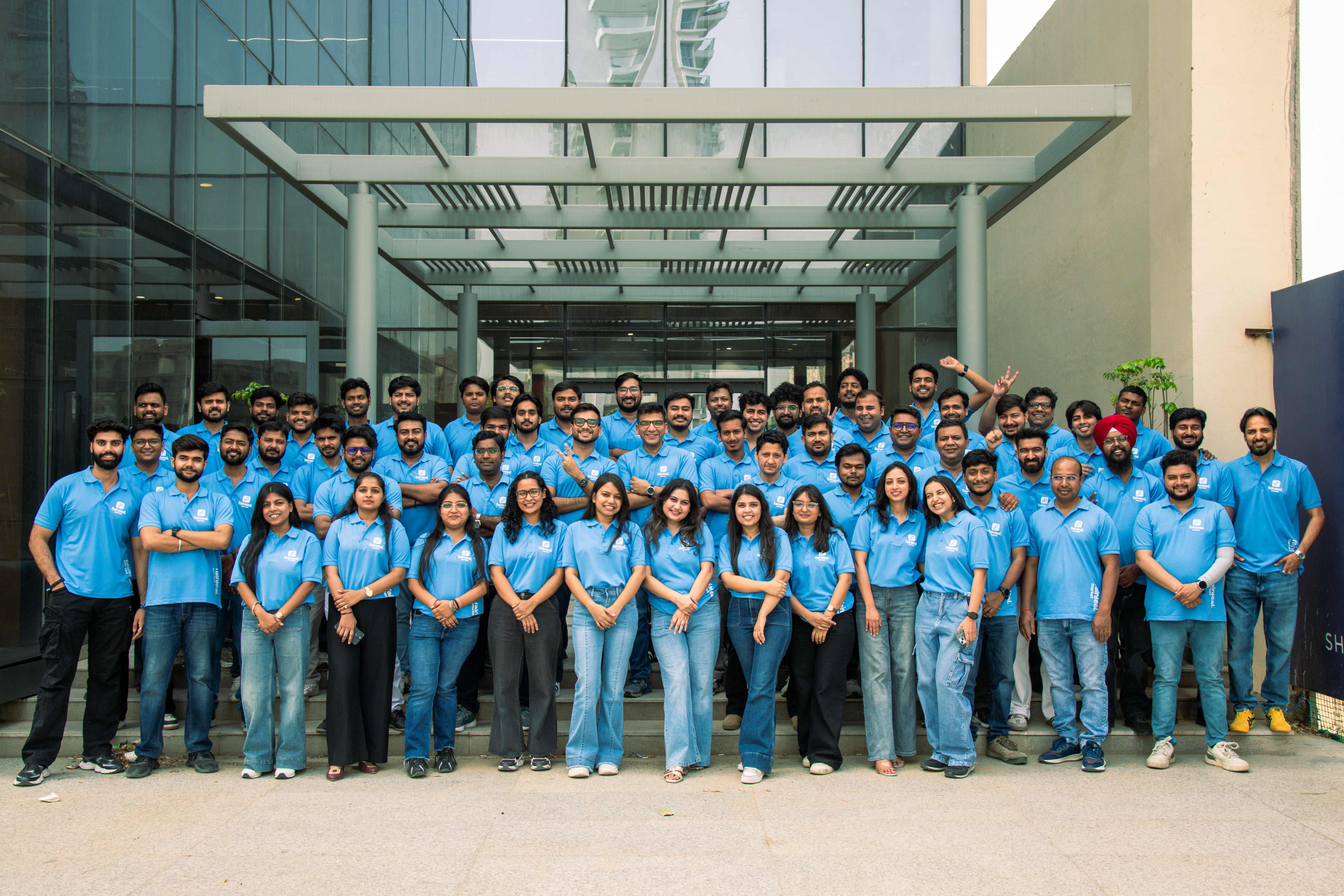
New Delhi, May 26: Fairdeal.Market, a B2B quick commerce platform building the replenishment infrastructure for India’s kirana economy has raised US$15 million in a funding round led by Bertelsmann India Investments (BII). WaterBridge Ventures is returning as a cornerstone investor from seed, and Incubate Asia Fund is also participating in the round.
The company currently operates across Delhi NCR and is actively expanding its retailer network, dark store footprint, and brand partnerships. The fresh capital will be deployed to scale dark-store operations across dense urban clusters, strengthen technology and data infrastructure, deepen retailer engagement, and expand last-mile delivery capabilities to redefine the retail business in India.
Fairdeal is India’s first B2B quick commerce platform which delivers 1,000+ SKUs to kirana retailers across Delhi NCR within 60 minutes, bringing speed and reliability to a procurement system that has remained unchanged for decades. Kiranas order what they need, when they need it, and get it in 60 minutes. That is the Fairdeal promise. In the last six months, Fairdeal has scaled to over 20,000 active retailers across Delhi NCR. More notably, over 80% of retailers who ordered from Fairdeal 12 months ago are still ordering today, this reflects the growing reliance of retailers on Fairdeal’s replenishment network.
India is home to over 13 million kirana stores. Yet, inventory procurement for these retailers still largely depends on offline wholesale markets and fragmented distributor networks that were never designed for small-format, high-frequency retail. Delhi NCR alone accounts for approximately 260,000–280,000 retailers, representing one of the largest yet most underserved markets in the world. While earlier B2B commerce models attempted to address this gap, Fairdeal’s approach is built specifically around the replenishment frequency and operational realities of kirana retail — enabling retailers to replenish inventory within 60 minutes.
Building on its Delhi NCR foundation, Fairdeal will leverage this round of funding to accelerate its expansion into new metropolitan cities across India. The company aims to scale its retailer network to over 100,000 retailers within the current financial year. And as this network grows, so does something far more valuable: a compounding data flywheel that gives brands real-time intelligence into what is selling, where, and why. For brands, that is a capability that has never existed before. For Fairdeal, it is the foundation of a business that gets stronger with every order placed.
“India’s kirana stores are the backbone of the country’s retail economy, yet the procurement infrastructure serving them has barely evolved in decades. The inefficiency isn’t incidental; it’s structural. If we can help millions of small retailers operate better every day, the impact will go far beyond commerce, it will strengthen local economies across the country. That’s the problem Fairdeal was built to solve, and this round gives us the firepower to solve it at scale,”said Prateek Bansal, Co-founder, Fairdeal
“We started Fairdeal with a simple belief that every retailer, no matter how small, should have access to reliable inventory and the ability to grow with confidence. At the same time, thousands of emerging brands across India are building great products but struggle to access efficient offline distribution. Fairdeal is bridging that gap by building a simple supply and distribution infrastructure that powers the next generation of offline retail in India, where small businesses and emerging brands can grow together with the same speed,” said Yash Bansal, Co-founder, Fairdeal.
“FairDeal is building a new operating model for wholesale procurement in India. What Prateek and Yash understood early was that quick commerce in wholesale is not just about convenience; it fundamentally improves inventory turns, shelf efficiency, and replenishment reliability for kirana stores. They have been pioneers in bringing this approach to the category, and the early traction has been phenomenal. We are excited to partner with them on this ambitious journey,” said Rohit Sood, Partner, Bertelsmann India Investments.
“At WaterBridge, we remain excited about the nonlinear potential of the demand engine that Fairdeal has built. At scale, it will process millions of real-time retail transactions with precise cart-level visibility, empowering it to build a large data set with context and intelligence layers on top. These will provide live actionable insights to brands on what is selling, where, and why, and not what sold last quarter. It is a potential that comes from what the data becomes at scale,” said Ashish Jain, Partner, WaterBridge Ventures.
26, May 2026
Canopy’s New Report Highlights Fibre Breakthrough in the Fashion Industry
May 26, 2026, VANCOUVER: A new report from environmental nonprofit Canopy shows that wheat straw has the potential to create high-quality, sustainable viscose and lyocell fibre for the fashion industry — reducing reliance on forest fibres, cutting air pollution, and creating new income opportunities for rural communities.
The report, called From Wheat Straw to Wardrobes: Fashioning a new fibre future, reveals the results of a pilot project that tested whether pulp made from Indian wheat straw could be used to create high-quality viscose and lyocell fibres instead of conventional wood-derived pulp.
The results show that wheat straw pulp can not only directly replace wood-based pulp in viscose and lyocell fibre production, but can also create a range of yarns and fabrics that successfully meet brand performance and technical standards across multiple product applications.

Wood-derived pulp is used to create many Man-Made Cellulosic Fibres (MMCFs) including viscose and lyocell. These materials are often positioned as more environmentally friendly alternatives to synthetic fibres such as polyester, and to cotton, due to being derived from trees. However, analysis shows that more than 300 million trees are cut down annually to create these fibres, including from some of the world’s most climate-critical and biodiversity-rich forests. Leaving these forests standing is one of the fastest and most cost-effective ways to reduce carbon emissions and support the global “30×30” biodiversity target, which aims to protect 30% of the world’s land and waters by 2030.
The pilot — named Project Latvus — brought together nonprofits Canopy and Fashion for Good, brands C&A, H&M Group, and Reformation, supply chain innovators and manufacturers Chempolis, TITK, Inovafil, Yee Chain, Shahi, Filpucci, and DBL traceability technology provider Textile Genesis and wheat straw supplier A2P (Agri to Power) Energy. The project was supported by Laudes Foundation and built on Spinning Future Threads, an earlier report commissioned by Laudes, which found that agricultural waste could be feasibly sourced as a raw material for textiles. By connecting stakeholders across the supply chain, Project Latvus aimed to integrate every stage of production — from farm to garment — to help identify and solve challenges that often slow the scale-up of new materials.
Representatives from brand Reformation and TITK noted that the fibre closely matched the look and feel of conventional lyocell while meeting performance expectations for commercial applications. Other supply chain partners also reported confidence in the fibre’s potential to scale.
Canopy, who led the project and authored the report, noted that alternative feedstocks play a critical role in diversifying the fashion industry’s fibre basket, reducing reliance on forests, and strengthening supply chain resilience. They also highlight the wider environmental and social benefits of scaling these materials, including reducing air pollution from crop burning and creating new income opportunities for rural farming communities.
In particular, the report highlights India’s potential to become a leader in the production of next-generation MMCFs, due to the country’s large supply of agricultural residue alongside circular textile to textile production systems. Estimates suggest that more than 90 million tonnes of crop residue are burned annually in India, representing a significant untapped resource that could instead be used to create low-impact fibre for textiles and other uses. Scaling this opportunity could help create new income streams for farming communities, strengthen local manufacturing capacity and support the growth of a more circular textile industry. Crop burning is also estimated to contribute to seasonal air pollution in Northern India, where levels of fine particulate matter known as PM2.5 — tiny air pollution particles that can harm human health — have in recent years measured above WHO safety guidelines.
Canopy is calling on fashion brands to support the scale-up of MMCFs that don’t rely on wood pulp, noting in the report that pooled demand will help these materials achieve price parity and scale quickly.
“Project Latvus shows that the future of fibre is already here. While continued scale-up is needed to optimize efficiency and close the price difference, the direction is clear — Next Gen MMCFs are ready for the next stage of commercial adoption,” said Nicole Rycroft, Founder and Executive Director of Canopy. “By diversifying feedstocks beyond forests, we have a real opportunity to build a more resilient, circular, and low-impact textile industry.”
26, May 2026
A Different Kind of Seattle Landmark: World’s Largest Goodwill Offers Visitors a One-of-a-Kind Experience Near Seattle Stadium
SEATTLE — May 26, 2026 — With Seattle set to welcome visitors from around the world for the FIFA Soccer World Cup in just a few weeks, those planning their time between matches will likely gravitate toward familiar stops, such as Pike Place Market, the Space Needle, and MoPOP. Just steps from Seattle Stadium, a less known stop offers a different kind of experience:
Evergreen Goodwill of Northwest Washington’s Seattle flagship store, the largest Goodwill in the world, invites visitors to immerse themselves into something very Seattle—the city’s commitment to sustainability and the circular economy.

A treasure hunters’ paradise, the 70,000-square-foot resale space stocks approximately 10,000 new items on the shop floor each day. A team comprised of members from over 20 different nations assists visitors as they explore and replace whatever they may have forgotten at home or didn’t realize they might need for their trip.
For travelers navigating a busy and often expensive event, resale offers a compelling shopping alternative:
- A multitude of affordable options at a time when prices are rising
- Access to quality used items being kept out of landfills for minimum environmental impact
- A retail experience shaped by the local community, where inventory reflects what Seattleites give—the best starting point for memorable travel souvenirs
For those moving between matches or exploring nearby neighborhoods, the store can serve several purposes at once: a place to pick up an extra layer, find something unexpected, or take home a piece of Seattle that doesn’t feel mass-produced. Its proximity to Seattle Stadium makes it an easy addition to any itinerary, whether stopping in briefly or spending time exploring.
Unlike traditional retail, each purchase carries an added dimension. Revenue from every sale supports Evergreen Goodwill’s tuition-free job training, education, and career placement programs across Northwest Washington, connecting everyday shopping to long-term community impact.
26, May 2026
ECS to Showcase AI-ready Computing Platforms at COMPUTEX 2026
Taipei, Taiwan – May 26, 2026 – Elitegroup Computer Systems (ECS), a leading global provider of motherboards, mini PCs, and computing solutions,will participate in COMPUTEX 2026 from June 2 to 5, 2026, at Taipei Nangang Exhibition Center, Hall 1, Booth J1317a. Under the theme Power AI Computing, ECS will present its latest motherboards and LIVA Mini PCs, highlighting how compact and scalable PC platforms can support AI Agent workloads, Edge AI processing, smart healthcare applications, and embedded deployments.
ECS will demonstrate how LIVA Mini PCs can be flexibly deployed in edge computing environments to support AI-assisted information retrieval, private knowledge base applications, healthcare data monitoring, and embedded commercial deployments. Through these demonstrations, ECS will highlight the role of LIVA Mini PCs in data processing, application execution, real-time monitoring, and vertical use cases. ECS will also showcase motherboard platforms with high-performance expansion capabilities, providing customers with a broader choice of computing foundations for AI and edge applications.

Showcasing AI Agent Applications in PC Environments
ECS will showcase OpenClaw AI Agent applications running on an AMD desktop PC at its booth, demonstrating how AI Agent capabilities can be applied in PC-based environments. The demonstration will cover common scenarios such as system status queries, information search, and content summarization, showing how AI Agents can help users streamline daily operations and improve information processing efficiency.Through this demonstration, ECS will further present the flexibility and practical value of integrating AI Agent applications into commercial PC environments.
Extending Edge AI into Healthcare and Private Knowledge Applications
ECS will showcase the LIVA Z11 PLUS mini PC in two Edge AI and data-driven scenarios: healthcare monitoring and private knowledge base applications. In the healthcare demonstration, the Z11 PLUS will support hemodialysis simulation and FHIR BOX applications, showing how a compact mini PC can serve as an edge computing node for medical data collection, real-time monitoring, and data format conversion.
The knowledge base scenario will run a local database with a natural language interface, enabling users to query product and business information more intuitively. This highlights the role of mini PCs in enterprise information access, private data environments, and on-site applications where sensitive information needs to be managed locally. Powered by Intel® Core™ Ultra processors, the LIVA Z11 PLUS provides high-speed storage, dual networking, and USB4 connectivity to support data-intensive Edge AI applications.
Expanding the LIVA Lineup from AI-ready Performance to Embedded Flexibility
Beyond AI application demonstrations, ECS will present its full LIVA Mini PC lineup and next-generation platforms for commercial, edge, and embedded deployments. The new LIVA Z15 PLUS, built on the Intel® Wildcat Lake platform with integrated NPU-based AI acceleration, will be a key highlight of ECS’s LIVA showcase, addressing high-performance commercial use, AI-assisted workloads, and edge computing applications.
ECS will also feature the LIVA One H810, extending the LIVA One series’ upgradeable socket-type design with the Intel® Core™ Ultra LGA1851 platform. For low-power and embedded applications, the LIVA Z4F offers fanless reliability, while the LIVA Q4 combines an ultra-compact form factor with 45W USB Type-C power input for mobile, space-constrained, and flexible installation environments.
26, May 2026
MAHE Partners with the UK Government to Host the UK–India HealthTech Accelerator Programme
The 4th Edition of the Programme Will Be Hosted at the MAHE Campus in Manipal from 22–24 July 2026
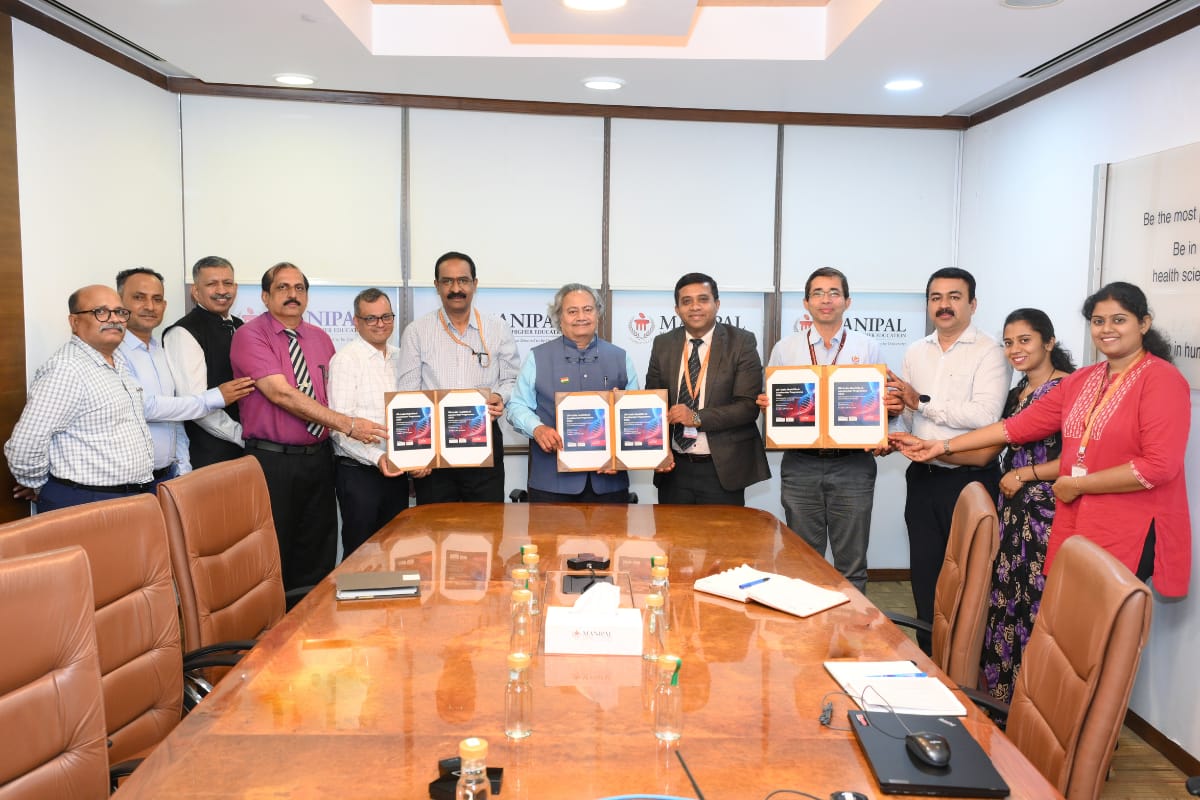
Manipal, May 25: Manipal Academy of Higher Education (MAHE), an Institution of Eminence Deemed to be University, will be the Host Institution for the prestigious UK–India HealthTech Accelerator Programme for the 2026–2028 cycle, in partnership with the UK Government. In a significant milestone for India–UK collaboration in healthcare technology, the 4th Edition of this programme will be hosted at the MAHE campus in Manipal from 22–24 July 2026.
The three-day accelerator programme will bring together HealthTech startups, innovators, policymakers, healthcare experts, investors, and industry leaders from India and the United Kingdom to promote collaboration, knowledge exchange, and innovation in healthcare technology.
The programme will select 25 HealthTech companies from across India to participate in the fully funded accelerator. Among them, six companies will receive an opportunity to participate in a fully funded immersion visit to the United Kingdom, enabling direct engagement with the UK healthcare ecosystem and industry stakeholders.
The initiative aims to support Indian HealthTech companies developing innovative solutions that can address global health concerns, to get access to experts in the United Kingdom’s National Health Service (NHS). While enabling founders and businesses to have a global impact, the programme strengthens India–UK collaboration in healthcare technology and digital health transformation. The accelerator will focus on critical thematic areas, including workforce productivity, preventive care, patient pathway management, urgent care optimisation, healthy ageing, FemTech, artificial intelligence, and healthcare data technologies.Speaking about the initiative, Dr Sharath K. Rao, Vice Chancellor, MAHE, said, “Hosting the UK-India HealthTech Accelerator reflects MAHE’s commitment to not just engage with global healthcare conversations, but to shape them. Our partnership with the British High Commission is rooted in a shared belief in purposeful innovation and the power of collaboration. We are pleased to welcome India’s leading HealthTech startups to Manipal and look forward to ideas from this programme creating a meaningful impact for patients in the UK and beyond.”Chandru Iyer, British Deputy High Commissioner to Karnataka added “India’s HealthTech ecosystem, one of the largest in the world, is developing rapidly, underpinned by innovation and affordability. And the UK is keen to work with Indian health-tech companies that are developing pioneering solutions. Through the Accelerator, a select cohort of companies would receive tailored guidance to align their propositions in line with the UK’s health priorities, connect with experts and decision-makers, and build partnerships propelling them to scale. We are delighted to partner with Manipal Academy of Higher Education (MAHE), taking forward our joint vision to enable innovators to build solutions for patients worldwide.”
Through this collaboration, MAHE reaffirms its commitment to promoting innovation, entrepreneurship, and translational research at a global scale. The university’s role as Host Institution positions Manipal as a nodal point for some of the most consequential conversations in healthcare technology today, effectively connecting Indian ingenuity with the needs of one of the world’s largest and most complex public health systems. HealthTech startups and innovators interested in participating in the 4th Edition of the UK–India Health Tech Accelerator Programme can register through the official programme portal.
Please use the link below to complete your registration
https://eu.eventscloud.com/website/19743/home/
25, May 2026
UK’s Crypto Pivot Sparks New Possibilities for India’s Digital Finance Sector
New Delhi, 25 May 2026
The United Kingdom has made a quiet but decisive shift in how it views crypto. What was once treated as a risky, fringe activity is now being brought firmly within the boundaries of mainstream financial regulation. This is not a rhetorical change but it is structural. The UK is building a full regulatory regime where crypto firms will be authorised, supervised, and held to standards similar to traditional financial institutions. The Financial Conduct Authority (FCA) has already laid out timelines, with firms expected to begin applying for authorisation from September 2026, ahead of a broader regime coming into force in 2027.
What is striking about the UK approach is that it is anti-disorder. Regulators are simultaneously encouraging innovation and tightening enforcement. Stablecoins, for instance, are being actively explored as part of the payments ecosystem, with regulatory sandboxes allowing experimentation under supervision. At the same time, authorities have shown they are willing to act against non-compliant activity, including recent crackdowns on illegal crypto trading networks.

India, in contrast, has taken a far more cautious and fragmented path. Instead of building a regulatory framework, it has focused on taxation as the primary tool of policy. Crypto gains are taxed at a flat 30%, accompanied by a 1% tax deducted at source on transactions. This makes India one of the most heavily taxed crypto markets in the world. Yet, despite this clarity on taxation, there is still no comprehensive regulatory structure governing exchanges, custody, or investor protection.
This creates a peculiar imbalance. Crypto is recognised as a taxable asset, but not as a regulated financial product. The state participates in the upside through taxes without fully defining the rules of the market itself. At the same time, institutional caution remains high. The Reserve Bank of India has repeatedly flagged concerns around financial stability and has instead pushed for a central bank digital currency as a safer alternative to private crypto assets.
The divergence between the UK and India reflects two very different policy instincts. The UK is choosing integration: bringing crypto into the system, regulating it, and shaping its evolution from within. India is choosing containment: discouraging excessive participation while waiting for global standards to settle. Both approaches are defensible, but they lead to very different outcomes in practice.
The UK’s model creates clarity. Firms know the rules, investors understand the risks, and innovation happens within defined boundaries. India’s approach, however, risks creating prolonged uncertainty. High taxes combined with regulatory ambiguity risk pushing activity offshore, even as domestic demand continues to exist. Industry voices in India have increasingly called for clearer rules and rationalisation of the tax regime, arguing that certainty not just caution is essential for growth.
What is becoming evident is that crypto policy is no longer just about risk management it is about economic positioning. The UK is attempting to position itself as a global hub where crypto can operate within a trusted regulatory environment. India, by contrast, is still calibrating its stance, balancing concerns around stability with the need to not fall behind in financial innovation.
In the end, the question for India is not whether to follow the UK model, but whether its current middle path is sustainable. Markets tend to gravitate toward jurisdictions that offer clarity, even if the rules are strict. A system that taxes without regulating may not hold for long. Because in finance, as in policy, choosing to wait is not a neutral act. It is a decision in itself and one that shapes who leads and who follows in the next phase of global financial evolution.
25, May 2026
Affordable Grooming Gets a Boost as VI-JOHN Launches Rs.20 Twin Blade Razor
Ghaziabad 25 May 2026:
VI-JOHN strengthens its grooming portfolio with a comfortable, value-driven shaving solution for the mass market. Reinforcing its commitment to making quality grooming accessible to a wider base of consumers, VI-JOHN has announced the launch of the VI-JOHN Shave Pro Twin Blade Razor, an affordable shaving solution designed to deliver a smooth, comfortable, and reliable shaving experience for the mass Indian market. Priced at just ₹20, the razor aims to bridge the gap between low-cost disposable razors and premium multi-blade systems by offering improved shaving performance at an accessible price point.
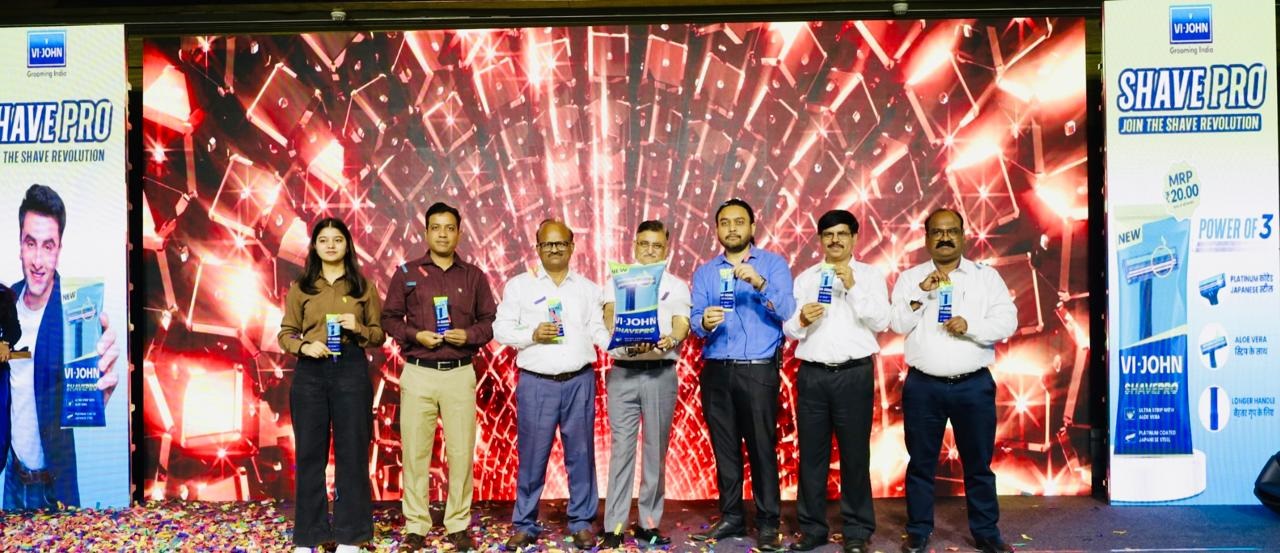
The launch marks VI-JOHN’s strategic entry into the affordable razor category as the brand continues to strengthen its presence across the broader men’s grooming ecosystem. Building on its strong legacy in shaving preparations and grooming products, the company aims to make upgraded shaving experiences accessible to consumers across urban, semi-urban, and rural India.
Speaking on the launch, Ashutosh Chaudharie, GM Marketing, VI-JOHN Group, said, “At VI-JOHN, we have always believed that quality grooming should be accessible to every consumer. Shaving is an everyday ritual for millions of Indian men, and we saw an opportunity to introduce a product that delivers both comfort and value. With the launch of the VI-JOHN Shave Pro Twin Blade Razor, we aim to offer consumers a reliable grooming solution that combines quality, performance, and affordability. This launch also reflects our larger vision of democratising quality grooming and expanding VI-JOHN’s presence across the shaving ecosystem.”
The razor features two super sharp Japanese blades designed to provide a closer and more precise shave with minimal effort. It also includes an Aloe Vera lubrication strip that helps soothe the skin, improve glide, and reduce irritation during shaving. Additionally, the razor’s longer ergonomic handle offers better grip and control, improving stability and helping minimise the risk of nicks and cuts during everyday use.
The product has been developed keeping Indian grooming habits and consumer preferences in mind, where affordability, convenience, and reliable performance remain key purchase drivers. With a large proportion of consumers still relying on basic shaving solutions, VI-JOHN identified a strong opportunity to introduce a better-quality razor that balances comfort, performance, and value.
India’s grooming market continues to see growing demand for affordable yet effective grooming products, particularly across Tier 2, Tier 3, and rural markets where grooming awareness and aspirations are steadily rising. With nearly 65% of India’s population residing in semi-urban and rural areas.
With the launch of Shave Pro, VI-JOHN continues to strengthen its commitment to delivering affordable, reliable, and accessible grooming solutions for Indian consumers.


