


6, Oct 2026
Kotak Mahindra Bank and United Way Bengaluru collaborate to strengthen learning infrastructure across five government schools in Telangana
~Initiative expected to benefit approximately 2,200 students in Sangareddy district~
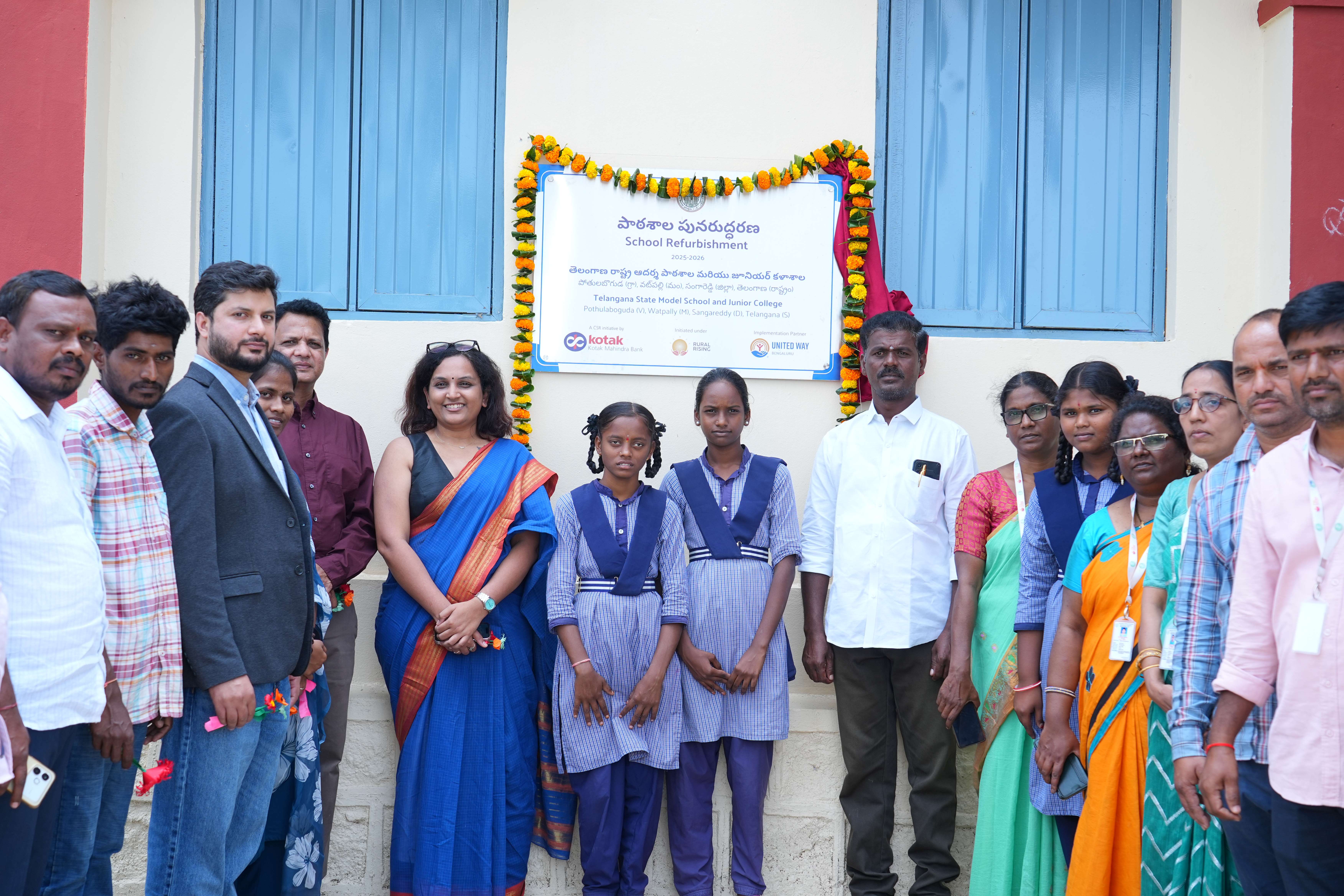
Oct 06: Kotak Mahindra Bank Limited (“KMBL”/“Bank”), in partnership with United Way Bengaluru (“UWBe”) and in collaboration with the Department of Women Development and Child Welfare, Government of Telangana, today announced the refurbishment of five government schools in Narayankhed, Sangareddy district, Telangana, under the Model School Project.
The initiative seeks to strengthen the schools’ physical infrastructure and create a safe and welcoming learning environment for approximately 2,200 students from the nearby areas.
The project includes comprehensive civil, electrical and structural upgrades across classrooms, hostels, corridors, kitchens, dining areas and toilets. The improvements cover repairs, painting, waterproofing, electrical work, enhanced water and sanitation facilities, and the provision of essential classroom infrastructure to create a safe and learner-friendly environment for students.
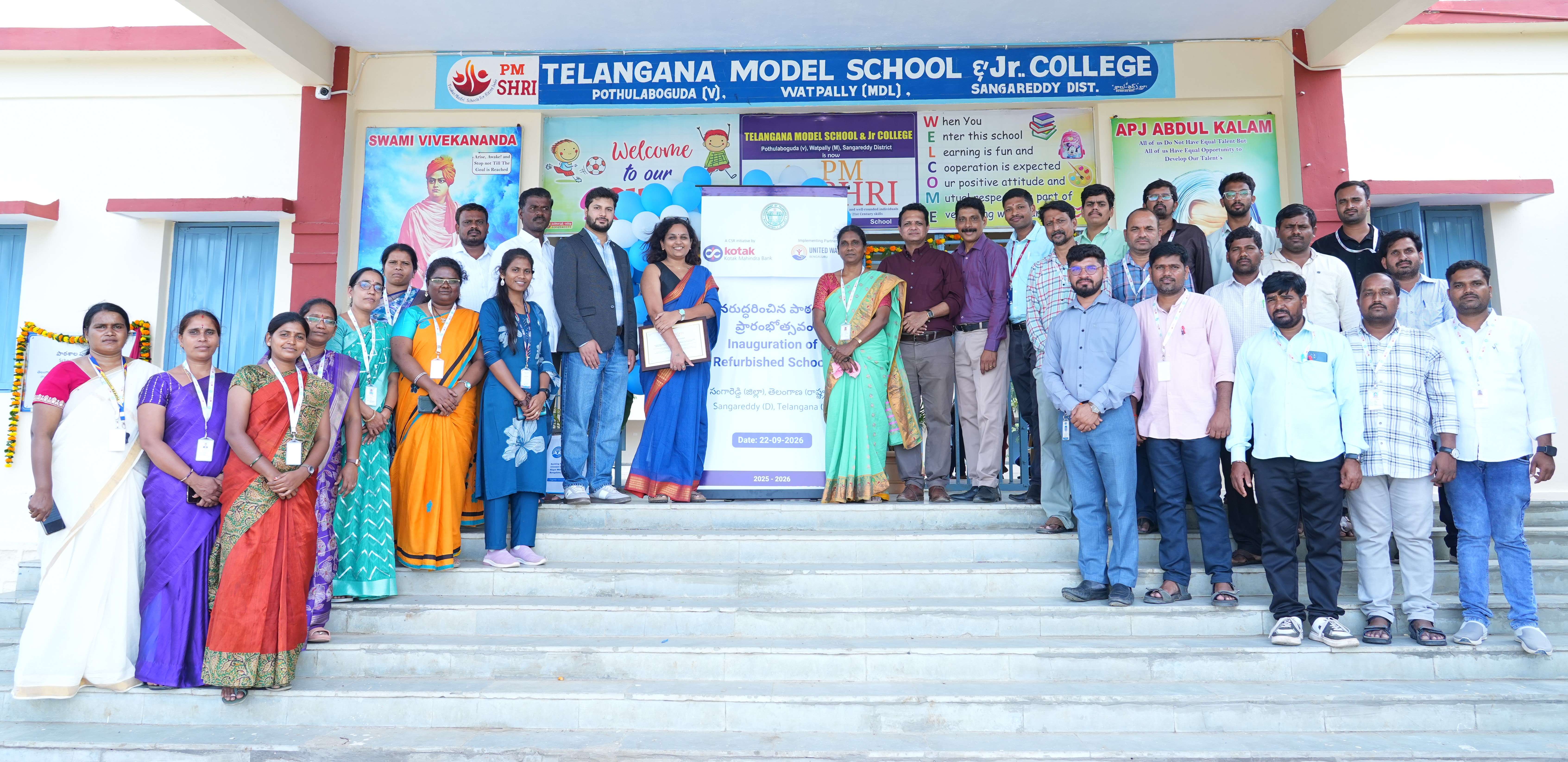
As part of the initiative, the refurbished Telangana State Model School and Junior College at Pothulaboguda, Narayankhed, was inaugurated by Ms. Rathikanti Rohini, District Education Officer, Sangareddy District in the presence of representatives from the local administration, Kotak Mahindra Bank and United Way Bengaluru.
Education is a key focus area under Kotak Mahindra Bank’s CSR agenda. Through this initiative, the Bank aims to help strengthen the foundational conditions required for meaningful learning by improving the environment in which children study. The project aligns with the Bank’s CSR vision of improving the quality of life of communities and its mission of creating lasting value by addressing pressing development challenges through focused interventions, including education.
Commenting on the initiative, Ridhi Bhatia, Senior Vice President, Group CSR, Kotak Mahindra Bank said “At Kotak, we believe that access to a safe and enabling learning environment is fundamental to helping children realise their potential. Strengthening school infrastructure helps create conditions that encourage students to attend school regularly and learn effectively. Through our partnership with United Way Bengaluru and the Government of Telangana, we aim to help schools build stronger foundations for learning and create lasting value for the communities they serve.”
Rajesh Krishnan, CEO, United Way Bengaluru, said “Every child deserves the opportunity to learn in a safe, inclusive and engaging environment. Through the Model School Project, we are working with Kotak Mahindra Bank and the Government of Telangana to strengthen essential school infrastructure and create spaces that support students’ learning and overall development. We believe that partnerships such as these can help schools become more conducive to learning and create a meaningful, long-term impact in the lives of children and their communities.”
- 0
- By Neel Achary

6, Oct 2026
Dubai real estate remains on track for rental record while primary market sales continue to set pace
Dubai South leads off-plan sales for seventh consecutive month

A market analysis from fäm Properties today revealed that the primary market delivered 25,441 third quarter sales worth AED52.6 billion compared with 11,988 resales valued at AED40.3 billion.
Just over 67% of all secondary market sales transactions were made in cash in Q3, which culminated in September with some notable month-on-month increases in sales volumes, as well as rentals.
Plot sales for last month were up 28.8% MoM to 237 valued at AED3.8 billion, commercial transactions, including offices and shops rose 27.7% to 539 worth AED2.2 billion, while villa sales increased by 3.9% to 1,428 at AED8.6 billion. The month also brought 9,055 apartment sales worth AED 14.8 billion.

Data from DXBinteract meanwhile shows that 48,639 rental contracts were registered across Dubai’s freehold areas in September, a 22.6% MoM increase. The volume of new contracts climbed 25.6% YoY to 25,345, while renewals increased by 7.6% YoY to 23,294.
This takes the total number of freehold rental contracts recorded for the first nine months in 2026 to 298,984, a 6.8% increase on the same period in 2025 which ultimately set a full-year record of 377,926 registered contracts.
“The figures show that Dubai’s primary sector remains the main driver of sales activity, while the resale market continues to attract significant cash investment,’ said Firas Al Msaddi, CEO of fäm Properties.
“At the same time, the rental figures point to sustained demand across the established freehold sector. Taken together, the data shows a market that remains active, but with different segments moving at different rates.”
The most expensive villa sold in September went for AED260 million at Eome, while the most expensive apartment was sold for AED71 million at Como Residences at Palm Jumeirah.
For a seventh consecutive month, Dubai South was the emirate’s best-performing area in primary market sales volume, recording 737 off-plan transactions worth AED980.5 million.
With properties worth more than AED5 million accounting for 8.3% of sales, 10.3% were between AED3-5 million, 14.6% between AED2-3 million, 32.4% between AED1-2 million and 34.1% were below AED1 million.
The leading area of Dubai in freehold rentals in the first nine months of this year is Al Warsan First, with 28,825 registered tenancy contracts. Underlining a consistent apartments preference in the market, 124,113 (42%) of tenancy contracts registered were for one-bedroom units.
TOP FIVE PERFORMING AREAS IN OFF-PLAN SALES SEPTEMBER 2026
Volume Sales value
Dubai South 737 AED980.5M
Wadi Al Safa 3 560 AED574.5M
Al Barsha South Fourth 442 AED491.4M
Jebel Ali First 394 AED860.5M
Al Hebiah First 361 AED720.4M
BEST-SELLING PROJECTS DURING SEPTEMBER 2026
Primary market apartments
Project Volume Value Median price
Valia – Tower 263 AED725.4M AED2.3M
Primary market villas
Project Volume Value Median price
Greenz By Danube 62 AED305M AED4.5M
Resale apartments
Project Volume Value Median price
Dune Residency Dubai 32 AED24.0M AED651.2K
Resale villas
Project Volume Value Median price
Damac Lagoons – Portofino 16 AED49.6M AED2.6M
TOP TEN AREAS BY RENTAL CONTRACTS REGISTERED IN FIRST 9 MONTHS OF 2026
Al Warsan First 28,825
Jebel Ali First 24,710
Al Barsha South Fourth 24,564
Business Bay 19,781
Marsa Dubai 16,453
Nadd Hessa 15,722
Al Thanyah Fifth 12,459
Al Barsha South Third 10,655
Wadi Al Safa 5 10,009
Dubai Investment Park First 9,898
6, Oct 2026
IIM Lucknow Faculty Research Examines Gendered Expectations in Senior PR and Corporate Communications Roles

Lucknow, 6th October 2026: Indian Institute of Management Lucknow (IIM Lucknow) faculty , in collaboration with a faculty from NMIMS School of Business Management, Mumbai, finds that women in senior Public Relations (PR) and corporate communications roles often have to establish not only their professional competence, but also their legitimacy as leaders.
While women constitute a substantial share of the PR profession, the study finds that authority within the sector can still be associated with masculine norms.
Drawing on in-depth interviews with 24 women in senior PR and corporate communications roles, the research examines what it takes for women to reach senior positions and how they navigate expectations once they get there.
The findings of this research have been published in the prestigious Public Relations Review, an Elsevier journal, in a paper co-authored by Prof. Medha Bakhshi, Assistant Professor, Communication, IIM Lucknow and Prof. Papiya De, Assistant Professor, NMIMS, Mumbai.
The findings indicate that women in senior PR roles often face competing expectations about how they should behave and present themselves. Participants described having to be ambitious without appearing selfish, assertive without being perceived as aggressive, visible without inviting judgement, and successful while continuing to meet expectations around “respectable” behaviour for women.
The researchers also examine how perceptions of PR itself can shape these expectations. The profession emerged in liberalising India with an image associated with glamour, sociability and appearance. The study suggests that this association can lead to women in PR being judged not only on their professional capabilities, but also on their appearance, manner, sexuality and choices outside the workplace.
The study identified four recurring patterns in the accounts of the women interviewed:
Ø Participants described being perceived as either inadequate mothers or inadequate employees when professional and family responsibilities came into conflict.
Ø Participants reported being treated as objects in a profession often perceived as glamorous and appearance-oriented.
Ø Women were sometimes expected to overcome workplace obstacles through individual effort, rather than having those barriers addressed institutionally.
Ø Participants described being excluded from important opportunities, including instances where larger or more significant clients were more frequently assigned to male colleagues.
However, the participants in the study were not passive in responding to these challenges. They described developing new skills, working through self-doubt and deliberately adapting their professional identities. Some challenged sexist assumptions and spoke up against them. Others used their positions to improve workplace conditions for colleagues, including by advocating for changes to maternity policies, protecting employees’ time and creating opportunities for other women.
Elaborating on the findings, Prof. Medha Bakhshi, Assistant Professor, Communication, IIM Lucknow, said, “The research reveals that women’s agency within organisations is far more ambivalent than either a story of constraint or empowerment would suggest. Women fashion themselves within structures that continually ask them to accommodate, recalibrate and prove themselves, but in doing so they also acquire the capacity to unsettle those structures, to contest inherited orthodoxies, to recast what leadership might look like, and, sometimes, to alter the conditions under which the next woman will be permitted to lead.”
The researchers argue that organisations need to examine the criteria used to identify talent, assess leadership potential and make promotion decisions, rather than placing the burden on women to adapt to existing norms.
The study also calls for workplace cultures that challenge stereotypes linking professional competence with appearance or sociability, alongside clearer and more objective standards for assessing expertise, leadership and strategic contribution.
The researchers highlight that understanding women’s leadership in PR requires attention to individual career trajectories, and to the wider professional and organisational contexts in which those careers unfold. They suggest that further research should examine how these experiences differ across career stages and social and regional contexts, offering a broader understanding of leadership and career progression in the profession.
6, Oct 2026
Three Scientists Share 2026 Nobel Prize in Physiology or Medicine for Breakthroughs in Optogenetics
Stockholm, Oct. 6: The 2026 Nobel Prize in Physiology or Medicine has been jointly awarded to Karl Deisseroth, Peter Hegemann and Georg Nagel for their pioneering discoveries involving light-gated ion channels and optogenetics.
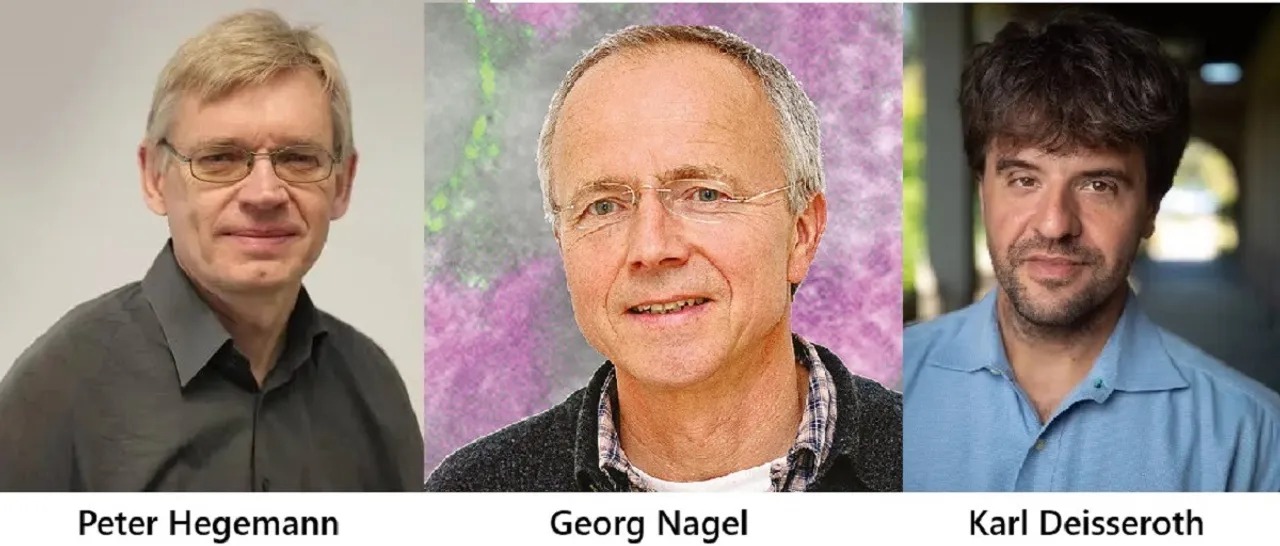
The Nobel Assembly at Karolinska Institutet announced the prestigious award, recognising scientific breakthroughs that have transformed the way researchers study and understand the brain and nervous system.
A breakthrough powered by light
The work of the three scientists laid the foundation for optogenetics, a revolutionary technique that allows researchers to control the activity of specific nerve cells using light.
At the heart of this technology are light-sensitive proteins known as channelrhodopsins. Hegemann and Nagel played a crucial role in discovering and characterising these light-gated ion channels, while Deisseroth helped establish optogenetics as a powerful tool for controlling neural activity and studying the brain.
In simple terms, optogenetics enables scientists to use pulses of light to switch selected nerve cells on or off with remarkable precision. This has opened new possibilities for investigating how neural circuits influence behaviour, emotions, memory and other complex brain functions.
Transforming neuroscience
Before optogenetics, studying the activity of individual groups of neurons with such precision was extremely difficult. The technique has since become an important tool in neuroscience, helping researchers investigate the biological mechanisms behind the brain’s functions and neurological disorders.
The breakthrough is also contributing to research aimed at developing new treatments. Light-sensitive proteins and optogenetic approaches are being explored in areas such as vision restoration, offering potential new avenues for patients with certain retinal disorders.
The Nobel Committee’s recognition of Deisseroth, Hegemann and Nagel highlights how a fundamental discovery about light-sensitive proteins can evolve into a technology capable of transforming modern neuroscience.
6, Oct 2026
FILM & TAPE EXPO 2026 to Convene Global Manufacturers and Buyers in Shenzhen
6, Oct 2026
IIT Organises Wildlife Photography Workshop as Part of National Wildlife Week 2026
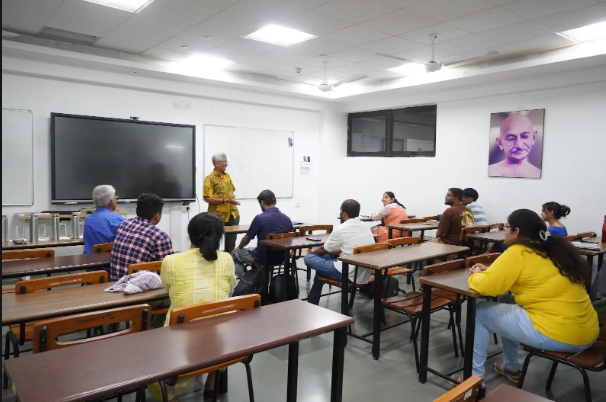
Gandhinagar, October 06, 2026: IIT Gandhinagar’s Dr Kiran C Patel Centre for Sustainable Development (KPCSD) organised a three-day hands-on workshop on “Wildlife Photography and Filming for Biodiversity Conservation and Sustainable Development” from October 2 to 4, 2026, as part of National Wildlife Week 2026. Bringing together students, staff and residents from the IIT Gandhinagar community, the workshop aimed to foster a deeper appreciation of wildlife and biodiversity while exploring how photography and filmmaking can serve as powerful tools for nature documentation, awareness and conservation.
Prof C N Pandey, Coordinator, KPCSD, delivered the welcome and inaugural address highlighting the significance of National Wildlife Week and the need to develop a deeper connection with nature and wildlife. He connected the spirit of wildlife conservation with Mahatma Gandhi’s principles of ahimsa, emphasising compassion, respect and love for all forms of life.
“Appreciation of nature should ultimately translate into greater care and responsibility towards our natural environment. Developing a deeper connection with wildlife allows us to understand not only its beauty but also our responsibility towards protecting it,” said Prof C N Pandey, Coordinator, KPCSD.
This was followed by a workshop overview by Mr Mukesh A Acharya, renowned wildlife photographer, visual artist and nature educator with over four decades of experience. He spoke about the importance of bringing together “action, story, and science”, where photographs are supported by scientific understanding and can communicate important conservation messages.
“The coming together of action, story and science allows photography to go beyond visual appeal and become a meaningful medium for understanding nature and communicating conservation messages,” said Mr Mukesh A Acharya.
The resource persons included Mr Mukesh A Acharya, Mr Wilkis James, Mr Aayush Dudhiya and Mr Arijit Reeves, who shared their knowledge, experience and passion for photography, filmmaking and nature conservation with the participants throughout the three days. Participants were also encouraged to learn more about the Wildlife Protection Act and, more importantly, understand the value of the natural resources and biodiversity around them.
Over the three days, participants explored the fundamentals of photography and composition, camera equipment and techniques, wildlife behaviour and field craft, photo editing, and responsible wildlife photography. Participants were provided with a chance to see biodiversity and experience wildlife photography first hand through a field visit to Indrora Nature Park, Gandhinagar and photography sessions at IIT Gandhinagar campus.
The resource persons stressed that photography needs a lot of patience and constant learning. It takes years of practice and observation to learn light, exposure, ISO and the many tools of photography.They also mentioned that IIT Gandhinagar itself is rich in biodiversity and participants have a great opportunity to continue observing, exploring and learning through photography on the campus.
The workshop concluded with a photography exhibition showing enthralling images based on two themes, Wild Feet & Fur and Colors and Textures of Nature & a special photography exhibition of the photographs of Valley of Flowers, Uttarakhand by Mr Mukesh A Acharya on the theme of the beauty and diversity of the natural world.
The workshop demonstrated that taking pictures of nature can be the start of a deeper journey of understanding, valuing and conserving biodiversity.It encouraged participants to look more closely at their surroundings, to appreciate the natural resources around them, and to recognize their role in protecting them.
Through such initiatives, the Dr Kiran C Patel Center for Sustainable Development at IIT Gandhinagar aims to promote a higher level of environmental consciousness and strengthen the bond between people and nature, thus contributing to a more sustainable future.
6, Oct 2026
Bhubaneswar Police, Fire Services Tighten Safety Norms for 193 Durga Puja Pandals
Bhubaneswar, Oct. 6 (UDN): Ahead of the upcoming Durga Puja celebrations, the Commissionerate Police and Fire Services have stepped up preparations to ensure safe and orderly festivities across Bhubaneswar, with strict safety measures finalized for 193 puja medhas and pandals.
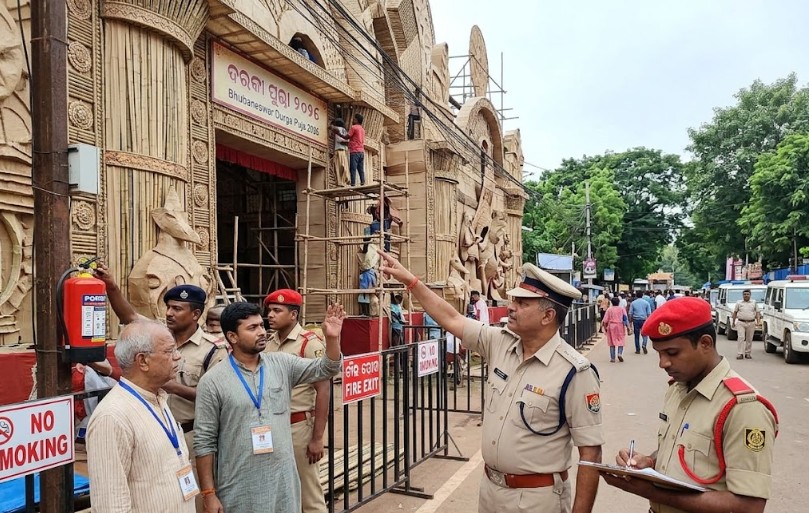
Representational Image
The guidelines place particular emphasis on fire prevention, safe installation of temporary structures, regulated sale of fireworks and preparedness of puja committees to respond to emergencies.
Strict Checks on Firework Vendors
Authorities will conduct verification of identity documents and temporary licences of fireworks vendors operating during the festive period. Sellers will be required to comply with prescribed safety and location norms and can stock and sell only permitted green crackers.
The administration has also stressed that fireworks outlets must maintain the required distance from sensitive locations, including residential areas and educational institutions, as stipulated under applicable safety regulations.
Fire Safety Clearance for Pandals
Puja committees have been directed to comply with mandatory fire-safety requirements, particularly for larger temporary structures.
Pandals are required to use fire-resistant materials and maintain adequate open access routes so that fire tenders and other emergency vehicles can reach the premises without obstruction. Organisers must also ensure that temporary structures and decorative installations maintain safe clearance from electrical power lines.
Firefighting Equipment Mandatory
Every puja venue must have basic firefighting arrangements readily available throughout the celebrations. These include functional fire extinguishers, sand-filled buckets and adequate water storage facilities.
Organisers have been advised to ensure that firefighting equipment remains easily accessible and is not blocked by decorations, stalls or crowd-control barricades.
Volunteers to Support Emergency Response
Puja committees will also be required to deploy trained volunteers to assist with crowd management, emergency communication and evacuation procedures.
Volunteers are expected to remain familiar with designated exit routes and help guide visitors to safety in the event of a fire or other emergency until professional responders arrive.
Focus on Safe and Orderly Celebrations
The Commissionerate Police and Fire Services have urged puja committees, vendors and visitors to strictly follow the prescribed safety norms and cooperate with enforcement personnel.
The measures are aimed at preventing fire-related incidents, ensuring smooth movement of emergency vehicles and protecting devotees and visitors during the festive rush.
Authorities have indicated that violations of the prescribed safety requirements may invite action under the applicable rules. Organisers have been advised to complete all required safety arrangements well before the celebrations begin.
6, Oct 2026
KIIT-DU 22nd Convocation: Over 10,000 Graduates Receive Degrees, Eminent Leaders Call for Innovation
Bhubaneswar, Oct. 6 (UDN): The 22nd Annual Convocation of KIIT Deemed to be University (KIIT-DU) concluded here with more than 10,000 graduates receiving their degrees and eminent national and international speakers calling upon them to embrace innovation, seize emerging opportunities and remain committed to society.
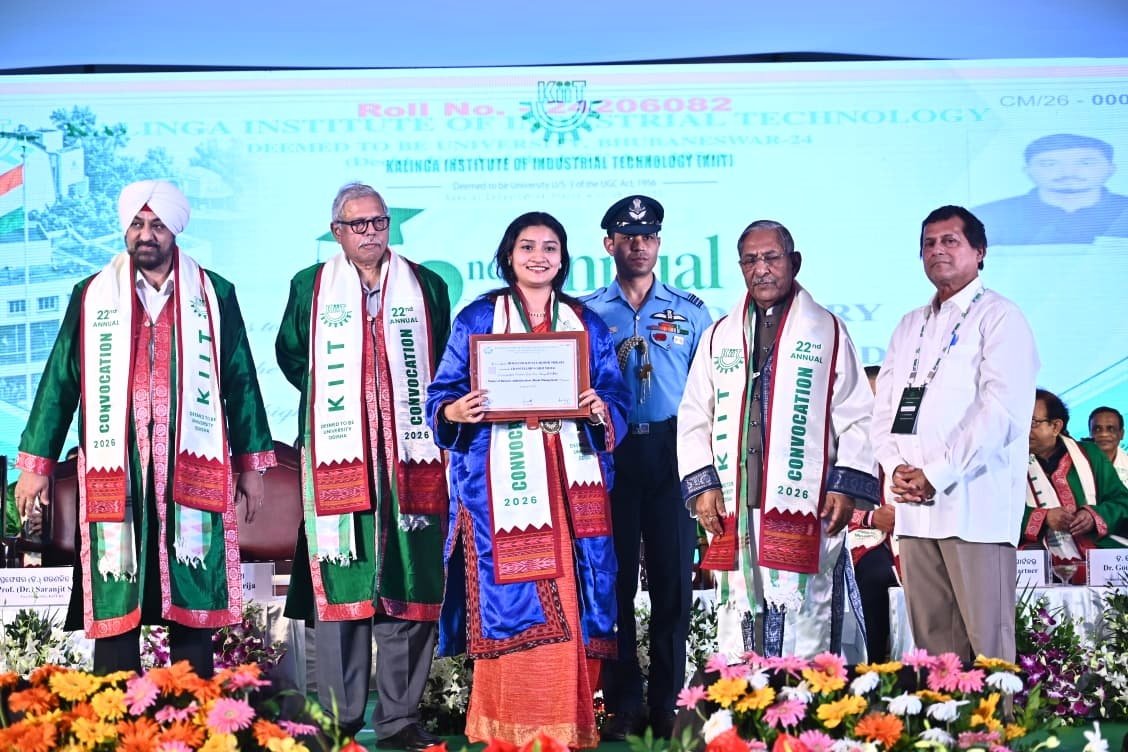
Pic Credit: x.com/achyuta_samanta
The three-day convocation brought together prominent figures from government, industry, academia, journalism and international institutions, who shared perspectives on technology, education, leadership and India’s evolving role in the global arena.
Nagaland Governor Nand Kishore Yadav lauded KIIT’s growth and described its journey as an example of vision, perseverance and determination. He also acknowledged the contribution of KIIT and KISS founder Dr. Achyuta Samanta, along with the university’s leadership, faculty and staff, to the field of education and national development.
Vice Chairperson of NITI Aayog Dr. Ashok Kumar Lahiri highlighted the growing influence of technology and modernisation, while stressing that India’s traditional values and cultural heritage must progress alongside technological development.
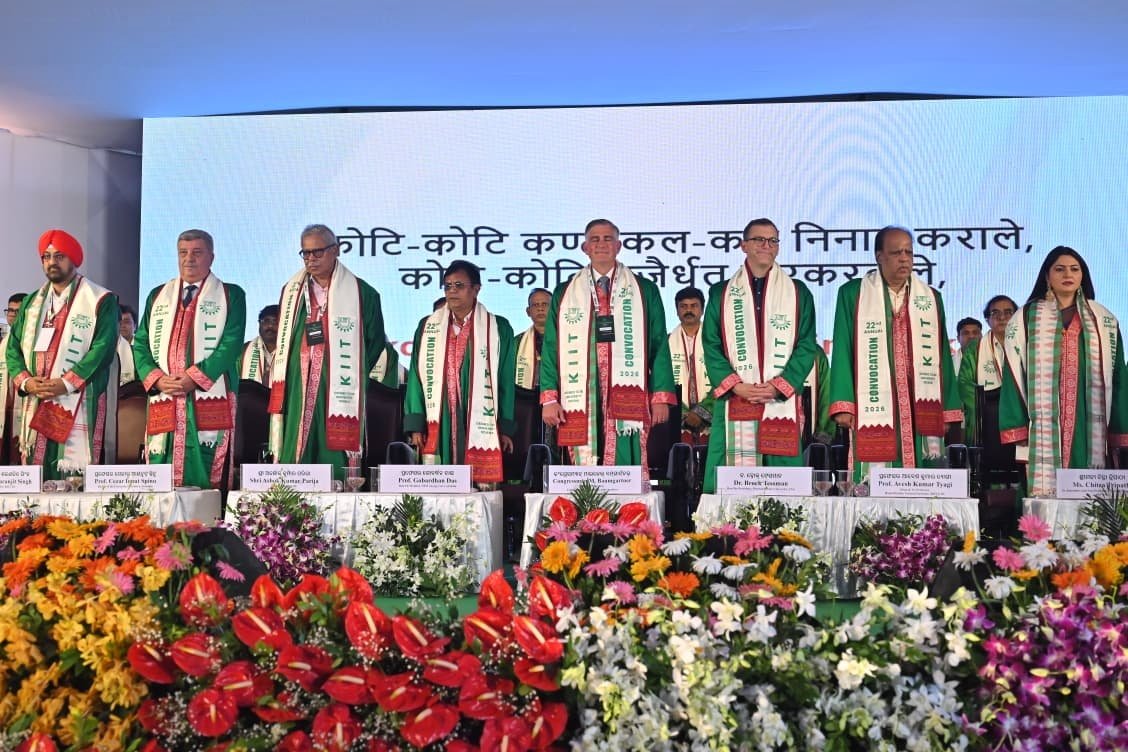
US Congressman Michael Baumgartner said educational institutions have an important role in promoting peace and stability across the world. Dr. Brock Tessman, President of Montana State University, USA, was also among the international academic leaders who addressed the gathering.
The convocation featured speakers from diverse sectors, including Motilal Oswal, Co-Founder, Group Managing Director and CEO of Motilal Oswal Financial Services; Dr. Goutam Roy Chowdhury, Chairman and Chancellor of Techno India Group and Techno India University, Kolkata; and senior journalist Chitra Tripathi of ABP News.
Motilal Oswal highlighted Dr. Samanta’s long-standing efforts in building KIIT and KISS and credited his dedication and sacrifices for the institutions’ growth since their establishment.
Other distinguished speakers included Prof. Gobardhan Das of NITI Aayog, Prof. Cezar Ionuț Spînu, Rector of the University of Craiova, Romania, and Prof. Avesh Kumar Tyagi, Dean and Senior Professor at Homi Bhabha National Institute.
Addressing the graduating students, Dr. Sanjiv Goenka, Founder and Chairman of RP-Sanjiv Goenka Group, said they were entering a period of immense opportunity as India continues to expand its economic and developmental ambitions. Dr. Ravi Pachamuthu, Chairman of SRM Group and Chancellor of SRM University Delhi-NCR, also addressed the graduates.
KIIT-DU Chancellor Ashok Kumar Parija presided over the convocation. KIIT founder Dr. Achyuta Samanta, Vice Chancellor Prof. Saranjit Singh and Pro Vice Chancellor (Administration)-cum-Registrar Prof. Jnyana Ranjan Mohanty were among the university’s senior leadership present during the event.
The three-day ceremony also recognised academic and extracurricular excellence through a range of medals and honours. The Founder’s Gold Medal, Chancellor’s Gold Medal, P.K. Bal Memorial Gold Medal, Paradeep Phosphates Ltd. Gold Medal, Nanibala Memorial Gold Medal, Krushna Chandra Panda Memorial Gold Medal and Dr. Wati Paramguru Memorial Gold Medal were among the top honours presented.
Students were also awarded the Vice-Chancellor’s Silver Medal, Dr. Nitish Kanta Silver Medal and Manju Rath Silver Medal for achievements in different fields.
With thousands of graduates stepping into professional and academic careers, the convocation marked the culmination of their university journey while placing renewed emphasis on innovation, responsible leadership and contribution to society.
6, Oct 2026
Odisha Government Announces Major OAS Reshuffle, 20 Officers Get New Assignments
Bhubaneswar, Oct. 6 (UDN): The Odisha government has carried out a major reshuffle in the Odisha Administrative Service (OAS), transferring and assigning new responsibilities to a number of officers across key departments and districts.
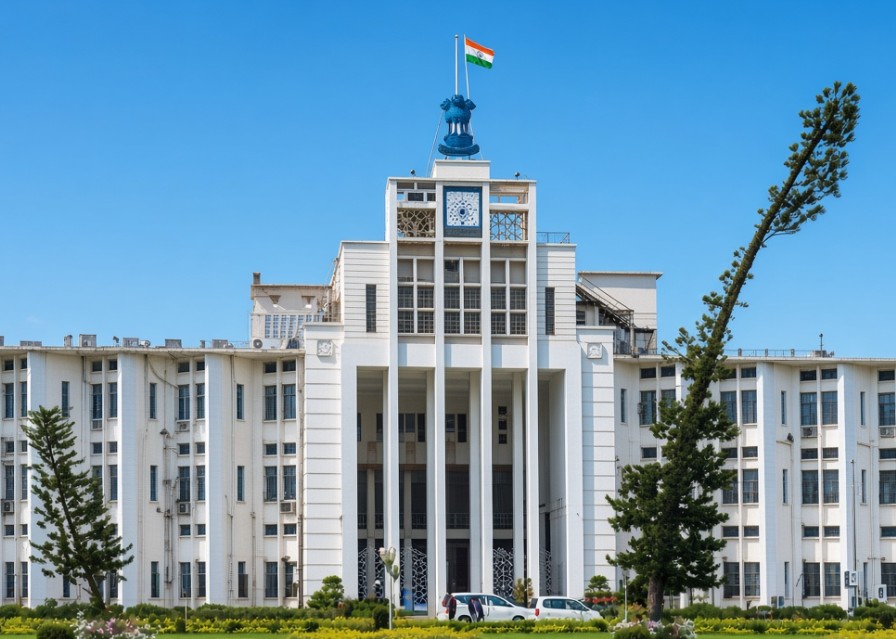
Representational Image
The transfers were notified by the General Administration & Public Grievance Department, with several officers moving to important positions in the state secretariat, district administration, revenue administration and other government institutions.
Senior OAS officers shifted
Among the senior-level changes, Subhasis Mansingh, OAS (SAG), currently Additional Commissioner, Settlement and Consolidation in the office of the RDC (Central Division), Cuttack, has been transferred and posted as Additional Secretary, Women & Child Development Department.
Bibekananda Sahoo, OAS (SAG), who was serving as Additional Secretary in the Women & Child Development Department, will now take charge as Additional Commissioner, Additional Revisional Court, Bhubaneswar, under the Member, Board of Revenue.
Basudev Nayak, OAS (SAG), Deputy Collector, Jajpur, has been posted as Additional Commissioner, Settlement and Consolidation, RDC (Central Division), Cuttack.
Meanwhile, Pratap Pritimaya, OAS (SAG), Additional District Magistrate, Angul, has been transferred as Additional Secretary, Revenue & Disaster Management Department.
Ashutosh Samal, OAS (SAG), Additional Commissioner of the Additional Revisional Court, Bhubaneswar, has been appointed Secretary, Odisha Human Rights Commission (OHRC).
Changes in key urban and departmental assignments
Saroj Kumar Swain, OAS (SAG), Additional Secretary, Tourism Department, has been transferred and posted as Secretary, Cuttack Development Authority (CDA).
At the district level, Mayadhar Behera, OAS (S), Sub-Collector, Angul, has been appointed Additional District Magistrate, Angul. The government has also formally vested him with the powers of Additional District Magistrate under the applicable provisions of the Bharatiya Nagarik Suraksha Sanhita, 2023.
New postings for several OAS Grade A officers
A number of OAS Grade A (Senior Branch) officers have also received fresh assignments.
Ashok Kumar Das, formerly Sub-Collector, Bonai, Sundargarh, and recently posted to the GA & PG Department, has been appointed Deputy Secretary, Higher Education Department.
Umakanta Parida, Sub-Collector, Champua, has been transferred as Deputy Secretary, Tourism Department.
Anup Panda, formerly Sub-Collector, Paralakhemundi, has been posted as Deputy Secretary, Odia Language, Literature & Culture Department.
Parakshit Sahoo, Sub-Collector, Deogarh, will now serve as Deputy Secretary, Chief Minister’s Grievance Cell (CMGC), Bhubaneswar.
Deogarh, Panposh and Nayagarh get new Sub-Collectors
The reshuffle has also brought changes in several sub-divisional administrations.
Rashmi Ranjan Mahanta, formerly Sub-Collector, Rairakhol, has been posted as Sub-Collector, Deogarh and appointed Sub-Divisional Magistrate (SDM) of the subdivision.
Prabhat Kumar Parida, formerly Sub-Collector, Bhawanipatna, has been posted as Sub-Collector, Panposh and appointed SDM of Panposh.
Kishor Kumar Panda, Additional Executive Officer, Zilla Parishad, Bargarh, has been transferred as Sub-Collector, Nayagarh and appointed SDM of the subdivision.
Following the reshuffle, Chandrakant Mallick, Sub-Collector, Panposh, has been transferred to the state secretariat as Deputy Secretary, Skill Development & Technical Education Department.
More district-level changes
Jadumani Naik, formerly Sub-Collector, Jeypore, has been posted as Additional Executive Officer, Zilla Parishad, Boudh.
Asish Ranjan Sahoo, formerly Sub-Collector, Talcher, has been appointed Sub-Collector, Angul and vested with the powers of SDM.
Premlal Hial, formerly Sub-Collector, Koraput, has been posted as Deputy Secretary, Odisha Uniformed Services Staff Selection Commission (OUSSSC), Bhubaneswar.
In another important change, Pranaya Ranjan Behera, Sub-Collector, Kaptipada, Udala, who was also holding additional charge as PA, ITDA, Baripada, has now been posted as Project Administrator, ITDA, Baripada, Mayurbhanj.
Administrative focus
The latest reshuffle brings changes across women and child development, revenue administration, tourism, higher education, skill development, culture, human rights and district administration.
The movement of officers is expected to strengthen administrative responsibilities at both the state and district levels, while placing experienced OAS officers in key operational and policy positions.
6, Oct 2026
Odisha Student Polls 2026: AI Deepfakes, Fake News and Personal Attacks Face Strict Ban
Bhubaneswar, Oct. 6 (UDN): As Odisha prepares to bring back student union elections after an eight-year gap, the state government has introduced a stringent code of conduct aimed at keeping campus campaigning transparent, disciplined and free from digital misinformation.
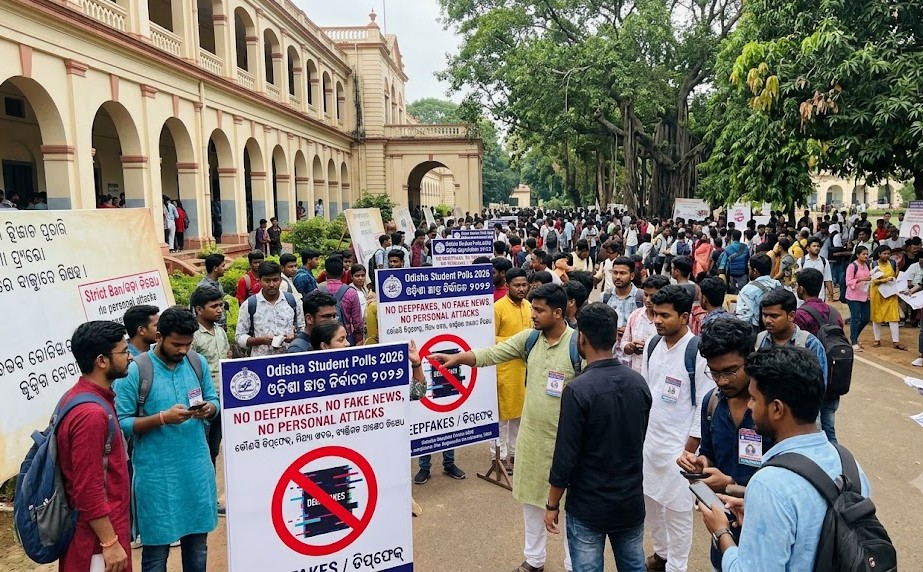
Representational Image
The Odisha Higher Education Department has scheduled student union elections across eligible colleges and universities for October 15, 2026. With social media now playing a major role in political and public campaigning, the latest guidelines place particular emphasis on regulating candidates’ online activities.
AI-generated content under the scanner
One of the most significant provisions is the restriction on the use of artificial intelligence to manipulate election-related content.
Candidates and their supporters will not be permitted to create or circulate fake videos, deepfakes, manipulated photographs or other AI-generated material designed to misrepresent or target rival candidates.
The move comes amid growing concerns over the rapid spread of synthetic media and the difficulty of distinguishing genuine content from digitally manipulated material.
No abusive campaigns or personal attacks
The election guidelines also require candidates to maintain decorum during online campaigning.
Abusive language, personal attacks, defamatory statements, unsubstantiated allegations and misleading claims will not be permitted.
Authorities have also warned against using social media platforms to spread false information with the intention of influencing students or damaging the reputation of opponents.
The emphasis is on ensuring that online campaigning remains focused on issues, student concerns and constructive debate rather than personal attacks.
Traditional campaign methods face restrictions
The restrictions extend beyond social media.
Under the election framework based on the Lyngdoh Committee recommendations, candidates will face restrictions on conventional publicity methods, including printed posters, pamphlets, loudspeakers and vehicle rallies on campus.
Where permitted, candidates may use handmade posters in designated areas, subject to institutional rules.
The objective is to prevent excessive campaign activity, damage to campus property and disruption of academic environments.
₹5,000 campaign spending ceiling
Candidates will also have to operate within a prescribed campaign expenditure limit.
The spending ceiling has been fixed at ₹5,000 per candidate, with candidates required to maintain and submit expenditure records as prescribed by the election authorities.
Post-election scrutiny of campaign expenses is intended to improve financial transparency and prevent excessive spending from influencing campus contests.
Political interference kept out
The guidelines also seek to preserve the independent character of student elections by discouraging direct political party involvement, funding and formal political affiliations.
The broader objective is to ensure that student representatives are elected on the basis of campus issues and student interests rather than external political influence.
Attendance and age rules
Eligibility requirements have also been specified for contestants.
As per the stated guidelines, candidates must be regular students and meet prescribed age and academic requirements. The framework includes a minimum 75% attendance requirement, while the age limits generally provide for candidates aged 17–22 years for undergraduate courses and up to 25 years for postgraduate courses, subject to applicable rules.
Candidates with criminal records are also barred from contesting under the prescribed eligibility conditions.
Eight years after the last campus polls
The October 15 election will mark the return of student union elections in Odisha after an eight-year hiatus.
With campuses preparing for the electoral process, the authorities face the challenge of balancing students’ right to campaign and participate in democratic activities with the need to prevent violence, misinformation, excessive spending and disruption of academic life.
The new digital provisions reflect a significant change from earlier campus elections: the election battlefield is no longer limited to the college campus—it also extends to smartphones and social media platforms.
For candidates and their supporters, the message is clear: campaign actively, but stay within the rules. In the 2026 student polls, a viral post could attract as much scrutiny as a physical campaign violation.


