



9, Dec 2025
Terre des Hommes India to Host ‘Children and Climate 2025’ for Stronger Child-Centric Climate Action
New Delhi, Dec 9: Terre des hommes India, the country’s first dedicated child rights organisation working at the intersection of climate vulnerability, health, protection, and migration, will convene Children and Climate 2025 on 11th December 2025 at Magnolia Hall, India Habitat Centre, New Delhi. The event will be a multi-stakeholder consultation aimed at reimagining child-centred responses to the climate crisis.
As climate change intensifies, children remain amongst the most disproportionately affected. Globally, almost every child is exposed to at least one major climate or environmental hazard, while nearly half live in extremely high-risk countries. For children in India, the impacts are already visible be it extreme heat, malnutrition, waterborne diseases, displacement, loss of schooling, and heightened risks of violence and exploitation.
Children and Climate 2025 seeks to bridge these gaps by bringing together donors, practitioners, researchers, youth speakers, community organisations, and policymakers to co-create more integrated pathways. The consultation will focus on strengthening the linkages between climate action and social protection, embedding child-responsive approaches into migration and health systems, and exploring opportunities for innovative financing and programme design.
Structured around the principles of project cycle management, the conference will guide participants through key stages of building effective climate-responsive programmes. It will include problem identification, resource mobilisation, implementation, collaboration, and evaluation.
Through this convening, Tdh India aims to catalyse a shared, multi-sectoral commitment to place children at the centre of climate resilience planning and ensure that the next decade of climate action in India is rooted in protection, equity, and inclusion.
- 0
- By Neel Achary

9, Dec 2025
Khaitan & Co Appoints Dr. Vimal Choudhary as COO to Drive Strategic Growth
Khaitan & Co Appoints Dr. Vimal Choudhary as Chief Operating Officer, Strengthening Leadership Amidst Strategic Growth
Bengaluru, Dec 09: Khaitan & Co, a leading full-service Indian law firm, has announced the appointment of Dr. Vimal Choudhary as Chief Operating Officer (COO). Dr. Choudhary brings more than 23 years of deep experience in global consulting, strategy and operations, most recently as Head of McKinsey’s Global Centres in India and Global Chief Strategy Officer at McKinsey Global Services. He will be based at the Firm’s Mumbai office.
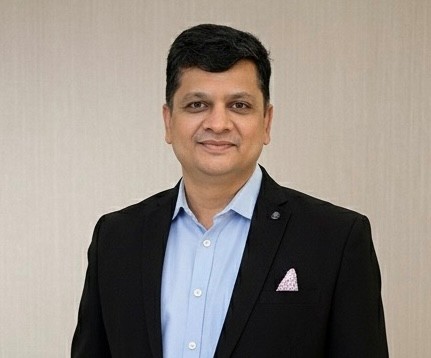
Haigreve Khaitan, Senior Partner at Khaitan & Co said
“We are thrilled to have Vimal join the Firm as our new COO. This appointment marks an important step forward in our continuous pursuit of excellence, transformation and strategic growth. In an era where operational sophistication and forward-thinking digital capabilities set industry benchmarks, Vimal’s exceptional track record in building world-class teams, leading global transformation, and driving strategic outcomes at scale will be crucial as we power the next chapter of our Firm’s evolution. His leadership comes at an exciting juncture for us, amplifying our ambition to deliver outstanding value for clients, strengthen our organisational foundations, and accelerate our journey as an employer of choice in the legal sector.”
As COO, Dr. Choudhary will lead all of Khaitan & Co’s internal functions, with a sharpened mandate to drive strategic initiatives, infuse digital and AI-led innovation, optimise operational infrastructure, and elevate the Firm’s knowledge and capability platforms. His leadership will span all aspects of operations, with focus areas including the implementation of next-generation technology solutions, and instituting best-in-class processes for enhanced collaboration, resilience and scale.
A Chartered Accountant and an MBA, Dr. Choudhary is a McKinsey veteran where during his 23-year tenure, he held several global leadership roles – shaping strategy and operations for McKinsey Global Services, overseeing the Firm’s largest office complex outside the US in India, and stewarding key initiatives around client services, acquisition integration, digital capability building, talent development and business expansion. He was also served on the Board of Directors at McKinsey Global Capabilities and Services and ETML Singapore, a boutique analytics company acquired by McKinsey.
Dr. Choudhary’s appointment underscores Khaitan & Co’s commitment to industry leadership, sustainable growth, and fostering an environment that attracts and nurtures top talent. It sets the stage for bold advances in client service, operational excellence, and the Firm’s long-term competitiveness in the evolving legal landscape.
9, Dec 2025
DS Group Expands Hospitality Portfolio in the NE
Guwahati, Dec 9: Expanding its hospitality portfolio, the Dharampal Satyapal Group (DS Group), a leading FMCG conglomerate and multi-business corporation, has announced a strategic expansion of its hospitality portfolio in the North East with significant developments at its existing property – Radisson Blu Guwahati. This move introduces the largest pillar less convention centre in the North East, alongside 85 additional rooms, bringing the property’s total room inventory to 280. The new purpose-built convention centre boasts a 25,000 sq. ft. area which includes a 15000 sq. ft. pillar-less hall having a capacity for 1500 guests, effectively positioning Radisson Blu Guwahati as the region’s largest integrated convention and stay facility that addresses a significant gap in its MICE (Meetings, Incentives, Conferences, Exhibitions) infrastructure as well as weddings.
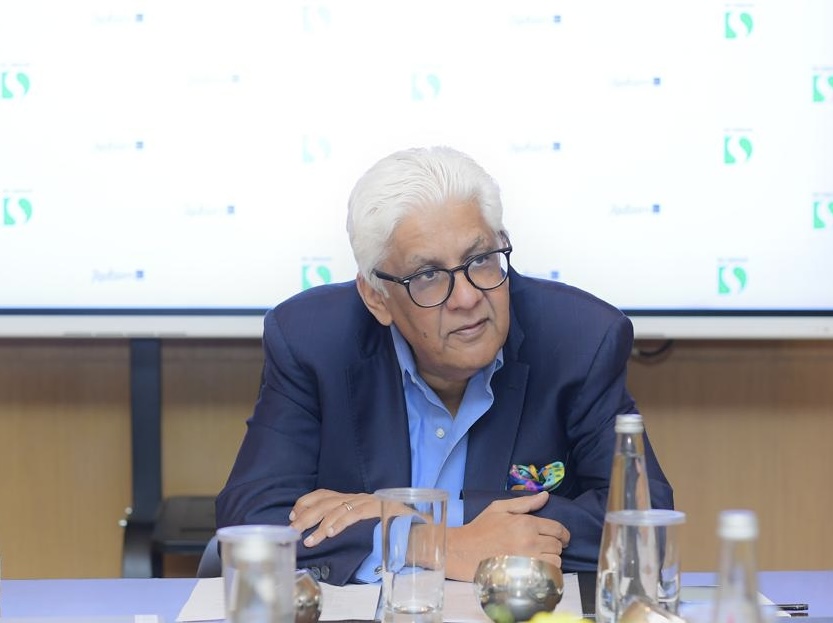
The new 25,000 sq. ft. convention centre at Radisson Blu, Guwahati will significantly enhance the region’s capacity for large-scale, multi-day conferences and events with integrated accommodation which was a need in this market. It is also ideal for weddings and large functions. This strategic expansion aligns with DS Group’s hospitality growth strategy, targeting high-growth markets with untapped potential. Guwahati was selected due to its emergence as a key economic and administrative hub in Northeast India, presenting a compelling combination of economic significance and rising demand.
Speaking on the occasion, Mr Nathan Andrews, Business Head, Hospitality, DS Group said,
“DS Group’s expansion aims to reposition Radisson Blu, Guwahati, as a preferred destination for business and leisure events, leveraging the city’s evolution as a gateway to the Northeast. By focusing on personalized service, authentic local experiences, and a tranquil ambiance, the property can seamlessly integrate its unique cultural ethos, continuing to serve diverse travellers while attracting a new segment of business, policy and cultural events.”
The additional rooms are expected to be operational by end of 2026, further enhancing the property’s ability to host large-scale, multi-day events with seamless guest experience. The expansion also elevates Radisson Blu Guwahati’s competitive positioning—not just within the city, but across the broader region.
The Radisson Blu in Guwahati offers an exotic and unique dining experience that truly highlights the rich culinary heritage of India’s North East. While Café B-You provides a diverse selection of international buffets and à la carte options with Mediterranean and Indian influences, the true gem for food enthusiasts is Nest Asia. Nest Asia is a major draw for guests, offering a curated North-Eastern dinner that takes diners on a delectable journey through the flavours of the “Seven Sisters” states. Here, one can savour authentic local cuisine, such as the comforting Aloo Pitika, a flavourful mashed potato dish, and the tangy Masor Tenga, a traditional Assamese fish curry. The meal culminates in the unique and subtly sweet Black Rice Kheer, a dessert that perfectly encapsulates the region’s distinct culinary identity.
Radisson Blu Guwahati aims to provide guests with an ideal starting point to explore the vibrant culture and stunning natural landscapes of Assam. Conveniently situated just 10 km from the airport, the hotel offers easy access to key attractions such as the sacred Kamakhya Temple (about 9.8 km), the picturesque Amchong Tea Estate (about 45 km), and the renowned Kaziranga National Park (about 174 km). This makes it a serene yet well-connected base for both leisure and business travellers. The hotel distinguishes itself through its exceptional service, thoughtfully curated regional experiences, and meticulous attention to aesthetic detail, seamlessly blending global standards with authentic local flavour. Guests consistently praise the warm hospitality, immersive experiences, and sense of serenity that embody the property’s unique cultural ethos.
DS Group’s long-term vision for its hospitality division is to become a leading player in the Indian market with a strong, diversified portfolio of modern, luxurious, and sustainable hotels across India. The growth strategy involves aggressive pan-India expansion through asset management and brand partnerships, targeting high-growth Tier I and Tier II cities, and capitalizing on the opportunity in domestic and international tourism with a mix of city and resort properties. The company plans to significantly expand its room inventory, aiming to double its current room count by 2029. This ambitious growth will be supported by an investment of INR 1000 crores over the next few years, funded through internal resources and strategic partnerships, leveraging the hospitality sector’s increasing contribution to the group’s overall revenue. While focusing primarily on luxury and mid-scale hotels, DS Group aims to have 10-12 hotels in its portfolio within the next three years, strategically located in key cities across India, including new developments in the North and East, and an expanded presence in the Northeast.
The DS Group has been in the hospitality business since 2000. Presently, its hospitality portfolio encompasses six distinguished properties which include The Namah Corbett and Namah Nainital are Radisson Individual Resorts, Radisson Blu Hotel Guwahati, InterContinental, Jaipur, Holiday Inn Express, Kolkata Airport and the Renaissance Hotel in Bengaluru.
9, Dec 2025
Brakes India and TBK sign business alliance agreement
Chennai, Dec 9: Brakes India Private Limited and TBK Co., Ltd. recently signed a capital and business alliance agreement. With this, Brakes India, a TSF Group Company, acquires 10% shareholding in TBK through a primary capital infusion. The investment marks an important development for both organisations. This paves the way to leverage the strength of both the companies for commercial vehicle braking and create enhanced value for customers and stakeholders.

TBK, a leading global auto component manufacturer in the M&HCV segment specialises in brakes, pumps, and engine-related components. This move gives both organisations the scope to draw on each other’s strengths. It provides access to complementary geographies and has the potential to engage new customers and explore new supply chains. This opportunity introduces Brakes India’s existing hydraulic and pneumatic products into new export markets. It also opens avenues to extend the complementary product portfolio of TBK in the Indian domestic market. “Through this partnership, both companies will mutually complement each other’s technological strengths and customer bases to the fullest extent, jointly creating high value-added products and solutions for respective markets. Together, we aim to unlock new opportunities and contribute to the advancement of next-generation mobility” said Mr Kaoru Ogata, President & CEO, TBK.
“This milestone is a starting point for a long-term association with TBK. It reinforces our commitment to strategic, long-term growth. With this agreement, Brake India has access to TBK’s line-up of products for the Indian market and will offer Brakes India’s leading pneumatic braking products to new customers outside of India” said Mr Sriram Viji, Managing Director, Brakes India. This collaboration drives the development of cleaner, safer and more efficient commercial vehicle braking technologies, supporting the industry’s shift towards advanced and sustainable mobility.
9, Dec 2025
AAEON’s UP Brand Partners with DEEPX to Deliver Ultra-Efficient AI Performance Across Hardware Platforms
Taipei, Taiwan, Dec 9:AAEON’s UP brand, a leading designer and manufacturer of industrial development boards, today announced its collaboration with DEEPX, a pioneer in producing power-efficient yet sophisticated AI acceleration modules.

The partnership will see multiple models from UP’s Development Kit and Mini PC series utilize DEEPX’s innovative DX-M1 AI chip to satisfy market demand for ultra-low power, compact, and AI-ready edge platforms upon which customers can build new, innovative industrial automation solutions.
Designed to bring GPU-class AI model execution at just 2W–5W, DEEPX’s DX-M1 AI chip is particularly well-suited for integration with the UP brand’s portfolio of small form factor products, given the module’s low power footprint and innovative thermal management.
The first UP products to be equipped with the DX-M1 chip will be the recently-released UP Squared Pro TWL and UP Xtreme ARL Development Kits, granting the platforms a boost of 25 TOPs of AI performance alongside preinstalled Linux Ubuntu Pro 24.04 LTS with the UP AI Software Suite and NPU driver.
The partnership between the two companies will also see AAEON stock the DX-M1 M.2 2280 expansion module for use with a range of AAEON’s UP Mini PCs, allowing customers to install the module on standard UP Squared and UP Squared Pro Edge systems via their M.2 M-Key slots. Meanwhile, AAEON has also announced its intentions to expand existing Mini PC lines to include models with the DX-M1 module preinstalled, with the Intel® Processor N97-powered UP Squared 7100 Edge expected to be the first.
DEEPX will also add to its own AI System product line with the release of the DX-AiPlayer-N97, a turnkey system that will combine the UP Squared 7100 Edge with an integrated DEEPX® DX-M1 M.2 LPDDR5 AI accelerator for customers wishing to test the NPU on trusted, compatible hardware. DEEPX have confirmed the official unveiling of the product will take place at the DEEPX booth (LVCC #8745) during CES 2026.
“Our collaboration with DEEPX marks an important milestone in making advanced AI performance accessible to industrial developers,” said Irene Lin, Product Manager at AAEON’s UP brand. “By integrating the DX-M1 module across our UP platforms, we’re bridging the gap between ultra-efficient AI acceleration and the flexibility of embedded edge computing empowering our customers to deploy smarter, more sustainable solutions with ease.”
Following these initial rollouts, the two companies plan to expand their collaboration across the entire UP Mini PC product line, building upon their respective presences across markets in Asia, Europe, and the US. In addition to this, DEEPX will be actively expanding mass production programs to target key industries to accelerate the uptake of the combined offering across smart factory and smart city projects.
UP Squared Pro TWL and UP Xtreme ARL Development Kits with preinstalled DX-M1 modules are now available for preorder on the UP Shop. For detailed specifications for the UP Squared 7100 Edge and the DX-M1 M.2 2280, please visit their respective product pages on the AAEON website.
9, Dec 2025
Kristu Mahotsav 2025 Celebrates 600+ Specially-Abled and Underprivileged Children with Inclusive Festivities
KRISTU MAHOTSAV 2025 Concludes with 600+ Specially-Abled and Underprivileged Children in a Celebration of “Including Everyone, Excluding None”
New Delhi, Dec 09: KRISTU MAHOTSAV 2025 the National Inter-Religious Ecumenical Christmas Celebration—concluded with profound joy and unity as over 600 specially-abled and underprivileged children participated in an evening filled with compassion, cultural vibrancy, and festive spirit. The event was hosted by filmmaker, philanthropist, and global cultural icon Dr. Sanjanaa Jon, who also served as the Master of Ceremonies for the evening, bringing her signature warmth and humanitarian spirit to the celebration.
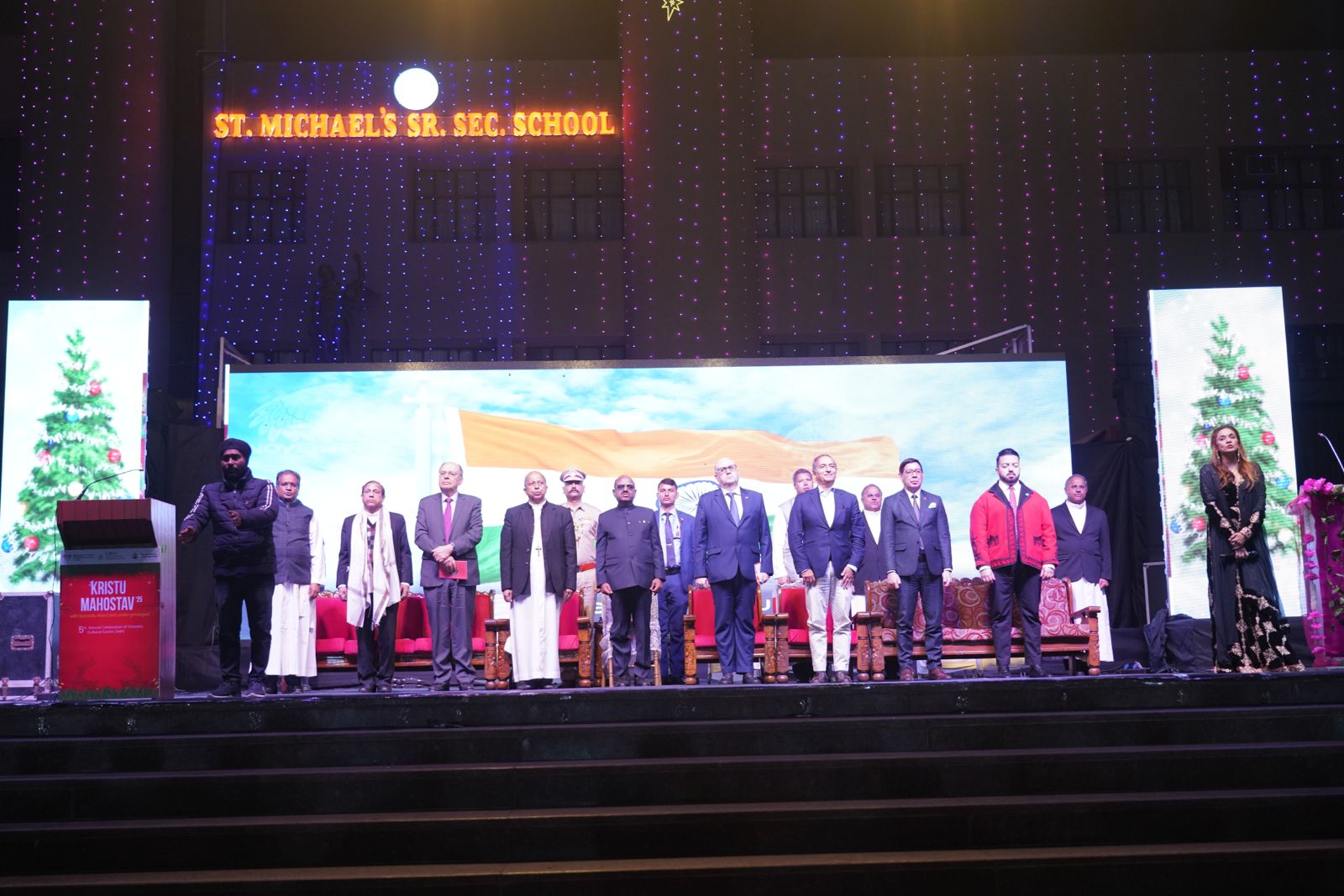
The evening opened with a deeply moving Buddy March, led by the Hon’ble Governor of West Bengal, Dr. C. V. Ananda Bose, who entered the venue hand-in-hand with specially-abled children, symbolising solidarity and dignity. Ambassadors, interfaith leaders, and officials joined the march, creating a historic moment of inclusion that received an overwhelming standing ovation.
The event was jointly organised by the Chavara Cultural Centre, New Delhi, the Catholic Bishops’ Conference of India (CBCI), and the Association of Catholic Rehabilitation Centres in India (ACRCI). This year’s celebration also marked the 5th Anniversary of the Chavara Cultural Centre, honouring five years of interfaith harmony, cultural exchange, and social transformation.
Guided by the theme “Including Everyone, Excluding None,” KRISTU MAHOTSAV 2025 featured more than fifteen uplifting performances by differently-abled children, including wheelchair dance, inclusive choir, theatre, and cultural presentations that showcased extraordinary talent, confidence, and joy. The event reaffirmed its commitment to nurturing a society where every child is celebrated, every ability honoured, and no one is left behind.
A major highlight of the evening was the release of a new book authored by Hon’ble Governor Dr. C. V. Ananda Bose, unveiled on stage during the celebrations. The book, which includes songs and poems penned by Dr. Bose, reflects themes of peace, compassion, and the triumph of the human spirit—resonating beautifully with the message of Kristu Mahotsav. The audience was especially moved when select verses from the Governor’s poems were presented during the event, adding literary and artistic depth to the Christmas celebration.
The gathering also honoured Bishop Stephen Fernandes on his gracious appointment as the Auxiliary Bishop of the Archdiocese of Bombay. Organisers, dignitaries, and attendees extended heartfelt congratulations and prayerful wishes as he begins this new chapter of pastoral service. A special tribute was dedicated to Rev. Fr. Joseph Puthenpura, Founder President of ACRCI, on the Golden Jubilee of his Priestly Ordination. His five decades of service uplifting specially-abled children and marginalised communities were celebrated with immense gratitude and admiration.
Ambassadors, diplomats, interfaith leaders, civil servants, academicians, and cultural icons graced the Buddy March and the celebrations, enhancing the spirit of unity and shared purpose. Their presence underscored the event’s commitment to inclusivity and collective responsibility in building a compassionate society.
Governor Dr. C. V. Ananda Bose described the children as “the true stars of Christmas—reminding us that peace grows when we include and uplift one another.” Rev. Dr. Roby Kannamchirayil CMI, Director of the Chavara Cultural Centre, along with Rev. Fr. Roy Kannanchira CMI, President of ACRCI, and Rev. Dr. Mathew Koyickal, Deputy Secretary General of CBCI, extended heartfelt thanks to all dignitaries, institutions, and volunteers for making the event a powerful expression of love and inclusion.
KRISTU MAHOTSAV 2025 concluded with a renewed mission to promote peace, compassion, and interfaith understanding. The Buddy March, the spirited performances, and the participation of hundreds of children reaffirmed the central message of the evening: “Peace begins when we celebrate others.”
9, Dec 2025
ZF Group to showcase Intelligent System Solutions made in India at EXCON 2025
Bangalore, Dec 9 : ZF is poised to address the need for high degree of flexibility and rapid development cycles, with products and solutions at EXCON 2025 at Hall 1 Booth G149 . The company will demonstrate how it’s expertise in driveline technology and intelligent system solutions makes it the ideal partner to meet these demands. ZF’s technologies contribute to ‘The Future of Construction’ with low or zero emissions and offer increased productivity at construction sites.
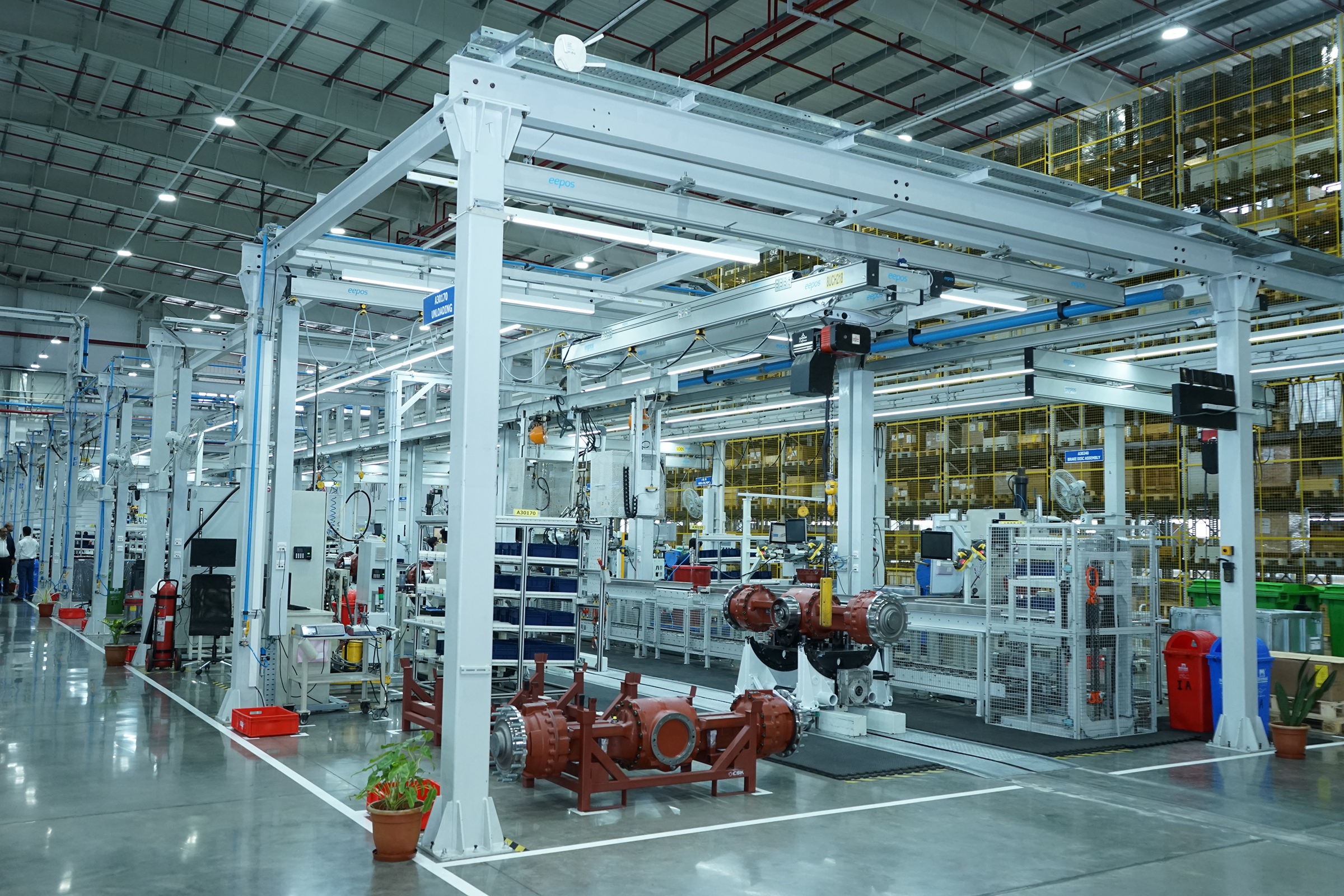
ZF Group plans to address the local customer requirements with its “local for local” approach, producing the transmissions and axles out of its newly inaugurated Construction Equipment plant in Coimbatore, TN.
The state-of-the-art plant inaugurated in Jun 2025, is spread over an area of 10,000 sq meters. The new off highway plant aligns with ZF’s objective of ‘Make in India for India and the World’ approach, highlighting the company’s thrust towards local manufacturing excellence while simultaneously catering to the OEMs global demands. This facility is a critical component of ZF Groups strategy for growth and market penetration in India with pioneering innovative solutions for construction equipment segment and railways in India.
ZF Group has invested 20 million Euro (192 Crores in early 2025) in this plant over the year, to strengthen the innovative solutions and unwavering commitment to localize world class technologies, products and solutions for the evolving Construction Equipment sector.
Akash Passey, President ZF Group India mentioned,
“At ZF Group, we’re proud to deepen our commitment to India’s dynamic construction sector by expanding local production of transmissions and axles in the recently inaugurated plant at Coimbatore. This strategic investment aligns with the Group’s ambition for the region and is aligned with the Government of India’s ambitious infrastructure push. Our advanced product portfolio is designed for unwavering reliability and is in step with the market trends toward cleaner, smarter, and digitally enabled machines.”
Wheel Loader Tech: Boost Efficiency & Comfort
ZF’s ERGOPOWER powershift transmissions are engineered for maximum productivity and efficiency in wheel loaders. Standard 4‑speed units and optional Efficiency Packages – including 5‑speed and DirectDrive – deliver up to 15% fuel savings and up to 40% productivity gains. They ensure smooth, effortless shifting with minimal tractive effort disruption, increasing driver comfort and lowering lifecycle costs.
Complementing ERGOPOWER, ZF’s MULTITRAC rigid axles are built for heavy-duty loader applications. These axles feature compact design, reduced weight, and wet multi‑disc brakes that minimize braking losses while enhancing efficiency. Durable and service-friendly, they offer excellent ground clearance and operate reliably under extreme conditions.
Backhoe Loader Solutions: Power Meets Precision
Backhoe loaders benefit equally from ZF’s combined ERGOPOWER & MULTITRAC systems. The powershift transmission ensures smooth operation across diverse digging and loading cycles, supporting high torque demands and continuous shifting. Meanwhile, MULTITRAC axles provide robust performance, long component life, and maintenance-friendly features designed for the intense workloads of excavating and back‑filling machines.
Concrete Mixer Drives: Reliability for Every Load
ZF’s ECOMIX I hydrostatic drum drives deliver proven reliability and efficiency for mixer trucks. These compact and rugged gears provide high power density, easy installation, low maintenance, and long service life even under the most demanding conditions. The ECOMIX product range sets industry standards in durability and performance, making it a trusted benchmark for mixer applications worldwide.
Intelligent braking portfolio provides turnkey solutions for off-highway customers
A global leader in hydraulic and electrohydraulic braking systems, ZF supports customers in the heavy duty, off-highway, construction, mining, and agriculture sectors with safe and efficient brake technology.
The company’s newest brake-by-wire solution is an important step change, as it provides vehicle manufacturers the ability to control deceleration via an electronic signal that adjusts brake pressure when needed, removing the need for hydraulic lines in the cab and evolving towards remote and autonomous operation.
With solutions that address the market requirement and meet the present needs of the OEM partners, ZF is driving India toward smarter, safer, and sustainable transportation- Redefining India’s Mobility.
9, Dec 2025
St. Regis Mumbai Appoints Shri Raj Goswami as Director of Food & Beverage, Penthouse Mumbai
The St. Regis Mumbai is pleased to announce the appointment of Shri Raj Goswami as the Director of Food & Beverage for Penthouse Mumbai, effective November 2025. With over 12 years of experience across some of the world’s most renowned luxury hospitality brands, Shri Raj brings strong operational acumen, international exposure, and a refined leadership approach.

In this role, Shri Raj will lead the Food & Beverage vision for Penthouse Mumbai, shaping its culinary identity, enhancing guest experiences, and elevating its position as one of the city’s most exclusive luxury destinations.
Shri Raj previously served as the Assistant Director of Food & Beverage at The Ritz-Carlton, Pune, where he oversaw signature dining venues, large-format banqueting operations, and curated elevated guest journeys. His tenure included key leadership roles such as Director of Restaurants, Bars & Banquets, highlighting his depth across diverse F&B environments.
His global experience spans roles with Four Seasons Hotels in Maldives and Bahrain, where he managed fine dining concepts, sophisticated bar programs, and high-performing multicultural teams. Earlier in his career, Shri Raj contributed to luxury service standards at The Oberoi Hotels in Agra, establishing a strong foundation in personalised hospitality.
Speaking on his appointment, Shri Raj said;
“The St. Regis Mumbai has always set the benchmark for luxury dining in the city. My approach will be centred on innovation, consistency, and people. Together with the team, we aim to craft elevated dining moments that reflect the evolving expectations of our guests and the energy of Mumbai.”
Outside of work, Raj enjoys reading and watching or playing cricket.With his international perspective, operational excellence and passion for contemporary luxury dining, Shri Raj is set to shape the next chapter of Penthouse Mumbai at The St. Regis Mumbai.
9, Dec 2025
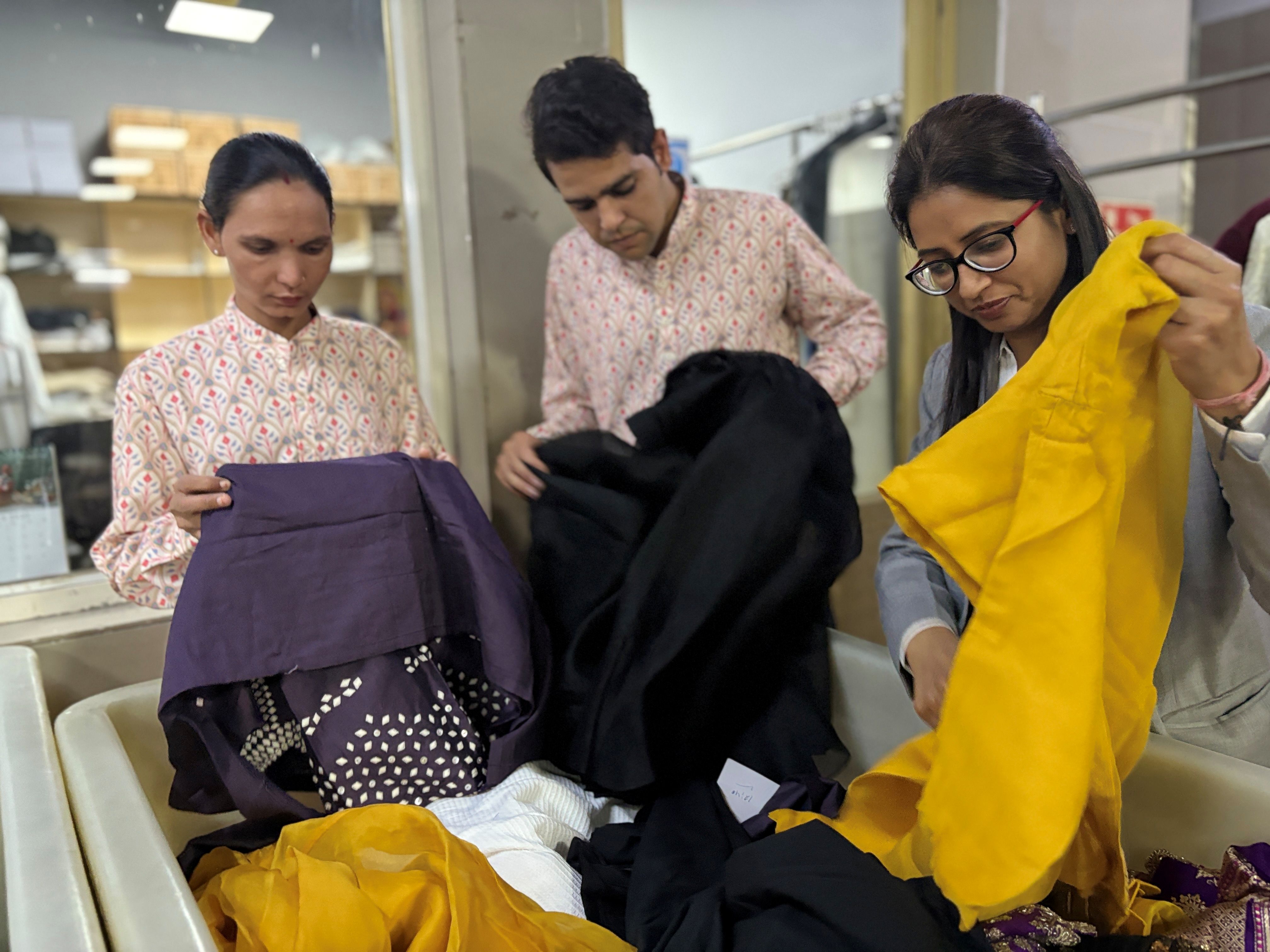
Triton Hotels & Resorts Boosts CSR Efforts with Donation & Textile Recycling Drive at Fairmont Jaipur
9, Dec 2025
Reinvigorating India’s Ghost Shopping Centres can unlock INR 357 Cr in annual rentals: Knight Frank India
Mumbai, Dece 9: Knight Frank India today released its flagship retail study, Think India, Think Retail 2025 Value Capture: Unlocking Potential, presenting the most extensive mapping of the country’s retail real estate across 32 cities. A significant finding of the report is that nearly one-fifth of India’s operational shopping centres fall into the category of ‘Ghost Malls’ assets marked by high vacancies, weak tenant curation, ageing infrastructure, and declining relevance. Across 365 shopping centres surveyed, 74 have been classified as ghost assets, representing 15.5 million square feet (mn sq ft) of dormant retail potential. Within this pool, 15 centres with a combined area of 4.8 mn sq ft have been identified as high-potential assets that could deliver as much as INR 357 crore (cr) in annual rental revenues if reinvigorated effectively. Of the 15 shortlisted assets with clear reinvigoration potential, Tier 1 cities hold an opportunity of INR 236 crore in annual rentals, while Tier 2 cities add another INR 121 cr to the reinvigoration landscape.
The study reveals that the ghost mall challenge is not confined to smaller cities or emerging markets. Tier 1 cities account for 11.9 mn sq ft of this dormant stock, indicating that even some of the country’s earliest and most established malls have struggled to keep pace with changing consumer expectations, shifting brand strategies, and the evolution of modern, experience-led retail formats. Tier 2 cities contribute the remaining 3.6 mn sq ft, where operational inefficiencies, inconsistent management practices, and limited anchor presence have restrained shopping centres from reaching their full potential.
Shishir Baijal, Chairman and Managing Director, Knight Frank India, said,
“India’s retail sector is entering a defining phase of growth, supported by strong consumption and a clear shift toward high-quality organised retail formats. Our analysis shows that reinvigorating 4.8 mn sq ft of dormant mall stock could unlock INR 357 cr in annual rentals, which is a substantial opportunity for developers and investors. With Grade A malls operating at only 5.7 percent vacancy and several Tier 2 cities demonstrating strong absorption trends, the sector is exceptionally well placed for future expansion. As consumer demand evolves and brands scale their footprint, revitalising older centres through redevelopment or adaptive reuse will play a pivotal role in shaping the next chapter of India’s retail transformation.”
Identifying ghost shopping centres is essential to unlocking viable reinvigoration opportunities. High vacancies, unstable tenant mixes, outdated layouts, and weak or missing anchor tenants are the clearest signals of an underperforming asset. Grade C malls and older developments, particularly in peripheral locations, are most vulnerable to obsolescence unless repositioned as community hubs, co-working spaces, or mixed-use developments.
Tier 1 cities are beginning to see a decline in ghost shopping centres as redevelopment, new ownership models, design upgrades, and alternate-use conversions bring ageing assets back to life. With rising flexible workspace demand and evolving retail formats, dormant centres are finding renewed relevance. While Grade A malls continue to outperform and lower-grade assets struggle, tightening quality supply is shifting attention to these revitalise-able centres. With focused interventions, improved management, and curated leasing, ghost malls can be repurposed into viable, future-ready assets that support the next phase of India’s retail growth.
Of the 365 shopping centres across the top 32 cities, 74 are classified as ghost malls. Within this group, immediate opportunity lies in the 15 centres which alone have the potential to unlock INR 357 cr in annual rentals by reinvigorating 4.8 mn sq ft of dormant space.
Tier 1 cities offer two-thirds of immediate potential to generate a rental revenue of INR 236 cr, and Tier 2 cities comprises the remaining one third with INR 121 cr rental revenue. Reviving distressed centres, often at a lower cost than new builds, can rapidly yield healthy, value-added cashflows.
India’s dormant retail infrastructure shows strong reinvigoration potential, especially in ageing but well-located shopping centres. Of the 74 ghost malls identified, 44% lie in the West, aligning with both favourable catchments and revenue potential. The West and South together contribute 77% of the estimated rental opportunity, while the Top 8 metros account for 66% of the INR 357 cr annual potential for 2025. Further, a rental yield of 5.86% makes reinvigoration a compelling investment. With improving connectivity and a shift toward experience-led, mixed-use development, revitalising dormant retail assets is set to drive the next wave of growth.
India’s retail real estate is becoming increasingly polarised. While Grade A malls record high occupancy, strong footfalls, and robust brand mixes, ageing and poorly designed centres from the early 2,000s face declining relevance due to structural flaws, weak catchment planning, outdated formats, and anchor tenant exits. Vacancy across 32 cities stands at 15.4%, yet the real challenge is a shortage of quality space, especially in Tier 2 cities. This gap creates a strong opportunity to revitalise dormant malls through design upgrades, tenant remixing, and alternate-use conversions. Success depends on accurate diagnosis and disciplined execution backed by strong design and management.
In contrast, markets with ageing malls, fragmented ownership, or design inefficiencies demonstrate higher vacancy levels and weaker brand penetration. The analysis shows that vacancy across all shopping centres in the 32 cities stands at 15.4%, but this headline number masks a clear structural divide: Grade A centres enjoy single-digit vacancies driven by steady demand and robust performance, whereas Grade C assets experience vacancies as high as 36%. High streets in many cities continue to thrive, driven largely by Indian brands, while airports maintain a strong mix of premium international and domestic retailers. Overall, the Retail Pulse points to a market where demand is strong, consumer aspirations continue to rise, and the most significant opportunity lies in expanding and upgrading quality retail infrastructure to keep pace with evolving expectations.
Shopping Centre Performances across Cities
Across 32 Indian cities, the report reveals a dynamic, yet uneven retail landscape defined by strong demand for quality spaces and widening disparities between Grade A and lower-grade centres. Tier 1 cities account for 73% of India’s shopping centre stock, but several Tier 2 cities such as Mysuru, Vijayawada, Vadodara, Thiruvananthapuram, and Visakhapatnam have performed remarkably with near-full occupancy and balanced tenant mixes, highlighting growing appetite for organised retail beyond metros.
High performing Markets based on Vacancy
A handful of cities clearly outperform the rest on key metrics like vacancy. These high achievers generally have retail supply well calibrated to demand, and benefit from proactive centre management. Shopping centres in such cities operate near full capacity and enjoy healthy tenant mixes.
- Mysuru (vacancy ~2%) – A tightly supplied market with very limited organised retail space. The scarcity of shopping centres relative to demand ensures that any quality centre attracts strong footfalls and remains almost fully occupied.
- Vijayawada (vacancy ~4%) and Vadodara (~5%) – Both are mid-sized cities with steady growth in consumer spends, yet new retail supply has been introduced cautiously. This equilibrium means the existing shopping centres face less competition, keeping vacancies low and retailer interest high.
- Thiruvananthapuram (~6%) and Visakhapatnam (~6%) – Southern India’s rising retail stars, where robust consumer demand meets a new generation of well-managed shopping centres. These cities have benefited from avoiding overbuilding; each new centre has strong anchors and caters to an eager customer base, resulting in consistently high occupancy.
Underperforming Markets based on Vacancy
At the other end of the spectrum, several cities struggle with significant vacant retail space and underutilised shopping centres. The causes range from oversupply and poor planning to operational issues and changing market dynamics:
- Nagpur (vacancy ~49%) – Nearly half of this city’s shopping centre space lies empty. A spate of development in anticipation of future demand overshot what Nagpur’s consumer base could absorb. Excess capacity, combined with only modest growth in retailer interest, has led to centres that never achieved critical mass and languish with high vacancies.
- Amritsar (~41%) and Jalandhar (~34%) – In these cities of Punjab, developers built too many shopping centres in proximity, outpacing the depth of viable retail tenants. Though consumer appetite exists, when multiple large centres compete for the same set of brands, none can sustain healthy occupancy. The result has been chronically half-empty properties as retailers cherry-pick only the top-performing locations.
Retail Density
Shopping centre density varies sharply, with cities like Mangaluru (1,521) and Lucknow (1,230) showing high penetration, while Pune (1,103) and Bengaluru (1,031) also reflect strong modern retail presence. In contrast, Surat (118) and Ludhiana (218) have limited mall infrastructure, where traditional formats dominate. Among metros, Mumbai and NCR benefit more from sheer market size than density, while Chennai and Hyderabad exhibit mid-level penetration. These contrasts highlight varied levels of market maturity and distinct opportunities for future retail expansion.
Brand Mix
Across India’s retail landscape, the mix of international and national brands differs sharply by format, revealing how each environment caters to distinct shopper expectations. Shopping centres offer the most balanced and globally attuned mix, with Indian brands accounting for 67% of the tenant universe and international brands contributing a significant 33%. This makes malls the primary gateways for global retailers entering India. High streets, by contrast, remain deeply rooted in domestic retail culture, with an overwhelming 86% share of Indian brands and only 14% international presence, reflecting their legacy-driven appeal and hyper-local relevance. Airports occupy a unique middle ground with 70% of brands here are Indian, while 30% are international, a ratio shaped by the affluent, captive traveller base that favours premium and global labels alongside established local favourites. Together, these contrasts demonstrate that while shopping centres and airports are driving international brand penetration across the country, high streets continue to champion India’s homegrown retail strength


