


18, Jun 2026
The Spring Startup Surge: March overtakes January as Britain’s Most Popular Month to Start a Business, New Data Reveals
June 18: New analysis of more than 29,000 virtual office and registered address subscriptions has revealed that Britain experiences an annual spring startup surge. March has now overtaken January as the most popular month to start a business. The research was undertaken by Hoxton Mix, a virtual office and registered address solutions provider based in London.
March generated 2,908 signups, making it the busiest month of the year consecutively, compared to December, the lowest performing month, with just 1,879 signups. In total, March has 55% more registered subscribers than the year’s quietest month. This suggests that founders are bucking the “New Year, New Me” trend, choosing not to launch their businesses immediately after the festive period. Instead, they’re spending the first few months planning and validating ideas before officially launching in the Spring months.
Following behind March (2,908 signups), May is the second most popular month with 2,738 subscriptions and April is third with 2,678 in total. Launching in spring lets founders make the most of the new tax year starting in April, providing a natural milestone for founders who have invested in financial planning and efficiency. Finally, March, April and May often bring improved market conditions due to consumer purchase activity and better trading conditions before the peak summer months.
Here are the most popular months to start a business in the UK:
|
Month |
Season |
Signups |
|
March |
Spring |
2,908 |
|
May |
Spring |
2,738 |
|
April |
Spring |
2,687 |
|
January |
Winter |
2,630 |
|
February |
Winter |
2,461 |
|
July |
Summer |
2,372 |
Chris Sees, Hoxton Mix’ CEO comments:
“Many people assume that January is likely the most popular month to start a business because it’s tied to New Year’s resolutions and a fresh career start. However, Hoxton Mix virtual office and registered address data suggests otherwise. Instead, entrepreneurs are typically spending the first few months of the year planning and preparing, then by March those plans convert into business launches creating a clear spring startup surge across the UK. The strong performance of March, April and May suggests founders feel more confident launching when the New Year is underway, at the start of the new tax year and when market conditions are picking up.”
Knowledge-led sectors dominate virtual office and registered address demand, with Information and Communication and Professional Services combining for 17,180 signups, equating to almost 60% of all signups recorded. Specifically, Information and Communication is the UK’s largest startup sector, generating 8,965 signups. This is almost 9% more than Professional, Scientific & Technical businesses (8,215).
March emerged as the UK’s most popular month overall for starting a business, however, the data reveals significant differences across sectors. Information, communication and professional services businesses are most likely to launch in early spring (March), whilst construction and administrative businesses were most likely to launch later in May, and real estate companies in August.
While there is no single “perfect time” to launch a business, Hoxton Mix’s insights reveal clear patterns in how today’s entrepreneurs approach virtual offices and registered addresses, highlighting broader trends in company formation and business creation. Britain’s entrepreneurial spirit remains strong and spring has become the season when many founders choose to turn their plans into reality.
- 0
- By Neel Achary

18, Jun 2026
NSE Flags Regulatory, Technology and AI Risks Ahead of IPO in DRHP
Mumbai, June 18: The National Stock Exchange of India (NSE) has outlined a range of regulatory, technological, and operational risks in its Draft Red Herring Prospectus (DRHP) filed in connection with its proposed initial public offering (IPO).
According to the filing, the exchange faces potential challenges arising from evolving regulatory frameworks, technological disruptions, cybersecurity threats, and the increasing adoption of artificial intelligence across financial markets. These factors could affect operational resilience, compliance requirements, and long-term business performance.
The DRHP also notes that fluctuations in trading volumes and overall market activity remain significant business risks. A sustained decline in trading participation across cash and derivatives segments could impact transaction-based revenues and profitability.
Additionally, the exchange highlighted the need for continuous investments in technology infrastructure to maintain market integrity, system reliability, and data security amid a rapidly evolving financial ecosystem.
The disclosures form part of standard risk-factor reporting designed to provide prospective investors with a comprehensive understanding of the challenges and uncertainties that could influence the exchange’s future performance following its planned public listing.
The proposed IPO is expected to be closely watched by market participants, given NSE’s position as one of the world’s largest exchanges by trading activity and its critical role in India’s capital markets infrastructure.
18, Jun 2026
Amazon MX Player’s Made in India: A Titan Story Celebrated Nationwide, Earns Historic Recognition from India’s Department of Posts
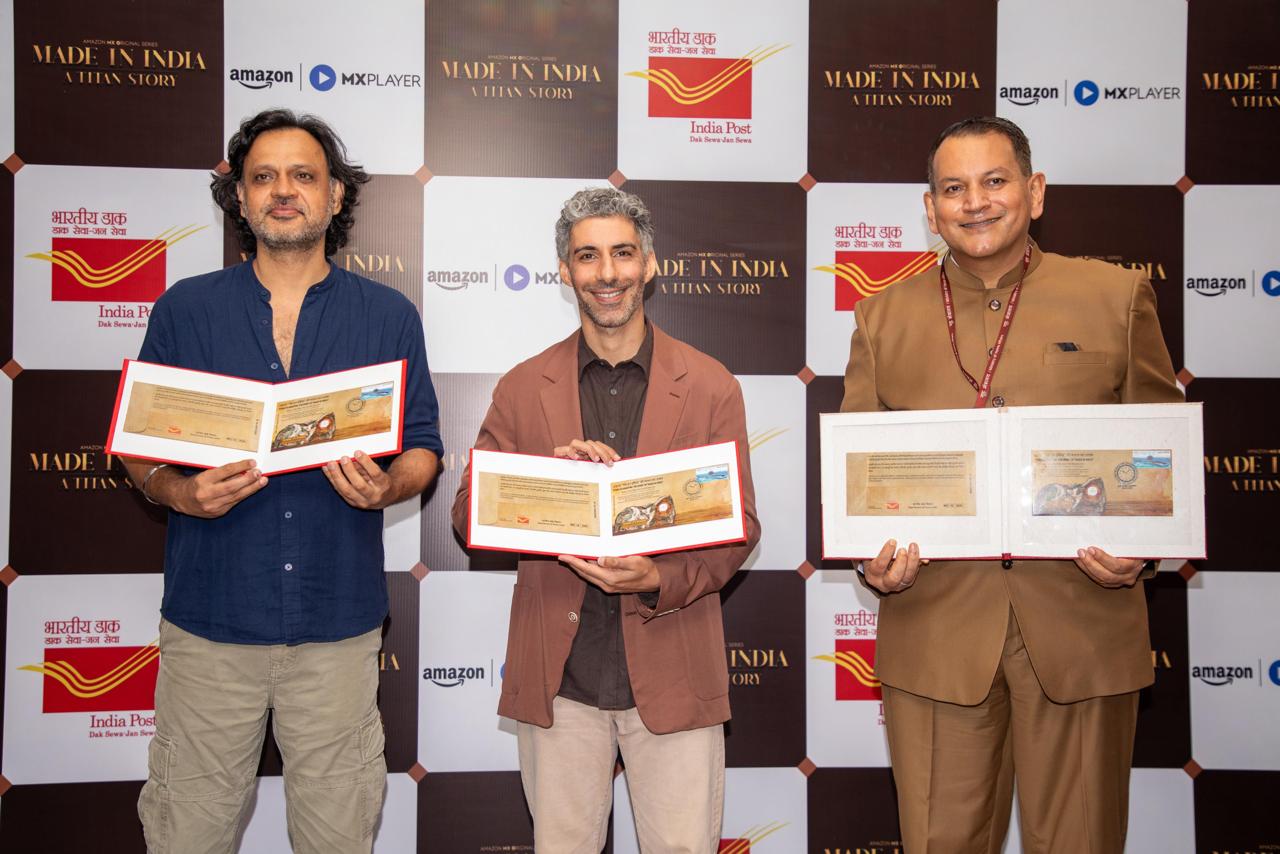
Mumbai, June 18: Within just a few days of its launch on Amazon MX Player, Made in India: A Titan Story has emerged as one of the most talked-about Indian series of the year. This six-episode period drama that played out in 1984 as JRD Tata and Xerxes Desai took on a challenge to create India’s first homegrown watch, has earned widespread acclaim from viewers, critics, journalists, entrepreneurs, and industry leaders alike, for its moving portrayal of an inspiring Indian story of resilience, innovation and the enduring legacy of enterprise that continue to shape modern India.
Memorable performances by National Award-winning actor Naseeruddin Shah as JRD Tata, and the talented Jim Sarbh as Xerxes Desai, with a stellar ensemble including Vaibhav Tatwawadi, Lakshvir Saran and Namita Dubey, have shaped the core of what has made the story stand out and resonate with audiences across industries and society.
Now, in a rare and first-of-its-kind recognition in the streaming industry, the Department of Posts of India, has recognized the show with an exclusive Made In India: A Titan Story envelope (cover) and a postcard. This follows iconic brand Amul’s poster acknowledged the series’ impact on the country, with a tagline that reads, ‘Made in India: A Bitin’ Story’.
This compelling/relatable narrative, authentic performances, and touching recreation of an era that transformed Indian enterprise, further reinforces Amazon MX Player’s commitment to bringing high-quality premium storytelling that is available for audiences across India to stream for free – be it via mobile devices, Connected TVs, the Amazon shopping app, Prime Video, Fire TV, JioTV, or Airtel Xstream.
When Amogh Dusad, Director and Head of Content, Amazon MX Player, who has been the brain behind audience favorites like Ashram, Bhay, and Rise & Fall, felt that this story sat at a rare intersection of bold storytelling and the mood of a nation. “Narratives that reflect India’s ambition of building, proving and making a mark on the world stage make for deeply relatable storytelling. Made in India – a titan story is one special celebration of the ‘Make in India’ spirit of ingenuity and audacity, and seeing millions of viewers connect with it is hugely gratifying.”
Based on the book, ‘TITAN: Inside India‘s Most Successful Consumer Brand’ by Vinay Kamath, directed by Robbie Grewal and written by Karan Vyas, the series has drawn praise from acclaimed filmmakers Aanand L Rai, Hansal Mehta, Nikhil Advani and Ashwiny Iyer Tiwari, actor Gajraj Rao, and several prominent voices from the worlds of business, media, and films. Viewers are describing the show as inspiring, engrossing, and one that evokes a sense of deep Indian pride and spirit, ranking it among the finest Indian series of the year — a claim that is also reflected in its IMDb rating of 8.8/10. The show has clocked 4.5 million views within first five days of its launch (as per Ormax reports).
Jim Sarbh expressed his gratitude, stating, “Xerxes’s journey is one of courage, ambition, and persistence, and seeing audiences embrace the series with such enthusiasm has been incredibly gratifying. It’s especially rewarding to see the conversations around Titan’s origins and the people behind its success continue to grow.”
Naseeruddin Shah, reflecting on the overwhelming response, added, “The response to Made in India– A Titan Story has been very heartening. What makes it especially meaningful is seeing audiences connect not just with the story itself, but with the values J.R.D. Tata embodied, his vision, his faith in people, and his ability to nurture ideas that were far ahead of their time.”
Director Robbie Grewal said, “When we began this journey, we knew we were telling a story that deserved to be remembered. The love coming in from audiences, critics, and industry leaders within days of the launch has been truly overwhelming. It is immensely rewarding to see the story resonate with so many people across generations.”
To mark the overwhelming response for the series, Made in India: A Titan Story recently also lit up Mumbai’s iconic Worli Sea Link with a special OOH activation, transforming the landmark into a powerful tribute to Indian innovation and enterprise.
Amazon MX Player’s Titan follows the success of Prime Video’s local slate — Matka King, Raakh, Subedaar and System in what is proving to be a standout year for Amazon’s entertainment offering. Global originals Off Campus and Boys have pierced the zeitgeist with fandoms deep within India’s pin codes.
18, Jun 2026
BRICS Meet on MSME Ecosystem to Focus on Innovation and Global Growth
New Delhi, June 18: India will host a BRICS meeting on Friday aimed at developing a stronger and future-ready ecosystem for Micro, Small and Medium Enterprises (MSMEs), officials said.
The meeting will bring together representatives from BRICS member countries to exchange views on improving the competitiveness, resilience, and global integration of MSMEs. It will focus on policy cooperation and practical measures to support small businesses in adapting to changing global economic conditions.
Key areas of discussion will include digital transformation of MSMEs, access to affordable credit, skill development, innovation support, and strengthening supply chain participation. Officials said special emphasis will be placed on helping MSMEs adopt advanced technologies and expand their presence in international markets.
The initiative is expected to enhance collaboration among BRICS nations and create a more inclusive and sustainable growth environment for small and medium enterprises, which are considered a key driver of employment and economic development across member countries.
18, Jun 2026
Electronics Manufacturing Becomes India’s 3rd-Largest Export Category
New Delhi, June 18: Electronics manufacturing has become India’s third-largest goods export category, highlighting the country’s growing strength in high-value manufacturing and global supply chains, according to the Union Minister.
The Minister noted that rapid expansion in electronics production, supported by government incentives, improved infrastructure, and rising global demand, has significantly boosted export performance in recent years.
He said the sector’s growth reflects India’s progress toward becoming a major global electronics hub, with increasing contributions from mobile phones, components, and other electronic goods.
Officials added that continued policy support and investment inflows are expected to further strengthen India’s position in the global electronics market and drive export-led growth in the coming years.
18, Jun 2026
Indian Medical Association (IMA) declares the longest day of the year, June 21, as ‘Vitamin D Day of India’ in collaboration with Abbott
In a significant step towards improving public health awareness, the Indian Medical Association (IMA), in collaboration with Abbott, a global healthcare company, has declared June 21 – the longest day of the year – as ‘Vitamin D Day of India.’
June 21 offers more sunlight than any other day of the year, making it the perfect opportunity to highlight the importance of Vitamin D – often called the ‘sunshine vitamin.’ With extended daylight hours, it becomes easier to step outdoors and absorb natural sunlight, a simple yet powerful way to support overall health. It’s also a timely reminder that something as effortless as spending a little time in the sun can go a long way in keeping us strong, active, and healthy.
Interestingly, despite India’s abundant sunshine, nearly 77% of the population is Vitamin D deficient.1 Modern lifestyles play a significant role – many people spend long hours indoors, use sun protection when outside, or live in urban environments where pollution limits sun exposure. Additionally, natural skin characteristics can influence how efficiently Vitamin D is produced. Low levels of this essential vitamin often go unnoticed but can have lasting effects, including weak bones, muscle pain, fatigue, and reduced immunity.2
By observing June 21 as Vitamin D Day, the initiative aims to encourage healthy practices, including safe sun exposure, increased awareness, timely screening, and appropriate management where needed and prescribed by a healthcare professional. The day is also intended to serve as a long-term annual anchor for driving sustained behavior change and strengthening doctor – patient conversations.
“Declaring June 21 as Vitamin D Day is an important step in addressing a widespread yet under-recognized public health issue. As doctors, we witness the health impact of Vitamin D deficiency across age groups.3 This initiative will help advance awareness and encourage people to take simple, preventive actions for better health,” said Dr. Anilkumar J. Nayak, National President, IMA.
Adding to this, Dr. Jejoe Karankumar, Medical Affairs Director for Abbott in India, noted, “Vitamin D deficiency is common and often silent, yet over time it can weaken bones and affect immunity. Spending about 15–30 minutes in sunlight between 10 am and 2 pm can help the body naturally produce Vitamin D, depending on individual factors. However, sunlight alone may not always be sufficient. Since symptoms are not always obvious, regular screening is important. If levels are low, a doctor can guide the right steps to restore and maintain healthy levels.4,5
This June 21, take an important step – get some sunlight, check your Vitamin D levels, and move toward a stronger, healthier, and more active life.
18, Jun 2026
AD Ports Group Enhances Al Faya Dry Port’s Integration with the Global Trade and Logistics Ecosystem
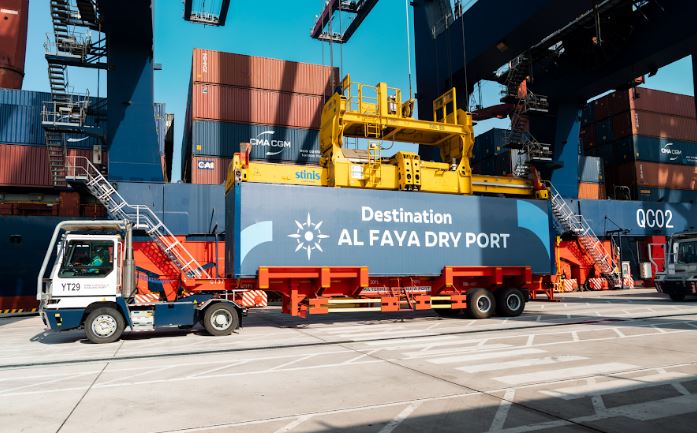
Abu Dhabi, UAE – 18 June 2026: AD Ports Group (ADX: ADPORTS), a leading global enabler of integrated trade, logistics, and industry, today announced that Al Faya Dry Port has been assigned UN/LOCODE (AEALF) by the United Nations Economic Commission for Europe (UNECE), further strengthening the port’s integration into the global multimodal trade and logistics ecosystem.
The globally recognised UN/LOCODE system is used across the international shipping, logistics, and trade sectors to standardise location identification, facilitate customs processes, and enhance the efficiency of global supply chains. The issuance of UN/LOCODE (AEALF) establishes Al Faya Dry Port as an internationally recognised inland logistics hub, supporting more efficient cargo movement across interconnected ports, inland facilities, and multimodal trade corridors.
Saif Al Mazrouei, Chief Executive Officer – Ports Cluster, AD Ports Group, said: “Securing the UN/LOCODE for Al Faya Dry Port from UNECE marks a significant milestone in further integrating the UAE into the global trade and transport network. This designation strengthens connectivity between our ports, inland logistics hubs, and multimodal trade corridors, while enabling more efficient cargo movement, streamlined customs processes, and enhanced supply chain resilience. As global trade continues to evolve, initiatives such as this highlight the importance of internationally recognised standards and digital trade integration in supporting seamless, future-ready logistics networks and reinforcing the UAE’s position as a leading global trade and logistics hub.”
The designation enables customs declarations to be processed by Abu Dhabi Customs at a single approved facility while accelerating cargo movement between connected logistics hubs under the same customs framework without requiring additional customs documentation between ports in Abu Dhabi. It also supports seamless bonded cargo movement and the issuance of Through Bills of Lading, enabling Al Faya Dry Port to serve as both an export origination point and a final destination point for imports.
Strategically located between Abu Dhabi and Dubai, Al Faya Dry Port is digitally integrated with Khalifa Port. The facility provides handling services for customs-controlled goods under Abu Dhabi Customs, advanced container handling capabilities, and integrated logistics solutions designed to support growing cargo volumes and strengthen multimodal trade connectivity across the UAE.
This strategic step underscores AD Ports Group’s commitment to developing future-ready logistics infrastructure and enabling smarter, more resilient trade flows through the seamless integration of ports, inland logistics facilities, and digital trade solutions.
18, Jun 2026
RapidShyp Launches ‘Share the Weight’ Campaign to Recognise and Support Logistics Heroes
June 18: RapidShyp, the homegrown tech-first shipping aggregation platform, has launched its Men’s Health Month campaign, ‘Share the Weight‘, to raise awareness around men’s health and bring attention to the pressures faced by men working in the logistics industry. The campaign aims to encourage open conversations, share real stories, and create space for men to speak about the strain that often comes with keeping supply chains and businesses moving.
The initiative comes at a time when men continue to form the backbone of the logistics workforce, carrying the responsibility of meeting tight timelines, handling high volumes, and working under constant pressure. In an industry where delivery performance is closely tracked and every shipment is expected to move with precision, the personal well-being of those behind the operations often receives less attention than it deserves.
The ‘Share the Weight‘ campaign seeks to bring that imbalance into focus. RapidShyp aims to use the campaign to highlight the human side of logistics while serving as a reminder to the industry that the people managing these demanding operations also need care, support, and understanding. Through the campaign, the company intends to bring real stories from the logistics community to the fore, encouraging men to share their experiences, speak honestly about the pressures they face, and seek support without hesitation.
The campaign reflects RapidShyp’s broader commitment to employee well-being and its belief that workplace support should go beyond operational efficiency. By using Men’s Health Month as a moment to raise awareness, RapidShyp is also drawing attention to the need for more honest conversations around mental, emotional, and physical health among men in logistics.
Mr Raghav Singhal, Founder and Executive Director, RapidShyp, said, “Logistics remains a key contributor to the economy, but behind every on-time shipment are men who carry pressure every day, often without pause and often without being seen. Through ‘Share the Weight’, we want to create a space where these voices can be heard, where men feel comfortable speaking about their struggles, and where the industry begins to treat health and well-being as part of daily work, not as a side concern. This campaign is a reminder that the people moving the nation’s goods deserve the same care and attention that their work demands.”
RapidShyp has built its platform as a technology-enabled orchestration layer for Indian businesses, bringing together more than 16 courier partners across over 29,000 pin codes. Its ecosystem includes RapidShyp Ayumi (an AI-powered delivery intelligence engine), RapidShyp Cargo+, RapidShyp Shield, RapidShyp Connect, and the RapidShyp App, each designed to help businesses manage shipping with greater control, visibility, and efficiency.
Through ‘Share the Weight‘, RapidShyp is extending that same philosophy to the people behind the logistics chain. The latest campaign is not only about raising awareness but also about recognition, support, and more open conversations about men’s health in an industry that continues to depend heavily on male workers.
18, Jun 2026
Gold and Silver Prices Decline as Fed Hawkish Stance and Easing Global Tensions Weigh on Bullion
New Delhi, June 18: Gold and silver prices declined in global and domestic markets as a stronger US Federal Reserve outlook and easing geopolitical tensions reduced demand for safe-haven assets.

Market sentiment remained under pressure after signals from the US Federal Reserve suggested a continued hawkish stance on interest rates, supporting the US dollar and putting downward pressure on precious metals. A stronger dollar typically makes gold and silver more expensive for buyers using other currencies, leading to reduced demand in international markets.
At the same time, easing geopolitical tensions in key global regions have reduced risk aversion among investors, further weakening demand for traditional safe-haven assets such as bullion. As a result, trading activity in gold and silver remained subdued.
Analysts said that expectations of tighter monetary policy in the United States, along with improving global risk sentiment, have together contributed to the recent weakness in precious metal prices. Investors are also repositioning their portfolios in response to changing macroeconomic conditions.
Despite the short-term decline, experts noted that gold and silver continue to hold long-term relevance as hedge assets against inflation, currency volatility, and broader financial market uncertainty.
Market participants are now closely watching upcoming US economic data releases and further commentary from the Federal Reserve for clearer signals on interest rate direction, which is expected to influence bullion price trends in the coming sessions.
18, Jun 2026
Trupeer AI Strengthens Global Growth Ambitions with Appointment of Former UiPath CEO Raghu Subramanian
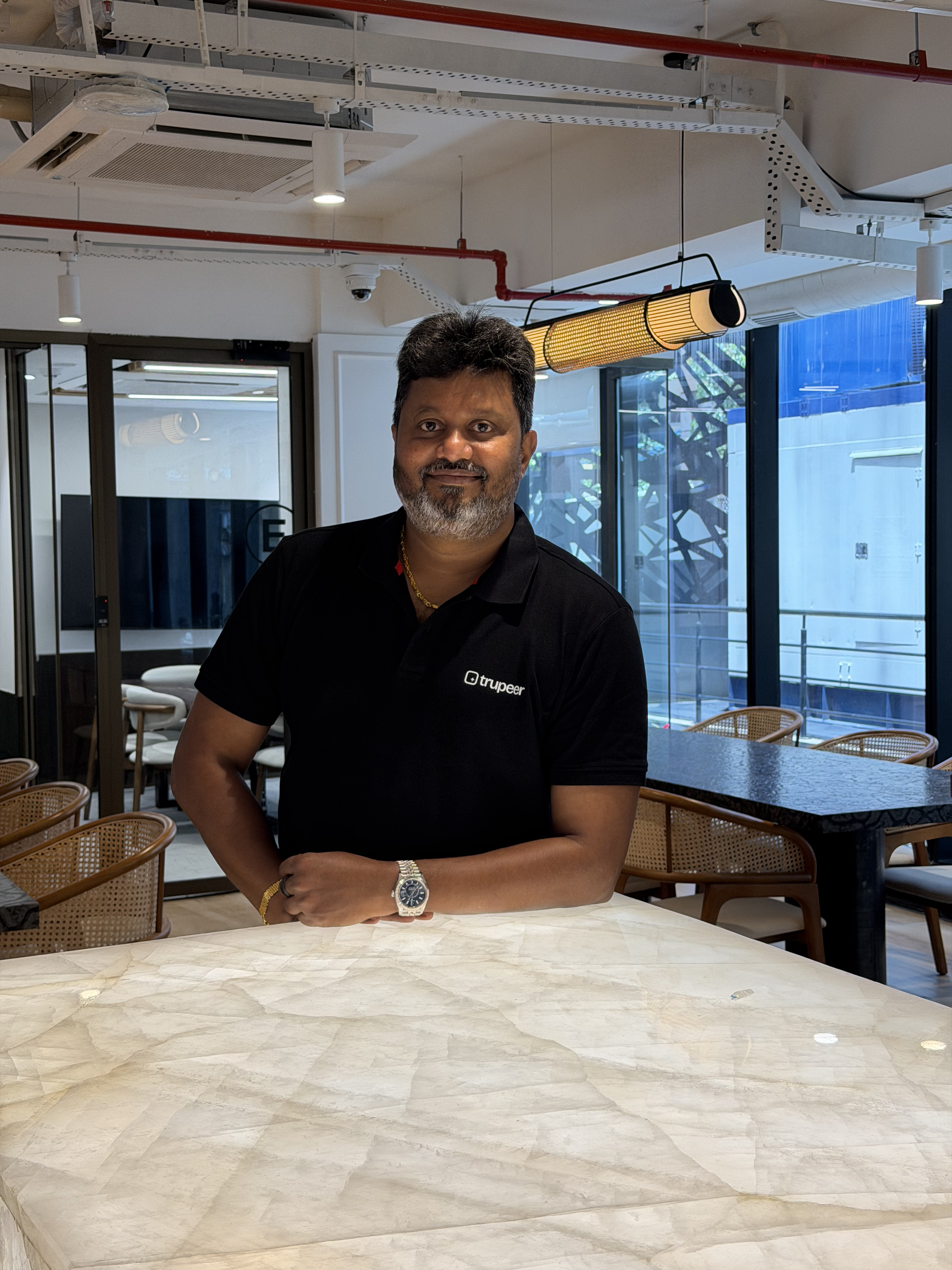
June 18:
Raghu joins from a
At Trupeer, he will lead the
Shivali Goyal, CEO and Co-
Founder, Trupeer AI, said, “Raghu has spent decades helping organisations adopt and scale transformative technologies and brings deep experience in building enterprises globally. Having seen first-hand the challenges enterprises face in organisational knowledge and agentic AI enablement, Raghu immediately resonated with our vision and the momentum Trupeer has built globally. His expertise will help us strengthen our commercial capabilities, deepen partnerships, and unlock the next phase of growth at Trupeer.” Raghu Subramanian, President
and Chief Business Officer, said, “EnterprisesTrupeer AI, have long struggled to get real value from AI, and the reason is fragmented context. The knowledge that makes AI useful sits trapped in people’ s heads and scattered across tools. In the agentic AI era, where agents are only as good as the context they run on, that gap becomes the difference between AI that works and doesn’t. This is the gap Trupeer was built to close. I look forward to partnering with enterprises and organisations across the globe to build the context layer that makes enterprise knowledge structured, accessible, and actionable, and AI genuinely useful.”
As enterprises move from AI


