


4, Jun 2026
Odisha-Born Fintech iServeU Strengthens Bhubaneswar’s Position on India’s Digital Banking Map
BHUBANESWAR, Odisha— Homegrown fintech company iServeU is emerging as one of Odisha’s most prominent technology success stories, helping position Bhubaneswar as a growing hub for digital banking and financial technology innovation.
Founded by Odia entrepreneurs and headquartered in Bhubaneswar, iServeU has developed into a leading cloud-native banking infrastructure provider, delivering payment, banking, merchant acquiring and digital financial services solutions to banks and fintech companies across India and overseas markets.
The company’s technology platform supports several major public and private sector financial institutions, enabling digital banking services and accelerating financial inclusion initiatives at scale. Its infrastructure is designed to help banks modernize operations, expand digital offerings and improve customer access to financial services.
Industry observers say iServeU’s growth reflects the increasing maturity of Odisha’s startup ecosystem, which has traditionally been overshadowed by larger technology centers such as Bengaluru, Hyderabad and Pune. The company’s success has contributed to Bhubaneswar’s emergence as a destination for fintech innovation and payment technology development.
As India’s banking sector continues its rapid digital transformation, demand for cloud-native infrastructure and embedded financial services has increased significantly, creating opportunities for technology providers that support financial institutions’ modernization efforts.
Beyond its business expansion, iServeU’s rise highlights the growing role of regional technology startups in shaping India’s fintech landscape. The company has demonstrated that globally relevant financial technology solutions can be built and scaled from emerging startup ecosystems outside the country’s traditional technology corridors.
While market interest in fintech companies remains strong, iServeU is currently an unlisted private company. Any potential public listing would depend on future strategic decisions by the company and the completion of required regulatory processes.
The company’s growth trajectory underscores Bhubaneswar’s increasing importance in India’s digital economy and signals the potential for Odisha-based startups to compete in high-growth technology sectors on a national and international stage.
Source: iServeU
- 0
- By Neel Achary

4, Jun 2026
Japan Shifts to Active Defense in Economic Security, Expanding Regulatory Powers
Analysis: Japan’s Economic Security State Enters a New Phase
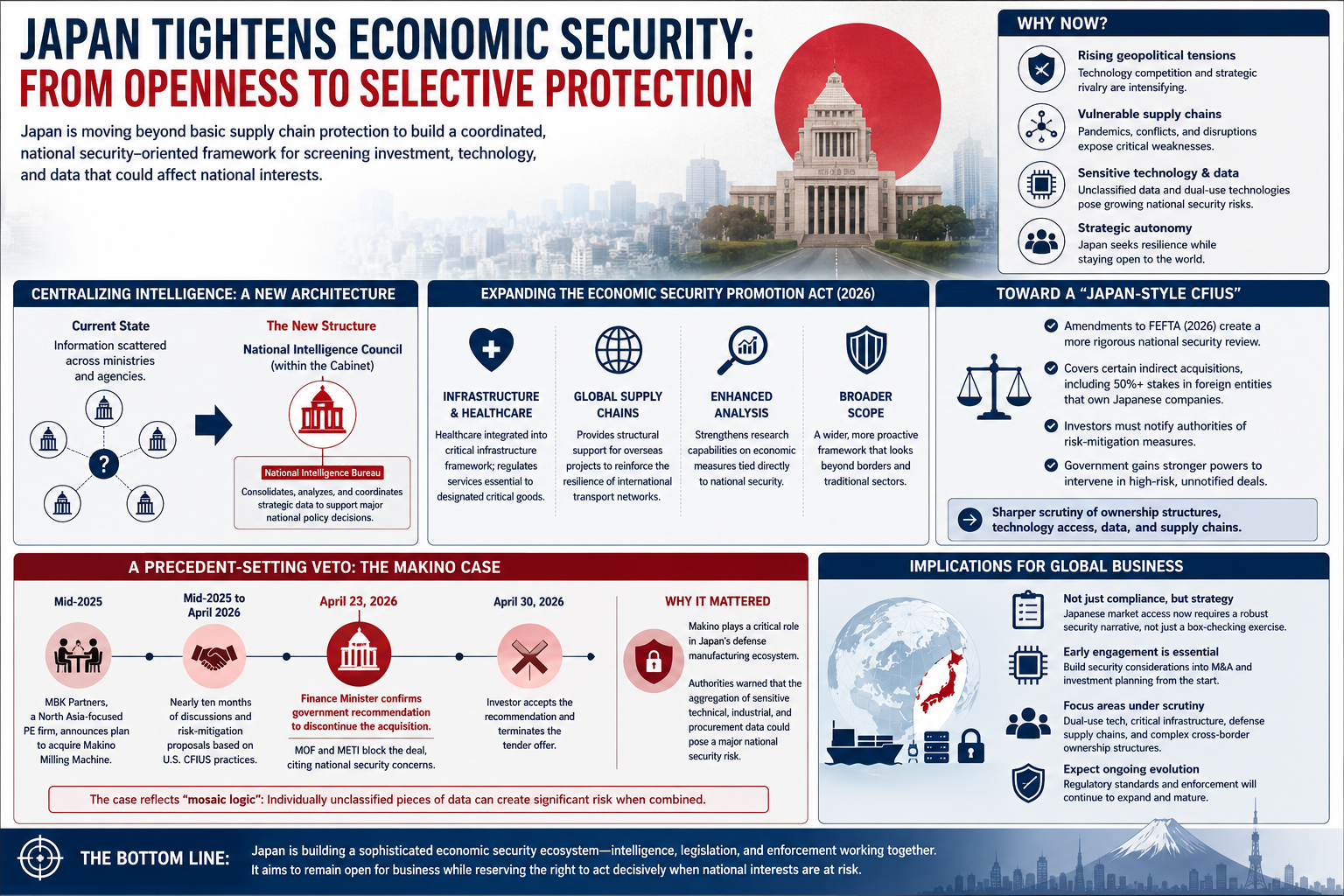
Japan’s economic security agenda is undergoing a significant transformation, marking a shift from defensive supply chain protection toward a more comprehensive national security framework that places strategic industries, technology, data, and foreign investment under closer government scrutiny.
A series of legislative initiatives advancing through Tokyo in 2026 suggest that economic security is no longer being treated as a niche policy concern. Instead, it is becoming a central pillar of Japan’s national strategy, reflecting broader geopolitical tensions, intensifying technological competition, and growing concerns about vulnerabilities in critical infrastructure.
Building a Centralized Intelligence Architecture
One of the most consequential developments is the proposal to establish a National Intelligence Council within the Cabinet. The initiative would create a more centralized intelligence structure capable of supporting strategic decision-making across government.
The accompanying National Intelligence Bureau would consolidate information currently dispersed among ministries and agencies, potentially giving policymakers a more integrated view of emerging security threats. For Japan, which has traditionally relied on fragmented bureaucratic structures, the move represents a notable institutional shift toward coordinated intelligence gathering and analysis.
The proposal also reflects a growing recognition that economic security threats often emerge from complex intersections of technology, trade, investment, and supply chains rather than from conventional military channels alone.
Expanding the Scope of Economic Security
The amendments to the Economic Security Promotion Act demonstrate how broadly Tokyo now defines national security.
By incorporating healthcare into the critical infrastructure framework and extending support to overseas projects that strengthen global transportation networks, the government is expanding its focus beyond traditional defense sectors. This approach acknowledges that disruptions to medical systems, logistics routes, or industrial supply chains can have strategic consequences comparable to more conventional security threats.
The legislation also strengthens analytical capabilities related to economic measures tied to national security, signaling an effort to improve the government’s ability to identify and respond to emerging vulnerabilities before they become crises.
Toward a More Assertive Investment Screening Regime
Perhaps the most significant change for international businesses is the evolution of Japan’s foreign investment review system.
Through amendments to the Foreign Exchange and Foreign Trade Act (FEFTA), Tokyo is effectively creating a more robust screening mechanism that increasingly resembles the role played by the Committee on Foreign Investment in the United States (CFIUS). While Japan is not establishing a separate agency, the practical effect is similar: greater scrutiny of foreign investments that may affect national security interests.
The expanded rules covering indirect acquisitions illustrate the government’s determination to close potential regulatory gaps. Foreign investors will also face greater obligations to demonstrate how they intend to mitigate security risks, while authorities gain broader powers to intervene in transactions that are deemed problematic.
The message is clear: ownership structures, data access, and technological capabilities will be examined more carefully than ever before.
The Makino Decision Signals a New Regulatory Reality
The government’s intervention in the proposed acquisition of Makino Milling Machine by MBK Partners provides the clearest indication yet of how this evolving framework will operate in practice.
Despite extended negotiations and proposed mitigation measures, Japanese authorities concluded that Makino’s importance to the country’s defense manufacturing ecosystem outweighed the benefits of the transaction. The decision demonstrates a willingness to block deals even when investors attempt to address government concerns through established international best practices.
More importantly, the case highlights Japan’s growing acceptance of what security experts describe as “mosaic theory” or “mosaic logic.” Under this approach, seemingly harmless pieces of information may become strategically sensitive when combined with other data sets. As a result, regulators are increasingly concerned not only with direct technology transfers but also with indirect access to industrial knowledge, procurement networks, and customer relationships.
Implications for Global Investors
For multinational corporations and private equity firms, Japan’s evolving regulatory environment represents a fundamental change in how cross-border transactions must be approached.
Traditional compliance exercises are unlikely to be sufficient. Investors will increasingly need to develop comprehensive security narratives that explain how transactions align with Japan’s national interests, protect sensitive technologies, and safeguard critical industrial capabilities.
This trend mirrors developments across other advanced economies, where governments are placing greater emphasis on economic resilience, technological sovereignty, and strategic autonomy. However, Japan’s approach is distinctive because it seeks to maintain an open investment environment while simultaneously applying more targeted and sophisticated security screening.
The challenge for policymakers will be maintaining that balance. Excessive restrictions could discourage foreign investment and innovation, while insufficient oversight could expose critical sectors to strategic risks.
As the new legislation advances and enforcement actions become more common, Japan appears determined to pursue a middle path: remaining open to international business while reserving the right to intervene when economic activity intersects with national security concerns. The result is likely to be a more selective, intelligence-driven investment environment that reshapes how global companies engage with one of Asia’s largest economies.
4, Jun 2026
RAKEZ intensifies industry engagement to support business resilience and continuity
Ras Al Khaimah, June 4: Ras Al Khaimah Economic Zone (RAKEZ) continues to strengthen its commitment to industrial investors and manufacturers through a series of on-ground visits and operational support initiatives aimed at helping businesses navigate evolving regional and global trade and logistics conditions.
Over recent weeks, the economic zone’s top management conducted a series of visits to client facilities across Al Hamra, Al Hulaila, and Al Ghail industrial zones to better understand operational realities on the ground, hear directly from businesses about their concerns, and identify areas where additional support could be extended.
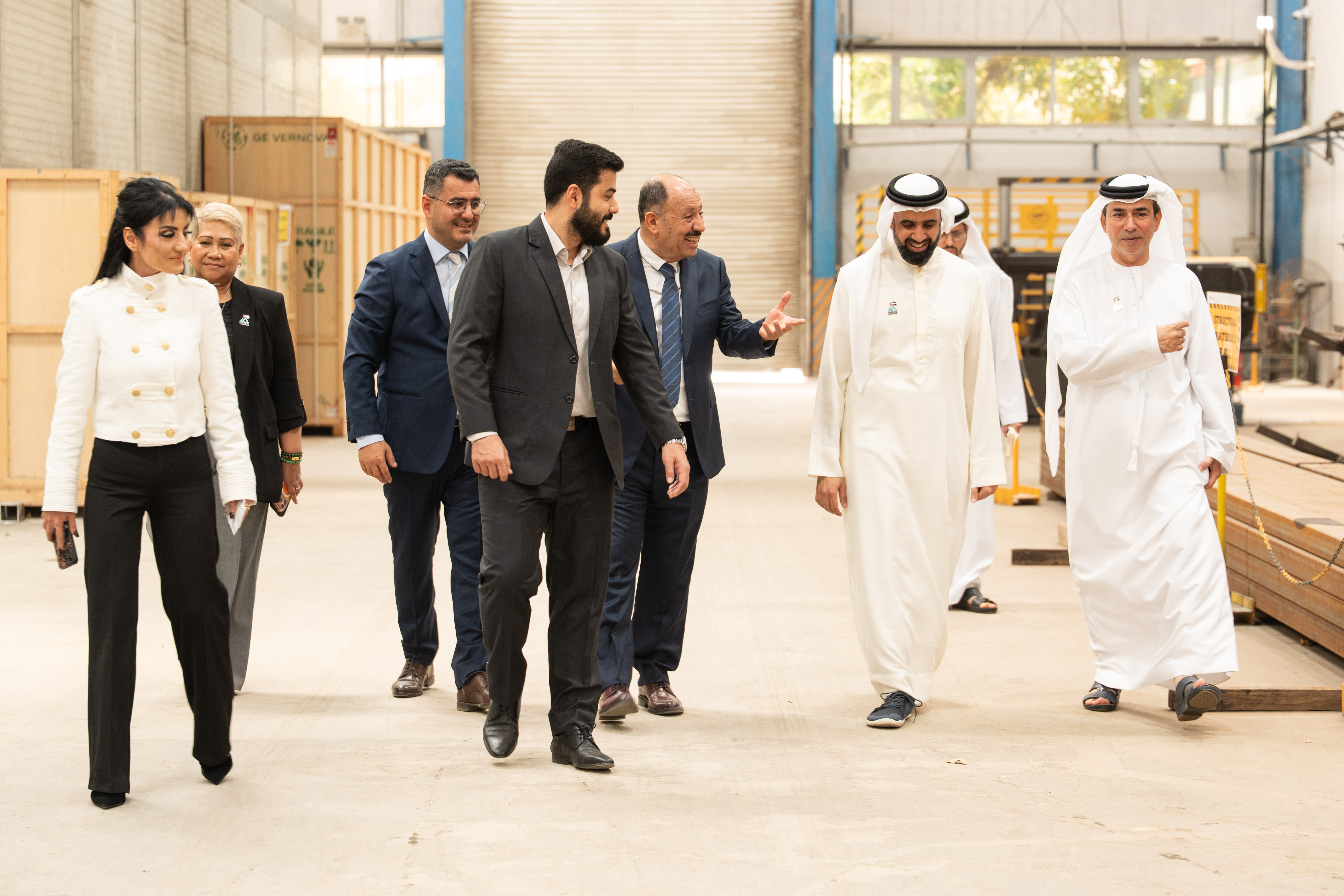
The visits covered a wide cross-section of industries that form part of Ras Al Khaimah’s growing industrial ecosystem. From manufacturing and packaging companies such as Hira Industries, Guardian Glass, Zoujaj International Float Glass, Power Wrap Industries, and Universal Carton Industries, to automotive and aerospace businesses including International Armoured Group, TAG Middle East, and Al Dobowi Group, as well as steel and metal companies such as Extra Co. Industries, Fabcon Industrial Service, AG Metal, Mabani Steel, and Elite Extrusion, the visits reflected the diversity of RAKEZ’s industrial ecosystem. The engagements also included food production companies such as Ahmed Tea, International Food Company Seara, BMJ Industries/Cedrus Printing, and Ital Food; chemicals and lubricants manufacturer Millennium Grease & Lubricants Manufacturing; oil and gas company Turbotim; building and construction manufacturer Sobha Modular Industries; alongside companies operating across, assembling, and broader manufacturing sectors, including A2C Services, and KWC Manufacturing.
The discussions focused on practical business needs and operational continuity. As market conditions continue to evolve, RAKEZ remains closely engaged with its business community, working alongside companies to understand their requirements and provide support that helps them adapt, remain resilient, and pursue their growth plans with confidence.
On the sidelines of the visits, RAKEZ also hosted seminars to help businesses connect with wider support networks across logistics, finance, and trade, facilitating working capital access, export support, and alternative logistics solutions.
Sheikh Mohammed bin Humaid Al Qasimi, Managing Director of RAKEZ, said: “Our engagement with the industrial community goes beyond standard administrative support; it is about active partnership on the ground. By visiting our clients directly at their facilities, we gain a firsthand understanding of their day-to-day operational realities amid shifting global and regional trade dynamics. This close collaboration allows us to align RAKEZ’s resources directly with the evolving needs of our partners, ensuring that Ras Al Khaimah remains a stable, reliable, and highly competitive hub for global manufacturing.”
RAKEZ Group CEO Ramy Jallad said: “What stood out most during these visits was the incredible resilience and preparedness of our industrial community. Many businesses have been highly proactive in managing their inventory levels and adapting their logistics strategies to navigate current market conditions. Our role at RAKEZ is to mirror that agility by delivering practical, immediate solutions that help them maintain momentum.”
He added: “True business continuity requires an ecosystem that responds with flexibility when circumstances change. Whether through enhanced storage capabilities to cushion supply chain shocks, tailored commercial structures, or direct logistics facilitation, our priority is to remove operational friction. We want our investors to remain entirely focused on what they do best—operating, producing, and growing with absolute confidence.”
The visits also underscored the strength of RAKEZ’s industrial ecosystem and the high level of operational readiness across its business community. As market conditions continue to evolve, RAKEZ remains committed to working closely with its clients to support their growth, resilience, and long-term success.
4, Jun 2026
Kotak Life appoints Amit Palta as Deputy Managing Director – Designate
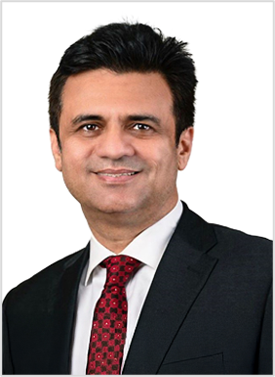
Commenting on the appointment, Mahesh Balasubramanian, MD & CEO, Kotak Life, said:
“We are delighted to welcome Amit to Kotak Life. His leadership experience across banking & insurance, with a strong track record in building high-performing distribution ecosystems and driving customer-focused strategies, will help us further strengthen our market position, enhance customer value and deliver sustainable growth.”Amit Palta, Deputy MD – Designate, Kotak Life, said:
“Delighted to join Kotak Life at a defining time for the life insurance industry. The company’s strong fundamentals, clarity of purpose and disciplined approach to building long-term value make it uniquely positioned. I look forward to being part of this journey.”With a career spanning 30 years in the financial services industry, Amit brings deep expertise in distribution and product innovation. He has played a key role in building scalable, customer-centric insurance businesses across his career.
Most recently, Amit served as Chief Product & Distribution Officer at ICICI Prudential Life Insurance, where he led product strategy and distribution, driving business growth and market expansion. His prior experience includes senior leadership roles at ICICI Bank.
4, Jun 2026
A New Wave of Art and Design at Cedars-Sinai Marina Hospital
By Camille Meggs
LOS ANGELES June 04: Layne Dicker likes a well-appointed home, but when it came time to decorate his rustic Utah house, one of his family’s most treasured possessions wasn’t a good fit.
Dicker, an experienced art collector, made the tough call to exclude a beloved piece from his prized collection from the décor. Rather than storing or selling the 1987 lithograph Kite on Gibson Beach by Malcolm Morley, Dicker gifted the artwork to Cedars-Sinai—a poignant nod to his history with the hospital. He was born at the former Cedars of Lebanon Hospital in 1958 and grew up in Beverly Hills.
The painting’s new home: the new, nine-story Cedars-Sinai Marina Hospital, set to open late this year. Dicker says it’s the perfect spot because of the new hospital’s ocean-inspired design elements that reflect the coastal community.
“When my wife passed away in 2019, I decided to move to the log vacation home we built, and the Morley just didn’t fit in,” Dicker said. “But it’s a piece I’ve always loved and thought it would be better to donate so that more people could enjoy it.”
Nancy Chaikin knows exactly how Dicker feels. The art advisor and collector has given Cedars-Sinai Marina artwork from her own collection, an oil on linen piece by Sean Landers called Untitled, which exudes ripples of the ocean using a special paint application technique.
“I am thrilled to contribute to the hospital’s environment,” Chaikin said. “Art can activate a space, not only by creating warmth and beauty, but by provoking thought and emotion. I feel fortunate to share Sean Landers’ work with patients, employees and visitors at Cedars-Sinai.”
Donated works of art have already made a difference to visitors like Gianna Chaisson, whose father recovered at Cedars-Sinai Medical Center after a major heart attack.
“I found myself walking through the hospital and was deeply impacted by the art collection,” Chaisson shared. “In moments when everything felt so uncertain, the artwork helped keep me grounded and, most importantly, hopeful.”
Cedars-Sinai, located in Beverly Grove, has long been known for its donated art collection and now is seeking to extend the art-as-healing philosophy to the new hospital.
“We love receiving art of all genres that enrich the healing spaces Cedars-Sinai is known for and that inspire everyone who enters,”said John T. Lange, curator of the Cedars-Sinai art collection and manager of the Cedars-Sinai Advisory Council for the Arts. “We consider it such an altruistic act to part with valued pieces that beautify, and inform our themes of hope and restoration to soothe those facing health challenges.”
Lange is busy these days, figuring out where to display the donated art. He strategically places every piece to generate and emphasize Cedars-Sinai’s healing environment. For example, a collection of handpicked images graces the walls of the surgical unit, so post-op patients are encouraged to walk a little farther every day to see the next art piece. Studies have proven that walking after surgery can speed a patient’s recovery and discharge.
Lange is also collaborating with Cedars-Sinai’s director of Urologic Oncology research, Timothy Daskivich, MD, to develop an app for patients to monitor their steps by choosing an art tour on their floor.
“Art is not only nice to see,” Lange said. “It is very powerful medicine that plays a huge role in creating a healing atmosphere for those facing health challenges, visitors and, of course, our employees.”
4, Jun 2026
Dubai South emerges as Emirate’s real estate powerhouse
Transaction volumes up 36% since February, developer sales surge 57% as investor confidence holds firm
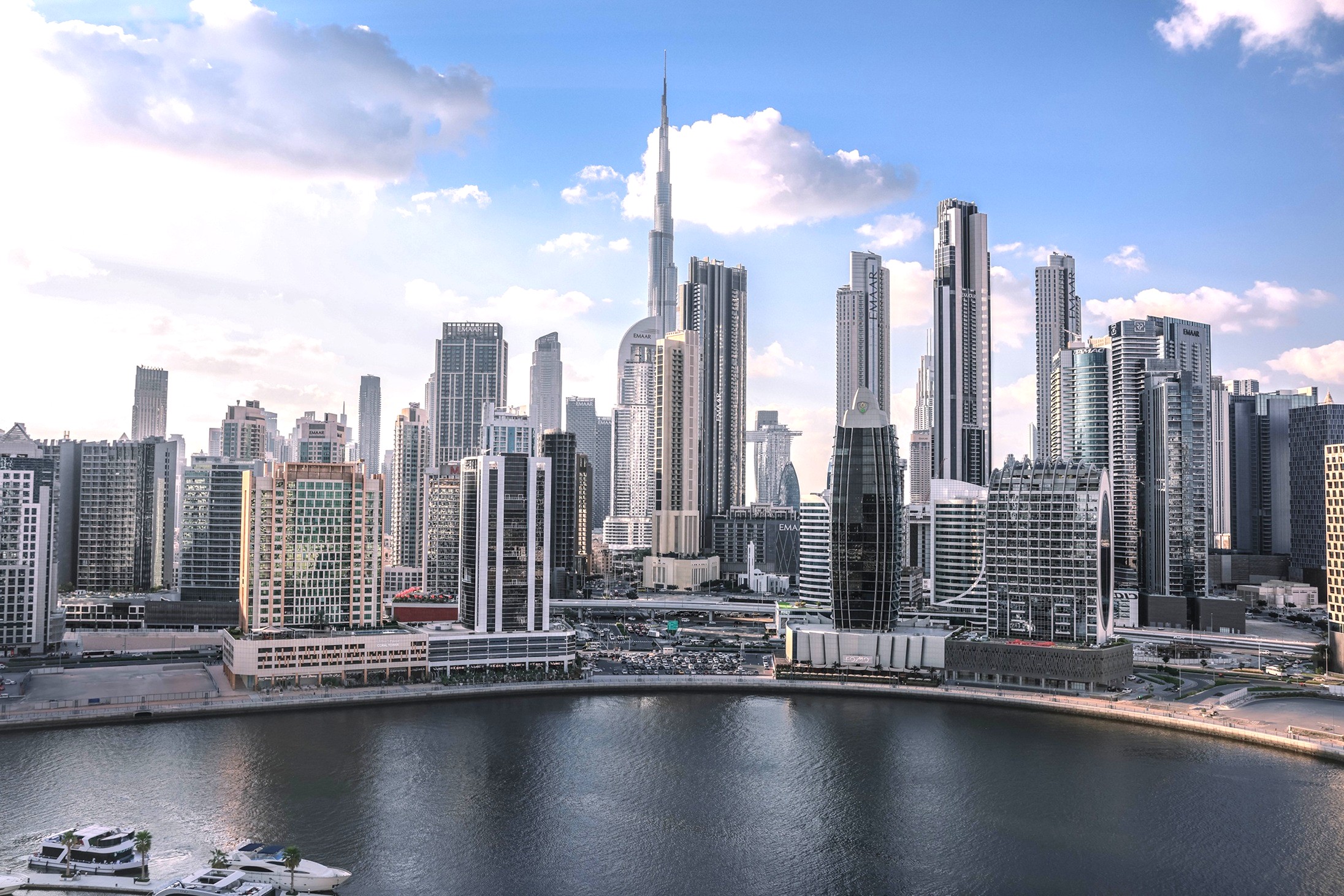
Dubai, UAE, June 4 The evolution of Dubai South as the emirate’s largest single urban master development is highlighted by a new market analysis today revealing sustained residential real estate growth over the last three months.
For the third consecutive month in May, Dubai South ranked as the best-performing area in the emirate’s property sector, recording 1,357 sales transactions valued at AED 1.6 billion, a 15.9% rise in volume on April and marking its seventh straight month in the top five.
A market report from fäm Properties reveals that residential property sales transactions at Dubai South have surged by 36.4% since the onset of the regional conflict at the end of February.
This growth has been largely driven by developer off-plan sales, which climbed 24.8% last month to 1,233 transactions, following a 35.71% increase in April, adding up to a cumulative rise of 57.87% since the end of February.
“The level of market activity at Dubai South underlines the strength of its fundamentals as a fully integrated, connected urban and business hub propelling growth across the emirate’s broader economy,” said Firas Al Msaddi, CEO of fäm Properties.
“Growing transaction volumes reflect genuine end-user and investor confidence in the government’s long-term development vision for this dynamic aviation and logistics ecosystem, underpinned by the expansion of Dubai World Central into the world’s largest airport.”
Data from DXBinteract shows that the Dubai real estate market recorded 10,281 sales transactions worth AED28.9 billion in May. The month brought 8,772 apartment sales worth AED14.6 billion, 1,037 villa sales worth AED7.2 billion, along with 133 plot sales valued at AED4.2 billion.
The commercial sector, including offices and shops, recorded 335 sales transactions valued at AED2.9 billion. The average property price per sq ft was up by 3% YoY to AED1,650.
Primary sales again dominated in May, accounting for 7,595 sales transactions totalling AED18.5 billion, compared with 2,686 resales valued at AED10.4 billion. The most expensive villa sold in May was a luxury property at Signature Villas on Palm Jumeriah which went for AED145 million.
The most expensive apartment went for AED113 million at Solaya 5 at Jumeirah First. Other luxury apartments sold for AED106 million at Solaya 6 at La Mer and 101 million at One Casa at Al Wasl on the Dubai Water Canal.
With properties worth more than AED5 million accounting for 8.56% of sales, 8.19% were between AED3-5 million, 12.41% between AED2-3 million, 31.02% between AED1-2 million and 39.82% were below AED1 million.
TOP FIVE PERFORMING AREAS IN MAY 2026
Transactions Sales value
Dubai South 1,357 AED1.6B
Wadi Al Safa 3 983 AED1.7B
Wadi Al Safa 5 631 AED833.9M
Al Barsha South Fourth 551 AED690.4M
Jebel Ali First 541 AED920.9M
BEST-SELLING PROJECTS IN MAY 2026
Primary market apartments
|
|
Volume |
Value AED |
Median price AED |
|
Binghatti Skyflame 1 |
442 |
311.1M |
550K |
|
Binghatti Skyflame 2 |
193 |
124.8M |
565K |
|
Azizi Venice 14 Building |
109 |
82.5M |
650K |
|
Azizi Venice 14 Building |
105 |
79.1M |
650K |
|
Bond |
101 |
23.9M |
201K |
Primary market villas
|
Lunaya |
62 |
524.6M |
6.9M |
|
Reportage Hills |
47 |
95.1M |
1.8M |
|
Verdana 3 |
36 |
50.0M |
1.3M |
|
Palm Jebel Ali |
22 |
815.7M |
31.3M |
|
Verdana 10 |
22 |
37.5M |
1.7M |
4, Jun 2026
Lufthansa Group welcomes visa-free airport transit for Indian nationals via Germany
The Lufthansa Group welcomes the decision of the Federal Republic of Germany to abolish airport transit visa requirements for Indian nationals travelling to third countries via German airports, effective 3 June 2026. This policy change, announced by the Embassy of the Federal Republic of Germany in New Delhi, will make journeys via key German hubs more seamless for Indian passengers and further strengthen air connectivity between India, Germany and the rest of the world.
As the largest European airline group in India, the Lufthansa Group currently operates more than 70 weekly flights between India and Europe and has been present in the Indian market for over six decades. In its 100th anniversary year, the Group is further deepening its commitment to India through sustained investment and network expansion. This includes the deployment of Lufthansa’s award-winning Allegris cabins on additional Boeing 787-9 services from Delhi and Hyderabad, the launch of SWISS’s first-ever direct service between Bengaluru and Zurich in the 2026 Winter schedule, and the rollout of FOX (Future Onboard Experience) across all long-haul cabins. FOX is a premium upgrade across all cabins, focused on choice, comfort and individuality, delivering “Lufthansa Signature Moments” that aim to redefine long-haul travel. To meet growing demand, Lufthansa and SWISS are also adding capacity with extra SWISS A330 frequencies between Delhi and Zurich and enhanced Lufthansa Airbus A380 services between Mumbai and Munich.
India is the Lufthansa Group’s largest intercontinental market in the Asia-Pacific region and plays a pivotal role in the Group’s global network. The introduction of visa-free airport transit for Indian nationals travelling via Germany to onward destinations will simplify travel, improve connectivity and further reinforce Germany’s role as a leading gateway between India, Europe and the world.
4, Jun 2026
Auditoria Deepens Autonomous Accounts Payable Operations And Finance Intelligence
New AP agents for supplier risk monitoring and statement reconciliation, enhanced capabilities in SmartResearch, and Workday ASOR certification strengthen Auditoria and Workday partnership
Santa Clara, CA – June 4, 2026 — Auditoria.AI, the leader in agentic artificial intelligence for the Office of the CFO, today announced a major expansion of its SmartResearch platform, strengthening its role as the governed intelligence layer behind autonomous finance operations. Announced at Workday DevCon 2026 in Las Vegas, the expansion extends beyond being a founding member in Workday’s Agent Partner Network to include official certified Workday integration of SmartResearch, expanded accounts payable solutions, and autonomous capabilities, including AP Vendor Watch, and a preview of AP Statement Reconciliation.
Together, the announcements reflect a broader shift taking place across enterprise finance. Organizations are moving beyond AI experimentation and seeking ways to safely operationalize agents within systems that manage cash flow, supplier relationships, approvals, compliance, and financial reporting. For finance leaders, the challenge isn’t just whether AI can automate work, but whether autonomous agents can operate with the governance, transparency, and auditability enterprise finance requires.
That is the gap Auditoria is closing, as each capability announced today operates within Auditoria’s Governed Autonomy framework, the design philosophy that enables AI agents to execute autonomously within enterprise-defined boundaries, adapt as policies change, and produce a defensible audit trail for every action, without requiring human approval at every step.
“Finance teams do not need more disconnected AI tools. They need intelligence that can operate safely across real financial workflows,” said Rohit Gupta, CEO and Co-Founder of Auditoria.AI. “Everything we announced today builds toward that vision. SmartResearch is becoming the intelligence layer for the Office of the CFO, while Governed Autonomy ensures those agents can operate within the controls, policies, and audit expectations enterprise finance requires.”
SmartResearch reaches general availability
Auditoria announced the general availability of SmartResearch, its conversational AI financial analyst built specifically for the Office of the CFO. SmartResearch enables finance teams to interrogate financial operations using natural language, combining ERP data with external financial intelligence to deliver decision-ready answers and complex financial scenario simulations with full source lineage and reasoning transparency.
“Finance is moving from systems of record to systems of intelligence, and this category of technology is leading that shift,” according to R “Ray” Wang, Founder, Chairman, and Principal Analyst, Constellation Research. “Agentic AI purpose-built for the Office of the CFO, connecting disparate enterprise data, reconciling unstructured context, and delivering continuous cash intelligence that drives autonomous decision-making, demonstrates what’s possible. This is next-gen finance, and the innovators defining it have the DNA, the depth, and the conviction to shape the category.”
As part of the expansion announced today, Auditoria has extended SmartResearch deeper into accounts payable workflows. Finance leaders can now analyze supplier trends, spend patterns, payment risks, and operational exceptions through a conversational interface that brings together internal finance data with external market intelligence.
Certified Workday integration validates governed enterprise deployment
Auditoria also announced official certification in Workday’s Marketplace for SmartResearch which is registered to Workday’s Agent System of Record (ASOR), strengthening the company’s integration with Workday environments and reinforcing its focus on governed enterprise AI deployment.
Workday ASOR provides the governance framework through which AI agents connect into enterprise workflows with centralized identity propagation, lifecycle management, entitlement enforcement, and audit controls. Auditoria’s certification reinforces that its agents are designed to operate within the same governance and accountability standards enterprise finance teams already expect from their core systems.
“Workday’s Agent System of Record creates a necessary foundation for governed, responsible AI at scale. Auditoria’s certification is a testament to our shared commitment to developing agentic AI that operates with the same high standards of security and auditability that our customers expect from Workday’s core systems,” said Mohan Rajagopalan, senior director, AI platform product management, Workday. “This powerful alignment enables the Office of the CFO to confidently scale agentic AI, driving tangible, measurable change across the business.”
Expanding autonomous AP operations
Auditoria also announced the availability of AP Vendor Watch, a continuously operating agent designed to help accounts payable teams monitor supplier risk in real time. AP Vendor Watch automates ongoing tracking of supplier health signals, identifies emerging risks against configurable thresholds, and surfaces actionable alerts without manual intervention across ERP environments.
Finance teams can define the specific supplier risk parameters most relevant to their business while maintaining consistent monitoring across their vendor ecosystem.
Auditoria also previewed AP Statement Reconciliation, which will arrive later this quarter. The capability automates the process of matching supplier statements against internal financial records, helping finance teams identify discrepancies earlier, prevent overpayments, strengthen supplier relationships, and accelerate reconciliation cycles.
Like the broader Auditoria platform, both new AI agent products operate within the platform’s Governed Autonomy framework, ensuring that every autonomous action remains policy-aligned, traceable, and auditable.
Availability
SmartResearch enhancements and AP Vendor Watch are now available through Auditoria. AP Statement Reconciliation is currently in preview and is expected to become generally available later this quarter.
3, Jun 2026
ICBA Releases Community Banker Guide on Artificial Intelligence Security Readiness
Washington, D.C. (June 3, 2026) — The Independent Community Bankers of America (ICBA) today released a new guide to help community banks navigate the artificial intelligence security landscape.
Developed by community bankers on ICBA’s AI Task Force to provide practical guidance to their industry colleagues, the Community Banker AI Security Readiness Guide offers an informational overview of the AI threat shift, what it means for local institutions, strengthening third-party due diligence, updating and testing incident response plans, and more.
“The nation’s community banks are leveraging AI to strengthen operations and resilience while they work to address key AI risks and implementation challenges that warrant further attention,” ICBA President and CEO Rebeca Romero Rainey said today. “ICBA’s new Community Banker AI Security Readiness Guide was developed by community bankers for community bankers to help navigate our rapidly evolving security environment.”
Contributors include Andrew Pyles, president and CEO of Eclipse Bank in Louisville, Ky.; David Peterson, chief innovation officer of First National Bankers Bank in Baton Rouge, La.; Ferdinand Feola, senior vice president chief technology officer of The Dime Bank in Honesdale, Pa.; Milton Bartley, co-founder, president, and CEO of ImageQuest in Nashville, Tenn.; Danna Burchess, executive vice president and chief financial officer of First National Bank of Gillette, Wyo.; and Anjelica Dortch, vice president of operational risk at ICBA.
With community banks long serving as adopters of technology to improve operational efficiency and strengthen cybersecurity, ICBA strongly supports responsible AI adoption. In a recent ICBA letter to the Financial Stability Oversight Council and interindustry AI action plan, ICBA called on policymakers to ensure a risk-based, proportionate policy framework and coordinated action to address emerging AI-enabled cyber risk. This week’s executive order on promoting advanced AI innovation and security expressly recognizes community banks as a critical infrastructure component and adopts elements of the action plan in directing federal agencies to secure their systems and promote access to AI security tools.
ICBA looks forward to continuing to work with community bankers, administration officials, lawmakers, and other stakeholders to provide valuable resources to community bankers while ensuring their voice is being heard on these critical issues.
3, Jun 2026
Metal Park UAE Collaboration with SGS, the 22 billion dollar Swiss Public Company
Abu Dhabi, UAE, 3 June: During Make it in the Emirates 2026, Metal Park, the world’s first integrated Asset-as-a-Service ecosystem dedicated exclusively to the metal industry, announced a strategic collaboration with SGS to strengthen inspection, testing, verification, and laboratory capabilities across the growing metal ecosystem in KEZAD.
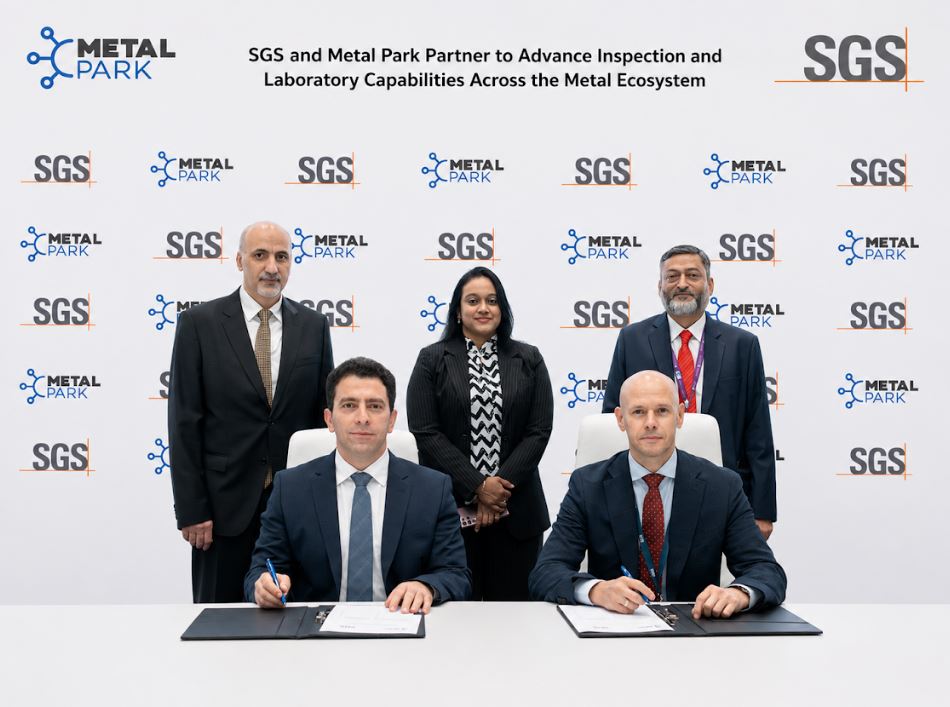
The collaboration aims to enhance operational confidence, material verification, and quality assurance services for companies operating within Metal Park’s Production Hub and Storage Hub, supporting manufacturers, processors, traders, logistics providers, and downstream metal businesses.
As industrial supply chains continue to evolve, reliable inspection and laboratory infrastructure play an increasingly critical role in ensuring traceability, compliance, operational efficiency, and international market alignment.
Through this collaboration, both parties will explore the development and integration of inspection and laboratory-related services tailored to the operational requirements of the metals sector. The initiative is expected to support a broad range of activities including material testing, certification, verification, quality control, and operational inspections across various metal-related processes and supply chain movements.
Located in KEZAD and strategically connected to Khalifa Port, Etihad Rail, and regional logistics corridors, Metal Park continues to expand its ecosystem through partnerships that strengthen industrial resilience and simplify access to critical support services under one integrated platform.
Vahid Fouladkar, CEO of Metal Park, commented:
“As the metal industry moves towards greater operational transparency and resilience, inspection and laboratory capabilities become an essential part of the ecosystem rather than a standalone service. Our collaboration with SGS reflects our commitment to enabling manufacturers, processors, and supply chain stakeholders with trusted infrastructure and globally recognised expertise directly within the Park.”
Dmitry Nikitin, Head of Middle East and Managing Director UAE, SGS commented:
“As industrial ecosystems continue to evolve, trusted inspection, testing, and verification services become critical enablers of operational confidence and supply chain resilience. Through our collaboration with Metal Park, SGS is proud to contribute its global expertise and technical capabilities to support the growing metals ecosystem in the UAE. Together, we aim to help businesses operate with greater quality assurance, traceability, compliance, and efficiency across the value chain.”
The announcement was made during Make it in the Emirates 2026, one of the UAE’s leading industrial platforms bringing together manufacturers, investors, industrial enablers, and technology providers to support the nation’s long-term industrial growth strategy.
Further details regarding the scope of services and operational rollout will be announced in upcoming updates.


