


11, May 2026
ZOFF Foods Launches Role Reversal Campaign Encouraging Children to Cook for Their Mothers This Mother’s Day
May 11: This Mother’s Day, ZOFF Foods is launching#RoleReversal, a digital-first campaign built around a simple idea: mothers spend a lifetime cooking for their families, often without recognition, so this time, children should cook for them instead.The campaign encourages people across India to step into the kitchen and prepare a meal for their mothers, regardless of their cooking experience. Whether imperfect, experimental, or completely first-time, the effort itself becomes the emotion behind the campaign.
At the centre of #RoleReversal is a behavioural shift rather than a greeting-led celebration. Instead of asking consumers to post wishes online, ZOFF is encouraging them to participate through action.The campaign features creator-led and user-generated content capturing real cooking experiences, from kitchen mistakes and nervous attempts to emotional family reactions. The objective is to create moments that feel authentic, relatable, and rooted in everyday Indian households.The campaign launches with digital brand ambassador Natasha Gandhi and will roll out across social media through creator collaborations and consumer participation.
Speaking on the campaign,Akash Agrawalla, Co-Founder, ZOFF Foods,said,“Indian mothers spend years feeding everyone around them without expecting anything in return. #RoleReversal came from a very simple insight: what happens when, for one day, someone cooks for her instead? We wanted the campaign to feel warm, relatable, and genuine rather than overly polished.”
“People connect far more with authenticity than perfectiontoday. The campaign is built around real efforts, real kitchens, and real family moments. Sometimes even a simple meal can become deeply meaningful when it is made with intention,”concluded Manish Agarvwal, Chief Marketing Advisor, ZOFF Foods.
The campaign #RoleReversal is currently live across social and digital platforms in addition to Q-commerce integrations.

- 0
- By Neel Achary

11, May 2026
RAH Infotech and Ethernexion Partner to Accelerate India’s Digital Infrastructure with Next-Generation Networking
New Delhi, India May 11: RAH Infotech, India’s premier technology enabler for cybersecurity and digital infrastructure, today announced a strategic partnership with Ethernexion, a global provider of high-performance networking solutions. Under this partnership, RAH Infotech will serve as Ethernexion’s authorized Value-Added Distributor (VAD) in India, marking a significant milestone in Ethernexion’s strategic expansion into one of the world’s fastest-growing digital economies.
As India accelerates its digital transformation journey, driven by cloud adoption, AI-powered applications, and the rapid growth of hyperscale data centers, the demand for high-performance, scalable, and resilient networking infrastructure is reaching unprecedented levels. Beyond addressing this opportunity, the partnership underscores a shared responsibility to contribute to India’s digital infrastructure backbone, enabling innovation at scale and supporting the country’s long-term digital ambitions.
Through this collaboration, enterprises and service providers across India will gain easier access to Ethernexion’s advanced networking solutions, supported by RAH Infotech’s strong channel ecosystem and deep local expertise. This approach brings technology closer to customers, ensuring not only faster adoption but also enhanced local support, simplified deployment, and greater confidence in implementing next-generation networking architectures.
Ethernexion offers a comprehensive portfolio of network switching solutions ranging from 1G to 800G, designed to support diverse environments including enterprise networks, campus deployments, telecom edge, and hyperscale data centers. Built on continuous innovation in high-speed signal processing, high-density PCB design, and unified software platforms, these solutions deliver performance, efficiency, and long-term value for modern digital enterprises.
Speaking on the partnership, Mr. Ashok Kumar, MD and Founder of RAH Infotech said, “At RAH Infotech, we see networking as a strategic asset, not just a back-end utility. As Indian enterprises scale across hybrid clouds and support distributed workforces, the network must be as agile as the applications it carries. With the rise of AI-driven workloads, high-performance infrastructure is now a business-critical requirement. Our partnership with Ethernexion ensures our customers have the scalability and local support to thrive in this new reality.”
Mr. Abdul Rahman, Managing Director at Ethernexion Singapore, added, “India represents a highly strategic growth market for Ethernexion, where the scale and pace of digital transformation demand both performance and adaptability. Our partnership with RAH Infotech marks a significant step in strengthening our presence in the region through a trusted and capable ecosystem partner. By combining our high-performance networking solutions with RAH’s deep market understanding and channel reach, we are able to bring our technologies closer to customers while ensuring they have the confidence, flexibility, and support needed to adopt next-generation networks. Together, we are committed to supporting India’s digital infrastructure evolution and enabling innovation at scale.”
With over two decades of experience, RAH Infotech has built a strong reputation for delivering value-driven solutions across networking, cybersecurity, cloud, and application performance domains. This partnership further reinforces its ecosystem-driven approach, enabling partners and customers to access cutting-edge technologies with localized engagement, technical alignment, and ongoing support.
Rooted in shared values of openness, collaboration, and a long-term partnership mindset, the alliance between RAH Infotech and Ethernexion is designed to deliver sustained value to the Indian market. Together, the companies aim to empower enterprises and service providers with high-performance networking solutions that are accessible, reliable, and future-ready, enabling them to navigate the next phase of digital growth with agility, confidence, and clarity.
10, May 2026
Mahindra Group Appoints Vimal Agarwal as Group Chief Internal Auditor
Appointment reflects the Group’s strong focus on governance, risk management and internal controls
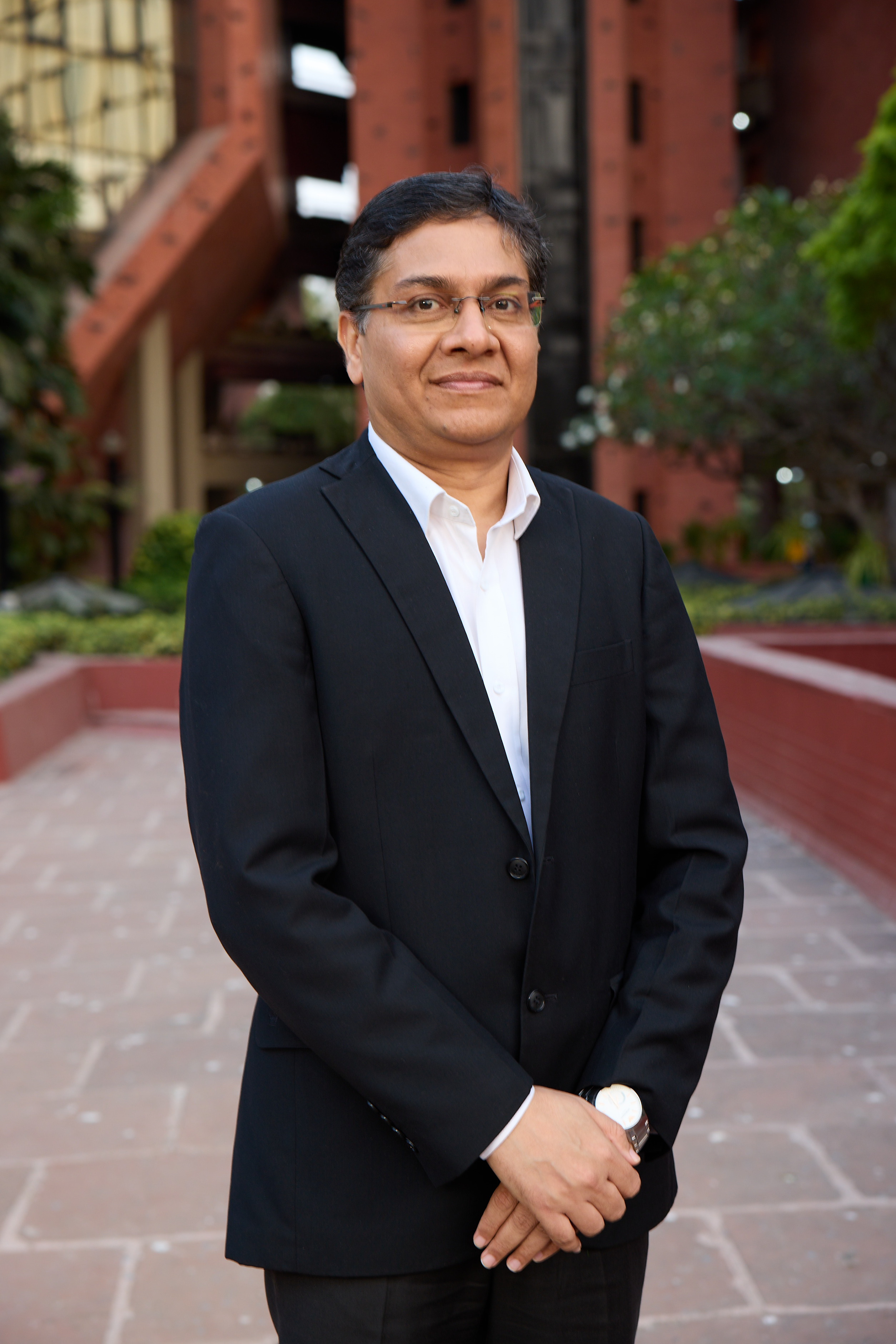
Chandigarh, May 10, 2026: Mahindra Group announced the appointment of Mr. Vimal Agarwal as Group Chief Internal Auditor, effective July 1, 2026. He will also be part of the Senior Management Personnel.
Mr. Agarwal currently serves as the Chief Financial Officer of Mahindra Holidays & Resorts India Ltd. He will take over from Mr. K N Vaidyanathan, Executive Vice-President & Group Chief Internal Auditor of the Mahindra Group, who will superannuate on June 30, 2026, after an illustrious career spanning 40 years, including over 14 years with the Mahindra Group.
Anand G. Mahindra, Chairman, Mahindra Group said, “I am pleased to announce the appointment of Vimal Agarwal as Group Chief Internal Auditor. Vimal brings 25 years of experience across finance, governance and business strategy, and is recognised for strengthening governance frameworks, enhancing internal controls and enabling Boards and leadership teams in shaping and executing growth strategies. I sincerely thank Vaidy for his valuable contributions to the group and wish him a wonderful retirement.”
Mr. Vimal Agarwal is a Chartered Accountant and MBA with 25 years of experience in finance, governance and business strategy across multinational corporations and listed Indian entities. He is recognised for strengthening governance frameworks, enhancing internal controls and enabling Boards and leadership teams in shaping and executing growth strategies.
During his tenure at PepsiCo India, Vimal advanced through multiple leadership roles, driving financial operations, planning & analytics and supply chain finance, while embedding strong internal controls and governance practices.
After joining Mahindra Lifespaces as CFO, he partnered with business leaders to scale sales and increase market capitalisation, while leading fundraising, digitalisation and private equity joint ventures. As CFO of Mahindra Holidays & Resorts India Ltd. over the last two years, he has enabled a comprehensive growth strategy and leveraged his expertise in financial planning, investor relations and performance optimisation.
9, May 2026
Two Homes, One Bond: Vedaanta Senior Living Celebrates the Evolving Journey of Mothers and Daughters
Bengaluru, May 9th: Vedaanta Senior Living, a leading provider of thoughtfully designed senior living communities, has unveiled its Mother’s Day campaign film that beautifully captures the evolving dynamic between mothers and their children, anchored in reassurance, love and everyday joy.
Conceptualised and executed in-house, the campaign adopts a warm, slice-of-life storytelling format that unfolds over the course of a single day. Reflecting everyday life today, the story take place across a series of video calls between a mother residing at Vedaanta and her daughter living abroad. The film presents a gentle yet distinct contrast between two lives.
On one side is the mother’s day at Vedaanta – structured, personalised and engaging. Her routine includes the much awaited morning tea served at her home, catch-up walks with friends, guided fitness sessions, interesting meals without the burden of cooking, and laid-back moments in the in-house movie theatre. On the other side is the daughter’s life, fast-paced and demanding, as she balances work, household responsibilities, and parenting.
As the day progresses, these parallel narratives unfold through candid, affectionate calls . What begins as routine check-ins gradually reveals a deeper emotional shift. The daughter, who once worried about her mother’s well-being, comes to realise that her mother is not only cared for but truly thriving. The film culminates in a tender Mother’s Day exchange, reinforcing Vedaanta’s positioning as not just a residence, but an ecosystem of everyday care, independence, and peace of mind.
The campaign features professional models and is designed to feel authentic and relatable, drawing from real-life experiences of modern families navigating distance, responsibilities, and care. Link to the campaign: https://youtu.be/FpKiDP8bvTo
Commenting on the campaign, Shreya Anand,Director and Head of Marketing, Vedaanta Senior Living said, “This campaign is deeply personal and reflective of a reality many families live in today. We wanted to move away from portraying ageing as a phase of dependence and instead celebrate it as it is today in our communities – active and independent. Through this film, we are reassuring families that choosing Vedaanta is not about stepping away from loved ones, but about ensuring they are truly cared for, even in your absence. It is a message of emotional security, told through simple, everyday moments.”
The narrative is further elevated by glimpses of the vibrant Vedaanta community, where residents engage in community activities, fitness sessions, and lots of friendly chatter that foster a strong sense of belonging.
With this campaign, Vedaanta Senior Living continues to strengthen its brand ethos of redefining senior living in India, positioning it as an aspirational lifestyle choice rooted in independence, care, and emotional well-being
9, May 2026
India’s Capital Markets to Drive Inclusive Wealth Creation and Viksit Bharat Vision by 2047: Shri Sudhanshu Trivedi at PHDCCI’s 8th Annual Convention
The PHD Chamber of Commerce and Industry (PHDCCI) successfully organized the 8th Annual Convention on Capital Market & Commodity Market on the theme “Democratising Wealth Creation: Inclusive Capital Markets for a Prosperous India” on Friday, 8th May 2026 at PHD House, New Delhi. The convention brought together policymakers, regulators, financial market experts, industry leaders, and market participants to deliberate on the growing role of inclusive capital markets in India’s economic transformation.
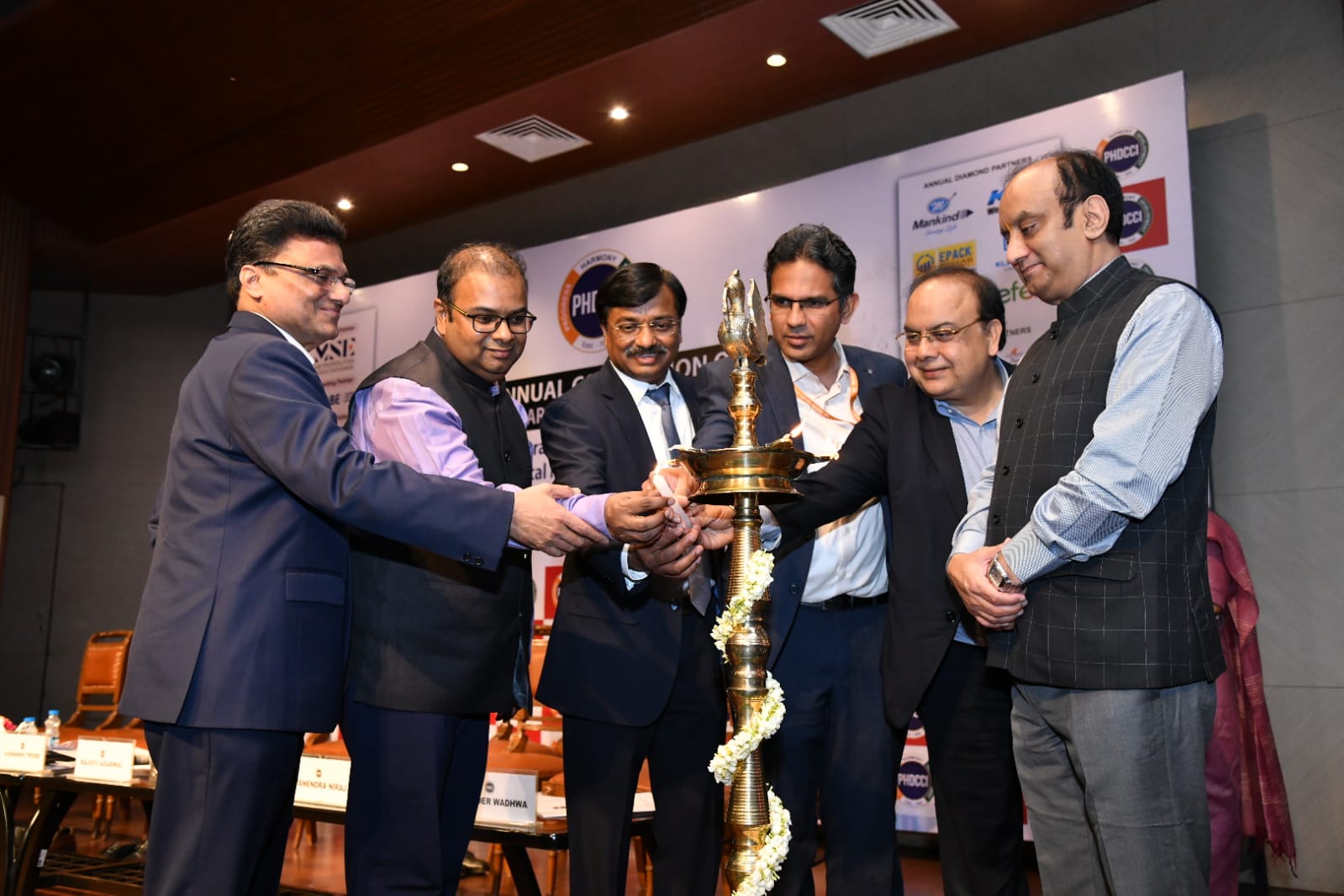
The Welcome Address was delivered by Mr. Mohit Luthra, Assistant Secretary General, PHDCCI, who welcomed the distinguished dignitaries, industry leaders, and participants and highlighted the importance of strengthening financial inclusion and investor participation for building a resilient and prosperous economy
The Chief Guest Shri Sudhanshu Trivedi, Member of Parliament, Rajya Sabha and National Spokesperson, BJP, “while addressing the gathering, highlighted India’s remarkable economic transformation under the leadership of Prime Minister Shri Narendra Modi, stating that India has emerged as the world’s 4th largest economy, 4th largest stock market, 3rd largest automobile manufacturer, and the global leader in digital transactions, contributing nearly 49% of all digital transactions worldwide through UPI. Emphasising the success of Jan Dhan Yojana, DBT and digital inclusion, he noted that over 56 crore Jan Dhan accounts have been opened, enabling direct transfer of benefits and significantly reducing leakages in welfare delivery. He underlined the exponential rise in Demat accounts from 2.2 crore in 2014 to over 21 crore today, reflecting deepening financial inclusion across districts and smaller towns. Shri Trivedi also highlighted India’s growing global stature in manufacturing, defence production, exports, semiconductors, electronics, startups and infrastructure development, citing investments by global companies such as Foxconn, Samsung and Google. Referring to India’s increasing role in global growth and geopolitical trust, he stated that the world now sees India not merely as a superpower, but as a “world friend and world guru” capable of motivating and guiding the global community. He further cautioned against divisive narratives based on region, language and identity, stressing the need for national unity to sustain India’s economic rise and achieve the vision of Viksit Bharat by 2047.”
Mr. Deepak Ranjan, Director (Financial Markets), Department of Economic Affairs, Ministry of Finance, “in his address highlighted that the Government of India’s ongoing efforts to strengthen transparency, accountability, and efficiency in India’s financial regulatory framework through the proposed Securities Market Code. He noted that the reform aims to consolidate the existing SEBI Act, Securities Contracts Regulation Act, and Depositories Act into a single, comprehensive legislation, thereby streamlining the regulatory architecture of India’s capital markets. Emphasizing the importance of consultative policymaking, he stated that the new framework seeks to institutionalize greater stakeholder participation, periodic regulatory reviews, and a more transparent rule-making process to ensure that India’s securities market ecosystem remains robust, responsive, and globally competitive.”
While addressing the gathering Ms. Shashi Kajle, Director (Financial Markets), Department of Economic Affairs, Ministry of Finance, “talked about India’s rapid transformation into a globally significant financial and economic powerhouse, driven by inclusive capital markets, digital public infrastructure, and expanding retail participation. She noted that India’s market capitalization has grown to nearly USD 5 trillion, supported by over 21 crore demat accounts, rising mutual fund participation, and strong fintech adoption, reflecting a major shift towards formal and long-term wealth creation. She further emphasized the role of digital initiatives such as Jan Dhan, Aadhaar, mobile connectivity, and UPI in deepening financial inclusion across the country. Stressing the importance of investor trust, transparency, and wider participation, particularly among women, MSMEs, and young investors, she underlined that India’s capital markets are increasingly emerging as instruments of entrepreneurship, innovation, and national development. She also highlighted the growing significance of GIFT City in strengthening India’s integration with global financial markets and supporting the country’s long-term vision of inclusive and sustainable economic growth.”
Dr. D K Aggarwal, Former President, PHDCCI, “highlighted India’s emergence as a rapidly growing economic powerhouse, stating that the country is on track to become a USD 20 trillion economy by 2047, with capital markets expected to play a transformative role in wealth creation. Emphasizing the theme of democratizing wealth creation, he noted that advancements in digitalization, financial innovation, and regulatory reforms have made investments increasingly accessible to common households through products such as mutual funds, SIPs, ETFs, bonds, and fractional ownership platforms. He further underlined the strong investor protection framework established by regulators, which has significantly enhanced trust and safety in Indian markets. Highlighting the remarkable long-term growth potential of Indian equities, he expressed confidence that India’s capital markets would continue to expand rapidly, creating unprecedented opportunities for inclusive and sustainable wealth creation.”
While addressing the masses Mr. Pradeep Ramakrishnan, Executive Director, IFSCA, talked about “the extraordinary evolution of GIFT City into a globally emerging international financial hub, reflecting India’s growing prominence in the international financial ecosystem. Emphasizing the vision behind the development of GIFT-IFSC, he noted that the centre was established to create a world-class financial and business environment comparable to leading global financial destinations. He further shared that GIFT-IFSC today hosts over 1,500 registered entities across international banking, capital markets, insurance, fintech, investment funds, and foreign universities, while steadily strengthening its position as a strategic gateway for global capital flows, innovation, and next-generation financial services.”
Mr. Narinder Wadhwa, Co-Chair, Capital Market & Commodity Market Committee, PHDCCI, “in his closing remarks said that despite global political uncertainties and tensions in West Asia, India’s growth story remains strong and resilient. He emphasized that financial inclusion is the need of the hour and highlighted the importance of converting savers into investors and citizens into stakeholders in India’s economic growth journey. He also shared that the convention would further deliberate on emerging opportunities across various market segments and asset classes.”
The session was moderated by Mr. B. K. Sabharwal, Chair, Capital Market & Commodity Market Committee, PHDCCI, who facilitated engaging discussions on strengthening investor participation, expanding financial literacy, and leveraging capital markets as a catalyst for inclusive economic development.
The convention concluded with a strong call for enhancing financial literacy, encouraging wider retail participation, and building globally competitive capital markets that support India’s vision of becoming a developed economy by 2047. The deliberations reflected a shared commitment towards creating a transparent, resilient, and inclusive financial ecosystem for sustainable wealth creation.
During the convention, PHDCCI also launched the Knowledge Report titled “Profit Pool Analysis for Selecting Emerging Industries and Stocks in India”, providing key insights into emerging sectors, investment trends, and future growth opportunities in the Indian economy.
The inaugural session was followed by panel discussions on Investment During Uncertain Times: Opportunities and Challenges for Wealth Creation and Investment, Empowerment and Financial Inclusion through various Asset Classes. Distinguished speakers included Mr. Gurmeet Chadha, CIO & MD, Complete Circle; Mr. Ashu Madan, MD, JM Financial Services; Mr. Kunal Saraogi, SEBI Registered Research Analyst; Dr. Sharad Kohli, Tax Guru, Founder & Chairman, KCC Group; Dr. Neha Singh, Editor, DRS Insights; Mr. Ankur Jalan, CEO, Golden Growth Fund; Mr. Jayendra Malhotra, Senior Economist; Mr. Puneet Agarwal, Element One Alternatives; Dr. Ravi Singh, Chief Research Officer, Master Trust Ltd. & Mr. Sanjeev Gupta, MD, NEXGEN Financial Solutions.
The event witnessed enthusiastic participation from representatives of government bodies, regulatory authorities, stock and commodity exchanges, market intermediaries, law firms, financial institutions, academia, and industry associations. Interactive technical sessions and panel discussions enabled meaningful exchange of ideas and recommendations for strengthening India’s financial architecture.
The Convention was supported by Globe Capital as the Presenting Partner; MSEI as an Exchange Partner; NSDL as Depository Partner; Wealth Discovery as the Associate Partner; Choice Broking, Dhan, Jainam Securities, SMC Capital, Steel City Securities, Starfinvest & SMIFS Ltd. as Co- Partners; Findoc, Agroy, Nexgen & Golden Globe Fund as Supporting Partners, Anand Rathi as the Logo Partner & The CPAI as the Association Partner.
The convention was attended by more than 250 delegates and reaffirmed the critical role of robust, transparent, and inclusive capital and commodity markets in shaping India’s growth story. The enriching discussions on investor participation, regulatory reforms, technological advancements, financial literacy, market resilience, and the expanding role of India in global financial markets provided meaningful direction for the future.
9, May 2026
India–EU Partnership Enters Stronger Phase of Engagement: Sitharaman at Europe Day 2026
New Delhi, May 9 (BNP): Finance Minister Nirmala Sitharaman said that the India–European Union partnership has gained fresh momentum, reflecting deeper cooperation across economic, trade, and strategic areas.
Speaking at the Europe Day 2026 event, she noted that the relationship between India and the EU has steadily strengthened, supported by shared priorities such as economic stability, sustainable growth, and a fair global trading system.
She highlighted that both sides are actively working to expand collaboration in key areas including trade, investment, technology, clean energy transition, and strengthening supply chains. According to her, these efforts are helping convert long-standing strategic understanding into concrete outcomes for businesses and economies on both sides.
Sitharaman also underlined that India and the EU, as major global economic partners, have significant scope to deepen cooperation in emerging sectors while jointly addressing global economic challenges. She expressed optimism that continued dialogue and engagement will further enhance the partnership in the coming years.
The statement reflects the growing importance of India–EU relations in supporting global economic stability and advancing shared development goals.
9, May 2026
Markets Have Already Adjusted to Slower Growth and Higher Inflation, Says SEBI Analyst
May 9 (BNP): A SEBI analyst has said that financial markets have already taken into account expectations of weaker GDP growth and rising inflation following recent shocks in global oil prices.
According to the analyst, investors have been gradually pricing in the impact of higher crude oil costs, which are likely to put upward pressure on inflation and weigh on economic growth. As a result, much of the expected downside has already been reflected in current market levels.
Despite concerns over global uncertainty and energy price volatility, markets have shown a degree of stability, suggesting that participants are not being caught off guard by these macroeconomic risks.
Overall, the commentary indicates that while inflationary pressures and slower growth remain key concerns, they are largely anticipated by investors rather than emerging as fresh surprises.
9, May 2026
India Pushes for Quick Resolution of Issues in EFTA Trade Pact to Boost Benefits
May 9 (BNP): India has called for the early resolution of implementation-related issues in its trade agreement with the European Free Trade Association (EFTA) to ensure that businesses on both sides can fully benefit from the pact, according to an official statement.

The India–EFTA Trade and Economic Partnership Agreement (TEPA), which came into effect in October 2025, was a key focus during Commerce Secretary Rajesh Agarwal’s recent visit to Switzerland on May 6–7. The visit aimed at strengthening trade and investment cooperation and improving the on-ground implementation of the agreement.
During discussions, India emphasised the need to address operational and regulatory challenges at an early stage so that the market access opportunities under TEPA can be effectively utilised by exporters, investors, and industry stakeholders from both regions.
Officials noted that the agreement is already showing encouraging early results. Within 200 days of its implementation, new Indian product categories have entered the Swiss market, services trade has expanded, and investor interest between India and EFTA countries has strengthened.
India reiterated that smoother implementation and timely resolution of outstanding issues will be crucial in maximising the benefits of TEPA and deepening long-term economic engagement with the EFTA bloc, which includes Switzerland, Norway, Iceland, and Liechtenstein.
9, May 2026
General Manager Ashish Tiwari Strengthens Team Leadership & Training Initiatives at Andaaz Restaurant, New Jersey
Andaaz Restaurant continues to strengthen its hospitality standards through enhanced team leadership and employee training initiatives under the guidance of Ashish Tiwari, General Manager of the restaurant.
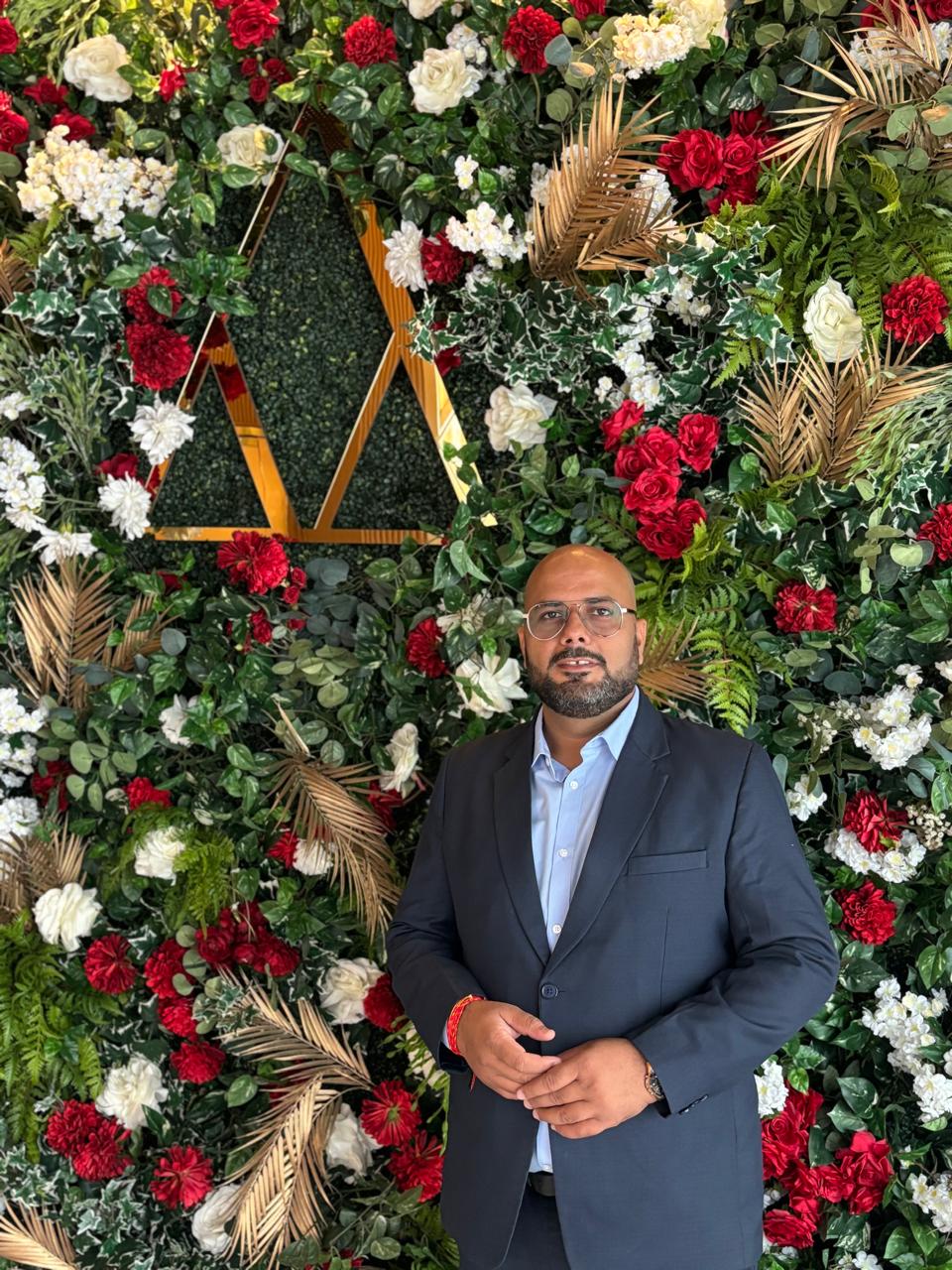
Recognizing that exceptional hospitality begins with empowered teams, Ashish Tiwari has introduced a focused leadership and training program aimed at improving operational efficiency, service excellence, staff development, and guest engagement across all departments.
The initiative includes structured training sessions in guest relations, communication skills, fine dining service standards, food knowledge, operational coordination, and workplace professionalism. The program is designed to help employees build confidence, improve performance, and deliver a more refined dining experience to guests.
Speaking about the initiative, Ashish Tiwari said,
“In the hospitality industry, a motivated and well-trained team is the foundation of guest satisfaction. At Andaaz Restaurant, we believe leadership is not only about managing operations but also about mentoring people, encouraging growth, and building a positive work culture where every team member feels valued.”
The restaurant management has also placed strong emphasis on continuous learning and teamwork by encouraging staff participation in skill enhancement workshops, operational briefings, and service improvement strategies. The goal is to create a collaborative workplace environment that supports both personal and professional growth.
Under Ashish Tiwari’s leadership, the restaurant has continued to focus on maintaining premium hospitality standards while fostering a culture of discipline, creativity, and accountability. The training initiatives are expected to further elevate service quality and strengthen the restaurant’s reputation for delivering memorable guest experiences.
Known for its contemporary Indian cuisine and modern dining atmosphere, Andaaz Restaurant remains committed to innovation, employee development, and customer-centric hospitality practices in the evolving restaurant industry.
9, May 2026
New Income Tax Act 2025 Aims to Simplify Filing, Expand India’s Taxpayer Base
New Delhi, May 9 (BNP): India’s newly introduced Income Tax Act 2025 is being positioned as one of the country’s most significant tax simplification reforms in recent years, with the government focusing on making tax filing easier, clearer, and more accessible for ordinary citizens.

Speaking at a taxpayer awareness programme in Mumbai, Chief Commissioner of Income Tax (IT & TP) Nirupama Kotru said the new law, along with the upcoming Income Tax Rules 2026, has been designed to reduce complexity in the tax system and encourage greater voluntary compliance.
According to Kotru, the reforms aim to help individuals understand and file their taxes independently without relying heavily on chartered accountants or tax professionals for basic returns. She noted that many citizens still perceive tax filing as overly technical and difficult, often discouraging them from entering the formal tax system altogether.
To address these challenges, the government has introduced several taxpayer-friendly measures under the new framework. These include simplified language in the legislation, fewer sections and technical provisions, multilingual informational brochures, and digital support tools such as the “Aaykar Sathi” chatbot. Dedicated guidance resources have also been made available through the Income Tax Department’s online platforms to assist taxpayers in resolving queries more easily from home.
Kotru clarified that while the structure and presentation of the law have been simplified, there has been no major shift in India’s overall tax policy. She stated that India continues to maintain one of the more taxpayer-friendly tax regimes globally, supported by relatively low tax rates and progressive reforms introduced over the years.
The new Income Tax Act is particularly important because it seeks to remove long-standing barriers that have prevented many individuals from participating in the formal tax ecosystem. Complex terminology, difficult procedures, and confusion around different sources of income have historically made tax compliance intimidating for first-time or small taxpayers. In many cases, even honest taxpayers struggled with filing errors due to lack of clarity.
Officials believe the simplified format of the new law will improve public understanding of tax obligations, reduce unintentional mistakes, and build greater confidence among taxpayers. By making compliance easier, the government hopes to gradually widen India’s relatively narrow taxpayer base and strengthen overall revenue participation.
The reform also reflects the government’s broader push toward digital governance and citizen-centric public services. Tools such as AI-enabled chat support and simplified online guidance are expected to make the filing process more transparent, efficient, and accessible, especially for salaried individuals, small business owners, and first-time filers.
With the upcoming filing season expected to be governed by the new framework, tax authorities will closely monitor how effectively the simplified system improves compliance and encourages more citizens to file returns independently.