



10, Mar 2025
The Surprising Symptoms of Low NAD+ Levels and How NMN Can Help Replenish Them
Nicotinamide adenine dinucleotide (NAD+) is a vital coenzyme found in every cell of our body, playing a central role in many biological processes that are critical for maintaining overall health. As a key player in cellular metabolism, energy production, and DNA repair, it helps the body manage oxidative stress, regulate circadian rhythms, and promote longevity. Despite its importance, NAD+ levels naturally decline with age, leading to a range of surprising and often overlooked symptoms. Fortunately, supplementation with compounds like Nicotinamide Mononucleotide (NMN) offers a promising way to replenish NAD+ and help mitigate the effects of its decline.
What is NAD+ and Why Does It Matter?
NAD+ is a coenzyme that supports redox reactions in cells, facilitating the conversion of food into usable energy. It plays a pivotal role in ATP production, which fuels cellular functions. Beyond metabolism, NAD+ is crucial for maintaining proper DNA repair mechanisms, supporting the immune system, and regulating the body’s circadian rhythms (the internal biological clock). It also influences the activation of sirtuins, a group of proteins that are thought to protect cells from aging and extend lifespan.
As we age, NAD+ levels begin to naturally decline, and this reduction is associated with various health issues and symptoms that many people may not immediately connect to low NAD+ levels.
Surprising Symptoms of Low NAD+ Levels
- Fatigue and Decreased Energy
One of the most common symptoms of low NAD+ levels is chronic fatigue. NAD+ is essential for mitochondrial function—the powerhouses of cells responsible for energy production. When NAD+ levels drop, mitochondria struggle to produce ATP efficiently, leading to decreased energy levels, muscle weakness, and a constant feeling of tiredness, even after adequate rest. People with low NAD+ may feel sluggish, less motivated, and experience a general decline in their energy reserves throughout the day. - Cognitive Decline and Memory Problems
NAD+ is integral to maintaining brain health. It supports the activity of enzymes responsible for DNA repair and neuronal function. As NAD+ levels decrease, the brain’s ability to repair damaged DNA and maintain proper neural activity also diminishes. This leads to cognitive problems, including difficulty concentrating, short-term memory issues, and a decline in mental clarity. In some cases, long-term NAD+ depletion may contribute to neurodegenerative diseases such as Alzheimer’s or Parkinson’s. - Sleep Disturbances
A decline in NAD+ can lead to disturbances in circadian rhythm regulation, the body’s natural sleep-wake cycle. NAD+ influences the production of melatonin, the hormone responsible for sleep onset. Low levels of NAD+ can disrupt the sleep cycle, leading to difficulties falling asleep, staying asleep, or waking up feeling unrested. This can result in a cycle of poor sleep that exacerbates other health problems, such as mood swings and weakened immunity. - Increased Inflammation and Pain Sensitivity
NAD+ is involved in controlling inflammation and the body’s response to injury or infection. When NAD+ levels drop, the body’s inflammatory response can become unbalanced. This can lead to increased chronic pain, joint discomfort, and a heightened sensitivity to injury. Studies have suggested that lower NAD+ levels contribute to inflammatory diseases, autoimmune conditions, and even neuroinflammation, which may increase the risk of conditions such as arthritis or chronic pain syndromes. - Weakened Immune System
NAD+ plays a critical role in maintaining the health of the immune system. It helps regulate immune cell function and supports the body’s ability to respond to infections. As NAD+ levels decline, immune cells become less efficient, leaving the body more susceptible to infections, illnesses, and even slower recovery times after injury or sickness. Individuals with low NAD+ levels may find themselves catching colds more frequently or having a harder time fighting off infections. - Skin Aging and Poor Wound Healing
NAD+ also plays a role in skin health by promoting cellular repair processes and protecting against oxidative stress. Low NAD+ levels contribute to the aging of the skin, including increased wrinkles, sagging, and dryness. Additionally, a decrease in NAD+ can slow down the body’s ability to repair skin damage, leading to longer recovery times for cuts, bruises, and other wounds. - Metabolic Dysfunction and Weight Gain
NAD+ has a key role in regulating metabolic processes, including fat metabolism and insulin sensitivity. When NAD+ levels are low, the body may become less efficient at processing and burning fat, leading to weight gain or difficulty losing weight. Furthermore, insulin resistance, which is often associated with conditions like type 2 diabetes, can become more pronounced as NAD+ levels decrease, making it harder for the body to maintain stable blood sugar levels. - Mood Swings and Depression
Another surprising symptom of low NAD+ levels is a shift in mood. NAD+ affects the regulation of neurotransmitters, including serotonin and dopamine, both of which are responsible for regulating mood and emotional well-being. A deficiency in NAD+ may lead to mood swings, increased stress, anxiety, and symptoms of depression. This emotional imbalance can affect overall quality of life, leading to feelings of hopelessness and a lack of motivation. - Decreased Muscle Mass and Strength
Muscle strength and mass are closely tied to mitochondrial function, which is directly impacted by NAD+ levels. Low NAD+ can result in muscle weakness, a loss of lean muscle mass, and a decrease in overall strength. This can affect your ability to engage in physical activity, further contributing to fatigue, immobility, and even depression, as physical activity plays a significant role in maintaining mental health.
How NMN Can Help Replenish NAD+ Levels
Given the wide-ranging effects of low NAD+ levels, it is clear that maintaining optimal NAD+ levels is essential for overall health. While there are many factors that can influence NAD+ production, including diet, exercise, and lifestyle habits, one of the most effective ways to replenish NAD+ is through supplementation with Nicotinamide Mononucleotide (NMN).
NMN is a precursor to NAD+ and is considered one of the most efficient ways to boost NAD+ levels in the body. When NMN is ingested, it is converted into NAD+ through a series of enzymatic reactions. Supplementing with NMN can potentially counteract the age-related decline in NAD+ and help alleviate the symptoms associated with NAD+ depletion, including fatigue, cognitive decline, poor sleep, and metabolic dysfunction.
Research into NMN supplementation is still in the early stages, but animal studies and human trials have shown promising results in terms of improving energy levels, supporting cognitive function, and even promoting longevity. For example, studies have shown that NMN supplementation improves mitochondrial function, enhances DNA repair, and reduces markers of inflammation, all of which are vital for maintaining health and vitality as we age.
Conclusion
NAD+ is an essential molecule that plays a vital role in nearly every aspect of cellular function, from energy production to DNA repair and immune system regulation. Low NAD+ levels can lead to a surprising array of symptoms, including fatigue, cognitive decline, sleep disturbances, and weakened immunity. Fortunately, supplementation with NMN offers a promising strategy to replenish NAD+ levels, potentially reversing some of the age-related decline in cellular function and promoting overall well-being. While further research is needed to fully understand the long-term effects of NMN supplementation, the current evidence suggests that boosting NAD+ levels can have a profound impact on health, energy, and longevity.
- 0
- By Neel Achary

9, Mar 2025
Varanasi’s Healthcare Gets a Boost as MatCare Launches Maternity & Child Hospital
Varanasi, India – March 9, 2025: MatCare has launched its first hospital in Mahmoorganj, Varanasi, marking a milestone in maternity and child healthcare. This facility provides expertise, advanced infrastructure, and critical neonatal care ensuring comprehensive care for expectant mothers, newborns, and high-risk pregnancies.
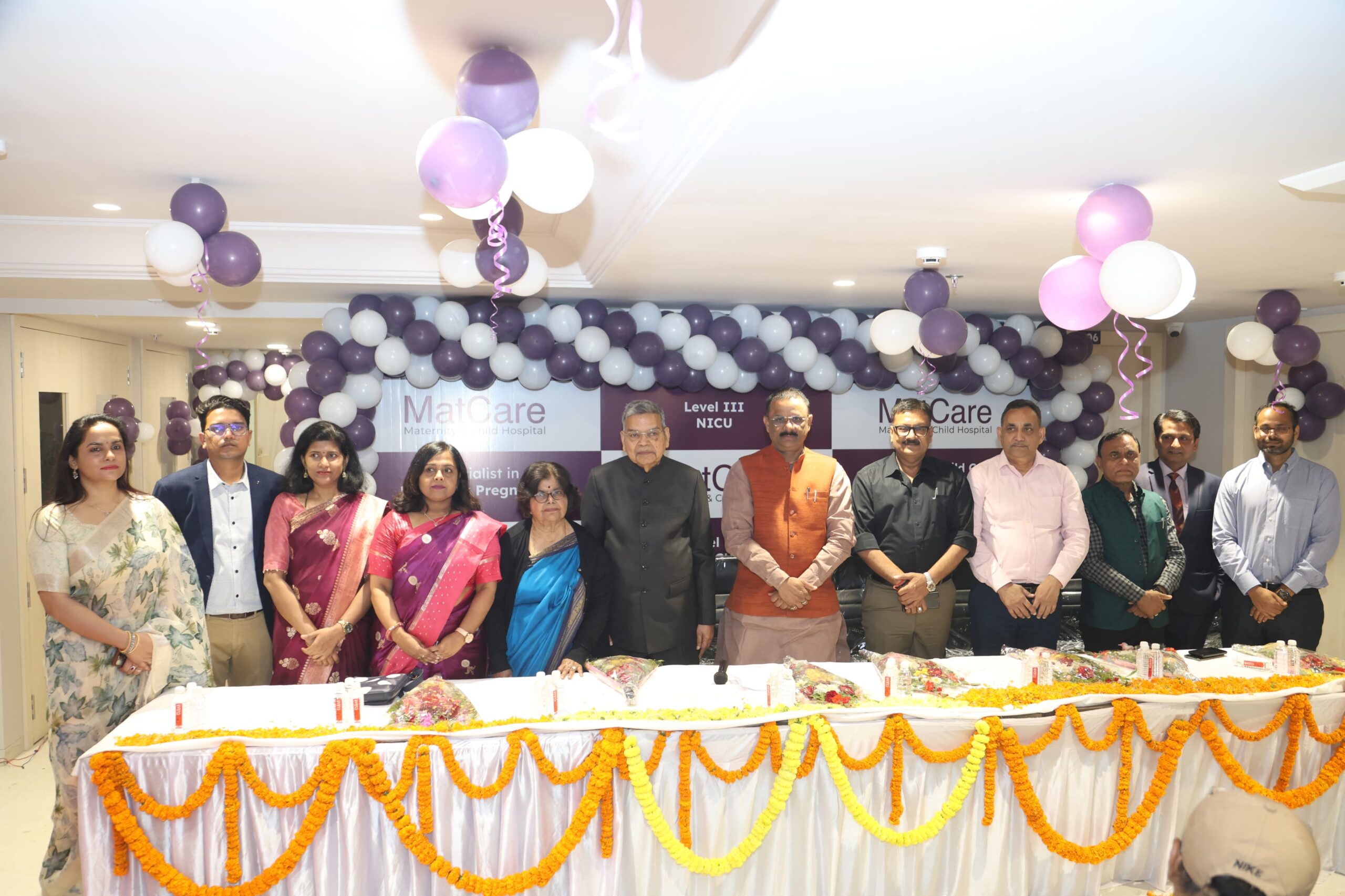
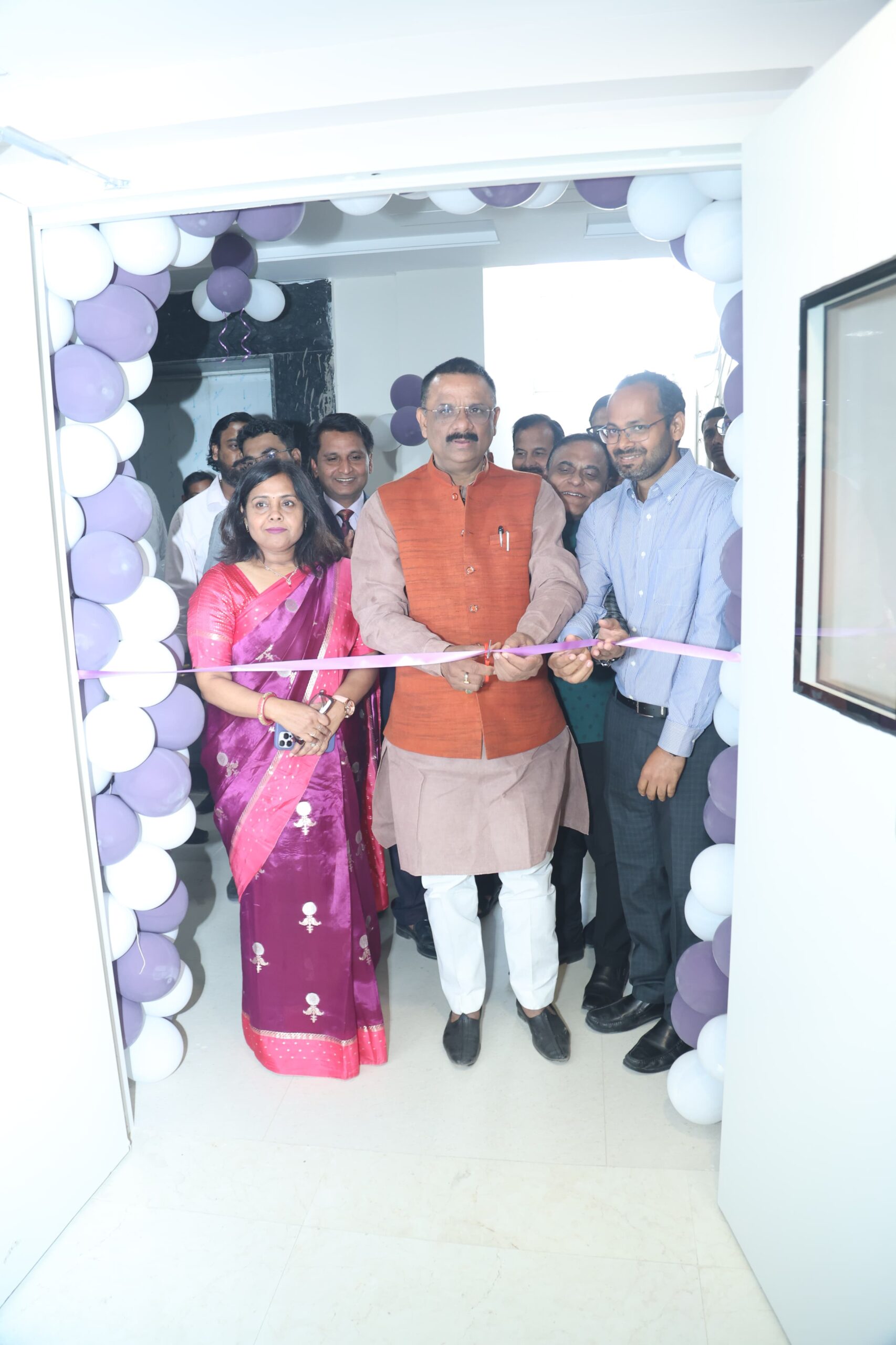
The hospital was inaugurated by Shree Ashok Tiwari Ji, Mayor of Varanasi, and graced by Dr. R V Singh, Cluster Business Director of Indira IVF Varanasi, Dr. Sunil Yadav, Centre Head – Obstetrics & Gynecology, MatCare and Dr. Nimisha Singh, Head of Pediatrics & Neonatology, MatCare. Their presence highlighted the importance of this initiative in enhancing healthcare access in the region.

Varaṇasi Mayor Ashok Tiwari praised this significant step by MatCare, saying that MatCare’s efforts will not only add a new dimension to maternal and infant health services in Varaṇasi but also across the entire U.P. The importance of maternal and child care services in Varaṇasi and nearby areas cannot be overstated, as it plays a crucial role in ensuring the health and well-being of mothers and their children, leading to stronger and healthier communities. He further stated, MatCare is working with full dedication towards its services, and I am confident that this initiative will establish a new standard in the healthcare sector. I once again congratulate MatCare for this commendable effort.
MatCare is equipped with advanced induction and delivery rooms, modern operating theaters, and Level III NICU. Additionally, the facility will offer high-risk pregnancy management, minimally invasive gynaecological surgeries, neonatal surgical interventions, fetal medicine services, and postnatal rehabilitation, ensuring that mothers and newborns receive comprehensive, expert-led medical attention. A highly specialized team of medical experts, including paediatricians, gynaecologists, obstetricians, neonatologists, and fetal medicine specialists, will offer the standards of care.
On the occasion, Dr. Kshitiz Murdia, Whole time Director and CEO of Indira IVF, highlighted, “The launch of MatCare’s first Maternity & Child Hospital is a transformative step in maternity and neonatal care. Built on the principle that every mother and newborn deserve expert-led, compassionate care, MatCare brings together advanced medical technology and a highly specialized team of experts to set new benchmarks in maternity and neonatal healthcare.”
Dr. R V Singh, Cluster Business Director of Indira IVF Varanasi added, “Varanasi has a growing demand for quality maternity and neonatal care. MatCare has been designed to serve a diverse population, providing quality and critical care. With round-the-clock laboratory services, an in-house pharmacy, physiotherapy, and multiple other essential services. The goal is to provide personalized treatment and uphold the highest standards of medical excellence.”
With the launch of its first hospital, MatCare takes a step towards offering maternity and neonatal healthcare in India. By prioritizing Tier 2 and Tier 3 cities, it aims to bridge the gap in access to high-quality maternity and child healthcare, addressing the growing need for specialized services in these regions. Combining advanced medical expertise, innovation, and compassionate care, MatCare is set to become a trusted destination for expectant mothers and newborns, ensuring a safe and healthy start to life.
28, Feb 2025
High Blood Pressure and Diabetes: Silent Killers Increasing Heart Failure Risk
There is a concerning surge in cases of heart failure. High blood pressure and diabetes can make one prone to heart failure. Hence, early detection and management is the need of the hour. In the below article, experts highlight the role of awareness, timely screenings, and lifestyle modifications in preventing cardiovascular disease.
Heart failure is commonly seen in a large number of adults as well as youngsters. Two of its major risk factors that are high blood pressure and diabetes are often overlooked until complications arise. Both conditions silently take a toll on the heart and blood vessels leading to cardiovascular diseases with negative outcomes. Diabetes is a metabolic disease causing high blood sugar levels as the body is unable to produce or use insulin effectively. Common symptoms include frequent urination and thirst, fatigue, and vision problems. If left uncontrolled due to ignorance, diabetes will impact the damage of blood vessels, nerves, and vital organs, increasing the risk of heart failure and death. High blood pressure, or hypertension, is a condition where the force of blood against the artery walls remains consistently high, putting strain on the heart. Some may have warning signs such as headaches, dizziness, nosebleeds, or shortness of breath. Both diabetes and hypertension can impact the heart leading to heart failure.
Dr. Rohit Barnabas, Endocrinology & Diabetologist Zynova Hospital Mumbai said, “Conditions like high blood pressure and diabetes strain the heart. Hypertension makes the heart work harder to pump blood, leading to thickening and weakening of the heart muscle. Likewise, diabetes causes damage to the blood vessels, induces inflammation and hence one can develop heart failure if not managed in time. It is imperative for individuals with hypertension or diabetes to pay attention to their heart health by going for timely screening, active lifestyle inclusive of diet and exercise, and adhering to prescribed medications.”
Dr Vidya Suratkal, Cardiologist, Lilavati Hospital Mumbai said “Long-standing diabetes by itself reduces the heart function resulting in heart failure. Uncontrolled diabetes causes renal failure, resulting in heart failure. Diabetes also causes coronary artery blockages which can affect the pumping of the heart and cause heart failure. High blood pressure and diabetes multiply the risk of heart failure. Controlling these conditions with the help of a nutritious diet, exercise, and stress management will improve heart health. Lifestyle changes like reducing salt intake, de-stressing by doing yoga and meditation, staying physically active by exercising daily, and monitoring blood sugar levels at home or clinic can help ensure heart health in the long run.”
Dr Upasana Garg, Regional technical chief at Apollo Diagnostics Mumbai, “Many people don’t understand that routine health checkups, even when they feel fine, can detect early signs of cardiovascular stress. Important blood tests such as blood glucose monitoring with the help of glucometer, or venous blood sample, HbA1c for diabetes control, Lipid profild for cholesterol tracking and certain specialized test like Apo lipoprotein, HsCRP etc along with regular blood pressure tracking, ECG, stress test taken as per the expert’s advice aid in early diagnosis and treatment. Educating patients about these risks and encouraging proactive cardiac screening can reduce heart failure cases in both the older population and youngsters. Stay vigilant when it comes to your heart health.”
27, Feb 2025
BioAsia 2025: Dr. Sangita Reddy Emphasizes Integrated Healthcare
Dr. Sangita Reddy, Joint Managing Director of Apollo Hospitals,
“At BioAsia 2025, during a panel discussion on ‘Integrated Healthcare and Patient Outcomes,’ Dr. Sangita Reddy, Joint Managing Director of Apollo Hospitals, emphasized how initiatives like the Ayushman Bharat Digital Mission (ABDM) and eSanjeevani Telemedicine are transforming healthcare by bridging gaps between hospitals, digital health platforms, and home-based care. She noted that the pandemic accelerated digital adoption by over 300%, proving the urgency of integrated healthcare models that ensure continuity of care and early interventions. She further stressed that technology must work in tandem with clinical excellence, ensuring that digital advancements do not replace but enhance the expertise of doctors, improve diagnostic precision, and standardize quality care across all touchpoints.
On technology’s role, she highlighted Apollo Hospitals’ strategic partnership with Microsoft, which focuses on developing AI-driven tools to improve diagnosis, treatment planning, and patient monitoring. This collaboration spans disease progression analysis, genomics research, and AI-driven decision-making models aimed at enhancing clinical accuracy and patient outcomes. Microsoft is assisting Apollo in data management and AI integration to create scalable solutions that reduce diagnostic delays, optimize hospital workflows, and improve remote healthcare delivery. The partnership has already identified four AI copilots—for clinicians, patients, nurses, and hospital operations—to support real-time decision-making and proactive care management.
Addressing affordability, she underscored Ayushman Bharat (PM-JAY), microinsurance models, and healthcare lending as essential in reducing financial barriers and ensuring quality care reaches Tier-2 cities and underserved communities. She emphasized that the future of healthcare lies in making advanced treatments both accessible and preventive, ensuring that cutting-edge innovations, combined with clinical expertise, help reduce the burden of disease before it escalates into crisis care.”

25, Feb 2025
Telangana’s Biggest Blood Donation camp organised in Hyderabad

Hyderabad, 25th Feb 2025: Thalassemia Sickle Cell Society (TSCS) a registered non-profit organization has today organized Telangana’s Biggest blood donation camp at Kings Palace, Gudimalkapur, Hyderabad. Akbaruddin Owaisi, MLA Chandrayangutta along with a few renowned personalities visited the blood donation camp and supported the cause. M A Aleem Baig, Joint Secretary – TSCS along with Abu Aimal and the dedicated staff of TSCS participated in the donation camp where the blood units collected are going to be used for Thalassemia patients, who need blood for every 15 days just to survive.
TSCS President Dr. Chandrakant Agarwal briefed Akbaruddin Owaisi & other guests, about the situation of Thalassemia in Telangana and the need of blood donors to come forward for transfusion of blood to Thalassemia patients. Ms. Ratnavali Kothapalli, Vice President – TSCS, Dr. Suman Jain, CEO – TSCS, Manoj Rupani were also part of the blood donation camp. The collected blood will be utilised for patients who need a blood transfusion at regular intervals. TSCS has also appealed to the Hon’ble MLA to help in releasing the G.O for mandatory antenatal test – HbA2 (which TSCS has been requesting) for every pregnant woman to help prevent the birth of Thalassemia Major Children.
Speaking on the occasion Dr. Chandrakant Agarwal, President – TSCS said, “We are really thankful to the 1955 donors who have come forward and donated blood to meet the blood requirement for Thalassemia patients. We are extremely honoured that Chandrayangutta MLA Akbaruddin Owaisi ji has visited the blood donation camp. We explained him about the situation of Thalassemia in our state & country and also urged him to encourge the need of blood donors to come forward and donate on a regular basis”.
Speaking about the blood donation camp Abu Aimal said “TSCS has been at the forefront in conducting mega blood donation camps in Hyderabad. We thank all the guests and donors who have extended their support to us and also promised to promote awareness of Thalassemia and its eradication”.
21, Feb 2025
5 Lifestyle Factors That Increases the Risk of Poor Bone Health

Dr. J V Srinivas, Lead Consultant – Orthopaedics & Joint Replacement, Aster RV Hospital
Bones make up the structural support for the body, allowing one to move freely, protecting the vital organs from injuries, and storing minerals like calcium. Maintaining good bone health is crucial particularly as you age, as it minimizes the risk of osteoporosis – a condition that weakens bones and makes them more prone to breaking from minor falls or injuries. However, these 5 lifestyle factors deteriorate bone health and increase the risk of osteoporosis.
Alcohol –
Excessive alcohol consumption can negatively impact bone health by interfering with the bone remodeling process, leading to decreased bone density and an increased risk of fractures; this happens primarily by inhibiting the activity of osteoblasts, the cells responsible for building new bone, while also disrupting the balance between bone formation and resorption, resulting in bone loss over time.
Soda –
Soda, particularly cola, can negatively impact bone health by potentially decreasing bone mineral density and increasing the risk of fractures due to the high phosphoric acid content which interferes with calcium absorption in the body, leading to a calcium imbalance and potential bone loss.
Excessive salt consumption –
Consuming too much salt raises the risk of osteoporosis and weakens bones. This is because it can result in a negative calcium balance by increasing the quantity of calcium excreted in urine. essentially, consuming too much salt can “wash” calcium out of the bones through the kidneys.
Smoking –
Smoking slows the healing process by lowering blood flow to the bones, muscles, and joints. The creation of osteoblasts, the cells that make bones, is slowed down by nicotine in cigarettes. Smoking impairs the body’s absorption of calcium, which is essential for healthy bones. Smoking can alter the hormone balance, particularly that of estrogen, which is crucial for bone growth and maintenance.
Poor diet habits –
A poor diet lowers calcium and vitamin D levels which can impair bone health and increase the risk of osteoporosis and fractures. Furthermore, excess sugar raises cortisol levels, which have been connected to osteoporosis. A diet weak in protein will increase the risk of bone loss. Consuming excessive amounts of saturated fat can impair your body’s capacity to absorb calcium.
20, Feb 2025
Bangalore Hospitals Launches State-of-the-Art Dialysis Centre with VIP Facilities

Bangalore, India 20th Feb 2025 – Bangalore Hospitals, a pioneer in advanced healthcare, proudly announces the launch of its state-of-the-art Dialysis Centre, designed to provide high-quality, safe, and comfortable dialysis care for patients with chronic kidney conditions.
The new facility, located in Tower Two of Bangalore Hospitals, features a dedicated VIP dialysis room, 24/7 accessibility, and the latest Fresenius dialysis machines, ensuring superior treatment standards. This expansion aligns with Bangalore Hospitals’ commitment to offering comprehensive, patient-centric healthcare solutions.
Dialysis patients often require treatment three times a week for four hours each session, making comfort and safety essential. The Bangalore Hospitals Dialysis Centre is designed to address these needs with aesthetic and functional enhancements. Patients will have access to spacious wide beds instead of standard recliners, private TVs for each patient, a dedicated VIP dialysis room with a private kitchen and seating area for family members, single-use consumables, and high-quality dialysate solutions to minimize infection risks. The center will also have 24/7 nephrology team supervision, ensuring immediate medical support in case of emergencies.
“Our goal is to provide a dialysis experience that is not only medically superior but also comfortable and stress-free for patients,” said Dr. Abhishek Mannem, Medical Director of Bangalore Hospitals.
The center adheres to global safety protocols, incorporating Fresenius dialysis machines, single-use tubing, and dialysate solutions to prevent cross-contamination, and regular serology testing to monitor patient health. Patients will also have access to customized packages and membership programs for affordable and seamless care.
Unlike standalone dialysis centers, this facility is integrated with Bangalore Hospitals’ main hospital, ensuring immediate access to ICU and emergency services if required. This eliminates delays in critical care, offering patients peace of mind during treatment.
Understanding the financial burden of long-term dialysis, the hospital offers custom patient packages for cost-effective care, insurance coverage and reimbursement options, and a location that reduces travel time for those requiring frequent sessions.
Since its establishment in 1991, Bangalore Hospitals has been a leader in innovative medical solutions. This new Dialysis Centre reflects the hospital’s mission of delivering global standards of care in India, bridging the gap between treatment protocols in the U.S. and India.
“Dialysis should not feel like a clinical burden. Our vision is to create an experience where patients feel at home—watching a movie, relaxing in a positive environment, and receiving world-class treatment,” said Dr. Lahari Surapaneni, CEO of Bangalore Hospitals.
18, Feb 2025
10*9 cm giant meningioma on a 34-year-old international patient from Ghana

Bengaluru, India – A 34-year, gentleman named Mr. Adan (name changed), hailing from Ghana, South Africa adhering to Jehovah’s beliefs, presented with symptoms of left-sided weakness persisting for a year and headaches worsening over the pasts eight months ago. The weakness affected his left upper and lower limbs progressively, leading to difficulty grasping objects with his left hand and walking difficulty. He had a seizure episode two months ago which worsened his headache and neurological deficits.
Mr. Adan was subsequently admitted to Sakra World Hospital in Bengaluru, where Dr. Arjun Srivatsa, Director & HOD – Institute of Neurosciences, Dr. Shylesh M P, Associate Consultant – Neurosurgery and their team, conducted a thorough examination followed by a panel of imaging and blood tests. The MRI Brain Contrast revealed a large 10x 9 cm tumor abutting the right side of the brain.
Dr. Arjun, Director & HOD – Institute of Neurosciences , Sakra World Hospital, explained, “A meningioma is a tumor that grows from the membranes that surround the brain and spinal cord, called the meninges. A meningioma is not a brain cancer, but it may press on the adjacent brain, nerves and vessels and can cause trouble. Meningioma is one of the most common type of tumor that arises in the brain. Most meningiomas grow very slowly, however certain tumours can grow at a rapid rate and behave aggressively. They can grow over many years without causing symptoms. But sometimes, their effects on nearby brain tissue, nerves or vessels may cause serious disability. Meningiomas occur more often in women. They’re often found at older ages. But they can happen at any age and either sexes. Because most meningiomas grow slowly, often without symptoms, they do not always need treatment right away, instead, they may be watched over time. However large meningiomas causing compression of the brain require immediate attention”
Following the diagnosis of right parietal convexity meningioma, the patient underwent a successful craniotomy for tumor excision. Dr. Arjun stated “Since Mr. Adan being a follower of Jehovah’s sect and clearly against transfusion of blood or any forms of blood products like platelets, plasma etc., it is a challenging situation for the surgeons and the anesthetic team to handle the intraoperative blood loss. Meningiomas being highly vascular tumours tend to bleed profusely during the surgery hence a meticulous surgical technique and hemostasis has to be achieved during the surgery to minimize the amount of blood loss. This patient had a significant amount of bleeding during the surgery inspite of all the necessary precautions to minimize blood loss and had a significant dip in his hemoglobin levels. It was quite as task for us to remove the entire tumour amidst significant bleeding encountered during surgery. Yet, with best of our efforts the entire tumour was resected without much complications. Patient recovered well without any neurological deficits, however his hemoglobin level were well below the expected levels. Despite encountering significant post-operative anemia, we were able to manage without any blood transfusion. “
He further added, “Significant advancements in anesthesia and surgical techniques have enabled the minimization of blood loss and the avoidance of blood transfusions during procedures which is specifically benificient in such patient’s who are followers of the Jehovah sect”
The patient improved and was weaned off the ventilator, though he had generalized weakness, dizziness and was severely pale because of low hemoglobin levels. We started him on Human recombinant Erythropoietin which is a medicine used to boost up the hemoglobin levels. Patient began to show signs of improvement, started eating normally, and was initiated on neurorehabilitation and physiotherapy. At the time of discharge patient was back on his feet, with no neurological deficits, feeding well and returned back to his country with a smile on his face”
Dr. Arjun stressed, “Blood loss is a known thing in huge complex meningiomas. Operating on Jehovah’s witness patients demands sensitivity to their beliefs. Timely diagnosis and prompt intervention are keys for a good functional post-operative outcome.
“After surgery,” said Mr. Adan, “I felt relieved as my headaches decreased and I regained strength and mobility. I’m grateful for the successful outcome and the team’s understanding of my decision to avoid a blood transfusion.”
18, Feb 2025
OPG Foundation Launches ‘Table of Care’ at Adyar Cancer Hospital

Chennai, February 18th, 2025: In a significant step towards community welfare, OPG Foundation, part of OPG Group, India’s leading power generator, has launched a free meal distribution program at The Cancer Institute WIA, Adyar, Chennai. This initiative is part of the company’s Corporate Social Responsibility (CSR) under its flagship program ‘Table of Care’, led by the OPG Foundation, the social impact arm of OPG Group.
The launch event was graced by Hon’ble Justice AD Jagadish Chandra, Judge, Madras High Court, as the Chief Guest, who lauded the initiative and its positive impact on the community.
The Cancer Institute (WIA), established in 1954, is one of India’s premier oncology centers dedicated to providing high-quality, affordable cancer care. With a strong focus on research, early detection, and treatment, the institute has been at the forefront of cancer care in India. It offers comprehensive services, including chemotherapy, radiotherapy, and surgical oncology, while also emphasizing patient welfare through various support programs.
The program underscores the OPG Foundation’s commitment to addressing societal needs and supporting those facing challenging circumstances. The meals, carefully prepared to meet nutritional standards, will be distributed free of charge at a dedicated counter within the hospital premises.
Speaking about the initiative, Mrs. Sudha Gupta of OPG Foundation said: “At OPG Foundation, we believe that no one should go hungry, especially those going through challenging times. The ‘Table of Care’ led by the OPG Foundation is our way of standing by families who are facing emotional and financial distress. Providing nutritious meals is a small yet meaningful way to offer comfort and support when it’s needed most. We remain committed to expanding our social impact efforts and finding more ways to give back to the community.”
This marks the fifth free meal program by the OPG Foundation. Currently, the company operates four meal distribution centers in and around its facility in Gummidipoondi, serving nearly 700 meals daily. Over the past three years, the ‘Table of Care’ initiative has benefited nearly three lakh people.
The director of the Cancer Institute, expressed gratitude for the program, stating: “The families of our patients often endure emotional and financial stress during their hospital visits. This thoughtful initiative by the OPG Foundation will go a long way in providing comfort and support to these individuals. We are grateful for this collaboration and applaud their dedication to social responsibility.”
18, Feb 2025
Thousands Unite at JLN Stadium for CanSupport’s 18th ‘Walk for Life – Stride Against Cancer’

New Delhi, February 18, 2025 – CanSupport, a leading non-profit organization dedicated to providing palliative care services for people with cancer and other serious illnesses hosted the 18th edition of its flagship event, ‘Walk for Life – Stride Against Cancer,’ at Jawaharlal Nehru Stadium, New Delhi, to commemorate World Cancer Day. The event witnessed an overwhelming response, bringing together participants from diverse backgrounds, including cancer survivors, caregivers, healthcare professionals, students, corporate teams, and expatriates, all united in their commitment to raising awareness about cancer and showing solidarity with those affected by the disease.
Since its inception in 2008, the Walk for Life has become Delhi’s largest cancer awareness walkathon. This year’s event marked a significant milestone with the introduction of a 5 km Run alongside the traditional 3 km Walk, catering to fitness enthusiasts and further amplifying the impact of the cause. Participants walked and ran with passion and determination, carrying banners and messages of hope, resilience, and the importance of early detection and palliative care.
In her message to the participants Harmala Gupta, Founder-President of CanSupport said “It is a time to share experiences, meet with friends, both old and new, and honor those who are living with cancer as well as remember those who are no longer with us. More than anything else, however, it is a call to urgent action.
We know that cancer is the second leading cause of death worldwide and that it is on the march in our part of the world. What we also know is that it can be kept at bay if we adopt a healthy lifestyle. Besides eating right, regular exercise is one of the most powerful weapons we have and the Walk is to remind us that we must use it for our benefit.”
The other dignitaries present at the event included Dr Pramod Kumar Julka, Vice-Chairman Oncology, Max Institute of Cancer Care, Former Ambassador of the US to India David Mulford and his wife and the patron of the Walk for Life event Jeannie Mulford.
Over the years, the Walk has grown in popularity, with participation increasing annually. Over 4,000 walkers participated in the event and reaffirmed their unwavering commitment to the cause.
Members of the Royal Mavericks Club joined the Walk to support cancer patients and rode with them. Performances from the BSF Band, Music Factory, Delhi Drum Circle, and Sai Aerobics kept the walkers entertained as they arrived at the venue.


