


10, Aug 2026
BigMuscles Nutrition strengthens retail footprint with the launch of its experiential store in Zirakpur
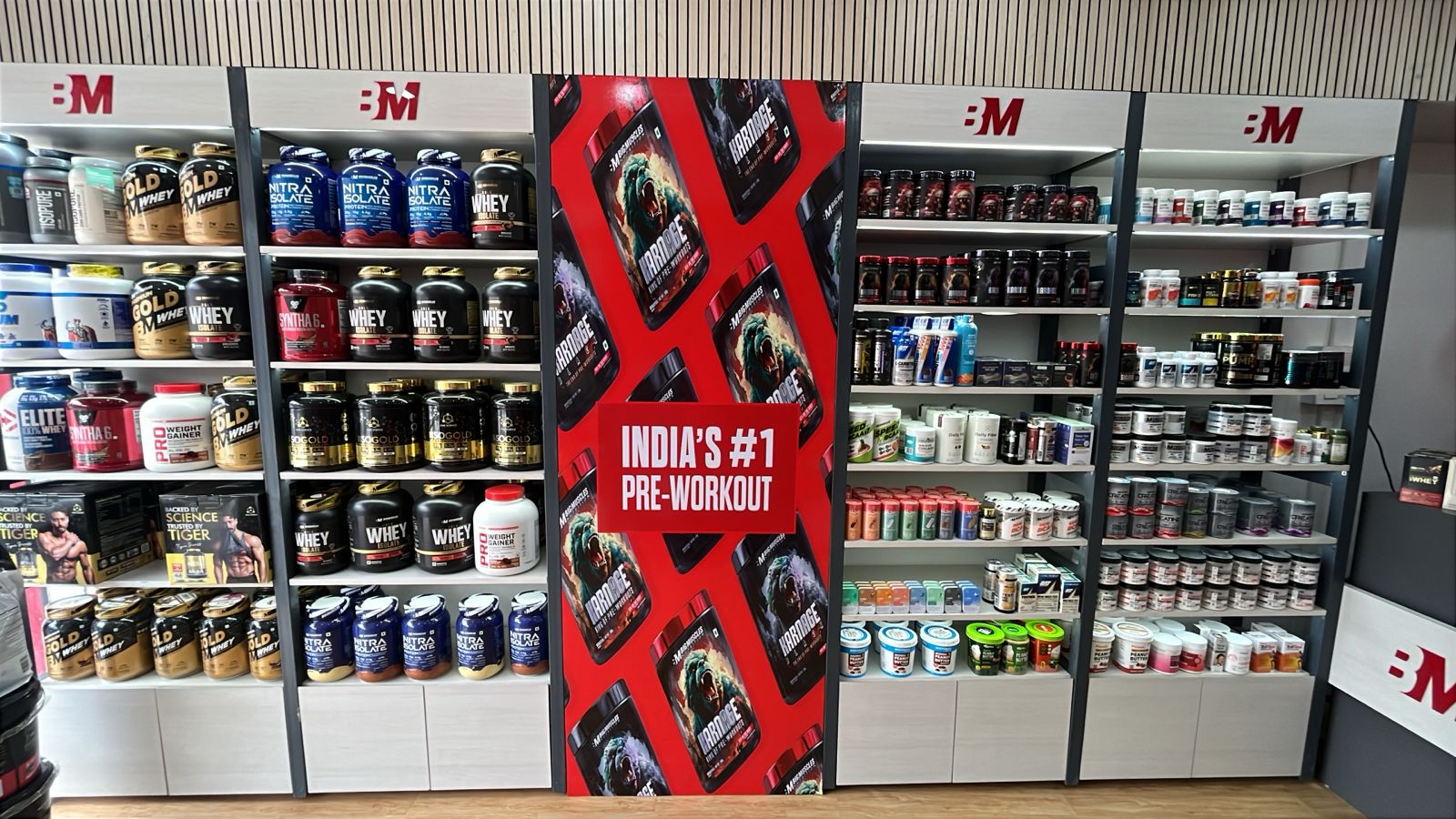
Zirakpur, Punjab, Aug 10: BigMuscles Nutrition, one of India’s leading sports nutrition brands, has strengthened its retail presence with the launch of its newest experiential store in Zirakpur, Punjab. This milestone marks the beginning of Phase 2 of the brand’s retail expansion journey, following the successful establishment of 20 experiential stores across North India, further reinforcing its commitment to making trusted sports nutrition more accessible to consumers.
Strategically located at Singhpura Chowk, Zirakpur, the new 300 sq. ft. store has been designed as an experiential destination where consumers can discover, understand, and experience the brand’s comprehensive portfolio of sports nutrition products. Moving beyond the traditional retail format, the store offers personalised product guidance from trained experts alongside live sampling opportunities, allowing fitness enthusiasts to experience proteins, pre-workouts, BCAAs, and other nutritional supplements before making a purchase.
The new store showcases BigMuscles Nutrition‘s extensive portfolio of sports nutrition products, catering to a wide spectrum of fitness goals ranging from muscle building and strength enhancement to endurance, recovery, and overall wellness. Complementing the in-store experience, the brand will also conduct dedicated consumer engagement programmes across gyms within the surrounding catchment area through product sampling sessions and fitness-focused activations, enabling the brand to connect directly with local fitness communities.
Speaking on the launch, Jitika Gupta, Co-founder & CMO, BigMuscles Nutrition, said “At BigMuscles Nutrition, we believe that retail should be more than just a point of sale. It should be a destination where consumers can learn, experience, and make informed choices about their fitness journey. Our experiential store format allows us to engage directly with consumers, understand their nutritional needs, and build trust through expert guidance and product trials. The launch of our Zirakpur store marks the beginning of the next phase of our retail expansion, and we remain committed to strengthening our presence across underserved markets while making high quality sports nutrition more accessible across India.”
Yogesh Garg, Retail Manager, BigMuscles Nutrition, added, “Our experiential stores are designed to bring consumers closer to the brand by creating a more interactive and personalised shopping experience. At the Zirakpur store, customers can receive expert guidance based on their individual fitness goals, explore our complete product portfolio, and try products through live sampling before making a purchase. We look forward to building a strong fitness community in the region and becoming a trusted destination for sports nutrition.”
Building on the success of its first 20 experiential stores, the brand has now commenced Phase 2 of its retail expansion strategy. The company plans to further strengthen its presence across underserved cities in North India while expanding into Rajasthan and key South Indian markets, including Bengaluru, Hyderabad, and Chennai. Through its decentralised retail-led growth strategy, supported by omnichannel consumer engagement, the brand aims to build one of India’s most trusted and accessible sports nutrition retail networks.
Located at Singhpura Chowk, Zirakpur, Punjab, the store invites fitness enthusiasts and consumers to experience BigMuscles Nutrition‘s complete range of sports nutrition products in an immersive retail environment designed to support every stage of their fitness journey.
- 0
- By Neel Achary

10, Aug 2026
Researchers achieve long-lasting and renewable chemical production with photosynthetic microorganisms
Aug 08: Finnish researchers have taken an important step toward long-lasting production of renewable chemicals and fuels using photosynthetic microorganisms. By entrapping cyanobacteria engineered for ethylene production in thin nanocellulose films, the researchers enabled sustained ethylene production for more than four months and generated approximately twice as much ethylene as comparable suspension cultures.
Photosynthetic microorganisms can use light energy to convert carbon dioxide into useful compounds under mild, environmentally compatible conditions. However, many current photosynthetic production systems rely on cells growing freely in large volumes of liquid. This creates a substantial demand for water and requires extensive mixing to keep the cells evenly distributed and exposed to light, increasing the resource and energy requirements of the process.
“For practical chemical production, photosynthetic microorganisms need to function not only as growing cultures, but as stable and long-lived biocatalysts,” says Senior Research Fellow Sergey Kosourov from the University of Turku in Finland. “One major limitation of suspension cultures is self-shading: cells near the light source block light from reaching cells deeper in the culture. This reduces the efficiency of light use and creates challenges when scaling the technology toward industrial applications.”
To address these limitations, the researchers entrapped the engineered cyanobacteria within specifically designed nanocellulose films. The nanocellulose scaffold, developed by researchers at VTT Technical Research Centre of Finland, provides a supportive environment for the living cells. These films act as living biohybrid catalysts in which the cells perform photosynthesis and produce the target chemical from atmospheric carbon dioxide, while the surrounding material maintains hydration, supports cell fitness, and facilitates light penetration.
“The important advance is that we are combining engineered photosynthetic cells with supporting materials to create functional living systems for chemical production. This biohybrid approach combines the natural abilities of the cells with the controllable properties of the surrounding material. Entrapping the cells within the matrix restricts cell division and excessive biomass accumulation, allowing more of the captured carbon and energy to be directed toward the desired product,” says Professor Yagut Allahverdiyeva-Rinne, leader of the Photosynthetic Microbes research group at the University of Turku.
Living films sustained photosynthetic production for more than four months
The nanocellulose films containing ethylene-producing cyanobacteria were tested in a continuous-flow biofilm reactor, where they remained moist while exposed to the reactor headspace. This configuration facilitated the release and collection of ethylene from the films. Under these conditions, the cyanobacterial films remained productive for more than four months and generated up to approximately twice as much ethylene as comparable suspension cultures.
“Most studies of photosynthetic bioproduction focus on the highest production rate achieved over a relatively short period,” says Sergey Kosourov. “For practical applications, however, it is equally important to know whether the cells can remain productive for weeks or months and function as long-lived biocatalysts.”
The researchers also evaluated the biodegradability of the nanocellulose formulations and confirmed that the matrices could be broken down after the production phase. This finding supports the further development of biodegradable and potentially recyclable materials for photosynthetic production.
Engineering biocatalytic architecture to improve light use
The ethylene study focuses on long-term operation, but it forms part of a broader research programme at the University of Turku to develop effective living photosynthetic catalysts. In an earlier study, the team demonstrated that engineered living materials can be organized in innovative ways to improve light utilization. By layering cells with smaller light-harvesting “antennae” above cells with larger antennae, the researchers distributed light more evenly throughout the biocatalyst, substantially increasing light-to-product conversion efficiency.
“Together, these studies show that the biocatalysts can be designed for both long-term operation and more efficient light use. By engineering the photosynthetic cells and controlling their spatial organization within the biocatalytic architecture, we can improve light management and address limitations that are difficult to overcome in suspension cultures,” Kosourov explains.
The technology is still at the laboratory stage, and further work is needed to increase productivity, improve product recovery, and scale the platform to larger reactors suitable for pilot-scale operation.
“Our next challenge is to translate the performance of small laboratory films into larger, reliable production systems. This requires us to engineer the cells, materials, and reactors together so that light, water, and carbon dioxide are distributed efficiently at larger scales. If successful, this platform could support a new generation of low energy biohybrid technologies for the production of renewable chemicals and fuels,” says Professor Yagut Allahverdiyeva-Rinne.
Together, these efforts aim to move biohybrid photosynthetic materials from laboratory demonstrations toward practical solar-driven biomanufacturing.
The new study was published in Trends in Biotechnology on 2 July 2026.
|
|
10, Aug 2026
New ReSound Sensia™ hearing aids lift the voice you want to hear – not just the loudest
Automatically, accurately, proven.
BALLERUP, Denmark, Aug. 10, 2026 /PRNewswire/ — GN, a global leader in hearing technology, announces ReSound Sensia™, a new family of premium hearing aids built on the company’s new AI platform. ReSound Sensia combines the world’s most accurate environmental classifier, an advanced 4-microphone directional beamformer and Deep Neural Network (DNN) noise reduction to automatically lift the speech the user wants to focus on. This powerful combination of technologies has been proven to tackle hearing in noisy environments by world-renowned institutions and by users in real-world scenarios.

“Hearing aids that use DNN noise reduction can suppress background noise, but most do so without reference to what the listener actually wants to hear,” said Peter Justesen, President, GN’s Hearing division. “In practice, this means the loudest voice in the environment is amplified, even though it is often not the one the user is trying to follow. ReSound Sensia highlights the speech people want to focus on. This is made possible with a new AI platform in combination with a trio of leading technologies that work with the brain to deliver clarity.”
ReSound Sensia, the world’s smallest AI hearing aid1 is powered by GN’s new AI platform and introduces Intelligent All-Around an innovative approach to sound processing. At the heart of the Intelligent All-Around feature, AcoustIQ™ accurately classifies the sound environment in real time, with 88% greater accuracy in classification and feature engagement than the closest premium solution.2 This ensures features are activated at the moment when they are needed, ensuring the hearing aid user receives the greatest hearing benefit in that environment. AcoustIQ orchestrates ReSound Sensia’s leading 4-microphone beamforming technology that allows users to focus on what they want to hear by simply facing the speech source, together with a new DNN denoising approach that automatically helps lift conversations.
“We’ve taken a user-centred approach with ReSound Sensia, building in multiple technical innovations that are orchestrated by AcoustIQ, which accurately classifies the listening environment and activates each feature when the user needs it,” added Laurel Christensen, Ph.D., Chief Audiology Officer at GN. “ReSound Sensia can be trusted to engage the features that best improve hearing in noise when they are needed while not making the decision of what to hear for the listener. For HCPs this automatic engagement translates into practice outcomes as performance in difficult environments no longer depends on the patient remembering to change programs.”
Designed to work with Cochlear™ sound processors
GN is also introducing ReSound Sensia™ Bimodal and ReSound Enzo™ IA Bimodal, designed to work with Cochlear® Nucleus® sound processors to support integrated performance, reliable connectivity and a seamless bimodal hearing experience. This latest step in GN’s collaboration with Cochlear through the Smart Hearing Alliance reflects the shared dedication to the journey and commitment to delivering state-of-the-art bimodal solutions.
The ReSound Sensia range and the equivalent Beltone Illuminate family will be available in the US, Germany, and Austria on August 20, with more markets to follow in the coming months.
Read the full announcement at https://www.gn.com/Newsroom/News#!#2026%7CEnglish%7CPressRelease.
References
- GN Proprietary data on file (2026)
- Groth & Cui (2026)

 View original content to download multimedia:https://www.prnewswire.co.uk/news-releases/new-resound-sensia-hearing-aids-lift-the-voice-you-want-to-hear–not-just-the-loudest-302846417.html

10, Aug 2026
FatakPay Unveils Next Phase of Growth as India’s Financial Super App, Onboards Vaani Kapoor as Brand Ambassador
FatakPay’s integrated brand campaign begins its Financial Super App journey, introducing a new brand narrative backed by a comprehensive 360-degree ATL, BTL and digital rollout.
MUMBAI, India, Aug. 10, 2026 /PRNewswire/ — FatakPay today announced the next phase of its growth journey with its evolution into a Financial Super App, marking a strategic expansion beyond instant credit into a broader ecosystem of financial solutions. As part of this transformation, the company has launched its largest integrated brand campaign to date and onboarded actor Vaani Kapoor as its brand ambassador to bring the new positioning to life.
Conceived as a year-long integrated campaign, the initiative will unfold through multiple chapters that progressively introduce consumers to FatakPay’s expanding financial ecosystem. The campaign begins with a strategic focus on higher-ticket personal loans of up to ₹5 lakh for India’s aspirational middle class, with subsequent chapters expanding the brand story as FatakPay introduces consumers to its broader Financial Super App ecosystem.
Speaking about FatakPay’s next phase of growth, Abhishek Gandhi, Co-founder and Chief Business Officer, FatakPay said, “FatakPay was founded on the belief that every Indian deserves access to financial solutions that help them move forward in life. While we began by addressing immediate credit needs, our vision has always been to build a broader financial ecosystem that supports consumers at every stage of their financial journey. Today, we are bringing that vision to life through a Financial Super App that combines borrowing, protection, credit-building and wealth creation on a single platform. This campaign marks the beginning of that journey, introducing consumers to the wider role FatakPay is set to play in their financial lives.”
The campaign opens with an intrigue-led digital rollout before culminating in the launch of the campaign film, where the mystery is finally revealed. Challenging conventional perceptions around borrowing, the film reinforces the idea that responsible borrowing can be an enabler of life’s aspirations. It introduces FatakPay’s expanded personal loan offering while setting the stage for the brand’s broader transformation into a Financial Super App.
Commenting on the campaign, Ashwin Shetty, Head of Branding and Communications, FatakPay, added, “Every brand reaches a point where it needs to reshape consumer perception, and this campaign marks that moment for FatakPay. As our business evolves, we wanted our communication to evolve alongside it. Rather than introducing this shift through a conventional product campaign, we chose to spark curiosity first and let the story unfold organically. Vaani Kapoor’s relatability and strong connect with aspirational India made her the ideal choice to bring this narrative to life while opening conversations around responsible borrowing.”
Marking one of FatakPay’s most ambitious go-to-market initiatives to date, the campaign will be amplified through a comprehensive 360-degree marketing strategy spanning ATL, BTL and digital activations, including OTT, social media, outdoor advertising, influencer collaborations and hyperlocal outreach.
With more than 5 crore customer applications, 3 crore app downloads, and over 25 lakh new users onboarded every month, FatakPay continues to expand access to digital financial services across India. More than 65% of its users come from Tier 2 and Tier 3 markets, reflecting the growing demand for accessible financial solutions beyond India’s largest cities.
Campaign Credits
Campaign Film: https://youtu.be/Ihldgv4M6u0?si=uwYV2v4My-Uv42ln
Vaani Kapoor IG: https://www.instagram.com/reel/DbXXeuuNBbK/?igsh=MWU3ZmQ1Mm10cjQ2NA%3D%3D
Brand: FatakPay
Brand Ambassador: Vaani Kapoor
Creative & Strategy: FatakPay Branding & Communications Team
Creative & Talent Partner: Tring (B D Innoventures Ltd.)
Media Agencies: To be confirmed
About FatakPay:
FatakPay is a Mumbai-based fintech platform focused on enabling instant, accessible financial solutions for underserved and emerging India. Through its suite of offerings, including instant loans, insurance, investments, and credit improvement tools, FatakPay aims to simplify and expand access to formal finance. Operating through its subsidiaries, FDPL Finance Pvt. Ltd. (an NBFC registered with the Reserve Bank of India) and FatakSecure (an insurance platform aligned with Insurance Regulatory and Development Authority of India guidelines), the company offers products ranging from instant loans of up to ₹20,000 and personal loans of up to ₹5 lakh, to affordable insurance solutions including cancer and accidental coverage. Its ecosystem also includes credit-building tools like FatakUdaan, along with digital investment options such as gold and silver. Founded by Ajit Kumar and Abhishek Gandhi (co-founders of RupeeCircle), along with Amit Lodha and Amit Goyal, FatakPay is committed to building a financially resilient India by empowering users with simple, transparent, and reliable financial solutions.
 View original content:https://www.prnewswire.com/in/news-releases/fatakpay-unveils-next-phase-of-growth-as-indias-financial-super-app-onboards-vaani-kapoor-as-brand-ambassador-302846964.html

10, Aug 2026
Paradip Fish Finds Global Buyers as Odisha’s Indigenous Seafood Gains International Demand
Paradip, Aug. 10 (UDN): Odisha’s seafood industry is making waves in international markets, with indigenous marine fish varieties from Paradip increasingly finding buyers across the Middle East and Southeast Asia.

Representational Image
While Odisha has long been known for its prawn exports, local varieties such as Borei, Paniakhia and Kantia are now emerging as sought-after seafood products in overseas markets.
Among them, Borei fish, particularly its oily variety, has witnessed strong demand abroad. According to government data, around 8.568 million kg of Borei, also known as croaker fish, was exported from Paradip over the past eight years, highlighting the growing importance of the fish in the international seafood trade.
Local Fish, International Market
Fishermen and seafood exporters in Paradip say the demand for locally caught fish has expanded significantly in recent years.
Kambal P, a fisherman from Paradip, said several varieties of fish caught along the Odisha coast are now being shipped to foreign markets.
“Different varieties of fish are being exported to other countries. People here also consume these fish, while the growing overseas demand has opened up new opportunities for the local fishing community,” he said.
Seafood exporter Duryodhan Ray said Borei is exported in three varieties, with China and several Middle Eastern countries among the major destinations.
“Borei has a good market overseas. Apart from Borei, there is also strong demand for cuttlefish, jellyfish, ribbon fish and octopus,” he said.
Paradip Emerges as Key Seafood Hub
The Paradip Fish Harbour has steadily strengthened its position as one of India’s important fishing and seafood-export centres.
Over the last eight years, besides Borei, the harbour has handled exports of large quantities of ribbon fish, sole fish, Paniakhia and Kantia.
The seafood export basket from Paradip is also highly diverse. Marine products from around 81 species, including prawns, crabs, octopus, lobster and squid, have reached international markets.
Traditional Value Adds to Demand
Borei is valued not only as a food fish but also for its traditional uses. Its scales are reportedly used in the preparation of certain traditional soups, adding another dimension to its commercial value.
The growing international demand for Odisha’s indigenous marine fish could provide a significant boost to the state’s fishing communities, seafood processors and exporters.
With Paradip strengthening its role as a gateway for marine products, Odisha’s traditional coastal catch is increasingly finding a place on dining tables far beyond the state—and even beyond India.
10, Aug 2026
Axis Mutual Fund Launches Nifty Energy Index Fund and ETF NFOs to Tap India’s Evolving Energy Sector
Chennai, Aug 10: Axis Mutual Fund, one of India’s asset management companies, announces the launch of the Axis Nifty Energy Index Fund and Axis Nifty Energy ETF providing investors with a simple and transparent way to participate in India’s fast-evolving energy ecosystem. The Axis Nifty Energy Index Fund, one of the first funds in the Index category, opened on August 07, 2026 and closes on August 21, 2026. The Axis Nifty Energy ETF opens on August 12, 2026 and closes on August 21, 2026. The ETF will be listed on the exchange. Both schemes aim to provide returns, before expenses, that correspond to the performance of the Nifty Energy TRI, subject to tracking error.
Powering India’s Next Decade of Growth
India’s energy story is still in its early stages. Per capita electricity consumption in India remains significantly lower than many developed and emerging economies, highlighting the potential for long-term demand growth. At the same time, the country is witnessing a broad transformation across the energy value chain, spanning conventional energy sources, renewables, power generation, transmission infrastructure, energy equipment and emerging technologies.
The scale of this opportunity is reflected in the infrastructure being built to support future demand. India is projected to add over 580 GW of power generation capacity over the next decade, more than the capacity added in its history thus far. Renewable energy is expected to account for a significant share of this expansion, while investments in transmission networks, storage solutions, natural gas infrastructure and grid modernisation continue to accelerate.
Axis Nifty Energy Index Fund & Axis Nifty Energy ETF
The Axis Nifty Energy Index Fund and Axis Nifty Energy ETF seek to replicate the Nifty Energy TRI, providing investors with a simple and cost-efficient way to participate in India’s energy growth story. The funds offer diversified exposure across the energy value chain, including oil & gas, power generation, transmission & distribution, renewable energy, energy equipment, and related infrastructure.
Commenting on the launch, B. Gopkumar, MD & CEO, Axis AMC, said,
“Energy remains one of the most critical building blocks of economic progress. As India advances towards higher levels of industrialisation, urbanisation and digitalisation, demand across the energy ecosystem is expected to grow significantly. At the same time, the sector is undergoing a structural transformation led by renewable energy adoption, transmission expansion, energy security initiatives and technological innovation.”
He further added,
“With exposure spanning conventional energy, renewable energy, transmission infrastructure, utilities and energy-enabling businesses, the Axis Nifty Energy Index Fund & Axis Nifty Energy ETF offers investors a single-point solution to participate in a theme that is expected to remain central to India’s economic growth, industrial expansion and energy transition over the coming decades.”
The underlying index currently comprises up to 40 stocks selected from the Nifty 500 universe that are associated with the energy theme. Constituents are weighted based on free-float market capitalisation, while stock-level and industry-level caps are incorporated to prevent excessive concentration. No individual stock can have a weight of more than 10% and no industry can exceed 25% at the time of rebalancing, helping maintain diversification within the index.
The index is reconstituted and rebalanced semi-annually in March and September to ensure that it continues to reflect the evolving structure of India’s energy sector. This rules-based methodology allows investors to gain exposure to emerging opportunities across the energy landscape while maintaining transparency and consistency in portfolio construction
The funds are suitable for investors seeking to participate in India’s long-term energy growth story through a passive investment solution. By providing diversified exposure across the energy ecosystem, the Axis Nifty Energy Index Fund and Axis Energy ETF can serve as a thematic allocation within investors’ portfolios. The funds will be managed by Nandik Mallik and Rohit Gautam.
10, Aug 2026
ADNOC Gas Delivers Resilient Q2 Net Income, Takes FID on Major Growth Projects
Delivers net income of $665 million driven by domestic gas demand
Final Investment Decisions on Rich Gas Development project to drive 60% EBITDA growth by 2030
Successfully accelerating Habshan recovery to 85%, ahead of schedule
Quarterly dividend of $940 million approved, with progressive dividend policy reaffirmed
ABU DHABI, UAE, Aug. 10, 2026 /PRNewswire/ — ADNOC Gas plc and its subsidiaries (together referred to as “ADNOC Gas” or the “Company”) (ADX: ADNOCGAS) (ISIN: AEE01195A234) today announced its results for the second quarter of 2026, delivering net income of $665 million, above the guidance range of $400-600 million, despite exceptional external disruption during the period. The Company achieved a significant milestone in executing its long-term growth strategy by taking Final Investment Decisions (FIDs) and awarding engineering, procurement and construction (EPC) contracts for Phases 2 and 3 of its Rich Gas Development (RGD) Project (collectively, the “Contract Awards”).

Fatema Al Nuaimi, Chief Executive Officer of ADNOC Gas, said: “This is a defining moment for ADNOC Gas. With the final investment decision and contract awards for the Rich Gas Development Project, we are not only accelerating one of the world’s largest gas-processing growth programs – we are raising our ambition, targeting 60% EBITDA growth by 2030. These strategic investments will significantly expand our natural gas processing and export capacity, unlock lasting value for our shareholders, and position ADNOC Gas at the heart of the UAE’s energy future. Beyond their economic impact, they safeguard the nation’s energy security, power its industrial growth, and ensure we are ready to meet rising energy demand – at home and around the world.
At the same time, ADNOC Gas delivered resilient second-quarter net income above our guided range, despite a challenging operating environment, reflecting the strength of our business, the discipline of our execution, and the continued delivery of our long-term strategy.”
These investment decisions raise ADNOC Gas’ targeted EBITDA growth to 60%[1] by 2030 versus 2023 – an upgrade from the previously communicated target of more than 40% over 2023-2029. The upgrade reflects the long-term value creation of the Company’s project portfolio and its disciplined approach to capital allocation. ADNOC Gas now expects to invest approximately $28 billion between 2026 and 2030 to deliver this growth ambition.
ADNOC Gas has awarded $8.2 billion in EPC contracts for Phases 2 and 3 of the RGD project – $3.9 billion for Phase 2, to Wison Engineering, and $4.3 billion for Phase 3, to Tecnimont. These contracts build on Phase 1, announced in June 2025, which is expanding key processing units to increase throughput and improve operational efficiency, across multiple gas assets.
Phase 2, to be delivered by Wison Engineering, will add a new natural gas processing train at the Habshan facility, expanding ADNOC Gas’ natural gas processing capacity, enhancing operational flexibility, and supporting the UAE’s expanding downstream and petrochemical sectors. Phase 3, to be delivered by Tecnimont, will add a new natural gas liquids (NGL) fractionation train at Ruwais, increasing the recovery of higher-value liquids from rich natural gas for export, strengthening ADNOC Gas’ global customer portfolio.
Together with the $5 billion committed to Phase 1, the new awards bring total investment in the RGD project to $13.2 billion. It will benefit from higher associated gas volumes as ADNOC progresses towards its production capacity ambitions.
Delivering one of the industry’s largest gas growth programs
ADNOC Gas is executing one of the largest gas growth programs in the industry, spanning four megaprojects – Ruwais LNG, Maximizing Ethane Recovery and Monetization (MERAM), RGD and Estidama – which together are expected to generate $13.4 billion in In-Country Value (ICV), reinforcing the Company’s contribution to the UAE’s industrial development and economic diversification goals. The program continues to progress, with MERAM expected delivery in 2027 and Ruwais LNG and Estidama both advancing as planned. This growth is further underpinned by ADNOC’s continued investment across the gas value chain – including the recently announced Bab Gas Cap and Umm Shaif Gas Cap developments – which will bring more natural gas and associated gas liquids into ADNOC Gas’ integrated value chain, supporting additional feedstock, processing volumes, LNG exports and higher revenue streams.
Scaling AI and robotics across operations
ADNOC Gas is also scaling artificial intelligence and robotics – from aerial drones and four-legged inspection robots to tank-climbing crawlers – across its assets, with the potential to cut inspection costs by up to 75%, complete certain inspections up to 15 times faster and remove personnel from hazardous environments as it advances toward increasingly autonomous operations.
Results Overview
ADNOC Gas delivered net income of $665 million in Q2 2026 – above the upper end of the $400-600 million guidance range provided in the first quarter, reflecting strong operational performance in a challenging operating environment. This was supported by resilient margins in the domestic gas business.
Supported by its robust cash flow from operations, the Board has approved a quarterly dividend of $940 million, payable in September 2026, in line with the commitment to deliver annual dividend growth of 5% through 2030. ADNOC Gas remains the largest dividend payer on the ADX.
Habshan Complex Incidents
ADNOC Gas responded swiftly to the security-related incidents at the Habshan site on 3 and 8 April, prioritizing safety and minimizing disruptions to customers. The Company has concluded its technical assessment of the impact from these incidents and recovery has progressed ahead of schedule, with gas supply already restored to 85%, surpassing the year-end target set in May.
Q3 and Full-Year 2026 Outlook
Continued disruption to maritime movements through the Strait of Hormuz affected product liftings during the second quarter. Through proactive inventory, logistics and supply-chain management, ADNOC Gas worked closely with customers and partners to mitigate the impact of these disruptions, manage temporary constraints and fulfil commitments wherever possible.
For the third quarter, ADNOC Gas expects net income in the range of $600 to $800 million, based on the assumption that maritime routes through the Strait of Hormuz continue to be disrupted. Looking further ahead, if maritime operations are fully restored by the fourth quarter of 2026 and pricing realizations normalize, the Company expects full-year 2026 net income to range from $3.5 to $4 billion.
Cautionary note:
This announcement contains forward-looking statements concerning the financial condition, results of operations and businesses of ADNOC Gas. All statements other than statements of historical fact are, or may be deemed to be, forward-looking statements. Forward-looking statements are statements of future expectations that are based on management’s current expectations and assumptions and involve known and unknown risks and uncertainties (including, but not limited to, disruptions to maritime routes (including the Strait of Hormuz), geopolitical developments, fluctuations in commodity prices and product realizations, operational risks including those related to the Habshan complex, and the timing and execution of major capital projects) that could cause actual results, performance, or events to differ materially from those expressed or implied in these statements. ADNOC Gas does not undertake any obligation to publicly update or revise any forward-looking statement as a result of new information, future events, or other information. Results could differ materially from those stated, implied, or inferred from the forward-looking statements contained in this announcement. Readers should not place undue reliance on forward-looking statements.
About ADNOC Gas
ADNOC Gas, listed on the ADX (ADX: ADNOCGAS) (ISIN: AEE01195A234), is a world-class, large-scale integrated gas processing and sales company operating across the gas value chain, from receipt of feedstock from ADNOC through large, long-life operations for gas processing and fractionation to the sale of products to domestic and international customers. ADNOC Gas supplies approximately 60% of the UAE’s sales gas needs and supplies end-customers in over 20 countries. To find out more, visit: www.adnocgas.ae
(X) @ADNOCGas
For investor inquiries, please contact:
Richard Griffith
Vice President, Investor Relations
+971 (2) 6037445
ir@adnocgas.ae
For media inquiries, please contact:
Paloma Berenguer
Vice President, Corporate Communications
+971 (2) 6037444
media.adg@adnoc.ae
[1] Based on a Brent crude oil price of $70 per barrel

 View original content to download multimedia:https://www.prnewswire.co.uk/news-releases/adnoc-gas-delivers-resilient-q2-net-income-takes-fid-on-major-growth-projects-302846914.html

10, Aug 2026
Kotak Launches Hybrid Home Loan, Enables Customers to Lock Interest Rates for Up to 65 Months
Bengaluru, Aug 10: Buying a home is only the beginning of a customer’s financial journey. In the years that follow, families often manage interiors, education, savings and everyday expenses alongside the monthly EMI. Kotak Mahindra Bank today announced the launch of its Hybrid Home Loan, enabling customers to lock their home loan rate for 39, 52 or 65 months and plan these important early years with greater visibility.
Nakul Saxena, Head – Mortgages, Kotak Mahindra Bank, said, “A home loan can span decades and move through several interest-rate cycles. For many borrowers, every rate review raises the question of how the next change may affect their EMI or household budget. Families are also balancing important life expenses as income, priorities and financial commitments change over time. By allowing customers to lock their rate for up to 65 months, the Kotak Hybrid Home Loan creates a meaningful planning cushion during the early years of home ownership.”
How It Works
Customers can choose a fixed-rate period of 39, 52 or 65 months, during which their interest rate and EMI remain unchanged even if the Repo Rate rises. This gives them a defined window in which to plan household and life expenses. After the selected period, the loan automatically moves to a floating-rate structure linked to the Repo Rate plus a predefined spread disclosed at sanction.
The product is available as a Home Loan and Loan Against Property at a price comparable to the Bank’s floating-rate home loans, with no separate premium for choosing the hybrid structure.
Interest Savings Illustration
Illustration: 25-year tenure, 7.60% starting rate, 65–month fixed period and an assumed 125 basis point Repo Rate increase.
The illustration assumes home loans of ₹1 crore and ₹75 lakh with a 25-year tenure, a fixed interest rate of 7.60% for 65 months and a cumulative 125 basis point increase in the Repo Rate, from 5.25% to 6.50%, during that period. A Repo Rate of 6.50% is the highest recorded in the past decade. Actual savings will vary by customer. All loans are subject to Kotak Mahindra Bank’s credit and risk assessment policies and applicable terms and conditions.
Eligibility
The Hybrid Home Loan is available across India to eligible salaried and self-employed borrowers.
Key Features at a Glance:
- Fixed interest rate for 39, 52 or 65 months
- Protection from Repo-linked rate increases during the fixed tenure
- Predictable EMIs during the fixed-rate period
- No premium versus comparable floating-rate home loans
- Upfront disclosure of future spread
- Automatic transition to floating-rate structure after the fixed tenure
10, Aug 2026
Applications open for NMIMS MBA on 20th August 2026, across six campuses
~’Rise to Lead’ reflects NMIMS SBM’s commitment to developing future-ready leaders through academic excellence, industry engagement and experiential learning~
MUMBAI, India, Aug. 10, 2026 /PRNewswire/ — For more than 45 years, SVKM’s NMIMS School of Business Management (SBM) has focused on developing management professionals with strategic thinking, adaptability and the ability to create meaningful impact. As expectations from business professionals continue to evolve, SBM has strengthened its approach to management education through academic rigour, industry engagement and experiential learning. This commitment to fostering professionals’ growth and widening their responsibilities is reflected in ‘Rise to Lead’—a journey that enables aspiring professionals to develop robust leadership capabilities.
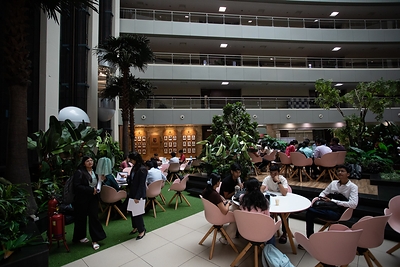
The NMIMS SBM learning experience combines academic excellence with practical exposure, enabling students to apply knowledge to real-world business challenges. Faculty, industry practitioners and experts contribute to curriculum development, executive interactions and live projects. The ecosystem is further enriched by AI-embedded learning and global academic pathways, offering students opportunities for international exposure through partnerships with universities in the UK and the US.
High-potential graduates and experienced professionals seeking to transform their potential into leadership capability can apply for the NMIMS MBA programme, with applications opening on 20 August 2026. The NMIMS School of Business Management (SBM) offers its flagship MBA programme across six campuses—Mumbai, Navi Mumbai, Bengaluru, Indore, Hyderabad and Ahmedabad. The Mumbai campus also offers specialised MBA programmes in Human Resources, Pharmaceutical Management, Business Analytics and Digital Transformation. Guided by the One NMIMS philosophy, students across campuses benefit from standardised curriculum, academic standards, quality infrastructure and an industry-oriented learning experience.
NMIMS MBA Application and Selection Process:
Stage 1: Steps to Apply for NMIMS MBA:
- Step 1: Visit https://nmat.nmims.edu , Fill Step-1 and submit.
- Step 2: Verify your email, complete your NMAT registration and pay the exam fee.
- Step 3: Re-visit https://nmat.nmims.edu and log in using the NMATbyGMAC ID & password
- Step 4: Complete the NMIMS application form, select the preferred programme(s), and pay the application fee.
Full details on eligibility, deadlines, and courses are available on the official website. Candidates are advised to complete both steps well within the deadline.
Stage 2: Competency test and Personal Interview by NMIMS
** The final merit list will be prepared based on NMAT score, personal interview, competency test, work experience and academic performance.

 View original content to download multimedia:https://www.prnewswire.com/in/news-releases/applications-open-for-nmims-mba-on-20th-august-2026-across-six-campuses-302846875.html

10, Aug 2026
Alpha AMC Unveils AIF Platform, a One-Stop Digital Destination for India’s AIF Ecosystem
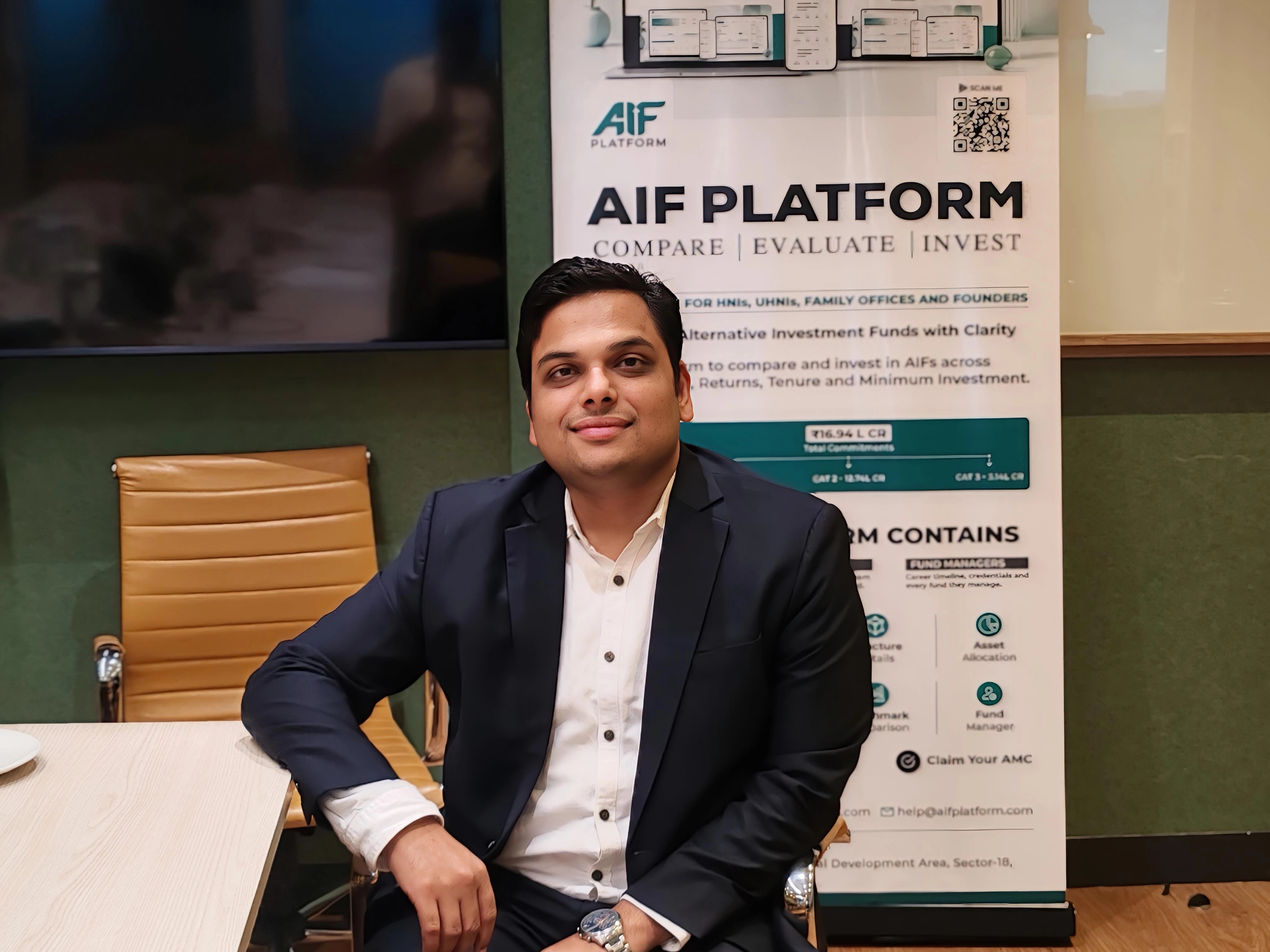
Mumbai, Aug 10: Alpha AMC, a SEBI-registered Category I Alternative Investment Fund launched an AIF Platform app, a comprehensive digital platform dedicated to India’s Alternative Investment Fund (AIF) ecosystem, to provide investors with structured, transparent, and easily accessible information on SEBI-registered Alternative Investment Funds.
Designed for HNIs, UHNIs, family offices, institutional investors, founders, and wealth professionals, the platform enables users to discover, compare, and evaluate Alternative Investment Funds through a standardized information framework. By bringing together fund information, manager profiles, research resources, and regulatory disclosures in one place as this AIF Platform aims to simplify the investment research process and help investors make more informed decisions.
As India’s alternative investment industry continues to expand, investors often navigate multiple documents and sources to evaluate funds. Alpha AMC AIF Platform addresses this challenge by consolidating key information into a single investor-friendly destination.
The platform enables users to compare AIFs across multiple parameters, including investment strategy, target returns, tenure, fees, risk profile, minimum investment, fund structure, and performance metrics. Investors can also access fund presentations, factsheets, Private Placement Memorandums (PPMs), regulatory disclosures, benchmark comparisons, asset allocation details, webinars, and educational research articles.
Beyond fund information, Alpha AMC AIF platform also provides dedicated profiles of Asset Management Companies (AMCs) and Fund Managers, offering greater visibility into the institutions and professionals responsible for managing investment strategies. To support the industry, the platform introduces its “Claim Your AMC” and “Claim Your Profile” features, allowing authorized representatives to verify their profiles, update fund information, and ensure investors have access to accurate and up-to-date information.
Sharing his excitement on the launch of the Alpha AMC AIF Platform app, Rajesh Singla, CEO, Alpha AMC, said, “We are delighted to introduce Alpha AMC AIF Platform, a first-of-its-kind initiative designed to simplify how investors discover and evaluate Alternative Investment Funds. As the AIF ecosystem continues to evolve, investors need access to reliable, standardized, and transparent information in one place. This platform bridges that gap by bringing together fund data, manager insights, research, and educational resources on a single digital destination. We believe AIF Platform will play a meaningful role in making alternative investments more accessible, informed, and transparent for all stakeholders.”
Organized in accordance with SEBI’s Category I, Category II and Category III AIF framework, the platform offers a standardized approach to exploring India’s growing alternative investment landscape while improving transparency and accessibility for all stakeholders. With a focus on information, comparison, and investor education, AIF Platform aims to become a trusted digital destination for India’s alternative investment ecosystem.