


10, Aug 2026
ADNOC Gas Delivers Resilient Q2 Net Income, Takes FID on Major Growth Projects
Delivers net income of $665 million driven by domestic gas demand
Final Investment Decisions on Rich Gas Development project to drive 60% EBITDA growth by 2030
Successfully accelerating Habshan recovery to 85%, ahead of schedule
Quarterly dividend of $940 million approved, with progressive dividend policy reaffirmed
ABU DHABI, UAE, Aug. 10, 2026 /PRNewswire/ — ADNOC Gas plc and its subsidiaries (together referred to as “ADNOC Gas” or the “Company”) (ADX: ADNOCGAS) (ISIN: AEE01195A234) today announced its results for the second quarter of 2026, delivering net income of $665 million, above the guidance range of $400-600 million, despite exceptional external disruption during the period. The Company achieved a significant milestone in executing its long-term growth strategy by taking Final Investment Decisions (FIDs) and awarding engineering, procurement and construction (EPC) contracts for Phases 2 and 3 of its Rich Gas Development (RGD) Project (collectively, the “Contract Awards”).

Fatema Al Nuaimi, Chief Executive Officer of ADNOC Gas, said: “This is a defining moment for ADNOC Gas. With the final investment decision and contract awards for the Rich Gas Development Project, we are not only accelerating one of the world’s largest gas-processing growth programs – we are raising our ambition, targeting 60% EBITDA growth by 2030. These strategic investments will significantly expand our natural gas processing and export capacity, unlock lasting value for our shareholders, and position ADNOC Gas at the heart of the UAE’s energy future. Beyond their economic impact, they safeguard the nation’s energy security, power its industrial growth, and ensure we are ready to meet rising energy demand – at home and around the world.
At the same time, ADNOC Gas delivered resilient second-quarter net income above our guided range, despite a challenging operating environment, reflecting the strength of our business, the discipline of our execution, and the continued delivery of our long-term strategy.”
These investment decisions raise ADNOC Gas’ targeted EBITDA growth to 60%[1] by 2030 versus 2023 – an upgrade from the previously communicated target of more than 40% over 2023-2029. The upgrade reflects the long-term value creation of the Company’s project portfolio and its disciplined approach to capital allocation. ADNOC Gas now expects to invest approximately $28 billion between 2026 and 2030 to deliver this growth ambition.
ADNOC Gas has awarded $8.2 billion in EPC contracts for Phases 2 and 3 of the RGD project – $3.9 billion for Phase 2, to Wison Engineering, and $4.3 billion for Phase 3, to Tecnimont. These contracts build on Phase 1, announced in June 2025, which is expanding key processing units to increase throughput and improve operational efficiency, across multiple gas assets.
Phase 2, to be delivered by Wison Engineering, will add a new natural gas processing train at the Habshan facility, expanding ADNOC Gas’ natural gas processing capacity, enhancing operational flexibility, and supporting the UAE’s expanding downstream and petrochemical sectors. Phase 3, to be delivered by Tecnimont, will add a new natural gas liquids (NGL) fractionation train at Ruwais, increasing the recovery of higher-value liquids from rich natural gas for export, strengthening ADNOC Gas’ global customer portfolio.
Together with the $5 billion committed to Phase 1, the new awards bring total investment in the RGD project to $13.2 billion. It will benefit from higher associated gas volumes as ADNOC progresses towards its production capacity ambitions.
Delivering one of the industry’s largest gas growth programs
ADNOC Gas is executing one of the largest gas growth programs in the industry, spanning four megaprojects – Ruwais LNG, Maximizing Ethane Recovery and Monetization (MERAM), RGD and Estidama – which together are expected to generate $13.4 billion in In-Country Value (ICV), reinforcing the Company’s contribution to the UAE’s industrial development and economic diversification goals. The program continues to progress, with MERAM expected delivery in 2027 and Ruwais LNG and Estidama both advancing as planned. This growth is further underpinned by ADNOC’s continued investment across the gas value chain – including the recently announced Bab Gas Cap and Umm Shaif Gas Cap developments – which will bring more natural gas and associated gas liquids into ADNOC Gas’ integrated value chain, supporting additional feedstock, processing volumes, LNG exports and higher revenue streams.
Scaling AI and robotics across operations
ADNOC Gas is also scaling artificial intelligence and robotics – from aerial drones and four-legged inspection robots to tank-climbing crawlers – across its assets, with the potential to cut inspection costs by up to 75%, complete certain inspections up to 15 times faster and remove personnel from hazardous environments as it advances toward increasingly autonomous operations.
Results Overview
ADNOC Gas delivered net income of $665 million in Q2 2026 – above the upper end of the $400-600 million guidance range provided in the first quarter, reflecting strong operational performance in a challenging operating environment. This was supported by resilient margins in the domestic gas business.
Supported by its robust cash flow from operations, the Board has approved a quarterly dividend of $940 million, payable in September 2026, in line with the commitment to deliver annual dividend growth of 5% through 2030. ADNOC Gas remains the largest dividend payer on the ADX.
Habshan Complex Incidents
ADNOC Gas responded swiftly to the security-related incidents at the Habshan site on 3 and 8 April, prioritizing safety and minimizing disruptions to customers. The Company has concluded its technical assessment of the impact from these incidents and recovery has progressed ahead of schedule, with gas supply already restored to 85%, surpassing the year-end target set in May.
Q3 and Full-Year 2026 Outlook
Continued disruption to maritime movements through the Strait of Hormuz affected product liftings during the second quarter. Through proactive inventory, logistics and supply-chain management, ADNOC Gas worked closely with customers and partners to mitigate the impact of these disruptions, manage temporary constraints and fulfil commitments wherever possible.
For the third quarter, ADNOC Gas expects net income in the range of $600 to $800 million, based on the assumption that maritime routes through the Strait of Hormuz continue to be disrupted. Looking further ahead, if maritime operations are fully restored by the fourth quarter of 2026 and pricing realizations normalize, the Company expects full-year 2026 net income to range from $3.5 to $4 billion.
Cautionary note:
This announcement contains forward-looking statements concerning the financial condition, results of operations and businesses of ADNOC Gas. All statements other than statements of historical fact are, or may be deemed to be, forward-looking statements. Forward-looking statements are statements of future expectations that are based on management’s current expectations and assumptions and involve known and unknown risks and uncertainties (including, but not limited to, disruptions to maritime routes (including the Strait of Hormuz), geopolitical developments, fluctuations in commodity prices and product realizations, operational risks including those related to the Habshan complex, and the timing and execution of major capital projects) that could cause actual results, performance, or events to differ materially from those expressed or implied in these statements. ADNOC Gas does not undertake any obligation to publicly update or revise any forward-looking statement as a result of new information, future events, or other information. Results could differ materially from those stated, implied, or inferred from the forward-looking statements contained in this announcement. Readers should not place undue reliance on forward-looking statements.
About ADNOC Gas
ADNOC Gas, listed on the ADX (ADX: ADNOCGAS) (ISIN: AEE01195A234), is a world-class, large-scale integrated gas processing and sales company operating across the gas value chain, from receipt of feedstock from ADNOC through large, long-life operations for gas processing and fractionation to the sale of products to domestic and international customers. ADNOC Gas supplies approximately 60% of the UAE’s sales gas needs and supplies end-customers in over 20 countries. To find out more, visit: www.adnocgas.ae
(X) @ADNOCGas
For investor inquiries, please contact:
Richard Griffith
Vice President, Investor Relations
+971 (2) 6037445
ir@adnocgas.ae
For media inquiries, please contact:
Paloma Berenguer
Vice President, Corporate Communications
+971 (2) 6037444
media.adg@adnoc.ae
[1] Based on a Brent crude oil price of $70 per barrel
 View original content to download multimedia:https://www.prnewswire.co.uk/news-releases/adnoc-gas-delivers-resilient-q2-net-income-takes-fid-on-major-growth-projects-302846914.html

- 0
- By Sai Krishna

10, Aug 2026
Kotak Launches Hybrid Home Loan, Enables Customers to Lock Interest Rates for Up to 65 Months
Bengaluru, Aug 10: Buying a home is only the beginning of a customer’s financial journey. In the years that follow, families often manage interiors, education, savings and everyday expenses alongside the monthly EMI. Kotak Mahindra Bank today announced the launch of its Hybrid Home Loan, enabling customers to lock their home loan rate for 39, 52 or 65 months and plan these important early years with greater visibility.
Nakul Saxena, Head – Mortgages, Kotak Mahindra Bank, said, “A home loan can span decades and move through several interest-rate cycles. For many borrowers, every rate review raises the question of how the next change may affect their EMI or household budget. Families are also balancing important life expenses as income, priorities and financial commitments change over time. By allowing customers to lock their rate for up to 65 months, the Kotak Hybrid Home Loan creates a meaningful planning cushion during the early years of home ownership.”
How It Works
Customers can choose a fixed-rate period of 39, 52 or 65 months, during which their interest rate and EMI remain unchanged even if the Repo Rate rises. This gives them a defined window in which to plan household and life expenses. After the selected period, the loan automatically moves to a floating-rate structure linked to the Repo Rate plus a predefined spread disclosed at sanction.
The product is available as a Home Loan and Loan Against Property at a price comparable to the Bank’s floating-rate home loans, with no separate premium for choosing the hybrid structure.
Interest Savings Illustration
Illustration: 25-year tenure, 7.60% starting rate, 65–month fixed period and an assumed 125 basis point Repo Rate increase.
The illustration assumes home loans of ₹1 crore and ₹75 lakh with a 25-year tenure, a fixed interest rate of 7.60% for 65 months and a cumulative 125 basis point increase in the Repo Rate, from 5.25% to 6.50%, during that period. A Repo Rate of 6.50% is the highest recorded in the past decade. Actual savings will vary by customer. All loans are subject to Kotak Mahindra Bank’s credit and risk assessment policies and applicable terms and conditions.
Eligibility
The Hybrid Home Loan is available across India to eligible salaried and self-employed borrowers.
Key Features at a Glance:
- Fixed interest rate for 39, 52 or 65 months
- Protection from Repo-linked rate increases during the fixed tenure
- Predictable EMIs during the fixed-rate period
- No premium versus comparable floating-rate home loans
- Upfront disclosure of future spread
- Automatic transition to floating-rate structure after the fixed tenure
10, Aug 2026
Applications open for NMIMS MBA on 20th August 2026, across six campuses
~’Rise to Lead’ reflects NMIMS SBM’s commitment to developing future-ready leaders through academic excellence, industry engagement and experiential learning~
MUMBAI, India, Aug. 10, 2026 /PRNewswire/ — For more than 45 years, SVKM’s NMIMS School of Business Management (SBM) has focused on developing management professionals with strategic thinking, adaptability and the ability to create meaningful impact. As expectations from business professionals continue to evolve, SBM has strengthened its approach to management education through academic rigour, industry engagement and experiential learning. This commitment to fostering professionals’ growth and widening their responsibilities is reflected in ‘Rise to Lead’—a journey that enables aspiring professionals to develop robust leadership capabilities.

The NMIMS SBM learning experience combines academic excellence with practical exposure, enabling students to apply knowledge to real-world business challenges. Faculty, industry practitioners and experts contribute to curriculum development, executive interactions and live projects. The ecosystem is further enriched by AI-embedded learning and global academic pathways, offering students opportunities for international exposure through partnerships with universities in the UK and the US.
High-potential graduates and experienced professionals seeking to transform their potential into leadership capability can apply for the NMIMS MBA programme, with applications opening on 20 August 2026. The NMIMS School of Business Management (SBM) offers its flagship MBA programme across six campuses—Mumbai, Navi Mumbai, Bengaluru, Indore, Hyderabad and Ahmedabad. The Mumbai campus also offers specialised MBA programmes in Human Resources, Pharmaceutical Management, Business Analytics and Digital Transformation. Guided by the One NMIMS philosophy, students across campuses benefit from standardised curriculum, academic standards, quality infrastructure and an industry-oriented learning experience.
NMIMS MBA Application and Selection Process:
Stage 1: Steps to Apply for NMIMS MBA:
- Step 1: Visit https://nmat.nmims.edu , Fill Step-1 and submit.
- Step 2: Verify your email, complete your NMAT registration and pay the exam fee.
- Step 3: Re-visit https://nmat.nmims.edu and log in using the NMATbyGMAC ID & password
- Step 4: Complete the NMIMS application form, select the preferred programme(s), and pay the application fee.
Full details on eligibility, deadlines, and courses are available on the official website. Candidates are advised to complete both steps well within the deadline.
Stage 2: Competency test and Personal Interview by NMIMS
** The final merit list will be prepared based on NMAT score, personal interview, competency test, work experience and academic performance.
 View original content to download multimedia:https://www.prnewswire.com/in/news-releases/applications-open-for-nmims-mba-on-20th-august-2026-across-six-campuses-302846875.html

10, Aug 2026
Alpha AMC Unveils AIF Platform, a One-Stop Digital Destination for India’s AIF Ecosystem
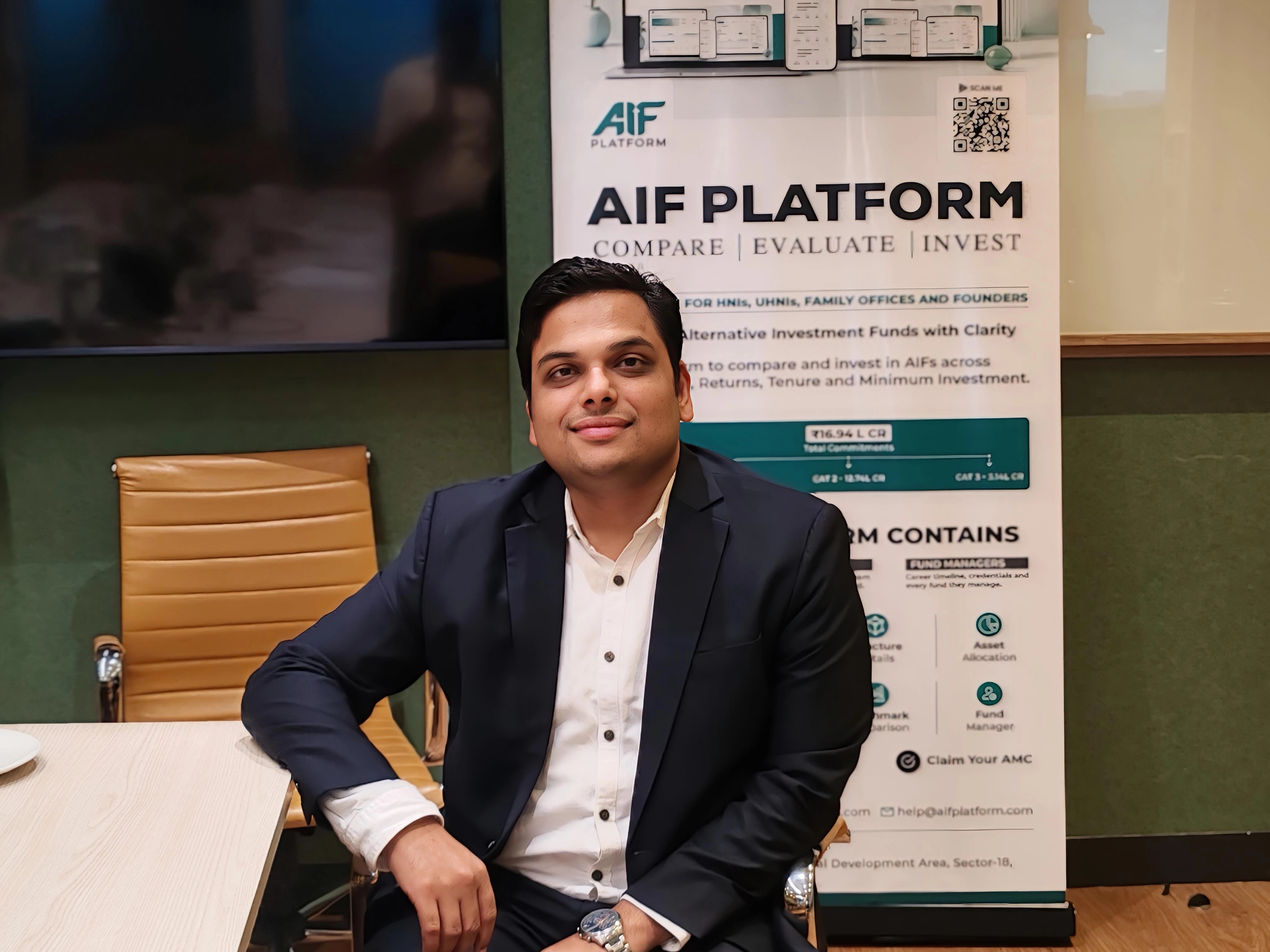
Mumbai, Aug 10: Alpha AMC, a SEBI-registered Category I Alternative Investment Fund launched an AIF Platform app, a comprehensive digital platform dedicated to India’s Alternative Investment Fund (AIF) ecosystem, to provide investors with structured, transparent, and easily accessible information on SEBI-registered Alternative Investment Funds.
Designed for HNIs, UHNIs, family offices, institutional investors, founders, and wealth professionals, the platform enables users to discover, compare, and evaluate Alternative Investment Funds through a standardized information framework. By bringing together fund information, manager profiles, research resources, and regulatory disclosures in one place as this AIF Platform aims to simplify the investment research process and help investors make more informed decisions.
As India’s alternative investment industry continues to expand, investors often navigate multiple documents and sources to evaluate funds. Alpha AMC AIF Platform addresses this challenge by consolidating key information into a single investor-friendly destination.
The platform enables users to compare AIFs across multiple parameters, including investment strategy, target returns, tenure, fees, risk profile, minimum investment, fund structure, and performance metrics. Investors can also access fund presentations, factsheets, Private Placement Memorandums (PPMs), regulatory disclosures, benchmark comparisons, asset allocation details, webinars, and educational research articles.
Beyond fund information, Alpha AMC AIF platform also provides dedicated profiles of Asset Management Companies (AMCs) and Fund Managers, offering greater visibility into the institutions and professionals responsible for managing investment strategies. To support the industry, the platform introduces its “Claim Your AMC” and “Claim Your Profile” features, allowing authorized representatives to verify their profiles, update fund information, and ensure investors have access to accurate and up-to-date information.
Sharing his excitement on the launch of the Alpha AMC AIF Platform app, Rajesh Singla, CEO, Alpha AMC, said, “We are delighted to introduce Alpha AMC AIF Platform, a first-of-its-kind initiative designed to simplify how investors discover and evaluate Alternative Investment Funds. As the AIF ecosystem continues to evolve, investors need access to reliable, standardized, and transparent information in one place. This platform bridges that gap by bringing together fund data, manager insights, research, and educational resources on a single digital destination. We believe AIF Platform will play a meaningful role in making alternative investments more accessible, informed, and transparent for all stakeholders.”
Organized in accordance with SEBI’s Category I, Category II and Category III AIF framework, the platform offers a standardized approach to exploring India’s growing alternative investment landscape while improving transparency and accessibility for all stakeholders. With a focus on information, comparison, and investor education, AIF Platform aims to become a trusted digital destination for India’s alternative investment ecosystem.
10, Aug 2026
Malaysia Aviation Group Strengthens Safety and Fitness-for-Duty Framework
KLIA, Aug 10 – Malaysia Aviation Group (MAG) is strengthening its safety and fitness-for-duty framework with enhanced drug screening measures across its airlines. As an immediate step, the Group has commenced mandatory drug screening for all Malaysia Airlines pilots and will conduct stricter screening for all active pilots, beyond industry practice. This swift response reflects the high level of concern with which MAG views the recent incident involving the detention of its pilot, as the Group maintains zero tolerance for any form of misconduct.
Captain Nasaruddin A. Bakar, President and Group Chief Executive Officer of MAG, said, “Operational safety and crew fitness for duty are non-negotiable at MAG. We take any breach of our safety standards seriously and have acted swiftly to enhance mandatory drug screening across our active pilots. While this isolated incident does not reflect the professionalism of the overwhelming majority of our employees, we will continue strengthening our safeguards to maintain the confidence of our passengers and stakeholders.”
Mandatory Pilot Drug Screening Underway
MAG has commenced the first phase of mandatory drug screening for all pilots across its airlines, beginning with all 1,260 Malaysia Airlines pilots. The screening is expected to be completed by 15 August 2026. Pilots who do not complete the screening by the stipulated date will not operate flights until they have been cleared in accordance with MAG’s procedures and regulatory requirements.
In addition, the Group will implement mandatory drug screening for all active pilots, complementing its existing random testing programme. The programme will subsequently be expanded to active cabin crew.
Detained Pilot Was Not Operating the Aircraft
MAG confirms that the individual concerned was a Second Officer travelling in the cockpit jump seat as an observer and was not the pilot flying the aircraft. The individual had also been off duty for two days preceding the incident. The aircraft was operated safely at all times by two qualified operating pilots. MAG views the actions of the individual as completely unacceptable and contrary to the professional standards expected of its personnel.
Existing Fitness-for-Duty Framework
The enhanced measures build on MAG’s existing fitness-for-duty framework, which includes pre-employment screening, Class 1 medical certification for pilots, recurrent training, periodic alcohol and drug testing, and mandatory pre-flight compliance checks covering licences, medical certification, training and recency requirements.
Before every flight, the set of operating pilots also complete the IMSAFER* assessment to evaluate each other’s physical and mental readiness for duty. This is complemented by Threat and Error Management (TEM) principles to identify and manage operational risks.
MAG also provides comprehensive wellbeing support through its Employee Assistance Programme (EAP) and the Malaysia Aviation Group Peer Support (MAPS) programme, a confidential, peer-led initiative that encourages early intervention and supports employee wellbeing.
MAG will continue working closely with aviation, enforcement and regulatory authorities to implement recommendations, strengthen preventive measures and ensure compliance with applicable regulatory requirements across its operations and the wider aviation ecosystem.
*IMSAFER is a pilot self-assessment checklist used before flight to evaluate fitness for duty. It stands for Illness, Medication, Stress, Alcohol, Fatigue, Emotion and Recency.
10, Aug 2026
Abhirath Sah Appointed General Manager of Le Méridien Mahabaleshwar Resort & Spa
Aug 10: Le Méridien Mahabaleshwar Resort & Spa welcomes Abhirath Sah as its new General Manager, bringing over 19 years of experience across hotel operations, sales, marketing, revenue management, and strategic leadership.

Abhirath brings a dynamic leadership journey across some of India’s leading hospitality brands, most recently serving as Director of Operations at Marriott Suites Pune. He previously spent nearly five years as Director of Sales & Marketing at JW Marriott Pune, with earlier leadership roles across The Westin Hyderabad, Sheraton Hyderabad, The Leela Palace Hotels & Resorts, Trident Chennai, Hyatt Hyderabad, and Carlson Hospitality Marketing India.
In his new role, Abhirath will lead the resort’s overall operations and strategic direction, with a focus on enhancing guest experiences, driving business performance, and strengthening Le Méridien Mahabaleshwar’s position as a leading hospitality destination.
With a diverse career spanning operations, sales, marketing and commercial leadership, Abhirath brings a well-rounded perspective to his new role, positioning him to lead the team and build on the resort’s strong foundation for continued growth.
“I am delighted to take on this new responsibility at Le Méridien Mahabaleshwar,” said Abhirath. “I look forward to working closely with the team to create memorable guest experiences, build on the property’s strengths, and drive sustainable growth.”
10, Aug 2026
TransNusa Launch High-Frequency, Twice-Daily Direct Flights Between Jakarta And Bangkok
TransNusa Strengthens ASEAN Footprint Via Strategic Partnerships
JAKARTA, Aug 10: TransNusa, the Asia-Pacific region’s pioneering Premium Service Carrier, has officially commenced its highly anticipated direct scheduled service connecting Jakarta, Indonesia, and Bangkok, Thailand. The inaugural flights took off today, injecting vital new capacity into one of Southeast Asia’s primary travel corridors with an unprecedented twice-daily flight schedule operating right from day one.
Datuk Bernard Francis, Group Chief Executive Officer of TransNusa, highlighted the strategic and economic importance of this event by saying, “Today’s launch of the Jakarta–Bangkok route represents a strategic move to meet the growing demand for leisure and business travel to Thailand from Indonesia.
“By launching with twice-daily services, we aim to provide greater flexibility for our customers while further strengthening connectivity, trade, and regional tourism ties between our two countries,” Datuk Bernard said, adding that the Jakarta–Bangkok route is historically one of the busiest in the region.
The new route marks a major milestone in TransNusa’s rapid international expansion, adding to its established network of regional routes including Kuala Lumpur, Singapore, Perth, and Guangzhou. Operating from Soekarno-Hatta International Airport to Suvarnabhumi Airport, the daily services are operated by the airline’s modern fleet of Airbus A320 aircraft.
Redefining Regional Travel: Day-One High Frequency & Premium Comfort
Breaking away from standard industry practices that conservatively scale new international routes with three to four weekly flights, TransNusa is entering the Indonesian-Thai market with an aggressive twice-daily scheduled flight operation. The dual morning and afternoon schedules have been engineered to cater to corporate executives, digital nomads, and leisure tourists seeking absolute itinerary flexibility without forcing overnight layovers or long transits.
Strengthening ASEAN Foothold
In addition to introducing new practices, TransNusa Airlines also took a major step forward to boost air connectivity and tourism between Indonesia and Thailand by signing a milestone Memorandum of Understanding (MoU) with the Tourism Authority of Thailand (TAT) on August 4. Datuk Francis signed the MoU alongside the Governor of the Tourism Authority of Thailand, Ms. Thapanee Kiatphaibool. This strategic partnership was also commemorated at the Indonesia–Thailand Business Forum in the presence of H.E. Anutin Charnvirakul, Prime Minister of the Kingdom of Thailand, underscoring its high-level economic and bilateral significance.
In other aviation news: Sydney Airport welcomed 9.96 million passengers in Q2 2026, with strong growth across Asian routes — led by Guangzhou (up 50.5%), Hong Kong and Kuala Lumpur — helping offset softer demand on Middle East-linked services to Europe, while CEO Scott Charlton said the diversity of the airport’s network “reinforces Sydney Airport’s role as Australia’s busiest international gateway” amid record first-half traffic of 20.7 million passengers.
STRENGTHENING ASEAN FOOTPRINT… H.E. Anutin Charnvirakul, Prime Minister of the Kingdom of Thailand commemorating the MoU signing with Datuk Francis and Ms. Thapanee Kiatphaibool
Commenting on the collaboration, Datuk Bernard Francis stated that the partnership represents a strategic step toward strengthening air connectivity while fostering tourism growth between the two nations.
“Thailand remains one of the most popular destinations for Indonesian travellers, and we see significant opportunities to further enhance accessibility and travel convenience through our expanding flight network,” Datuk Francis said.
“Through our collaboration with the TAT, we aim to introduce more promotional initiatives that encourage Indonesians to visit Thailand while delivering an easier, more comfortable, and more rewarding travel experience for our customers.” He said, adding that TransNusa was also confident that this partnership will further strengthen connectivity on the Jakarta–Bangkok and Bali–Phuket routes, while creating greater growth opportunities for tourism sectors in both countries.”
He added that the collaboration aligns with TransNusa’s commitment to continuously expand its international connectivity and support the growth of the ASEAN tourism industry through partnerships that deliver meaningful benefits for travellers.
Internationally Recognized Growth and Operational Success
This launch follows a period of historic growth and critical acclaim for the carrier. In May 2026, TransNusa made history by winning the prestigious “Top Airlines by Absolute Passenger Growth – Southeast Asia” award at the Changi Airline Awards 2026. Organised by Changi Airport Group, this accolade marked TransNusa as the first Indonesian airline to receive international validation for registering the highest passenger growth rate within Southeast Asia after just 17 months of operations at Singapore Changi Airport.
In addition, last month, TransNusa TransNusa signed its first historic MoU with the Singapore Tourism Board, strengthening connectivity between Singapore and Indonesia.
Further bolstering its market confidence, TransNusa has successfully built a robust commercial ecosystem, growing to secure 19 international scheduled routes within two years of its 2024 brand relaunch. The carrier has repeatedly demonstrated high operational reliability across its expanding international footprint, recently scaling its prominent Bali-Perth route up to a record 21 times weekly flights due to surging traveller trust. In less than 16 months, TransNusa has become the second airline with the largest number of flights for this route.
Ticket Pricing Structures
To celebrate the route’s launch, TransNusa is offering all-inclusive, one-way introductory fares starting from:
-
Indonesian Rupiah: 2,999,000
-
Thai Baht: 6,098.45
-
United States Dollar: 167.54
-
Singapore Dollar: 224.50
-
Australian Dollar: 252.99
Complete Daily Flight Schedules (Effective Today)
The twice-daily rotation provides ideal morning and evening options for passengers travelling in both directions. The first scheduled flight, 8B 381, will depart the Soekarno-Hatta International Airport in Jakarta at 08.20 and arrive at the Suvarnabhumi Airport in Bangkok at 11:45 while the second flight, 8B 385, departs Jakarta at 16.30 and arrives at Bangkok at 19.55.
The return flights from Bangkok, 8B 382 and 8B 386, will depart the Suvarnabhumi Airport at 12.30 and 20.40 respectively, arriving at Soekarno-Hatta International Airport in Jakarta at 15.55 and 00.05, respectively.
10, Aug 2026
STARTRADER Provides Update on Trustpilot Review Profiles
DUBAI, UAE, Aug. 10, 2026 /PRNewswire/ — STARTRADER is in ongoing discussions with Trustpilot about a proposed consolidation of its existing review profiles into a single listing. The matter remains under discussion, and no timeline for completion has been confirmed. STARTRADER confirms that the matter has no impact to date on its operations or client services.

As STARTRADER has expanded across multiple regions, separate Trustpilot profiles were established for different entities and markets over time. A single, consolidated profile would provide clients a clearer overarching view of STARTRADER’s customer feedback across regions.
Some clients may have noticed changes to STARTRADER’s Trustpilot presence, including to the displayed rating, review count, or review history. These changes are not related to the proposed consolidation exercise described above, or to STARTRADER’s trading platforms, products, or client support, all of which continue to operate as per normal.
STARTRADER will provide further updates as discussions with Trustpilot progress. Clients with questions in relation to this matter can reach out through STARTRADER’s client support channels.
About STARTRADER
STARTRADER is a global multi-asset broker empowering retail and institutional partners to access global markets through a range of platforms, including MetaTrader, STARTRADER APP, and STAR Copy. STARTRADER operates through entities licensed and regulated by authorities including CMA, ASIC, FSCA, FSA and FSC, combining strong governance with a client-first approach, serving both retail clients and partners with a commitment to transparency, reliability, and long-term growth.
 View original content to download multimedia:https://www.prnewswire.co.uk/news-releases/startrader-provides-update-on-trustpilot-review-profiles-302846832.html

10, Aug 2026
India’s Next Innovators Take Centre Stage at Vande Bharatam
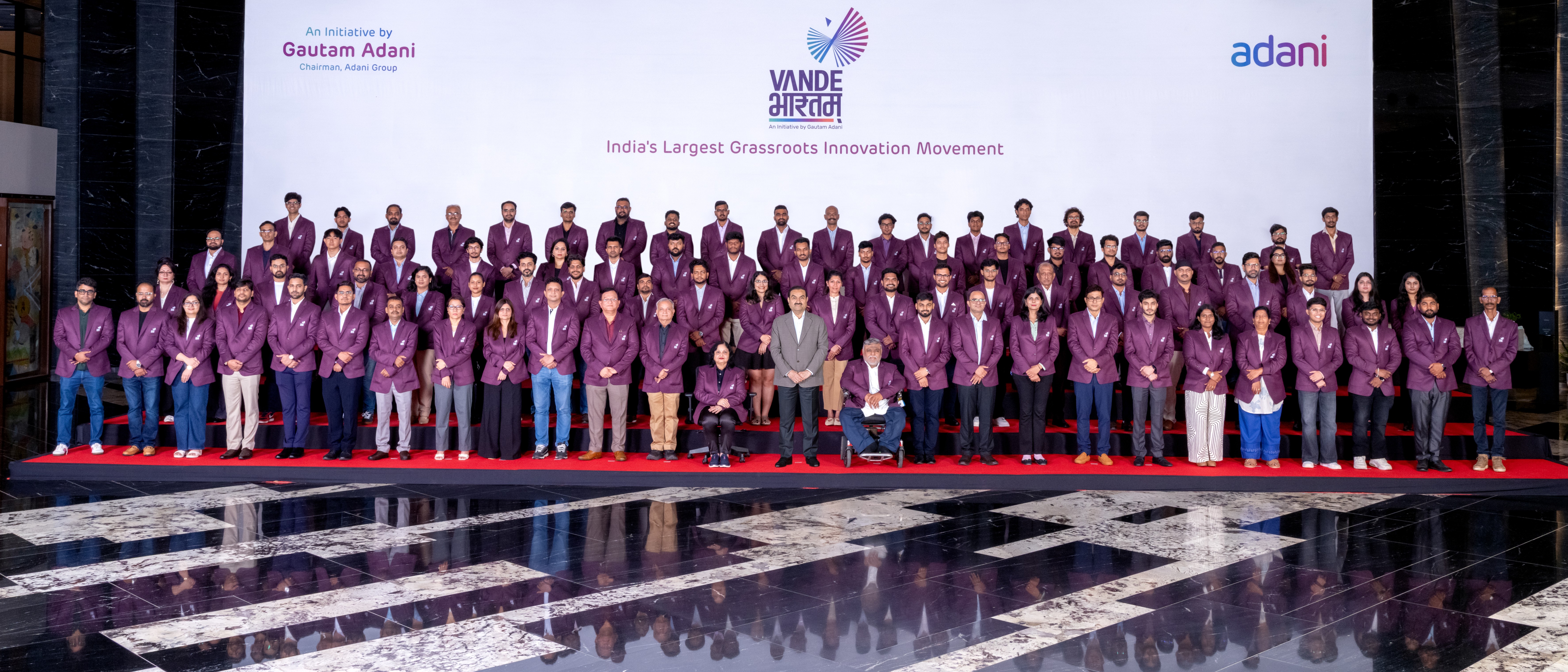
Ahmedabad, Aug 10: Vande Bharatam, the grassroots innovation and entrepreneurship initiative launched by Adani Group Chairman Mr Gautam Adani, has selected its inaugural cohort from more than 26,000 applications across India.
Vande Bharatam received applications from every State and Union Territory, with ideas spanning mobility, sustainability, technology, agriculture, defence, healthcare, manufacturing, education and other sectors. The cohort brings together innovators from varied regions, disciplines and backgrounds, united by the ambition to solve the nation’s problems, build nation-building enterprises and create nationwide impact.
Created on the premise that talent is everywhere, even when opportunity is not, Vande Bharatam aims to connect promising innovators with top mentors, industry leaders, visibility and opportunities, to turn ideas into meaningful enterprises. The initiative is built on Mr Adani’s deeply held belief in giving back to the country that gave him the opportunity to dream, build and grow, and in creating pathways for others to do the same.
Speaking on the launch of the first cohort, Mr Gautam Adani said: “When I look at these innovators, I see the possibilities of tomorrow’s Bharat. Talent has no city limits and opportunity should not have them either. Years from now, I hope we will look back at this first cohort and see among them the founders and innovators who went on to build enterprises that transformed Bharat. This is their initial chapter. And it is Vande Bharatam’s first chapter too.”
Selected through a multi-stage evaluation process, the first cohort will take part in Vande Bharatam Immersive Week, featuring mentorship sessions, interactions with business leaders, entrepreneurs and experts, and successive rounds of evaluation. The program will culminate in the Vande Bharatam Grand Finale on 14 August, where outstanding innovators will be recognised and presented with the Vande Bharatam Trophy.
Vande Bharatam is designed as more than a competition. Its longer-term ambition is to build a national platform that discovers ideas earlier and gives innovators beyond India’s traditional entrepreneurial centres access to people and institutions that can accelerate their journeys.
10, Aug 2026
Landis+Gyr Expands Edge Applications Ecosystem with Two New Digital Innovators to Power Next-Generation Intelligent Grid
Future Grid and OTS join Landis+Gyr’s open Edge ecosystem to accelerate real-time distribution grid intelligence and innovation across Australia.
SYDNEY, Aug. 10, 2026 /PRNewswire/ — Landis+Gyr (SIX: LAND) today expanded its Edge Application (App) Ecosystem in Australia, adding Future Grid and Operational Technology Solutions (OTS) as new partners. The additions strengthen Landis+Gyr’s open global ecosystem, bringing new edge applications to market that enhance real-time intelligence and network reliability.

Landis+Gyr’s Edge App Ecosystem is an open, scalable platform that brings the simplicity and speed of an app-driven model to utilities, enabling real-time optimisation at the grid edge.
As distributed energy resources (DER) adoption accelerates, utilities face unprecedented grid complexity and require real-time visibility to make faster, more informed operational decisions while maintaining reliability.
Landis+Gyr’s platform addresses this challenge by providing a shared foundation for edge intelligence, enabling utilities to extend operational capabilities through best-of-breed applications and analytics.
The ecosystem enables developers to deliver advanced analytics, operational optimisation and customer engagement applications within a secure, utility-grade environment, supporting predictive, data-driven decision-making.
Applications developed within Landis+Gyr’s Edge App ecosystem can be deployed across utilities using the company’s industry-leading Revelo® grid sensing platform, accelerating innovation and expanding intelligent grid capabilities at scale.
Landis+Gyr, Senior Vice President David Maclean, APAC said, “This is intelligent energy, delivered, empowering utilities to unlock greater value from data and build more resilient, future-ready networks.
Innovation at the edge should be simple, scalable, and impactful. Today, our Edge Apps Ecosystem enables utilities to rapidly adopt new applications and unlock AI-driven insights.
We are excited to welcome Future Grid and OTS to our global ecosystem, bringing a growing portfolio of applications to utilities and enabling real-time intelligence and innovation at the edge.”
New Partners Unlocking Next Generation Intelligent Insights
Future Grid is the leading SaaS platform that enables LV distribution networks to be managed seamlessly in real time – powered by advanced grid intelligence technology and AI-optimized analytics that transform massive quantities of data into a clear risk matrix of actions, used across globally by grid operators and utilities from compliance, field crews, grid planning to control rooms.
Operational Technology Solutions (OTS) brings deep expertise in data analytics, edge sensors, and real-time systems, enabling utilities to harness large-scale data, automate insights, and accelerate digital transformation. The company works with leading utilities to deliver advanced analytics capabilities that support the next generation of intelligent grid operations.
Future Grid and OTS join Landis+Gyr’s global ecosystem of application partners, including Sense, Mitsubishi Electric and more, bringing a growing portfolio of proven applications to utilities, ready to deploy and scale at the edge.
As the energy transition accelerates, Landis+Gyr continues to expand its intelligent ecosystem by working closely with utilities and partners to co-create edge solutions that are open and deliver real impact.
David Maclean added “The future of energy is collaborative, built on shared innovation, open platforms, and a collective commitment to shaping a more intelligent, connected, and resilient grid.”
About Landis+Gyr
Landis+Gyr is a global energy technology leader delivering intelligent solutions that connect devices, data, and decisions across the grid. Our mission is to accelerate the energy evolution through purposeful innovation and trusted partnerships. Trusted by more than 2,000 utilities worldwide, we transform traditional infrastructure into intelligent, networked systems that provide real-time grid visibility and control. With these insights, electric, gas and water utilities can anticipate demand, optimize operations, and deliver energy that is more reliable, resilient, accessible, safe, and sustainable. For more information, please visit our website www.landisgyr.com
 View original content to download multimedia:https://www.prnewswire.co.uk/news-releases/landisgyr-expands-edge-applications-ecosystem-with-two-new-digital-innovators-to-power-next-generation-intelligent-grid-302846630.html



