


21, Sep 2026
Baroda BNP Paribas Balanced Advantage fund crosses Rs 5000 crore AUM mark as it nears its 8th anniversary
Mumbai, September 21: Baroda BNP Paribas Balanced Advantage Fund has crossed the Rs 5,000 crore assets under management (AUM) milestone as it approaches its eighth anniversary, marking another milestone in the open-ended dynamic asset allocation fund‘s journey of wealth creation for investors.
The scheme has consistently outperformed its benchmark, the Nifty 50 Hybrid Composite 50:50 Index, over the one, three and five-year periods as well as since inception, buttressing its position as a core allocation to an investor’s portfolio (see table below).
|
Returns in CAGR % |
1 year |
3 years |
5 years |
Since inception |
|
Regular plan |
10.31 |
12.37 |
10.67 |
13.2 |
|
NIFTY 50 Hybrid Composite Debt 50:50 Index |
1.37 |
7.65 |
7.05 |
10.21 |
How has the fund created wealth?
A Rs 1 lakh investment made at the scheme’s inception would be worth Rs 2,62,961 as of end-August 2026. The fund has also delivered a 10.8% SIP return over one year and a 12.75% compounded annualised SIP return since inception, outperforming the benchmark returns over 1,3,5 years and since inception.
An investor who had started a Rs 10,000 monthly SIP from the scheme’s inception would have accumulated Rs 15.42 lakh as of end-August 2026.
How does the dynamic asset allocation strategy work?
The fund dynamically adjusts its net equity allocation between 30% and 100%, based on the fund’s multi factor asset allocation model. While this rebalancing would could result in tax liabilities if an individual were to do it in their portfolio, since the Baroda BNP Paribas Balanced Advantage fund adjusts the asset allocations in its portfolio directly, an individual investor’s tax liability crystalises only, when they redeem their investments.
Baroda BNP Paribas MF has developed a proprietary valuation model that assesses multiple valuation parameters to guide the fund managers on the relative allocation between net equity and debt. The fund managers of this open-ended hybrid fund, actively manage duration and exposure to sectors and market capitalisations to capture upside, protect downside and control risks.
Diversified portfolio across asset classes
As of end-August 2026, 80.6% of the scheme’s assets were invested in equity, the balance in debt, cash and other assets. The equity portfolio comprised 67.7% large-cap, 24.6% mid-cap and 7.7% small-cap stocks.
The debt portfolio focuses on capital preservation and income accrual, with 48.8% allocated to sovereign and highest-credit-rated instruments, 36.3% to cash and cash equivalents and 15% to high-safety-rated AA/AA+ instruments.
Jitendra Sriram, Kushant Arora and Neeraj Saxena manage the equity allocation of the scheme while Prashant Pimple manages the fixed income allocation.
Investors can start with a minimum lump-sum investment of Rs 5,000 or a monthly SIP of Rs 500. The scheme has no exit load for redemptions of less than 10% of the investment within one year.
A balanced approach to long-term investing
With its Rs 5,000 crore AUM milestone, a dynamic equity-debt allocation and diversified portfolio, Baroda BNP Paribas Balanced Advantage Fund offers investors a structured approach to navigating changing market valuations while participating in long-term equity wealth creation.
As the fund approaches its eighth anniversary, investors looking to build a core wealth creating portfolio with moderate long-term risk by combining equity growth potential with income generation from debt; and active risk management can consider the Balanced Advantage Fund as part of their medium to long-term investment strategy.
- 0
- By Neel Achary

21, Sep 2026
Huawei Releases an AIFW Technical White Paper to Facilitate Firewall Upgrade
SHANGHAI, Sept. 21, 2026 /PRNewswire/ — On September 17 at HUAWEI CONNECT 2026, Huawei released the Huawei AIFW Technical White Paper during the session themed “Solidifying Network Security Foundations to Safeguard Industrial Intelligence Implementation.” The White Paper systematically presents the architectural concept and key technologies of next-generation AI firewalls (AIFW) tailored for the AI era. Richard Wu, President of the Security Product Domain of Huawei’s Data Communication Product Line, and Jeff Wang, President of Huawei Cyber Security & Privacy Dept, jointly attended the launch ceremony.
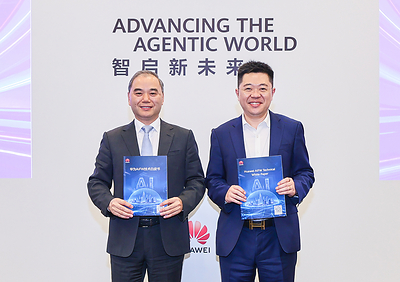
From Rule-Driven to Intent-Aware: Reshaping Security Defense Logic
As LLMs, AI agents, and compute clusters scale across industries, the cyber threat landscape is fundamentally shifting. Confronted with emerging risks like prompt injection, sensitive data leakage, and compute misuse, traditional rule-matching systems fall short due to delayed rule updates and limited semantic understanding.
According to the White Paper, AIFW integrates AI-native hardware, LLMs, and intelligence and security knowledge bases to shift defense focus from traffic protection to behavior governance. Leveraging full-spectrum awareness, semantic understanding, risk reasoning, and intent recognition, AIFW accurately pinpoints AI-specific risks such as DGA domains, prompt injection, and unauthorized content exfiltration. This marks a transition from rule-driven to intelligence-driven and from static policies to policy autonomy to protect AI computing centers, enterprise AI agents, and LLM operations.
AI-Native Hardware Foundation: Building Native Security Resilience with High Reliability
The White Paper details the AIFW’s native hardware architecture. Leveraging hardware-software synergy, performance across post-quantum cryptography, rule matching, and AI inference achieves order-of-magnitude improvements. Featuring 99.999% carrier-grade reliability, the product utilizes hardware decoupling, software isolation, and an engine-level root of trust to deliver robust survivability and rapid recovery. By preventing vulnerability exploitation and establishing native security immunity, it ensures uninterrupted core operations during extreme network attacks or failures.
Policy Autonomy and Intelligent Operations: Advancing Toward Human-Like Closed-Loop Defense
Addressing traditional security operation pain points—such as outdated rules, insufficient synergy, and complex management—AIFW achieves policy autonomy through unified security semantics and intelligent reasoning. The AIFW automatically identifies and remediates policy gaps and dynamically optimizes policies alongside service shifts. This establishes a human-like closed loop across awareness, decision-making, and response, significantly easing the operational burden on enterprises.
Moving forward, Huawei will continue collaborating with customers and partners to build an intelligent, efficient, autonomous, and trustworthy next-generation network security ecosystem.
 View original content to download multimedia:https://www.prnewswire.com/in/news-releases/huawei-releases-an-aifw-technical-white-paper-to-facilitate-firewall-upgrade-302884454.html

21, Sep 2026
AVIXA Signs MoU with SNDT Women’s University to Bridge Industry-Academia Gap and Empower Women in India’s Growing AV Sector
This Collaboration Supports Skills Development as India’s AV Market is Projected to Reach USD 14 Billion by 2030
MUMBAI, India, Sept. 21, 2026 /PRNewswire/ — AVIXA (Audiovisual and Integrated Experience Association) and SNDT Women’s University today signed a Memorandum of Understanding (MoU) to strengthen academic collaboration, by paving more opportunities for students to explore careers in the global audiovisual industry.
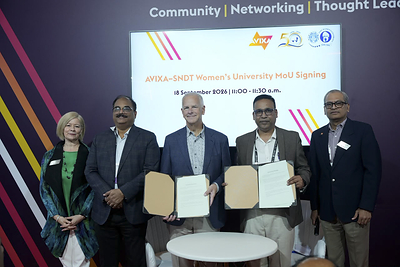
The partnership brings forth the initiatives taken by SNDT Women’s University on women’s education and empowerment, and with AVIXA’s global expertise this strategic collaboration will work towards imparting industry knowledge, emerging AV trends and practical learning opportunities to students. This agreement also provides a prospect to look at AV as more than just a technology-driven sector.
From designing immersive experiences and enabling hybrid collaboration to managing complex AV systems and shaping the future of digital experiences, the industry offers a wide range of career paths and possibilities.
This collaboration will help students explore initiatives across skill development, training, workshops, expert interactions, and knowledge exchange and industry exposure by providing placement opportunity with leading organizations in AV System Integration and Manufacturing, based in the region.
AVIXA and SNDTWU will also curate a curriculum to help students gain industry knowledge, organize mentorship programs, industrial visits, and hands-on training opportunities, with different educational events aligned with evolving industry requirements.
Speaking on the initiative, Dr. Sachin Laddha, Director – Innovation, Incubation and Linkages, SNDTWU, said: “Education becomes truly meaningful when students can connect with reality and keep a check what they learn in the classroom with the world outside it. We are glad to have this memorandum signed with AVIXA. More so, this initiative will help us create strong and greater opportunities for our students who aspire to further strengthen their career in the field of technology.”
AVIXA will also provide an ecosystem and equip our students to remain relevant as technology advances. This MoU also represents a shared commitment to building globally competitive talent from India, while creating greater visibility for the diverse career opportunities available within the AV industry.
Speaking on the collaboration, Pang Yee Loy, Senior Director, Asia Pacific at AVIXA, said, “The AV industry has evolved significantly over the years, creating new opportunities and career paths. We want young professionals to understand the possibilities within this dynamic industry and have access to the knowledge, skills and exposure that can help them prepare for the future. Our collaboration with SNDT Women’s University is a step toward strengthening the bridge between the classroom and the industry, while encouraging more women to look at AV not simply as a technology field, but as a space where they can innovate, create and build meaningful careers.”
The holistic approach will foster entrepreneurial thinking of the students. Additionally, SNDT Women’s University and AVIXA will collaborate in disseminating knowledge through publications, research outcomes, and innovation success stories to keep AV students updated with the ground knowledge.
About SNDT Women’s University
SNDT Women’s University, which is one of the public universities in Maharashtra, India, is the first women’s university in India as well as in South-East Asia. The University was founded by Maharshi Dr. Dhondo Keshav Karve in 1916 for the noble cause of women’s education. The first five women graduated in 1921 from this University. The University headquarters is at the Churchgate Campus, Mumbai, and the other three campuses of this University are at Juhu, Mumbai and Karve Road, Pune and Ballarpur, Chandrapur District of Maharashtra.
About AVIXA
AVIXA is the Audiovisual and Integrated Experience Association, producer of InfoComm trade shows around the world, co-owner of Integrated Systems Europe, and the international trade association representing the audiovisual industry. Established in 1939, AVIXA has more than 3,000 enterprise members representing over 20,000 AV professionals, including manufacturers, systems integrators, dealers and distributors, consultants, programmers, live events companies, technology managers, content producers, and multimedia professionals from more than 80 countries. AVIXA members create integrated AV experiences that deliver outcomes for end users. AVIXA is a hub for professional collaboration, information, and community, and is the leading resource for AV standards, certification, training, market intelligence, and thought leadership. Visit www.avixa.org.
 View original content to download multimedia:https://www.prnewswire.com/in/news-releases/avixa-signs-mou-with-sndt-womens-university-to-bridge-industry-academia-gap-and-empower-women-in-indias-growing-av-sector-302884483.html

21, Sep 2026
Deakin University GIFT City Campus Launches Master of Applied Artificial Intelligence (Professional) for Indian students
GANDHINAGAR, India, Sept. 21, 2026 /PRNewswire/ — Deakin University GIFT City Campus has announced the launch of its Master of Applied Artificial Intelligence (Professional), a new postgraduate programme designed to prepare the next generation of AI professionals, innovators and technology leaders in India for an increasingly AI-driven world.
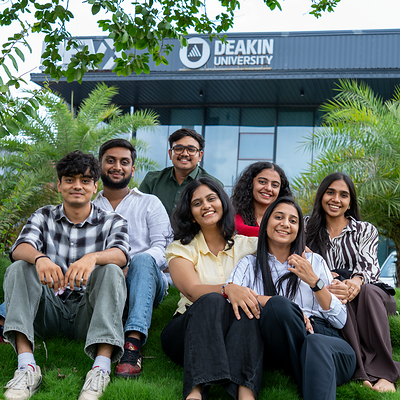
The programme will commence next year, with applications now open for the inaugural July 2027 intake. Delivered on campus and recognised at Australian Qualifications Framework (AQF) Level 9, the programme further strengthens Deakin’s commitment to building globally relevant, future-focused talent in India.
The launch also marks a significant milestone in the continued growth of Deakin’s GIFT City Campus and reflects the University’s focus on emerging fields reshaping industries, economies, and societies worldwide.
Bringing Global AI Expertise to GIFT City
The Master of Applied Artificial Intelligence (Professional) extends Deakin’s established academic expertise in artificial intelligence to students in India, providing access to the same academic and admissions framework as the University’s equivalent programme in Australia.
Students will develop advanced capabilities across a broad spectrum of AI disciplines, including machine learning, deep learning, AI engineering, natural language processing, computer vision, robotics, speech processing, reinforcement learning and human-aligned AI. The programme combines rigorous technical foundations with industry-focused learning and opportunities for professional practice, team-based projects and research.
Professionally accredited by the Australian Computer Society (ACS), the programme equips graduates with globally recognised credentials and practical skills relevant to contemporary industry needs.
Ravneet Pawha, Vice President (Global Engagement) and CEO South Asia, Deakin University, said, “As artificial intelligence reshapes industries and careers, Deakin is bringing world-class AI education to GIFT City to develop the specialised talent and expertise needed for the future global workforce. This programme reflects our long-term commitment to India and our belief in the country’s growing leadership in technology and innovation.”
Expanding Access to AI Careers
Applicants can be considered through two broad routes:
- Graduates with a bachelor’s degree or higher in a related discipline, including Information Technology and related fields; or
- Graduates from any discipline with at least two years of relevant work experience, or part-time equivalent, subject to Deakin’s admissions requirements.
This structure creates an opportunity not only for IT and computing graduates, but also for professionals from other academic backgrounds who have built relevant industry experience and are looking to develop specialist capabilities in AI.
Graduates of the programme will be prepared for opportunities spanning machine learning engineering, AI solutions development, AI architecture, natural language processing, AI product management, intelligent automation and AI-led innovation.
Prof. (Dr.) Deepak Bajaj, Academic and Campus Director, Deakin University GIFT City Campus, said, “AI is no longer a niche specialisation. It is becoming a foundational capability across business, technology and society. This programme combines advanced technical knowledge with practical application, preparing graduates to solve complex challenges and contribute meaningfully to the future of innovation. Its launch further strengthens Deakin GIFT City’s role in developing industry-ready talent for India and the global economy.”
The Master of Applied Artificial Intelligence (Professional) joins Deakin’s growing suite of postgraduate offerings at GIFT City, which includes the Master of Business Analytics and Master of Cyber Security (Professional).
Together, these programmes reflect Deakin’s strategic focus on disciplines at the intersection of technology, business, data, cybersecurity and digital transformation.
To ensure a high-quality student experience, the programme will commence with a limited intake, enabling strong academic engagement, industry connection and personalised learning opportunities.
Applications are now open for the July 2027 intake. To find out more about the programme, eligibility, application and more, please visit Deakin University GIFT City Campus Master of Applied Artificial Intelligence (Professional)
About Deakin University GIFT City Campus
Deakin University GIFT City Campus is Deakin University’s international campus in Gujarat and forms part of the University’s long-standing engagement with India. The campus delivers Deakin postgraduate degrees within GIFT City, combining Deakin’s international academic standards with the opportunities presented by India’s emerging international financial and technology ecosystem.
The campus currently offers postgraduate programmes in Business Analytics, Cyber Security and Applied Artificial Intelligence, with its programmes designed to respond to the evolving needs of students, employers and the Indian economy. To know more, please visit Deakin University GIFT City Campus India
 View original content to download multimedia:https://www.prnewswire.com/in/news-releases/deakin-university-gift-city-campus-launches-master-of-applied-artificial-intelligence-professional-for-indian-students-302884485.html

21, Sep 2026
Supporting PM Modi’s call, IIFL Finance’s Mayank Sharma believes recycling household gold is the fastest way to cut import bill
Opinion Piece by Mayank Sharma, President and Head, Gold Loans, IIFL Finance: Supporting the Prime Minister’s call through gold recycling, reuse and financialisation
MUMBAI, India, Sept. 21, 2026 /PRNewswire/ — India’s household gold stock, built over generations through weddings, inheritance and savings, holds the real answer to the country’s import dependence on the metal, according to Mayank Sharma, President and Head, Gold Loans, IIFL Finance, who said “circulation” rather than “abstinence” should be the guiding principle of the country’s gold economy.

Mayank Sharma, President and Head, Gold Loans, IIFL Finance said that Prime Minister Narendra Modi’s recent appeal to Indians to hold off on buying new gold for a year, framed as a measure to ease pressure on foreign exchange reserves, points to a more structural opportunity — recycling and reusing the gold Indians already own rather than importing more.
Gold remains India’s second-largest import item by value, a trend that puts pressure on the rupee, widens the current account deficit and consumes foreign exchange needed for other national priorities, Sharma said, adding that the country is estimated to hold tens of thousands of tonnes of gold in private hands, most of which does not currently circulate through the formal economy in an organised, transparent manner.
He noted that industry, rather than mandate, is beginning to drive this shift. A leading gold jeweller has said close to 80 per cent of its gold demand is now met through customers exchanging old stock, reflecting how deeply recycling has embedded itself in retail gold buying. A newer generation of buyers is also increasingly seeking clarity on the provenance of their gold, signalling that responsible sourcing is fast becoming a mainstream expectation rather than a niche concern.
The World Gold Council has separately argued at the policy level that responsible domestic mining, combined with organised recycling, can meaningfully cut India’s reliance on gold imports over time.
Sharma said that gold loans have emerged as one of the most efficient ways to keep gold liquid and productive without removing it from the economy. When a household pledges gold for credit instead of selling it, the gold stays within the country’s stock while the credit unlocked supports working capital for small businesses, medical emergencies, education or farm input costs, he said, adding that this model has become a particularly dependable bridge to credit for MSMEs that often lack formal collateral.
He also pointed to the financialisaton of gold through ETFs and digital gold products, which allow Indians to hold gold’s value without holding the physical metal, reducing physical import demand at the margin while preserving gold’s traditional role as a hedge and store of value.
Taken together — organised recycling, responsible sourcing, credit against existing stock and financialisaton — these trends point to a gold economy that draws more on India’s existing reserves than on fresh imports, Sharma said. He described this not as a call to stop buying gold but as a case for buying and using it differently, whether through exchanging old jewellery, borrowing against family gold instead of making a fresh purchase, or opting for digital gold.
While the Prime Minister’s appeal addressed a real and urgent macroeconomic concern, the more durable solution to India’s gold dependency lies in building the transparency, trust and infrastructure needed to treat the country’s existing gold stock as a national resource that can be recycled, financed and circulated for years to come, Sharma said.
About IIFL Finance Limited
IIFL Finance is one of India’s leading financial services companies, offering a comprehensive suite of products, including gold loans, business loans, home loans, microfinance, and other secured lending solutions. With a strong presence across urban and rural India, IIFL is committed to empowering individuals and businesses through accessible and affordable credit solutions.
Photo: https://mma.prnewswire.com/media/3009040/IIFL_Finance_Mayank_Sharma.jpg
 View original content:https://www.prnewswire.com/in/news-releases/supporting-pm-modis-call-iifl-finances-mayank-sharma-believes-recycling-household-gold-is-the-fastest-way-to-cut-import-bill-302884491.html

21, Sep 2026
Gwalior Telecom Manufacturing Zone Draws INR 5,500 Crore Investment Interest from 24 Firms
GWALIOR, September 21, 2026: Gwalior is emerging as a new destination for telecom equipment manufacturing, with 24 companies proposing investments of around ₹5,500 crore in the upcoming Telecom Manufacturing Zone (TMZ). The proposed investments are expected to create more than 18,000 direct and indirect employment opportunities, giving a significant push to the city’s industrial development.
The proposed manufacturing cluster is being positioned as a dedicated ecosystem for telecom equipment and components. Instead of relying on a single large project, the zone is expected to bring multiple manufacturers together, creating opportunities for suppliers, component makers, testing facilities and other supporting businesses.
The project is part of the Centre’s broader strategy to strengthen domestic telecom manufacturing and build more resilient technology supply chains. Increasing demand for 5G equipment, network infrastructure and emerging communication technologies has created opportunities for Indian manufacturers to expand both domestic production and export capabilities.
The first phase of the Gwalior project has identified approximately 170 acres of land for industrial development. Authorities are also examining the possibility of making additional land available as investor interest has grown beyond the initial capacity planned for the zone.
The investment proposals have followed a series of meetings between government authorities and potential investors. The Department of Telecommunications and the Madhya Pradesh government signed an agreement earlier this year to facilitate the development of the manufacturing zone, followed by investor outreach programmes in major business centres.
Investment interest from companies participating in these engagements has been divided across different phases. Proposals worth about ₹3,500 crore emerged from discussions in Delhi, while another ₹2,000 crore of proposed investment was generated through subsequent investor interactions in Mumbai.
The proposed zone is expected to benefit from a combination of government incentives and common infrastructure. Madhya Pradesh has outlined incentives relating to land, electricity, employment and production, while the telecom ministry has proposed shared testing infrastructure that could help manufacturers reduce the cost and time involved in product certification.
A proposed common testing laboratory package of around ₹500 crore is among the infrastructure initiatives being considered for the project. Such facilities could be particularly relevant for telecom manufacturers, where equipment and components must undergo technical and regulatory testing before entering commercial markets.
Connectivity is another factor supporting Gwalior’s industrial proposition. The city has established road and rail links with major markets in North India, while improvements in highway and airport infrastructure are expected to further support the movement of raw materials, finished products and industrial personnel.
The availability of engineering talent could also help the proposed cluster meet its workforce requirements. Gwalior and the surrounding region have a sizeable network of educational institutions, providing access to engineers and technically trained workers who could support manufacturing, product development, quality control and related operations.
For Madhya Pradesh, the project offers an opportunity to diversify Gwalior’s industrial base and attract technology-oriented manufacturing investments. For the telecom industry, the cluster could create a more integrated domestic supply chain by bringing equipment manufacturers and component suppliers closer together.
The development comes at a time when India is seeking to expand its role in global electronics and telecommunications manufacturing. Building local production capabilities can help companies serve India’s rapidly expanding digital infrastructure market while creating a base for exports to international markets.
The ₹5,500-crore investment proposals represent an initial commitment rather than completed investment, with companies still required to proceed through formal application, land-allocation and project-implementation stages. The eventual economic impact will depend on how quickly these proposals translate into operational facilities.
If implemented as planned, the Gwalior Telecom Manufacturing Zone could become a significant manufacturing cluster for the communications industry, combining production facilities, component suppliers, testing infrastructure, skilled manpower and logistics capabilities within a single ecosystem. The project could also add a new industrial dimension to Gwalior’s growing role in Madhya Pradesh’s technology and manufacturing economy.
21, Sep 2026
Microsoft Expands India Cloud Footprint with Fourth Region as AI Demand Accelerates
HYDERABAD, September 21, 2026: Microsoft has expanded its cloud infrastructure presence in India with the launch of its fourth cloud region, strengthening its focus on the country’s rapidly growing demand for artificial intelligence, cloud computing and data-intensive digital services.
The new India South Central cloud region in Hyderabad adds another major infrastructure hub to Microsoft’s India network, which already includes cloud regions in Mumbai, Pune and Chennai. The expansion comes at a time when Indian enterprises are increasing investments in generative AI, machine learning, data analytics and cloud-based applications.
The Hyderabad region has been developed to support demanding enterprise and AI workloads while providing high availability and resilience. Its infrastructure is designed to help organisations deploy applications that require substantial computing resources, secure data environments and reliable access to cloud services.
Microsoft’s latest investment highlights the growing importance of India in the global AI infrastructure landscape. As businesses move beyond experimental AI projects toward large-scale deployment, demand is rising for computing power, data storage, networking infrastructure and specialised cloud capabilities.
India’s expanding digital economy is also creating significant pressure for additional data-centre capacity. The country generates a substantial share of global digital data, while its existing data-centre infrastructure remains comparatively smaller. This gap is creating opportunities for hyperscale technology companies and data-centre operators to invest heavily in new capacity.
Microsoft has committed billions of dollars toward expanding its cloud and AI infrastructure in India. The company’s investment programme also includes initiatives focused on developing AI skills and strengthening the broader ecosystem needed to support widespread adoption of artificial intelligence.
The Hyderabad facility is particularly significant because of its emphasis on supporting next-generation workloads. AI applications require considerably greater computing capacity than many traditional enterprise applications, making the availability of specialised and scalable infrastructure increasingly important for companies seeking to deploy AI at scale.
Sustainability is another component of Microsoft’s infrastructure strategy. The company has indicated that the new Hyderabad cloud region will use effectively zero water for cooling, an approach aimed at reducing the environmental impact associated with large-scale data-centre operations.
Microsoft is also expanding its efforts to develop India’s AI talent pool. The company has announced an ambitious goal of providing AI skills to millions of people in India over the coming years, reflecting the growing recognition that infrastructure expansion must be accompanied by a workforce capable of using and developing advanced technologies.
The company’s move comes amid a broader wave of investment in India’s data-centre and AI ecosystem. Government programmes, private-sector capital and technology investments are collectively helping build the computing infrastructure required for applications ranging from enterprise automation and financial services to healthcare, manufacturing and public services.
For Microsoft, the fourth cloud region represents a strategic expansion of its long-term presence in one of the world’s fastest-growing digital markets. For India, the additional hyperscale infrastructure could provide greater capacity for businesses and institutions seeking to adopt cloud technologies and deploy AI applications.
The development also signals a shift in the country’s technology infrastructure priorities. With AI increasingly becoming a core component of business strategy, access to reliable, scalable and energy-efficient computing infrastructure is emerging as a critical requirement for India’s next phase of digital growth.
21, Sep 2026
JEEVMEDIA Launches EYDIT, a Specialised Post-Production Agency for the Creator Economy
Sep 21: JEEVMEDIA, a global creator management and influencer marketing agency, announces the launch of EYDIT, a dedicated post-production agency designed to solve the critical “editing bottleneck” facing influencers and technology brands. Operating as a specialised vertical of JEEVMEDIA, EYDIT aims to change post-production from a final logistical step into a measurable performance function.

In the current creator economy, influencers often find themselves capped by production capacity; a single operator who can shoot content but cannot scale output without professional editing support. Simultaneously, brands in AI and technology struggle to find post-production partners who understand their specific requirements, such as screen recordings, UI walkthroughs and prompt-to-output sequences. EYDIT is created to address this disconnect, providing professional-grade editing that prioritises retention, pacing and visual storytelling.
EYDIT focuses on four core areas of expertise, emphasising data-driven editing that aligns with platform-specific retention curves. These include high-retention short-form content for Reels, TikTok and YouTube Shorts, where the agency specialises in hooks and the critical first three seconds. The agency also provides narrative-driven editing for long-form YouTube documentaries and video essays, expert-led editing for AI product and technology content, and advanced motion graphics and multi-format repurposing.
“The creator economy solved distribution years ago, but it never solved production,” said Prafulla Kumar Jha, Founder and CEO of EYDIT and JEEVMEDIA. “Every brand can find a creator in ten minutes, but getting content that actually holds attention still comes down to the edit, a part of the chain that nobody really owns. We built EYDIT because we needed it ourselves. Running campaigns across 90 countries, we kept seeing good creators and good budgets undone by weak post-production, so rather than patching it with freelancers, we built the company we wished existed.”
The editing team at EYDIT is led by Chief Operating Officer Sharbajit Nath, who brings six years of industry experience and Founding Video Editor Niloy Roy, a specialist in AI-native editing workflows. The agency currently scales with a growing team of ten editors, all hired on the basis of their ability to predict and maintain viewer attention.
Interested influencers and brands can learn more and book a consultation at eydit.com.
21, Sep 2026
Arab Tank Terminals Selects IFS Cloud to Modernize and Unify its Enterprise Operations
Dubai, United Arab Emirates, September 21, 2026 — IFS, the leading provider of Industrial AI software, today announced that Arab Tank Terminals Ltd. (ATTL), one of the earliest independent bulk liquid storage terminals on Saudi Arabia’s Red Sea coast and a leading provider of storage and handling solutions for petrochemical products and industrial liquids in Saudi Arabia, has chosen to implement IFS Cloud embedded with IFS.ai,as its Enterprise Resource Planning (ERP) platform. This will help ATTL build a modern, scalable technology landscape aligned with the operational demands of the industry.
ATTL is a joint venture between Saudi Arabian Refineries Company (SARCO), Independent Petroleum Group (IPG) and Emirates National Oil Company (ENOC). As part of its digital transformation, the implementation of IFS Cloud, will provide a modern, integrated platform designed to support its operations and future growth while strengthening its capabilities across key business areas. Additionally, IFS Cloud, powered by IFS.ai, uses machine learning and historical trends to deliver tailored insights, and drives innovation and productivity.
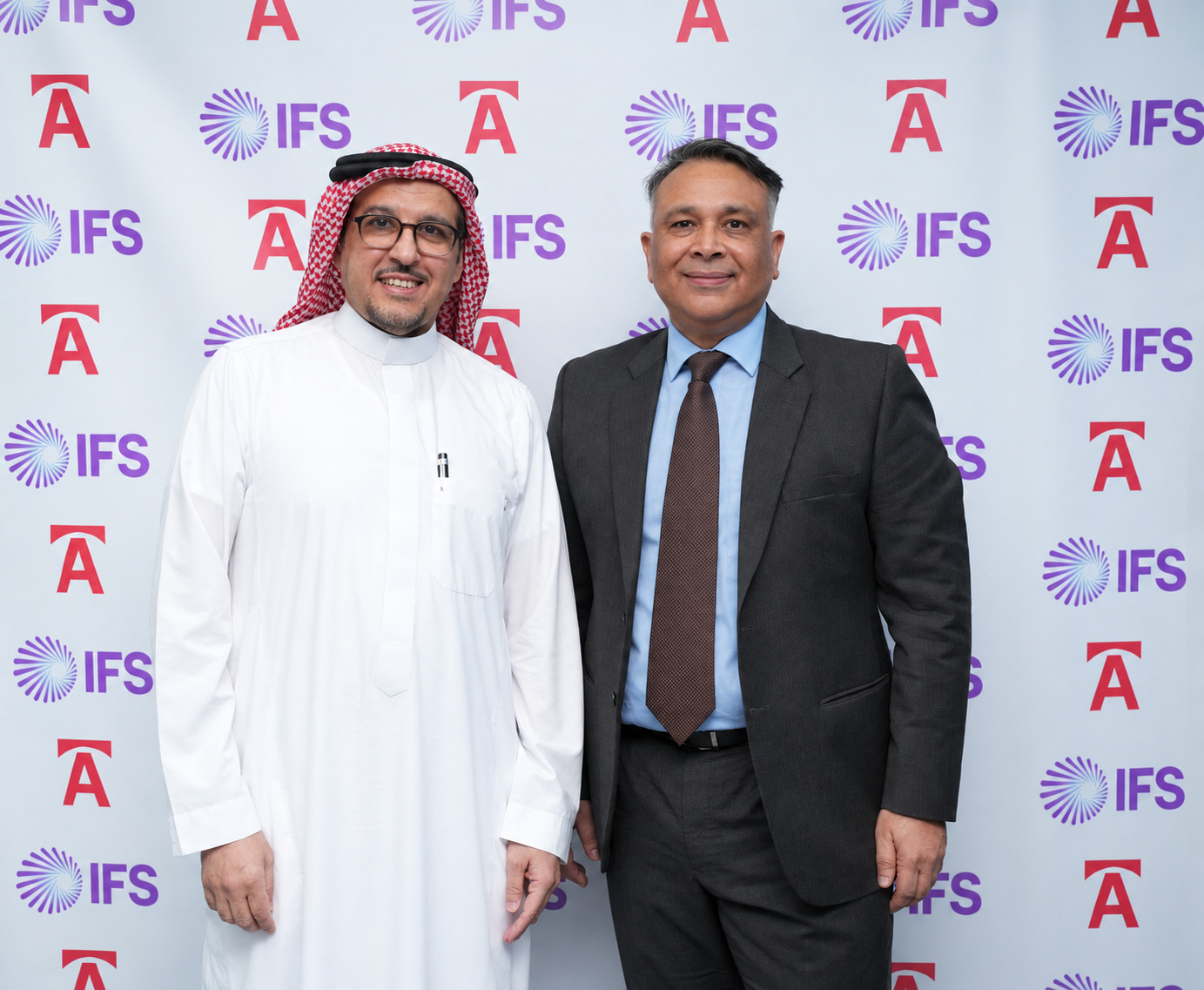
Rahul Misra, SVP & Managing Director – Middle East and Africa at IFS, said, “In an asset intensive organization such as Arab Tank Terminals Ltd, IFS Cloud that works on the operational intelligence of IFS.ai will help move from isolated signals to a single connected workflow. It will help teams detect issues earlier, respond faster and thereby optimize performance. We look forward to working with ATTL on their digital transformation journey.”
As part of the transformation, IFS Cloud will provide a single, unified platform that connects finance, procurement, supply chain, maintenance, asset management, projects, HSE, and human resources. By bringing critical business functions together in one system, ATTL will gain greater visibility across its operations, improve data accuracy, streamline workflows, and enable faster, more informed decision-making. The implementation is expected to help optimize asset reliability and maintenance planning, strengthen regulatory compliance and safety processes, improve inventory and procurement efficiency, and provide real-time operational insights.
Abdulaziz Albakr, Chairman of the Board of Directors, Arab Tank Terminals Ltd. said, “Investing in a platform like IFS Cloud is an investment in ATTL’s future. It gives our people the visibility, reliability and tools to operate at the highest standards, and lays the digital foundation for the next phase of ATTL’s growth.”
The key factors for choosing IFS Cloud were its strong capabilities in asset and maintenance management, safety and environment (HSE), and its ability to provide a unified foundation for managing critical business operations.
IFS, has received several accolades, the most recent ones include, Customers’ Choice in the 2026 Gartner Peer Insights Voice of the Customer for Cloud ERP for Product-Centric Enterprises, the 2025 AI Software Report: ranked IFS 3rd out of the Top 50 Software Companies, with CEO Mark Moffat named Top Software CEO as well as being named a leader in the IDC MarketScape: “Worldwide Manufacturing AI‑Enabled Asset‑Intensive Enterprise Asset Management Applications 2026 Vendor Assessment. IFS continues to be focused on its Middle East investments and has built a strong portfolio of customers across core industries.
21, Sep 2026
Dubai registers 2,046 residential-use rental contracts above AED1million in first eight months of 2026
Palm Jumeirah remains among strongest hubs for high-value residential leasing, fäm Properties analysis shows

Dubai, UAE, Sept 21: Dubai registered 2,046 distinct residential-use rental contracts valued at AED1 million or more during the first eight months of 2026, with their combined contract value reaching AED6.79 billion, highlighting the scale of the market’s top tier.
A market analysis from fäm Properties shows that the contracts registered between 1 January and 31 August had a median annualised rent of AED1.35 million. New leases accounted for the majority of activity, with 1,423 contracts, or 69.6% of the total, compared with 623 renewals, or 30.4%.
Data from DXBinteract reveals that the median annualised rent for new leases was AED1.30 million, while renewals recorded a higher median of AED1.50 million.
One-year agreements dominated the market, accounting for 1,353 of the 2,046 contracts. Longer contracts naturally recorded lower annualised median rents because the AED1 million threshold applies to the total contract value, rather than the annual rental amount.
Villas represented the largest property category, with 951 contracts worth AED2.49 billion, at a median annualised rent of approximately AED1.12 million. Apartments accounted for another 531 contracts worth AED2.41 billion, with a median annualised rent of AED1.40 million.
Firas Al Msaddi, CEO of fäm Properties, commented: “The figures underline the scale of the upper end of Dubai’s rental market, while also showing how high-value contracts extend beyond individual villas and apartments into larger residential-use assets and accommodation categories.”
The Dubai Land Department residential-use classification also includes labour camps, which accounted for 520 contracts worth AED1.72 billion, at a median annualised rent of approximately AED1.84 million. Smaller categories included buildings, complex villas, staff accommodation, studios and penthouses.
Palm Jumeirah remained one of the strongest concentrations of high-value conventional residential leasing, recording 191 contracts with a median annualised rent of AED1.50 million.
NEW LEASES AGAINST RENEWALS
|
Lease |
Contracts |
Share |
Median annualised rent |
|
New |
1,423 |
69.6% |
AED 1.30m |
|
Renewal |
623 |
30.4% |
AED 1.50m |
ANNUALISED RENT BY CONTRACT TERM
|
Term |
Contracts |
Median annualised rent |
|
1 year |
1,353 |
AED 1.65m |
|
2 years |
299 |
AED 800k |
|
3 years |
224 |
AED 600k |
|
4+ years |
170 |
AED 390k |
LEADING AREAS
|
Area |
Contracts |
Median annualised rent |
|
Jabal Ali Industrial First |
204 |
AED 2.05m |
|
Palm Jumeirah |
191 |
AED 1.50m |
|
Hadaeq Sheikh Mohammed Bin Rashid |
117 |
AED 1.30m |
|
Al Merkadh |
90 |
AED 1.25m |
|
Muhaisanah Second |
86 |
AED 1.53m |
|
Me’Aisem First |
66 |
AED 1.75m |
LEADING NAMED PROJECTS AND DEVELOPMENTS
|
Project / Development |
Contracts |
Median annualised rent |
|
Palm Jumeirah |
106 |
AED 1.70m |
|
Jumeirah Golf Estates |
38 |
AED 1.68m |
|
Al Barari |
29 |
AED 1.30m |
|
Dubai Investment Park First |
28 |
AED 1.35m |
|
Jumeirah Islands |
25 |
AED 1.80m |
|
The Royal Atlantis Resort & Residences |
23 |
AED 1.35m |
|
IL Primo |
19 |
AED 1.95m |


