


30, Jul 2026
Biocon Foundation and IISc Convene National Experts to Shape India’s Oral Cancer Elimination Strategy
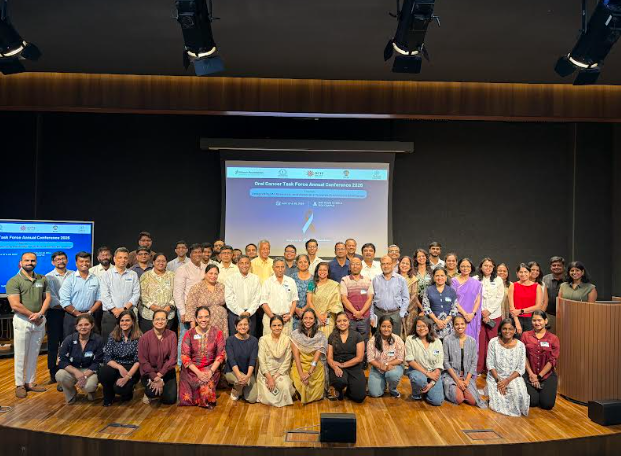
Bengaluru, India, July 30: Biocon Foundation, the Corporate Social Responsibility (CSR) arm of the Biocon Group, in association with the Indian Institute of Science (IISc) and Translational AI for Networked Universal Health Care (TANUH), commemorated World Head & Neck Cancer Day by hosting the 7th edition of the Oral Cancer Task Force (OCTF) Annual Conference on July 27–28, 2026, at the BITS Pilani, Goa Campus.
The two-day conference brought together leading oncologists, clinicians, public health experts, researchers, policymakers, artificial intelligence specialists and implementation partners to advance India’s roadmap towards oral cancer elimination. This year’s theme, ‘Integrating AI, Research, and Advocacy towards Oral Cancer Elimination,’ underscored the role of artificial intelligence, implementation research and multi-stakeholder collaboration in strengthening oral cancer prevention, early detection and access to timely care.
Kiran Mazumdar-Shaw, Founder & Managing Trustee, Biocon Foundation, and Convenor, OCTF, said, “India has a unique opportunity to redefine the global approach to oral cancer by harnessing the power of artificial intelligence, scientific innovation, and strong public health systems. Through the Oral Cancer Task Force, we are bringing together expertise across sectors to develop scalable, technology-enabled solutions that can drive early detection, improve access to timely treatment, and ultimately save lives. The goal is to ensure that these innovations reach far and wide, making quality cancer care more equitable and accessible.”
Oral Cancer Task Force Members, “Oral cancers are responsible for a humongous amount of mortality and morbidity in India. Eliminating this scourge necessitates a comprehensive, pragmatic approach that integrates health and technology through tobacco control and cessation, AI-enabled screening and early detection, timely referral pathways, down staging of disease, and quality care across the continuum of care. It is heartening to know that AI-enabled oral cancer screening at the district level has been implemented. This initiative marks a significant step towards AI-assisted approach to improve oral cancer outcomes.”
Established in 2018 by Biocon Foundation, the Oral Cancer Task Force (OCTF) is an independent multidisciplinary platform bringing together clinicians, researchers, public health experts, policymakers and technology partners to reduce the burden of oral cancer through research, innovation, evidence generation, advocacy and policy engagement. Over the years, OCTF has contributed to the development of consensus guidelines for Oral Potentially Malignant Disorders (OPMDs) and Head & Neck Cancers, while advancing technology-enabled screening approaches across India.
Advancing AI-enabled Screening at Scale
A key highlight of the conference was the progress made under the Centre of Excellence for Artificial Intelligence (AI-CoE), a first-of-its-kind multicentric initiative involving 28 consortium partners with IISc serving as the nodal institution.
The initiative has developed an AI-assisted, mobile phone-based white-light imaging solution that stratifies oral lesions into high- and low-risk categories, enabling early identification of oral cancer. The technology powers Aarogya Aarohan, an AI-enabled mobile application currently deployed across Public Health Centres in Goa. Designed for use by frontline healthcare workers, the application can operate on low-cost smartphones, function offline in low-connectivity settings and support referral workflows across different levels of the healthcare system, making point-of-care screening more accessible and scalable.
Since 2014, Biocon Foundation has screened more than 100,000 individuals across multiple states through a community-based oral cancer screening programme. The Foundation contributed over 30,000 annotated oral lesion images that enabled the development of Aarogya Aarohan in collaboration with IISc and TANUH. The deployment of the application has contributed to a ten-fold increase in screening capacity over the past 18 months while helping identify community-specific intervention strategies.
Driving an Integrated Strategy for Oral Cancer Elimination
The conference reaffirmed OCTF’s commitment to advancing oral cancer elimination through three strategic priorities:
· Tobacco cessation through education, awareness and school health programmes
· Screening and early detection
· Timely diagnosis and initiation of treatment
Supported by collaborations across public health, clinical research, artificial intelligence and policy, these efforts aim to build a scalable, evidence-based framework for oral cancer control in India.
The conference featured keynote addresses, expert talks, panel discussions, stakeholder consultations and strategic planning sessions covering AI-assisted screening, integration of AI into clinical workflows, digital innovations for community-based screening, tobacco cessation and improving timely access to treatment. Drawing inspiration from global efforts towards cervical cancer elimination, the deliberations will inform the development of a robust and scalable oral cancer elimination strategy that can be adapted across geographies and health systems.
Consensus Guidelines Updated
The conference also unveiled the 2026 update to the Indian Clinical Practice Consensus Guidelines for Head & Neck Cancer, developed under the aegis of OCTF. Presented by Dr Kumar Prabhash, the updated guidelines reflect the latest clinical evidence and continue OCTF’s efforts to standardise evidence-based management of head and neck cancers across India. The initiative is coordinated by Dr Neera Gupta, Vice President – Clinical Development & Medical Affairs, Immuneel Therapeutics, and the updated guidelines will continue to be published in the Journal of Cancer Research and Statistics and Treatment.
The conference brought together experts from Tata Memorial Hospital, IISc, the Government of Goa, Biocon Foundation and leading academic, clinical and public health institutions from India and abroad. Keynote speakers and panellists included Dr Srinath Reddy, Dr Shekhar Salkar, Dr Guruprasad Naik, Dr Upendra Bhojani, Dr Sumirtha Gandhi, representatives from the Department of Health Services, Government of Goa, Prof Paturu Kondaiah, Dr Anupama Shetty, Dr Manisha Khorate, Dr Anupama Borkar, Prof Kunal Korgaonkar, Dr Praveen Birur and several other national and international experts.
The conference concluded with a renewed commitment from clinicians, researchers, policymakers and technology partners to accelerate the adoption of AI-enabled, evidence-based approaches for oral cancer prevention, early detection and treatment, strengthening India’s journey towards eliminating oral cancer as a major public health challenge.
- 0
- By Neel Achary

30, Jul 2026
Star Health reports normalised PAT of ₹ 386 Crores in Q1 FY27, up 44% YoY; Underwriting Profit increases sharply to ₹ 111 Crores, compared to ₹ 16 Crores in Q1 FY26
CHENNAI, India, July 30, 2026 /PRNewswire/ — Star Health and Allied Insurance Company Limited (“Star Health”), India’s largest standalone health insurer, today announced its financial results for the quarter ended June 30, 2026 (Q1 FY27). The Company posted a normalised Profit After Tax (PAT) of ₹ 386 Crores, an increase of 44% YoY, driven by healthy premium growth, disciplined underwriting and sustained operating efficiencies. Underwriting Profit for Q1 FY27 was ₹ 111 Crores, compared to ₹ 16 Crores for Q1 FY26.

The Company recorded Gross Written Premium (GWP) of ₹ 4,287 Crores during Q1 FY27, representing a growth of 19% YoY on Reported 1/N basis. On the same basis, Fresh Retail Health GWP for the quarter stood at ₹ 730 Crores, a 37% YoY increase.
Under Ind AS Accounting Standards, the Company posted Profit After Tax (PAT) of ₹ 550 Crores, an increase of 25% YoY.
Performance highlights for Q1 FY27
Business Performance
- GWP (Reported 1/N basis) increased 19% YoY to ₹ 4,287 Crores
- Retail Health fresh GWP (Reported 1/N basis) increased 37% YoY to ₹ 730 Crores
Financial Performance (Ind AS)
- Underwriting Profit: ₹ 111 Crores (6x YoY growth | Q1 FY26: ₹ 16 Crores)
- Profit After Tax (PAT): ₹ 550 Crores (25% YoY growth | Q1 FY26: ₹ 438 Crores)
- Combined Insurance Service Ratio (CISR): 97.0% (improvement of 1.7% over 98.7% in Q1 FY26)
Claims Excellence & Customer Trust
- Star Health settled 9.6 lakh claims during Q1 FY27
- Retail Claims Settlement Ratio improved by 1% and moved to 91% for Q1 FY27
- Persistency improved by 3% YoY to 102%
- Company Net Promoter Score (NPS) improved by 12 points and stands at 65 as on June 2026
Digital First approach
Digital continued to be a key growth and operating lever for the Company during Q1 FY27. During the quarter, the Company’s proprietary digital D2C Channel contributed 16% of fresh retail sales, with a YoY growth of 142%.
97% of fresh policies were sourced digitally, reflecting digital adoption at scale for a granular retail distribution franchise. The Company also strengthened its technology-led capabilities through ATOM PRO, its AI-enabled digital platform for business acquisition, which continued to witness increasing adoption. Designed as an end-to-end productivity platform, ATOM PRO enables advisors with intelligent product recommendations, instant quotations, policy comparisons, network hospital search, business dashboards and other digital servicing capabilities, helping improve customer engagement and advisor productivity. ATOM Pro was recognized by The Economic Times in the BFSI FinNext Awards 2026, under ‘InsurTech Product Excellence of the Year’.
The Star Health Customer App also continued to witness strong traction, with 14.7 million downloads and over 1.5 million monthly active users, and increasing adoption of self-service capabilities- such as, digital renewals, and claims submissions and wellness initiatives.
Artificial intelligence use cases are being deployed across the value-chain with dedicated management focus on measurable outcomes. Claims operations, for example, have been strengthened by an AI-ML analytics layer designed to enhanced precision and efficiency. The Company is now in the process of layering Generative AI capabilities to further improve outcomes. In-house capabilities on AI have been strengthened through global technology partnerships.
Distribution Strength
Star Health’s robust distribution network and service infrastructure continued to support its growth momentum during Q1 FY27. As of June 30, 2026, the Company had a multi-channel distribution network comprising 900+ branch offices, 8.5 lakh+ agents, 16,000+ network hospitals, and 18,500+ employees. These capabilities, complemented by the Company’s continued investments in technology, digital enablement, and customer service, position Star Health strongly to drive sustainable growth and expand quality health insurance access across the country.
CEO Commentary
Commenting on the performance of the Company, Mr. Anand Roy, CEO & Managing Director, Star Health and Allied Insurance Company Limited, said, “Our performance in the first quarter reflects the strength of our fundamentals and the consistency of our execution. Sustainable growth, driving improvement in core underwriting profitability, and sustained operating discipline have enabled us to deliver a strong start to the year. We remain focused on expanding health insurance access across the country while maintaining prudent risk selection and delivering superior customer experience. Investments in digital capabilities, AI-led innovation, and distribution network continue to strengthen our ability to serve customers more efficiently and at scale. As health insurance adoption deepens in India, we remain committed to building a resilient, digital-first organisation that creates long-term value for our policyholders and shareholders.”
About Star Health and Allied Insurance
Star Health and Allied Insurance Company Limited (NSE: STARHEALTH) (BSE: 543412), one of India’s leading standalone health insurance companies, commenced operations in 2006 as India’s first standalone health insurance company. Star Health provides Health, Personal Accident and Travel Insurance to its customers. The Company has grown to emerge as one of the preferred health insurance companies in India with several pioneering products and services to its credit. With customer-centricity at its core, the Company has developed superior and innovative product offerings, service capabilities and a seamless claims management process. Star Health offers tailor-made products to cater to needs such as cancer, diabetes and cardiac illnesses, as well as specific segments such as senior citizens, women and children. Star Health is India’s first health insurance company to settle over 1 crore claims.
Star Health and Allied Insurance Co. Ltd. has a strong multi-channel distribution network of 900+ offices, over 8.5 lakh+ agents and robust bancassurance and financial institution partners. The Company has 16,000+ network hospitals and 18,500+ employees.
Talk to Star: helping policyholders plan care with confidence: Star Health offers guided support through 7200 222 333 for eligible policyholders seeking Home Healthcare or planned hospitalisation assistance. Customers can call the number and press 1 for Home Healthcare or press 2 for planned hospitalisation. The service helps customers understand coverage, network hospital options, the cashless process, required documents and care pathways before admission or home-based treatment. Non-policyholders can access free 24/7 Virtual OPD consultations through the Star Health Customer app.
For more information visit www.starhealth.in
 View original content to download multimedia:https://www.prnewswire.com/in/news-releases/star-health-reports-normalised-pat-of–386-crores-in-q1-fy27-up-44-yoy-underwriting-profit-increases-sharply-to–111-crores-compared-to–16-crores-in-q1-fy26-302838942.html

30, Jul 2026
Public Benefits ‘Cliffs’ Can Trap Low-Wage Workers, Study Finds
New research from Washington University in St. Louis argues that policymakers should enact gradual cutoffs for public benefits such as food assistance or healthcare. The change could help both families and employers by allowing low-wage workers to earn more without losing critical support systems.
Millions of low-wage Americans using public assistance limit their earnings or savings, according to the study from the Center for Social Development (CSD) at the WashU Brown School.
The findings suggest that so-called “benefits cliffs” can discourage work, career advancement and financial security for families already struggling to make ends meet.
In the research brief, Stephen Roll, an assistant professor and research director at the CSD, and co-author Mathieu Despard, of the University of North Carolina at Chapel Hill, examined responses from a nationally representative sample of U.S. workers with incomes below 250% of the federal poverty level, which amounts to $82,500 for a family of four. They developed a survey tool to measure how public benefit rules influence workers’ employment and savings decisions.
The researchers found that nearly 22% of low-wage workers participating in at least one public benefits program, such as SNAP or Medicaid, reported acting to preserve their eligibility. That equals roughly 4 million workers nationwide. The most common response was declining additional work hours, though many respondents also reported keeping savings below program limits, turning down raises or promotions or declining job offers altogether.
Why would workers reject a pay raise?
“Because of the way our benefits system is structured, a single mother of two living in St. Louis enrolled in a set of common public benefits could increase her earnings from $34,000 to $80,000 and experience no positive financial impact for her family,” Roll said. “That’s because the loss of benefits over that range fully offsets any increased earnings she gets.
“At some points, this loss is especially severe. If that same mother went from $31 an hour to $33 an hour at her full-time job (a salary bump of $4,160), that $2-per-hour raise would result in her losing nearly $15,000 in childcare benefits, leaving her family much worse off. This illustrates the fundamental problem with a benefits cliff: A worker can do exactly what the system encourages — work more and earn more — and still fall behind financially.”
Workers who limited their earnings reported giving up hundreds of hours of work and thousands of dollars in wages each year, reducing opportunities to build savings and improve their long-term financial stability.
These constraints also can affect employers and local economies, making it harder for employers to cover shifts when a qualified employee turns them down, Roll and Despard found.
How can policymakers support families’ well-being?
The study also found that earnings and savings penalties often occur alongside administrative burdens associated with public assistance programs. Workers who reported limiting earnings or savings were substantially more likely to experience challenges understanding program rules, complying with requirements and coping with the stress and stigma of receiving benefits. Among participants enrolled in SNAP or Medicaid, those discouraged from work and saving were roughly 2.5 times more likely to report psychological burdens related to public benefits.
Roll and Despard recommended a number of ways that policymakers can better support economic mobility and families’ well-being: reduce benefits cliffs through more gradual phaseouts; raise, or even eliminate, asset limits; and simplify eligibility and enrollment processes.
Such changes, they said, would help public benefits programs fulfill their dual purpose of protecting families from hardship while also encouraging work, savings and long-term financial independence.
“There is growing momentum around benefits-cliff reform at the state level, and we are already sharing these findings with state agency leaders, advocacy organizations, philanthropies and other researchers,” Roll said. “We also plan to bring the findings more directly to legislators and other policymakers as this work develops.
“Our next step is to use larger-scale survey and economic data to estimate how much these policies cost workers in forgone wages and employers in lost hours, advancement and retention. The basic idea behind our research is that families should not have to turn down a raise to protect the childcare, health coverage or food assistance that makes work possible.”
30, Jul 2026
HDFC Bank’s CSR footprint touches 10.77 crore lives till date across all States and Union Territories
Mumbai, July 30: HDFC Bank, India’s largest private sector bank, has impacted over 10.77 crore lives through its CSR initiatives. Parivartan, the umbrella for these programmes, now spans all 28 States and 8 Union Territories of India. The Bank works in partnership with NGO partners, local administrations and community institutions to ensure that interventions remain locally relevant, scalable and capable of delivering sustainable long‑term impact.
The Bank reported a spend of ₹1,316.18 crore on its Corporate Social Responsibility initiatives in Financial Year 2025-26, as disclosed in its Integrated Annual Report for the year. This marks an increase of over ₹248 crore over the previous fiscal, taking the Bank’s cumulative CSR investment under its umbrella programme, Parivartan, to approximately ₹7,492 crore since inception.
The Bank’s flagship Holistic Rural Development Programme has expanded its reach to more than 11,000 villages across the country, up from over 10,430 villages a year earlier. Through an integrated approach spanning water stewardship, agriculture, livelihoods, education, healthcare, sanitation and community infrastructure, the programme continues to improve quality of life while strengthening rural ecosystems.
During the year, the Bank also deepened its work in remote and hard-to-reach geographies, extending its coverage to 498 border villages — up from 298 villages in the previous year — in keeping with the national priorities under the Border Area Development Programme and the Vibrant Villages Programme of the Government of India. Interventions in these areas span rural electrification, livelihood enhancement and improvement of basic infrastructure in agriculture, education and health.
Mr. Kaizad Bharucha, Deputy Managing Director, HDFC Bank, said,
“Our CSR Initiatives through Parivartan continue to be guided by our belief that lasting change is built village by village, family by family, in close partnership with the communities we serve. This year, our efforts to deepen the Holistic Rural Development Programme and extend our reach into border villages reflect our commitment to ensuring that no community is left behind. As we look ahead, we remain focused on building on this journey with the same philosophy that has guided us from the start — that development must be inclusive, locally relevant and future focused.”
Key Focus Areas of Parivartan
The Bank’s initiatives under Parivartan continue to be organised across six core focus areas:
●Rural Development: The Bank’s flagship CSR initiative — the Holistic Rural Development Programme (HRDP) — follows an integrated, cluster-based approach driving improvements across rural infrastructure, education, natural resource management, health and sanitation. HRDP now covers over 11,000 villages, with the Bank’s outreach to border villages growing to 498.
●Promotion of Education: This focus area strengthens quality education through scholarships, school infrastructure and digital learning initiatives. HDFC Bank had disbursed 36300+ scholarships, set up 3460+ SMART schools and built 930 community libraries
●Skill Training & Livelihood Enhancement: The Bank equips youth, women and individuals with vocational training and entrepreneurship support to help them secure sustainable livelihoods, reaching over 9.6 lakh individuals till date.
●Healthcare & Hygiene: This focus area expands access to preventive care, maternal and child health, and hygiene awareness through mobile clinics and community health initiatives, over 3 lakh individuals had benefitted from these initiatives.
●Financial Literacy & Inclusion: Under this focus area, the Bank empowers individuals with financial awareness, promotes savings, and provides access to banking and insurance services, including through its flagship ‘Vigil Aunty’ digital fraud awareness campaign, which had reached 75 lakh+ followers across platforms .
●Natural Resource Management: This focus area promotes sustainable practices in water conservation, afforestation, solar solutions and biodiversity conservation. HDFC Bank has created 16,091 water conservation structures and installed over 80,527 solar lights, till date.
Aligned with 10 of the 17 United Nations Sustainable Development Goals, these six focus areas reflect HDFC Bank’s integrated approach to inclusive and sustainable development.
30, Jul 2026
Maruti Suzuki Takes a Big Step Towards Electric Future with New Gujarat Plant Launch
Ahmedabad, July 30: Maruti Suzuki India has begun production at its fourth manufacturing facility in Gujarat, marking a major milestone in the company’s journey towards expanding manufacturing capacity and driving the future of mobility in India.
The new plant has started its production journey with the company’s electric SUV, e VITARA, highlighting Maruti Suzuki’s growing focus on electric vehicles and sustainable transportation solutions.
The facility is expected to support rising demand for next-generation vehicles while strengthening India’s automotive manufacturing ecosystem. The new plant will also create opportunities for employment and contribute to the growth of local suppliers and allied industries.
The launch comes at a time when India’s automobile sector is witnessing rapid transformation, with increasing focus on cleaner technologies, innovation, and advanced manufacturing. Through this new facility, Maruti Suzuki aims to support the country’s shift towards electric mobility while continuing to deliver technology-driven vehicles to customers.
The start of production at the Gujarat plant marks a new chapter for Maruti Suzuki, reinforcing its commitment to innovation, sustainability, and India’s vision of becoming a global automotive manufacturing destination.
30, Jul 2026
Esports Foundation and adidas Announce Landmark Partnership to Outfit Every Team at the Inaugural Esports Nations Cup
- Over 100 countries and territories will wear custom adidas national jerseys at the Esports Nations Cup (ENC), equipping every team competing across 16 of the world’s most popular esports titles.
- The inaugural four-week event is set to take place starting November 2, 2026 in Riyadh, Saudi Arabia. National team jerseys will be revealed in the coming weeks.
- The partnership directly supports the ongoing convergence of esports, culture, entertainment and sports, creating a defining moment for the esports industry and the global sport landscape.
RIYADH, Saudi Arabia and HERZOGENAURACH, Germany, July 30, 2026 /PRNewswire/ — The Esports Foundation (EF) and adidas made sports history today, announcing a landmark partnership that will see the sportswear company outfit every national team at the inaugural Esports Nations Cup (ENC), the first nation-based esports event of its scale, set to debut November 2, 2026 in Riyadh, Saudi Arabia. The partnership directly supports the ongoing convergence of esports, culture, entertainment and sports, creating a defining moment for the esports industry and the global sport landscape.
As Official Kit Partner and a Global Partner of ENC, adidas will design and produce custom competition apparel for the more than 100 participating countries and territories, with each delegation – including 2,000 athletes and coaches – receiving uniquely tailored jerseys and tracksuits that reflect their national identity while celebrating the global spirit of esports competition. National team jerseys will be revealed in the coming weeks. Fans can follow the national team jersey reveals at esportsnationscp.com/jerseys.
“National team jerseys carry identity, pride and the ambition of an entire country or territory,” said Mohammed Al Nimer, Chief Commercial Officer, Esports Foundation. “By partnering with adidas, one of the most iconic brands in global sport, we are giving esports athletes the opportunity to represent their nations on the world stage with the same sense of meaning and prestige seen across traditional sport. This partnership will help the Esports Nations Cup create powerful national moments and inspire a new generation of players and fans.”
“At adidas, we’ve spent decades outfitting athletes at the world’s biggest sporting events, and we understand the role a jersey plays in identity, belonging and competition,” said Phillip Waller, adidas SVP Brand Development. “The Esports Nations Cup gives us the opportunity to bring that experience into esports at a global scale.”
The Esports Nations Cup introduces nation-based competition to the global esports calendar in a structured and recurring format. By enabling countries and territories to organize their teams, develop talent pathways, and compete on a global stage, the ENC provides a framework for expanding participation and strengthening esports ecosystems worldwide.
The Esports Foundation has worked to establish the global structure of the ENC through the appointment of Official National Team Partners, National Team Managers, and more than 700 national team coaches across 100 countries and territories. Drawn from over 90 leading esports organizations, the coaches oversee player selection and team development across the world’s top esports titles, helping bring the first large-scale national team ecosystem in esports to life ahead of the event in Riyadh.
For the latest information about the Esports Nations Cup, visit esportsnationscup.com, and follow ENC on X, Facebook, Instagram, TikTok, and YouTube.
About the Esports Nations Cup
The Esports Nations Cup (ENC) is a biennial global esports competition created by the Esports Foundation (EF) that brings national pride to the world stage. Launching in Riyadh, Saudi Arabia, in 2026, the ENC will feature the world’s best players competing not for their clubs, but for their countries and territories, across a lineup of leading esports titles. Built in collaboration with game partners, clubs, and esports organizations, the ENC establishes the first recurring, large-scale platform for national teams in esports. Beyond competition, it aims to fuel fandom, inspire heroes, and provide sustainable pathways for nations, players, and partners to grow within the global esports ecosystem. esportsnationscup.com
The ENC features a $20 million prize pool with equal pay per placement, ensuring players and coaches receive the same prize money for the same finishing position across all 16 titles. Backed by a $45 million overall funding commitment, the ENC also includes a $20 million Development Fund that supports National Team Partners, local esports ecosystem development, travel, and national team operations.
About the Esports Foundation
The Esports Foundation (EF) is a non-profit organization based in Riyadh, Saudi Arabia, dedicated to advancing and professionalizing the global esports industry. Through the annual Esports World Cup (EWC) and the biennial Esports Nations Cup (ENC), EF brings together the world’s top players, leading clubs, and millions of fans for the biggest stages in competitive gaming. Beyond hosting tournaments, the Foundation works year-round to grow the esports ecosystem, support talent development, and create lasting opportunities for players, teams, and partners worldwide.
About adidas
adidas is a global leader in the sporting goods industry. Headquartered in Herzogenaurach, Germany, the company employs more than 65,000 people across the globe and generated sales of € 24.8 billion in 2025.

 View original content to download multimedia:https://www.prnewswire.co.uk/news-releases/esports-foundation-and-adidas-announce-landmark-partnership-to-outfit-every-team-at-the-inaugural-esports-nations-cup-302838681.html

30, Jul 2026
Indian Overseas Bank Receives Honour for Customer Grievance Redressal from TransUnion CIBIL and Ministry of Finance
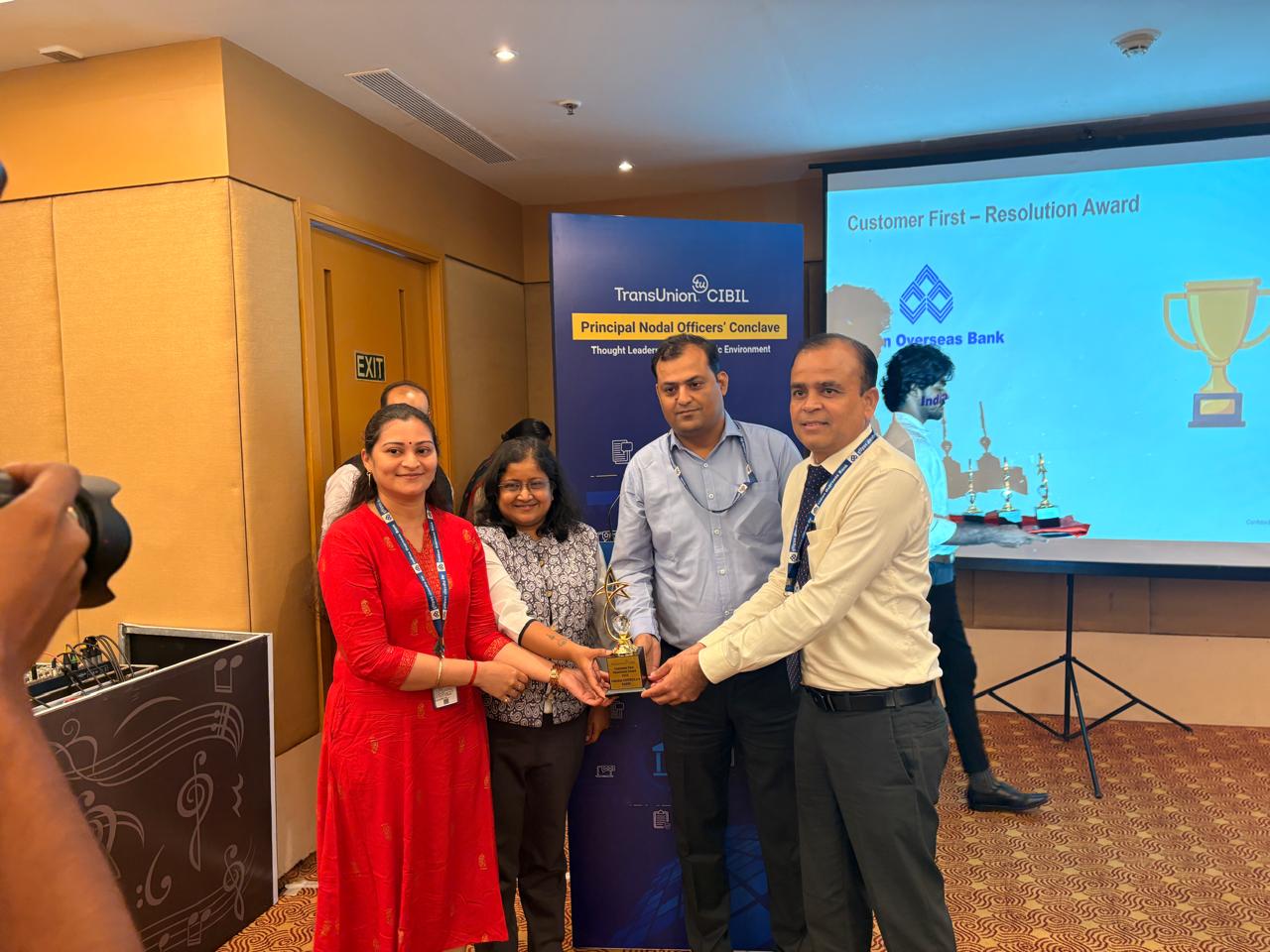
Indian Overseas Bank (IOB) is proud to be honoured with Consumer First Resolution Award 2026 organized by TransUnion CIBIL in Chennai on 28.07.2026 for redressal of customer grievances in consumer disputes category.
The bank has secured the spot by achieving an unprecedented 100% grievance resolution rate well within the timeline stipulated by RBI.
MoF, GOI has also appreciated the excellent work done by the Bank in effective grievance redressal on the grievances received through Centralized Public Grievance Redress and Monitoring System (CPGRAMS) Portal.
The Bank has been ranked First amongst Public Sector Banks (PSB) category for the month of April 2026 and June 2026 based on Grievances Redressal Assessment and Index score.
Receiving Customer First Resolution Award 2026 from TransUnion CIBIL and appreciation in the category of First amongst Public Sector Banks (PSB) by MoF, GOI for the month of April 2026 and June 2026 based on Grievances Redressal Assessment and Index score shows our commitment to address the issues being faced by our valued customers and deliver superior customer service standards.
These awards recognize the bank’s commitment to customer centric, service excellence and effective resolution of customer grievances well within timeline stipulated by RBI.
Indian Overseas Bank has also reported a record net profit of ₹1,659 crore for the quarter ended 30 June 2026, registering a 49.32% YoY growth, by strong growth in interest income and business expansion.
The Bank‘s asset quality improved further, with Gross NPA reducing to 1.33% and Net NPA to 0.18%, while advances and deposits grew by 22.75% and 13.72% on YoY growth respectively, showing best overall performance in the history of the bank.
30, Jul 2026
India’s Gold Demand Declines 6% in Q2 as High Prices Impact Jewellery Buying; Investment Demand Remains Resilient
New Delhi, July 30: India’s gold demand witnessed a 6% decline in the second quarter, mainly due to the impact of higher gold prices on jewellery purchases. Consumers became more cautious as increased prices affected affordability and influenced buying decisions.

Despite the slowdown in overall demand, investment interest in gold remained strong. Consumers continued to view gold as a reliable store of value and a safe investment option amid economic uncertainty and changing market conditions.
The latest trend highlights a shift in consumer behaviour, with buyers focusing more on value and affordability while maintaining their long-standing trust in gold. Jewellery demand faced pressure, but investment products such as gold bars and coins continued to attract interest.
Market experts believe that future gold demand will depend on price movements, economic conditions, and seasonal factors such as upcoming festivals and wedding celebrations. While high prices may continue to influence jewellery purchases in the short term, strong investment demand is expected to provide support to the gold market.
Gold continues to hold a special place in India, representing not only cultural tradition but also financial security for millions of households.
30, Jul 2026
One-Day Hindi Workshop Held at Drug Proving Unit, CCRH Bhubaneswar
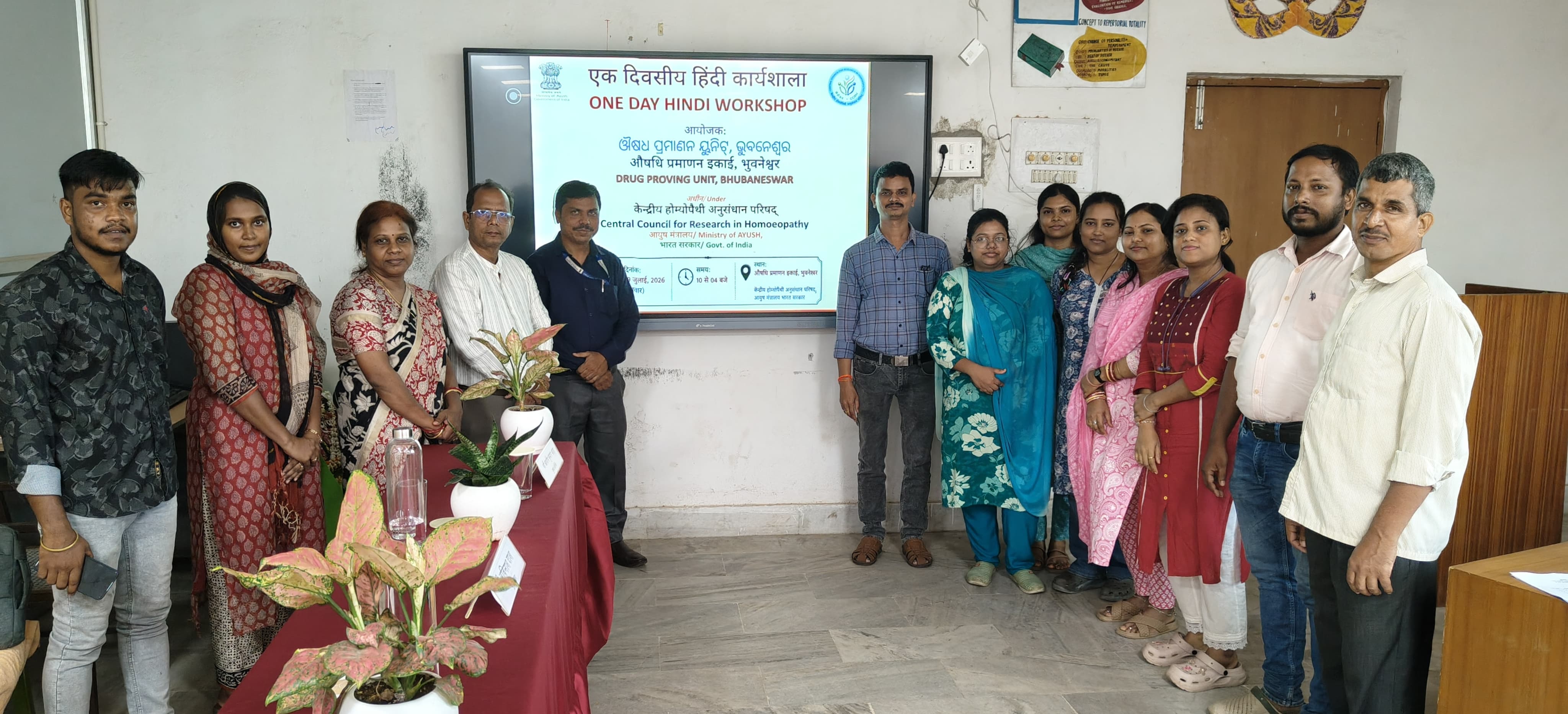
Bhubaneswar, July 30: A one-day Hindi workshop was successfully organized on Tuesday at the Drug Proving Unit, Bhubaneswar, under the Central Council for Research in Homoeopathy, Ministry of Ayush, Government of India.
Shri Abinash Dash, Librarian Rajbhasha Officer In-charge, Institute of Hotel Management, Bhubaneswar, and Shri Ashish Kumar Shah, Console Controller, Office of the Chief Manager, East Coast Railway, Railway Sadan, Chandrasekharpur, Bhubaneswar, graced the occasion as Chief Speaker and Chief Guest respectively.
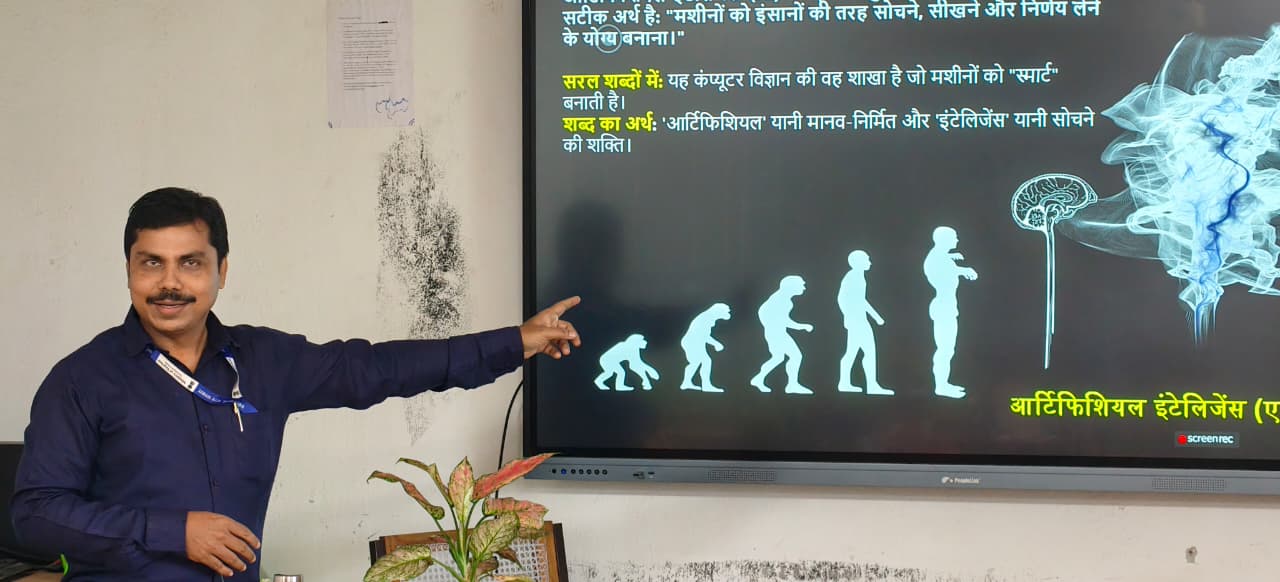
All staff members of the unit actively participated in the workshop. The program began with a brief introduction by Sashmita Pati, Hindi Assistant.
The dignitaries delivered insightful presentations on the rules and regulations of Rajbhasha Hindi and also highlighted the growing role of Artificial Intelligence in promoting and using Hindi in official work.
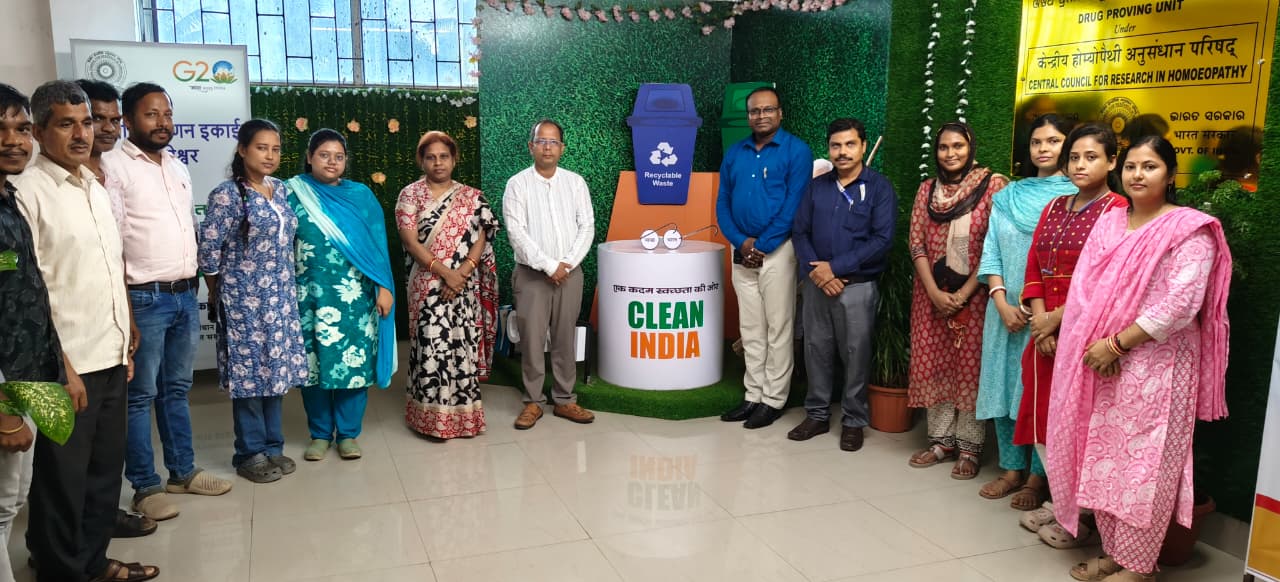
The workshop proved to be highly beneficial for all employees in enhancing their understanding and practical use of Hindi in administration.
The session concluded with a vote of thanks by Dr. Sujata Choudhury, Hindi Officer, followed by closing remarks by Dr. Umakant Prusty, Officer incharge.
30, Jul 2026
Mithu Chakraborti’s Debut Book Anatomy Of Misery: Part I – Men’s Misery Launched, Sparking Conversations On Men’s Emotional Well-Being
Kolkata, July 30: Pages And Chapters launched Ms Mithu Chakraborti’s debut book, Anatomy of Misery, Part I: Men’s Misery at Oxford Bookstore. The launch brought together eminent personalities from literature, cinema and psychology for a thought-provoking discussion on men’s emotional well-being, mental health and the culture of silence surrounding male vulnerability.

The evening featured a panel discussion moderated by Ms Oindrila Dutt, arts curator, broadcaster and writer, with legendary actor-author Mr Barun Chanda, National Award-winning filmmaker Mr Ashoke Vishwanathan, and Dr Nilanjana Bagchi , a veteran in the field and Head of Department, Psychology, Bethune College, joining the author in an engaging conversation that explored the central themes of the book and the urgent need for empathy-driven conversations around men’s emotional struggles.
Anatomy of Misery, Part I: Men’s Misery is a work of narrative nonfiction and popular psychology comprising twelve interconnected case narratives revolving around veteran psychologist Dr Leela Menon and the men who seek her counsel after years of suppressing their emotions behind the familiar phrase, “I’m fine”. Through these narratives, the book examines themes such as loneliness, emotional isolation, domestic abuse against men, the pressures of being a provider and the personal cost of a society that often expects men to remain emotionally silent.
“For over twenty years in corporate India I watched men break quietly and get promoted for it. I wrote this book because the man who most needs to hear this conversation will rarely pick up a self-help book, but he may choose to read a story. Empathy is not a limited resource. Extending compassion to men does not diminish it for women”, said Author, Mithu Chakraborti.
The author also shared that the second volume of the series, Anatomy of Misery, Part II: Working Women’s Misery, is currently in progress – a book about two jobs, one guilt, and everything a woman carries between them – reinforcing her larger vision of creating conversations rooted in empathy across gender.
The book has already drawn comparisons to the narrative sensitivity of Mitch Albom and the case-study tradition of Oliver Sacks, while its consulting-room framework evokes the storytelling architecture associated with Arthur Conan Doyle.
The launch concluded with a discussion with readers, reinforcing the growing relevance of conversations around emotional well-being and mental health in contemporary society. Anatomy of Misery, Part I: Men’s Misery, priced at INR 499/-, will be available at all leading bookstores and online platforms for purchase.