


17, Jun 2026
AMD and Rackspace Technology Sign Definitive Agreement for Phased Deployment of 30 MW of AMD AI Compute
SANTA CLARA, Calif. and SAN ANTONIO, June 17: (GLOBE NEWSWIRE) — AMD (NASDAQ: AMD) and Rackspace Technology® (NASDAQ: RXT), a global enterprise AI infrastructure and solutions provider, today announced the signing of a definitive agreement for the phased deployment of an initial 30 MW footprint dedicated to AMD-based compute deployments across Rackspace’s global data centers beginning in late 2026 through 2028. The agreement operationalizes the Memorandum of Understanding announced May 7, 2026, and establishes AMD as a strategic technology partner at the silicon layer of Rackspace’s governed AI stack.
At full deployment, 30 MW of dedicated AMD compute across Rackspace’s footprint will represent meaningful capacity to serve regulated enterprise workloads, including healthcare providers who have expressed early interest in accelerated compute for clinical AI and inference at scale. This collaboration incorporates both AMD Instinct™ GPUs (including MI355X, MI350P, and future successor solutions) and AMD EPYC™ CPUs inside an integrated Enterprise AI Cloud architecture, enabling Rackspace to route each workload to the right compute with full accountability for performance and outcomes end to end.
“Enterprises in regulated industries need AI infrastructure that is governed from the ground up, with one operator accountable for business outcomes, not a collection of vendors each owning a piece,” said Gajen Kandiah, CEO, Rackspace Technology. “This collaboration combines the right compute with the right operating model and delivers something the market hasn’t offered before: a governed AI stack with one accountable partner from silicon to outcomes.”
“As enterprise AI evolves, customers need infrastructure that can deliver the right mix of accelerated and general-purpose compute for each workload,” said Dan McNamara, senior vice president and general manager, Compute and Enterprise AI, AMD. “By bringing together leadership AMD AI compute solutions and Rackspace’s governed cloud operating model, we are helping regulated enterprises deploy high-performance AI infrastructure with the openness, scalability and accountability needed to run AI at enterprise scale.”
Both companies expect to dedicate sales and marketing resources to identify and engage enterprise customers for AMD compute-powered infrastructure, with each company committing personnel to jointly develop and pursue customer opportunities across regulated industries.
This agreement will accelerate delivery of the four integrated capabilities announced with the MOU: Enterprise AI Cloud, Enterprise Inference Engine, Inference as a Service, and Bare Metal AMD Instinct, offering a complete, governed stack from bare metal compute through fully operated inference. Together, the companies aim to establish a new category of managed enterprise AI infrastructure that offers enterprises an alternative to the bare metal model. The shift from AI experiments to agentic workflows running inside core enterprise systems is accelerating demand for exactly the kind of governed, accountable infrastructure this collaboration is built to deliver.
- 0
- By Neel Achary

17, Jun 2026
Avio Smart Market Stack Appoints Sandeep Pandya to Drive Global Expansion of its Diagnostics & Healthcare Business
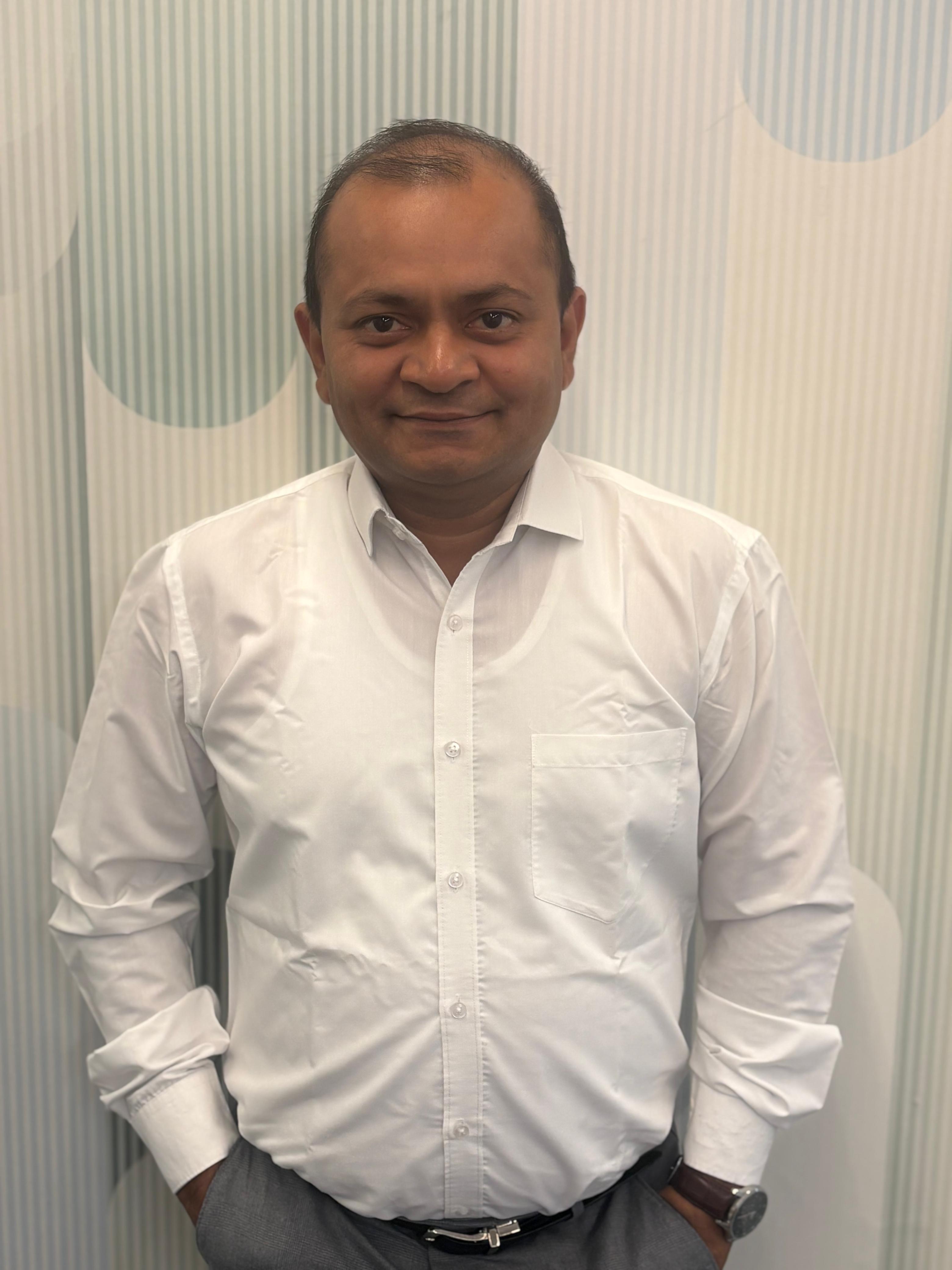
June 17: Avio Smart Market Stack Limited (formerly Bartronics India Limited) has appointed healthcare industry veteran Sandeep Pandya as Head – International Sales, Diagnostics & Healthcare Division, as the company accelerates its global expansion strategy in diagnostics and healthcare technologies.
With over two decades of experience across diagnostics, medical devices, pharmaceuticals, and healthcare technologies, Pandya has built and scaled international businesses across Asia, Africa, Europe, and emerging markets. He has previously held leadership roles at Meril Life Sciences, Beacon Diagnostics, CTX Life Sciences, and Span Diagnostics, where he led international market development, distributor networks, regulatory initiatives, and commercialisation programs.
In his new role, Pandya will spearhead Avio Stack’ international business development efforts, focusing on market expansion, strategic partnerships, distribution network development, and commercialisation of the company’s healthcare portfolio across global markets.
A key priority will be expanding the international footprint of Huwel Lifesciences’ molecular diagnostics portfolio, a cornerstone of Avio Stack’s healthcare strategy. The portfolio includes advanced molecular diagnostic solutions for tuberculosis (TB), drug-resistant TB, sepsis, HPV, hepatitis, antimicrobial resistance (AMR), respiratory illnesses, and other infectious diseases.
Commenting on the appointment, Vidya Sagar Reddy, Managing Director, Avio Smart Market Stack Limited, said: “Healthcare and diagnostics represent a strategic growth pillar for Avio Stack. As we continue building a globally relevant healthcare platform, strengthening our international presence becomes increasingly important. Sandeep brings deep expertise in diagnostics and healthcare commercialisation across multiple geographies, and his leadership will help us accelerate market access, forge meaningful partnerships, and create sustainable growth opportunities worldwide.”
Speaking on his new role, Sandeep Pandya, Head – International Sales, Diagnostics & Healthcare Division, Avio Smart Market Stack Limited said: “The global healthcare landscape is evolving rapidly, creating significant opportunities for innovative and accessible diagnostic solutions. Avio Stack has laid a strong foundation through its healthcare initiatives, and I look forward to working with the team to expand our international reach, strengthen strategic collaborations, and deliver impactful healthcare solutions across diverse markets.”
The appointment underscores Avio Stack’s long-term vision of building a globally scalable diagnostics and healthcare business through indigenous healthcare technologies, strategic collaborations, and expanded international market access. The company aims to strengthen its presence across both emerging and developed healthcare markets while improving access to affordable, high-quality diagnostic solutions.
17, Jun 2026
EbixCash expands phygital network as assisted digital transactions surge in non-metro India
New Delhi | June 17: EbixCash World Money, a flagship subsidiary of Eraaya Lifespaces Limited, today announced the expansion of its payments, remittance and forex network to 2,250 Indian cities/town/villages, up from 2,143 a year ago. The expansion adds over 573 new retail touchpoints, with 89% of new merchant additions coming from Tier 2 and Tier 3 towns.
The newly added network spans key regional clusters including Punjab and Kerala, where remittance-led transactions continue to anchor demand, as well as Gurgaon and Pune, which are seeing increased activity across SME payments and outbound forex usage. Southern markets such as Chennai, Bengaluru, and Coimbatore are witnessing stronger adoption of hybrid payment models that combine digital interfaces with assisted service delivery.
Neighbourhood retail points are emerging as critical financial access hubs. Kirana stores and local outlets are enabling use cases ranging from assisted remittances for migrant workers to everyday payment acceptance for small businesses, while also supporting first-time users as they enter formal digital financial systems. Unlike metros, where usage is largely app-driven, these markets continue to rely on assisted journeys, particularly for higher-value or more complex transactions.
Commenting on the development, Mr. T. C. Guruprasad, CEO & Managing Director – Payments Solutions, EbixCash, said, “The next phase of digital transaction growth is being led by non-metro India, but the path to adoption here is structurally different. Assisted models are playing a critical role in building trust and enabling usage, especially for more complex financial needs like remittances and forex. Our network is designed to leverage local retail infrastructure as the interface for digital services, allowing us to scale access while staying relevant to how these markets transact.”
Vikas Garg, Chairman, Ebix Group, added, “In a market as diverse as India, distribution will continue to be a key differentiator in financial services. Digital alone cannot address the last mile at scale, particularly in emerging markets. The ability to integrate physical infrastructure with digital capabilities will define how effectively companies can build trust, drive usage, and scale sustainably across the next phase of growth.”
Looking ahead, the company plans to further expand its presence across emerging markets, with a continued focus on strengthening merchant access, scaling cross-border payment capabilities, and deepening its forex and transaction-led service offerings across India’s regional economies.
17, Jun 2026
Switzerland extends its lead in the technologies reshaping the global economy
ZURICH / PARIS, June 17. The technologies now driving the global economy, from advanced computing to artificial intelligence and robotics, are built patiently, over decades of sustained investment and deep scientific groundwork. Increasingly that work traces back to a country a fraction of the size of the giants it competes with.
Switzerland now directs a greater share of its venture capital to deep tech than any other nation, and commits more per head than any country in Europe, placing it among the top three worldwide. The finding anchors the Swiss Deep Tech Report 2026, published today by Deep Tech Nation Switzerland, Founderful, Kickfund, Startupticker.ch, and Dealroom.co, and launched at VivaTech in Paris.
The report sets out where the next decade of frontier technology will be engineered. The world’s most valuable companies are built on data centers, artificial intelligence and robotic automation, and Switzerland is among the few countries worldwide where that work is researched and commercialized at the frontier. What has changed is that its companies now stay to scale, and the world has taken notice. “For the first time, the companies spinning out of ETH and EPFL are staying, scaling and attracting serious capital,” says Jean-Philippe Fricker, Co-Founder and Chief System Architect of Cerebras Systems. The country’s international standing now matches the strength of its ecosystem.
Five findings that put Switzerland at the forefront of deep tech innovation
The pipeline is shifting toward the sectors that dominate global capital. AI and machine learning now account for one in four newly founded Swiss deep tech companies, more than double their previous share. Beyond startup creation, Switzerland has the highest density of AI researchers globally, twice that of the UK and the US. Robotics is moving even faster relative to peers: Switzerland has created 3.5 times more venture-backed robotics startups per capita since 2020 than the United States, and 5 times more than the UK. In Future of Compute, 2026 is already a record funding year, and Switzerland boasts 7 times more patents per capita than the European average, driven by its world-leading microelectronics and high-precision sensor industries.
The world’s most deep-tech-focused venture market. 63% of all Swiss venture capital flows to deep tech, the highest share of any country, ahead of China and the United States and nearly double the share of Germany and the UK, and well ahead of France.
First in Europe on intensity, top three globally. At $1,470 invested per capita, Switzerland commits more to deep tech per head than any country in Europe. Worldwide, that places it among the top three nations alongside Israel and the United States.
Funding is accelerating. Swiss deep tech funding has grown roughly fivefold since 2015 to reach a record $2.6B in 2025.
The strongest growth is still ahead. ETH Zurich and EPFL Lausanne are Europe’s leading universities for new deep tech spinouts. Building on a leading position, the two have extended their lead since 2023, and that cohort is only now reaching the seed-to-Series-A window, the stage at which company value and capital raised compound most sharply.
Momentum on the ground
Some of the clearest signals do not yet appear in the funding data. Among the report’s co-authors are several of the country’s most active deep tech investors, who describe a change in the character of the ecosystem over the past year. The world’s top funds no longer need persuading to look at Switzerland; they are arriving on their own initiative. “The energy and talent dynamism reminded me of what we saw in Israel and the UK in the early 2000s,” says Saul Klein, Founding Partner of LocalGlobe.
Global technology leaders are expanding their computing, robotics and AI research presence in the country. The pipeline feeding that activity runs straight from the universities. “At EPFL we see it every day: the discoveries made in our laboratories become the deep tech companies of tomorrow,” says Anna Fontcuberta i Morral, President of EPFL. And as deal flow deepens, founders are growing more selective about the investors they choose to work with.
“Since we launched in 2019, we’ve never seen such a high density of ambitious entrepreneurs tackling globally relevant tech challenges as right now. The pace at which these founders execute reminds me of what people speak about when they refer to SF. In the coming decade Zurich will become home to at least a dozen global category leaders, I’m sure of that.”
— Alex Stöckl, Partner at Founderful and Swiss Deep Tech Report co-author
Where the opportunity sits
Foreign investors supply 88% of Swiss deep tech funding at rounds of $100M and above, against 75% across Europe, while domestic capital falls to just 12% at late stage. In a top-ranked ecosystem, late-stage capital remains underweight relative to the quality of the companies being built, leaving clear room for new investors to enter early.
“We built one of the world’s most deep tech-focused economies without a franc of public venture capital. In Germany, France and the UK, much of the late-stage money is state-backed through Bpifrance, British Patient Capital or the German Future Fund. In Switzerland that barely exists, and yet the world’s best investors now come here on their own initiative, with some setting up shop. No public money had to write the cheque to make this real.”
— Wanja Humanes, Partner at Kickfund and Swiss Deep Tech Report co-author
What happens next
The seed-to-Series-A cohort now moving through the ecosystem is the largest Switzerland has produced, and it is only now reaching the stage where company value and capital raised compound most sharply. Deep tech funding has already grown roughly fivefold since 2015 to a record $2.6B. The companies are staying, and the funds are arriving on their own. The report sets out, sector by sector, the leaders and the startups most worth watching, and invites the investors who would rather arrive early than late.
17, Jun 2026
Plaud Scales From dollar 1M to 100M ARR Within Two Years, Bringing AI Beyond the Screen for Professionals
Among the fastest-known AI companies, Plaud stands out as a rare hardware-enabled AI company in a cohort dominated by software-only players
SAN FRANCISCO, June 17: Plaud, the company building real-world AI interface for professionals, today announced it has scaled from $1M to $100M in ARR within two years, placing it among the fastest AI companies globally to reach the milestone. Plaud is the only hardware-enabled AI company in a cohort otherwise dominated by software-only players, and now serves more than 2 million professionals across 170+ countries.
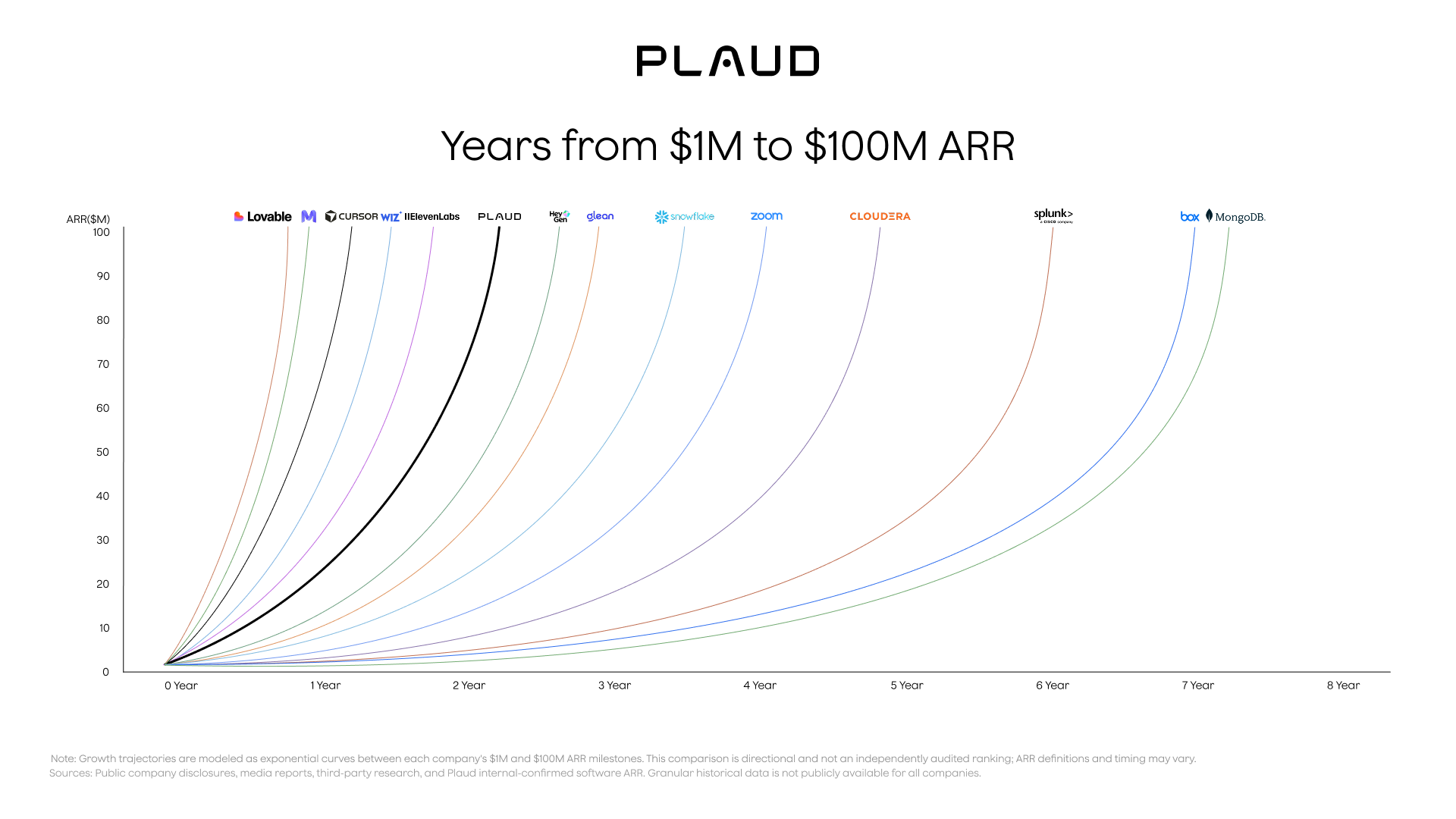
The fastest AI growth stories have, until now, belonged almost entirely to software-native companies: AI coding tools, enterprise workflow agents, and other SaaS products scaling behind screens and keyboards. Plaud’s growth represents a different model — recurring AI software scaled through a real-world physical interface, with devices (Plaud Note, Plaud Note Pro, Plaud NotePin S) acting as the entry point into human conversations, capturing the upstream, lossless, source-of-truth context.
Most AI today operates after the fact, on summaries, documents, prompts typed from memory. The intelligence that actually drives decisions comes from real-world conversations, before any prompt is written, before any keyboard is touched. When conversation fades, that intelligence decays. Not just information — intent, nuance, the reasoning behind decisions. Plaud is the post-screen, post-smartphone interface built to capture it at the rawest form.
“Most AI companies have scaled through software behind a screen. We took a different path.” said Nathan Xu, co-founder and CEO of Plaud. “The conversations that actually move things forward don’t happen on a keyboard. We built the interface for the post-screen world. And the market validated it.”
As AI moves from screen-based tools toward interfaces and agents that need trusted context to act reliably, real-world conversations are becoming a critical data layer. Plaud is also expanding beyond individual note-taking into team and developer workflows. Plaud Team brings conversation intelligence into collaborative work, while MCP and workflow integrations allow Plaud to connect with the broader agent ecosystem — turning meetings, calls, and in-person conversations into follow-ups, shared knowledge, and actions across the tools professionals already use.
17, Jun 2026
JioBlackRock Integrates Overnight Fund with Jio Payments Bank’s ‘Savings Pro’ to Expand Digital Investment Access
Mumbai, June 17: JioBlackRock Asset Management Private Limited, a joint venture between Jio Financial Services Limited and BlackRock, one of the world’s leading asset managers, today announced the integration of the JioBlackRock Overnight Fund with ‘Savings Pro’, a savings-plus-investment feature available on the JioFinance App through Jio Payments Bank Limited (JPBL).
The integration enables customers to seamlessly deploy surplus balances from their bank accounts into overnight mutual funds through a fully digital experience.
JPBL’s Savings Pro is designed to combine the convenience of digital banking with access to mutual fund investments. The feature allows customers to automatically invest idle balances above a self-defined threshold into overnight funds while retaining liquidity and flexibility.
The offering provides customers with the option of an Auto-Invest feature, where surplus balances above a selected threshold are invested on a daily basis, or a One-Time investment option for immediate deployment. Customers can set thresholds between ₹5,000 and ₹1,50,000, with a daily investment limit of up to ₹1,50,000 through the platform.
Savings Pro is structured to offer an alternative for managing surplus balances while maintaining ease of access to funds. Customers can redeem up to ₹50,000 or 90% of the invested amount, whichever is lower, on an instant basis. Redemption requests beyond this limit are processed on a T+1 basis, in accordance with applicable regulatory guidelines. The offering has no entry or exit load, no lock-in period, and no hidden charges.
Sid Swaminathan, Managing Director and Chief Executive Officer, JioBlackRock Asset Management Private Limited, said: “Customers today are increasingly seeking simple and seamless ways to manage surplus balances. Through this integration, we are combining digital banking convenience with access to overnight fund solutions in a transparent and accessible manner. This is aligned with our broader effort to expand access to investment solutions for a wider set of investors.”
Vinod Easwaran, Managing Director and Chief Executive Officer, Jio Payments Bank Limited, said: “At Jio Payments Bank, we continue to focus on enhancing digitally enabled financial solutions for customers. Savings Pro is designed to provide a convenient way to manage surplus balances while maintaining flexibility, liquidity and ease of access.”
Savings Pro is available to Jio Payments Bank savings and salary account customers and offers a fully digital onboarding experience enabled through Aadhaar and video KYC on the JioFinance App. Customers can set or modify thresholds, track investments and monitor transactions through the platform.
This integration represents a step towards building a more integrated, accessible and digitally enabled financial ecosystem, combining everyday banking with investment access for customers.
17, Jun 2026
Dubai sets global standard for cities designed around how people live and thrive
Keturah founder says the onus is now on developers to match the vision behind the new longevity authority
Dubai, UAE, June 17: Luxury developer Keturah has welcomed the establishment of the new Dubai Longevity Authority, saying it shows the emirate leading the world in how cities are designed around how people live and thrive.
Talal M. Al Gaddah, CEO and Founder of the Keturah luxury brand, says developers in Dubai now have a key role to play in supporting the initiative by creating the homes and environments that make life better.
The Dubai Longevity Authority has been established to develop the emirate as the world’s leading hub for regulated longevity, wellness and advanced healthcare, and open up channels for investment in the sector.
“This is exactly the kind of institutional commitment that sets Dubai apart,” said Al Gaddah. “A dedicated government body with a clear mandate to lead the world in longevity and wellness sends a message that resonates well beyond the healthcare sector.
“Developers in Dubai now have a framework to align with and a standard to meet. The residents who will live in the communities we are creating today deserve homes that reflect the same ambition the new authority represents; homes that make life better, and allow people to thrive.”
Keturah has two luxury residential communities under development in Dubai which place wellness and healthy living at the heart of their design, construction and the everyday experience of the people who will call them home.
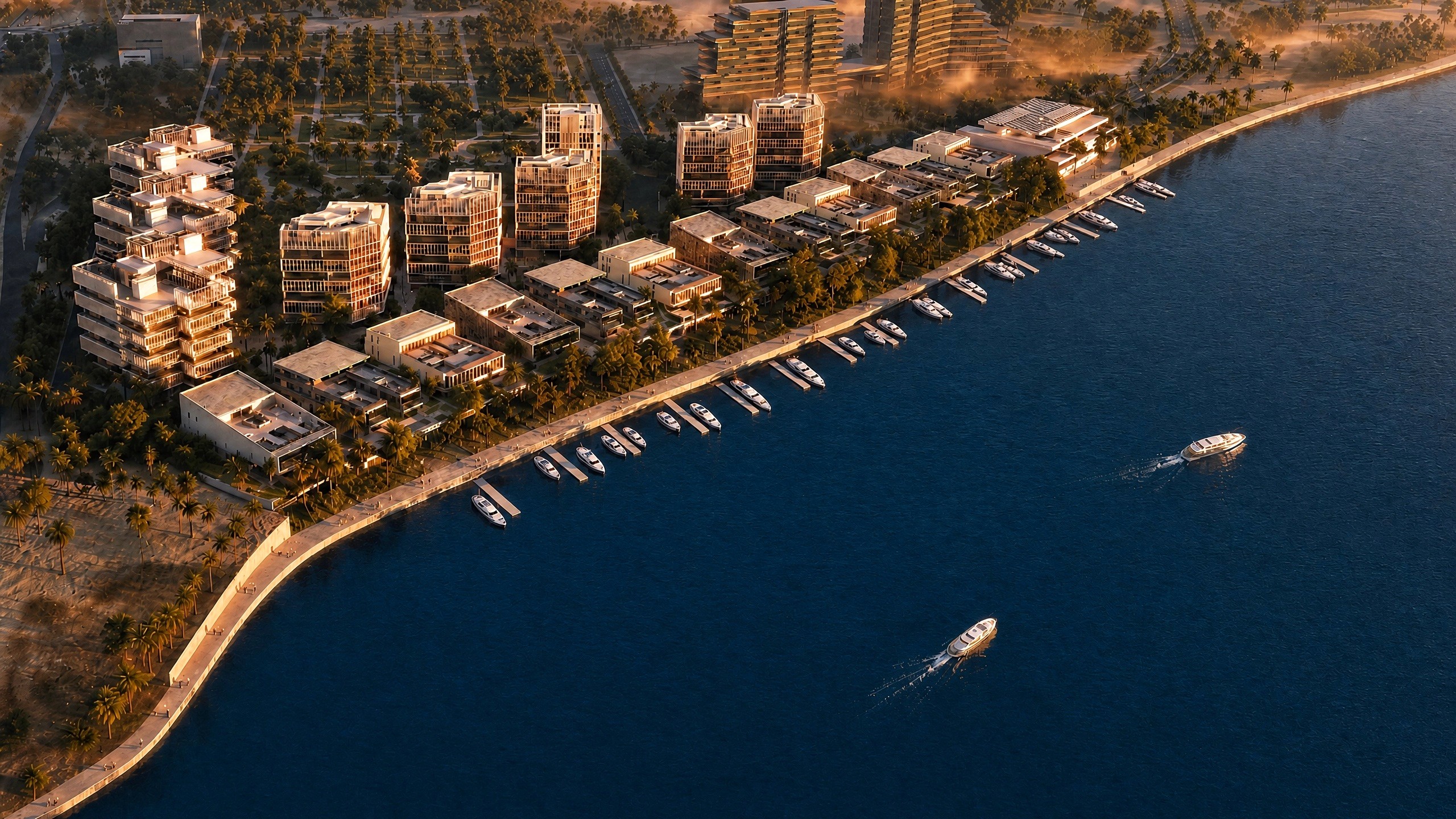
The Ritz-Carlton Residences at Keturah Resort, on the shores of Dubai Creek adjacent to the Ras Al Khor Wildlife Sanctuary, will be the Middle East’s first fully wellness-certified resort.
With creek-side mansions, apartments, a Ritz-Carlton boutique hotel and a standalone wellness centre, the resort is certified by Delos, the US-based wellness real estate and technology firm, and the International WELL Building Institute.
Keturah Reserve, the AED5.7 billion bio-living community under development in Mohammed Bin Rashid City’s District 7, is the first development in the region to integrate wellness science into residential architecture at scale.
AED200 million has been invested in proprietary antimicrobial tiling, breathable wall systems and zero-VOC finishes which actively inhibit bacteria, regulate humidity and eliminate harmful airborne chemicals, creating homes where every surface contributes to healthier indoor living.
“The onus is on developers to ensure that the vision the Dubai Longevity Authority represents is reflected in every decision we make, from the materials we specify to the communities we design and the standards we build to,” says Al Gaddah.
“Dubai is setting a standard the world will follow, and we have an opportunity to help define what healthier, longer and more fulfilling lives look like for generations to come.”
17, Jun 2026
TDI Infratech announces ₹75 Crore Investment in Ramada by Wyndham Hotel at TDI Connaught Estate, Panipat

Planned 53-key hotel reflects growing demand for branded hospitality in emerging NCR markets
India | June 17: TDI Infratech has signed with Wyndham Hotels & Resorts to introduce the Ramada by Wyndham Panipat Connaught Estate, marking another step in the expansion of branded hospitality across high-growth Tier-II cities in India.
The planned 53-key hotel, backed by an investment of approximately INR 75 crores, will form part of TDI Connaught Estate, TDI Infratech’s flagship mixed-use development in Panipat. Currently under development, the hotel is expected to open in the second quarter of 2028 and will cater to growing demand from business travellers, transit guests and small-scale meetings and events.
The signing reflects increasing momentum within India’s hospitality sector, where improving infrastructure, industrial expansion and rising domestic travel are driving demand for internationally branded hotels beyond major metropolitan centres. Strategically positioned within the NCR growth corridor, Panipat continues to emerge as an important commercial and transit destination with increasing need for quality branded accommodation.
Located within TDI Connaught Estate, the hotel will benefit from proximity to commercial developments, retail destinations and major transport links, further strengthening the positioning of the wider development as an integrated urban destination.
Commenting on the development, Akshay Taneja, Managing Director, TDI Infratech said, “This planned investment reflects our long-term confidence in Panipat’s evolving economic landscape. At TDI, we are focused on creating developments that go beyond standalone real estate to become integrated urban destinations. The addition of Ramada by Wyndham strengthens the ecosystem at TDI Connaught Estate and aligns with our vision of delivering high-quality, future-ready infrastructure.”
Rahool Macarius, Market Managing Director – Eurasia, Wyndham Hotels & Resorts said: “Panipat and the wider Tier 2 and Tier 3 markets across North India continue to present strong growth opportunities for Wyndham, driven by improving infrastructure, rising commercial activity and increasing demand for quality, branded hospitality. Ramada by Wyndham to Panipat is strategically located to cater to the evolving needs of business and leisure travellers in the region. This development reflects our continued focus on expanding across high-potential, emerging cities and strengthening Wyndham’s presence in fast-growing regional markets across India.
The development is expected to contribute to local employment generation and economic activity while supporting the continued evolution of Panipat’s hospitality and commercial landscape.
17, Jun 2026
Basumati Snana: Odisha’s Sacred Ritual of Rebirth, Rest, and Reverence for Mother Earth

June 17: In Odisha’s rich cultural calendar, Basumati Snana stands out as a deeply symbolic and spiritually grounded ritual that concludes the vibrant Raja Parba festival. It is not merely a ceremonial tradition, but a poetic expression of how an agrarian society once understood the Earth—as a living, breathing mother who deserves rest, respect, and renewal.
Observed on the fourth day of Raja, Basumati Snana marks the ceremonial “bathing” of Basumati (Mother Earth), signalling the end of her symbolic rest period and the beginning of a new agricultural cycle.
When the Earth Rests Like a Mother
Raja Parba, celebrated across Odisha, is unique in its philosophy: during these three days, the Earth is believed to undergo her symbolic menstrual cycle. In respect of this natural process, all farming activities—ploughing, digging, tilling—are traditionally paused.
This cultural pause is not symbolic alone; it reflects an ancient ecological wisdom. The soil is allowed to rest, mirroring the idea that fertility is sustained not through constant extraction, but through renewal and care.
Basumati Snana becomes the moment of gentle return—when the Earth is ritually cleansed and awakened for the next cycle of cultivation.
The Silapua: Where Earth Becomes Divine
At the heart of this ritual lies the silapua, a traditional stone grinding slab found in many Odia households. During Basumati Snana, this everyday object is transformed into a sacred representation of Bhudevi.
Women of the household perform the ritual with devotion, bathing the silapua with turmeric water—a substance deeply associated with purity and healing in Indian tradition. It is then anointed with sandalwood paste, decorated with vermilion, and adorned with fresh flowers and seasonal offerings.
What emerges is a striking transformation: an ordinary stone becomes a living symbol of the Earth herself—nourished, honoured, and worshipped.
A Ritual Written in Colour, Fragrance, and Faith
The ritual is not performed in silence—it is accompanied by devotion, songs, and the fragrance of turmeric and flowers. Each element carries meaning:
- Turmeric water signifies purification and vitality
- Sandalwood paste represents calmness and sanctity
- Flowers and fruits symbolise abundance and gratitude
- Vermilion marks auspiciousness and life force
Together, they create a sensory offering to Mother Earth, blending ecology with spirituality.
An Ancient Environmental Philosophy
What makes Basumati Snana extraordinary is its ecological depth. Long before modern environmental frameworks, this tradition encoded a powerful idea: the Earth must rest to remain fertile.
The pause in agricultural activity during Raja mirrors sustainable land ethics. The ritual cleansing of the silapua represents the renewal of life, while the return to farming reflects a respectful re-engagement with nature.
In essence, Basumati Snana is an early form of environmental consciousness—where spirituality and sustainability are inseparable.
Honouring Womanhood and Natural Cycles
Another distinctive dimension of Raja Parba and Basumati Snana is its respectful alignment with feminine biology. The Earth’s symbolic cycle is celebrated rather than hidden, drawing a powerful parallel with womanhood and fertility.
This cultural perspective transforms what is often socially stigmatised into a moment of reverence, dignity, and celebration of life itself.
A Living Heritage for Modern Times
In an era marked by ecological stress and fading cultural memory, Basumati Snana offers more than tradition—it offers a philosophy.
It reminds us that:
- The Earth is not an object of extraction but a living presence
- Rest is essential for regeneration
- Human life is deeply interwoven with natural cycles
As turmeric water is poured and the silapua is adorned, Odisha’s ancient wisdom quietly speaks to the present: care for the Earth is not optional—it is sacred duty.
17, Jun 2026
ITS America Conference & Expo 2026 Delivers Record Innovation and Landmark Celebration in Detroit
More than 3,000 industry leaders gather in the Motor City to advance intelligent transportation
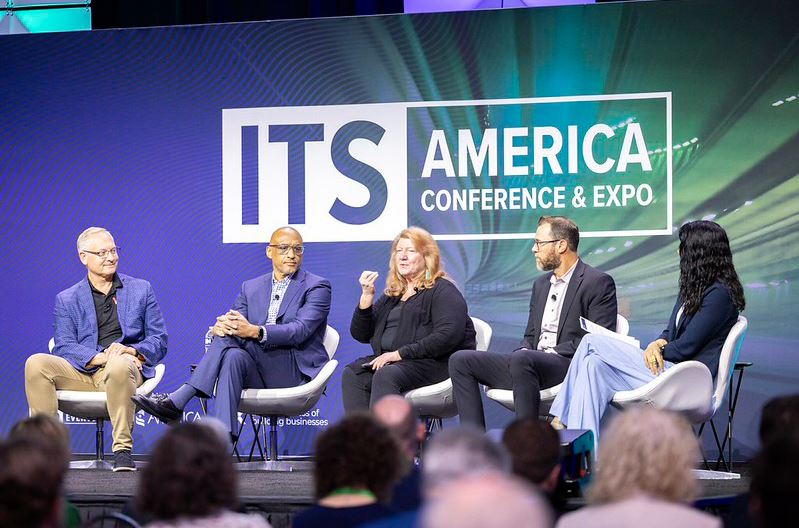
DETROIT, Mich. June 17: The ITS America Conference & Expo 2026 brought breakthrough technologies and real-world solutions to Detroit, drawing more than 3,000 industry professionals from 46 states, and the District of Columbia together to advance safer, smarter, and more connected mobility worldwide. Organized in partnership by RX Global and ITS America, the four-day event at Huntington Place united the industry’s most forward-thinking companies and global leaders around solutions spanning artificial intelligence, connected transportation, cybersecurity, data analytics, digital infrastructure, and autonomous vehicles.
This year’s conference, themed “Empowering Innovation,” featured more than 100 conference sessions spanning four days, 25 live demonstrations, 170+ exhibitors and sponsors, and an unprecedented outdoor demonstration program that placed attendees directly inside Detroit’s connected transportation corridors. Michigan Governor Gretchen Whitmer helped wrap up the conference with closing remarks, then met with industry leaders and Clinton High School STEM students on the exhibit hall floor.
Detroit served as more than a backdrop. As the birthplace of American automotive manufacturing and home to 1.7 million vehicles produced annually, the city gave the intelligent transportation community a living laboratory to showcase how the industry’s most advanced technologies are being deployed on real roads, in real time. From the 45-mile I-94 Freeway Experience connecting downtown Detroit to Ann Arbor, to the four-mile M-1 Intelligent Woodward Experience featuring 31 vehicle-to-everything (V2X)-equipped intersections and autonomous vehicle shuttles, attendees experienced the full potential of connected transportation firsthand.
“The technologies on display here, including AI-powered traffic management and V2X-connected corridors, represent the very innovation our industry has championed for decades,” said Laura Chace, President and CEO of ITS America. “What we witnessed in Detroit shows that bringing people from across public, private, and research sectors together builds lasting partnerships and leads to safer, smarter, and more connected transportation.”
The conference program brought national leaders to center stage for two landmark plenary sessions. On June 10, Sean McMaster, Administrator of the Federal Highway Administration at the U.S. Department of Transportation, joined public and private sector leaders to reflect on the industry’s 35-year evolution and chart the course for the next generation of mobility. On June, 11, Miovision sponsored a plenary session, led by Laura Chace and Kurtis McBride, CEO and Co-founder of Miovision, featuring key transportation executives and focused on turning bold ideas into measurable real-world outcomes. State DOT roundtables also provided transportation leaders with a dedicated platform to exchange implementation strategies and share lessons learned from the field.
“ITS America Conference & Expo 2026 delivered an experience unlike any other,” said Jaime McAuley, Event Vice President, ITS America Events, RX Global. “The demonstration program in Detroit set a new standard, reaching far beyond the show floor and into the city itself. Connecting the ITS community to real, deployed technology along Detroit’s most iconic corridors gave every attendee something they could not experience anywhere else.”
The 2026 show floor introduced two new dedicated zones that reflected the industry’s most urgent priorities. The inaugural ITS StartUps Zone gave emerging transportation companies a platform alongside the industry’s most established players, connecting new voices in the sector with the agencies, investors, and partners needed to advance their technologies from concept to deployment.
The new Cybersecurity & Data Zone brought together 10 exhibitors, including Palo Alto Networks, Google, and 360 Network Solutions, LLC, delivering hands-on workshops, cutting-edge solutions, and expert sessions focused on protecting connected vehicles, securing smart infrastructure, and strengthening the resilience of transportation systems nationwide.
To demonstrate the benefits of using drone technology to deliver supplies to emergency responders, Blueflite staged a series of deliveries at the outdoor demo area. ITS America President and CEO Laura Chace, U.S. DOT representatives, Michigan DOT and ITS Michigan received deliveries of hats and koozies, and ITS Korea and the Korean Delegation received invitations to ITS World Congress 2026.
“As a former chair of ITS America, I know firsthand what this event means to the transportation community, and hosting it in Utah is something we take seriously,” said Carlos Braceras, Commissioner of the Utah Department of Transportation. “Salt Lake City is a city that embraces bold ideas, and the Salt Palace Convention Center will give transportation leaders from around the world the stage they need to share the technologies and solutions shaping the next generation of mobility. We cannot wait to see you in April 2027.”
The Future Leaders Program, sponsored by Southwest Research Institute, challenged students and young professionals to explore artificial intelligence’s role in transforming transportation, connecting rising talent directly with industry pioneers throughout the four-day event.


