


6, Oct 2026
6th Global Education Summit sees academicians from 30 countries participating at Chandigarh University
Chandigarh University working to make India a bridge between Developing and Developed World for transfer of knowledge & technology
Chandigarh University brings researchers and academicians from developed & developing world together on one platform
CHANDIGARH, India, Oct. 6, 2026 /PRNewswire/ — The 6th edition of the Global Education Summit (GES) hosted by Chandigarh University brought together more than 90 renowned global academic leaders representing 69 leading global universities from 30 nations both from developed and developing worlds on a single platform with an objective to build an international alliance for exchange of ideas, knowledge and technology and advance joint research initiatives to enhance the global exposure and overall learning experience of students through greater engagement with universities and academic leaders from across the world. The five-day-long summit, being held from October 5 to 9, brought together ambassadors and diplomatic representatives, Chancellors, Rectors, Vice Chancellors, Presidents, Pro-VCs, renowned academicians, policymakers, think tanks and global education experts from across the world for academic collaboration, knowledge exchange, technology transfer, academic mobility and joint research across diverse academic domains.

Organized on the theme ‘Collaborations in AI-based Research and Innovations for Creating a Sustainable Global Village’, GES 2026 places AI-based research and innovation at the centre of this global collaboration platform to create opportunities for institutions to pursue joint research, share knowledge and technologies and address emerging academic, technological, societal and global challenges.
The inaugural ceremony was graced by Sena Latif, Ambassador of Romania to India as the Chief Guest and Alba Smeriglio, Deputy High Commissioner, Embassy of the UK in India along with Prof. (Dr.) Matilde María Olarte Martínez, Vice-Chancellor for Culture, Heritage, Sustainability University of Salamanca, Spain as the Guest of Honour. The ceremony was also attended by Nadeska Imara Cuthbert, Ambassador of Nicaragua to India; Arlette Gabriela Bustamante Garcia, Chargé d’Affaires (CDA), Ambassador of Bolivia to India; Jason KM Hall, Ambassador of Jamaica to India; Dharamkumar Seeraj, Ambassador of Guyana to India; Karlito Nunes, Ambassador of Timor-Leste to India; Chandranath Singh, Ambassador of Trinidad and Tobago to India; Alonso Correa Miguel, Ambassador of Panama to India and Juan Angulo, Ambassador of Chile to India as Guests of Honour, Pro-Chancellor, Chandigarh University, Damandeep Kaur Sandhu and Prof. (Dr.) RS Bawa, Advisor to Chancellor, Chandigarh University among other dignitaries.
Speaking on the occasion, Sena Latif, Ambassador of Romania to India, said, “With technological advancements, distance has nearly disappeared and the idea of a global village, once only a metaphor, has become our daily reality. A student in Bucharest can now conduct research with a professor in Chandigarh, while researchers across continents can access the same tools, exchange ideas and collaborate almost in real time. AI is accelerating this transformation by enabling researchers to analyse shared data, test models across different contexts and build on each other’s results. Its potential extends beyond education and research to understanding climate patterns, managing water and energy resources, improving agriculture and delivering better healthcare to remote communities. These challenges affect us all, from Romania to Punjab, and therefore the search for solutions must also be global.”
Latif added, “A truly global village is not simply a connected world but one where shared opportunities are accessible to many, not just a few. AI can help build such a world through genuine collaboration among universities, governments and industry across borders and disciplines. Education cannot be separated from industry, nor climate from agriculture, as today’s challenges are deeply interconnected. India’s decision to double ITEC scholarships for Romanian students with a special focus on AI training reflects its leadership and growing global role in this field. Initiatives such as this Summit can help build the partnerships and interdisciplinary thinking needed to turn technological progress into shared opportunities and solutions for societies worldwide.”
Alba Smeriglio, Deputy High Commissioner, Embassy of the UK in India, said, “AI is transforming how universities conduct research how students acquire knowledge and how businesses innovate but the critical question is not simply how quickly we adopt these technologies it is how we ensure they are used responsibly, inclusively and in ways that contribute to sustainable development and shared prosperity. No single country can address these opportunities and challenges alone, and progress will depend on trusted partnerships between governments, universities, researchers and industry. Universities are central to this effort because they are not only developing the technologies of the future but also educating the leaders who will decide how those technologies are used. As AI becomes more powerful, higher education must prepare graduates who are technically capable as well as thoughtful, responsible and committed to the public good. The UK-India partnership provides a strong foundation for this collaboration with education, research and skills forming a core pillar of the India-UK Vision 2035. The growing research and innovation corridor and expanding partnerships between UK and Indian universities are creating opportunities across AI, quantum computing, sustainable energy, genomics, semiconductors and advanced engineering.
“The future will not be determined by AI alone, but by the choices governments, businesses, universities and societies make about how it is developed and applied. We need stronger connections between academia and industry, greater international knowledge-sharing and young people equipped with both technical skills and the values and judgment to use those skills responsibly.”
Juan Angulo, Ambassador of Chile to India, said, “The challenge of artificial intelligence must be addressed as a shared global concern with equity, accessibility and openness, and ethics and transparency at its core. We must ensure equitable access to AI tools, infrastructure, data and computing capacity along with capacity building and technology transfer so that the benefits of the AI revolution are not concentrated in a small number of countries or companies. Collaborative and open approaches must also respect cultural diversity and multilingualism, particularly in the Global South.
“AI systems must be developed with inclusion, traceability and respect for human rights and dignity. AI is already creating opportunities to improve administrative efficiency by automating tasks such as attendance, grading and scheduling, while predictive analytics can help identify students at risk of dropping out and enable timely interventions. International collaboration is essential to ensure that AI-driven innovation in education is inclusive, responsible and beneficial to societies worldwide. Chandigarh University is helping show the path for innovation in education and the possibilities of meaningful international collaboration.”
Prof. Matilde María Olarte Martínez, University of Salamanca, Spain, said, “AI is not merely a technological advancement but a frontier of moral, cultural and social decision-making that must be guided by ethics and the common good. Innovation must respect cultures, diversity and local identities, while AI can help safeguard cultural heritage, reduce inequalities and advance sustainability. Its true potential lies in international academic collaboration, where communities share knowledge and work together. Technology alone cannot drive transformative change; it is the ability of academic communities to collaborate that can help build a more sustainable, inclusive and just global village grounded in human dignity ensuring global justice.”
As part of GES, an 11-member delegation from Eastern Mennonite University (EMU), USA (United States of America) comprising 11 students and two faculty members are visiting Chandigarh University from October 6 to 7. The visit will provide opportunities for students and faculty from both universities to interact, exchange academic perspectives and gain greater exposure to international learning environments.
The academic deliberations at GES 2026 focus on four key areas, covering the ethical use of AI for building a sustainable society, the restructuring of higher education to create socially sensitive professional leaders, healthy practices in deploying AI-oriented technologies to advance the Sustainable Development Goals (SDGs), and the development of AI-based pedagogies for a more equitable and inclusive education model.
The five-day programme includes panel discussions, academic and research meetings, institutional interactions, online GES sessions featuring international speakers and cultural immersion, providing participating university representatives multiple avenues to engage with peers and explore areas for future collaboration.
Deep Inder Singh Sandhu, Senior Managing Director, Chandigarh University, said, “The Global Education Summit provides an important platform to facilitate academic collaboration, knowledge exchange, technology transfer, academic mobility and joint research across diverse academic domains by bringing together renowned academicians, policymakers, think tanks and global education experts from across the developed and developing worlds with India serving as an academic bridge between the two to create greater opportunities for academic collaboration, knowledge exchange, technology transfer, academic mobility and joint research. Such global academic engagement also helps create more equal and inclusive opportunities for students to access global learning, gain international exposure, engage with diverse academic perspectives and benefit from knowledge and technology transfer. With over 540 international academic collaborations with top global universities and prestigious academic institutions in more than 100 countries across six continents, Chandigarh University (CU) has become the first Indian university to achieve this scale of international engagement. Aligned with the new National Education Policy (NEP-2020) guidelines, CU has been placing a strong emphasis on internationalization and foreign collaborations with leading global academic institutions.”
About Chandigarh University
Chandigarh University is a NAAC A+ Grade University and QS World Ranked University. This autonomous educational institution is approved by UGC and is located near Chandigarh in the state of Punjab. It is the youngest university in India and the only private university in Punjab to be honoured with A+ Grade by NAAC (National Assessment and Accreditation Council). CU offers more than 109 UG and PG programs in the field of engineering, management, pharmacy, law, architecture, journalism, animation, hotel management, commerce, and others. It has been awarded as The University with Best Placements by WCRC.
Website address: https://www.cuchd.in/
 View original content to download multimedia:https://www.prnewswire.com/in/news-releases/6th-global-education-summit-sees-academicians-from-30-countries-participating-at-chandigarh-university-302898486.html

- 0
- By Sai Krishna

6, Oct 2026
IIT Organises Wildlife Photography Workshop as Part of National Wildlife Week 2026
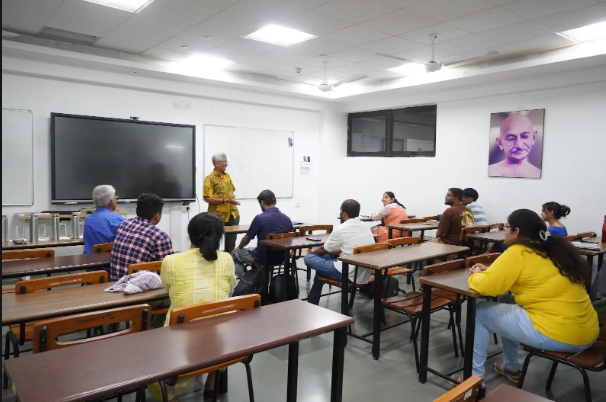
Gandhinagar, October 06, 2026: IIT Gandhinagar’s Dr Kiran C Patel Centre for Sustainable Development (KPCSD) organised a three-day hands-on workshop on “Wildlife Photography and Filming for Biodiversity Conservation and Sustainable Development” from October 2 to 4, 2026, as part of National Wildlife Week 2026. Bringing together students, staff and residents from the IIT Gandhinagar community, the workshop aimed to foster a deeper appreciation of wildlife and biodiversity while exploring how photography and filmmaking can serve as powerful tools for nature documentation, awareness and conservation.
Prof C N Pandey, Coordinator, KPCSD, delivered the welcome and inaugural address highlighting the significance of National Wildlife Week and the need to develop a deeper connection with nature and wildlife. He connected the spirit of wildlife conservation with Mahatma Gandhi’s principles of ahimsa, emphasising compassion, respect and love for all forms of life.
“Appreciation of nature should ultimately translate into greater care and responsibility towards our natural environment. Developing a deeper connection with wildlife allows us to understand not only its beauty but also our responsibility towards protecting it,” said Prof C N Pandey, Coordinator, KPCSD.
This was followed by a workshop overview by Mr Mukesh A Acharya, renowned wildlife photographer, visual artist and nature educator with over four decades of experience. He spoke about the importance of bringing together “action, story, and science”, where photographs are supported by scientific understanding and can communicate important conservation messages.
“The coming together of action, story and science allows photography to go beyond visual appeal and become a meaningful medium for understanding nature and communicating conservation messages,” said Mr Mukesh A Acharya.
The resource persons included Mr Mukesh A Acharya, Mr Wilkis James, Mr Aayush Dudhiya and Mr Arijit Reeves, who shared their knowledge, experience and passion for photography, filmmaking and nature conservation with the participants throughout the three days. Participants were also encouraged to learn more about the Wildlife Protection Act and, more importantly, understand the value of the natural resources and biodiversity around them.
Over the three days, participants explored the fundamentals of photography and composition, camera equipment and techniques, wildlife behaviour and field craft, photo editing, and responsible wildlife photography. Participants were provided with a chance to see biodiversity and experience wildlife photography first hand through a field visit to Indrora Nature Park, Gandhinagar and photography sessions at IIT Gandhinagar campus.
The resource persons stressed that photography needs a lot of patience and constant learning. It takes years of practice and observation to learn light, exposure, ISO and the many tools of photography.They also mentioned that IIT Gandhinagar itself is rich in biodiversity and participants have a great opportunity to continue observing, exploring and learning through photography on the campus.
The workshop concluded with a photography exhibition showing enthralling images based on two themes, Wild Feet & Fur and Colors and Textures of Nature & a special photography exhibition of the photographs of Valley of Flowers, Uttarakhand by Mr Mukesh A Acharya on the theme of the beauty and diversity of the natural world.
The workshop demonstrated that taking pictures of nature can be the start of a deeper journey of understanding, valuing and conserving biodiversity.It encouraged participants to look more closely at their surroundings, to appreciate the natural resources around them, and to recognize their role in protecting them.
Through such initiatives, the Dr Kiran C Patel Center for Sustainable Development at IIT Gandhinagar aims to promote a higher level of environmental consciousness and strengthen the bond between people and nature, thus contributing to a more sustainable future.
6, Oct 2026
Bhubaneswar Police, Fire Services Tighten Safety Norms for 193 Durga Puja Pandals
Bhubaneswar, Oct. 6 (UDN): Ahead of the upcoming Durga Puja celebrations, the Commissionerate Police and Fire Services have stepped up preparations to ensure safe and orderly festivities across Bhubaneswar, with strict safety measures finalized for 193 puja medhas and pandals.
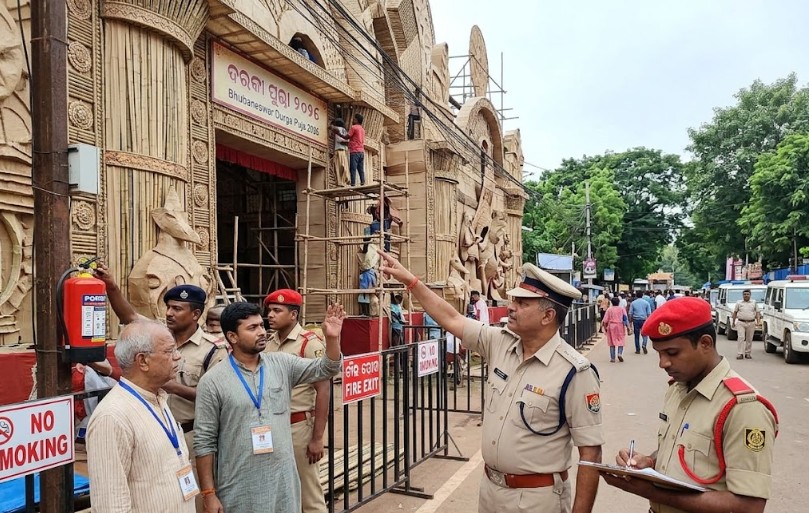
Representational Image
The guidelines place particular emphasis on fire prevention, safe installation of temporary structures, regulated sale of fireworks and preparedness of puja committees to respond to emergencies.
Strict Checks on Firework Vendors
Authorities will conduct verification of identity documents and temporary licences of fireworks vendors operating during the festive period. Sellers will be required to comply with prescribed safety and location norms and can stock and sell only permitted green crackers.
The administration has also stressed that fireworks outlets must maintain the required distance from sensitive locations, including residential areas and educational institutions, as stipulated under applicable safety regulations.
Fire Safety Clearance for Pandals
Puja committees have been directed to comply with mandatory fire-safety requirements, particularly for larger temporary structures.
Pandals are required to use fire-resistant materials and maintain adequate open access routes so that fire tenders and other emergency vehicles can reach the premises without obstruction. Organisers must also ensure that temporary structures and decorative installations maintain safe clearance from electrical power lines.
Firefighting Equipment Mandatory
Every puja venue must have basic firefighting arrangements readily available throughout the celebrations. These include functional fire extinguishers, sand-filled buckets and adequate water storage facilities.
Organisers have been advised to ensure that firefighting equipment remains easily accessible and is not blocked by decorations, stalls or crowd-control barricades.
Volunteers to Support Emergency Response
Puja committees will also be required to deploy trained volunteers to assist with crowd management, emergency communication and evacuation procedures.
Volunteers are expected to remain familiar with designated exit routes and help guide visitors to safety in the event of a fire or other emergency until professional responders arrive.
Focus on Safe and Orderly Celebrations
The Commissionerate Police and Fire Services have urged puja committees, vendors and visitors to strictly follow the prescribed safety norms and cooperate with enforcement personnel.
The measures are aimed at preventing fire-related incidents, ensuring smooth movement of emergency vehicles and protecting devotees and visitors during the festive rush.
Authorities have indicated that violations of the prescribed safety requirements may invite action under the applicable rules. Organisers have been advised to complete all required safety arrangements well before the celebrations begin.
6, Oct 2026
KIIT-DU 22nd Convocation: Over 10,000 Graduates Receive Degrees, Eminent Leaders Call for Innovation
Bhubaneswar, Oct. 6 (UDN): The 22nd Annual Convocation of KIIT Deemed to be University (KIIT-DU) concluded here with more than 10,000 graduates receiving their degrees and eminent national and international speakers calling upon them to embrace innovation, seize emerging opportunities and remain committed to society.
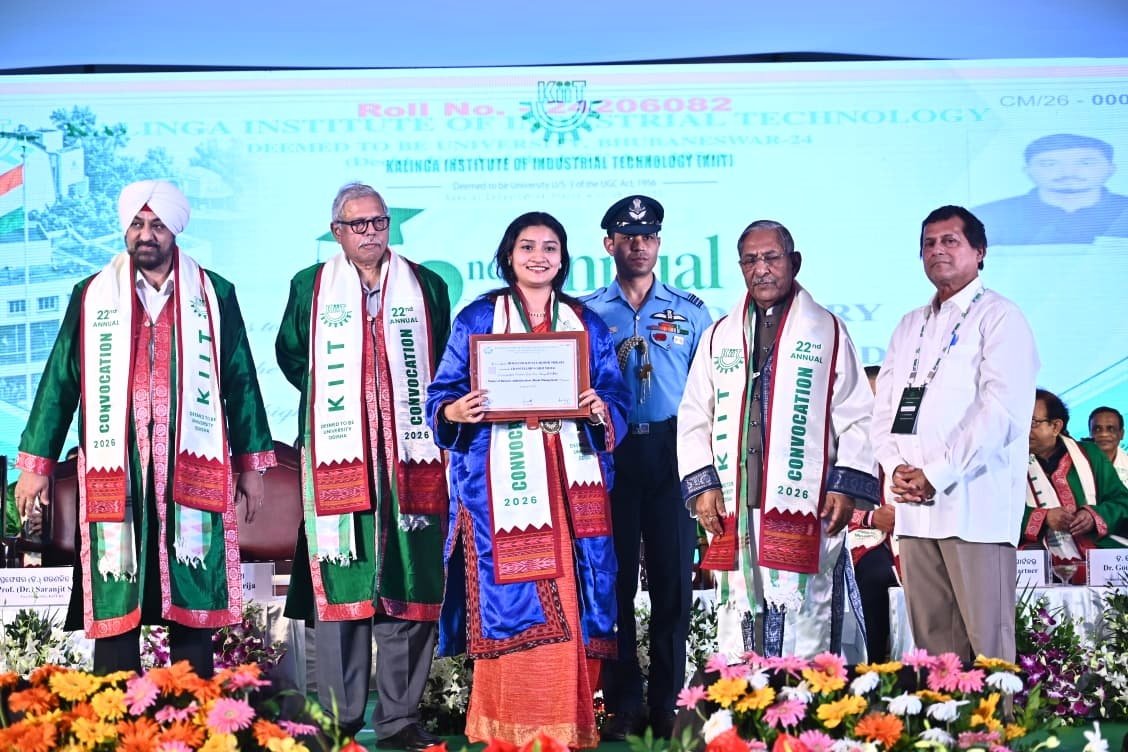
Pic Credit: x.com/achyuta_samanta
The three-day convocation brought together prominent figures from government, industry, academia, journalism and international institutions, who shared perspectives on technology, education, leadership and India’s evolving role in the global arena.
Nagaland Governor Nand Kishore Yadav lauded KIIT’s growth and described its journey as an example of vision, perseverance and determination. He also acknowledged the contribution of KIIT and KISS founder Dr. Achyuta Samanta, along with the university’s leadership, faculty and staff, to the field of education and national development.
Vice Chairperson of NITI Aayog Dr. Ashok Kumar Lahiri highlighted the growing influence of technology and modernisation, while stressing that India’s traditional values and cultural heritage must progress alongside technological development.
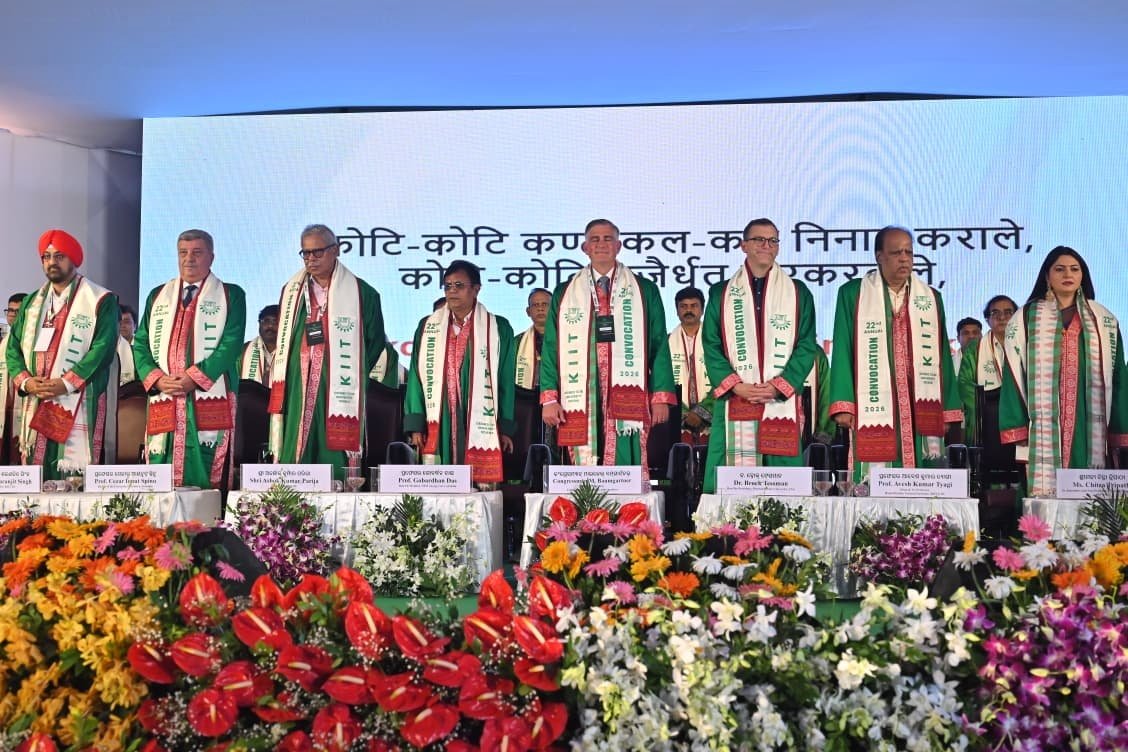
US Congressman Michael Baumgartner said educational institutions have an important role in promoting peace and stability across the world. Dr. Brock Tessman, President of Montana State University, USA, was also among the international academic leaders who addressed the gathering.
The convocation featured speakers from diverse sectors, including Motilal Oswal, Co-Founder, Group Managing Director and CEO of Motilal Oswal Financial Services; Dr. Goutam Roy Chowdhury, Chairman and Chancellor of Techno India Group and Techno India University, Kolkata; and senior journalist Chitra Tripathi of ABP News.
Motilal Oswal highlighted Dr. Samanta’s long-standing efforts in building KIIT and KISS and credited his dedication and sacrifices for the institutions’ growth since their establishment.
Other distinguished speakers included Prof. Gobardhan Das of NITI Aayog, Prof. Cezar Ionuț Spînu, Rector of the University of Craiova, Romania, and Prof. Avesh Kumar Tyagi, Dean and Senior Professor at Homi Bhabha National Institute.
Addressing the graduating students, Dr. Sanjiv Goenka, Founder and Chairman of RP-Sanjiv Goenka Group, said they were entering a period of immense opportunity as India continues to expand its economic and developmental ambitions. Dr. Ravi Pachamuthu, Chairman of SRM Group and Chancellor of SRM University Delhi-NCR, also addressed the graduates.
KIIT-DU Chancellor Ashok Kumar Parija presided over the convocation. KIIT founder Dr. Achyuta Samanta, Vice Chancellor Prof. Saranjit Singh and Pro Vice Chancellor (Administration)-cum-Registrar Prof. Jnyana Ranjan Mohanty were among the university’s senior leadership present during the event.
The three-day ceremony also recognised academic and extracurricular excellence through a range of medals and honours. The Founder’s Gold Medal, Chancellor’s Gold Medal, P.K. Bal Memorial Gold Medal, Paradeep Phosphates Ltd. Gold Medal, Nanibala Memorial Gold Medal, Krushna Chandra Panda Memorial Gold Medal and Dr. Wati Paramguru Memorial Gold Medal were among the top honours presented.
Students were also awarded the Vice-Chancellor’s Silver Medal, Dr. Nitish Kanta Silver Medal and Manju Rath Silver Medal for achievements in different fields.
With thousands of graduates stepping into professional and academic careers, the convocation marked the culmination of their university journey while placing renewed emphasis on innovation, responsible leadership and contribution to society.
6, Oct 2026
Odisha Government Announces Major OAS Reshuffle, 20 Officers Get New Assignments
Bhubaneswar, Oct. 6 (UDN): The Odisha government has carried out a major reshuffle in the Odisha Administrative Service (OAS), transferring and assigning new responsibilities to a number of officers across key departments and districts.
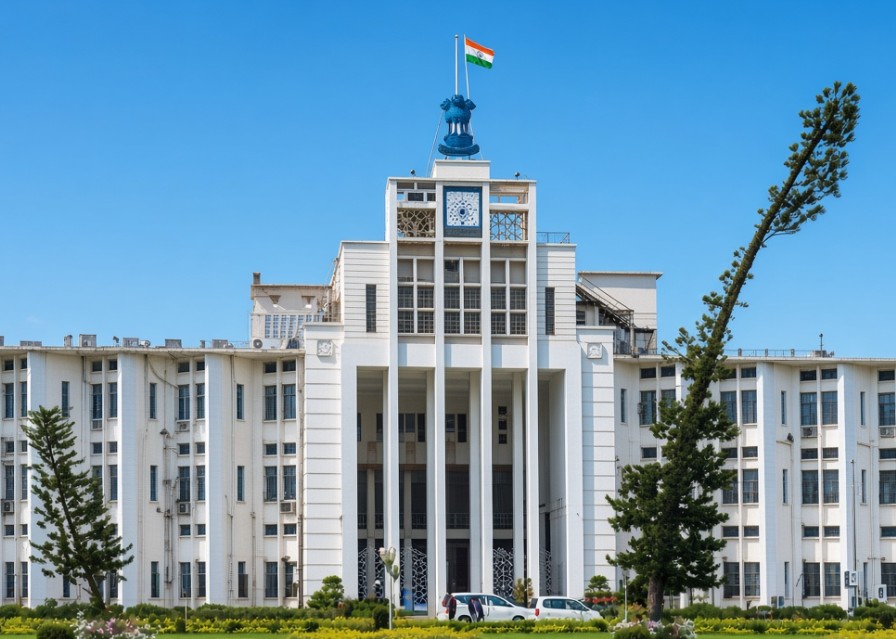
Representational Image
The transfers were notified by the General Administration & Public Grievance Department, with several officers moving to important positions in the state secretariat, district administration, revenue administration and other government institutions.
Senior OAS officers shifted
Among the senior-level changes, Subhasis Mansingh, OAS (SAG), currently Additional Commissioner, Settlement and Consolidation in the office of the RDC (Central Division), Cuttack, has been transferred and posted as Additional Secretary, Women & Child Development Department.
Bibekananda Sahoo, OAS (SAG), who was serving as Additional Secretary in the Women & Child Development Department, will now take charge as Additional Commissioner, Additional Revisional Court, Bhubaneswar, under the Member, Board of Revenue.
Basudev Nayak, OAS (SAG), Deputy Collector, Jajpur, has been posted as Additional Commissioner, Settlement and Consolidation, RDC (Central Division), Cuttack.
Meanwhile, Pratap Pritimaya, OAS (SAG), Additional District Magistrate, Angul, has been transferred as Additional Secretary, Revenue & Disaster Management Department.
Ashutosh Samal, OAS (SAG), Additional Commissioner of the Additional Revisional Court, Bhubaneswar, has been appointed Secretary, Odisha Human Rights Commission (OHRC).
Changes in key urban and departmental assignments
Saroj Kumar Swain, OAS (SAG), Additional Secretary, Tourism Department, has been transferred and posted as Secretary, Cuttack Development Authority (CDA).
At the district level, Mayadhar Behera, OAS (S), Sub-Collector, Angul, has been appointed Additional District Magistrate, Angul. The government has also formally vested him with the powers of Additional District Magistrate under the applicable provisions of the Bharatiya Nagarik Suraksha Sanhita, 2023.
New postings for several OAS Grade A officers
A number of OAS Grade A (Senior Branch) officers have also received fresh assignments.
Ashok Kumar Das, formerly Sub-Collector, Bonai, Sundargarh, and recently posted to the GA & PG Department, has been appointed Deputy Secretary, Higher Education Department.
Umakanta Parida, Sub-Collector, Champua, has been transferred as Deputy Secretary, Tourism Department.
Anup Panda, formerly Sub-Collector, Paralakhemundi, has been posted as Deputy Secretary, Odia Language, Literature & Culture Department.
Parakshit Sahoo, Sub-Collector, Deogarh, will now serve as Deputy Secretary, Chief Minister’s Grievance Cell (CMGC), Bhubaneswar.
Deogarh, Panposh and Nayagarh get new Sub-Collectors
The reshuffle has also brought changes in several sub-divisional administrations.
Rashmi Ranjan Mahanta, formerly Sub-Collector, Rairakhol, has been posted as Sub-Collector, Deogarh and appointed Sub-Divisional Magistrate (SDM) of the subdivision.
Prabhat Kumar Parida, formerly Sub-Collector, Bhawanipatna, has been posted as Sub-Collector, Panposh and appointed SDM of Panposh.
Kishor Kumar Panda, Additional Executive Officer, Zilla Parishad, Bargarh, has been transferred as Sub-Collector, Nayagarh and appointed SDM of the subdivision.
Following the reshuffle, Chandrakant Mallick, Sub-Collector, Panposh, has been transferred to the state secretariat as Deputy Secretary, Skill Development & Technical Education Department.
More district-level changes
Jadumani Naik, formerly Sub-Collector, Jeypore, has been posted as Additional Executive Officer, Zilla Parishad, Boudh.
Asish Ranjan Sahoo, formerly Sub-Collector, Talcher, has been appointed Sub-Collector, Angul and vested with the powers of SDM.
Premlal Hial, formerly Sub-Collector, Koraput, has been posted as Deputy Secretary, Odisha Uniformed Services Staff Selection Commission (OUSSSC), Bhubaneswar.
In another important change, Pranaya Ranjan Behera, Sub-Collector, Kaptipada, Udala, who was also holding additional charge as PA, ITDA, Baripada, has now been posted as Project Administrator, ITDA, Baripada, Mayurbhanj.
Administrative focus
The latest reshuffle brings changes across women and child development, revenue administration, tourism, higher education, skill development, culture, human rights and district administration.
The movement of officers is expected to strengthen administrative responsibilities at both the state and district levels, while placing experienced OAS officers in key operational and policy positions.
6, Oct 2026
Odisha Student Polls 2026: AI Deepfakes, Fake News and Personal Attacks Face Strict Ban
Bhubaneswar, Oct. 6 (UDN): As Odisha prepares to bring back student union elections after an eight-year gap, the state government has introduced a stringent code of conduct aimed at keeping campus campaigning transparent, disciplined and free from digital misinformation.
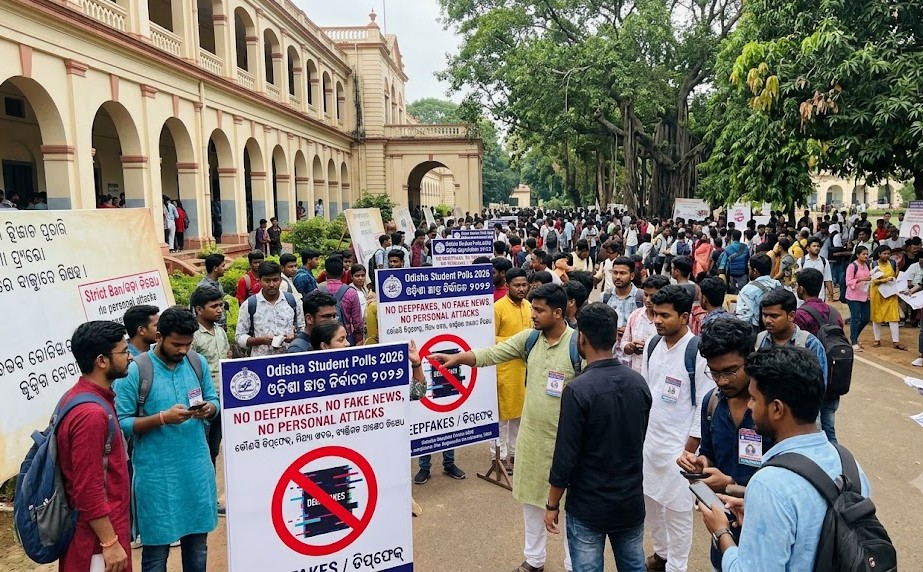
Representational Image
The Odisha Higher Education Department has scheduled student union elections across eligible colleges and universities for October 15, 2026. With social media now playing a major role in political and public campaigning, the latest guidelines place particular emphasis on regulating candidates’ online activities.
AI-generated content under the scanner
One of the most significant provisions is the restriction on the use of artificial intelligence to manipulate election-related content.
Candidates and their supporters will not be permitted to create or circulate fake videos, deepfakes, manipulated photographs or other AI-generated material designed to misrepresent or target rival candidates.
The move comes amid growing concerns over the rapid spread of synthetic media and the difficulty of distinguishing genuine content from digitally manipulated material.
No abusive campaigns or personal attacks
The election guidelines also require candidates to maintain decorum during online campaigning.
Abusive language, personal attacks, defamatory statements, unsubstantiated allegations and misleading claims will not be permitted.
Authorities have also warned against using social media platforms to spread false information with the intention of influencing students or damaging the reputation of opponents.
The emphasis is on ensuring that online campaigning remains focused on issues, student concerns and constructive debate rather than personal attacks.
Traditional campaign methods face restrictions
The restrictions extend beyond social media.
Under the election framework based on the Lyngdoh Committee recommendations, candidates will face restrictions on conventional publicity methods, including printed posters, pamphlets, loudspeakers and vehicle rallies on campus.
Where permitted, candidates may use handmade posters in designated areas, subject to institutional rules.
The objective is to prevent excessive campaign activity, damage to campus property and disruption of academic environments.
₹5,000 campaign spending ceiling
Candidates will also have to operate within a prescribed campaign expenditure limit.
The spending ceiling has been fixed at ₹5,000 per candidate, with candidates required to maintain and submit expenditure records as prescribed by the election authorities.
Post-election scrutiny of campaign expenses is intended to improve financial transparency and prevent excessive spending from influencing campus contests.
Political interference kept out
The guidelines also seek to preserve the independent character of student elections by discouraging direct political party involvement, funding and formal political affiliations.
The broader objective is to ensure that student representatives are elected on the basis of campus issues and student interests rather than external political influence.
Attendance and age rules
Eligibility requirements have also been specified for contestants.
As per the stated guidelines, candidates must be regular students and meet prescribed age and academic requirements. The framework includes a minimum 75% attendance requirement, while the age limits generally provide for candidates aged 17–22 years for undergraduate courses and up to 25 years for postgraduate courses, subject to applicable rules.
Candidates with criminal records are also barred from contesting under the prescribed eligibility conditions.
Eight years after the last campus polls
The October 15 election will mark the return of student union elections in Odisha after an eight-year hiatus.
With campuses preparing for the electoral process, the authorities face the challenge of balancing students’ right to campaign and participate in democratic activities with the need to prevent violence, misinformation, excessive spending and disruption of academic life.
The new digital provisions reflect a significant change from earlier campus elections: the election battlefield is no longer limited to the college campus—it also extends to smartphones and social media platforms.
For candidates and their supporters, the message is clear: campaign actively, but stay within the rules. In the 2026 student polls, a viral post could attract as much scrutiny as a physical campaign violation.
6, Oct 2026
October Heat Intensifies in Bhubaneswar, ‘Feels Like’ Temperature Soars Amid High Humidity
Bhubaneswar, Oct. 6 (UDN): Bhubaneswar is witnessing an unusual spell of October heat, with daytime temperatures climbing to around 34°C to 36°C, several degrees above the seasonal normal.
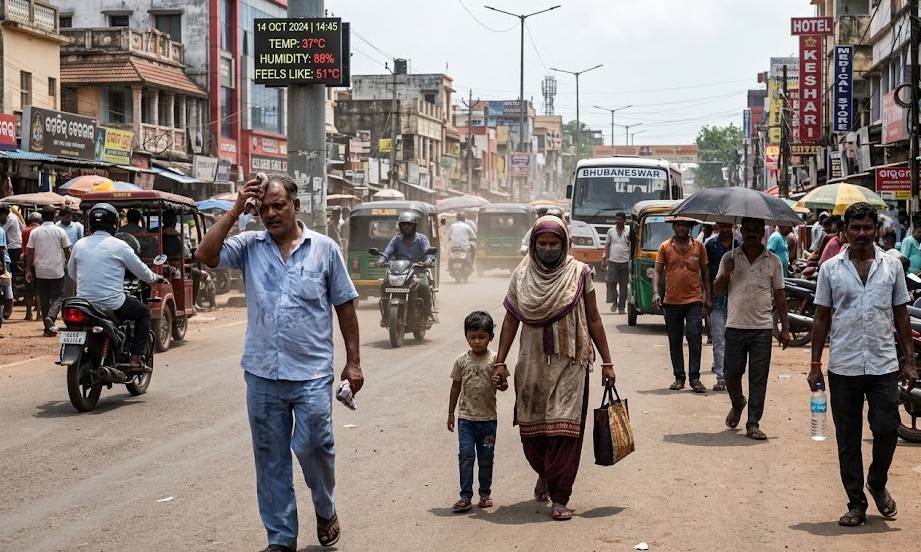
Representational Image
The combination of elevated temperatures and persistent coastal humidity has made the weather particularly uncomfortable, with the heat index or ‘feels-like’ temperature in some conditions reaching significantly higher levels.
Humidity levels hovering between 70% and 90% are adding to the discomfort by slowing the evaporation of sweat from the body, making the heat feel more oppressive than the actual air temperature.
Unusual warmth during the post-monsoon transition
The October heat comes during the transition from the southwest monsoon to the drier post-monsoon season.
With clearer skies and stronger sunshine during the daytime, the land surface can absorb substantial solar heat. The resulting warming is particularly noticeable across densely built-up parts of Bhubaneswar, where concrete structures and paved surfaces retain heat.
Urbanisation adds to the discomfort
The city’s expanding built-up landscape is another factor contributing to local heat.
Reduced vegetation, extensive concrete surfaces, traffic and dense construction can create an urban heat island effect, in which urban areas remain warmer than surrounding less-developed regions.
During the afternoon, this accumulated heat can make outdoor conditions feel considerably harsher, particularly for people working or travelling in direct sunlight.
Humidity makes the heat harder to tolerate
High humidity is a major reason why residents may feel considerably hotter than the thermometer reading suggests.
When atmospheric moisture is high, the body’s natural cooling mechanism—evaporation of sweat—becomes less efficient. As a result, prolonged exposure to the heat can increase the risk of dehydration, exhaustion and other heat-related discomfort.
Children, elderly people, outdoor workers and those with existing health vulnerabilities should take particular care during the hottest part of the day.
Residents advised to take precautions
People in Bhubaneswar are advised to remain hydrated, avoid unnecessary exposure to direct sunlight during peak afternoon hours and wear light, breathable clothing.
Outdoor workers and commuters should take regular breaks in shaded or cool areas and remain alert to symptoms such as excessive sweating, dizziness, weakness or headache.
The current spell serves as a reminder that October, despite marking the onset of autumn, can still bring intense heat to coastal Odisha, especially when high temperatures combine with substantial humidity.
As Bhubaneswar continues to urbanise, the impact of rising daytime temperatures and the urban heat island effect is also likely to remain an important issue for the city’s planners and residents.
6, Oct 2026
Kalinga Studio Gets a New Lease of Life as Odisha Revamps Film Infrastructure
Bhubaneswar, Oct. 5 (UDN): Odisha has taken a major step towards strengthening its film ecosystem with the inauguration of the redeveloped Kalinga Studio in Bhubaneswar on Monday.
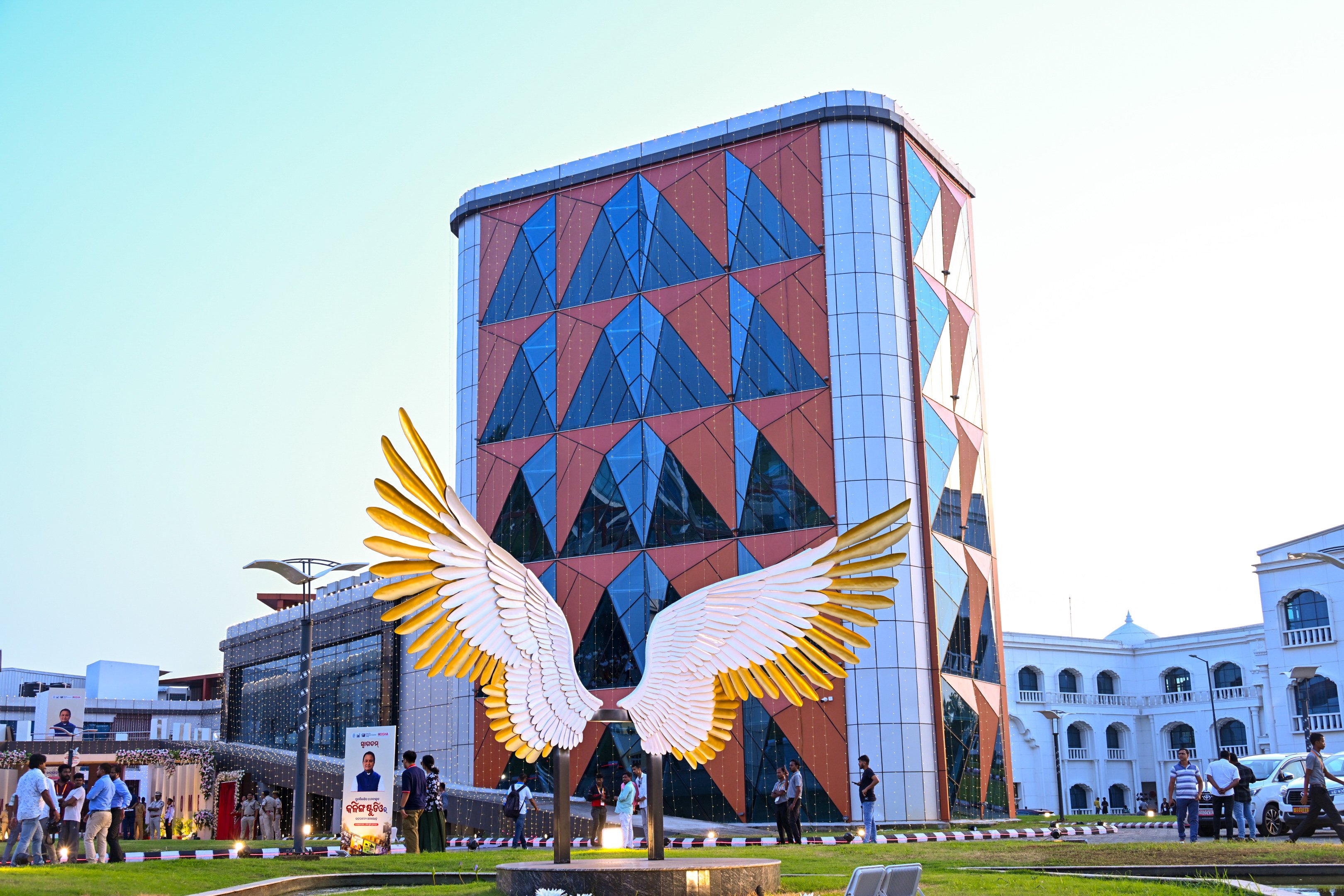
Pic Credit: x.com/CMO_Odisha
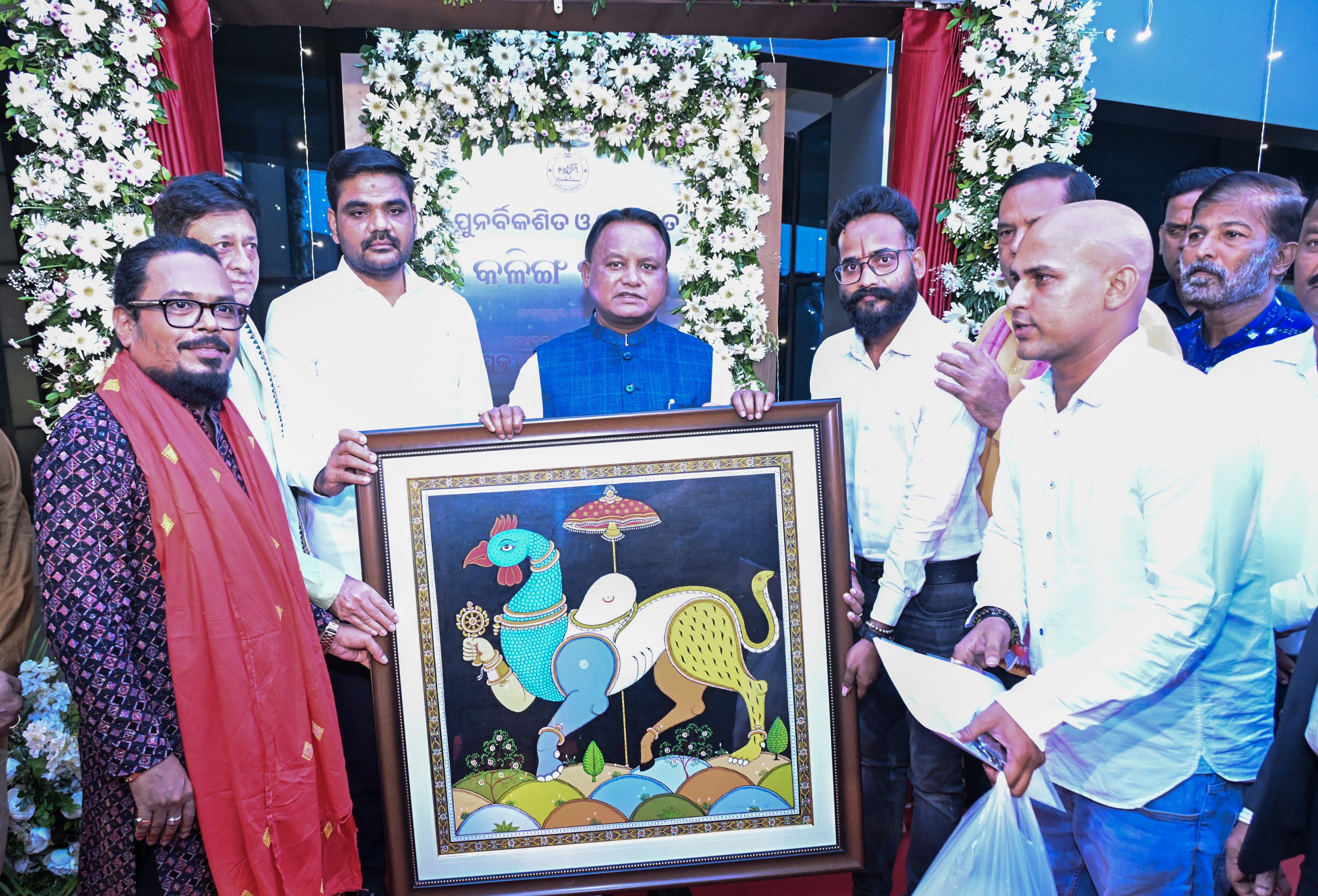
Chief Minister Mohan Charan Majhi inaugurated the modernised studio complex along with a dedicated cinema archive and museum, aimed at preserving the state’s rich and evolving cinematic heritage.
The redevelopment is expected to provide filmmakers with modern production and post-production facilities within the state, reducing their dependence on infrastructure outside Odisha.
From shooting floors to post-production
The revamped Kalinga Studio has been designed as an integrated film-production hub, offering facilities covering several stages of filmmaking.
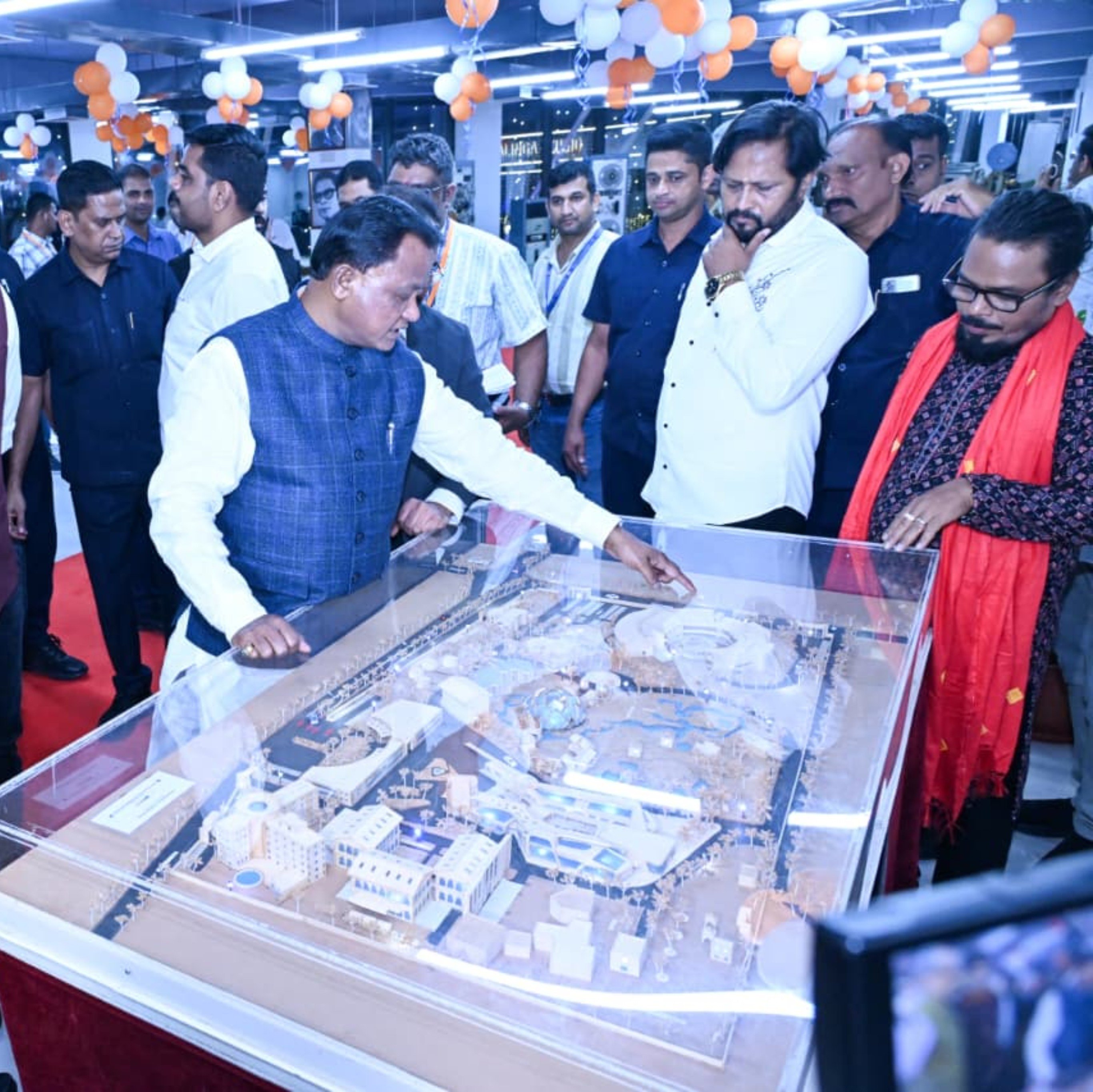
The complex includes indoor shooting floors, a snow house, chroma floor and technology zone, apart from infrastructure for sound recording, dubbing, editing and post-production work.
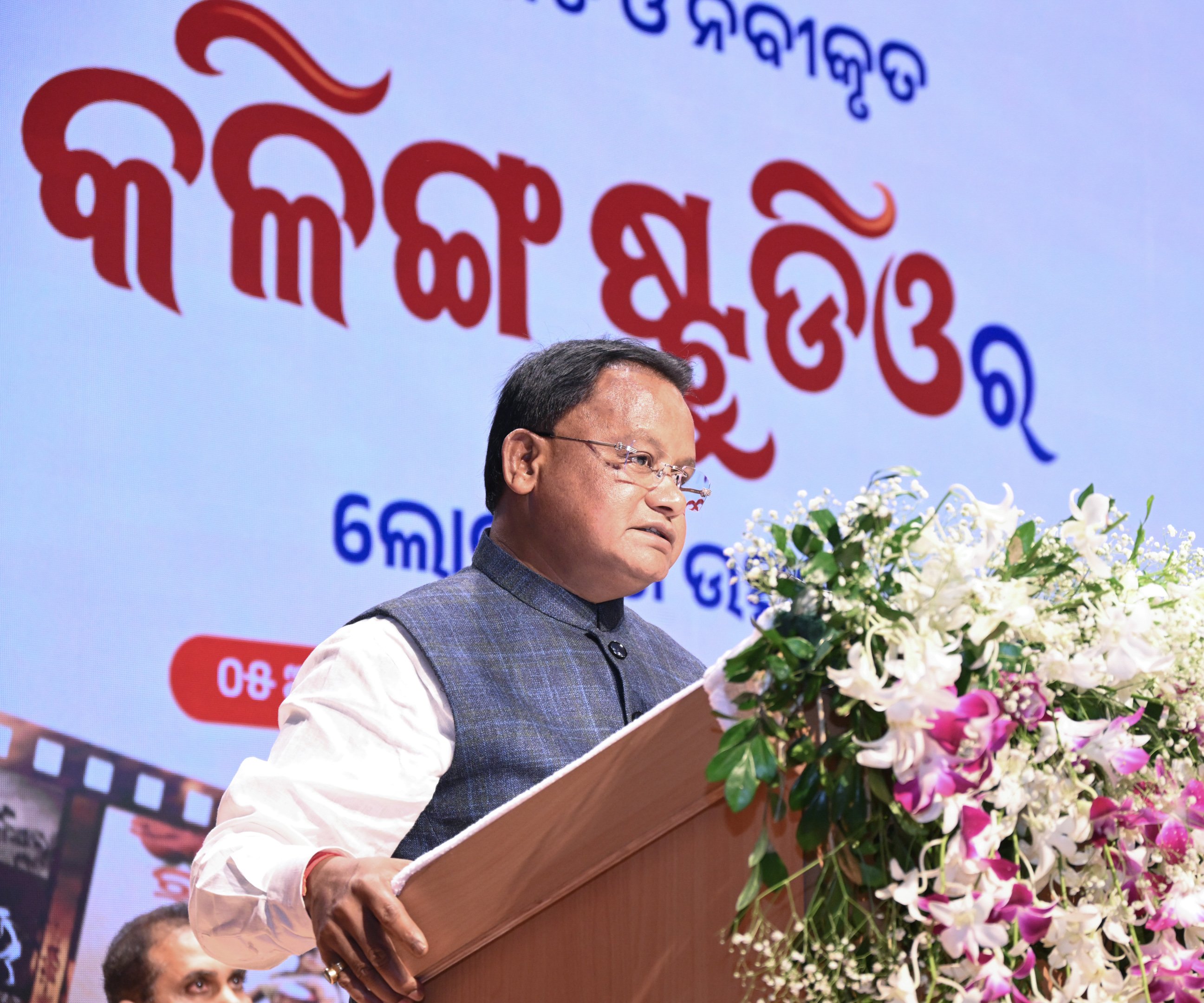
Speaking at the inauguration, Chief Minister Majhi said the upgraded facility would enable Odia filmmakers to access advanced technical infrastructure without having to travel to other states.
He also indicated that additional modern facilities would be introduced at the studio in the future.
A permanent home for Odisha’s cinematic memory
A key feature of the redevelopment is the new archive and museum, which will serve as a repository for the history of Odia cinema.
The facility is expected to preserve old films, posters, photographs and important historical documents, creating a space where future generations can explore the evolution of the state’s film industry.
Recalling the contribution of literature to Odia cinema during the 1950s and 1960s, Majhi referred to classics such as ‘Maa’, ‘Amadabata’ and ‘Matira Manisha’.
He said Odisha’s cinematic journey has been closely linked with its literary and cultural traditions.
From a 1980 film facility to a modern production hub
Established in 1980, Kalinga Studio was created to support film production in Odisha. However, years of natural disasters and rapid advances in filmmaking technology created the need for a comprehensive upgrade.
The redevelopment is intended to bring the facility in line with the changing requirements of the contemporary film industry.
The Chief Minister expressed confidence that Odisha’s young creative talent could make effective use of the new infrastructure.
He highlighted the growing capabilities of young professionals in acting, direction, cinematography, animation, sound design and digital storytelling.
Focus on Odisha’s stories and talent
Majhi urged young filmmakers to use Kalinga Studio to create original productions inspired by Odisha’s folklore, history, traditions and cultural heritage.
The government’s broader objective, officials indicated, is to position filmmaking as more than an entertainment industry and develop it as an economic sector capable of generating employment and supporting allied creative industries.
Industries, Skill Development and Technical Education Minister Sampad Chandra Swain said the redeveloped complex had been planned as an ultra-modern studio capable of supporting filmmakers from production through post-production.
He stressed that the film sector has the potential to become a significant economic ecosystem, generating opportunities for employment, entrepreneurship and creative businesses.
OFDC gets a new digital platform
The occasion also saw the launch of the new official portal of the Odisha Film Development Corporation (OFDC), adding a digital component to the state’s efforts to strengthen the film ecosystem.
The inauguration was attended by Ekamra MLA Babu Singh, Digapahandi MLA Siddhant Mahapatra, Korei MLA Akash Das Nayak, Industries Department Additional Chief Secretary Hemant Sharma and Kalinga Studio Managing Director Surendra Kumar Panda, among others.
With upgraded production infrastructure and a dedicated museum and archive, the redevelopment of Kalinga Studio marks an attempt to connect Odisha’s cinematic past with the opportunities of its emerging film and digital-content industry.
6, Oct 2026
Fiesta Americana Travelty Gives U.S. Travelers the Opportunity to Know Mexico and the Caribbean Like a Local
MEXICO CITY, MEXICO, FALL 2026 — Fiesta Americana Travelty, the online booking platform bringing together the distinct portfolio of Grupo Posadas hotel brands, has introduced a new U.S. consumer campaign inviting travelers to discover Mexico and the Dominican Republic with the insight of a hospitality company that has called Mexico home for more than 50 years.
Available at seven participating resorts, the offer includes 25% savings on stays of three nights or more plus a $300 Experience Credit toward select culinary, wellness, adventure, and destination experiences.
The “Know It Like We Do” campaign builds on Grupo Posadas’ Mexican-born hospitality philosophy and more than five decades of experience welcoming guests. Rather than focusing on rooms and amenities, the campaign highlights the local knowledge, personal connection, and experiences that allow travelers to see beyond the resort and go deeper than familiar landmarks and hotspots.
“Our resorts are gateways into the places we call home,” said Jose Jaime Lorenzo, Grupo Posadas Chief Commercial Officer. “We want guests to leave with more than beautiful photographs. We want them to carry home a story, a connection, a flavor. And with it all, we want them to gain a new understanding of the destination.”
Participating resorts include Devossion by Live Aqua Playa del Carmen, Live Aqua Punta Cana, Live Aqua Cancun, Grand Fiesta Americana Coral Beach Cancun, Fiesta Americana Condesa Cancun, Fiesta Americana Riviera Nayarit, and Fiesta Americana Puerto Vallarta.
The collection includes adults-only and family-friendly options; all are all-inclusive resorts, offering a wealth of elevated culinary journeys that bring local flavors and authentic traditions to life. Eligible experiences vary by resort and may include select dining, wellness, recreation, and destination activities.
For more information on participating resorts, eligible experiences, and booking details, visit https://www.
6, Oct 2026
Leonardo DRS Establishes UK Subsidiary and Launches Local Capabilities for its Tactical Radars including Full Manufacturing
New DRS UK capability will support growing demand for counter-UAS, air defence and active protection system applications
ARLINGTON, Va.– Oct. 6, 2026 – Leonardo DRS, Inc. (Nasdaq: DRS) announced the establishment of DRS UK, a new subsidiary created to support the company’s business in the United Kingdom, along with the launch of local production of tactical radars in the UK.
The newly purpose-built production site expands DRS’s manufacturing footprint and creates a dedicated local presence to support UK defence customers, industry partners and system integrators. The company said the investment is intended to strengthen long-term support for UK programmes and provide greater flexibility to meet evolving operational requirements.
DRS tactical radars are designed to detect, track and classify a wide range of airborne and ground threats, including unmanned aircraft systems (UAS) and rockets, artillery and mortars (RAM). The radars support counter-UAS, air defence, force protection and active protection system applications.
DRS said more than 10,000 radar panels have been deployed worldwide with operational service with the United States Armed Forces, NATO allies and other international customers.
“Establishing DRS UK and launching a full local tactical radar capability, strengthens our ability to support customers and partners with the proximity, responsiveness and manufacturing capacity needed to meet evolving operational requirements,” said John Baylouny, president and chief executive officer of Leonardo DRS. “This investment enables closer collaboration with UK industry partners and integrators to deliver counter-UAS, air defence and force protection capabilities that help protect the warfighter.”
“Our investment in UK-based manufacturing for advanced sensing technologies reinforces the industrial capability, supply chain resilience and skilled workforce needed to support critical defence priorities,” said Max Cohen, senior vice president and general manager overseeing DRS’s tactical radar portfolio. “By establishing this local capacity, we are creating high-value engineering and manufacturing opportunities while positioning DRS UK to support future export growth and deliver greater value to customers across the UK and Europe.”
The UK operation will serve as a strategic hub for DRS’s tactical radar business in the UK and Europe, the company said.