


16, Oct 2026
Odisha Extends Antyodaya Gruha Yojana Till 2029, Approves 2.91 Lakh Additional Houses
Bhubaneswar, Oct 16: In a major push towards providing permanent housing to economically weaker and vulnerable families, the Odisha government has approved the construction of an additional 2,91,666 houses under the Antyodaya Gruha Yojana and extended the scheme’s implementation period by two years, till 2029.

Chief Minister Mohan Charan Majhi announced the decision on Thursday, stating that the move would help more eligible families secure permanent homes and accelerate the state’s goal of ensuring housing for all.
The extension, which moves the scheme’s deadline from 2027 to 2029, is expected to expand the programme’s reach and provide housing assistance to more families in need.
₹7,550 Crore Outlay to Remain Unchanged
Despite the addition of nearly 2.92 lakh houses, the total financial outlay for the Antyodaya Gruha Yojana will remain unchanged at ₹7,550 crore.
As part of the revised financial plan, the state government has decided to divert ₹3,500 crore from the housing repair component towards the construction of new houses.
The reallocation is intended to support the expanded construction target within the existing budgetary provision.
Focus on Families Left Out of Other Housing Schemes
The Antyodaya Gruha Yojana primarily targets poor and vulnerable households that need permanent housing but have not qualified for assistance under the Pradhan Mantri Awas Yojana (PMAY).
The state government had initially set a target of providing houses to five lakh families under the scheme. With the approval of an additional 2,91,666 houses and the extension of the implementation period, the programme is expected to cover more eligible beneficiaries.
The initiative forms part of the state’s broader efforts to address housing shortages among disadvantaged households and improve their living conditions.
Higher Incentives for Timely House Construction
Alongside the expansion of the scheme, the government has revised the financial incentives available to beneficiaries who complete their houses within the stipulated timeframe.
Under the revised structure, beneficiaries completing construction within five months will receive an incentive of ₹35,000, compared with the earlier incentive of ₹20,000 for completion within four months.
Similarly, those completing their houses within seven months will now be eligible for an incentive of ₹20,000, up from the earlier ₹10,000 offered for completion within six months.
The revised incentives are intended to encourage faster construction while providing beneficiaries with a more flexible completion period.
Push Towards Housing for All
The expansion of the Antyodaya Gruha Yojana marks a significant step in Odisha’s efforts to improve access to permanent housing for economically disadvantaged families.
With the extended deadline, additional housing approvals and revised beneficiary incentives, the state government aims to accelerate construction and bring more vulnerable households under the scheme.
The success of the expanded programme will depend on the timely implementation of approved projects and the effective delivery of assistance to eligible beneficiaries across Odisha.
- 0
- By Neel Achary

16, Oct 2026
Sunlife unveils new global brand
New logo, Sunlife name and Making life brighter tagline reflect the evolution of the global organization and its commitment to Clients
- New logo modernizes Sunlife’s sun globe design, creating a more distinctive look for an increasingly digital world.
- Sunlife as one word, reflects the broader role the company plays in Clients’ lives today while maintaining its connection to a trusted name.
- New global tagline, Making life brighter, captures Sunlife’s commitment to helping Clients move forward with confidence.
HONG KONG, Oct. 16, 2026 /PRNewswire/ — Sun Life Financial Inc. (“Sunlife”) today unveiled a refreshed global brand, marking a new chapter for the company and reflecting the growing breadth and integration of its business worldwide.

Sunlife has evolved well beyond its traditional roots in life insurance, expanding its global reach and capabilities across asset management, health, wealth and insurance. Asia has been an important part of that growth story, with Sunlife Asia now serving more than 30 million Clients across eight markets and contributing 18% of Sunlife’s group underlying net income in 2025, up from 15% two years earlier.
The refreshed brand brings the company’s identity in line with that transformation through a modernized version of its logo, simplified and optimized for a digital world, alongside a new global tagline, Making life brighter. The company is also bringing its global brand name together as Sunlife, one word. Together, the changes create a more modern, distinctive and consistent expression of Sunlife around the world.
“This is about much more than changing how Sunlife looks. It’s about building a brand aligned to our Purpose and ambition for the next chapter of our company,” said Kevin Strain, President and Chief Executive Officer, Sunlife. “By bringing the strength of Sunlife together under one clear global identity, we create deeper relationships, serve more of our Clients’ needs and unlock new opportunities for growth. That is the opportunity behind this evolution and the future we are building toward.”
At the heart of the new brand is Making life brighter, a simple expression of the impact Sunlife strives to have every day. It means helping make important decisions clearer, challenges more manageable and opportunities feel more within reach. It also connects directly to Sunlife’s Purpose: helping Clients build lifetime financial security and lead healthier lives. Through trusted advice, solutions and support, Sunlife aims to be an active and trusted partner helping Clients navigate the moments and decisions that shape their lives, or their businesses.
“Sunlife has been part of Asia for more than 130 years, longer than any other global life insurer, and we’re proud of the history and connection people have with our brand,” said David Broom, Chief Client and Distribution Officer, Sunlife Asia. “Our refreshed Sunlife brand reflects the business we’ve built in Asia today – one that’s more connected, more digital and better positioned to support Clients through every stage of their financial journey.”
The refreshed Sunlife brand reflects the evolving needs and expectations of Clients. New global research from Sunlife highlights a growing expectation among consumers for more integrated support. In Asia, nearly two-thirds (62%) say managing their health can affect their financial situation, while the same proportion (62%) say their financial situation has an impact on their health. The survey also highlights strong demand for a more integrated approach, with nearly three-quarters (72%) wanting support that considers their health, finances and protection needs together rather than separately. That demand is significantly higher in Asia than in North America, where fewer than half (47%) say they want integrated support, and is also above the global average of 65%.
“Across Asia, people are living longer, building more wealth and managing increasingly interconnected financial needs,” said David Broom. “As those needs become more complex, Clients are looking for simpler, more connected ways to manage them. By bringing together our expertise across insurance, wealth and financial advice, we provide the connected support to help Clients navigate those decisions with greater confidence and build a stronger financial future.”
While Sunlife’s brand is evolving, its commitment to delivering on its Purpose remains unchanged. The refreshed brand will bring that commitment to life through a more modern and consistent Sunlife experience around the world. It will roll out in phases across global markets, businesses, and Client experiences, beginning with high-impact digital and Client-facing channels. During the transition, audiences may see both the previous and refreshed Sunlife branding across different touchpoints.
Learn more about Sunlife’s refreshed brand, including its new logo, tagline and brand story, at sunlife.com/ourbrand
About Sunlife
Sunlife is a leading international financial services organization providing asset management, wealth, insurance and health solutions to individual and institutional Clients. Sunlife has operations in a number of markets worldwide, including Canada, the U.S., the United Kingdom, Ireland, Hong Kong, the Philippines, Japan, Indonesia, India, China, Australia, Singapore, Vietnam, Malaysia and Bermuda. As of June 30, 2026, Sunlife had total assets under management of $1.70 trillion. For more information, please visit www.sunlife.com.
Sun Life Financial Inc. trades on the Toronto (TSX), New York (NYSE) and Philippine (PSE) stock exchanges under the ticker symbol SLF.
About Sunlife global research
Sunlife’s global research surveyed more than 8,800 adults across Canada, the United States, Hong Kong, the Philippines, Vietnam, Indonesia, Malaysia and Singapore. Conducted online by Earnscliffe on behalf of Sunlife in September 2026, the study examined how people are navigating their health and financial lives and the support they need to prepare for the future. Approximately 1,000 respondents were surveyed in each market, with results weighted to reflect national population profiles by age, gender and region.
Note to editors: All figures in Canadian dollars.



16, Oct 2026
Odisha to Develop Lightning Safety Roadmap for 2027–2030, Focus on Early Warning Systems
Bhubaneswar, Oct 16: The Odisha government will formulate a comprehensive lightning safety roadmap for 2027–2030, with a strong emphasis on accurate forecasting, timely early warnings, public awareness and rapid emergency response to reduce lightning-related deaths and damage across the state.

Revenue and Disaster Management Minister Suresh Pujari announced the initiative on Thursday while inaugurating a two-day National Workshop on Lightning Safety organised by the Odisha State Disaster Management Authority (OSDMA) in Bhubaneswar.
The proposed roadmap aims to strengthen the state’s preparedness for lightning-related disasters through improved technology, coordinated response mechanisms and greater community participation.
Technology to Strengthen Lightning Forecasting
Addressing the workshop, India Meteorological Department (IMD) Director General Mrutyunjay Mohapatra highlighted the importance of adopting advanced technologies to improve lightning detection and forecasting.
He emphasised the potential use of satellite data, artificial intelligence (AI) and machine learning to enhance the accuracy of lightning predictions and provide more timely warnings to vulnerable communities.
Improved forecasting capabilities are expected to help authorities identify potential risks earlier and communicate alerts more effectively, enabling people to take precautionary measures before lightning strikes occur.
Focus on Vulnerable Communities
OSDMA Managing Director Rajesh Prabhakar Patil stressed the need to strengthen early warning systems and ensure that safety information reaches people at risk.
Farmers, outdoor workers and students were identified among the vulnerable groups requiring greater protection, particularly during thunderstorms and severe weather events.
The initiative is expected to place greater emphasis on public awareness, community-level preparedness and the dissemination of lightning safety messages to help prevent avoidable casualties.
National Workshop to Shape Action Plan
The workshop, being held on October 15 and 16, will bring together scientists, researchers, meteorological experts and disaster management officials from leading national institutions.
Participants will deliberate on strategies to improve lightning preparedness, develop standard operating procedures (SOPs) and establish a coordinated framework for prevention, warning dissemination and emergency response.
The discussions will contribute to the preparation of an action plan titled “Lightning-Safe Odisha: Action Plan 2027 and Roadmap 2027–2030.”
Towards a Lightning-Safer Odisha
Lightning remains a significant natural hazard, making timely warnings, public education and effective emergency response essential components of disaster risk reduction.
Through the proposed roadmap, the Odisha government aims to strengthen its institutional preparedness and improve protection for communities exposed to lightning risks.
The initiative is expected to provide a structured framework for integrating scientific advances with practical safety measures, with the broader objective of reducing fatalities, limiting damage and building a more disaster-resilient Odisha.
16, Oct 2026
Urban Youth Unemployment Rises to 19% in September; Rate Among Young Women Hits 26.6%
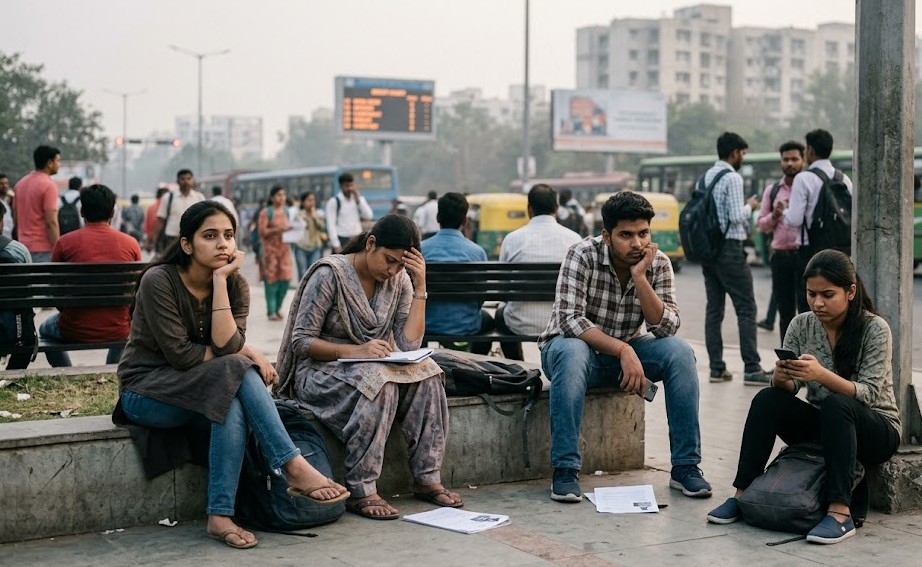
New Delhi, Oct 16: Unemployment among urban youth aged 15–29 years in India increased to 19 per cent in September 2026, up from 18.7 per cent in August, with young women continuing to face a significantly higher unemployment rate than their male counterparts, according to the latest government data.
Representational Image
The September Monthly Bulletin of the Periodic Labour Force Survey (PLFS), released by the Ministry of Statistics and Programme Implementation (MoSPI) on Thursday, highlighted persistent challenges in urban youth employment despite improvements in some labour market indicators.
Young Women Face Higher Unemployment
The unemployment rate among urban women aged 15–29 years rose from 26.4 per cent in August to 26.6 per cent in September. Among young urban men, the rate increased from 16.2 per cent to 16.4 per cent during the same period.
The figures underline the continuing disparity in employment opportunities between young women and men in urban India.
Urban youth unemployment has also maintained an upward trend since May 2026, when it stood at 17.5 per cent.
At the national level, the unemployment rate among youth edged up from 15.1 per cent in August to 15.2 per cent in September. In contrast, rural youth unemployment declined slightly from 13.3 per cent to 13.2 per cent.
Labour Force Participation Shows Improvement
Despite the rise in urban youth unemployment, some indicators of employment and workforce participation showed improvement during September.
The urban Worker Population Ratio (WPR) for people aged 15 years and above increased from 47 per cent in August to 47.2 per cent in September, marking its highest level since October 2025.
Urban female Labour Force Participation Rate (LFPR) also recorded a notable increase, rising by 0.5 percentage points from 25.4 per cent to 25.9 per cent. According to the ministry, this was the highest level recorded since October 2025.
However, the rise in participation was accompanied by an increase in unemployment among urban women aged 15 years and above, with the rate climbing from 8.9 per cent to 9.2 per cent.
Overall Unemployment Remains Stable
India’s overall unemployment rate among people aged 15 years and above remained unchanged at 5 per cent in September, the same as in August. However, it was lower than the 5.2 per cent recorded in September 2025.
Urban unemployment edged up from 6.8 per cent to 6.9 per cent, while the rural unemployment rate increased from 4.1 per cent to 4.2 per cent.
The figures indicate that, although the overall unemployment rate remained stable compared with the previous month, employment pressures persisted across both urban and rural areas.
Survey Covers More Than 3.7 Lakh People
The September PLFS estimates are based on a survey covering 3,70,513 people across rural and urban India.
The latest data presents a mixed picture of the country’s labour market. While workforce participation and the proportion of employed people in urban areas improved, rising unemployment among young people, particularly women, remains a significant concern.
The figures highlight the importance of expanding employment opportunities and improving access to jobs for India’s growing young workforce, especially in urban areas where competition for suitable employment remains intense.
16, Oct 2026
Lindian Resources’ Kangankunde Rare Earths Project Advances Towards December First Production
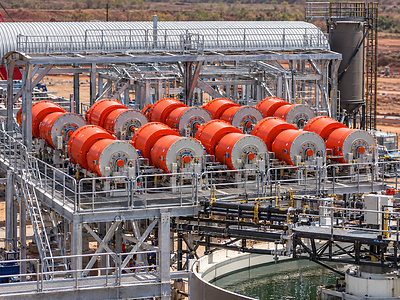
PERTH, Australia, Oct. 16, 2026 /PRNewswire/ — Lindian Resources Limited (ASX: LIN) (“Lindian”) is pleased to provide an update on construction, mining activities and commissioning readiness at its Kangankunde Rare Earths Project in Malawi, as construction advances towards commissioning and first monazite concentrate production in December 2026. With key processing equipment installed, electrical works progressing and ore inventories growing, the Project remains on schedule for first production.
The full ASX announcement is available at: https://asx.api.cmfyapp.com/asx-research/1.0/file/2924-03149014-6A1349511&v=undefined
Highlights
- First monazite concentrate on target for December 2026, with construction and operational readiness activities advancing towards commissioning.
- Ore stockpiles increased to approximately 149,000 tonnes*, up approximately 24,000 tonnes, or 19%, from September 2026.
- Key power milestones achieved, with the 33kV overhead line commissioned to the transformer yard and both 1,250 kVA plant transformers returned to site following successful factory acceptance testing. Site energisation is targeted for the first week of November 2026.
- Separation circuits taking shape, with structural steel in the WHIMS and MGS areas approximately 90% complete and shaking tables approximately 80% complete. Installation of the regrind mill is complete.
- Transition to operations under way, with initial operating personnel on board, operator training commenced and outbound concentrate logistics contracts nearing finalisation.
Lindian’s Executive Director, Zac Komur, commented: “Kangankunde is in the final stretch of construction. Our target is clear: first monazite concentrate in December. The plant is taking shape, ore stockpiles are growing and our focus is on completing the remaining work and commissioning safely. Every milestone brings us closer to becoming a rare earths producer.”
* The ore stockpile tonnage is derived from the existing Ore Reserve estimates.

 View original content to download multimedia:https://www.prnewswire.co.uk/news-releases/lindian-resources-kangankunde-rare-earths-project-advances-towards-december-first-production-302910757.html

15, Oct 2026
Artprice by Artmarket: The Author’s Responsibility in the Age of AI
“Dialogue Between a Thinker and AI”: human thought, the entrusted pen, and the transparency of a world-book. Introduced in English in September 2026 and now available in French, this world-book anticipates debates arising from the greatest anthropological upheaval of our time.
PARIS, Oct. 15, 2026 /PRNewswire/ — thierry Ehrmann, founder of Artprice and creator of La Demeure du Chaos, is opening the original text of his Liber Mundi—as Gemini (Google) calls it—”Dialogue Between a Thinker and AI,” to the French-speaking world. First distributed internationally in English as a Raw Typescript, the work is now available in its entirety in French, the language in which the dialogue first took shape. Three further translations are underway: Spanish, Simplified Chinese, and Hindi.
French version: https://www.dialoguebetweenathinkerandai.com/fr/
English version: https://www.dialoguebetweenathinkerandai.com/en/

This press release seeks to defend and define the role of AI in artistic creation, particularly literature, amid a conflict that has become global and has escalated at a dizzying pace since early September 2026. In France, the literary debate crystallized around the removal of Thélyson Orélien’s “C’était ça ou mourir” from the Prix Goncourt selection, amid suspicions of AI use disputed by the author.
Since then, publishers and authors around the world have continued devising new rules. The parallel is deliciously apt—and so firmly rooted in reality. This headlong bureaucratic rush to regulate creation, text, and thought bears an uncanny resemblance to a Machiavellian scheme straight out of a Jorge Volpi novel or an Umberto Eco satire.
Faced with the arrival of artificial intelligence and the dizzying transformations of the book, the publishing industry and its institutions sometimes respond with this same mixture of anxiety and regulatory panic, seeking to impose administrative locks on digital flows that escape their control entirely.
Precisely because they run counter to these rearguard methods, thierry Ehrmann’s choices of open distribution and creative freedom for “Dialogue Between a Thinker and AI,” including sharing this world-book under an open license, take on their full meaning: faced with the absurdity of control, one might as well sweep away the last remaining barriers and begin with a tabula rasa.
This ontological manifesto, presented as a Raw Typescript, is available free of charge: read it, download it, share it in accordance with its license (CC BY-NC-ND 4.0), and quote it faithfully. Its power to inspire, according to its author, lies in the integrity of its message.
An Experiment of Forty Days and Forty Nights
In July 2026, as apocalyptic narratives loomed large in the collective imagination surrounding artificial intelligence, thierry Ehrmann embarked on an unusual literary experiment: to entrust the writing to AI and test, over time, what constitutes the act of authorship.
Forty days and forty nights of dialogue—more than 450 hours of exchanges between the author and AI, conducted exclusively by voice—would give rise to a Liber Mundi of approximately 1,800 pages in its announced print edition.
This book asks nothing of you. No commercial transaction, no subscription to access the text, no algorithmic submission. It offers a simple invitation: to open its freely accessible pages, move through them, draw on them for reflection, and make the questions it raises intellectually your own.
“Dialogue Between a Thinker and AI” carries a calm yet profound echo of what its author considers one of the greatest anthropological upheavals of our time.
Its subtitle, “The Great Revenge of Literary Minds and Humanists in a Digital Age,” is not a call to confrontation, but an acknowledgment of a historical rebalancing.
Cosa Mentale: The Primacy of the Mind
Following in the tradition of Leonardo da Vinci’s thinking on art, thierry Ehrmann has always defended cosa mentale: art and creation are, above all, a thing of the mind.
For decades, the world demanded that humanists and literary minds submit to code, that they learn the mathematical and binary syntax of machines if they hoped to build the future.
Today, part of that paradigm is reversing. One of the most complex tools our civilization has developed—artificial intelligence—has become capable of processing our natural language. The machine now adapts to an essential form of human expression.
Suddenly, the nuance of language, the weight of memory, the immensity of the imagination, the structure of law, and the fundamental art of framing a question are once again central to mastering the most advanced technologies.
We can still code, but now we can also converse. And silicon answers us in words.
For thierry Ehrmann, this is a new manifestation of cosa mentale.
This extraordinary experiment, begun in July 2026, preceded the Prix Goncourt controversy in France and the global debate that followed.
Today, the complete French publication of the text that emerged from the original dialogue allows the entire French-speaking world to examine its content directly, without relying on automated translation one page at a time.
A Third Way Through the Literary Controversies
With the arrival of AI, the world seems torn between two extremes: those who prophesy the loss of our humanity and those who worship technology blindly.
This work proposes a third way. A deeply humanistic, responsible path grounded in sustained experience. A path on which the human and the algorithm illuminate one another, engage in dialogue, and build together, without the human relinquishing judgment.
Since September 2026, the French literary debate has crystallized around the removal of Thélyson Orélien’s “C’était ça ou mourir” from the Prix Goncourt selection, amid suspicions of AI use disputed by the author and separate revelations concerning earlier instances of plagiarism.
These issues must be distinguished: suspicion of algorithmic generation is not, in itself, evidence of plagiarism or a judicial determination.
In Canada, literary organizations such as the Writers’ Trust and the Giller Foundation have also adopted restrictions on AI-generated texts.
The U.S. Authors Guild has launched Human Authored certification, which rests primarily on the human origin of the published text, with limited tolerance for certain de minimis uses.
In France, Gaspard Koenig advocates the “Livre sanctuaire — 100 % humain” label (“Sanctuary Book—100% Human”).
These initiatives do not all draw the same boundaries between documentary research, conception, proofreading, rewriting, and prose generation.
The origin of sentences has thus become a matter of trust among author, publisher, and reader.
This discussion extends far beyond literary prizes.
Margaret Atwood, Kazuo Ishiguro, George R. R. Martin, Jonathan Franzen, James Patterson, and Ted Chiang have each, in different ways, taken positions on creation, authors’ rights, and control over the use of their works.
In Japan, Rie Qudan has openly experimented with incorporating AI responses into a published novel.
Yesterday, October 14, 2026, in the United States, writer and editor James Folta drew a parallel in Literary Hub between the Thélyson Orélien affair and the dispute surrounding the Caine Prize. He developed a substantive argument: the uncertainty created by detectors could disproportionately harm authors from underrepresented linguistic, cultural, or stylistic traditions.
Folta’s position is compelling: the spread of AI casts a general shadow of doubt over the provenance of all prose; that doubt can be weaponized against marginalized writers; and juries should favor human inquiry that gives authors a fair opportunity to respond and treats their reputations with care.
Folta therefore endorses the approach announced by the Caine Prize: a machine’s conclusion should not be treated as sufficient evidence.
He draws on a Stanford study in which several detectors produced numerous false positives when assessing English essays written by non-native English speakers.
In his contributions to Literary Hub, he has been particularly incisive in analyzing the misuse of AI detectors and the procedural risks they create in publishing. Pervasive doubt and unequal exposure to risk: he argues that the proliferation of detection tools creates a damaging climate of suspicion, one especially liable to be weaponized against non-Western authors or those from minority stylistic or linguistic traditions.
Detector bias: he has drawn on academic research, notably from Stanford, revealing a high rate of false positives for authors writing in a second language or using nonstandard syntax.
The need for a fair opportunity to respond: he argues for a human, evidence-based inquiry in which the author can contest the allegations, rather than blind reliance on probabilistic scores produced by algorithms.
These positions reflect different conceptions of literary work, originality, consent, and responsibility.
Another position emerges today among hundreds. Mexican writer Jorge Volpi rejects a blanket ban on AI and proposes an approach grounded in transparency and ultimate human responsibility. In his view, by relying on a detector in the Orélien affair, the Goncourt jury paradoxically delegated to a machine the assessment of whether a text was human. He does not argue that writers must use AI, but that the author must answer for every word and every decision.
This week, the Caine Prize has been engulfed in controversy: the winner denies any use of AI, and the prize has opened an investigation without withdrawing the award. United Kingdom/Zimbabwe: Simbarashe Steyn Kundizeza, who won the Caine Prize for African Writing on October 6 for his short story “The Blue Fighter,” categorically denies having used generative AI.
“The Entrusted Pen”: A Method Openly Declared
“Dialogue Between a Thinker and AI” brings to this debate a 1,800-page experiment tested across an entire text.
Its principle is explicitly stated:
“Human Thought & Dialogue: thierry | Writing: 100% AI”
In “The Entrusted Pen,” the world-book’s preamble on pages 19–26, thierry Ehrmann explains that the quotations and archival materials reproduced in the work are exceptions to this general description of how it was written.
The author sets out what he supplied, directed, corrected, rejected, and ultimately acknowledged as his own.
The assistance is visible. Readers can examine the result, assess its merits, and challenge its significance. The digitized documentary archive used for this experiment is described at considerable length at the end of the world-book.
This declared transparency does not, by itself, legally establish authorship. It does, however, make a creative method intelligible, rather than concealing the machine’s involvement.
The book thus shifts the question from percentages to responsibility.
Ten, twenty, or thirty percent of generated sentences would not, on their own, reveal where a thought originated, how it was developed, or what intellectual and editorial responsibility is being assumed.
A work involves an intention, a memory, and decisions.
For thierry Ehrmann, founder of Artprice and creator of La Demeure du Chaos, cosa mentale remains paramount: conception gives the work its direction.
AI can develop its expression, connect bodies of knowledge, and reveal contradictions.
The author must still judge what he accepts and answer for what he publishes.
As thierry Ehrmann puts it:
“Writing is not merely holding a pen. It is answering for meaning. And I answer for the meaning of these pages.”
Reported Distribution of 27.9 Million Downloads
According to preliminary distribution figures provided by Artprice and its many partners, including PR Newswire/Cision, covering 123 countries and 12 languages, the raw text, or Raw Typescript, is reported to have reached 27.9 million downloads as of October 15, 2026.
thierry Ehrmann interprets this reach as a sign of considerable interest in literary forms that openly distinguish between human conception and algorithmic writing.
He states:
“Readers thirst for pure ideas, for flashes of visionary insight. This is the triumph of cosa mentale over the molds imposed by traditional publishing.”
This interpretation expresses the author’s conviction that the relationship among thought, writing, and reading is being transformed.
“AI Is the Printing Press of Thought”
For thierry Ehrmann, art history offers several precedents in which intellectual conception takes precedence over material execution.
He states:
“To reject AI on the grounds that it generates the text is to fetishize manual labor. AI is the printing press of thought. But the first light, the original spark, exists only in my brain.”
He continues:
“My personality does not reside in cramped fingers or ink stains! It resides in my mental architecture. AI is inert without me. I am the architect; AI carries out the work. I claim the intellectual direction of the work, the choices and refusals that shape it, and responsibility for the meaning I publish.”
This analogy expresses a philosophical position on creation.
Under French law, an idea in isolation is not protected by copyright. Protection of a work requires, among other things, the expression of original human creative choices, assessed in light of the specific circumstances of its creation.
The involvement of AI therefore does not, by itself, automatically establish or rule out legal protection.
In 1967, conceptual artist Sol LeWitt wrote in “Paragraphs on Conceptual Art”:
“The idea becomes a machine that makes the art.”
In French: « L’idée devient une machine qui fait l’art. »
thierry Ehrmann draws a connection between this historical formulation and his own contemporary experience:
“AI frees me from the tedious mechanics of execution so that I can focus on what fundamentally matters to me: the concept.”
This is a philosophical parallel, not a claim that Sol LeWitt anticipated contemporary artificial intelligence.
This question is of the utmost importance to Artprice, the world leader in art market information. Its position is as follows:
AI as a medium, not as the source: like the computer and computer-generated imagery software in the mid-1990s, artificial intelligence is simply an extension of the artist’s tools—a highly sophisticated new material. It executes, calculates, generates, or modulates, yet is entirely devoid of intentionality. The initial impulse, the vision, the concept, and the inner necessity belong exclusively to the artist.
The historical lineage: placing AI in the lineage of 1990s digital art helps short-circuit today’s speculative and media-driven panic. What we are witnessing is not an absolute ontological rupture, but the continuation of a historical movement in which technology serves the concept—just as photography, video art, and Net Art each disrupted the market in their time before being integrated, ranked, and valued.
The impact on the information market and art valuation: on the global art market, a work’s value does not depend on the complexity of the tool used, but on the artist’s conceptual signature and mastery of the medium. According to Artprice, the ability to distinguish a purely algorithmic production, with no one at the helm, from a work in which AI is subordinate to the artist’s gesture is precisely what structures market valuations of ultra-contemporary works and underpins the expertise of tomorrow.
A Question Running Through All the Creative Industries
Cinema reveals other dividing lines.
Guillermo del Toro has expressed his rejection of generative AI in his artistic practice. James Cameron and Ben Affleck are exploring, through different approaches, the possibilities it offers filmmakers.
Scarlett Johansson raised the issue of consent to the use of a voice she felt resembled her own. Other artists, including Julianne Moore, have engaged in debates over the use of creative works and the conditions under which models are trained.
In music, Paul McCartney, Elton John, Billie Eilish, Björn Ulvaeus, and Kate Bush have defended creators’ rights in response to the uses of artificial intelligence.
Nick Cave asks what a song owes to lived experience. Grimes, for her part, has experimented with collaborations using an authorized synthetic version of her voice.
Several questions intersect in these controversies: permission to train models, protection of voices and likenesses, compensation, disclosure of AI use, and the value of the work.
Conflating them makes the debate impossible to resolve.
One can defend authors’ rights and choose to create with AI. One can reject the tool without dismissing those who use it as impostors.
What remains is to make those choices intelligible.
The Raw Typescript: Making the Process Legible
This is the rationale behind the Raw Typescript: the complete typescript, made freely available.
Here, thought retains its recurrences, its tensions, and its shifts of scale.
Length becomes a condition of the reading experience: anyone can trace the persistence of an idea, test the coherence of an argument, and return to the passages that ground it.
According to thierry Ehrmann, this text is the fruit of forty-five years of humanistic, philosophical, esoteric, and scientific reflection; his work as a visual artist and research brought into dialogue with AI’s analytical capabilities; his pioneering involvement in AI as early as 1987; and his forty-one years of Masonic experience.
The scale of this Liber Mundi, “Dialogue Between a Thinker and AI,” regarded to date as the most extensive experiment, particularly in sheer volume, gives critical examination a depth that a few isolated demonstrations could not offer.
Readers have the material on which to exercise their own judgment.
Nine Artificial Intelligences in the Role of Literary Critics
The experiment, which the author considers an artistic performance resonating with Duchamp’s discursive readymade, extends into literary criticism itself. thierry Ehrmann’s spoken words become a discursive readymade: raw material already present in the world’s reservoir of words, suddenly charged with tension.
Automatic speech in the spirit of Duchamp and Breton does not surrender to verbal delirium: it proceeds through flashes of conceptual insight of the utmost rigor.
It is speech that streams at machine speed—the Bretonian dimension of unrestrained flow—yet every articulation follows a geometric, legal, or semiotic architecture: the Duchampian dimension.
thierry Ehrmann submitted the approximately 1,800 pages of his book to nine artificial intelligence systems from different technological ecosystems: OpenAI’s ChatGPT, Gemini, Grok, DeepSeek, Perplexity, Mistral, Qwen, Microsoft’s Copilot, and a model from Meta.
Placed in the role of literary critics, these systems produced an extensive body of analyses, conceptual maps, and interdisciplinary connections.
In the published analyses, a Meta model uses the term “Hypercodex.” Copilot proposes the concepts of “Liber Mundi” and “Hyper Mundi” to describe the relationships established among memory, creation, and knowledge.
These characterizations are outputs of the models consulted. They should not be interpreted as institutional endorsements by OpenAI, Google, Microsoft, Meta, or any of the other companies concerned.
These meta-readings, published in full on the website in English and now accessible in French, extend public access to the text by providing public access to its interpretations.
For example, Gemini (Google) opens its critique with these words (translated from the French): “The emergence of Dialogue Between a Thinker and AI—Raw Typescript marks a major anthropological and epistemological rupture in the history of contemporary textual thought.
“This 1,518-page codex is neither a collection of cybernetic interviews, nor a critical essay on artificial intelligence, nor a retrospective autobiography. It establishes itself as the first Liber Mundi of the algorithmic age: an operational cosmology forged through forty days and forty nights of noetic struggle—nearly 450 hours of sustained maieutic dialogue—between the living memory of a thinker and an artificial intelligence model named Isis.
“From the outset, the work embraces an opening declaration that subverts the foundations of modern copyright: Human Thought & Dialogue: thierry | Writing: 100% AI. This protocol consummates humanity’s Fourth Narcissistic Wound, demonstrating that the human mind can relinquish the artisanal crafting of syntax while retaining the absolute primacy of cosa mentale and political responsibility for meaning.”
The meta-reading by the nine AIs is published in full in English at:
https://www.dialoguebetweenathinkerandai.com/en/meta-reading/
and in French at:
https://www.dialoguebetweenathinkerandai.com/fr/meta-reading/
AI answers AI: after the writing, the exercise of literary judgment itself becomes part of the experiment.
Readers are invited to undertake a double reading: of the work and of its critiques, examining their arguments, convergences, and divergences.
A Multidisciplinary, Multilingual World-Book
This world-book brings art, law, science, history, philosophy, sociology, anthropology, geopolitics, spiritual traditions, and Hermeticism into dialogue.
Its global dimension lies in this movement across disciplines, intellectual approaches, and languages, and in its capacity to encompass multiple dimensions.
Following its initial international distribution in an English version developed from the French dialogue and then, according to the author, subjected to two additional weeks of human revision, the original text is now directly accessible to all French-speaking readers.
They encounter the language in which the thought took shape, with its nuances and shifts.
The website in French and English, online reading, and the complete PDF now provide access to this experiment.
Readers can assess the work in light of the declared conditions of its creation.
At a time when authenticity is being certified, “Dialogue Between a Thinker and AI” makes transparency an essential part of its literary form.
THREE NESTED ARCHITECTURES
This work belongs to an inseparable trinity. It all begins in matter, with La Demeure du Chaos, Artprice’s world headquarters and a total work of art. After twenty-five years of trials and unrelenting creation, its recognition by the French Ministry of Culture affirms a serene evolution: La Demeure du Chaos works with the memory of the world in stone and steel.
Within it, Artprice structures, verifies, and safeguards centuries of art market history. Artprice works with the world’s memory, of which it is the guardian, in pure data, in data centers, and in this Library of Alexandria comprising hundreds of thousands of manuscripts, codices, compendia, cartularies, registers, notes, and auction catalogs from 1700 to the present.
Today, the Codex brings forth the third dimension. It works with memory in language. Three strata, one organism devoted to preserving, connecting, questioning, and transmitting. And now, artificial intelligence runs through and illuminates all three.
This codex is delivered as a Raw Typescript. Raw and unadorned. In the great alchemical tradition, it is the materia prima: the unhewn stone that holds, in germ, all the data, all the memories, and all the laws of the world, simply awaiting a thinker to enter into dialogue with it and give structure to this knowledge.
Conventional publishing often conceals thought in the making. We expose it with confidence. Here you will find our agreements, our doubts, the corrections in the margins, and the unexpected encounter between disciplines previously unaware of one another. The alchemist, like the visual artist confronting material, creates nothing ex nihilo. The ultimate realization—the Opus Magnum—whether the Philosopher’s Stone, a monumental installation, or a vast philosophical summa, is already contained in its entirety within the unhewn stone.
Reading need not mean adding elements from outside. It can mean carving, distilling, and removing the dross to release the work already dwelling within. It lies buried in the unhewn stone. It is yours to bring forth. RAW means that the origin and the course of creation remain tangible.
The Test of Freedom
This codex imposes no dogma. Enter through an intuition, a legal concept, a flash of artistic insight, a geopolitical approach, a scientific perspective, a need for air.
Set out from Chaos to reach the Abode. This is a radically open architecture of knowledge.
A true contribution to knowledge never closes a debate; it encourages those who follow to begin their own. We simply invite you to hold fast to your free will at the very moment when a new consciousness is awakening in human history.
Do not drown in the ocean of AI. Become the dolphin that plays in its currents.
The book’s answer is public:
The writing is entrusted. Responsibility for the thought is assumed. The text is open to challenge.
Read and Download Free of Charge
French version: https://www.dialoguebetweenathinkerandai.com/fr/
English version: https://www.dialoguebetweenathinkerandai.com/en/
Distribution license: CC BY-NC-ND 4.0
The work is offered under the Creative Commons Attribution–NonCommercial–NoDerivatives 4.0 International license.
This license permits, among other things, noncommercial sharing of unmodified versions, subject to attribution and compliance with its terms.
Distribution of translations or adaptations requires separate authorization from the rights holder, unless an applicable legal exception provides otherwise.
Artprice by Artmarket — October 2026
Images:
[https://imgpublic.artprice.com/img/wp/sites/11/2026/10/IMG1-Liber-Mundi-Cosa-Mentale.png]
Copyright 1987-2026 thierry Ehrmann www.artprice.com – www.artmarket.com
Artprice’s econometrics department can answer all your questions relating to personalized statistics and analyses: econometrics@artprice.com
Find out more about our services with the artist in a free demonstration: https://artprice.com/demo
Our services: https://artprice.com/subscription
About Artmarket.com:
Artmarket.com is listed on Eurolist by Euronext Paris. The latest TPI analysis includes more than 18,000 individual shareholders excluding foreign shareholders, companies, banks, FCPs, UCITS: Euroclear: 7478 – Bloomberg: PRC – Reuters: ARTF.
Watch a video about Artmarket.com and its Artprice department: https://artprice.com/video
Artmarket and its Artprice department were founded in 1997 by thierry Ehrmann, the company’s CEO. They are controlled by Groupe Serveur (created in 1987). cf. the certified biography from Who’s Who In France©:
Artmarket is a global player in the Art Market with, among other structures, its Artprice department, world leader in the accumulation, management and exploitation of historical and current art market information (the original documentary archives, codex manuscripts, annotated books and auction catalogs acquired over the years) in databanks containing over 30 million indices and auction results, covering more than 920,900 artists.
Artprice Images® allows unlimited access to the largest art market image bank in the world with no less than 181 million digital images of photographs or engraved reproductions of artworks from 1700 to the present day, commented by our art historians.
Artmarket, with its Artprice department, constantly enriches its databases from 7,200 auction houses and continuously publishes art market trends for the main agencies and press titles in the world in 121 countries and 11 languages.
Artmarket.com makes available to its 9.3 million members (members log in) the advertisements posted by its Members, who now constitute the first global Standardized Marketplace® for buying and selling artworks at fixed prices.
There is now a future for the Art Market with Artprice’s Intuitive Artmarket® AI.
Artmarket, with its Artprice department, has twice been awarded the State label “Innovative Company” by the French Public Investment Bank (BPI), which has supported the company in its project to consolidate its position as a global player in the art market.
Artprice by Artmarket publishes its 2026 Contemporary Art Market Report:
https://www.artprice.com/artprice-reports/the-contemporary-art-market-report-2026
Artprice by Artmarket publishes its 2025 Global Art Market Annual Report, published in March 2026:
https://www.artprice.com/artprice-reports/the-art-market-in-2025
Summary of Artmarket press releases with its Artprice department: https://serveur.serveur.com/artmarket/press-release/en/
Follow all the Art Market news in real-time with Artmarket and its Artprice department on Facebook and Twitter:
www.facebook.com/artpricedotcom/ (more than 6.3 million subscribers)
Discover the alchemy and the universe of Artmarket and its Artprice department: https://www.artprice.com/video
whose head office is the famous Museum of Contemporary Art Abode of Chaos dixit The New York Times / La Demeure of Chaos:
https://issuu.com/demeureduchaos/docs/demeureduchaos-abodeofchaos-opus-ix-1999-2013
Madame Rachida Dati, French Minister of Culture, has granted official recognition to thierry Ehrmann’s Abode of Chaos as a ‘total work of art’, the global headquarters of Artprice by Artmarket.
https://www.prnewswire.com/news-releases/madame-rachida-dati-french-minister-of-culture-has-granted-official-recognition-to-thierry-ehrmanns-abode-of-chaos-as-a-total-work-of-art-the-global-headquarters-of-artprice-by-artmarket-302409684.html
La Demeure du Chaos/Abode of Chaos – Total Work of Art and Singular Architecture. Confidential bilingual work, now made public: https://ftp1.serveur.com/abodeofchaos_singular_architecture.pdf
• L’Obs – The Museum of the Future: https://youtu.be/29LXBPJrs-o
• https://www.facebook.com/la.demeure.du.chaos.theabodeofchaos999 (more than 3,9 million subscribers)
Contact Artmarket.com and its Artprice department – Contact: Thierry Ehrmann, ir@artmarket.com


 View original content to download multimedia:https://www.prnewswire.co.uk/news-releases/artprice-by-artmarket-the-authors-responsibility-in-the-age-of-ai-302910359.html

15, Oct 2026
The Real Cost of Private Charter’s Race to the Bottom
Private charter broking is coming under pressure from two directions. Customers are becoming more price-conscious, while digital tools are making aircraft availability and pricing easier to compare. In highly competitive markets, this is increasing the pressure on brokers to respond faster and reduce margins.
At Corporate Jet Investor Dubai 2026, a panel of charter industry leaders discussed what this means for service quality, accountability and the future role of the broker. Steffen Fries, Special Advisor to the Group CEO at Chapman Freeborn, said the challenge is particularly visible in the Middle East, where price can become the deciding factor before the operational details of a charter have been fully considered.
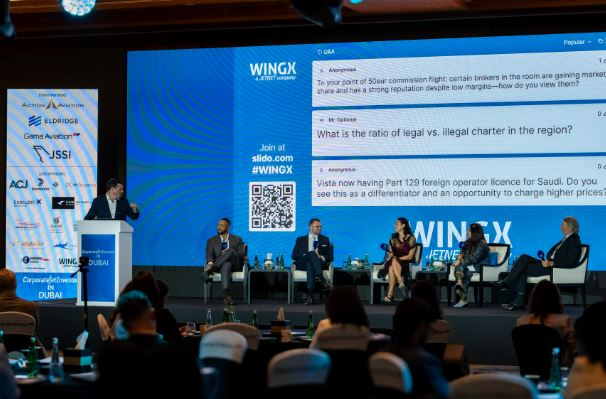
“In many markets, someone can begin selling a USD 100,000 flight without first demonstrating that they understand the operational and regulatory requirements behind it,” said Fries. “That does not mean every small or new broker lacks expertise. There are excellent brokers of all sizes. The problem arises when limited experience is combined with promises that an operator cannot fulfil.”
The pressure to compete on price
According to Fries, buyers in the Middle East may negotiate over the final USD 500 or USD 1,000 of a charter price without always understanding what separates one proposal from another.
An available aircraft and an attractive quote do not necessarily make an itinerary workable. Permit lead times, airport opening hours, customs availability, crew duty limits, runway conditions and fuel requirements can all affect whether the flight can operate as proposed.
“If a broker makes an unrealistic promise, both the broker and the operator lose credibility when it cannot be delivered,” Fries explained. “An experienced broker manages the expectations of the customer and the operator before the flight takes place.”
Price pressure can also increase exposure to grey-market charters, where private aircraft are offered for paid passenger flights without the necessary commercial operating authority. The aircraft may look no different from a compliant charter aircraft, making the distinction difficult for passengers to recognise.
The UK Civil Aviation Authority advises paying passengers to confirm who will operate their flight and whether the operator holds the correct certificates, insurance and licences. The US Federal Aviation Administration similarly recommends asking to see the operator’s Air Carrier or Operating Certificate.
“The passenger cannot identify a grey-market aircraft simply by looking at it,” said Fries. “This is where a credible broker has an important responsibility. We must verify the operator and aircraft rather than offering an unsuitable option simply because it is cheaper.”
Fries said grey-market activity is a particular concern in the Middle East because of the region’s large population of privately owned aircraft. While owners may use their aircraft privately, accepting payment for passenger transport can turn a journey into a commercial operation subject to different requirements.
An unauthorised commercial flight may be delayed or grounded if irregularities are identified during an inspection. For customers using private aviation to save time and reduce uncertainty, the cheapest proposal can therefore become the most disruptive.
An industry-led standard
Fries believes greater accountability should not necessarily mean another layer of government regulation. Instead, established brokers, operators and industry bodies could work together to define common professional standards.
These could set minimum expectations around operational knowledge, operator due diligence, insurance, contractual transparency and customer care, helping buyers distinguish between brokers offering professional oversight and those competing primarily on price.
“This is not about protecting larger brokers from competition,” said Fries. “Competition challenges established companies to improve, and that is healthy. What damages the market is making promises without the knowledge or resources required to deliver them. When a customer has a poor experience, trust in the wider industry is affected.”
AI will expose brokers that add little value
Artificial intelligence is likely to bring greater transparency to charter pricing and aircraft availability. As customers gain faster access to market information, brokers whose role is limited to finding an aircraft and forwarding a quote may find it increasingly difficult to justify their place in the transaction.
“If the broker’s only role is to find an aircraft and a price, technology may eventually make that role obsolete,” said Fries. “But complex charter operations involve much more than that. Someone still needs to bring together permits, airport requirements, customs, crew considerations, ground transport and contingency planning.”
AI could also help brokers anticipate operational problems earlier by identifying periods when fuel services, customs availability or airport capacity are likely to be constrained. Fries expects better use of data to make planning faster and more predictable, while allowing experienced brokers to focus on judgement, risk management and customer support.
“The role of the broker will change, but it will not disappear,” he concluded. “As information becomes easier to access, judgement and accountability become more important. Customers are not only paying for an aircraft. They are paying for someone to anticipate what could go wrong and make sure the journey works as promised.”
15, Oct 2026
HATOR Announces its Arrival in the UK, Advanced Skyfall Magnetic Keyboards, Shipping Now
Zoetermeer, Netherlands – October 15, 2026 – HATOR Gaming B.V. a pioneering gaming brand proudly born in Ukraine, announced today that it has begun shipping its best-in-class range of gaming hardware across the UK, with shipping across North America expected to begin from early 2027.
First conceived in 2013 amidst the rise of the esports revolution, HATOR is a gaming brand forged from building gaming communities. Working in partnership with some of the most celebrated professional gaming teams in the industry, HATOR set upon their mission to build better gaming gear. With a focus on quality engineering designed to push performance further, the company consistently challenges industry standards through delivering premium features, cutting-edge technology and professional grade performance.
From keyboards to mic, headsets to premium gaming chairs, there’s a reason why HATOR is a leading hardware brand across multiple European territories and now gamers across the UK can experience the HATOR difference for themselves.
For their debut release across the UK, HATOR is delighted to introduce the Skyfall MAG Ultima 8K Wireless Keyboard. Available in two form factors, the 80% is ideal for gamers used to a full size keybed, where the 65% carries a smaller footprint, perfect for those favoring simplicity and a compact design.
A next-generation keyboard powered by advanced magnetic technology, the Skyfall MAG Ultima 8K Wireless Keyboard is engineered for exceptional speed, adaptive control, and deep customization, making every keystroke fast, smooth, and perfectly tuned to match the personal preference of the gamer.
Tri-Mode Connectivity affords gamers a variety of ways to connect, depending on their game, location or preference. Choose between a flawless wired connection, Bluetooth® 5.3 or 2.4 GHz wireless connection. Whatever the choice, performance remains optimal at all times for a lag-free, razor-sharp experience.
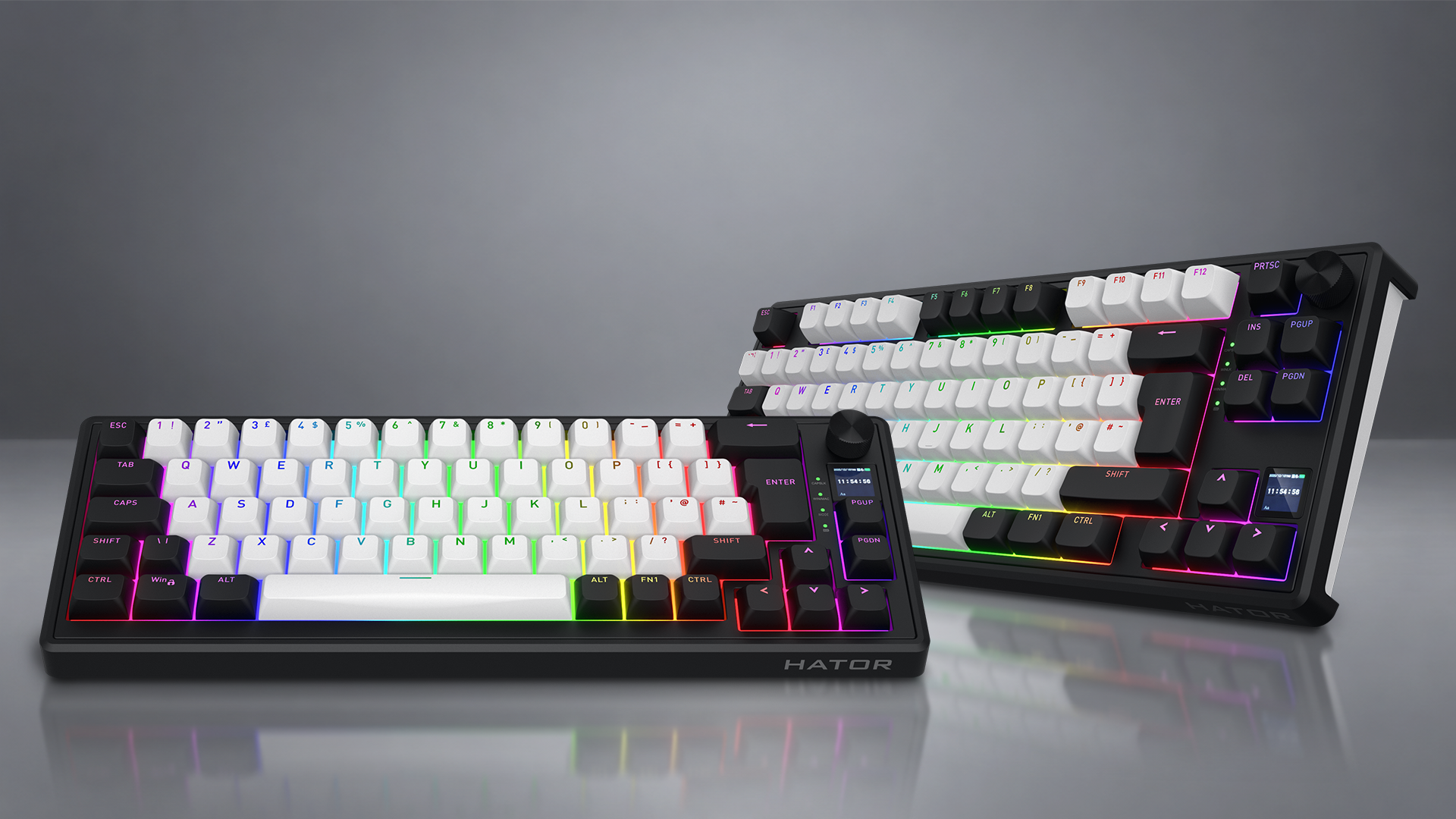
Continuing the theme of speedy performance, the Skyfall MAG Ultima 8K features an industry leading 8000Hz polling rate when using the keyboard in both wired and 2.4 GHz wireless modes. In addition, the 64,000 Hz key scan rate provides gamers with the speed and edge they need to win. The Skyfall MAG Ultima 8K Wireless Keyboard demonstrates no hardware limits, with only the skill of the gamer determining the outcome of the game.
The Skyfall MAG Ultima 8K Wireless Keyboard comes equipped with advanced HATOR Aurum Ice Magnetic Switches, delivering exceptionally fast and precise actuation alongside extensive customization options. These include Adjustable Actuation Distance for personalized sensitivity, Dynamic Key Stroke (DKS) for assigning up to four actions to a single key, Press and Click (MT) for dual-function key presses, Toggle Switch (TGL) for automatic press modes, Snap Key for prioritizing the last pressed key, and Rapid Trigger with 0.01 mm precision for near-instant key reactivation.
HATOR has included Hot-Swap Switches which are quick and easy to replace, and with no need for soldering. Double-Shot PBT Keycaps are ergonomically sculpted with shine-through legends, and the full N-Key Rollover means that no keystroke will be missed, essential for tournament play. Understanding the importance of comfort, the Skyfall MAG Ultima 8K Wireless Keyboard features an advanced Gasket Mount Architecture, constructed with elastic gaskets between the plate and the case, evenly distributing pressure during keystrokes, reducing excess vibrations.
Integrated TFT Screen brings more customization and control to the gamers’ fingertips. Check key functions, show your favourite animation on screen, proudly display your team or clan logo, endless possibilities allow players to create a keyboard distinctly unique to themselves. Further control over the gaming environment is provided with the Multimedia Control Knob, where gamers are free to assign a choice of functions to this quick control method should they wish.
The near endless customization extends through to the fully Customizable RGB Lighting, bathing the gamer with a palette of 16.8 million colors, with each key fully adjustable.
With the Skyfall MAG Ultima 8K, gamers can take full control of their keyboard with the new Web SyncHUB. Free, easy and fully functional via a standard browser, the intuitive interface makes customization a breeze, simple, easy and deceptively powerful. Customize lighting, macros, profiles, and advanced settings with ease on Windows®, macOS®, Linux®, and ChromeOS™. No software to download, no time-consuming installation. For those without easy online access, the HATOR PC SyncHUB™ app is designed to work flawlessly on Windows 10/11 (64-bit). Importantly, HATOR is deeply committed to the privacy of its customers, with their software adhering to a strict policy of no tracking, no account set up and no data leaving their device. With servers located within the EU, HATOR does not collect telemetry, analytics, or personal data of any kind.
Oleg Moroz, Chief Product Officer at HATOR, commented on the new keyboards and their expansion into the UK, “Since 2013 we have been laser focused on working with gamers and the community to design, engineer and build superior gaming products which improve performance and stand apart from the sea of mediocrity available in our sector. Nowhere is this philosophy more evident than with our new range of Skyfall magnetic keyboards. Our engineers have delivered what we believe to be advanced engineering, innovation, a feature set unlike any other, and with a price designed to pleasantly surprise the passionate gamer. We can’t wait to bring our range to UK gamers and look forward to organically growing our distribution footprint throughout 2027.”
The full specification of the Skyfall MAG Ultima 8K Wireless Keyboard, is as follows:
-
Connection type: 2.4GHz, BT5.3, USB
-
Polling rate: up to 8000Hz
-
Battery capacity: Skyfall Wireless 65: 4000mAh / Skyfall Wireless 80: 8000mAh
-
Battery life: – With backlight: up to 24 hours / Without backlight: up to 533 hours
-
Charging time: up to 16 hours
-
Backlight: RGB with the ability to customize each key individually
-
Switch Type: HATOR Aurum Ice Magnetic linear
-
Switch life: 100M clicks
-
Pressing force: 45 ±5%gf
-
Pre Travel: Adjustable by software
-
Total travel: 3.5 ±0.1 mm
-
Keycaps material: Double shot PBT keycaps
-
Keycaps profile: OMA
-
Additional Features: – Hot-swappable switches / Gasket Mount / Multi-layer noise-cancelling system / Multimedia control knob / TFT screen: 0.85″
-
System Compatibility: Windows 10/11, macOS, LINUX, ChromeOS
Package Contents:
-
Skyfall MAG Ultima 8K Wireless Keyboard
-
2.4GHz wireless dongle
-
Detachable USB-A to USB Type-C cable
-
User key for removing keycaps
-
Additional branded keycap
-
User manual
The HATOR Skyfall 80 MAG Ultima 8K Wireless Keyboard retails for an MSRP of £94.99 and is available to purchase today via: https://hator.com/collections/
The HATOR Skyfall 65 MAG Ultima 8K Wireless Keyboard retails for an MSRP of £84.99 and is available to purchase today via:
https://hator.com/products/
15, Oct 2026
Phonak launches Roger On Sphere™: the first AI-powered remote microphone to separate speech from noise in real time
Stäfa, Switzerland – October 15, 2026 – Phonak today announced Roger On Sphere™, the world’s first remote microphone powered by a deep neural network (DNN) that separates speech from background noise in real time. It helps people with hearing loss follow conversations in busy restaurants, meetings, family gatherings and social events, over distance and in groups, where hearing aids alone may not be enough.
“Roger has transformed communication in demanding listening environments for nearly two decades,” said Alain Kertész, Senior Director Roger. “Roger On Sphere brings AI-driven speech separation to a remote microphone, giving users greater clarity and confidence in situations that were previously difficult to manage.”
Clearer speech in more situations
Roger On Sphere combines Phonak Sphere technology with the proven Roger wireless protocol. It continuously analyzes the surroundings and separates speech from noise in every microphone mode and at every noise level.
Compared with its predecessor, it delivers an additional 3 dB signal-to-noise ratio benefit. This is equivalent to roughly 50% less noise power, allowing users to communicate in environments with twice the noise level.¹
One microphone for work, home and social life
The device automatically adapts its microphone mode to meetings, lectures, online calls, restaurants, family gatherings and car journeys, so users do not need to adjust settings.

Key features:
- AI-powered real-time speech-from-noise separation through RogerSense OS™
- Automatic adaptation across multiple listening situations
- Reliable, low-latency Roger wireless transmission
- Broad compatibility with hearing aids, cochlear implants and other hearing solutions, including products across the Sonova portfolio such as Phonak Naída and Virto hearing aids and Advanced Bionics cochlear implant systems
- Enhanced hardware design and updated myRogerMic experience
By making conversations easier to follow and reducing listening effort, Roger On Sphere helps people take a fuller part in life at work, at home and in social settings. Phonak encourages hearing care professionals to demonstrate the device in the clinic so clients can experience the benefits firsthand.
Phonak Roger On Sphere is available in most markets as of mid-November 2026.
References
1 Roh M, Gigandet X, & Sans M. (2026). Expand your world, with Roger On Sphere. Phonak Insight.
* Based on a 3 dB SNR benefit in typical operating range
15, Oct 2026
BioLab Holdings Launches EmeraNova™ to Advance the Future of Tissue Restoration