


31, Jul 2026
India Seeks Global Regulatory Unity to Boost Access to Quality Medicines
New Delhi, July 31: India has called for closer collaboration among medicine regulators worldwide to strengthen global healthcare systems, improve regulatory harmonisation, and ensure faster access to safe, effective, and high-quality medicines.
Speaking on the need for greater international cooperation, Union Minister Piyush Goyal said stronger coordination among global regulatory authorities is essential to address emerging healthcare challenges, promote innovation, and build resilient pharmaceutical supply chains.
He emphasised that collaborative regulatory frameworks can help accelerate the approval of medicines, encourage scientific research, and improve the availability of affordable healthcare solutions across countries.
India, one of the world’s largest producers of generic medicines and vaccines, reiterated its commitment to supporting global public health through high-quality pharmaceutical manufacturing, innovation, and adherence to international quality standards.
The minister also highlighted the importance of knowledge sharing, regulatory convergence, and capacity building to strengthen trust in healthcare systems and facilitate the movement of quality medicines across international markets.
The call for enhanced cooperation reflects India’s growing role in the global pharmaceutical sector and its commitment to ensuring accessible, affordable, and safe medicines while fostering international partnerships in healthcare regulation
- 0
- By Neel Achary

31, Jul 2026
Bolt.Earth Puts the Spotlight on Its Technicians Powering EV Charging
Hyderabad, July 31: When a Bolt.Earth charger goes down in Guwahati or a connector fails in a Pune apartment complex, someone has to show up and fix it, usually within hours, often in heat, traffic, or rain. That someone is one of over 5,000 certified technicians at Bolt.Earth deployed across Bharat, a workforce that has become as central to the company’s growth as the chargers themselves. These professionals, often working quietly in the background, are the reason drivers can plug in with confidence every day.
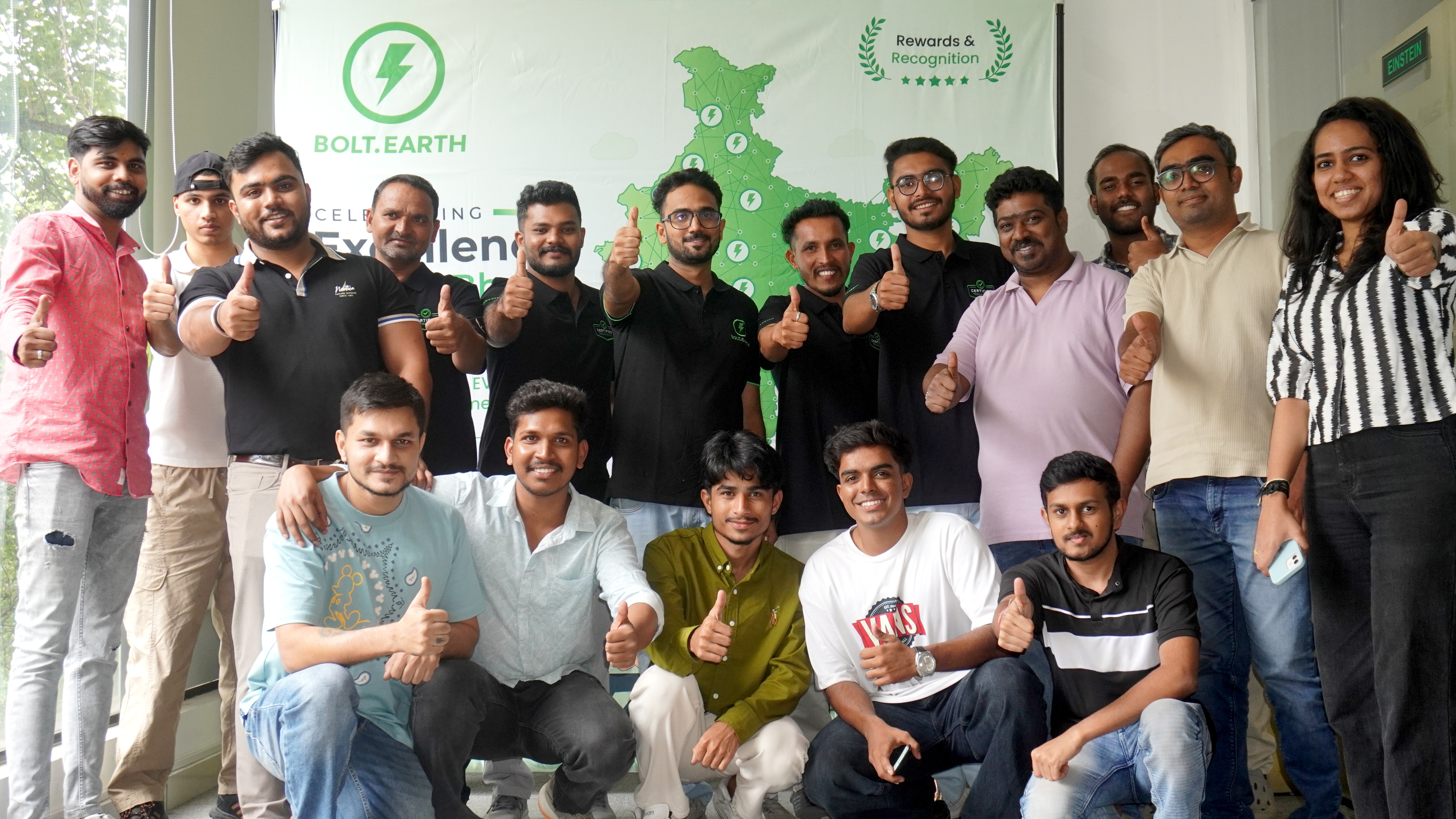
Last month, Bolt.Earth brought those unsung heroes into the spotlight through its first Rewards & Recognition program. The company honored technicians for everyday work that rarely gets noticed: showing up on time, fixing what’s broken, and making sure a charger works exactly when someone needs it to. It’s not glamorous work, but it’s what turns a charging network that exists on paper into one people actually trust.
This year’s program invited and felicitated 17 technicians from 17 states, including Andhra Pradesh, Assam, Bihar, Chhattisgarh, Gujarat, Jammu and Kashmir, Jharkhand, Karnataka, Kerala, Madhya Pradesh, Maharashtra, Orissa, Rajasthan, Tamil Nadu, Telangana, Uttar Pradesh, and West Bengal.
It reflected the scale of job creation within Bolt.Earth’s network, with its technician workforce growing from 800 in 2024 to more than 5,000 certified technicians in 2026. The network has grown more than six‑fold, representing one of the largest skilled employment footprints created by any player in India’s EV charging space. These jobs span metros and smaller towns where formal technical work is still hard to come by.
“Every charging point that stays online does so because a technician showed up to fix it. They are the reason a charger works when someone needs it, not just when it’s installed. Every new charger we deploy is also a skilled job we’re creating somewhere in India. Building a skilled workforce has been just as important to Bolt.Earth’s growth as building chargers,” said Mohit Yadav, Founder and CEO, Bolt.Earth.
Among those recognized was Abdul Moin from Maharashtra, who has been working with Bolt.Earth for over two years installing EV chargers for three-wheelers. He has built a team of 500+ on‑field technicians who work across Andhra Pradesh, Chhattisgarh, Jammu & Kashmir, Madhya Pradesh and Maharashtra.
“Bolt.Earth’s support has encouraged me and my team a lot. If we encounter any problem in the field, we get a quick solution. Together, my team and I install around 3000 chargers per month; this is the kind of opportunity and demand we see. A lot of people often ask me if buying an EV was the right choice. I tell them it’s a cleaner, greener alternative, and when they see the savings themselves, their perspective changes,” says Abdul.
Recognizing technicians isn’t a one‑off for Bolt.Earth — it’s built into how the company thinks about scale. As India’s charging network grows, reliability is non‑negotiable. Bolt.Earth understands that having someone there when a charger breaks is essential.
31, Jul 2026
Mumbai Real Estate Gets Fresh Boost as Property Registrations Rise Over 8 pc
Mumbai, July 31: Mumbai’s real estate sector is showing renewed momentum, with property registrations rising by over 8 per cent in July, reflecting improved buyer confidence and steady demand in one of India’s most important property markets.
The growth in registrations highlights the resilience of Mumbai’s housing sector, supported by factors such as infrastructure development, improved connectivity, changing lifestyle preferences, and continued demand for residential properties.
Experts said the city’s expanding transport network, including metro projects and improved road connectivity, has increased the attractiveness of several residential locations. Better accessibility has encouraged buyers to explore properties beyond traditional hubs, creating new growth centres across the Mumbai metropolitan region.
The demand for quality housing has also contributed to market growth, with buyers increasingly looking for homes offering modern amenities, better facilities, and improved living standards. Redevelopment projects in established areas have further supported the availability of upgraded housing options.
Mumbai’s limited land availability, strong employment opportunities, and position as a financial hub continue to make real estate a preferred choice for both end-users and investors.
The growth of the property sector is also benefiting allied industries, including construction, infrastructure, finance, and building materials, contributing to broader economic activity.
Industry experts believe that continued infrastructure expansion, stable demand, and evolving consumer preferences will remain key factors supporting Mumbai’s real estate growth in the coming years.
The latest rise in property registrations reflects growing confidence in the market and reinforces Mumbai’s position as one of India’s leading real estate destinations.
31, Jul 2026
Toing’s ‘Pizza Squad Challenge’ Campaign Turns Friendship Day Into a Game of Pizza and Perks
July 31: This Friendship Day, affordable food delivery app Toing is transforming the everyday act of ordering food into a highly interactive experience. With the launch of the four-day in-app ‘Pizza Squad Challenge, Toing is celebrating a simple truth: food just tastes better with your squad. Live July 30 to August 2, 2026, the campaign is supplemented by ‘Squad Steals’, a weekend of unbeatable deals designed for groups to enjoy together over the Friendship Day weekend.
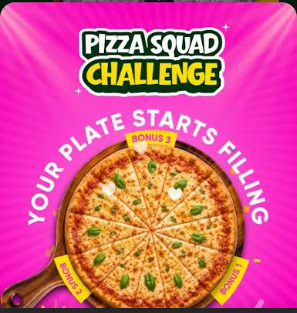
In the Pizza Squad Challenge, users are tasked with completing a virtual 12-slice pizza. By sharing an invite link, users can rally their friends to join the fun. Each time a friend accepts the invitation, both users unlock a slice and instantly receive ₹5 in Free Cash. The challenge continues until the entire pizza is in place. As squads hit key milestones along the way, they unlock bonus rewards and earn up to ₹100 in total Free Cash.
Through this initiative, Toing aims to connect with the true essence of Friendship Day for Gen Z and Millennials. The campaign celebrates the “squad culture”, reinforcing that it is those small, recurring everyday moments spent with friends that make all the difference. Whether it is building a virtual pizza together or planning a weekend feast with your squad, Toing ensures no group is left out of the celebration.
To make the Friendship Day weekend more special, Toing will also be rolling out Squad Steals, live on August 1 and 2 across all Toing cities. With deals starting at ₹29 on pizzas, burgers and rolls, this initiative is perfectly tailored for the casual, low-stakes hangouts that friends genuinely enjoy, whether that means roommates ordering in on a Saturday night or college study groups meeting up over the weekend.
31, Jul 2026
Tata Mutual Fund celebrates Friendship Day with ‘Dost Hi Sikhaate Hain’, a heartwarming campaign on friendship
Mumbai, July 31: This Friendship Day, Tata Mutual Fund has unveiled ‘Dost Hi Sikhaate Hain‘, a heartwarming Pomedy performance launched under its investor education platform ‘Mehfil e-fund‘. The initiative uses humour, relatable storytelling and spoken-word poetry to encourage investors to appreciate the value of long-term, disciplined investing through Systematic Investment Plans.
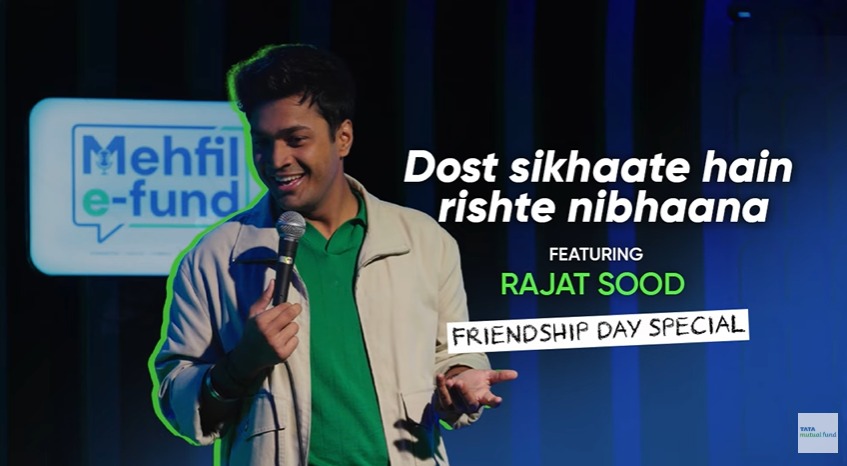
Mehfil e-fund is Tata Mutual Fund‘s unique content platform that brings together Kahaniyan, Kavita, Comedy aur Zyada, using engaging and culturally relevant formats to simplify personal finance and make investing more relatable for audiences across age groups.
The latest edition, released to mark Friendship Day, blends humour, poetry and relatable storytelling to celebrate one of life’s most cherished relationships. Through a warm and engaging narrative, it encourages audiences to appreciate the value of trust, consistency and long-term commitment—both in life and in their financial journey.
The campaign concludes with a simple yet powerful message: good friends are like SIPs—their value may not be visible every day, but over time, they become one of life’s greatest investments.
Commenting on the Friendship Day campaign, Ashish Pawar, Chief Marketing Officer, Tata Asset Management, said:
“Friends influence some of the most important decisions we make in life. They guide us, support us and teach us lessons that stay with us forever. ‘Dost Hi Sikhaate Hain‘ celebrates these everyday moments of friendship and reminds us that, much like strong friendships, meaningful journeys are built on trust, patience and consistency, qualities that also lie at the heart of investing through SIP.
The Friendship Day special is the latest offering from Mehfil e-fund, Tata Mutual Fund‘s investor education initiative that leverages creative expression—including stories, poetry, comedy and performances—to make financial concepts simple, engaging and memorable. By moving beyond conventional financial communication, the platform aims to encourage more people, especially young investors, to begin their investment journey with confidence.
The campaign will be promoted across Tata Mutual Fund‘s digital and social media platforms as part of its ongoing commitment to making investor education more accessible, relatable and impactful.
The film has been produced by Adsto Media House, bringing together humour, poetry and relatable storytelling to communicate the importance of disciplined investing.
31, Jul 2026
Family Offices Turn to Third Parties for Specialist Expertise to Overcome New Challenges and Go Global
July 31: Family offices are increasingly turning to specialist third parties for sophisticated, specialist services in order to overcome new challenges and expand internationally, global research* from Ocorian, the specialist global provider of services to high-net-worth individuals and family offices, financial institutions, asset managers and corporates, shows.
Ocorian’s study among family members and senior family office employees responsible for total wealth of $119.37 billion found that advice on illiquid investments (55%) and cyber security (49%) is currently most received from third parties, closely followed by advice on personal finances (48%).
At the other end of the spectrum, only 3% of family offices surveyed say they currently receive third-party support on extended family services, such as concierge needs, global insurance programmes and extended family financial support.
However, demand is set to rise, with over three quarters (77%) of respondents citing their use of third-party support for key services will increase across the board over the next three years, with just 21% saying it will stay the same as it is today. The main reason given is a desire for more sophisticated services (74%), followed by a lack of expertise in-house as family offices grow (62%) and the realisation that third parties are more cost-effective (55%).
More specifically, 70% said the plan to increase third party support for extended family services as their needs and requirements change and they are faced with new, emerging challenges. More than two-thirds (68%) said their use of outsourcing around wealth planning will increase in the next three years.
The study in 16 countries or territories including the UK, UAE, Singapore, Switzerland, Hong Kong, South Africa, Saudi Arabia, Mauritius and Bahrain found that when looking to appoint third party specialists, the most important factor cited by 62% of family offices is the capability to operate across multiple regions followed by the ability to establish a strong, trusted relationship (58%). This is followed by their technology and reporting proficiency (53%) and then cost (52%).
Lana So Wan Yuen, Head of Private Clients – Mauritius, at Ocorian said: “Family offices are facing new challenges as they grow and become increasingly international. That means they are looking for third-party specialist expertise which can not only support them with the skills they need but also operate across multiple jurisdictions. In addition to still needing support with core services, our research findings also point towards family offices increasingly looking for support with extended services as they grow, such as concierge needs and global insurance programmes.”
Rebecca Thrope, Global Head of Regulatory Consulting at Ocorian added: “Outsourcing to a third-party not only provides family offices access to specialist technical advice, but also can help reduce cost, increase efficiency and help manage risk. Choosing the right partner is critical, and the upfront due diligence and ongoing monitoring and oversight is equally important to ensure the benefits of outsourcing are realised.”
Ocorian’s award winning dedicated family office team provides a seamless and holistic approach to the challenges and opportunities families face. Its service is built on long-term personal relationships that are founded on a deep understanding of what matters to family office clients. Its global presence means Ocorian can provide bespoke structures and services for international families no matter where they live.
Key services include formation and administration of family offices, HR support services, support with lifestyle and luxury assets, family governance, resident and relocation services and specialist support with immigration, visas, payroll, marine and aircraft crew management and financial reporting.
31, Jul 2026
IIM Kozhikode Launches Professional Certificate in Data Analytics for Business with Generative AI

As Generative AI and Agentic AI reshapes how organisations analyse information, automate workflows and make business decisions, analytics is evolving beyond dashboards and reports. Businesses today need professionals who can combine data with AI to solve complex challenges, build intelligent workflows and drive measurable business outcomes.
Responding to this shift, IIM Kozhikode has launched the Professional Certificate in Data Analytics for Business with Generative AI, a next-generation executive programme that brings together Data Analytics, Generative AI and Agentic AI into one business-focused learning experience.
The launch comes at a time when AI-enabled analytics capabilities are becoming business critical. Gartner (2025) projects that 75% of analytics content will be GenAI-driven by 2027, while PwC (2025) reports that AI-exposed roles are witnessing 4x higher productivity growth. NASSCOM (2025) further estimates that Data and AI professionals in India can earn 30–50% more than comparable non-AI analytics roles.
Designed for both technical and non-technical professionals, with no coding experience required, the programme goes beyond traditional analytics education by integrating analytics with Generative AI, Agentic AI and intelligent automation for real business applications.
Participants benefit from an immersive, application-driven learning experience featuring:
- Integrated Data Analytics, Generative AI and Agentic AI curriculum that goes beyond traditional analytics learning.
- Exposure to 20+ industry-leading tools, including Claude, Perplexity, Microsoft Copilot, Zapier, Tableau, Gemini and Julius, to build AI-powered analytics workflows.
- Five live masterclasses led by industry experts on emerging analytics, GenAI and Agentic AI applications.
- Four applied business projects built around real-world scenarios to translate concepts into business impact.
- A GenAI and Agentic AI-powered capstone project that brings together analytics, intelligent automation and AI-driven decision-making to solve a real business challenge.
By combining academic rigour with practical business application, the programme helps professionals build future-ready capabilities, develop an AI-first decision-making mindset and confidently drive innovation and business transformation.
Backed by IIM Kozhikode‘s globally recognised academic excellence, including its Triple Crown accreditation (AMBA, AACSB and EQUIS), #3 ranking among management institutions in India (NIRF 2025), and #76 global ranking in the Financial Times Open Enrolment Rankings 2025; the programme prepares professionals to lead with analytics and AI in an increasingly intelligent business environment.
Programme At a Glance
- Duration: 6 months
- Weekly Commitment: 4–5 hours per week
- Mode: Online with live sessions
- Eligibility: Graduates or diploma holders (10+2+3) from any discipline
- Learning Experience: Live masterclasses, hands-on learning with 20+ analytics, GenAI and automation tools, four applied projects, a GenAI-powered capstone project, and an optional networking event at the IIM Kozhikode campus (available at an additional cost).
As organisations accelerate AI adoption, professionals who can combine analytics with intelligent automation will be best positioned to create lasting business value.
Applications are now open for professionals looking to build AI-powered analytics capabilities and lead the next wave of business transformation.
31, Jul 2026
Berger Paints Enhances Puri’s Iconic Rath Yatra Procession Route
Bengaluru, July 31: Following the successful conclusion of this year’s Jagannath Rath Yatra, Berger Paints India Ltd. marked the completion of painting the Puri’s iconic Grand Road , continuing its association with the landmark route for the second consecutive year. The company contributed decorative paint solutions to the stretch that served as the centrepiece of one of India’s most significant religious festivals.

The initiative covered nearly 300 buildings lining both sides of the 4-kilometre stretch between the Shree Jagannath Temple and the Mausi Maa Temple, with close to 10 lakh sq. ft. of surface painted over a period of one month. Finished in a uniform light peach colour with white borders, the refreshed route formed the backdrop to this year’s Jagannath Rath Yatra, welcoming millions of devotees during the annual procession.
Mr. Abhijit Roy, MD & CEO, Berger Paints India Limited, said,
“We were honoured to contribute to this year’s Rath Yatra celebrations and see the Grand Road serve as the backdrop to one of India’s most revered cultural and spiritual traditions. It was a privilege to be part of an initiative experienced by millions of devotees and visitors during the festival. At Berger Paints, we believe preserving colour goes beyond surfaces—it’s about preserving the spirit, identity and stories that make places and people unique. That belief lies at the heart of our recently launched Rang Bana Rahe campaign, which celebrates the resilience to hold on to what defines us, even as life changes around us.”
With decades of expertise in decorative and protective coatings, Berger Paints continues to support projects that enhance public spaces while celebrating India’s rich cultural heritage. The company’s association with this year’s Rath Yatra reflects its commitment to combining technical excellence with meaningful cultural engagement, contributing to initiatives that leave a lasting impact on communities.”
31, Jul 2026
Cipla Health’s new W.H.O hai toh woh ORS hai campaign highlights the importance of knowing the correct ORS

July 31: On the occasion of World ORS Day, Cipla Health Limited has launched its annual awareness campaign for Prolyte ORS, aimed at encouraging consumers to understand the benefits of World Health Organization (W.H.O.) approved Oral Rehydration Solutions. Anchored in the message “W.H.O hai toh woh ORS hai” the campaign seeks to encourage consumers to look for the W.H.O. recommended mark on the pack while purchasing ORS.
While ORS has long been recognized as an important aid in managing dehydration, adoption gaps continue to persist. Data from the National Family Health Survey-5 (NFHS-5) shows that only around 62% of children under five suffering from diarrhoea received ORS, highlighting the need for greater awareness around dehydration management. Despite being easy to use and highly effective, ORS treatment rates continue to vary considerably across regions. Research has shown that many areas with a high prevalence of child diarrhoea continue to report low ORS treatment rates, and that although ORS is widely considered the primary treatment option for childhood diarrhoea, adherence to this recommendation remains far from optimal, creating a significant know-do gap between awareness and actual usage.
Internal Cipla Health data further indicates a continued need to strengthen consumer understanding around ORS. While awareness of ORS rises to nearly 70% when consumers are prompted, more than 75% of ORS-aware consumers are unable to recall what ORS stands for. Further, among aware users, only around 61% recalled seeing the ‘W.H.O.-recommended’ mark on pack, suggesting that while familiarity with ORS exists, awareness around formulations and what consumers should look for while purchasing ORS continues to evolve. Data from the engagements across Hyderabad and Mumbai showed the need for more knowledge amongst consumers around ORS. Only 85% respondents indicated they knew what to look for while purchasing an ORS product.
As part of the campaign, Cipla Health is undertaking a series of awareness initiatives designed to encourage consumers to understand what constitutes an appropriate ORS formulation. These include a hospital-led awareness initiative in association with MGM Group of Hospitals, where medical experts will engage with doctors, patients and caregivers on recognising dehydration, understanding the role of ORS in rehydration and the importance of choosing W.H.O. recommended formulations. The campaign will also feature educational content led by nutritionists and fitness creators, healthcare professional outreach programmes, consumer sampling activities, transit and outdoor visibility initiatives, and trade engagement efforts aimed at reinforcing the importance of choosing a W.H.O. recommended ORS formulation.
Shivam Puri, CEO, One India Business, Cipla said “As India experiences longer summers, rising temperatures, and a growing burden of heat-related illnesses, dehydration is becoming an increasingly critical public health challenge. While Oral Rehydration Solution (ORS) has remained the WHO-recommended gold standard for managing dehydration, awareness around choosing the right ORS formulation remains inconsistent. As category leaders, we have a responsibility that goes beyond providing solutions; we must empower people with the knowledge to make informed decisions. Through our efforts this year, we aim to close the awareness gaps, improve access to credible information, deepen understanding of global ORS standards, and reinforce the importance of evidence-based hydration practices. Our goal is simple: to help every Indian household recognize, choose, and trust scientifically validated hydration solutions when they matter most.”
Commenting on the importance of hydration awareness, Dr. Usha Chennuru, Senior Director Medical Services at Cipla Health said “We commonly see that many people do not recognise the early signs of dehydration or understand the role ORS can play in managing it. Greater awareness and timely action can help people make more informed choices and take appropriate steps to manage dehydration effectively.”
Among individuals engaged across activations in Hyderabad, 27% reported experiencing dehydration-related symptoms during outdoor activities like excessive sweating, and fever while 96% said these episodes had affected their productivity or day-to-day routine. The findings also revealed that 9% respondents were unaware of the role ORS can play in managing dehydration, highlighting the need for greater awareness around dehydration management and appropriate rehydration practices.
In Mumbai, Cipla Health along with a national medical association, and MGM Navi Mumbai Hospital engaged with 432 patients through awareness and counselling sessions in Mumbai. The interactions revealed that 31% participants were unaware of factors to consider while purchasing ORS.


